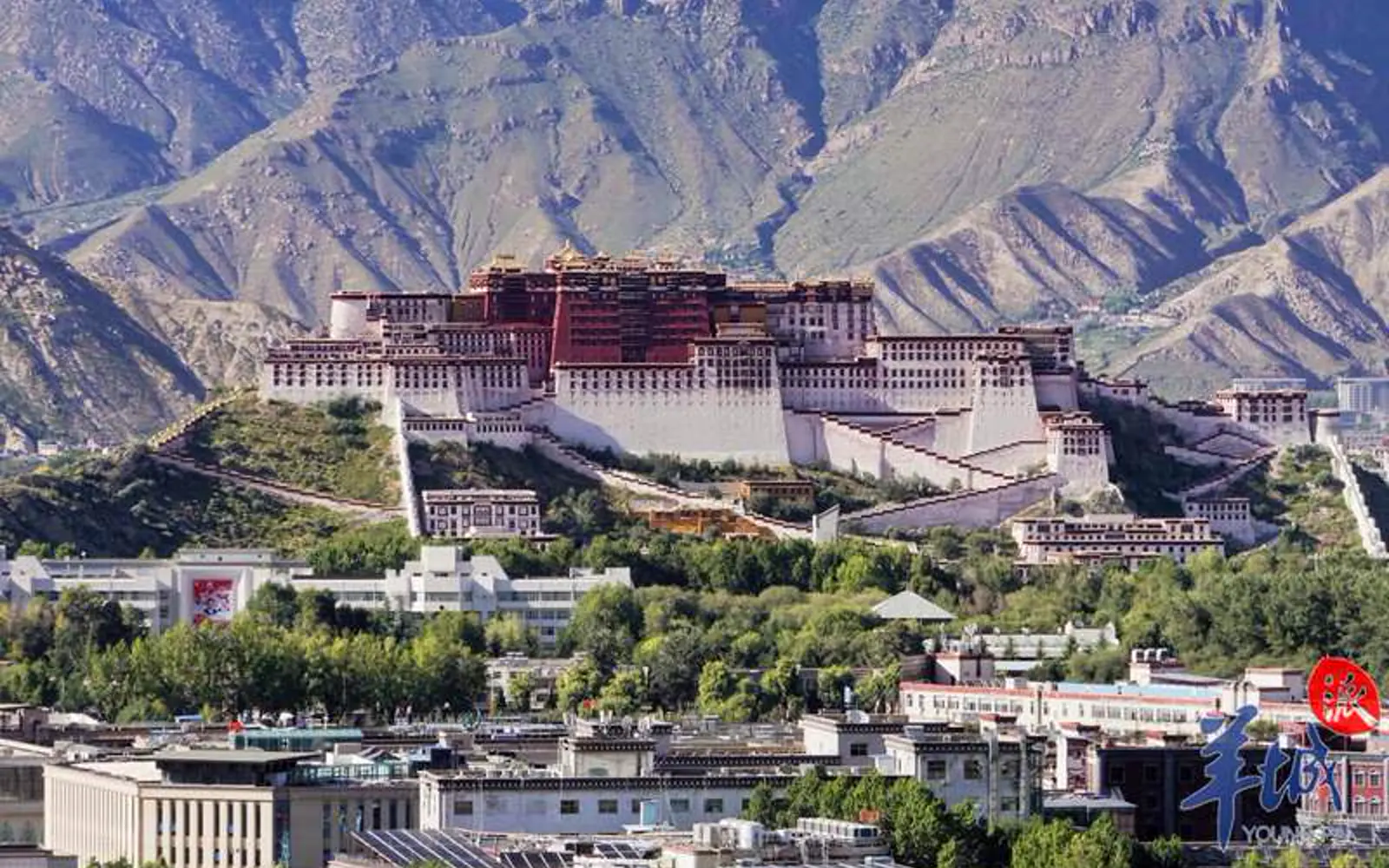
Lhasa sits at 3,650 meters above sea level, which means the air is thinner than your expectations. You arrive, you gasp, you slow down. And slowing down turns out to be the whole point.
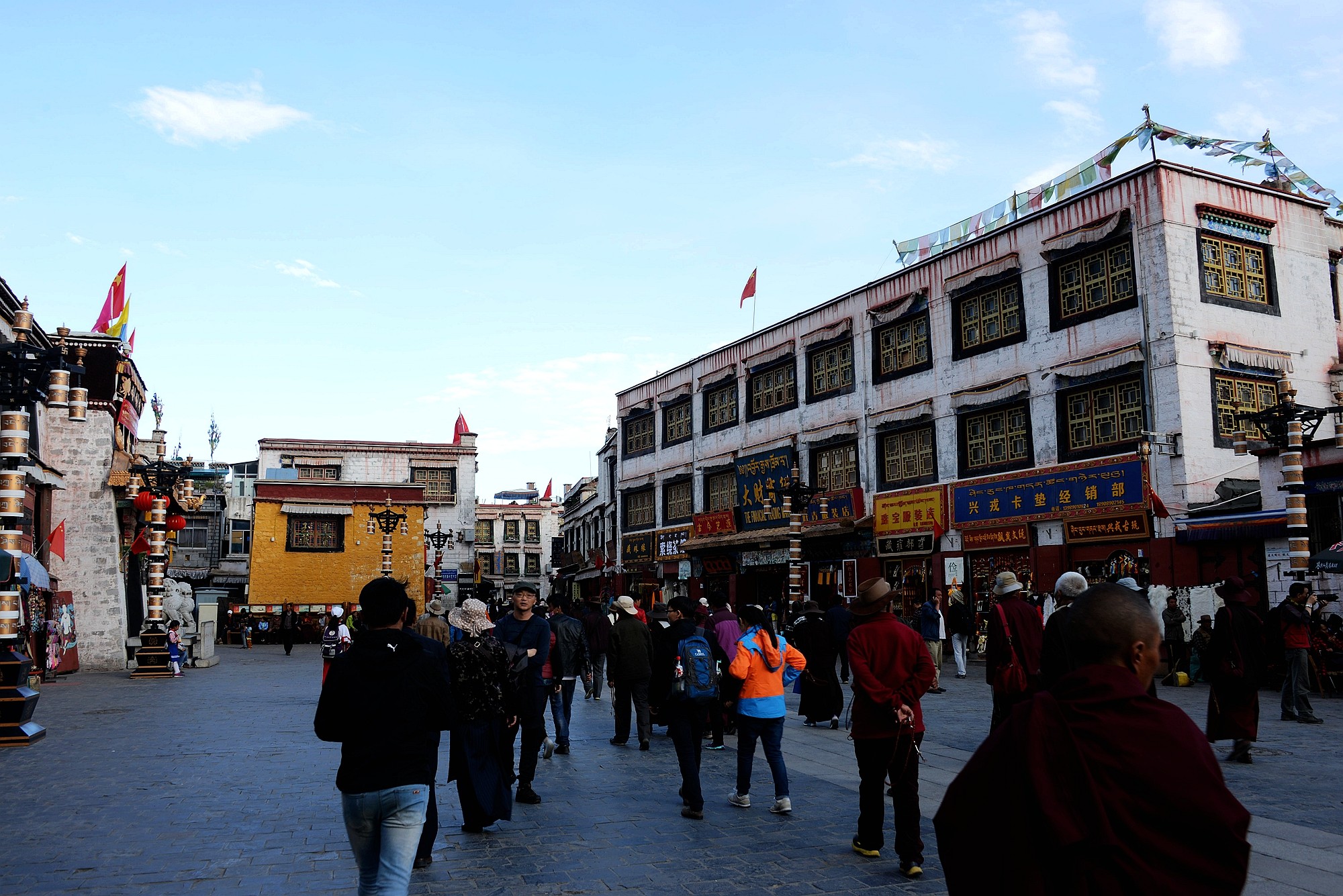
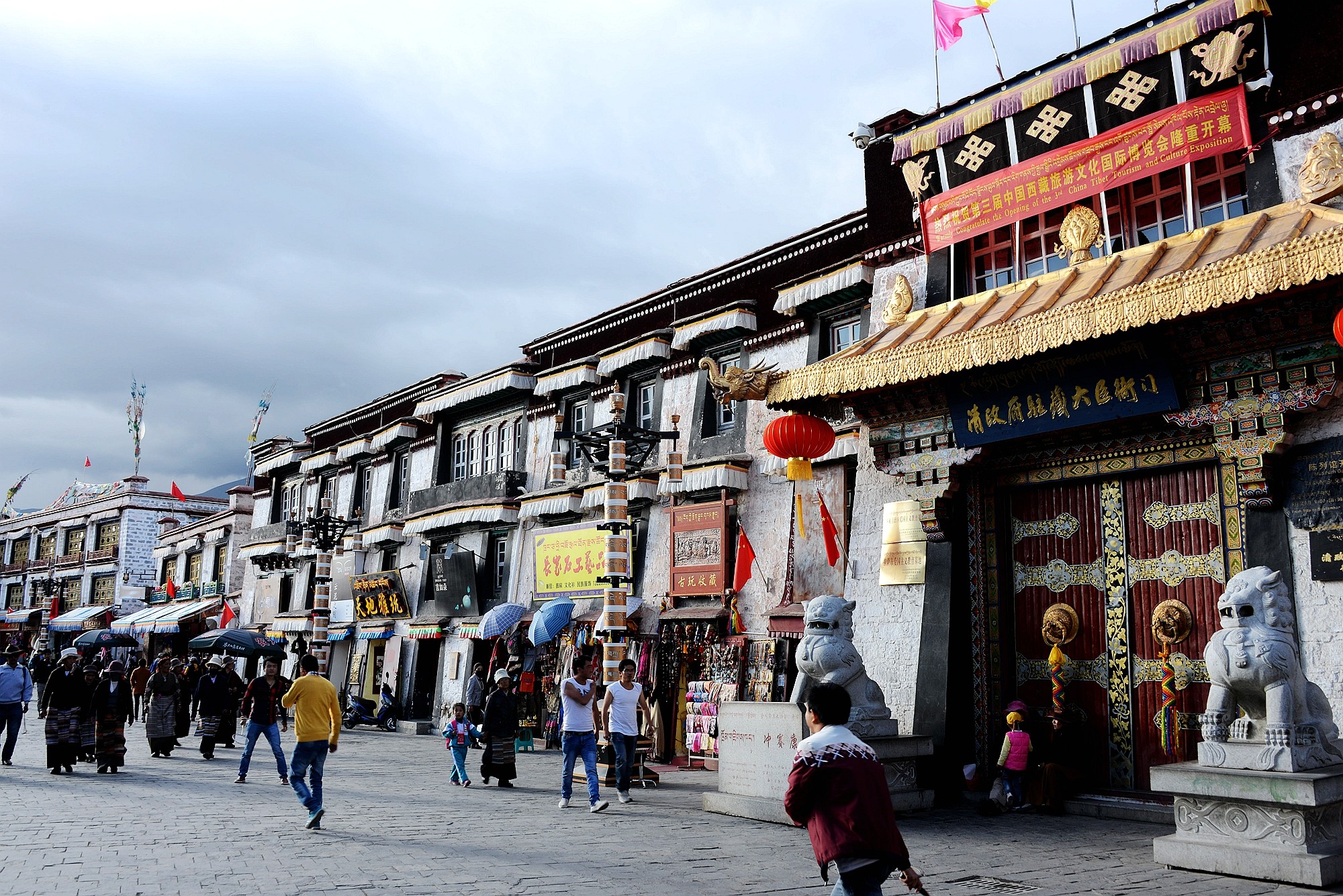
The city doesn't look like a capital of anything, at first. The streets are wide, the buildings are modern, and there's a shopping mall across from the Jokhang Temple. If you came expecting a Tibetan fairy tale, the ATM machines and mobile phone shops will disappoint you. But give it a day. The surface is just the surface.
The Pilgrimage
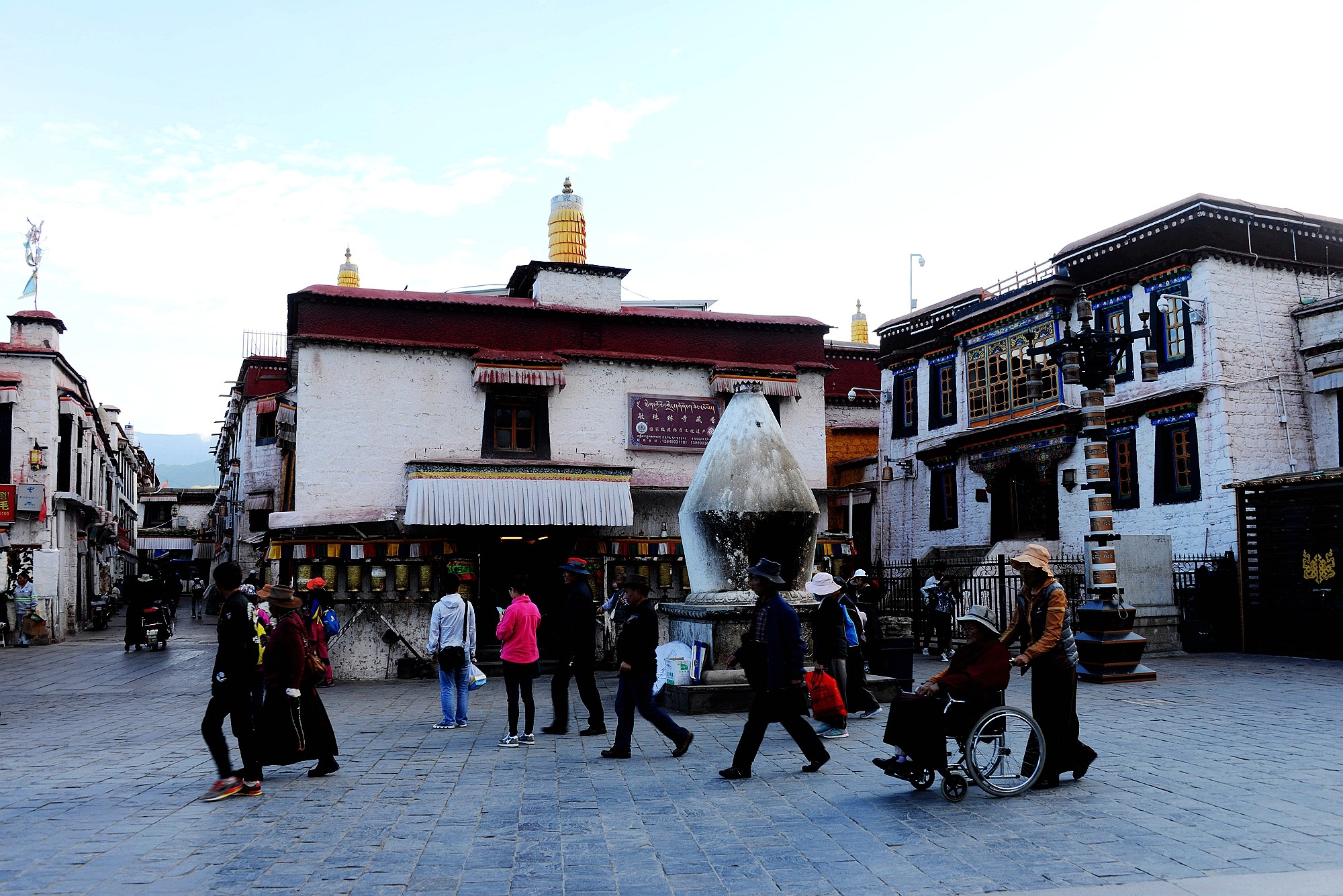
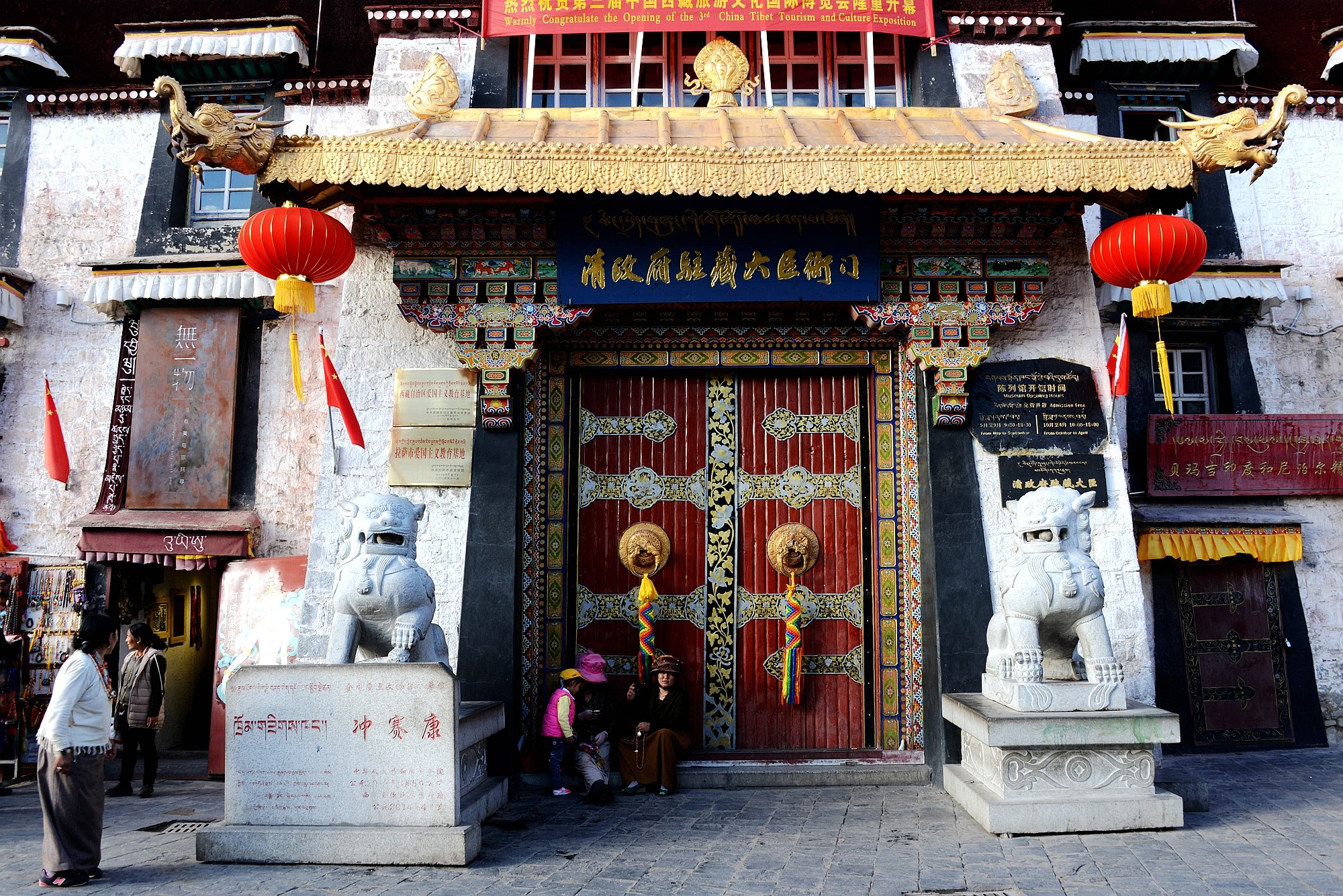
Lhasa's day begins before sunrise with the sound of footsteps. The Barkhor circuit, a one-kilometer pilgrimage route around the Jokhang Temple, fills with Tibetans walking clockwise, prayer wheels spinning, lips moving in silent mantra. The air smells of juniper incense burning in the temple courtyard — food for the gods.
Some of these pilgrims have walked for months, prostrating themselves every three steps, measuring the journey to the holy city with the length of their bodies. When they finally see the golden roof of the Jokhang, their expression is the same as a pilgrim's a thousand years ago. That continuity is not a metaphor. It's visible.
The City of Sunlight
But the real Lhasa is not in the monuments. It's in the tea houses. Every street has at least one, and every tea house is full by mid-morning. A pot of sweet tea costs three yuan. A bowl of Tibetan noodles costs five. You can sit for hours while the sun — Lhasa gets over 3,000 hours of sunshine a year, hence the nickname "City of Sunlight" — pours through the windows. The Tibetans at the next table might be playing a dice game called sho, or simply staring into space with the serene disinterest of people who don't own clocks.
There's a Tibetan saying: "A person's life is as brief as a cat's yawn." It's not morbid. It's practical. If life is that short, worrying about the stock market seems foolish. What matters is the next cup of tea, the next turn of the prayer wheel, the next incarnation.
The River
Near sunset, walk down to the Lhasa River. The water is milky with glacial silt. On the far bank, the mountains turn pink, then purple, then black. The city growls behind you. But the river doesn't care. It's been flowing past this valley for millennia, carrying snowmelt from the Himalayas to the Brahmaputra.
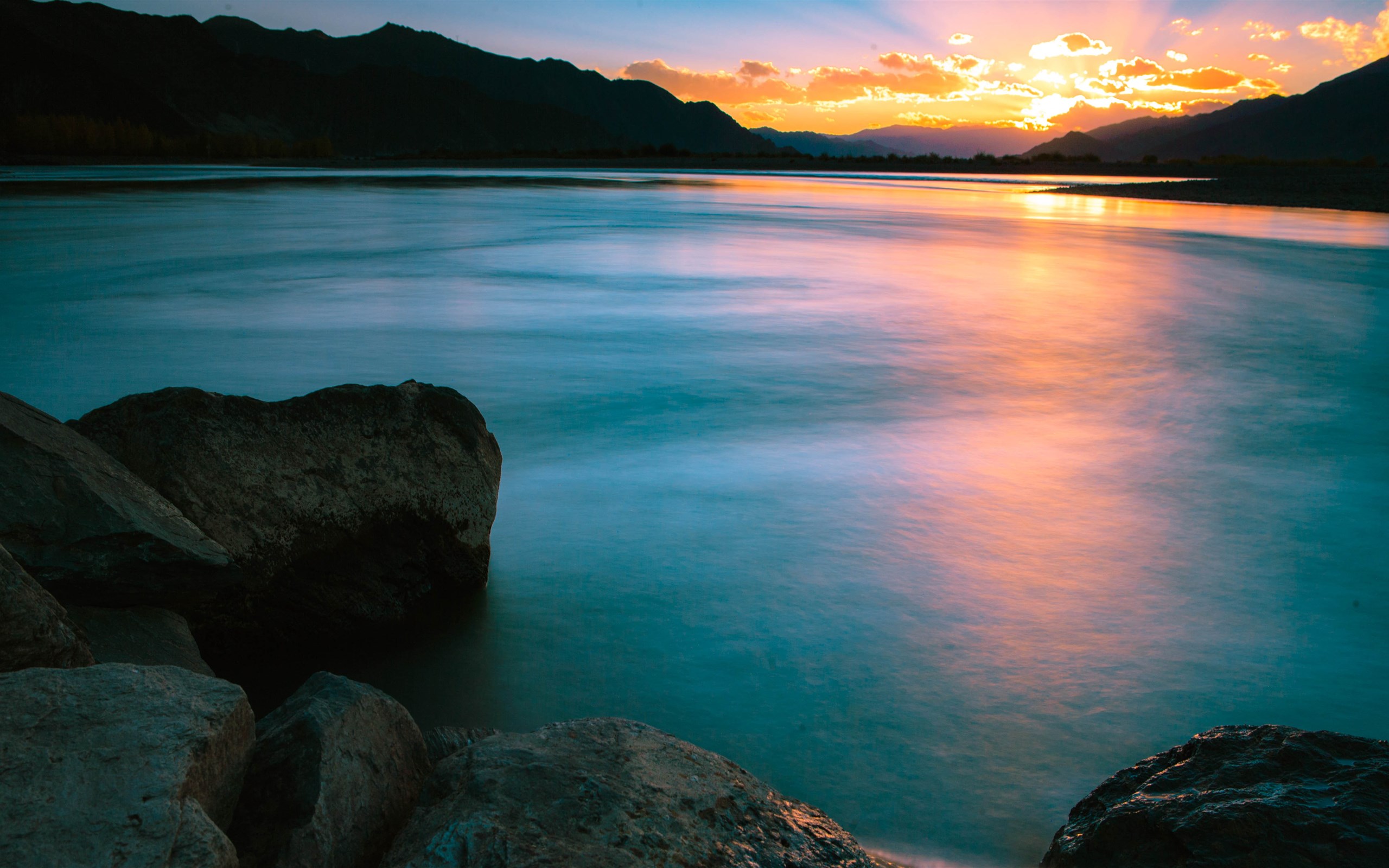
You're just one more person standing on its bank, breathing thin air, trying to be still. And for a moment, at 3,650 meters, you succeed.