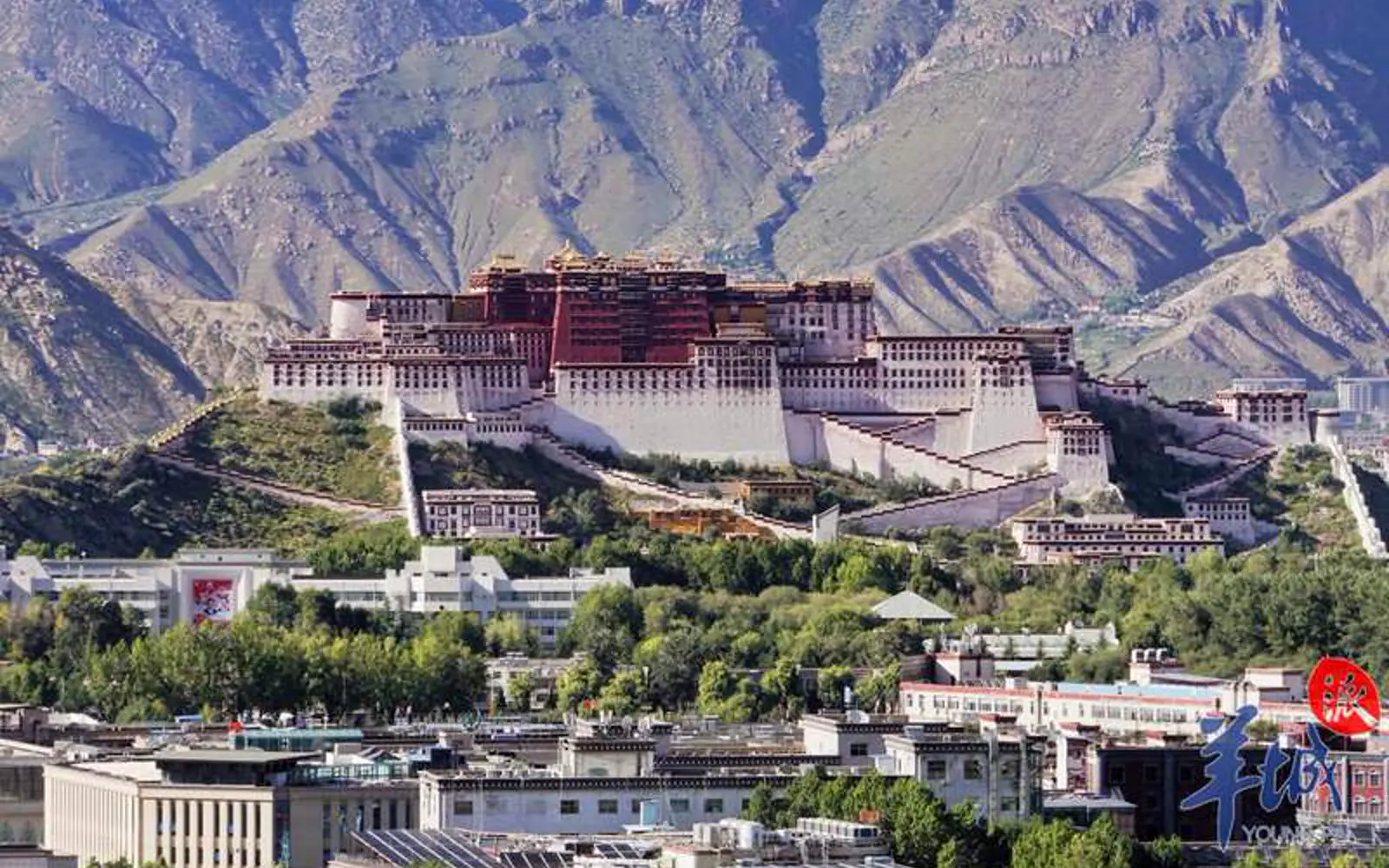
Lhasa
The rooftop of the world — sacred temples, Tibetan Buddhism, and the legendary Potala Palace.
Lhasa at a Glance
Everything you need to know before you go.
Where to Stay
Choose the neighborhood that fits your style.
City Center (Chengguan)
The heart of Lhasa, centered on Beijing East Road, offers a mix of historic hostels like Basum and Kirey, plus modern comforts at Kailash Hotel. Easy access to Potala Palace, shopping at Shenli Times Square, and diverse dining. Ideal for first-timers seeking convenience and vibrant atmosphere.
Best accessBarkhor Street
This ancient pilgrim circuit around Jokhang Temple is lined with traditional Tibetan houses converted into charming guesthouses like Dongcuo and Danjielin Zhaxia. Enjoy local sweet tea at Guangming, explore artisan shops, and soak in spiritual ambiance. Perfect for culture enthusiasts and photographers.
Cultural immersionLhasa New Area
A developing district with modern hotels and local eateries, offering a quieter stay away from tourist crowds. Good transport links to city center and attractions. Suits travelers seeking contemporary amenities and a more local experience.
Modern comfortSera Monastery Area
Nestled near the famous Sera Monastery, this area provides a serene retreat with views of the surrounding hills. Guesthouses here offer peaceful courtyards and easy access to monastery debates. Ideal for those wanting tranquility and spiritual exploration.
Peaceful retreatLhasa Highlights
The city's essential experiences.
The Potala Palace, a symbol of Tibet, is the world's highest and most majestic palace. Built in 641 AD to welcome Princess Wencheng, it houses the essence of Tibetan culture. Visit early to avoid crowds and note the 1-hour visiting limit.
Jokhang Temple is the spiritual heart of Lhasa, where pilgrims perform kora. It houses the revered statue of twelve-year-old Shakyamuni Buddha. Note: a fire in 2018 may have damaged parts; check status before visiting.
Built in the 7th century under Princess Wencheng's direction, Ramoche Temple's name means 'of the Han people'. It originally housed the twelve-year-old Shakyamuni statue. A key site for understanding Sino-Tibetan history.
One of the three great Gelug monasteries, Drepung sits on a mountainside, resembling a pile of rice (hence its name). Explore its grand halls and enjoy panoramic views of Lhasa. Combine with a visit to nearby Tsanggu Nunnery.
Sera Monastery is famous for its lively monks' debates held in the courtyard. As one of the three great Gelug monasteries, it offers a glimpse into Tibetan Buddhist scholarship. Visit in the afternoon to witness debates.
With over 500 years of history, Tsanggu Nunnery is a renowned nunnery in Tibet. It features an authentic sweet tea house where visitors can relax. Located on Lingkhor Road, it's easily accessible on foot within Lhasa.
Founded in 1447 by the 1st Dalai Lama, Tashilhunpo is the largest monastery in Tibet after the Potala. It is the seat of the Panchen Lama. Its grand halls and golden roofs are a testament to its historical importance.
The world's highest plateau railway connects Xining to Lhasa, crossing the Kunlun and Tanggula mountains. Enjoy views of snow peaks, glaciers, and Tibetan antelope. Take train Z21 or Z165 for the best scenery; book a window seat.
At Gawula Pass, you can see four 8000-meter peaks: Makalu, Lhotse, Everest, and Cho Oyu. It's a photographer's paradise, especially at sunrise or sunset. Arrive before 5 AM from Tingri to catch the golden light.
Located above a white stupa near the Karola Pass, this 5400-meter glacier is easily accessible from the road. Its surface is covered with moraine, giving it a unique appearance. A must-see on the way to Nagarze.
Yamdrok Lake is one of Tibet's three sacred lakes, with turquoise waters surrounded by snow-capped mountains. Visit Samding Monastery on its shore, the only monastery in Tibet headed by a female reincarnation.
Barkhor Street is a thousand-year-old ancient street and the main kora route around Jokhang Temple. It's a bustling market for ethnic handicrafts. Wander its alleys to discover hidden courtyards and historic buildings.
Explore Lhasa's old town by walking the kora circuits: Lingkhor, Barkhor, and Dui. Discover traditional houses like Senga (noble mansions) and Labrang (monks' residences). Slow down to truly experience Lhasa's living heritage.
Norbulingka, the summer palace of the Dalai Lamas, is a UNESCO World Heritage Site. Its beautiful gardens and pavilions offer a peaceful retreat. Visit during the Shoton Festival to see traditional opera performances.
Ganden Monastery, founded by Tsongkhapa, is one of the three great Gelug monasteries. Perched on a hill, it offers stunning views. It's the starting point for the famous Ganden to Samye trek, a 3-day pilgrimage route.
Best Time to Visit
Each season offers something different.
Spring
Cool and dry, with occasional sandstorms. Good for sightseeing, but pack warm layers for chilly mornings and evenings.
Summer
Warm and rainy, with most rainfall in July and August. Ideal for escaping heat, but be prepared for sudden showers and strong UV rays.
Autumn
Clear skies and mild temperatures, making it the best season for outdoor activities. Nights can be cold, so bring a jacket.
Winter
Cold and dry, with plenty of sunshine. Fewer crowds and lower prices, but ensure you have adequate cold-weather gear.
Suggested Itineraries
Plans for every schedule.
Classic 2-Day
Day 1: Potala Palace, Jokhang Temple, Barkhor Street. Day 2: Drepung Monastery, Sera Monastery.
Lhasa Highlights 3-Day
Day 1: Potala Palace, Jokhang Temple, Barkhor Street. Day 2: Drepung Monastery, Sera Monastery, Norbulingka Palace. Day 3: Lhasa Old Town Walk, Ganden Monastery.
Sacred Lakes & Glaciers 3-Day
Day 1: Yamdrok Lake, Karola Glacier, Gawula Pass. Day 2: Potala Palace, Jokhang Temple. Day 3: Drepung Monastery, Sera Monastery.
Comprehensive 4-Day
Day 1: Potala Palace, Jokhang Temple, Barkhor Street. Day 2: Drepung Monastery, Sera Monastery, Norbulingka Palace. Day 3: Yamdrok Lake, Karola Glacier, Gawula Pass. Day 4: Ganden Monastery, Lhasa Old Town Walk, Qinghai-Tibet Railway.
Local Tips
Insider knowledge for a smoother trip.
Spend a couple of days in Lhasa before heading to higher altitudes to avoid severe altitude sickness.
The sun is intense; wear sunscreen, sunglasses, and a hat to prevent sunburn.
Temperature changes are significant; carry a jacket for sudden shifts.
Walk clockwise around temples, remove hats indoors, and avoid pointing at religious figures.
The air is dry; drink plenty of water to prevent dehydration and altitude effects.
Beware of fake tour operators and aggressive beggars; use licensed vehicles with 'Tibet AL' plates.
Sound & Screen — lhasa
Songs and films that capture the spirit of lhasa.
FAQs About Lhasa
Sound & Screen — lhasa
Songs and films that capture the spirit of lhasa.
Quick answers to common questions.
FAQs About Lhasa
Quick answers to common questions.
Ready to Explore Lhasa?
Let MagicTrip build the perfect Lhasa itinerary.