Chapter 4
Money Matters
China is nearly cashless. Here's what you actually need to know about paying for things.
Back to Essentials
Chapter 4
China is nearly cashless. Here's what you actually need to know about paying for things.
Back to EssentialsSpoiler: cashless wins. But you still need a small cash backup.
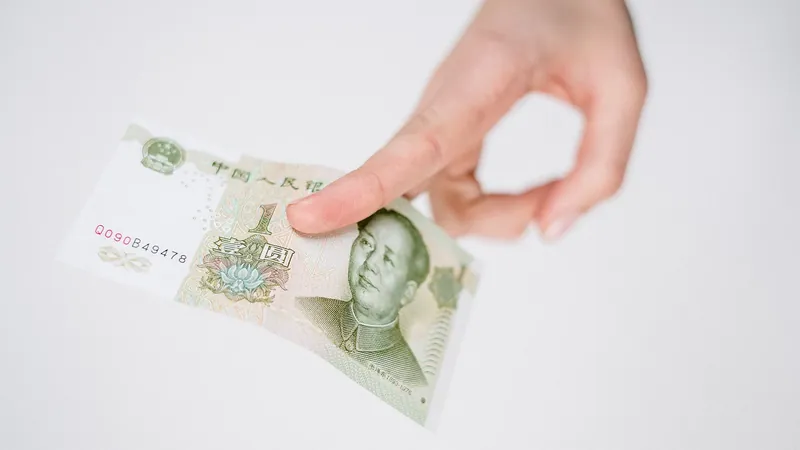
No — don't bring foreign currency. Most places don't give change for cash payments. Using a ¥100 note to buy a ¥3 bottle of water? The shopkeeper probably can't break it.
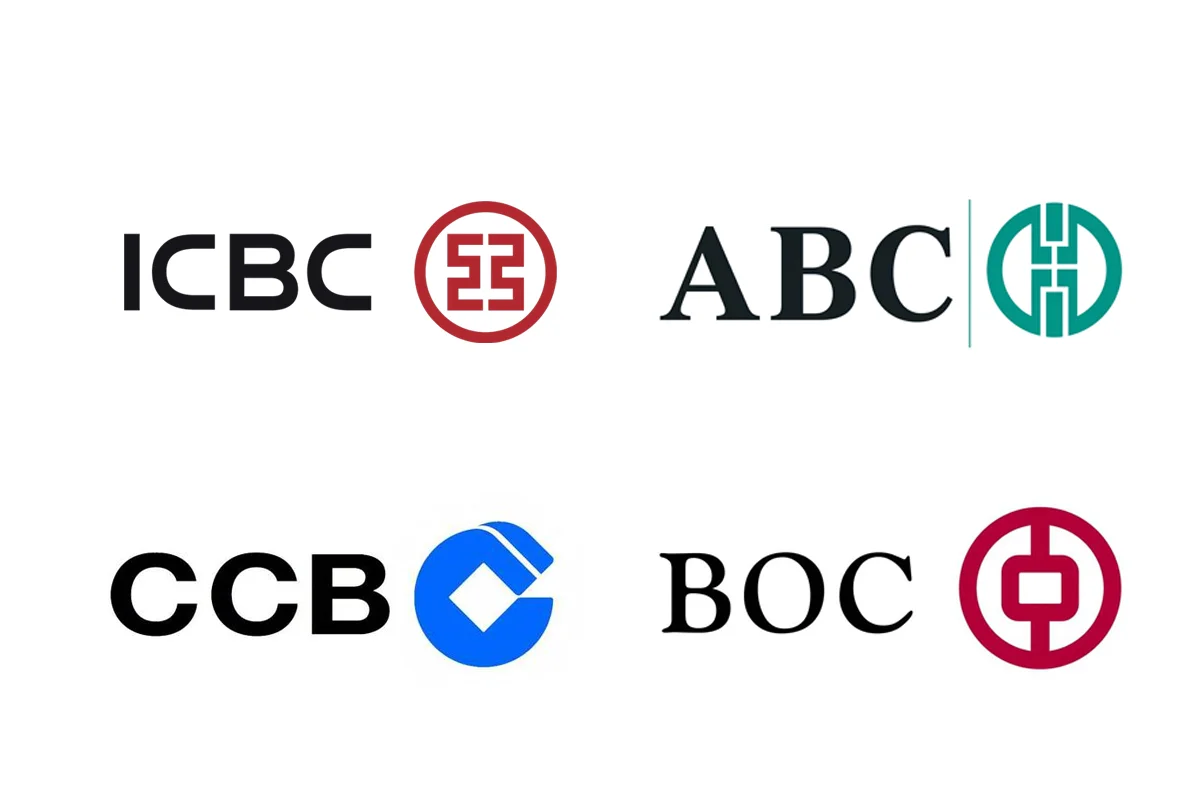
The only reliable exchange spots are airport counters or major bank branches (Bank of China, ICBC). Exchange when you land.
The two apps that run China's payment system. Here's how they compare.
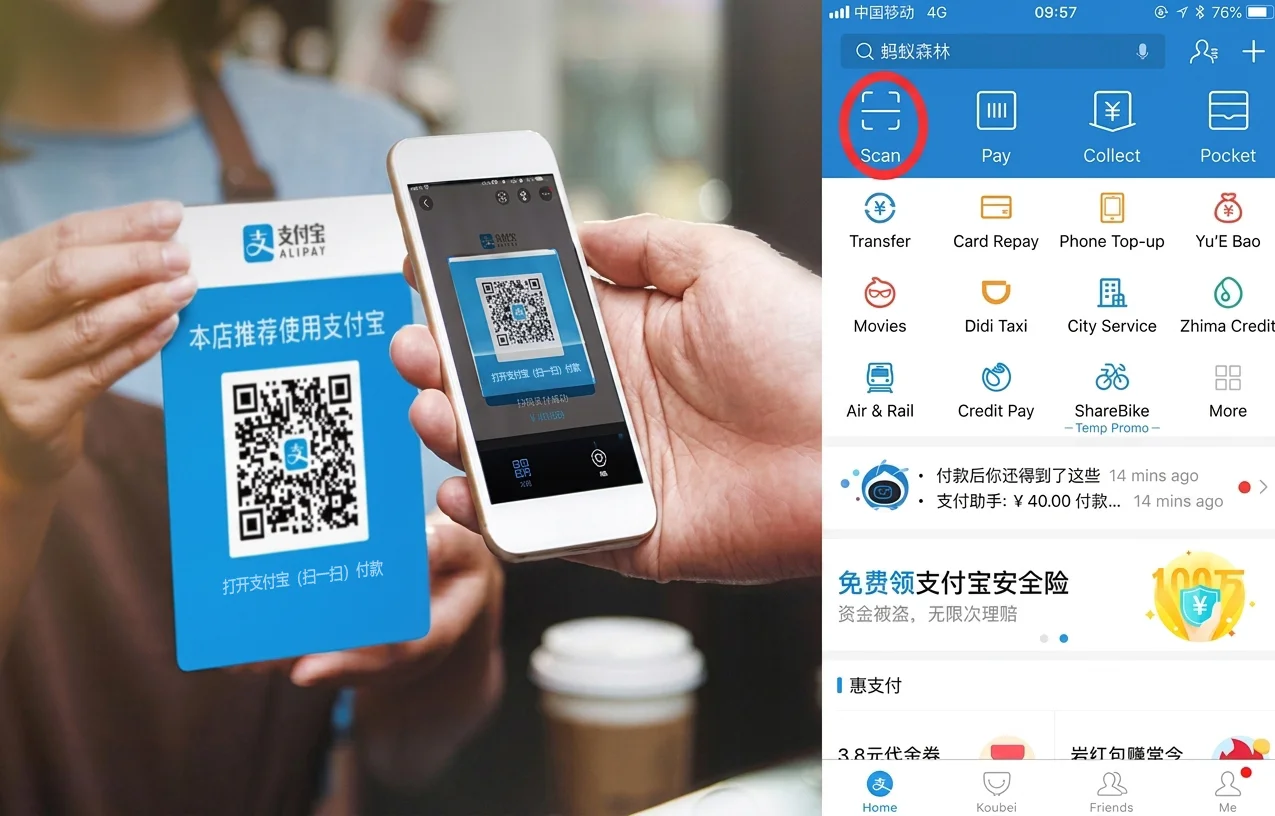
Alipay: Fewest restrictions for foreigners. It partners with 65 financial institutions including Visa and Mastercard — link your foreign card and you're set. Under ¥200: no fee. Over ¥200: 3% fee. Works almost everywhere.
If you can't open a Chinese bank account, use Tour Pass — a prepaid card inside Alipay that you load with your foreign credit card using your passport and phone number. No Chinese bank card needed.
WeChat Pay: No foreign card fee, but only works at partner merchants (DiDi, JD, trains, food delivery). Cannot send person-to-person with a foreign card.
Chinese QR code payment platforms charge no additional fee for micro-transactions — paying even ¥0.50 for a bottle of water costs nothing extra, unlike credit cards that often carry a fixed per-transaction fee.
When you really need physical money.
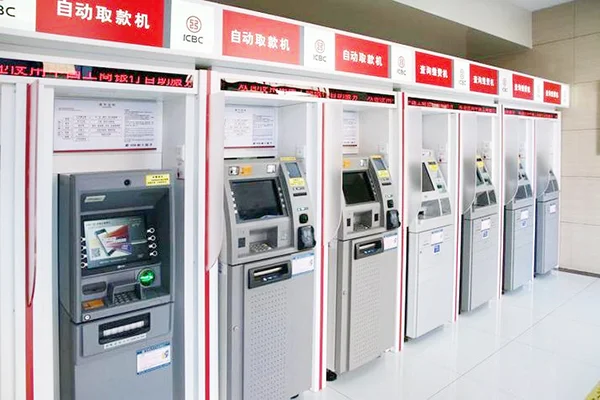
ATMs at airports and major banks accept foreign cards (look for Visa/Mastercard/Plus/Cirrus logos). Your home bank charges a foreign transaction fee.
Bonus hack: If you have a Chinese-speaking friend, withdraw cash and have them transfer the equivalent to your Alipay/WeChat wallet. This bypasses exchange fees.
Payment words you'll use daily.
Now that you've got your money sorted, let's talk transport.
Continue to Chapter 5 →