Chapter 6
Food & Stay
Eating well and sleeping safely — the essentials for any trip.
Back to Essentials
Chapter 6
Eating well and sleeping safely — the essentials for any trip.
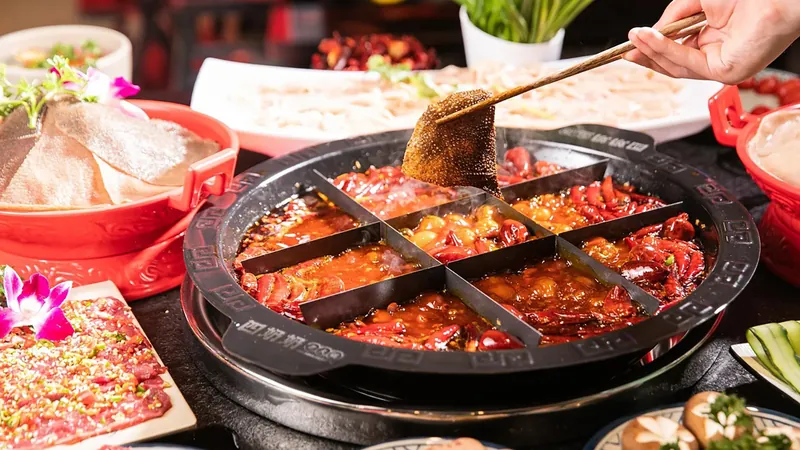
Back to EssentialsHow to eat when you can't read a single character on the menu.
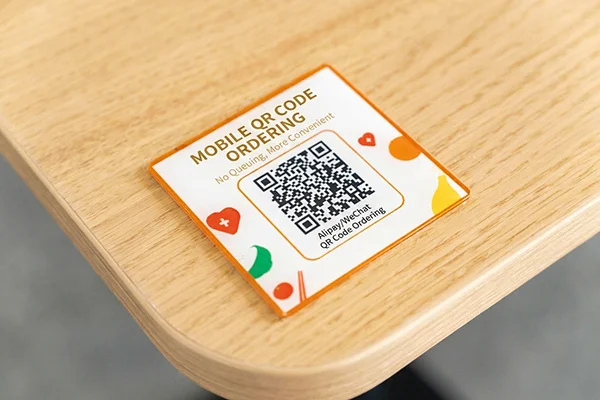
Most restaurants now use QR code ordering — scan a code on the table, a menu opens on your phone. Screenshot it and feed it to a translation app, or use live camera translation.
At local joints without English menus: point at pictures. Show these to your server: 素食 (Soo-shr) = vegetarian | 不辣 (Boo lah) = not spicy | 过敏 (Gwaw-min) = allergy.
Two things every traveler worries about — here's the reality.
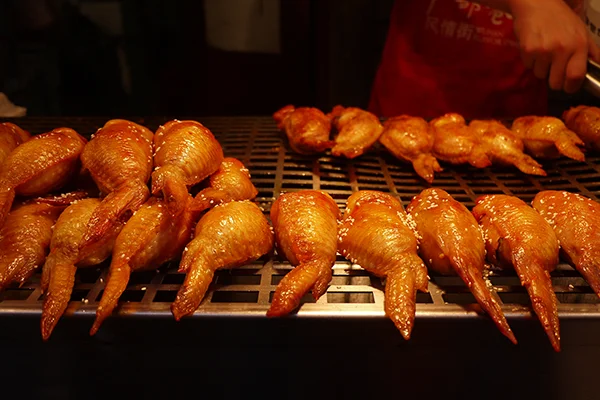
If there's a long line of locals, the food is fresh and good. One foreigner who ate street food for three years got food poisoning once — from a bacon cheeseburger, not from street food.
Tap water: Don't drink it. Locals don't either. Stick to boiled water (free at most restaurants), bottled water (¥2–3), or filtered. Tea is not free — the good stuff is expensive.
Hotels vs Airbnb — and the police registration you can't skip.

Hotels: They automatically register your stay with the police when you check in. No action needed from you — this is the safest option.
Booking tips: Use Chinese booking platforms and filter for "Accepts Foreigners" — smaller hotels may not have the license to host foreign guests. International chains (Marriott, Hilton, Shangri-La) are always safe bets. Mid-range chains like Ji Hotel, Hanting, and Jinjiang Inn are reliable and foreigner-friendly.
Read the reviews and search for keywords like "foreigner", "passport", or "police registration" — if recent foreign guests had no issues, you are good. In tier-1 cities (Beijing, Shanghai) most hotels work; in smaller cities stick to verified chains.
Attraction tickets: Many major attractions (Forbidden City, Shanghai Disney, Zhangjiajie) require advance booking with your passport number — often days or weeks ahead for peak season. Book through official WeChat mini-programs or online platforms. Real-name registration is mandatory.
Airbnb / staying with friends: You must register at the local police station within 24 hours of arrival. The host should help. Don't skip this — the fines are real.
What to expect — and what to bring.
No toilet paper or soap — bring your own tissue pack and hand sanitizer. Almost universal outside of high-end hotels.
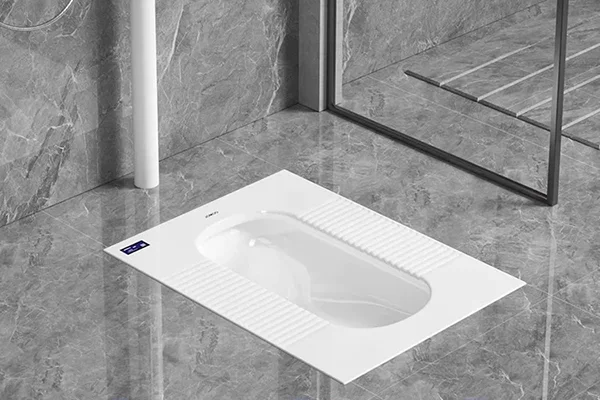
Squat toilets — common in older buildings. Western toilets exist in hotels, airports, and newer malls.
Don't flush paper — older plumbing can't handle it. Use the bin next to the toilet.
Restaurant and restroom survival phrases.
Learn the cultural do's and don'ts that make all the difference.
Continue to Chapter 7 →