Chengdu
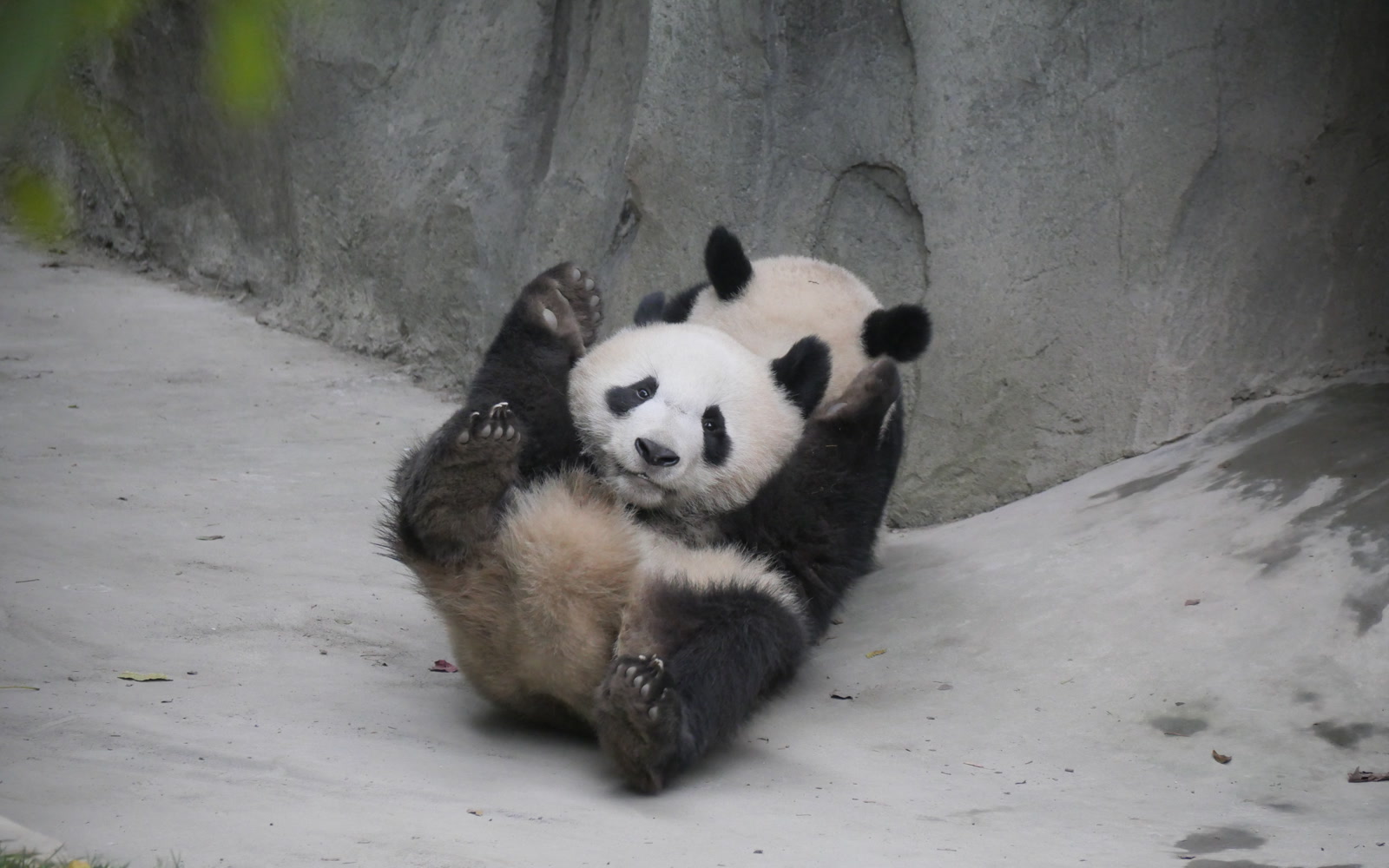
A city that perfectly balances ancient traditions with modern zest — pandas, spicy food, and laid-back charm.
Chengdu at a Glance
Everything you need to know before you go.
Where to Stay
Choose the neighborhood that fits your style.
Jinli / Wuhou Area
Stay near historic Jinli Street and Wuhou Shrine, with Sichuan Minshan Hotel and Shidai Jinjiang International Hotel offering upscale comfort. Explore ancient architecture, teahouses, and local snacks. Ideal for culture lovers and first-timers seeking authentic Chengdu charm.
Cultural immersionTaikoo Li / Chunxi Road
Located in the heart of downtown, this area features Crowne Plaza Chengdu City Center and Sichuan Jinjiang Hotel. Enjoy luxury shopping, trendy dining, and vibrant nightlife. Perfect for shopaholics and those who want easy access to city life.
Urban hubKuanzhai Alley Area
Experience traditional Sichuan courtyard houses and narrow alleys, with nearby Chengdu City Celebrity Hotel and Chengdu Wangjiang Hotel. Savor local street food, visit teahouses, and soak in old Chengdu atmosphere. Great for history buffs and foodies.
Historic vibeSouth Hi-tech Zone
A modern business district with InterContinental Chengdu Global Center and Wyndham Grand Plaza Royale Palace Chengdu. Features high-end hotels, convention centers, and tech parks. Suits business travelers and those seeking contemporary comforts.
Business & modernChengdu Subway Map
Navigate the city with the metro system. Plan routes, explore stations, and find exits.
Chengdu Highlights
The city's essential experiences.
An ancient irrigation system still in use today, Dujiangyan showcases remarkable engineering. Explore the dam and learn how it has protected the Chengdu Plain for over 2,000 years.
A sacred Taoist mountain with lush forests and serene temples. Hike the scenic trails, visit historic sites, and enjoy the peaceful atmosphere away from the city.
Home to giant pandas, this research base offers a chance to see these adorable creatures up close. Visit in the morning when pandas are most active and playful.
Located in the mountains, Panda Valley is a breeding and training center for pandas. See pandas in a more natural setting and learn about conservation efforts.
Dedicated to Zhuge Liang, this shrine honors the Three Kingdoms era. Wander through the halls and gardens, and don't miss the famous 'Tomb of the King of Shu'.
A lively pedestrian street filled with traditional architecture, local snacks, and souvenirs. Perfect for an evening stroll, especially when lanterns light up the street.
A historic area with three parallel alleys: Kuan, Zhai, and Jing. Explore the courtyard houses, trendy shops, and cafes that blend old and new Chengdu.
One of China's largest museums, housing artifacts from the Shu civilization. Highlights include bronze masks and pottery, offering a deep dive into Sichuan's history.
An open-air shopping district blending modern design with ancient architecture. Browse luxury brands, dine at trendy restaurants, and admire the historic Daci Temple.
Chengdu's busiest shopping street, bustling with energy day and night. Shop for fashion, sample street food, and experience the city's vibrant commercial heart.
A must-see performance featuring face-changing, fire-spitting, and comedic acts. Book a show at a teahouse like Shufeng Yayun for an authentic cultural evening.
A green oasis in the city center, perfect for people-watching. Join locals for a cup of tea at the Heming Teahouse and observe traditional Sichuan leisure.
A historic bridge over the Jin River, beautifully illuminated at night. It's a popular spot for photos and offers a glimpse of Chengdu's riverside charm.
Located in Ya'an, this hot spring is surrounded by mountains and greenery. Known for its large water volume and high temperature, it's a perfect relaxation getaway.
A scenic hot spring town near Xiling Snow Mountain, just 80 km from Chengdu. Soak in the warm pools and enjoy the beautiful mountain views.
After a day of hiking Mount Emei, relax in these natural hot springs. The area is also famous for its playful monkeys, adding to the unique experience.
Best Time to Visit
Each season offers something different.
Spring
Mild and comfortable, with moderate rainfall. Ideal for outdoor sightseeing and enjoying blooming flowers.
Summer
Hot and humid, but not extreme. Escape to nearby mountains like Qingcheng or Xiling for cooler temperatures.
Autumn
Crisp and pleasant, with clear skies. Perfect for exploring the city and surrounding scenic areas.
Winter
Cold and damp, rarely snows. Pack warm clothing; visit Xiling Snow Mountain for winter scenery.
Suggested Itineraries
Plans for every schedule.
Classic 2-Day
Day 1: Chengdu Panda Base, Wuhou Shrine, Jinli Ancient Street, Kuanzhai Alley. Day 2: Dujiangyan, Mount Qingcheng, People's Park.
Culture & Leisure 3-Day
Day 1: Chengdu Panda Base, Wuhou Shrine, Jinli Ancient Street. Day 2: Dujiangyan, Mount Qingcheng. Day 3: People's Park, Kuanzhai Alley, Sichuan Opera, Anshun Bridge.
In-Depth 4-Day
Day 1: Chengdu Panda Base, Wuhou Shrine, Jinli Ancient Street. Day 2: Dujiangyan, Mount Qingcheng. Day 3: People's Park, Kuanzhai Alley, Sichuan Opera, Anshun Bridge. Day 4: Sichuan Museum, Taikoo Li, Chunxi Road.
Local Tips
Insider knowledge for a smoother trip.
During holidays, hotels fill up fast. Reserve in advance to avoid disappointment.
Stay alert in crowded places like train stations and bus stops to prevent theft.
Sample street food like noodles for as little as 3-4 yuan at small stalls.
Avoid illegal taxis and motorcycles; they pose safety risks. Use licensed services.
Chengdu dialect is close to Mandarin; speaking slowly helps understanding.
The climate is humid year-round; carry a small spray for insects in summer.
FAQs About Chengdu
Quick answers to common questions.
Sound & Screen — Chengdu
Songs and films that capture the spirit of Chengdu.
Ready to Explore Chengdu?
Let MagicTrip build the perfect Chengdu itinerary — tailored to your interests, pace, and budget.