The train leaves Xining at dusk. Sometime around 3 AM, it will cross into the Qinghai-Tibet Plateau, and when you wake up, you'll be in a different world. The Qinghai-Tibet Railway is the highest railway on Earth, reaching 5,072 meters at Tanggula Pass — higher than any point in the contiguous United States.
The Waking Moment
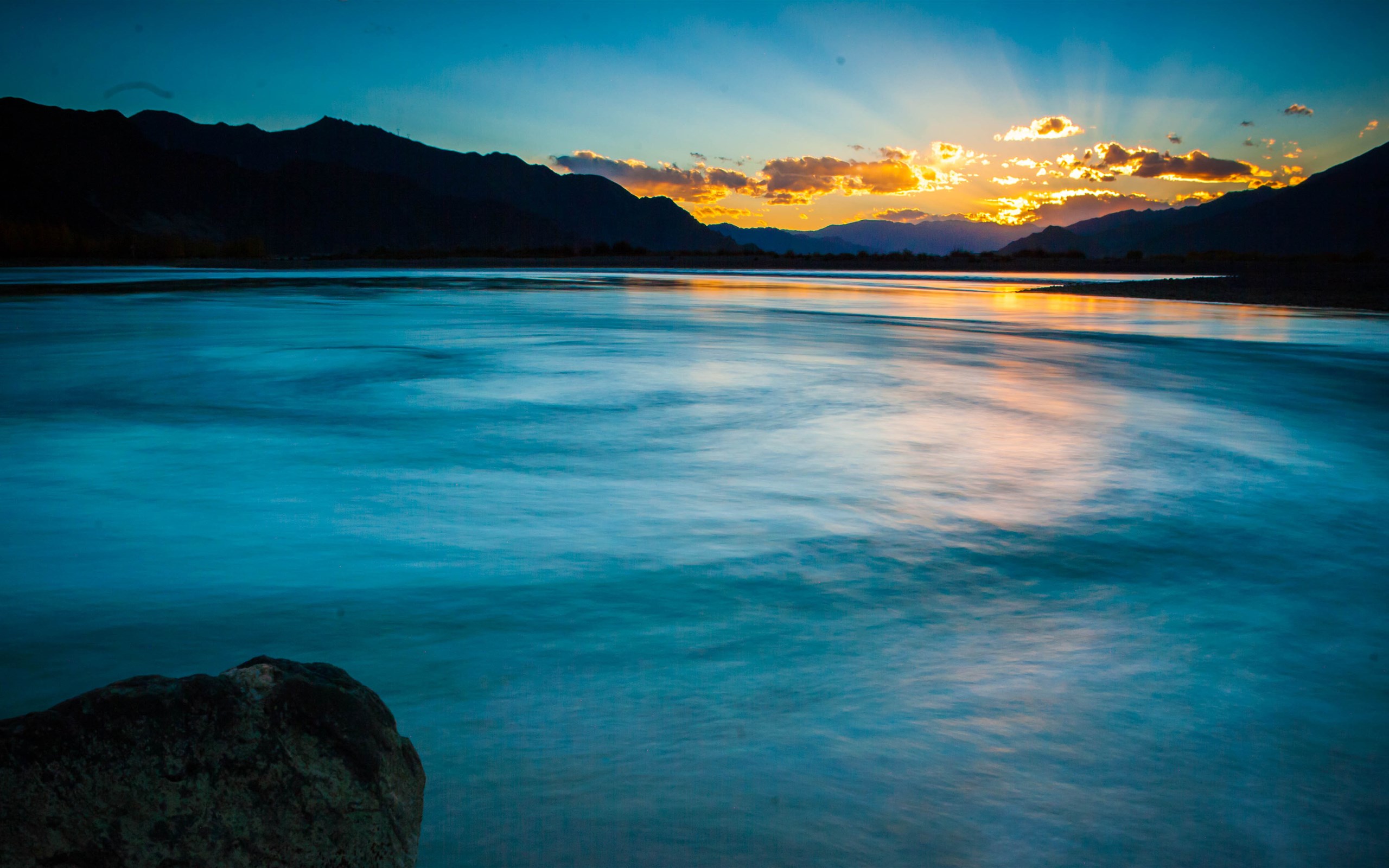
The window has become a cinema screen. The Tibetan Plateau: grassland stretching to mountains painted onto the sky. Colors in blue so deep it hurts, green so vivid it looks artificial. Herds of yak, black specks on an infinite canvas. The first snow peaks of the Kunlun Mountains.
The Train as Ecosystem
The dining car serves Tibetan butter tea and Sichuan noodles. Oxygen hoses hiss above every bunk. A monk shows a child how to use a prayer wheel. A German traveler explains his itinerary to a grandmother from Qinghai. A Tibetan girl is going home after a year at university in Beijing.
The Summit
The Tanggula Pass at 5,072 meters. The train slows from respect — the tracks are built on permafrost that must not be disturbed. Snowfields stretch in every direction. A prayer flag whips at a track-side shrine. No one speaks. No one needs to.
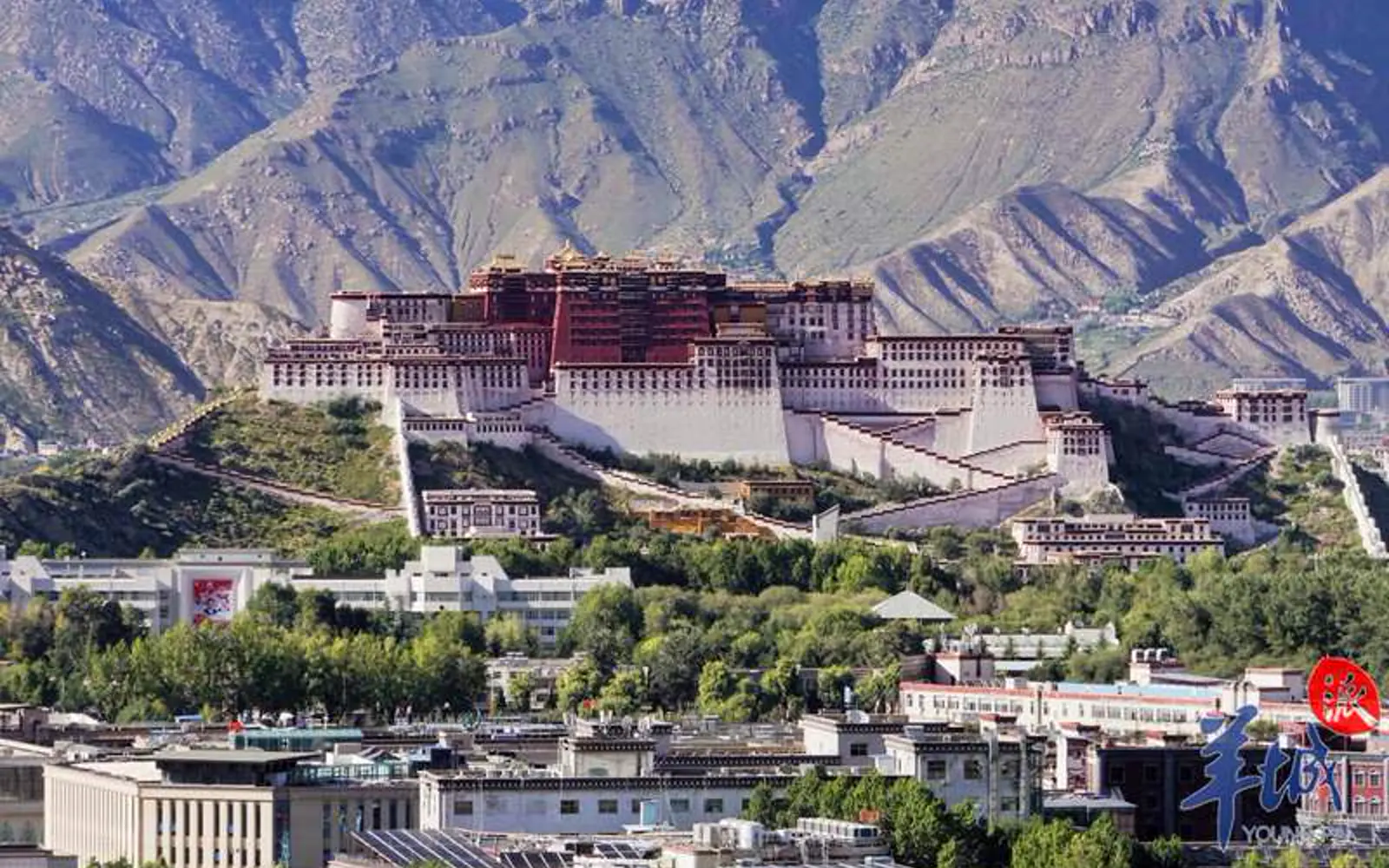
When you step off the train at Lhasa Station, the Potala Palace blazes in the afternoon sun. The altitude has changed you. But the railway has changed you too. For a day and a night, you existed within a landscape that just... is.