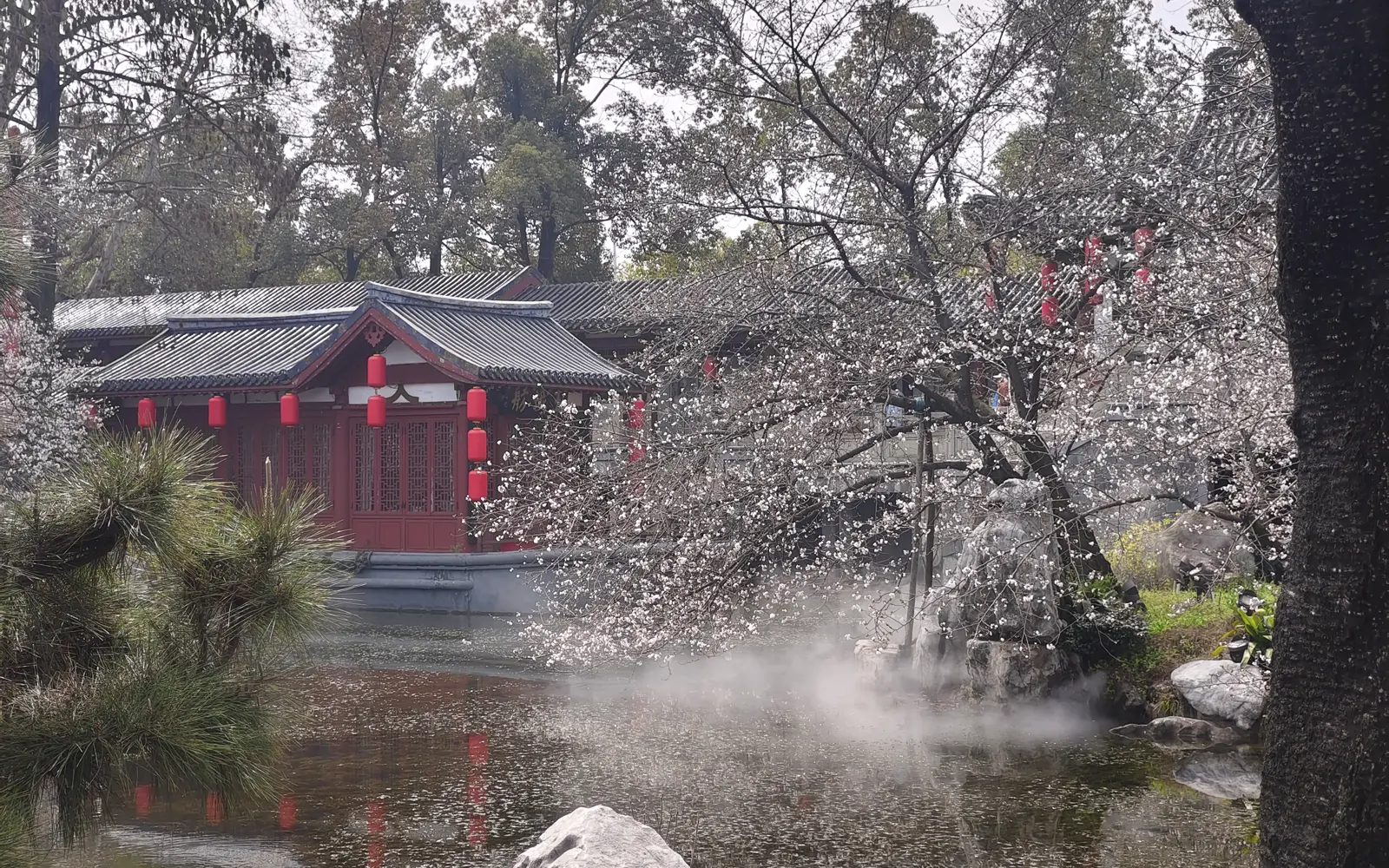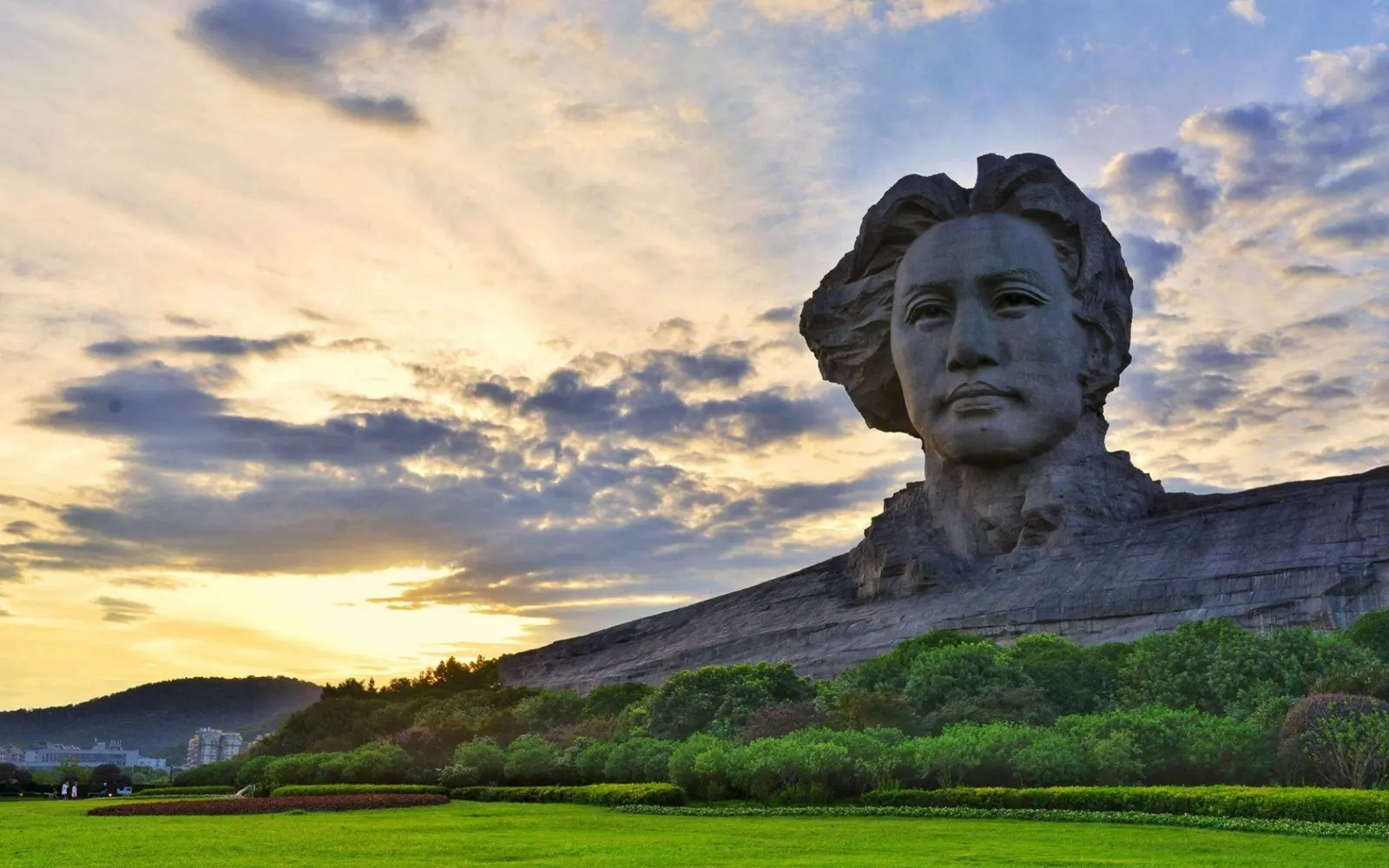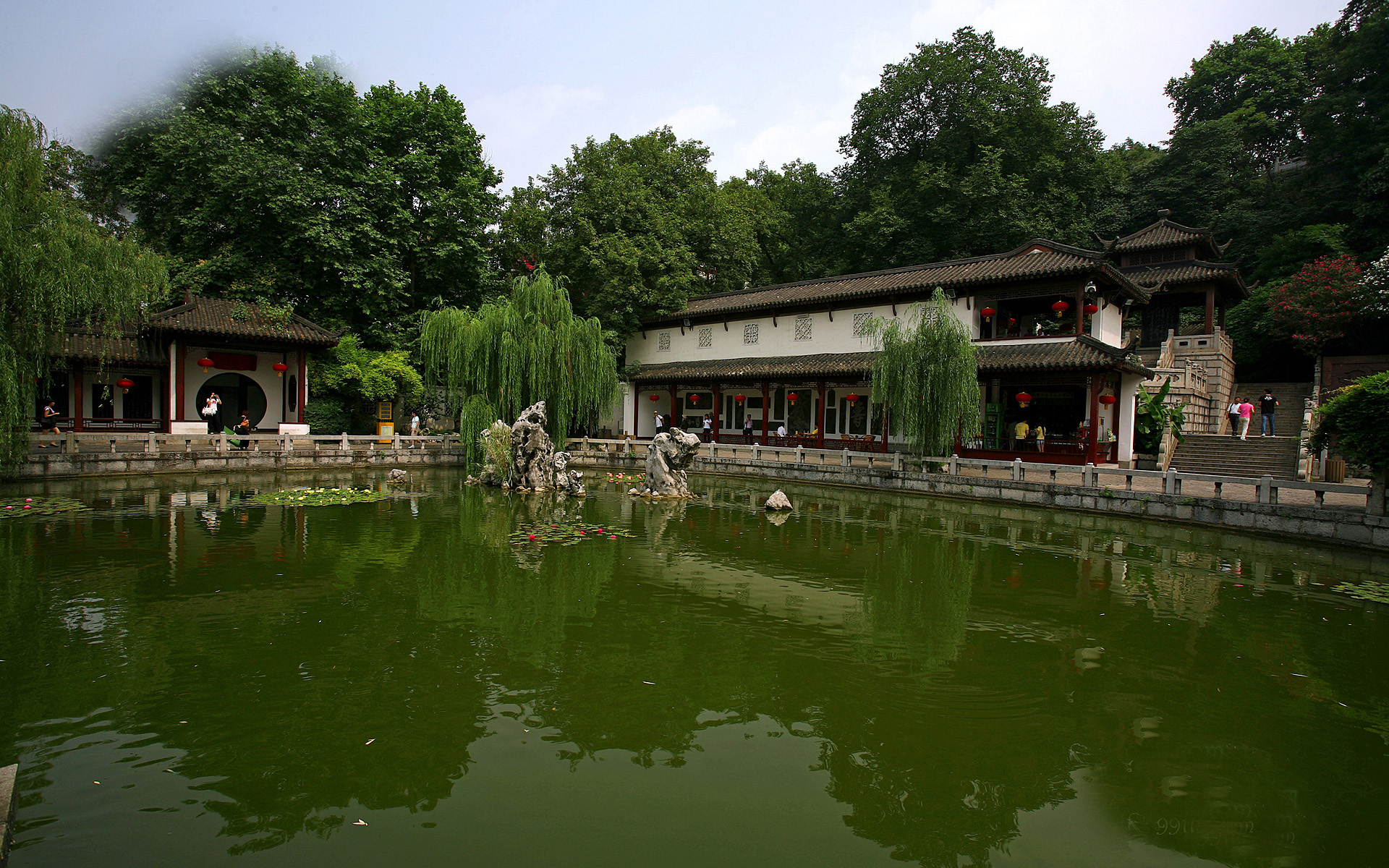
Wuhan doesn't make first impressions. It overwhelms them. The city is enormous — 11 million people sprawled across three boroughs divided by the Yangtze and its largest tributary, the Han River. In summer, the humidity sits on your chest like a wet blanket. The taxi drivers have tempers. The local dialect sounds like an argument even when it's a compliment. And somewhere in the middle of all this, Wuhan is absolutely magnificent.
The Tower
Start with the Yellow Crane Tower. Li Bai wrote about it. So did Cui Hao, whose poem is so famous that schoolchildren still memorize it. The current structure is a 1985 reconstruction — the original burned down, was rebuilt, burned down again, a cycle that mirrors Wuhan's entire relationship with history.
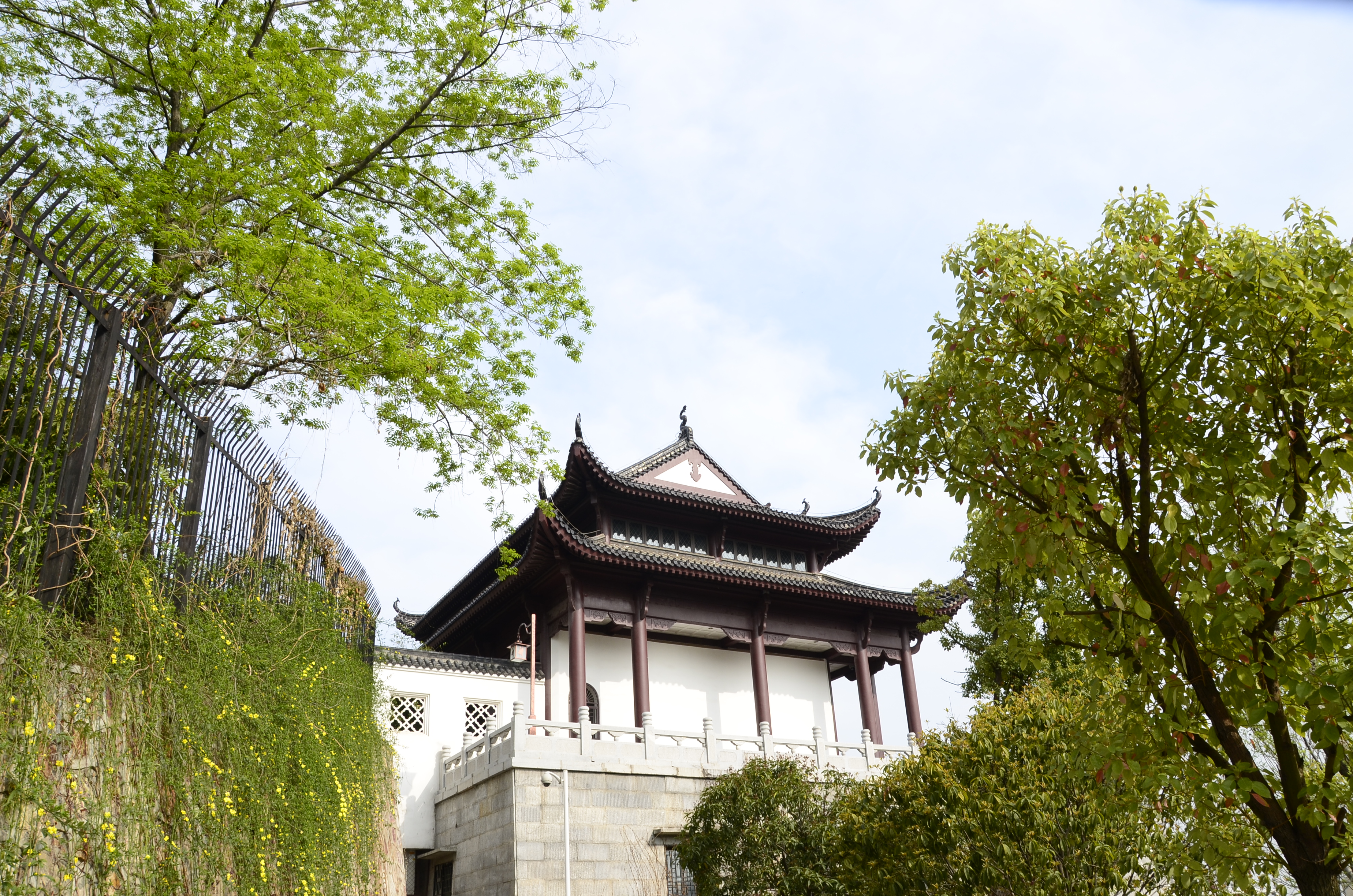
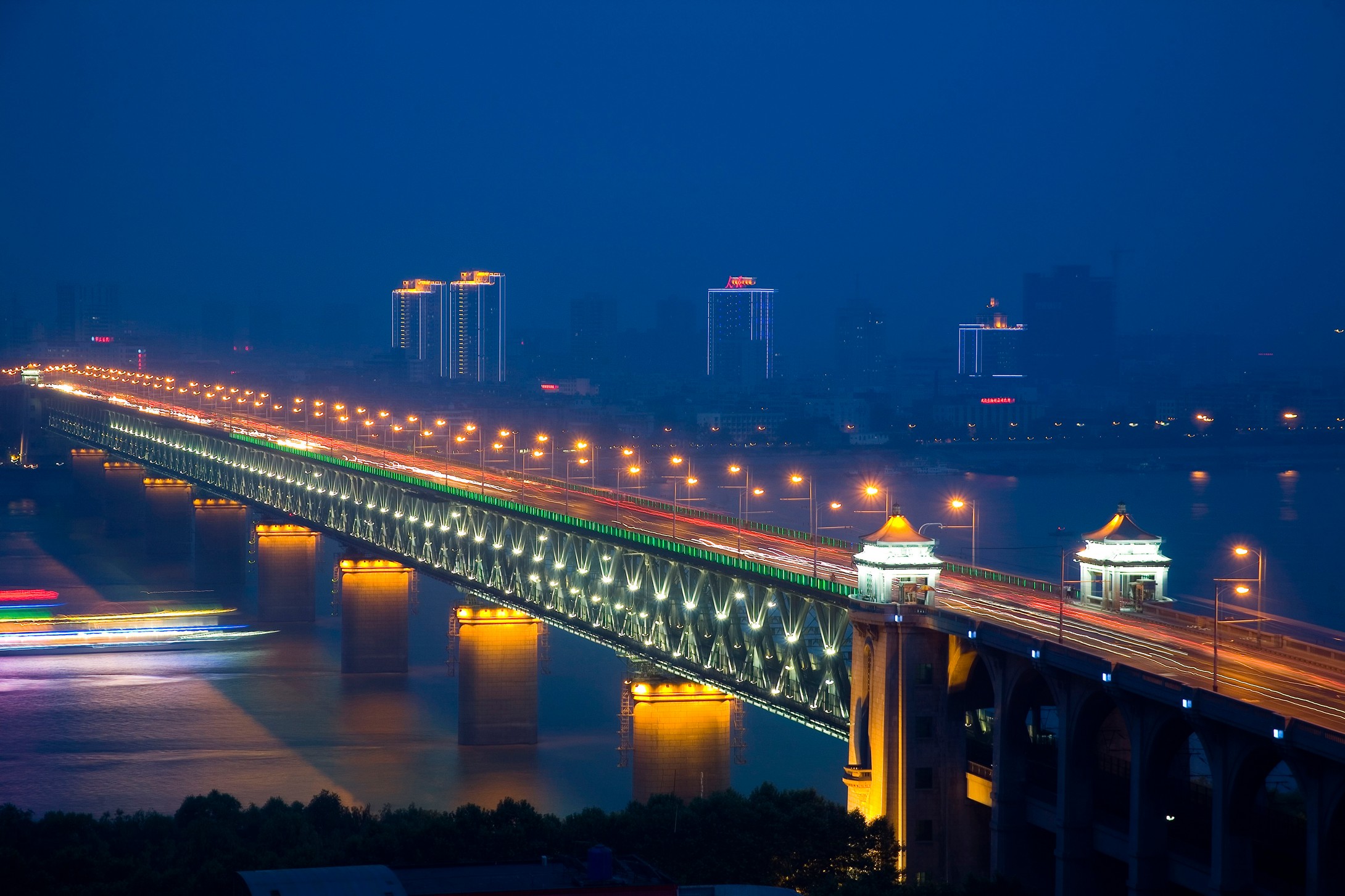
Climb to the top. The Yangtze stretches out below you, a mile wide. The Wuhan Yangtze River Bridge — the first bridge ever built across the Yangtze, completed in 1957 — connects snake-shaped hill to turtle-shaped hill on the opposite bank. "Tortoise and snake lock the great river," Mao wrote. He wasn't wrong.
The Lake
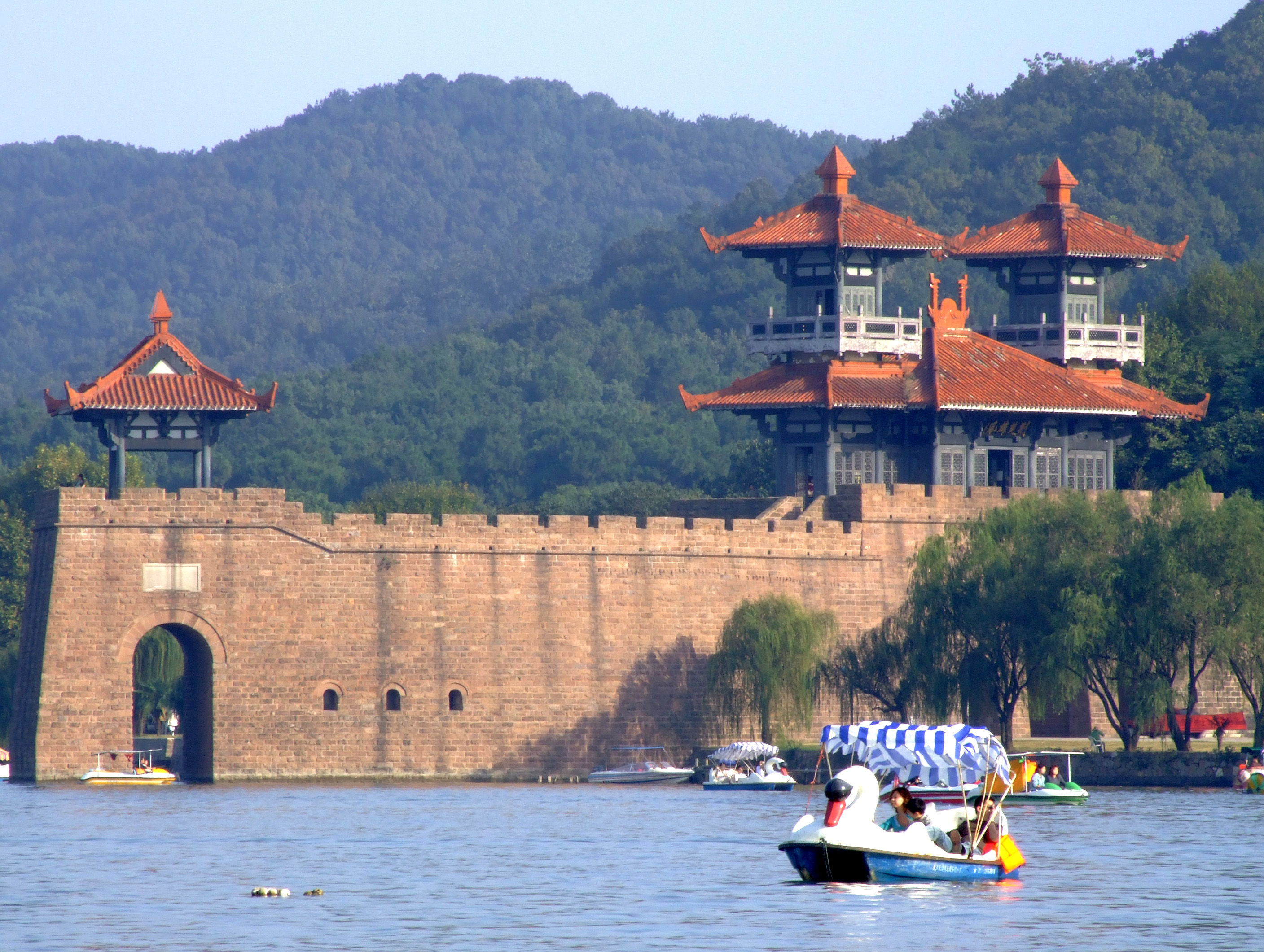
East Lake, a few kilometers from the city center, is China's largest urban lake — six times the size of Hangzhou's West Lake. On a spring weekend, it's packed with families flying kites, couples on tandem bikes, university students pretending to study. The cherry blossoms at Wuhan University, planted in the 1930s and later supplemented as a gesture of reconciliation, draw crowds that rival Tokyo's. The symbolism is complicated. The trees don't care.
The Morning Ritual
Wuhan's most interesting quality is its refusal to gentrify. The city's morning ritual is guozao — "passing through the morning" — and it's taken with a seriousness that borders on religious devotion. Hot dry noodles (re gan mian), sesame paste on chewy alkaline noodles, consumed standing up from a paper bowl on the sidewalk. The city eats like it means it, and it means it every single day.
The Soulmate Terrace
At Guqin Tai, the "Ancient Lute Terrace," you encounter a different Wuhan. The story goes that Yu Boya, a master qin player, met a woodcutter named Zhong Ziqi who could understand his music perfectly — hearing mountains and flowing water in the plucked strings. When Zhong Ziqi died, Yu Boya smashed his qin and never played again. The phrase zhi yin — "knowing the sound" — became the Chinese word for a soulmate.
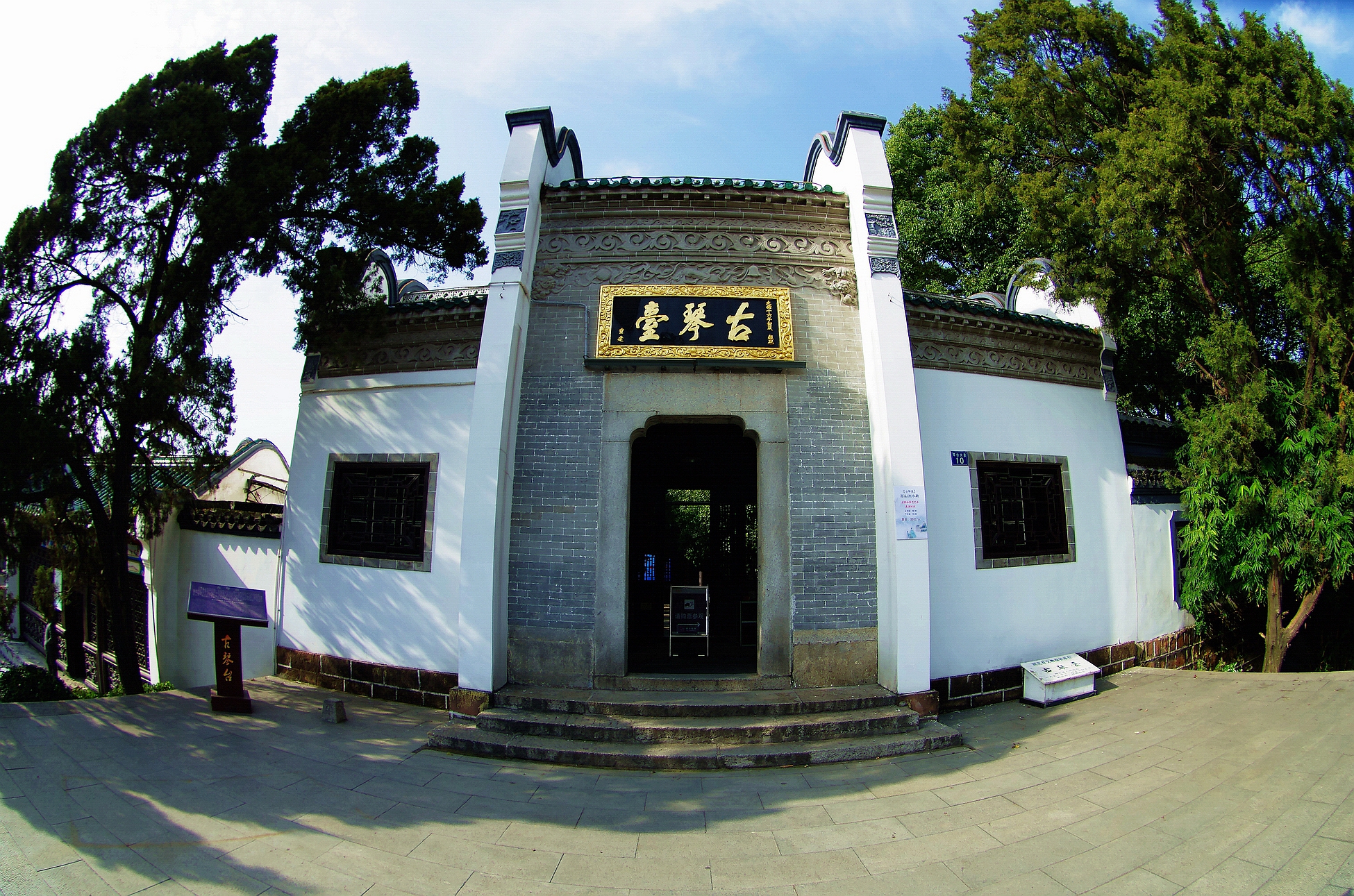
The terrace is small and quiet, tucked away in Hanyang. Most tourists skip it. That's a mistake.
Wuhan is loud, hot, chaotic, and unapologetically itself. It doesn't need you to like it. But if you stay long enough, somewhere between the third bowl of hot dry noodles and the sunset over the Yangtze, you will.