Changsha
A city of fiery flavors and revolutionary history — the soul of modern Hunan.
Changsha at a Glance
Everything you need to know before you go.
Where to Stay
Choose the neighborhood that fits your style.
Wuyi Square
Located in the heart of Changsha, Wuyi Square is surrounded by five-star hotels like Hunan Huatian Hotel and Changsha Wyndham Hotel, offering easy access to shopping, dining, and nightlife. Ideal for first-time visitors seeking central convenience and luxury stays.
Central hubYuelu Mountain Area
Near Yuelu Mountain and Orange Island, this area features hotels like Changsha Shennong Grand Hotel and Hunan Saint-Felix Grand Hotel, perfect for nature lovers and those wanting a quieter stay with scenic views.
Scenic retreatOrange Island
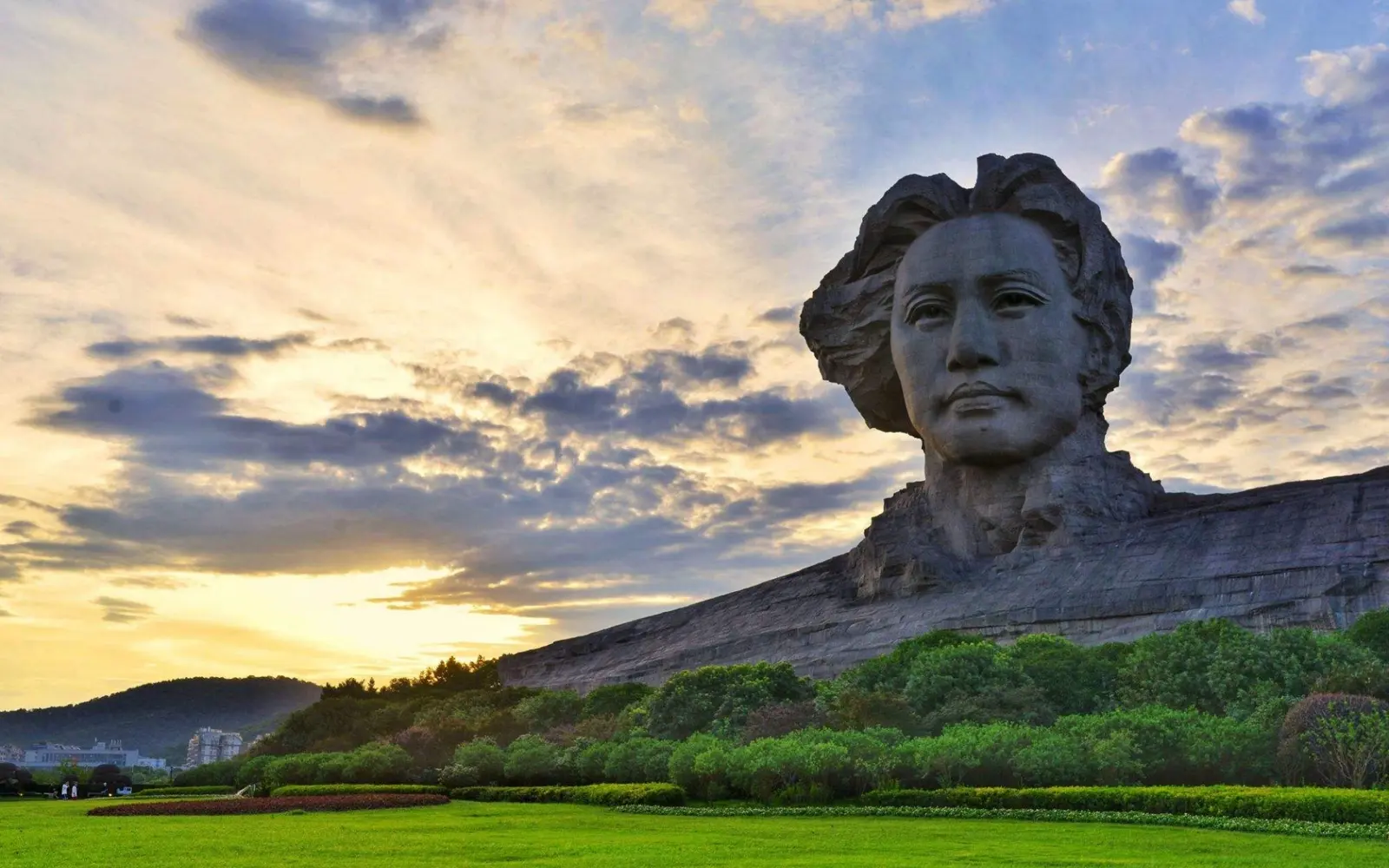
Orange Island offers a unique riverside experience with proximity to Changsha Lotus Country Wyndham Grand Plaza Royale and other upscale hotels. Great for leisurely strolls, sunset views, and cultural landmarks like the Youth Mao Zedong statue.
Riverside charmKaifu District
Kaifu District is home to Zidongge Letian Hotel, a four-star international brand, and several five-star options like Changsha Mingcheng International Hotel. It provides a blend of business and leisure with easy access to transport hubs.
Business & leisureChangsha Subway Map
Navigate the city by metro. Plan routes, explore stations, and find the right exit.
Changsha Highlights
The city's essential experiences.
This site served as the Hunan District Committee of the CPC, where Mao and Yang lived and worked. Free entry, offering a glimpse into revolutionary history.
A modest traditional house that secretly housed the provincial underground CPC leadership during the Liberation War. Look for the 'Women's Sewing Cooperative' sign—it was a cover.
Originally the Xu family shrine, it became the Eighth Route Army's Changsha office, led by Mao's teacher Xu Teli. Rebuilt after the 1938 fire, it retains a courtyard layout.
Dedicated to the Western Han scholar Jia Yi, this rebuilt residence on Taiping Street offers free entry. Explore the tranquil courtyard and learn about his enduring legacy.
This site housed the Provisional Government of the Republic of Korea in exile. For a 16 yuan ticket, delve into the history of Korean independence and Kim Gu's life.
Birthplace of the New People's Study Society, founded by Mao and Cai in 1918. This rebuilt farmhouse hosted revolutionary meetings; free entry to explore its historical significance.
Despite its name, this is a clock tower built in 1930. It introduced Changsha's first public standard clock, imported from Germany, and features a Sun Yat-sen statue.
A small site on San'gui Street where the reformist School of Current Affairs once operated. Free entry, offering insight into late Qing educational reforms.
Built in 1930 on Zhongshan Road, this hall promoted domestic goods. Free entry, it now serves as a museum showcasing the history of national products.
Completed in 1906, this Western-Chinese style building served as the Changsha Customs office. Currently under renovation, it will soon open as a maritime history museum.
Once a branch of Standard Oil, this Republican-era building now houses the Tianxin District Intangible Cultural Heritage Center. Free entry, explore 'Huxiang Memory' exhibits.
Founded in 1875 to honor philosopher Wang Chuanshan, this site later hosted Mao's Self-Study University. The name plaque was inscribed by Mao himself; free entry.
Perched on Changsha's highest point, this pavilion was an ancient observatory and symbol of the city. Rebuilt in 1983, it offers panoramic views for a 32 yuan ticket.
Mao Zedong's alma mater, this school features Japanese-inspired architecture with courtyards and corridors. Free entry, it now serves as a memorial to Mao and his peers.
Best Time to Visit
Each season offers something different.
Spring
Spring begins mid-February, with changeable weather. Pack extra layers to avoid catching a cold.
Summer
Summer starts late May and is hot, but mountainous areas are cool even in midsummer. Expect frequent rain early on.
Autumn
Autumn from mid-August offers pleasant temperatures (15-20°C). Ideal for visiting Orange Isle to see red leaves.
Winter
Winter from late November is damp and cold, with occasional snow. Head to the mountains for icy scenery.
Suggested Itineraries
Plans for every schedule.
Classic 2-Day
Day 1: Site of Hunan First Normal School, Former Residence of Mao Zedong and Yang Kaihui, Former Residence of Jia Yi, Tianxin Pavilion. Day 2: Site of Chuanshan Academy, Former Site of the School of Current Affairs, Former Residence of Cai Hesen, Former Residence of Kim Gu.
Historical 3-Day
Day 1: Tianxin Pavilion, Former Residence of Jia Yi, Former Residence of Mao Zedong and Yang Kaihui. Day 2: Site of Hunan First Normal School, Site of Chuanshan Academy, Former Site of the School of Current Affairs. Day 3: Former Residence of Cai Hesen, Former Residence of Kim Gu, Zhongshan Pavilion, Xu Family Ancestral Hall.
In-Depth 4-Day
Day 1: Site of Hunan First Normal School, Former Residence of Mao Zedong and Yang Kaihui, Former Residence of Jia Yi. Day 2: Tianxin Pavilion, Site of Chuanshan Academy, Former Site of the School of Current Affairs. Day 3: Former Residence of Cai Hesen, Former Residence of Kim Gu, Zhongshan Pavilion, Xu Family Ancestral Hall. Day 4: National Products Exhibition Hall, Customs House, Former Site of Mobil Bank, Site of the CPC Hunan Provincial Committee.
Local Tips
Insider knowledge for a smoother trip.
Public buses are crowded and traffic jams common; consider the metro under construction.
Enter from the South Gate for concentrated sights; take the East Gate if you need the cable car.
Skip the electric cart and stroll the island to enjoy gardens and historic buildings.
Explore Pozi Street for cheap snacks and Jiefang West Road for bars and KTV.
Overall safe, but watch for pickpockets in crowded areas like stations and malls.
Don't use unlicensed taxis in Shaoshan, Ningxiang, or Xiangtan; they're unsafe.
Sound & Screen — changsha
Songs and films that capture the spirit of changsha.
FAQs About Changsha
Sound & Screen — changsha
Songs and films that capture the spirit of changsha.
Quick answers to common questions.
FAQs About Changsha
Quick answers to common questions.
Ready to Explore Changsha?
Let MagicTrip build the perfect Changsha itinerary.