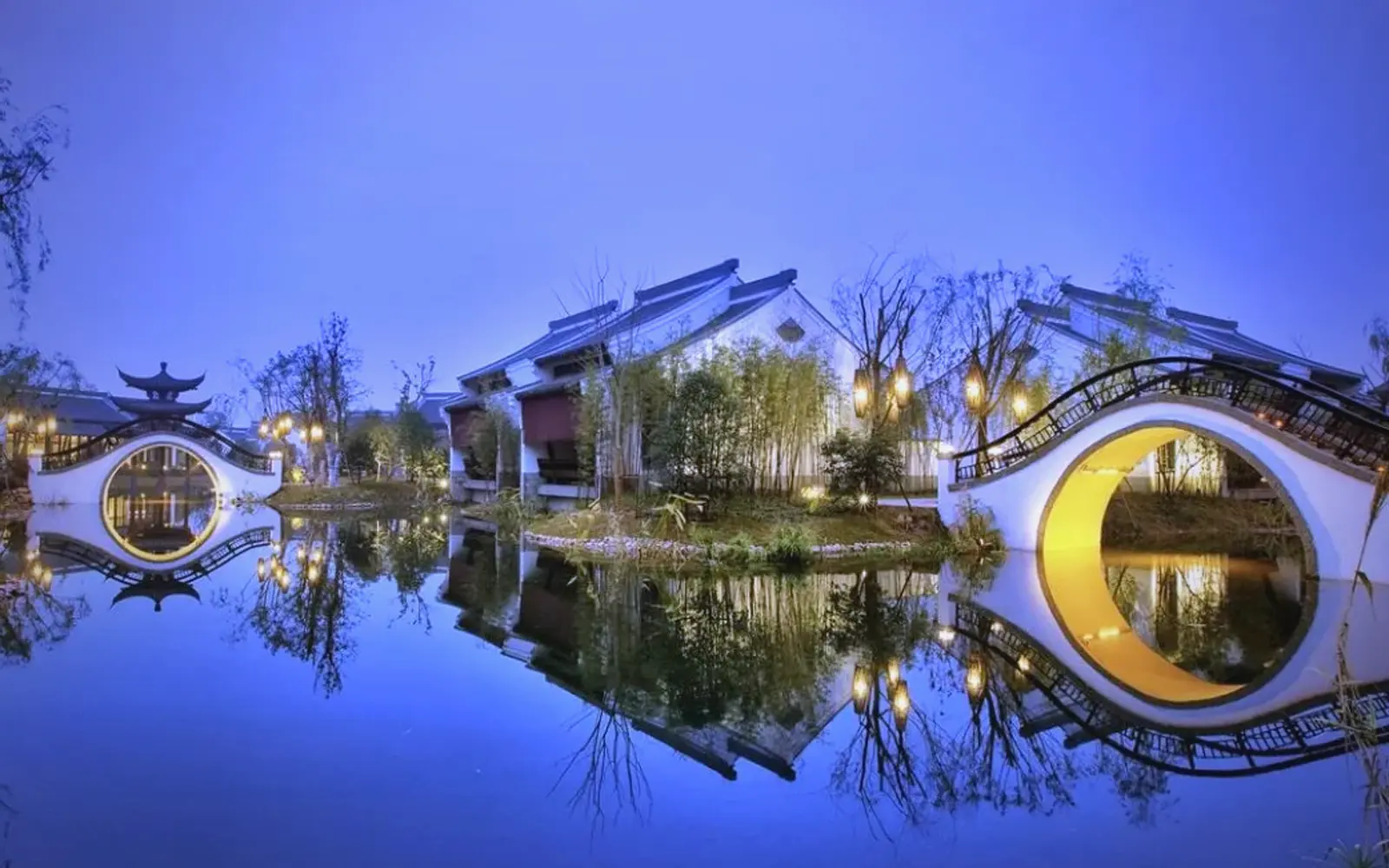
Some cities are built around a body of water. Hangzhou is the water — everything else is a footnote. For 2,200 years, that lake has been collecting poems the way other cities collect traffic. Bai Juyi wrote about it. Su Dongpo dredged it. Marco Polo called Hangzhou "the finest and most noble city in the world." And every morning, rain or shine, you'll find someone sitting on its banks, doing absolutely nothing, and looking profoundly at peace.
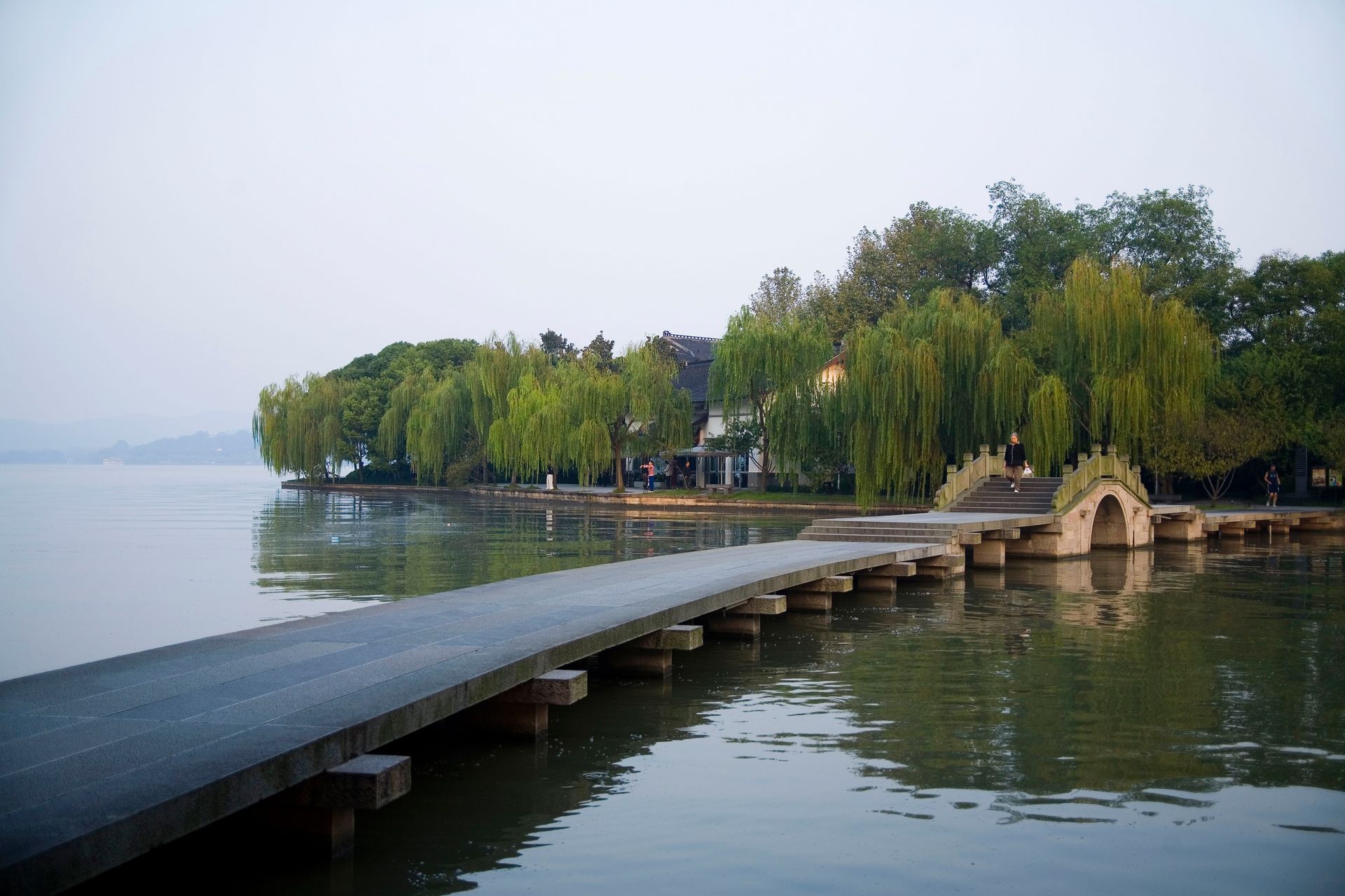
The lake has rules. One mountain (Solitary Hill), two pagodas (Baochu and Leifeng), three islands, three causeways, five sub-lakes. These aren't arbitrary numbers — they're the vocabulary locals use to navigate their own mythology. Lei Feng Pagoda is where the White Snake was imprisoned. Su Causeway, built from silt dredged by Su Dongpo himself, is where "Spring Dawn at Su Causeway" became the most famous of the Ten Scenes. Every willow branch seems to droop with the weight of a couplet.
The Pot That Melts Gold
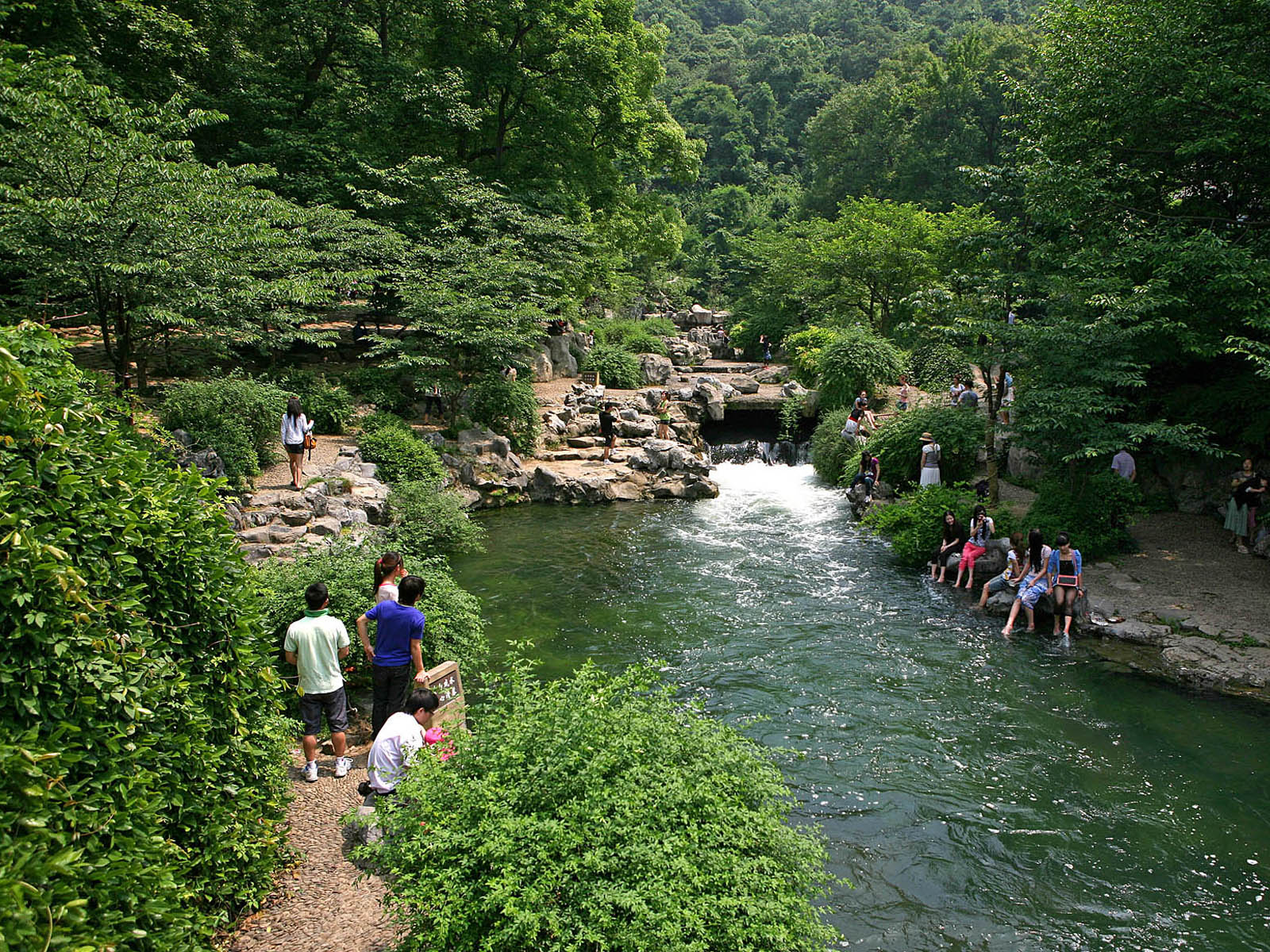
But let's not romanticize too quickly. Hangzhou in the Southern Song Dynasty was the world's largest city — a million people, a court that had perfected the art of luxury, and according to contemporary records, 40,000-50,000 visitors arriving daily. They called it the "Pot That Melts Gold." The Song emperors, having lost the north to invaders, poured their attention into making Hangzhou so beautiful that forgetting became its own kind of patriotism.
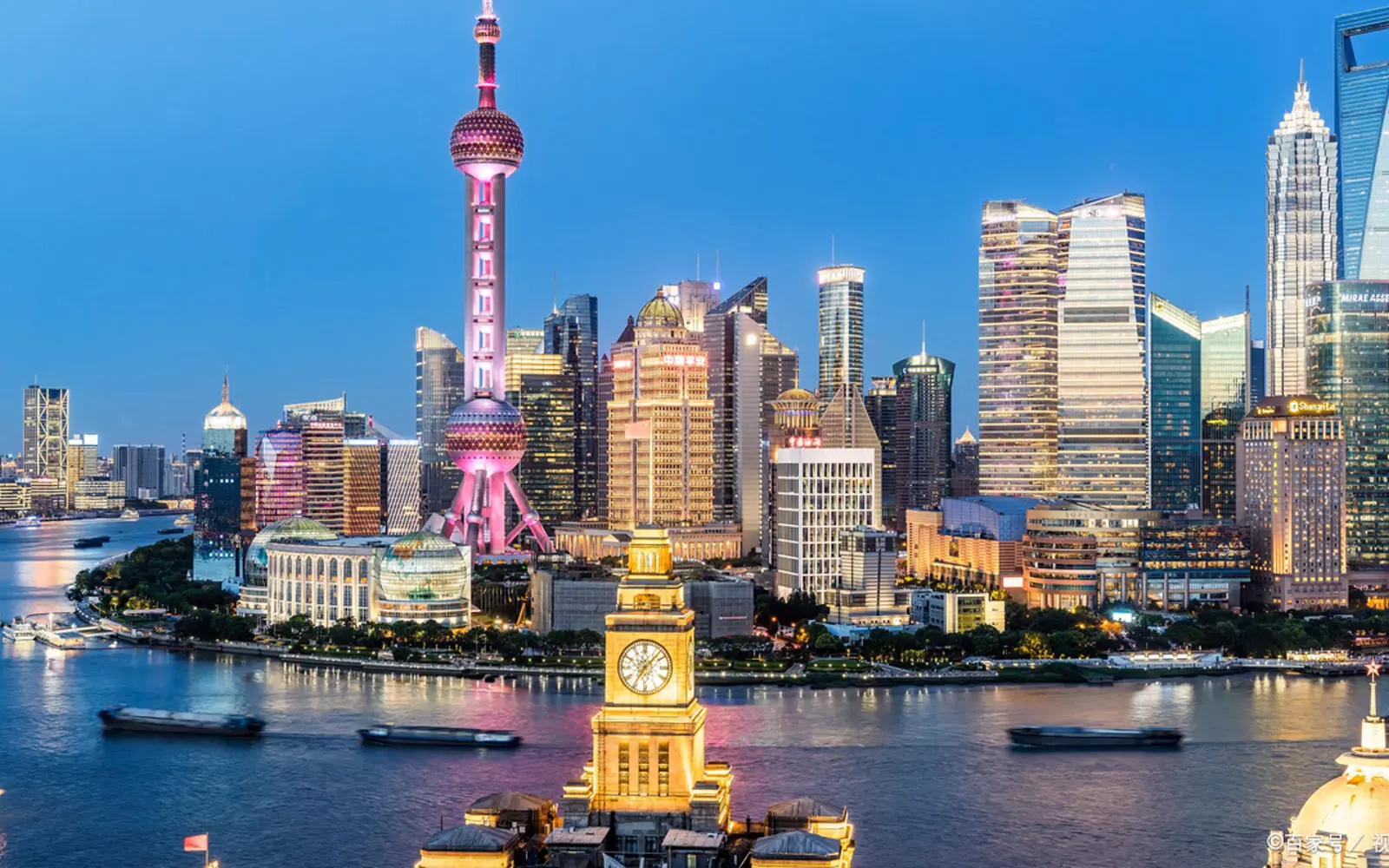
Today's Hangzhou is China's tech hub — home to Alibaba, one of the world's largest internet companies. But step away from the gleaming campuses of the Xixi Tech Corridor, and you're in a different century. Walk into a tea house in Longjing village and a farmer will pour you a cup of the same leaves his family has been growing since the Tang Dynasty. The tea isn't a beverage here — it's a calendar. Ming-qian (pre-Qingming) Longjing commands prices that would make a Bordeaux blush. And yes, it tastes different. It tastes like spring captured in a cup, which is exactly what it is.
Temples and Heroes
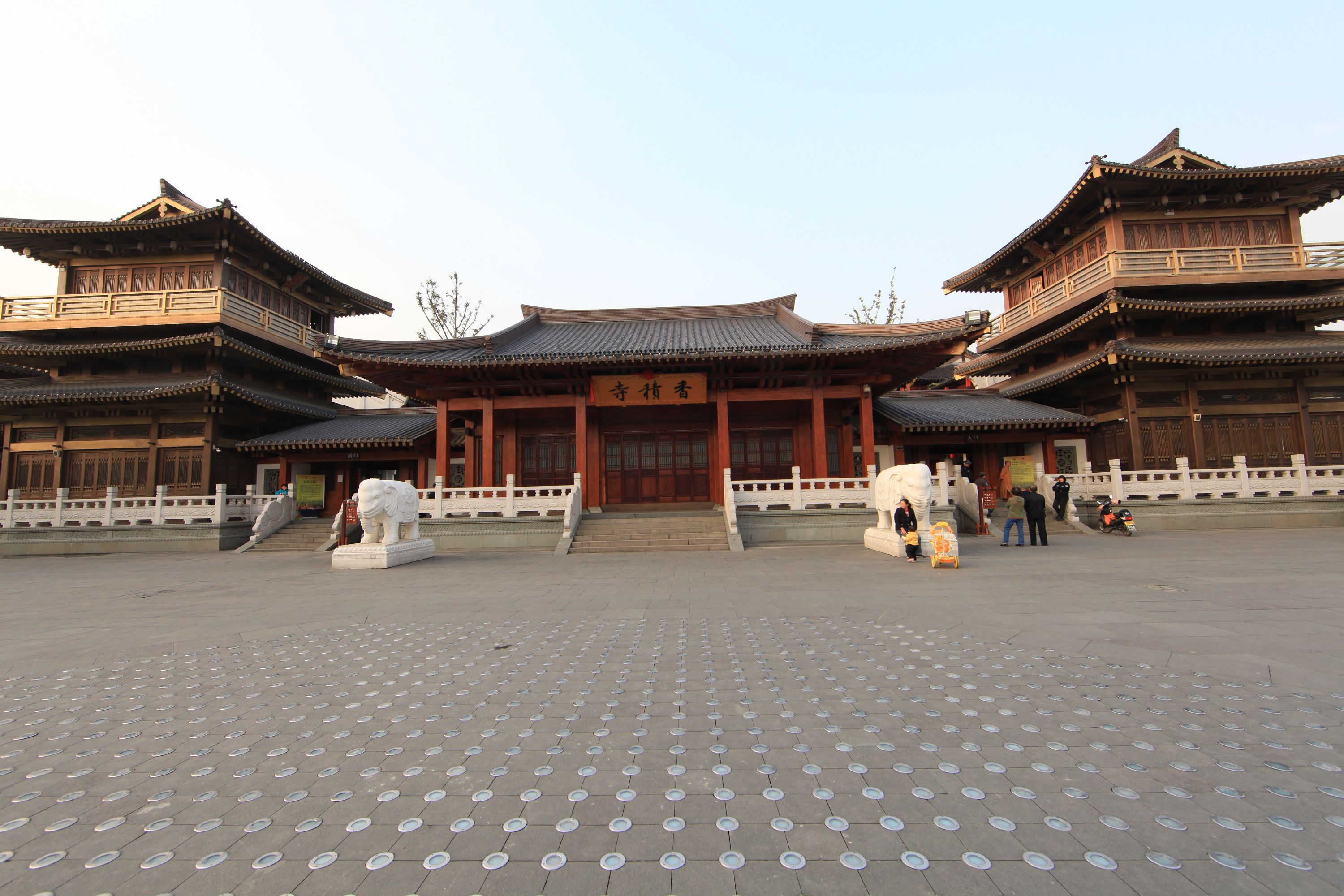
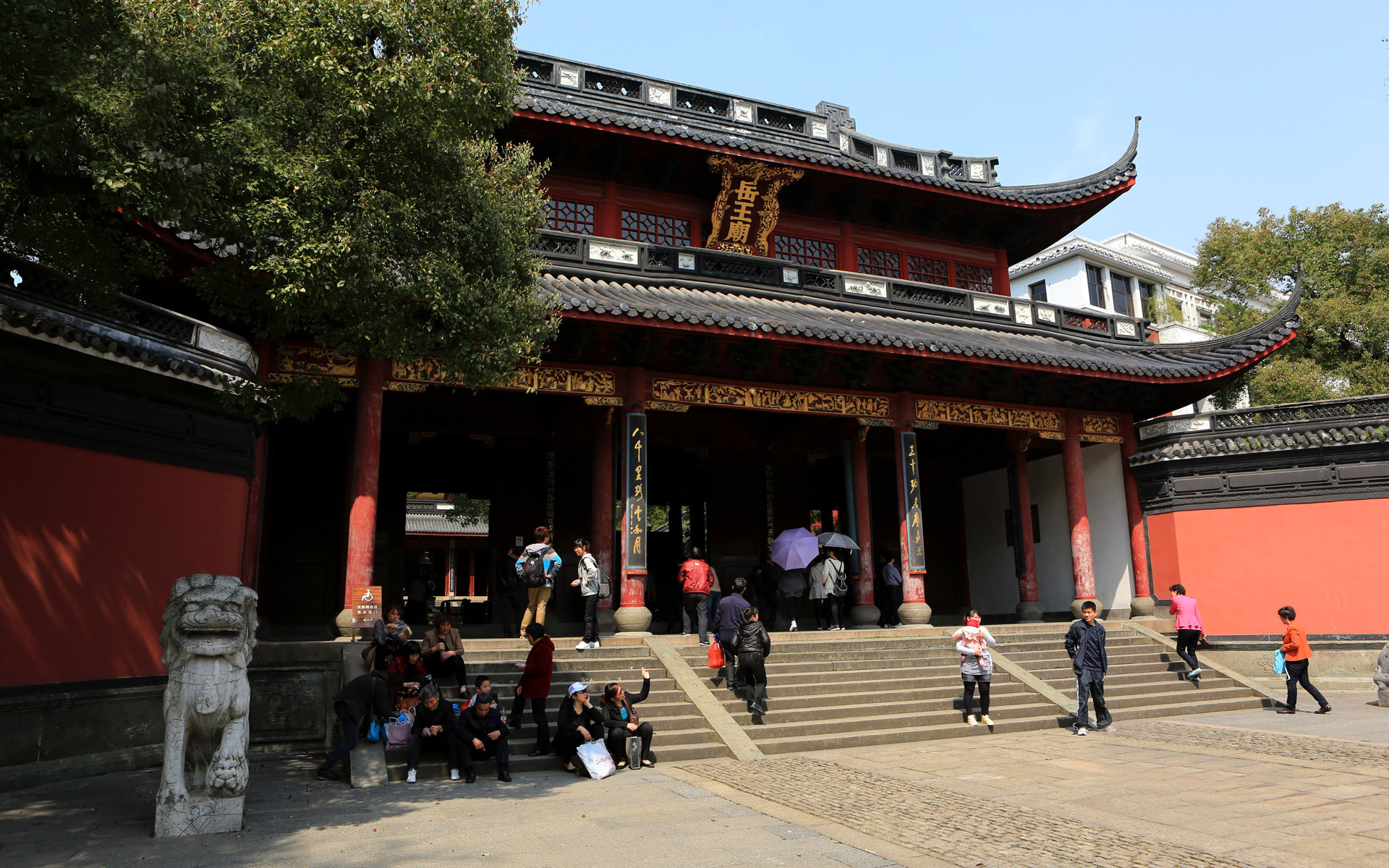
The temples of Hangzhou are worth a morning each. Lingyin, founded in 328 AD, is carved into a limestone cliff face — hundreds of Buddhist figures peer out from the rock like they're mid-conversation. Xiangji Temple, rebuilt in 2009, is a quieter affair, all wooden pillars and incense smoke. Yuewang Temple, honoring the Song Dynasty general Yue Fei, is where patriotism meets pilgrimage — the kneeling iron statues of his betrayers are still spat on by visitors. The Chinese do not forget their heroes.
The Wild Side
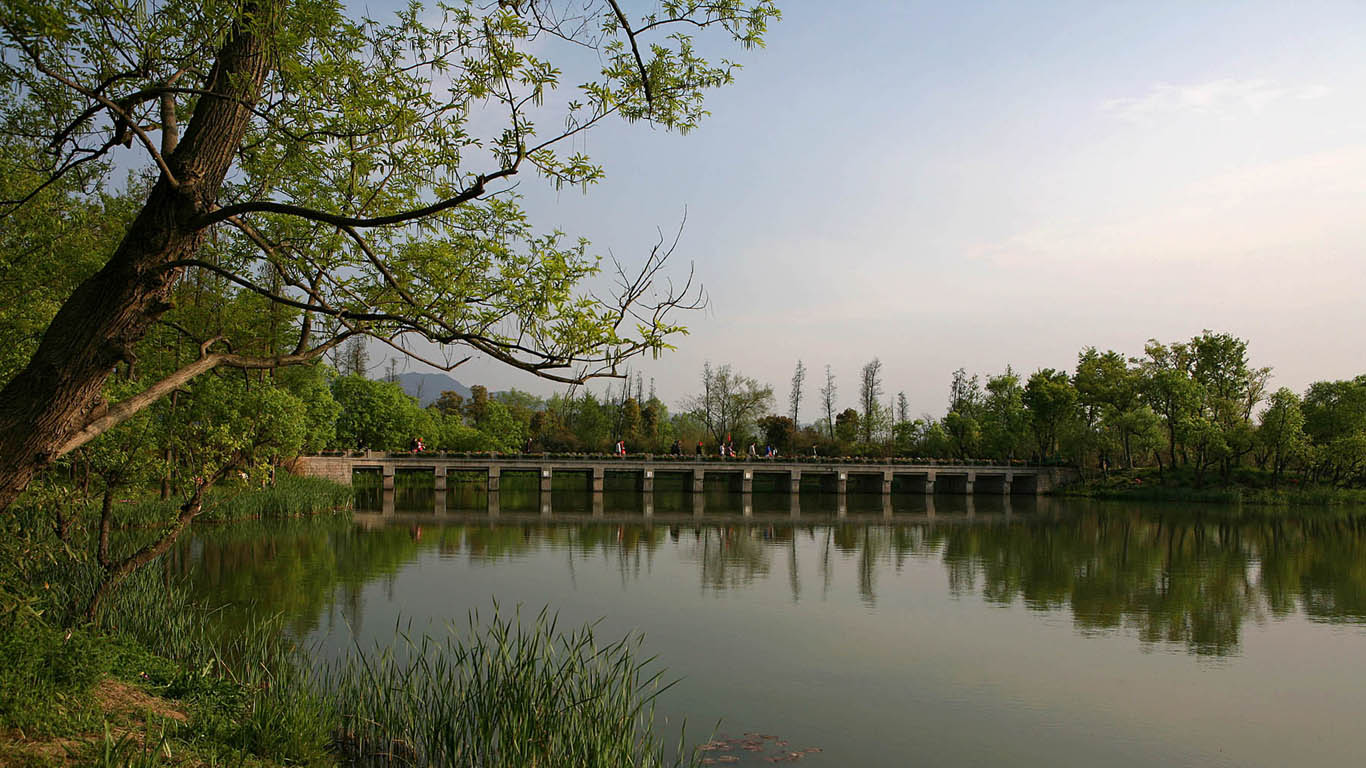
For a counterpoint to all this cultivated beauty, there's Xixi Wetland. It's not pretty in the postcard sense — tangled waterways, reed beds, unpainted wooden boats. But it's the Hangzhou that existed before the poets got to it: wild, wet, indifferent. Take a punt through the narrow channels. The silence is broken only by birds and the drag of the pole through dark water.
The Guilty Pleasure
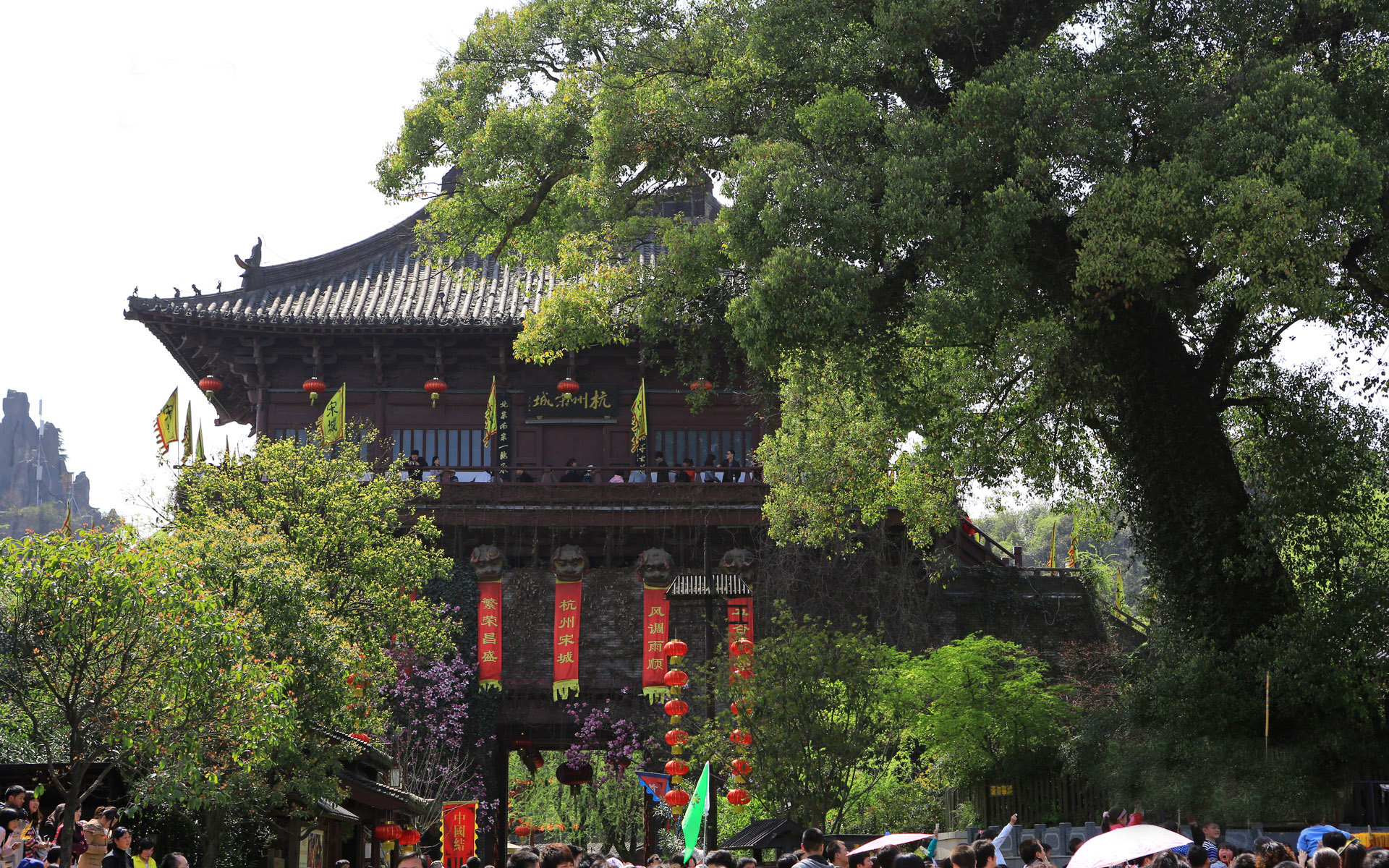
And then there's Songcheng. If West Lake is the soul of Hangzhou, Songcheng is its guilty pleasure — a Song Dynasty theme park complete with costumed performers, ghost houses, and a massive theatrical production called The Romance of the Song Dynasty. It's loud, commercial, and packed with tour groups. And it's an absolute riot. There is no requirement that travel be tasteful.
The Permission to Do Nothing
Back at the lake, dusk arrives. The old men who've been playing chess since morning are packing up. A wedding photographer directs a couple to stand perfectly still while the sunset does all the work. On a wooden rowboat, someone is brewing Longjing tea. The fragrance drifts across the water. You realize you've been sitting on this bench for two hours, and you don't particularly want to leave.
Marco Polo was right, but for the wrong reasons. Hangzhou isn't the finest city because of its silk or its spices or its ten thousand bridges. It's the finest city because, at the end of the day, it gives you permission to sit by a lake and do nothing — and somehow that feels like the most productive thing you've done all year.