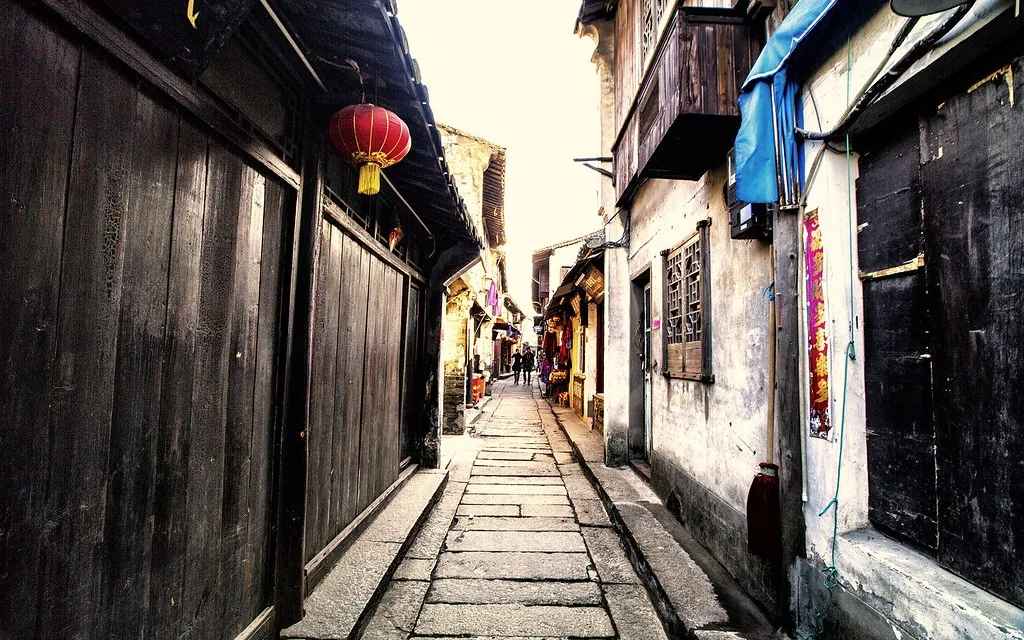
Xitang
Discover Xitang.
Xitang at a Glance
Everything you need to know before you go.
Where to Stay
Choose the neighborhood that fits your style.
City Center
Located in the heart of Xitang, this area offers easy access to modern amenities and transport links. It is ideal for those seeking convenience, with a range of hotels and hostels nearby. The area is well-connected, making it easy to explore the town's attractions.
Convenient accessYongning Bridge to Laifeng Bridge Waterfront
This scenic waterfront area is lined with guesthouses offering riverside views. Many have balconies or windows overlooking the water, perfect for soaking in the atmosphere. It's close to bars and restaurants, yet some spots offer a quiet retreat. Prices vary, with riverside rooms costing more, especially on weekends.
Riverside charmDeep Alleys and Ancient Houses
Tucked away in quiet lanes, these historic residences offer a glimpse into Xitang's past. Many are centuries-old with traditional architecture and antique furnishings. They provide a peaceful stay away from the crowds, often at lower prices. Some are even attractions themselves, like Zunwentang with its 'Hundred Longevity' patterns.
Historic immersionJijia Lane and Surroundings
This area is home to cozy guesthouses and hostels, offering a mix of traditional charm and modern comforts. It's close to the main attractions, yet peaceful. Budget-friendly options like Wuguniang Inn provide warm hospitality, while hostels like Yishui Lanting offer social atmospheres with shared rooms and free Wi-Fi.
Budget-friendlyXitang Highlights
The city's essential experiences.
Built in the Ming Dynasty, this arched bridge spans the Xu River and once connected two townships. From its top, you can see three different bridge styles, a rare sight in ancient towns. Tom Cruise even stepped on it in Mission: Impossible 3.
The tallest single-arch stone bridge in Xitang, with square pillars and weathered stone slabs. Legend says a bamboo weaver, moved by a pregnant woman's drowning, became a monk and raised funds to rebuild it. Nearby, explore the longest alley at No. 81 Sixian Nong.
A small alley south of Shaoxianggang, named after a Ming Dynasty tomb that once covered dozens of acres. Here you'll find the famous Lu Fen Ginkgo trees, a pair of male and female specimens standing as silent witnesses to history.
Xitang has been a wine town since ancient times. This museum, south of Wolong Bridge, celebrates that heritage. Poets like Gao Qi and Liu Yazi once stopped here to savor local brews, including the famed 'Plum Blossom Three Whites' that perfumed the air for miles.
Home to over a hundred works by master carver Zhang Zheng, with many large pieces listed in the Guinness World Records. The building itself showcases early 20th-century local architecture. Note: photography is not allowed inside.
Housed in the Yuqing Hall, this museum displays exquisite wood carvings from Ming and Qing dynasties, including beams, brackets, and lattice windows. The intricate techniques and elegant patterns highlight the unique beauty of Jiangnan residential architecture. Don't miss the shortest alley in town, just 3 meters long, right here.
The most bustling temple in Xitang, originally dedicated to official Pang Shangpeng, later to Guan Yu. During the Spring Festival, the 'Visiting the Sacred Hall' tradition fills the street with vendors selling snacks, New Year pictures, and toys, creating a lively atmosphere.
Also known as the 'Seventh Master Temple', this unique structure features arched eaves and wooden lattice doors. Every year on the third day of the fourth lunar month, a grand temple fair celebrates the deity's birthday, with locals parading and praying for good fortune. Look for hand-sewn 'autumn leaf' sachets made by elderly women.
This park at the west entrance tells a tragic love story of the late Qing Dynasty: Fifth Girl, a landlord's daughter, and her beloved laborer Xu Atian. It features a statue of Fifth Girl, the Single Tile Pavilion with a bell engraved with their vows, and a water stage.
A five-section residence of the Ni family, a scholarly clan, with a front corridor and rear garden. The main hall, 'Chengqing Hall', honors Ni Tianzeng, a modern official known for his integrity. Located south of Shaoxianggang, west of Wufu Bridge.
West of Shipi Lane, this hall is famed for its 'Hundred Longevity Beam', carved with a hundred 'longevity' characters in a diamond pattern. The pillar carvings feature unique auspicious motifs on each side, showcasing exquisite craftsmanship.
Glide along the Yangxiujing River on a traditional rowing boat, passing under historic bridges like Songzi Laifeng, Yongning, and Huanxiu. The 25-minute journey offers a unique perspective of the town. Boats depart every half hour from the dock at Songzi Laifeng Bridge, with day and night options.
Across from Songzi Laifeng Bridge, a stage on the dock hosts daily Yue opera performances by local residents. Dressed in traditional costumes, they sing against the backdrop of the water town, creating an atmospheric experience that blends culture and scenery.
Tangdong Street is Xitang's famous bar street, with over 30 bars. Popular spots include Jiangnanyi Bar (No. 18) and Hongting Bar (No. 9). Expect a lively vibe with a minimum spend of 50-150 yuan per person.
Xitang boasts many charming coffee, tea, and book bars perfect for a leisurely break. Try 'Cat's Sky City' at No. 7 Tangdong Street, 'West Street 16 Club' at No. 16 West Street, or 'Half a Lotus' at No. 18 Chaonandai, each offering a cozy, artsy atmosphere.
Best Time to Visit
Each season offers something different.
Spring
Mild and pleasant, flowers bloom, especially azaleas in April. Ideal for sightseeing and outdoor activities.
Summer
Hot and humid with strong sun. Bring sun protection and insect repellent. Enjoy local specialty 'June crab'.
Autumn
Cool and misty, creating a poetic atmosphere. Perfect for strolling along canals and enjoying the scenery.
Winter
Cold and damp, but less crowded. Experience the tranquil charm of the water town and local New Year celebrations.
Suggested Itineraries
Plans for every schedule.
Classic 2-Day
Day 1: Arrive in the afternoon, stroll along Xijie Street, visit Ni Residence, Sacred Hall (Shengtang), and Tangdong Street Bars. Enjoy a boat ride on Xutang River in the evening to see the illuminated ancient town. Day 2: Visit Zhangzheng Root Carving Art Museum, Jiangnan Wadang Museum, walk along the Misty Rain Corridor, see Huguo Suiliang Wang Temple, Zui Garden, Shitou Lane, Zhongfu Hall, Xiyuan Garden, and China Button Museum.
Leisure 3-Day
Day 1: Explore the western part: Zui Garden, Huansheng Bridge, and the Ming & Qing Wood Carving Museum. In the evening, enjoy Yue Opera performances. Day 2: Visit Zhangzheng Root Carving Art Museum, Jiangnan Wadang Museum, walk along the Misty Rain Corridor, see Huguo Suiliang Wang Temple, and visit the China Wine Culture Museum. Day 3: Discover the eastern part: Ni Residence, Sacred Hall (Shengtang), Tangdong Street Bars, and the Five Girls Theme Park. Relax at a coffee or tea house by the canal.
In-Depth 4-Day
Day 1: Arrive and take a leisurely walk along the Misty Rain Corridor, crossing Anjing Bridge and Wolong Bridge. Visit Fenbang Alley and the China Wine Culture Museum. Day 2: Explore the northern area: Zhangzheng Root Carving Art Museum, Jiangnan Wadang Museum, and the Ming & Qing Wood Carving Museum. In the evening, enjoy a boat ride. Day 3: Visit the southern highlights: Huguo Suiliang Wang Temple, Zui Garden, Shitou Lane, Zhongfu Hall, and Xiyuan Garden. Day 4: Discover the eastern part: Ni Residence, Sacred Hall (Shengtang), Tangdong Street Bars, and the Five Girls Theme Park. End with a relaxing coffee or tea house visit.
Local Tips
Insider knowledge for a smoother trip.
In summer, the sun is intense. Always carry sunglasses, an umbrella, and sunscreen.
If you dislike dampness, choose a room on higher floors with good ventilation.
Local food is light and sweet; less noodle variety than northern China.
Buy a combined ticket online for discounts; tickets are checked at small attractions.
Many shops sell postcards and offer mailing service; a post office is near the exit.
Banks are outside the scenic area; cards are not accepted inside, so bring cash.
FAQs About Xitang
Quick answers to common questions.
Ready to Explore Xitang?
Let MagicTrip build the perfect Xitang itinerary.