Wudangshan
Discover Wudangshan.
Wudangshan at a Glance
Everything you need to know before you go.
Where to Stay
Choose the neighborhood that fits your style.
City Center
Near the main gate and ticket office, this area offers the most convenience for first-time visitors. With hotels like Wudangshan Hotel and Wanda Yi, you're steps from transport hubs, Wudang Gold Street, and the ecological parking lot. Budget options like Wudangshan Youth Hostel (78 yuan) provide self-catering kitchens, ideal for backpackers.
Best accessTai Chi Lake New District
A scenic lakeside district with upscale resorts like Junlan and Zhongjing, featuring elegant rooms and presidential villas. Enjoy serene lake views, nearby hot springs at Tai Chi Guan Yi, and easy access to the Wudang Mountain scenic area. Perfect for those seeking luxury and relaxation.
Luxury lakesideNanyan Scenic Area
Stay within the scenic area near Nanyan attractions, with hotels like Taihe Ziyin and Dayue Yuansu offering mountain views and cloud seas. Accessible via shuttle from Nanyan parking lot, this area suits hikers wanting early access to trails and sunrise views.
Mountain immersionBaxiangguan Village
An authentic village stay inside the scenic area, backed by tea plantations and facing the Golden Summit. Xuan Yuan Jing She offers a rooftop tea bar, Taoist books, and services like tour guidance and vegetarian meals. Ideal for cultural immersion and spiritual retreat.
Cultural retreatWudangshan Highlights
The city's essential experiences.
A UNESCO World Heritage site and Taoist holy land, famed for its grand ancient architecture and martial arts. The mountain's palaces blend seamlessly with nature, a testament to Ming Dynasty craftsmanship.
Located in Fangshan County, this mountain offers both scenic beauty and cultural heritage. Known as 'Dragon King Mountain' in ancient times, it's a hidden gem for nature lovers.
With 99 peaks, the highest at 813 meters, this area features dramatic cliffs and a temple atop a peak. Climb via iron chains for panoramic views. Accessible by bus 106, ticket 15 yuan.
The essence of Wudang, featuring the Golden Hall atop Tianzhu Peak. Includes ancient structures like the Forbidden City and a Yuan Dynasty bronze hall. Separate ticket required.
Purple Cloud Palace, known as the 'Blessed Land of Purple Clouds,' sits at Zhanqi Peak. Its five-tiered layout includes Dragon and Tiger Hall and the Grand Hall. Ticket: 15 yuan.
Nanyan Palace, the most beautiful of Wudang's 36 crags, boasts steep peaks and lush forests. Its architecture perfectly integrates with the natural landscape.
Ancient buildings designed around Zhenwu's cultivation story, featuring the Nine-Bend Yellow River Wall. Highlights include the Needle-Grinding Well and One Pillar Supporting Twelve Beams.
Historically the 'Place of Spiritual Response,' this area is key to Wudang Taoism. See Wulong Palace and the largest clay deity statue on Wudang Mountain.
The gateway to Wudang, home to Yuxu Palace, the largest ancient palace, and the Taoist prison Yuanhe Temple. Also features Yuzhen Temple, built for Zhang Sanfeng.
An ecological zone by the lake, focusing on leisure and health. Enjoy Wudang martial arts, Taoist tea, and health-preserving fish dishes amidst beautiful scenery.
Held on the third day of the third lunar month, Zhenwu's birthday. Features Taoist ceremonies, martial arts, tea ceremonies, shadow puppetry, and folk performances.
On the ninth day of the ninth lunar month, marking Zhenwu's ascension. Temples are decorated, with martial arts, dragon head incense burning, and blessing rituals.
Daily tea art performances at Baxian Guan Tea Plantation. Watch and taste authentic Taoist tea, a serene experience year-round.
Daily morning and evening prayers at Zixiao and Taihe Palaces. On lunar first and fifteenth days, special ceremonies are held, offering a glimpse into Taoist practice.
Free daily martial arts performances by Wudang disciples at Xiaoyao Valley. Shows at 9:00 and 15:00, times vary by season.
Best Time to Visit
Each season offers something different.
Spring
Mild and pleasant, with the March 3rd temple fair adding vibrant cultural experiences. Pack layers as temperatures drop with altitude.
Summer
Cooler than the lowlands, but rain is frequent. Bring rain gear and wear sturdy shoes for slippery paths.
Autumn
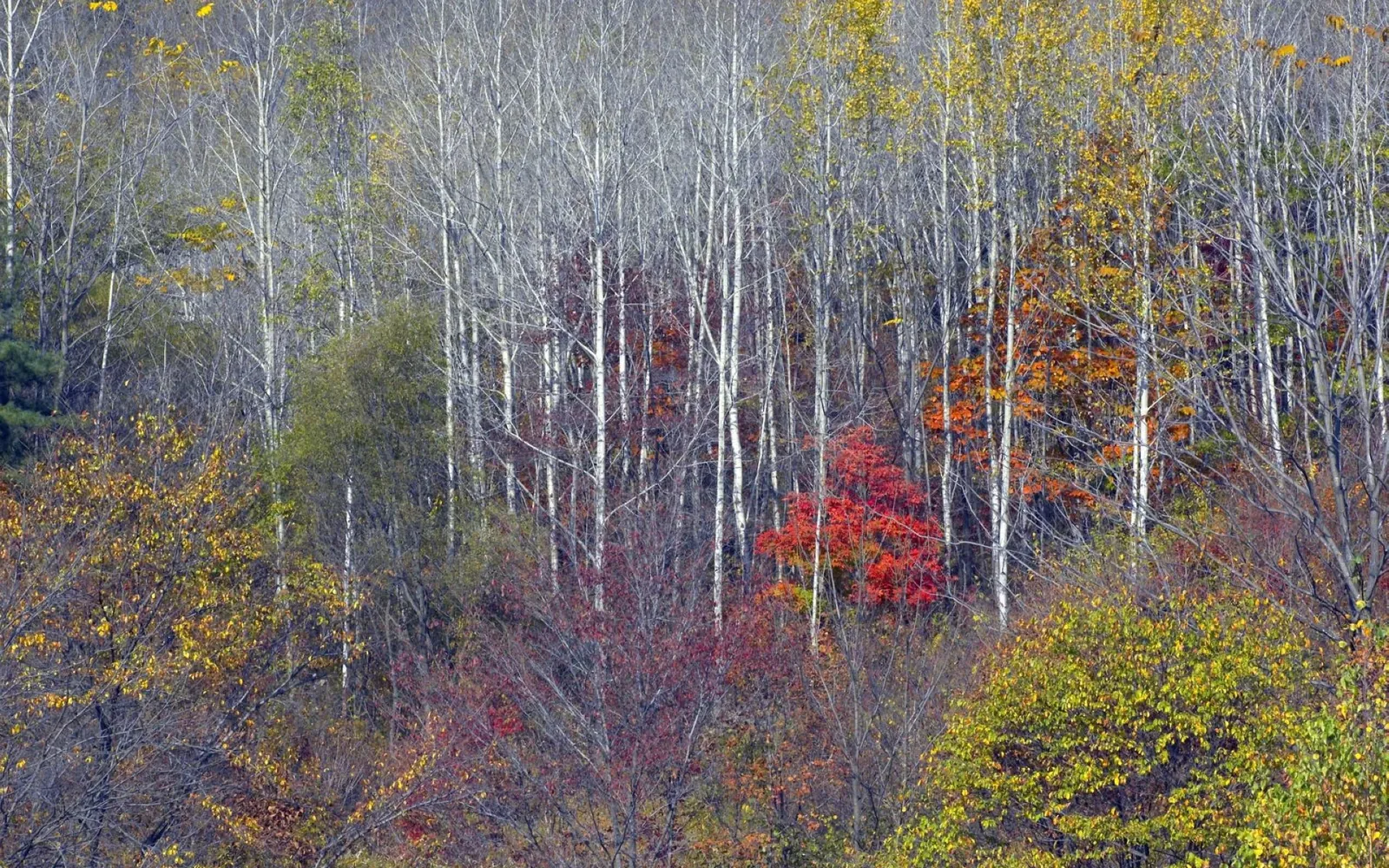
Crisp air and clear skies, ideal for hiking. The International Tourism Festival offers extra activities. Dress warmly at higher elevations.
Winter
Cold and potentially snowy, with fewer crowds. The mountain scenery is starkly beautiful, but ensure you have warm clothing and traction.
Suggested Itineraries
Plans for every schedule.
Classic 2-Day
Day 1: Golden Summit Scenic Area, Zixiao Scenic Area. Day 2: Nanyan Scenic Area, Taizipo Scenic Area.
Cultural 3-Day
Day 1: Golden Summit Scenic Area, Zixiao Scenic Area. Day 2: Nanyan Scenic Area, Taizipo Scenic Area, Wudang Taoist Tea Performance. Day 3: Wudang Taoist Rituals, March 3 Temple Fair.
Immersive 4-Day
Day 1: Golden Summit Scenic Area, Zixiao Scenic Area. Day 2: Nanyan Scenic Area, Taizipo Scenic Area, Wudang Taoist Tea Performance. Day 3: Wudang Taoist Rituals, March 3 Temple Fair, September 9 Prayer Ceremony. Day 4: Xiaoyao Valley Martial Arts Show, Wudang Mountain.
Local Tips
Insider knowledge for a smoother trip.
Speak softly, avoid pointing at deities, and never touch statues or step on thresholds.
Do not bring pomegranates, plums, red flowers, or meat offerings; avoid certain foods before visiting.
Wear comfortable shoes and pack light; a walking stick helps on steep sections like the Three Heavenly Gates.
Mountain weather changes quickly; always carry a jacket and rain gear regardless of season.
No photos inside halls; respect the beliefs of Taoist practitioners.
A one-day itinerary via shuttle bus covers key sites like Golden Summit and Purple Cloud Temple efficiently.
FAQs About Wudangshan
Quick answers to common questions.
Ready to Explore Wudangshan?
Let MagicTrip build the perfect Wudangshan itinerary.