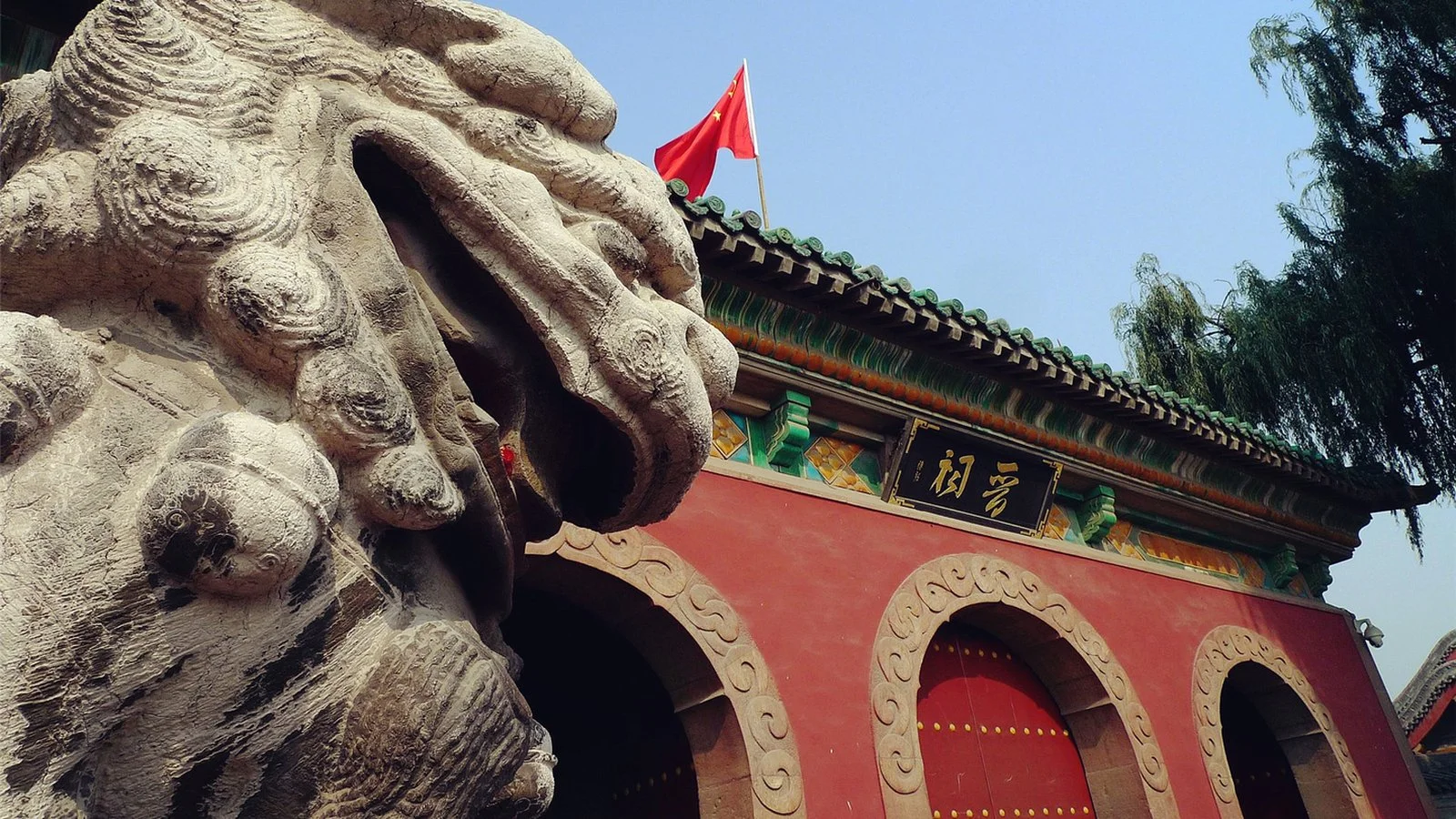
Taiyuan
Where ancient coal meets modern culture
Taiyuan at a Glance
Everything you need to know before you go.
Where to Stay
Choose the neighborhood that fits your style.
Yingze District
Central district with easy access to Wuyi Square, Liuxiang shopping street, and Tongluowan Plaza. Hotels like Bingzhou Hotel and Jinjiang Inn offer convenience for sightseeing and shopping. Near Taiyuan Railway Station and long-distance bus station.
Central & ConvenientXiaodian District
Modern area with high-speed rail access at Taiyuan South Station. Hotels like Dachang International and Courtyard Taiyuan offer spacious rooms and easy transport. Close to comprehensive reform zone and business hubs.
Modern & ConnectedJiancaoping District
Known for the Shanxi Guo Mao Grand Hotel, a five-star property. Offers upscale accommodation with business facilities. Proximity to city center and major attractions makes it a comfortable base for both leisure and work.
Upscale & BusinessWanbailin District
Home to the Jin Ancestral Garden and the state guesthouse Shanxi Jinci Hotel, set in royal gardens. Offers a tranquil retreat with historical charm. Suitable for those seeking a unique cultural stay away from downtown bustle.
Cultural RetreatTaiyuan Subway Map
Navigate the city by metro. Plan routes, explore stations, and find the right exit.
Taiyuan Highlights
The city's essential experiences.
Jinci Temple, originally built to honor Tang Shuyu, is a masterpiece of ancient Chinese architecture. Nestled against mountains and beside water, it features the 'Three National Treasure Buildings' and the 'Three Jinci Wonders', offering a serene glimpse into millennia of history.
Twin Pagoda Temple, originally named Yongzuo Temple, is renowned for its two majestic ancient pagodas. Uniquely, it faces north instead of south, built according to the terrain, and backs onto the Taihang Mountains, offering a distinctive architectural experience.
Chongshan Temple, first built in the Tang Dynasty, has a storied past. After a fire in 1864 destroyed most buildings, only the Dabei Hall and some structures survived, preserving precious Buddhist relics and offering a quiet, historic atmosphere.
Chunyang Gong, also known as Lüzu Temple, is dedicated to the Taoist deity Lü Dongbin. The Lüzu Hall, with its square and upright design, is the most magnificent building, and the courtyard layout is said to follow Taoist principles, offering a unique spiritual experience.
Shanxi Museum houses about 200,000 artifacts, showcasing the essence of Shanxi's history. Its bronzes, jades, sculptures, and murals are particularly outstanding, and the 'Soul of Jin' exhibition tells the story of the region through seven historical sections.
The Shanxi Merchants Museum is China's first large museum dedicated to the Shanxi merchant culture. Located in Yingze Park, it features traditional architecture with exquisite brick, stone, and wood carvings, and offers free admission with timed entry tickets.
The Saint Mother Hall, built in the Northern Song Dynasty, is the main hall of Jinci Temple. It houses 44 lifelike Song Dynasty statues of maidservants, each with distinct expressions, and its unique column-free interior design is a rare architectural feat.
Jinci Scenic Area is a comprehensive tourist site blending history, culture, and natural beauty. It boasts over 100 ancient buildings from various dynasties, including the 'Three National Treasure Buildings' and the 'Three Jinci Wonders', set in a picturesque landscape.
Tai Mountain, located southwest of Taiyuan, is famous for its autumn red leaves and serene environment. The mountain features the historic Longquan Temple, and offers stunning views from the summit, making it a perfect destination for nature lovers and photographers.
Juewei Mountain, with peaks reaching 1,400 meters, offers a panoramic view of surrounding mountains that resemble surging waves. The name 'Juewei' means 'inverted trumpet', describing the unique vortex-like shape of the mountain range, ideal for hiking and sightseeing.
Fenhe Park is a scenic waterfront park along the Fenhe River in Taiyuan. Stretching 6 kilometers, it offers lush greenery, walking paths, and beautiful river views, providing a peaceful escape in the city center.
Wangfeng Yixiantian is a narrow natural gorge, 1.5 kilometers long and less than 3 meters wide on average. It features dramatic rock formations and a 'glimpse of the sky' effect, offering a unique hiking experience through towering cliffs.
Hougou Ancient Village, dating back to around 819 AD, preserves the traditional dryland farming civilization of the Loess Plateau. It offers a self-sufficient lifestyle and ancient architecture, providing a glimpse into China's agrarian past.
Tianlongshan Grottoes, carved into the cliffs of Tianlong Mountain, date from the Eastern Wei to Tang dynasties. With 24 caves, they are a treasure trove of Buddhist art, set in a scenic mountain area that was once a summer palace.
Diantou Ancient Fortress was a military stronghold guarding the ancient capital Jinyang. Built during the Sui and Tang dynasties, it features stone caves and defensive structures, offering a fascinating insight into ancient military architecture.
Yuci Old City, with a history of over 1,400 years, was built on the site of a Han Dynasty city. It has served as a filming location for popular TV dramas like 'Qiao's Grand Courtyard', and features well-preserved ancient streets and buildings.
Best Time to Visit
Each season offers something different.
Spring
Windy and dusty, with occasional sandstorms. Pack sunglasses and a hat.
Summer
Cool and pleasant, ideal for escaping heat. Enjoy outdoor sightseeing.
Autumn
Dry and sunny, the most beautiful time with clear skies. Perfect for photography.
Winter
Cold and dry, with little precipitation. Dress warmly and visit indoor museums.
Suggested Itineraries
Plans for every schedule.
Classic 2-Day
Day 1: Jinci Temple, Shanxi Museum. Day 2: Twin Pagoda Temple, Daoxiao Noodles, Taiyuan Tou Nao.
Culture 3-Day
Day 1: Jinci Temple, Twin Pagoda Temple. Day 2: Shanxi Museum, Daoxiao Noodles. Day 3: Taiyuan Tou Nao, Liangfen.
Foodie 2-Day
Day 1: Jinci Temple, Daoxiao Noodles. Day 2: Shanxi Museum, Taiyuan Tou Nao, Liangfen.
Heritage 4-Day
Day 1: Jinci Temple, Shanxi Museum. Day 2: Twin Pagoda Temple, Daoxiao Noodles. Day 3: Taiyuan Tou Nao, Liangfen. Day 4: Jinci Temple (repeat optional) or leisure.
Local Tips
Insider knowledge for a smoother trip.
Get a Taiyuan Tourism Card for 50 yuan to access many attractions free.
Buy Ninghuafu brand vinegar from supermarkets like Meitehao for quality.
Coal dust in air; wear sunglasses and a mask if sensitive.
Research historical stories of sites before visiting to enrich your experience.
City Pass not valid during May Day and National Day holidays.
City Pass can be conveniently bought at any postal savings office.
FAQs About Taiyuan
Quick answers to common questions.
Ready to Explore Taiyuan?
Let MagicTrip build the perfect itinerary.