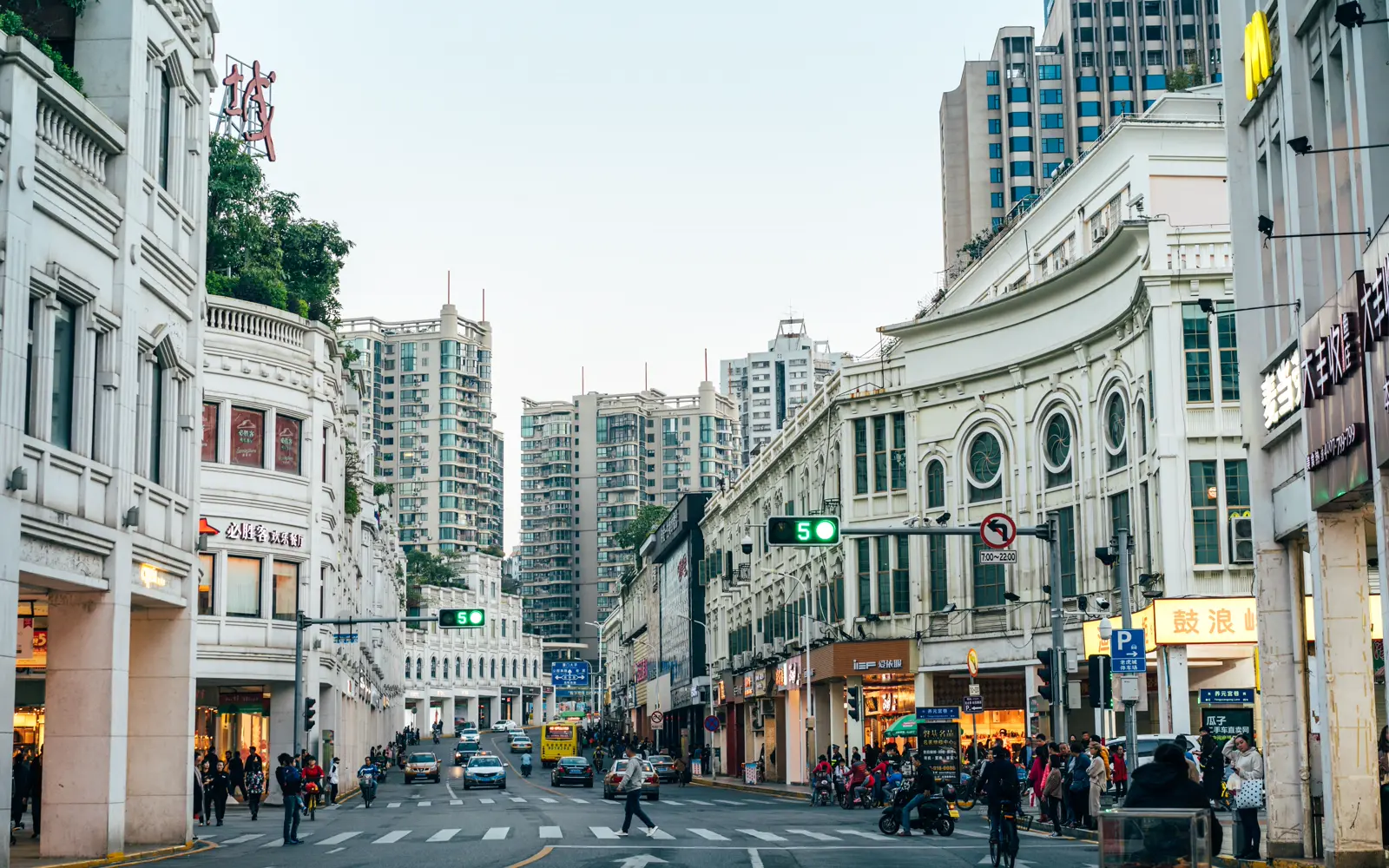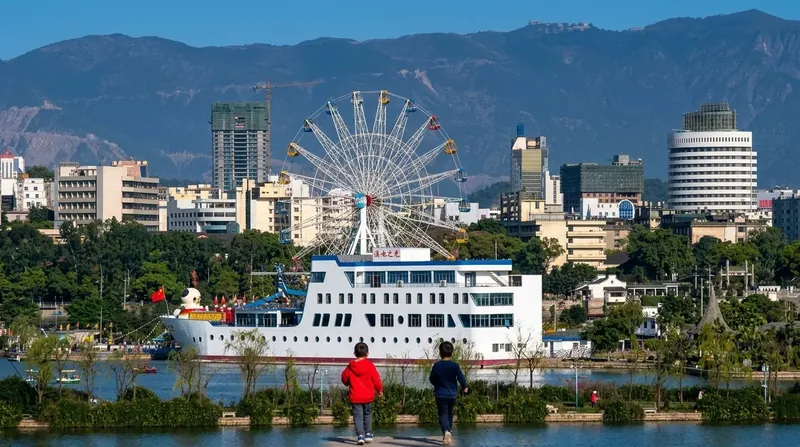
Xiamen is a city that resists superlatives. It's not the biggest, not the oldest. But it might be the most content. Perched on the southern coast of Fujian province, this island city has spent two centuries perfecting a particular kind of gentleness.
Gulangyu
A ten-minute ferry ride from the mainland, this tiny island of two square kilometers was an international settlement in the 19th century. Victorian mansions next to Chinese temples, Spanish courtyards next to Japanese teahouses. No cars. No bicycles. Just walking, and the sound of pianos drifting through open windows — the island has more pianos per capita than anywhere in China.
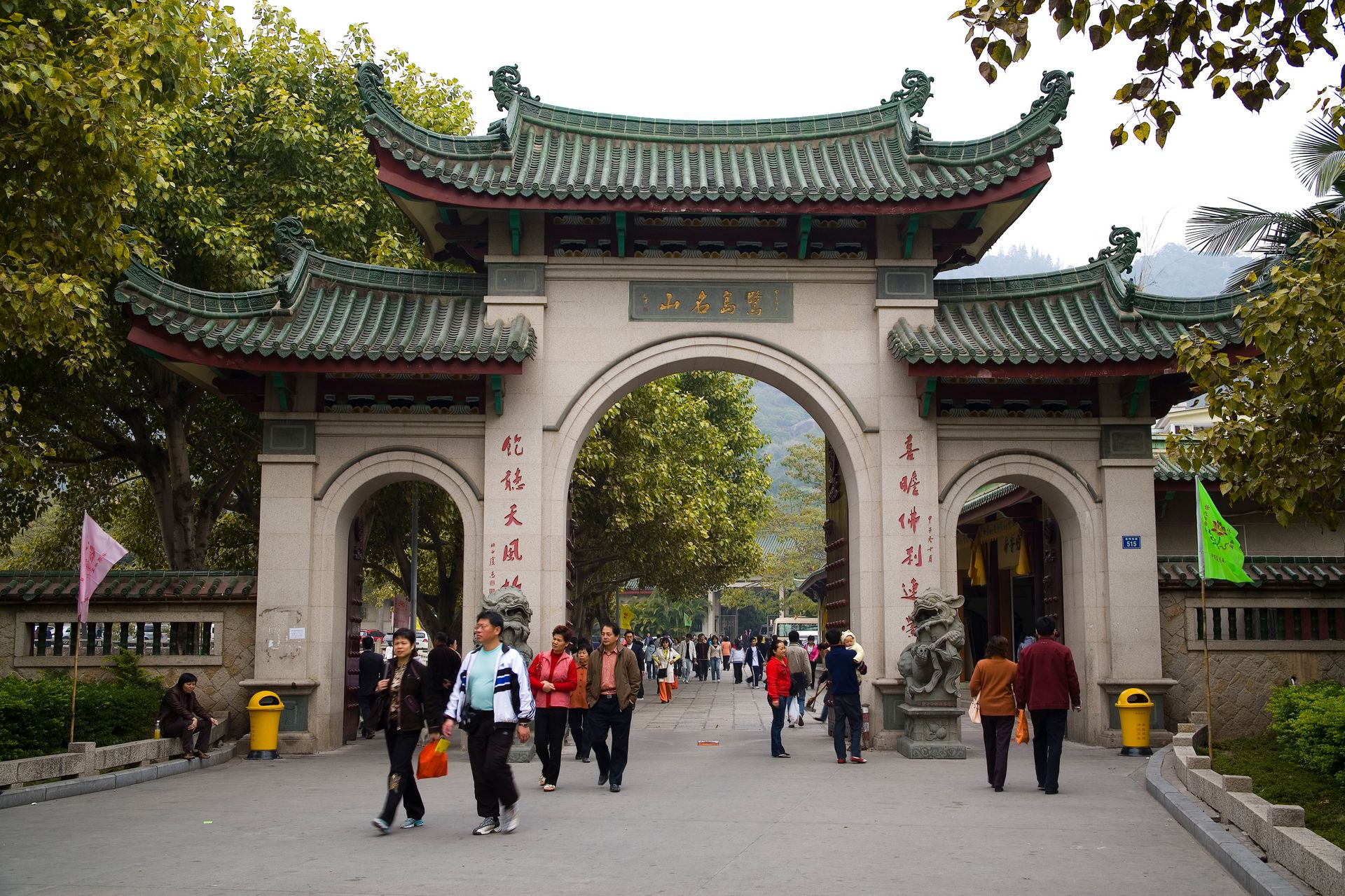
The Railway Park
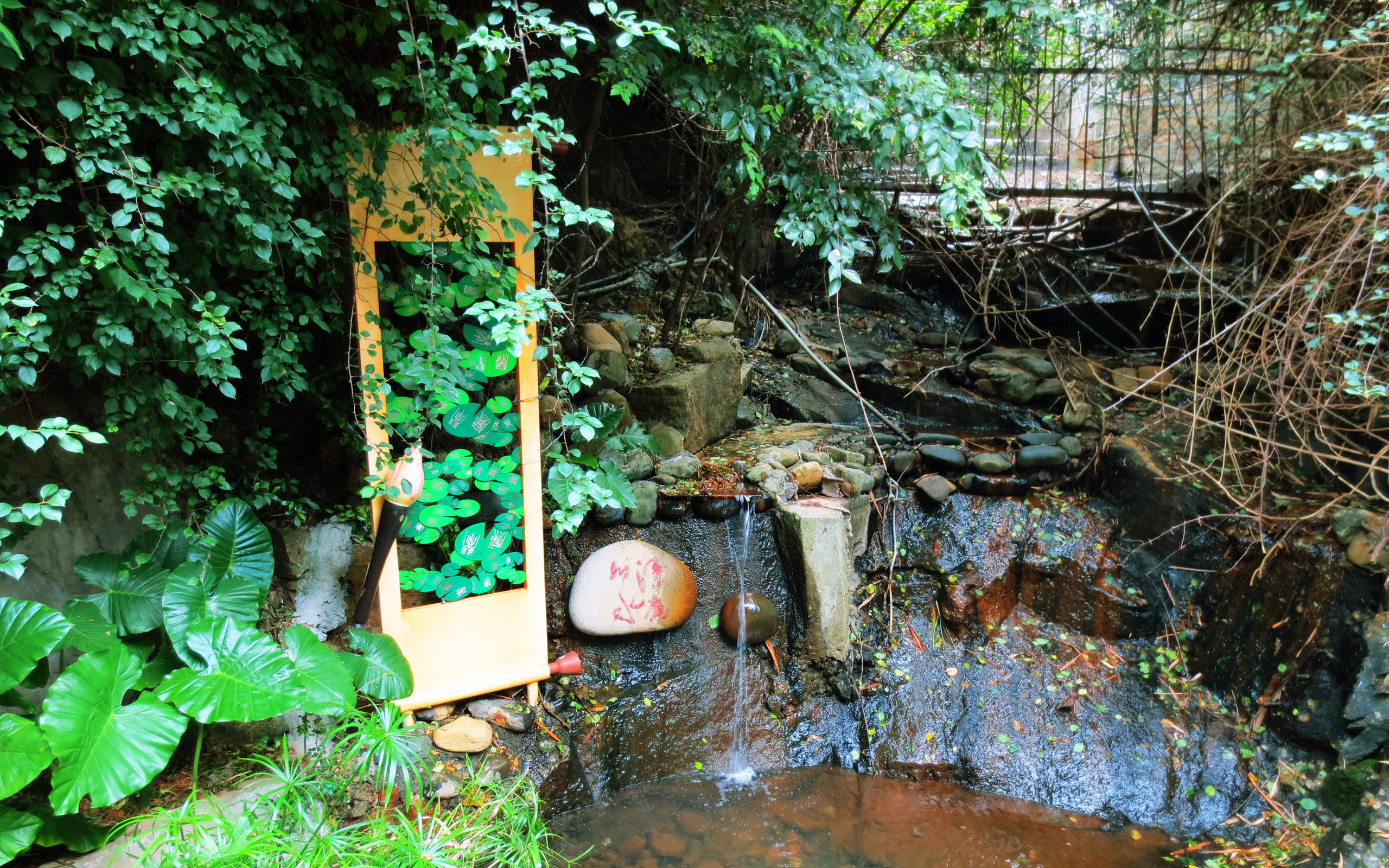
An abandoned railway line, cut through the city's oldest neighborhoods, was converted into a linear park of bougainvillea and shaded benches. Old men play chess on the tracks. A steam locomotive from 1956 looks slightly embarrassed by all the attention.
Xiamen's food culture is the real reason locals pity every other city. Shacha noodles, oyster omelets, and peanut soup served from the same shopfronts since the Qing Dynasty. Eat here for a week and you'll understand why Xiamen people never seem stressed.