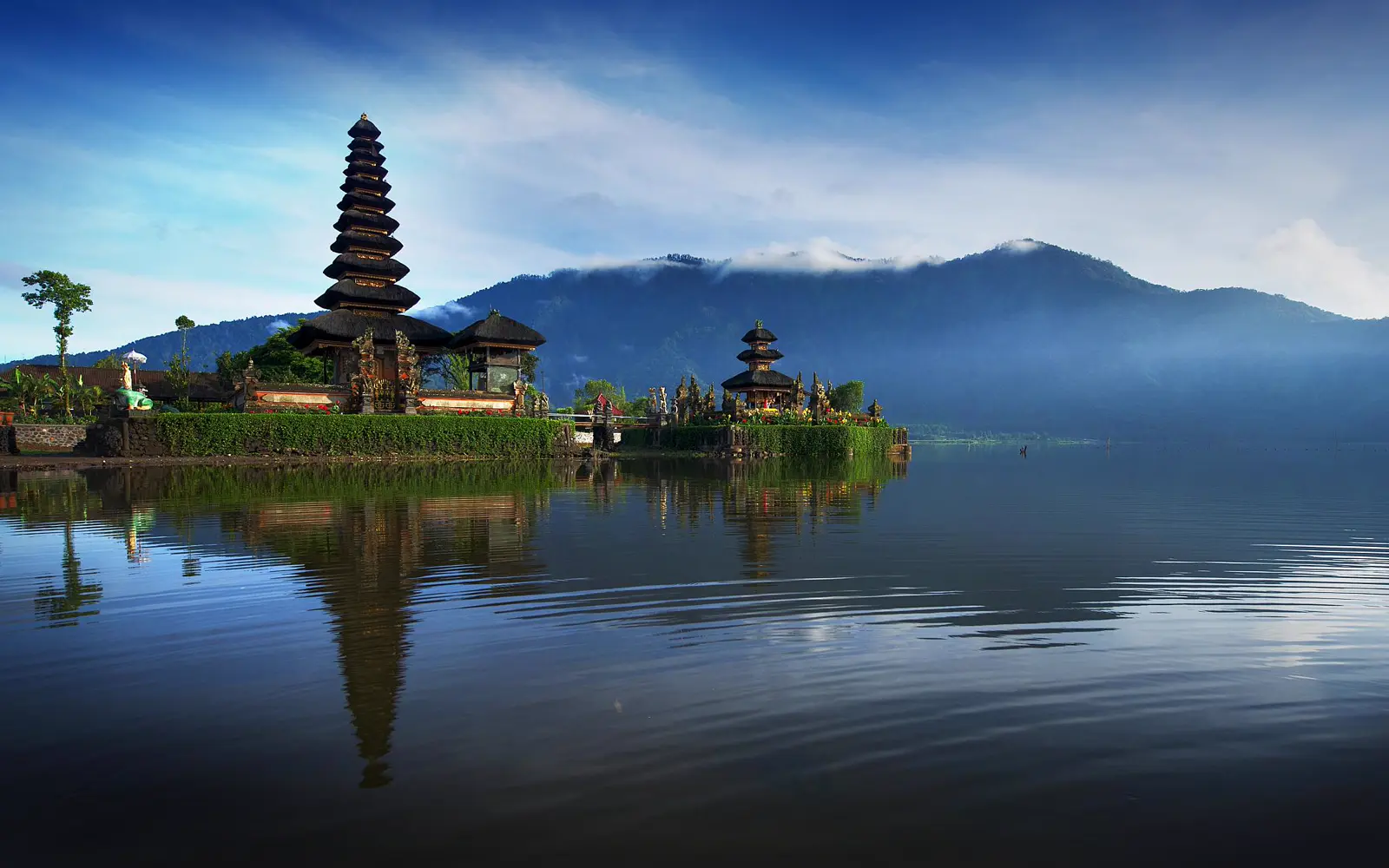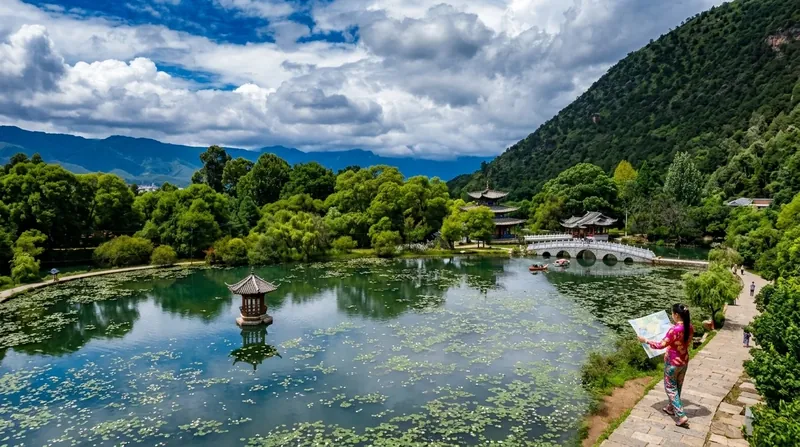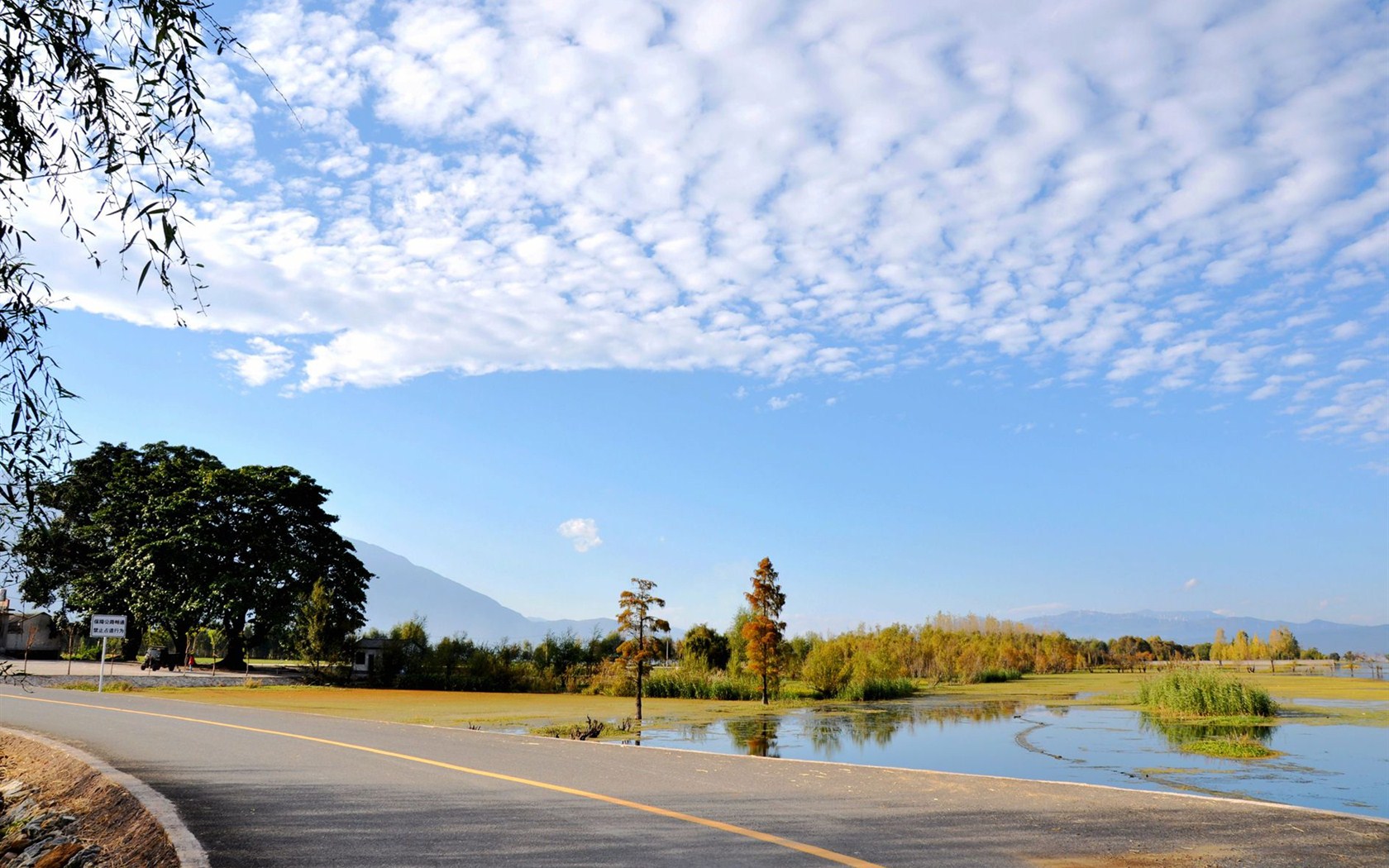
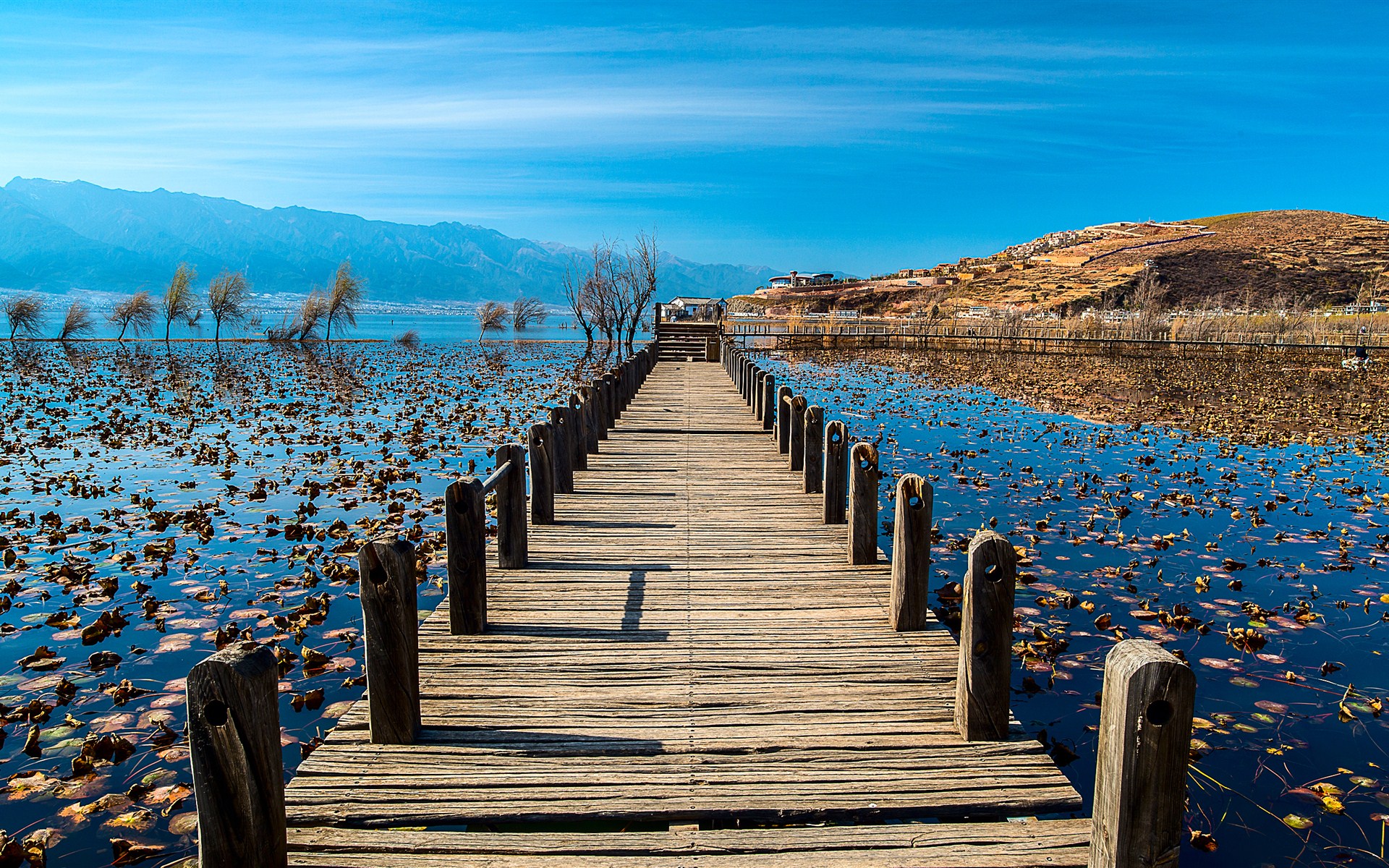
There was a moment, somewhere around 2010, when Dali became a verb. You "went to Dali" the way you "went to San Francisco in 1967" — not to see anything in particular, but to belong to something. Artists, musicians, burned-out tech workers — they all washed up on the shores of Erhai Lake and decided, with quiet certainty, that they were never leaving.
The old town is surrounded by a city wall, modest in scale but genuine. West Gate faces Cangshan; East Gate faces Erhai. The streets form a grid like a chessboard, and every lane eventually delivers you to a courtyard or a bar where someone is playing acoustic guitar and singing about freedom.
Around the Lake
Rent a bicycle. The road circling Erhai Lake is 120 kilometers with the Cangshan range on one side and the lake — vast, placid, reflecting the sky — on the other. You'll pass rice paddies, newlyweds in wedding gowns, and fishermen who've been working these waters since before Dali was a hashtag.
Xizhou
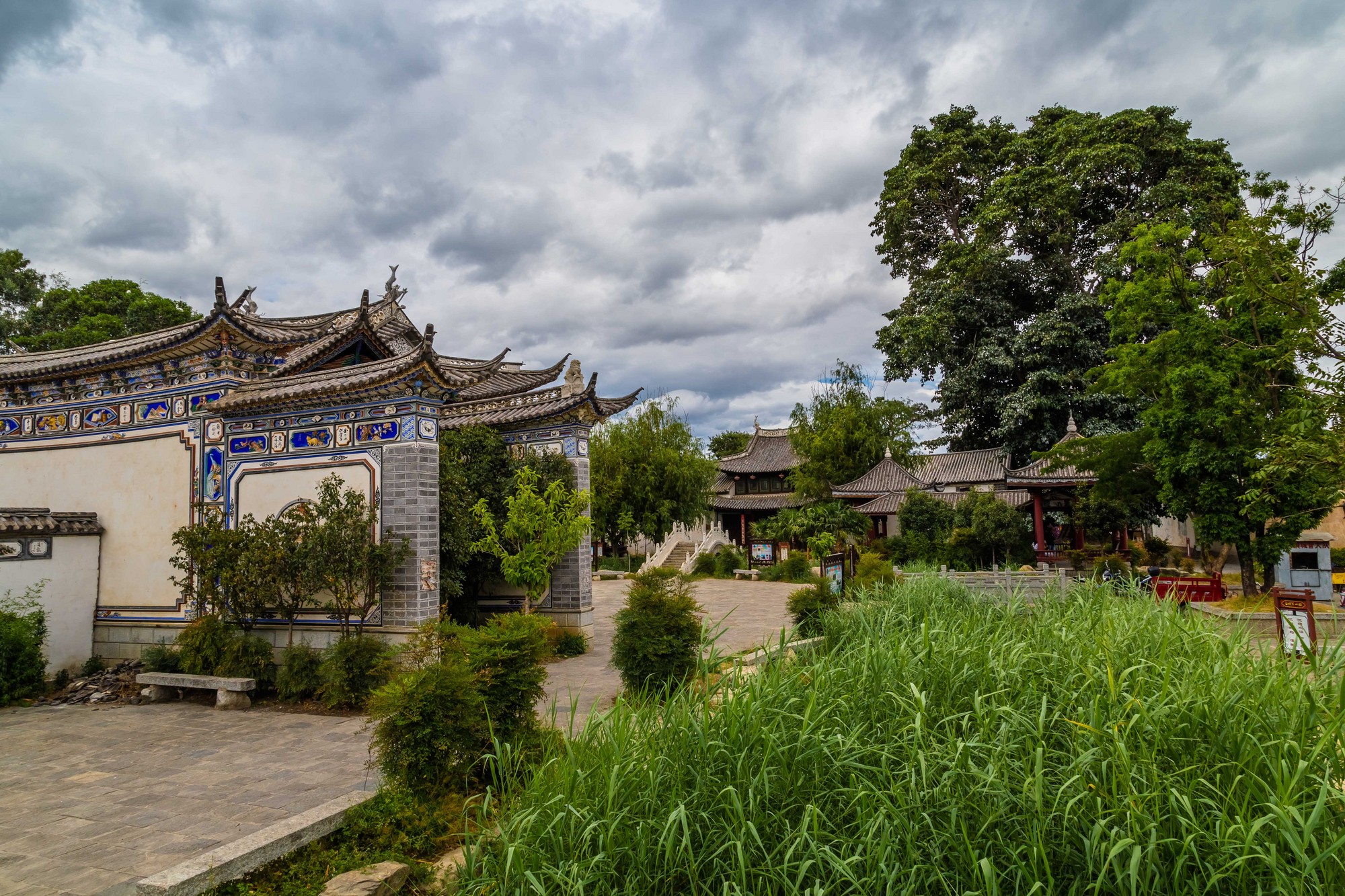
Ride up to Xizhou, 20 kilometers north. The Bai architecture here is the best preserved in the region — courtyard mansions built by tea traders during the Qing Dynasty. The Yan family compound feels like it's been waiting for you since 1920. In the village square, old women sell baba — flatbread stuffed with rose jam — from charcoal stoves. Buy one. Eat it while it's hot.
Dali has somehow done what almost no popular destination manages: it stayed itself while welcoming everyone else. Come for the sunsets over Erhai. Stay for the moment when, sitting on the old city wall with a cup of Yunnan coffee, you realize you've stopped wanting to be anywhere else.