Taiwan is 36,000 square kilometers — smaller than Switzerland. And yet it contains snow-capped mountains and tropical beaches, megacities and aboriginal villages, night markets that never sleep and tea houses where a single cup takes two hours.
Taipei
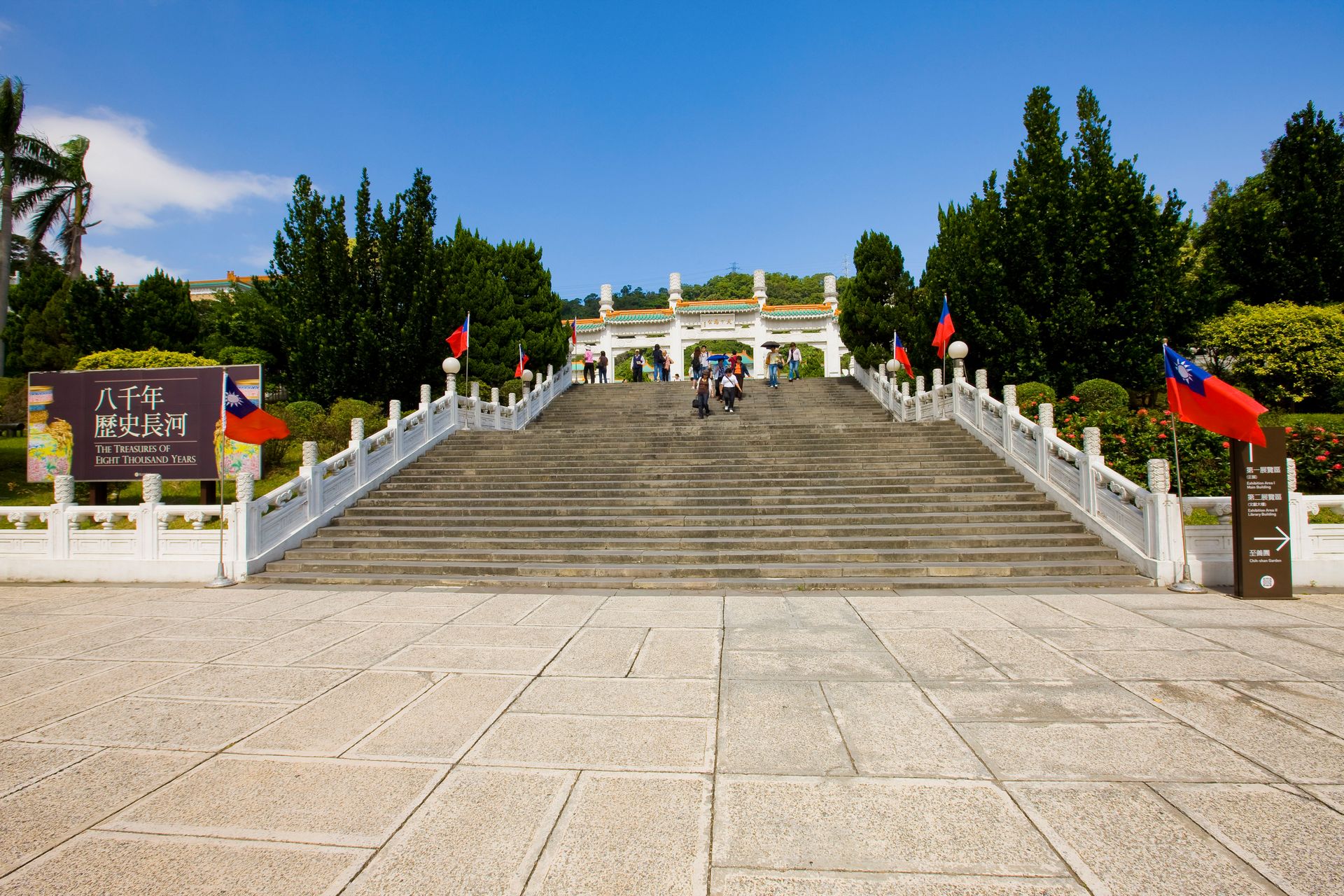
Start in Taipei. The National Palace Museum holds 700,000 artifacts — the largest collection of Chinese imperial art in the world. The jadeite cabbage, carved with a grasshopper on its leaves, is so famous that schoolchildren memorize its story.
Across town, Taipei 101 pierces the sky at 508 meters, with a 660-ton steel pendulum that keeps the building from swaying in typhoons. Taipei's version of ambition: build the world's tallest building, but make sure it can handle an earthquake.
Sun Moon Lake
Two hours south, Sun Moon Lake nestles in the mountains of Nantou. The lake's east is round like the sun; its west curves like a crescent moon. The Thao tribe has lived here for centuries. Rent a bicycle and ride the 30-kilometer lake path past pagodas and tea plantations.
Kenting
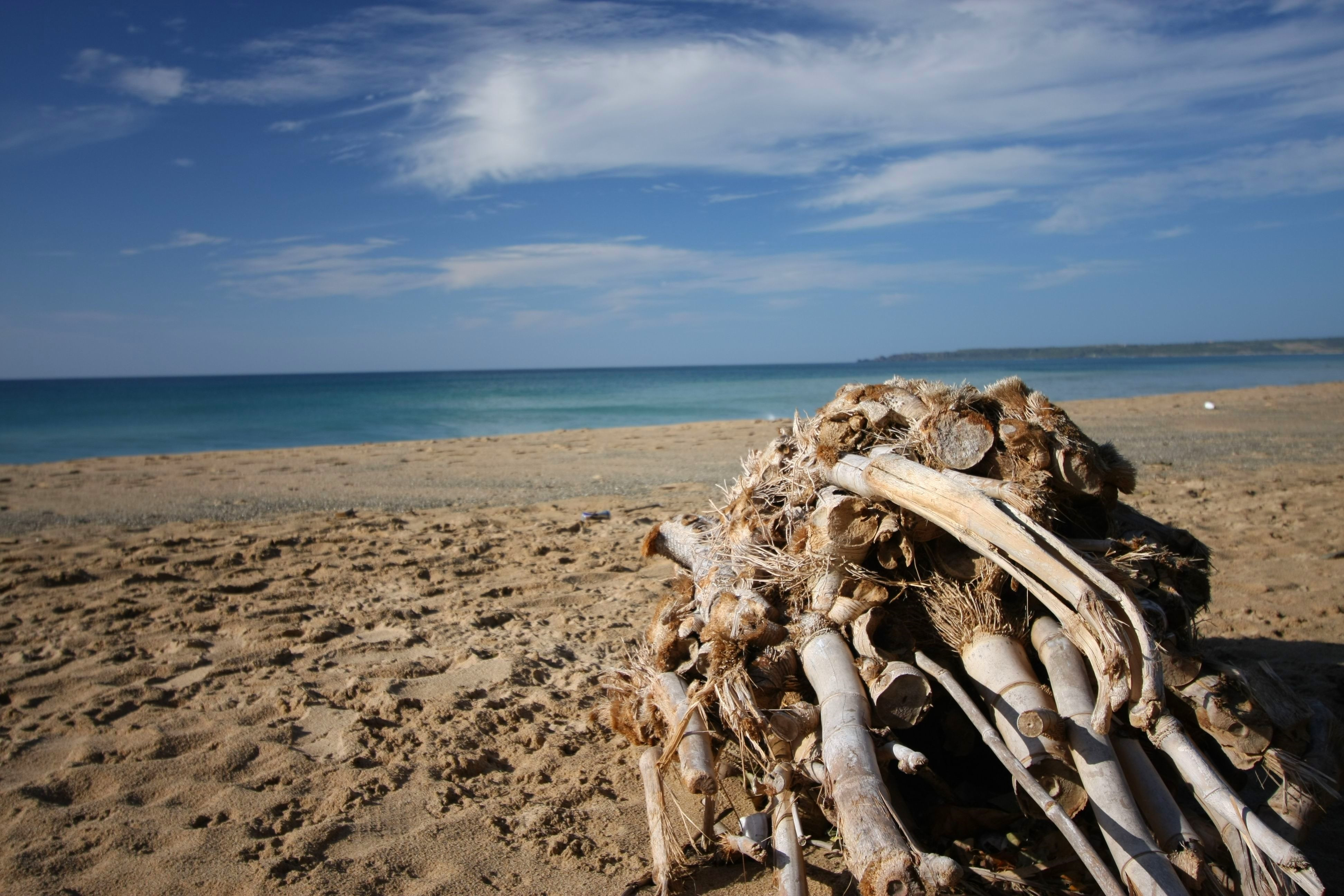
Further south, Kenting marks Taiwan's tropical extremity. White sand beaches, coral reefs, surfable waves. The lighthouse at Eluanbi, Taiwan's southernmost point, has been guiding ships since 1883.
Alishan
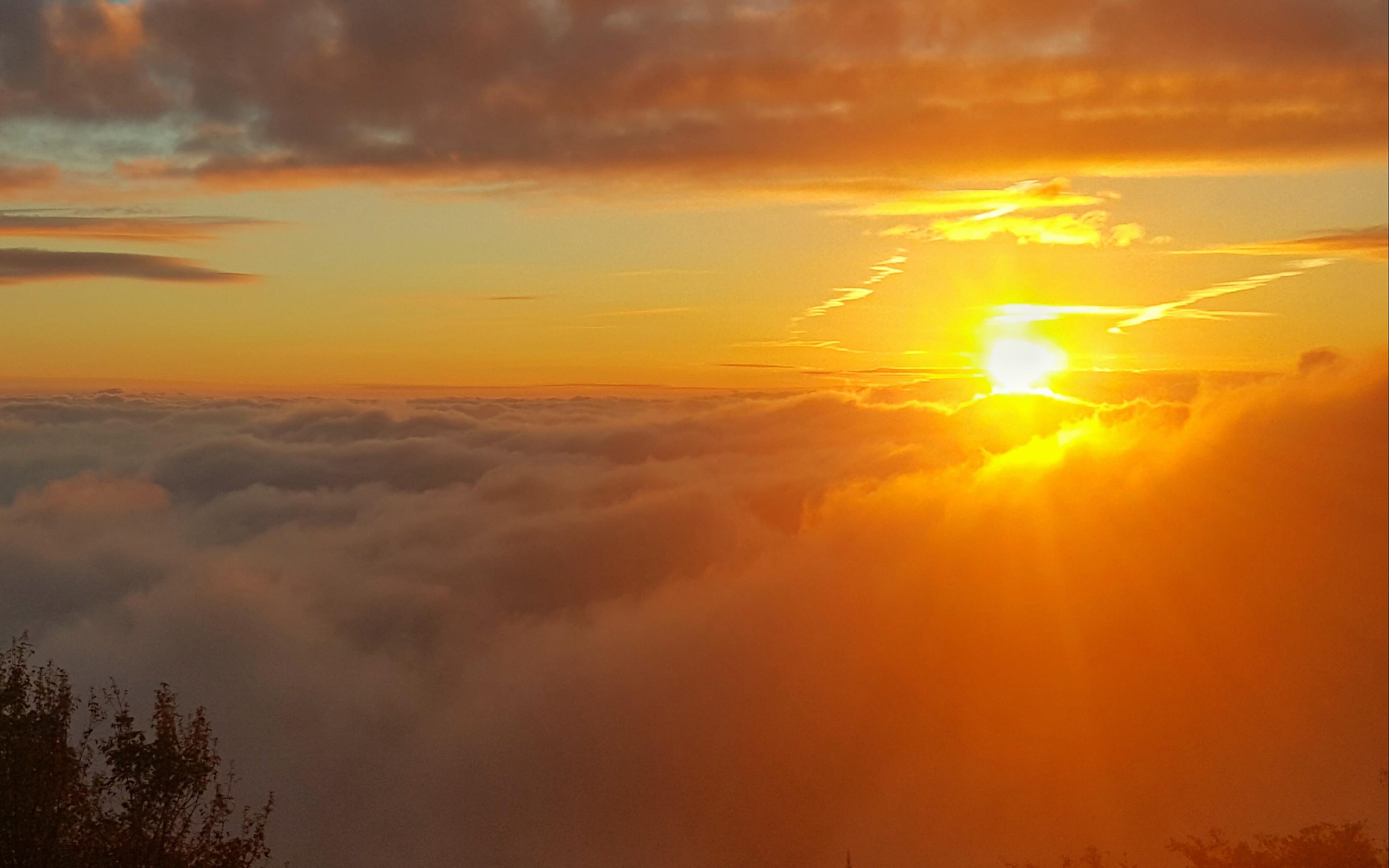
The Alishan Forest Railway, built by the Japanese in 1912, carries tourists up a narrow-gauge track through cloud forests. At sunrise, the "sea of clouds" fills the valleys below. Taiwanese couples propose here. It works.
Come for the night markets. Stay for the tea. Leave with the unsettling suspicion that you've been doing life wrong.