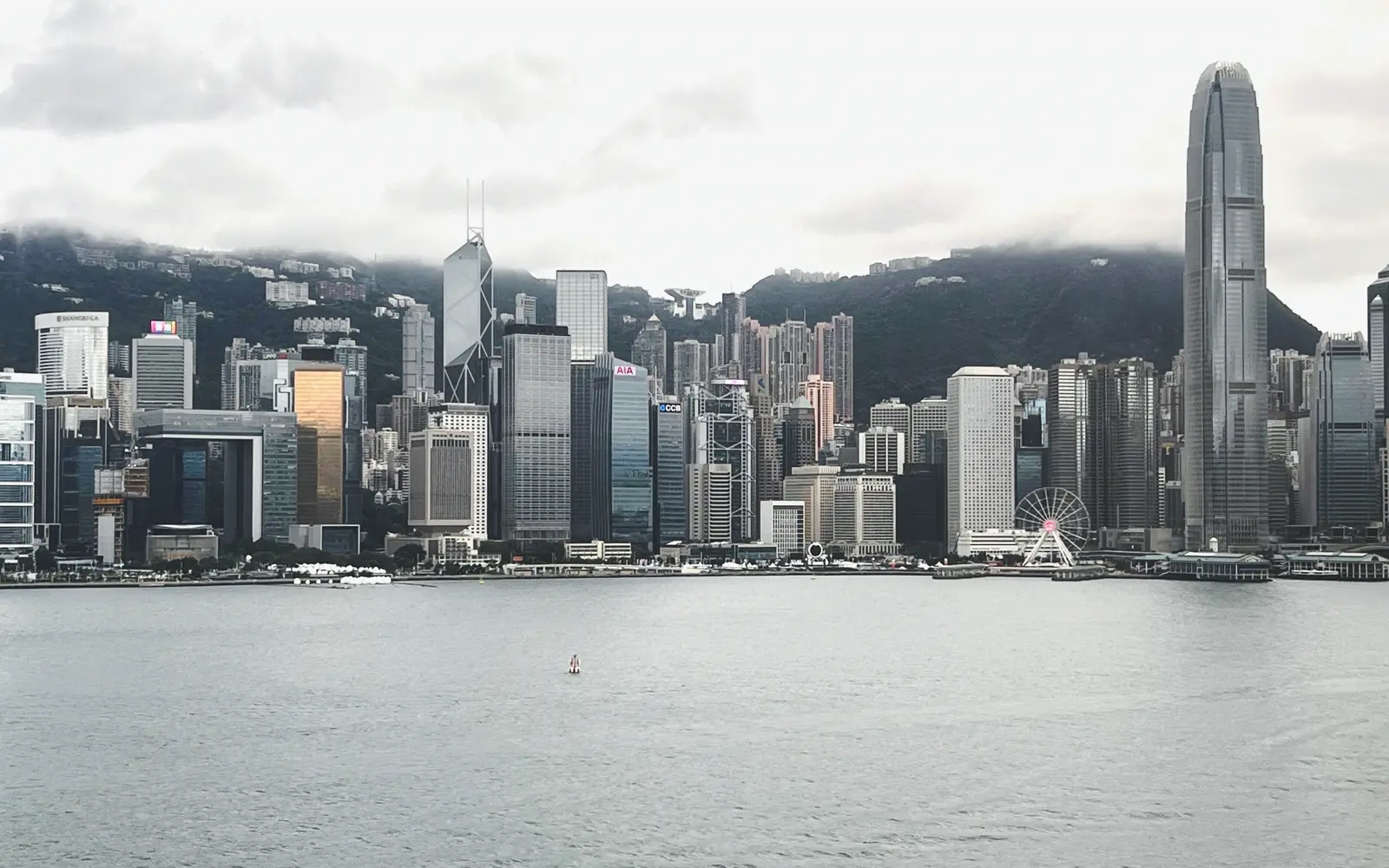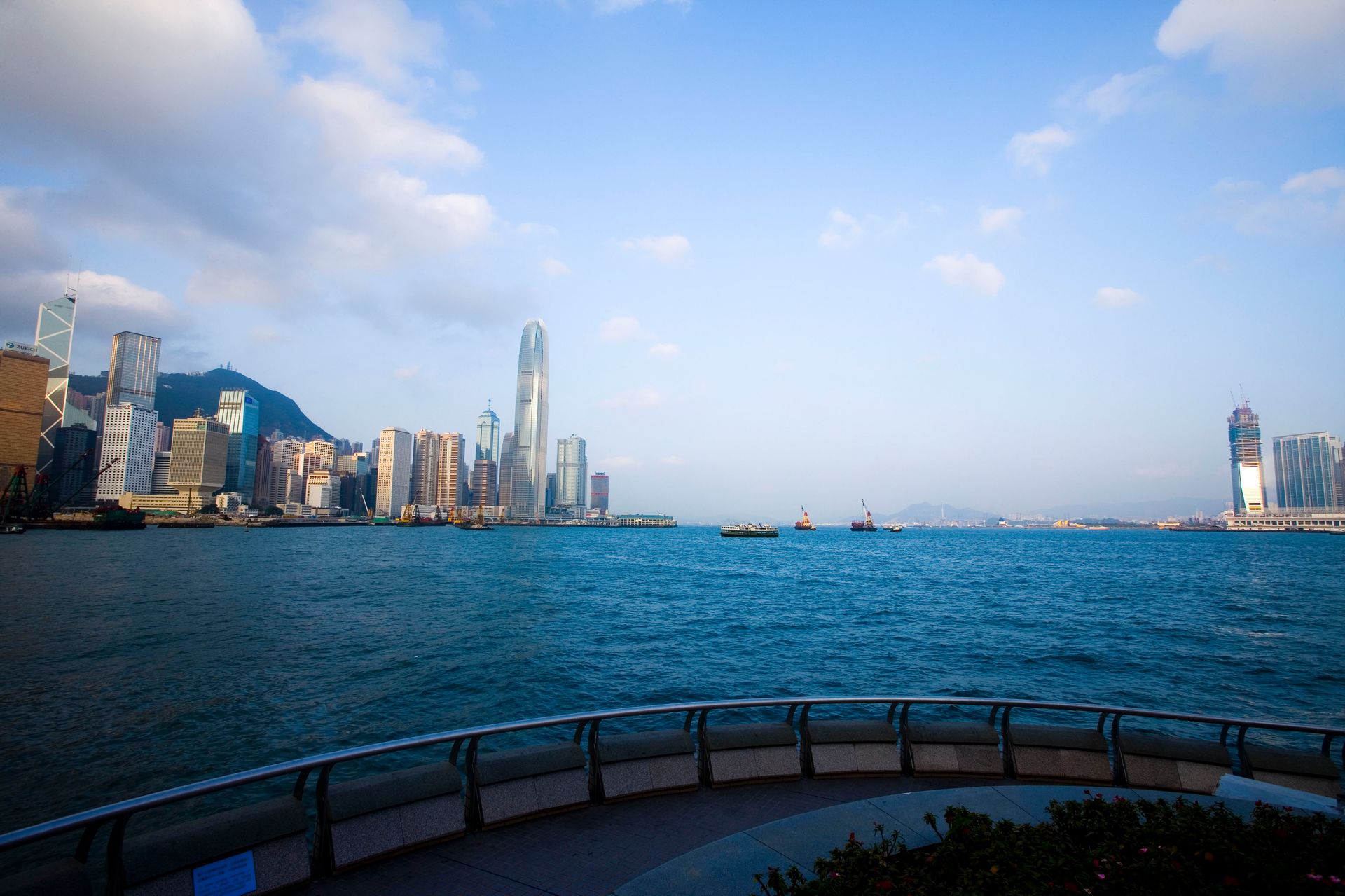
Most world cities are converging. They have the same coffee shops, the same fashion brands, the same glass towers. Hong Kong runs in the opposite direction. Every block is an argument between Cantonese tradition and British colonial residue, between billion-dollar deals and dai pai dong noodle stalls, between the 21st century and a fishing village that refuses to completely disappear.
The Harbor
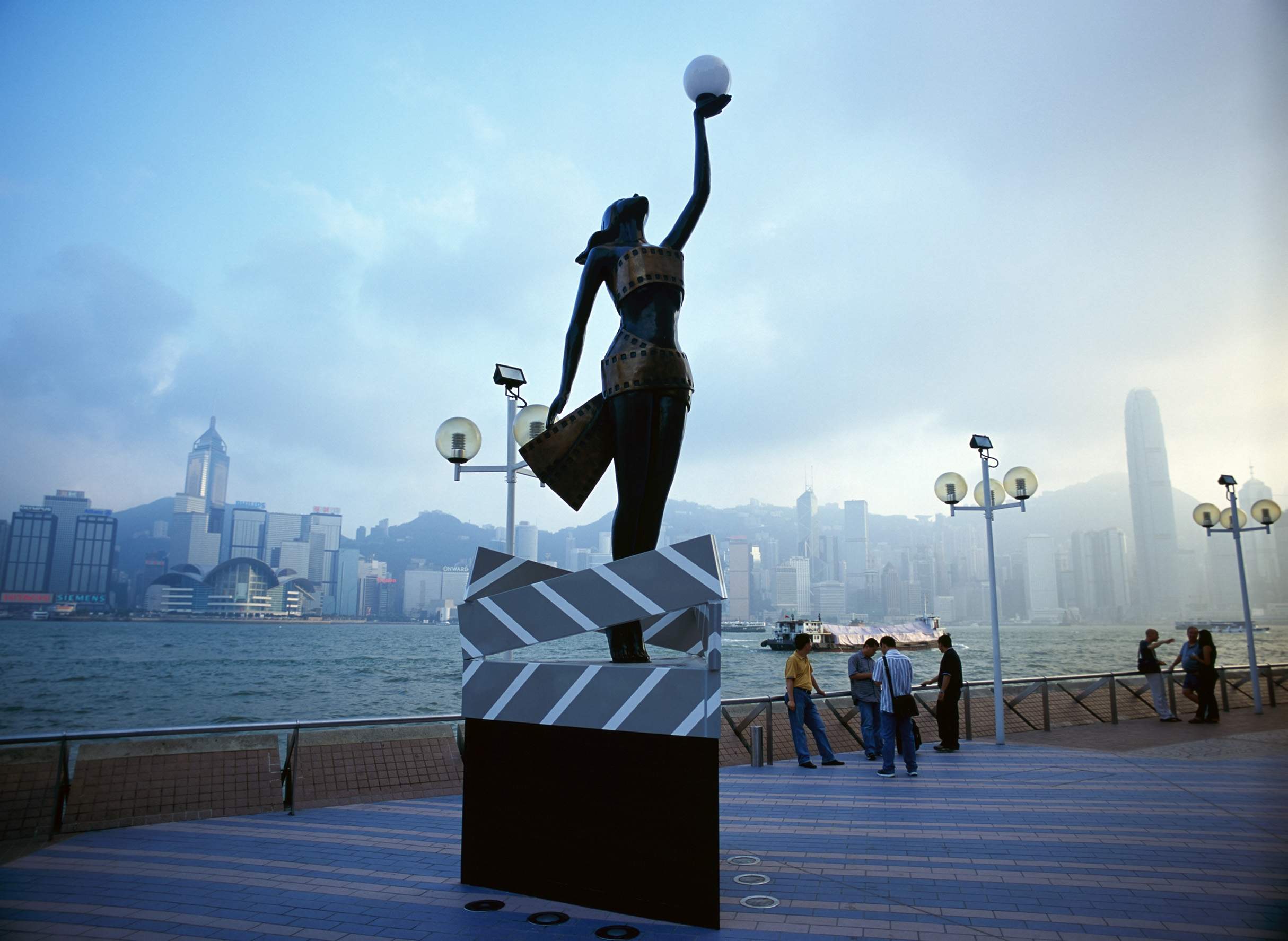
The harbor is where it all starts. Victoria Harbour, named after a queen who never saw it, separates Hong Kong Island from Kowloon with a ribbon of water that has been the city's aorta for 180 years. At 8 PM every night, the Symphony of Lights kicks in — 40 buildings on both shores blinking and beaming in choreographed unison. It's the kind of thing that should be tacky. It isn't.
The Peak
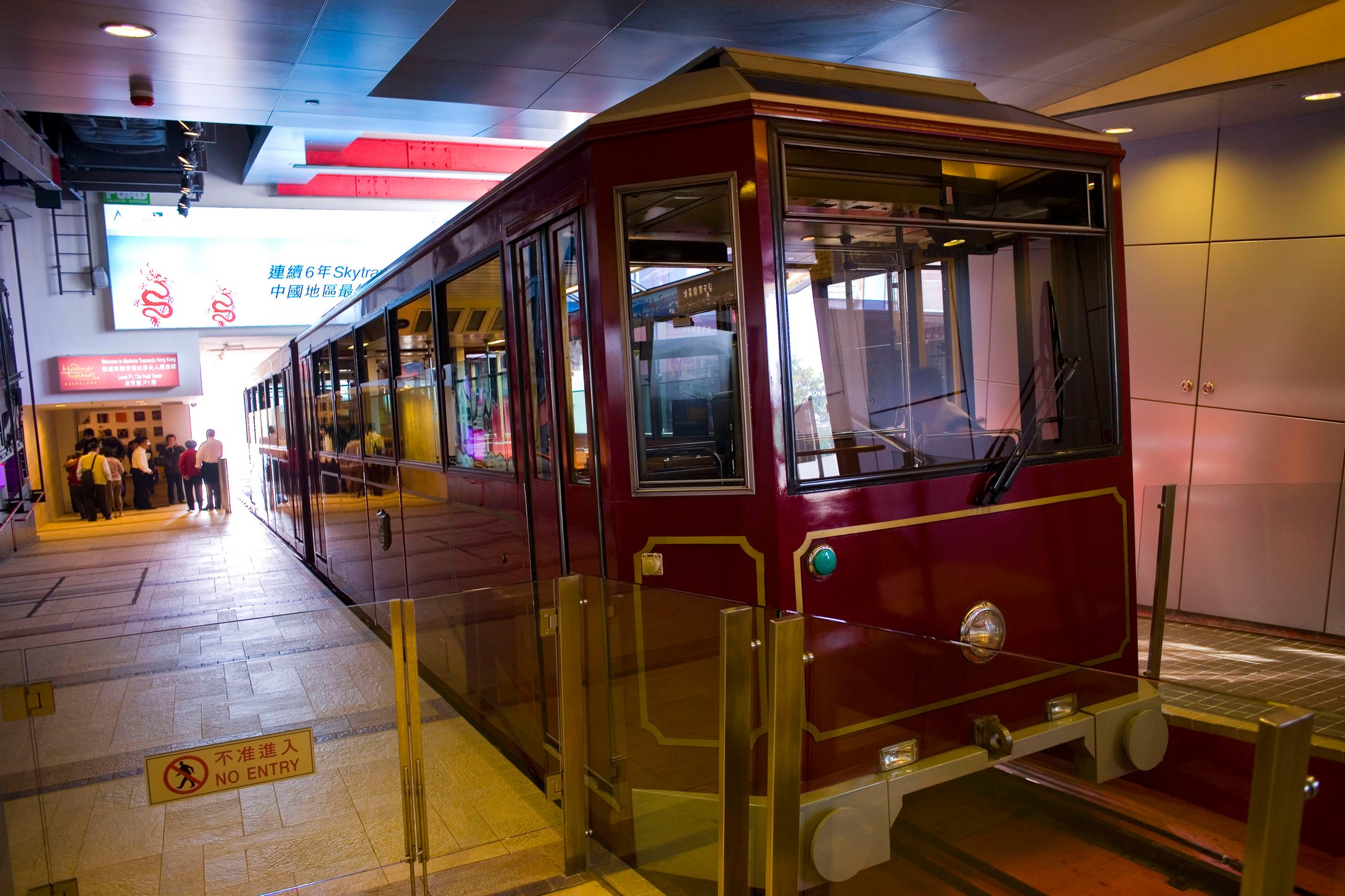
From the Peak — 552 meters above sea level — the entire argument is visible. On one side, the skyscrapers of Central, a vertical forest of glass and steel where fortunes are made and lost before lunch. On the other, the South China Sea, dotted with outlying islands where people still fish for a living. The Peak Tram has been hauling passengers up this slope since 1888. The ride angle is so steep — up to 27 degrees — that the buildings outside the window seem to be tilting sideways.
Street Level
Down at street level, the city operates at a metabolic rate that can feel hostile. The escalators in MTR stations move faster than in any other city on Earth. People walk at what would be a jog elsewhere. Kowloon's streets in the evening are a neon assault, Cantonese signs layered over English translations, the smell of roast goose and egg waffles competing with bus exhaust. This is the Hong Kong of Wong Kar-wai films: humid, claustrophobic, impossibly romantic.
The Other Hong Kong
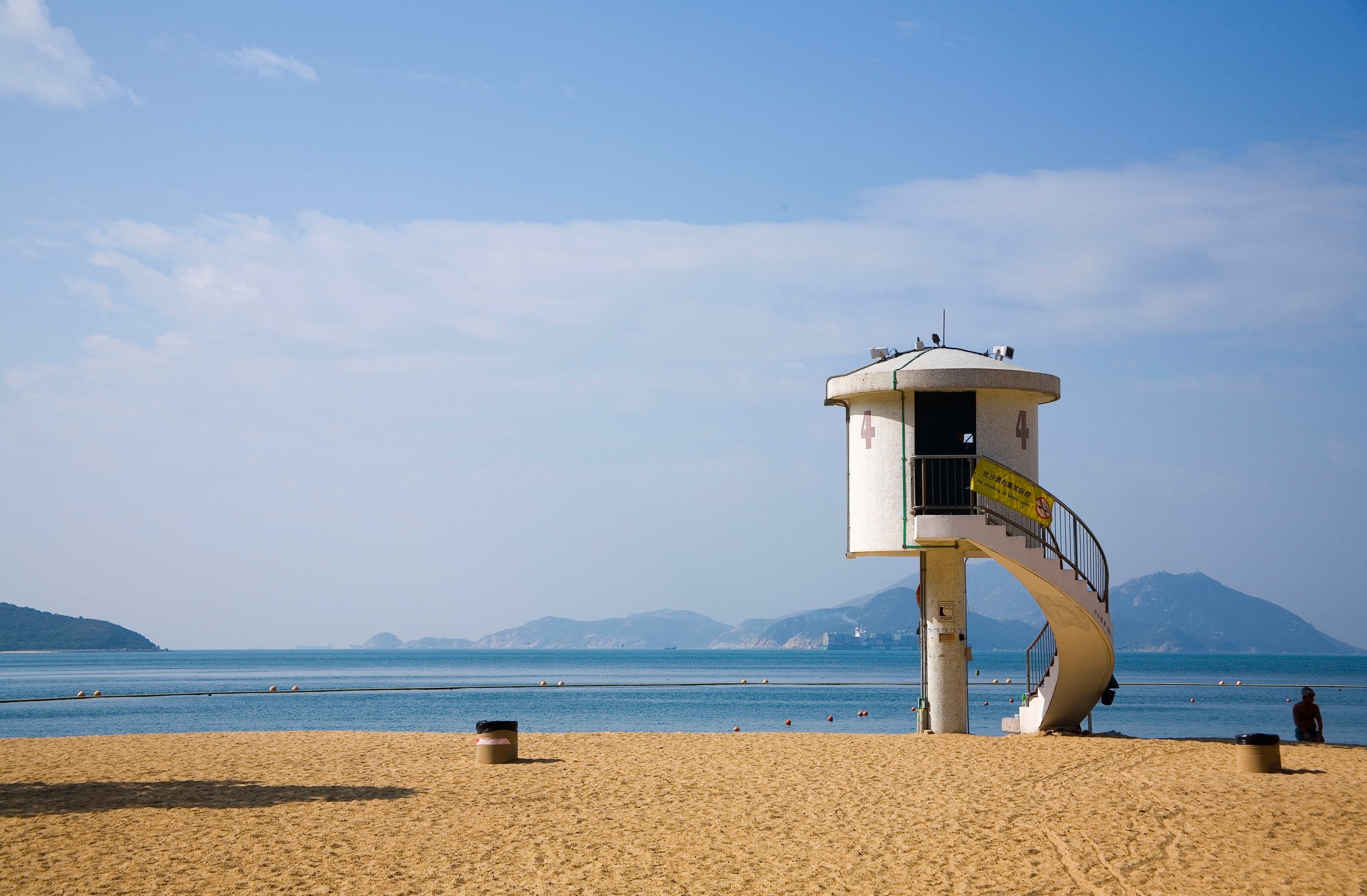
But Hong Kong's secret is that it's mostly not city. Only 25% of the land is developed. The rest is country parks, hiking trails, and beaches. Repulse Bay on a Tuesday morning is empty except for a few swimmers and an egret stalking the tideline. Forty minutes from Central, you can be walking the Dragon's Back trail, looking down at Shek O Beach, with no sign of skyscrapers anywhere.
The Buddha
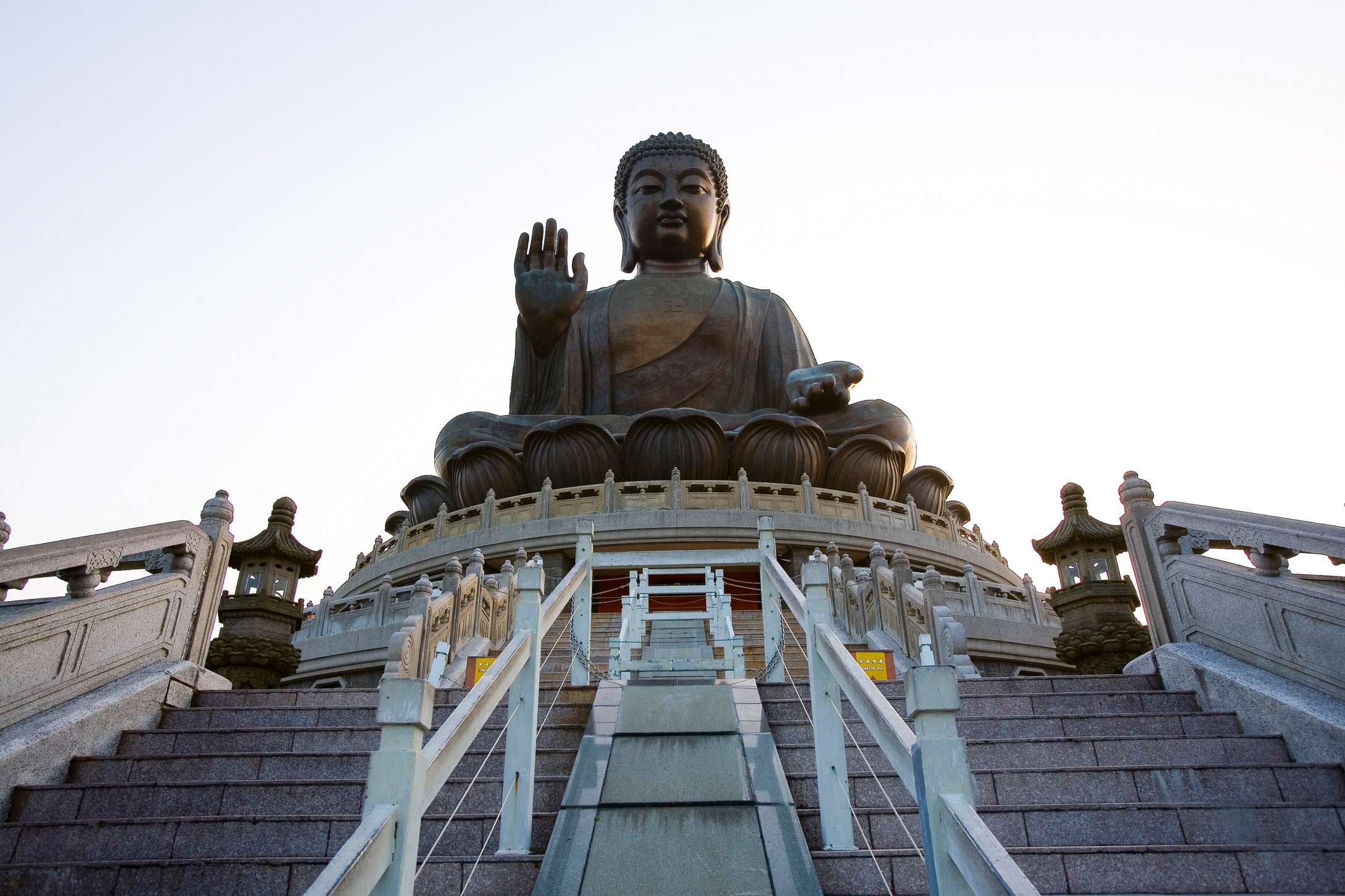
On Lantau Island, the Tian Tan Buddha sits at the top of 268 steps, 34 meters of bronze gazing serenely toward Beijing. The Po Lin Monastery below it serves a vegetarian lunch that's better than it has any right to be. And the Ngong Ping 360 cable car — 5.7 kilometers of glass-bottomed gondola gliding over sea and mountain — is one of the great undervalued experiences of Asia.
Eileen Chang, who lived here during the 1940s, wrote that "everywhere in Hong Kong, there are sharp contrasts." She could have been writing about the city itself. Old and new. East and West. Mountain and harbor. Billionaire and dai pai dong cook. The city never resolves these tensions. It doesn't want to. The friction is what makes it alive.