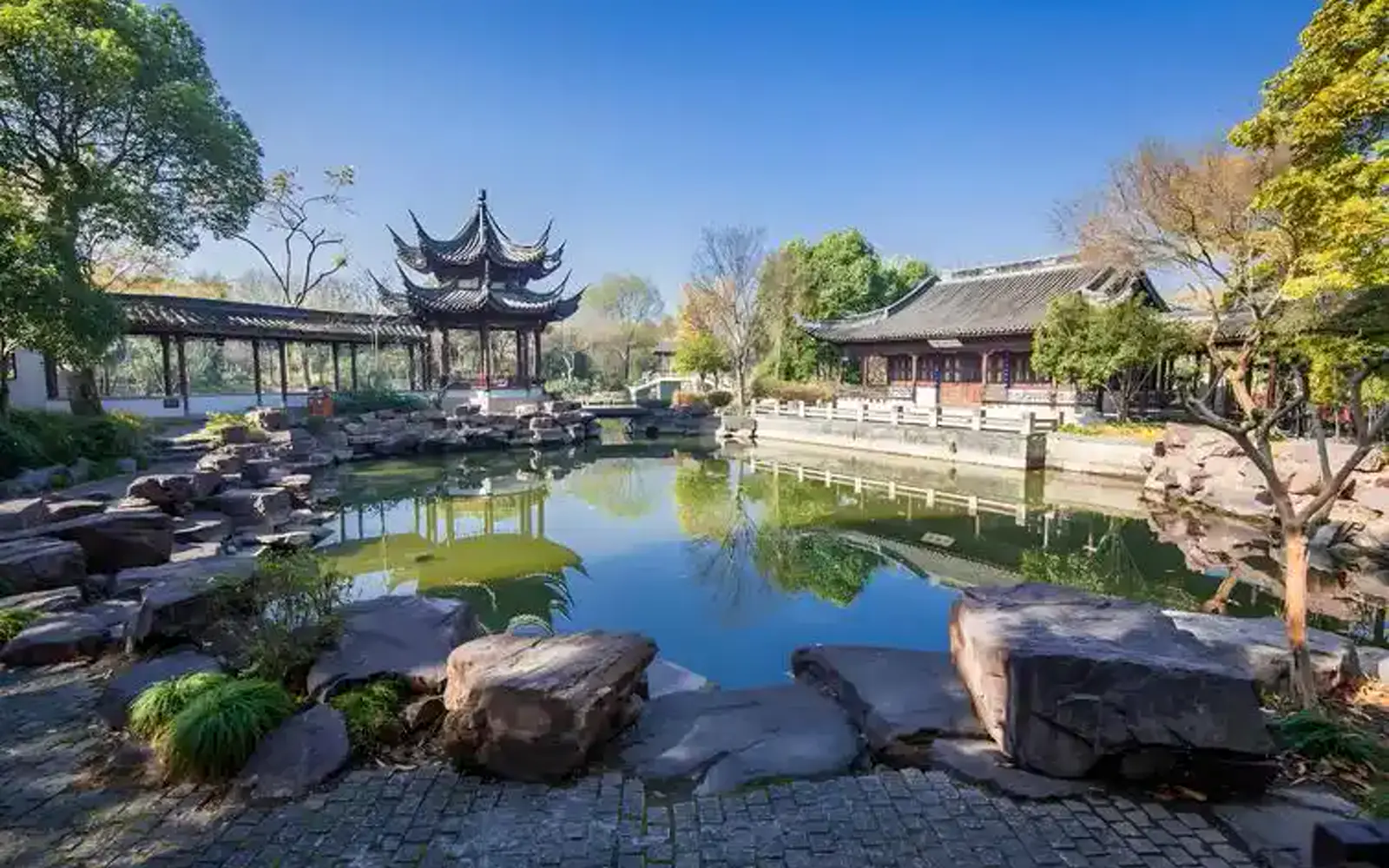
There is a very particular kind of Chinese ambition that doesn't want a bigger house. It wants a better world — small enough to fit inside a city block, complete with mountains, rivers, and forests that exist entirely because someone imagined them. That is Suzhou, and that is its gardens.
For over 2,500 years, Suzhou has been perfecting a peculiar art form: the classical garden. Not gardens in the Western sense — not flowers arranged for color or lawns maintained for croquet. These are three-dimensional philosophy. Every rock is a mountain range. Every pond is an ocean. A bonsai pine on a windowsill is a forest. The entire discipline rests on one Chinese phrase: da yin yin yu shi — "the great hermit hides in the city." You don't need to retreat to the wilderness to find peace. You build the wilderness in your backyard, and you call it a day.
The Humble Administrator
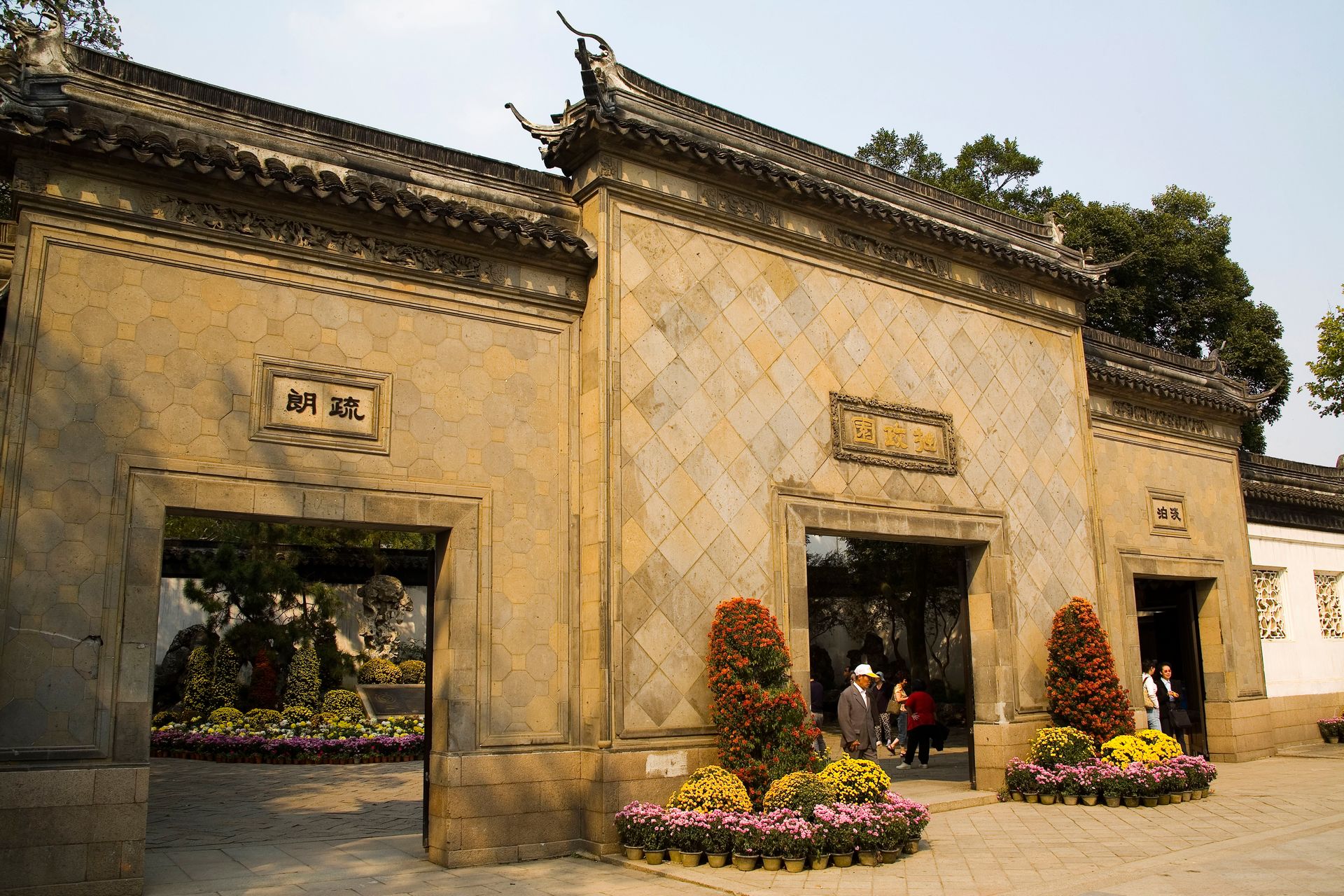
The greatest of these backyard wildernesses is the Humble Administrator's Garden. The name is typical Suzhou modesty — the garden covers over five hectares and contains 48 buildings. It was built in 1509 by Wang Xianchen, an imperial official who had fallen out of favor and returned home to do what disgraced scholars have always done in Suzhou: pour money and meaning into a plot of land until it became a universe. He named it after a line from a Pan Yue essay: "Growing vegetables and trees, watering the garden — this is the administration of a humble man." The self-deprecation is almost aggressive.
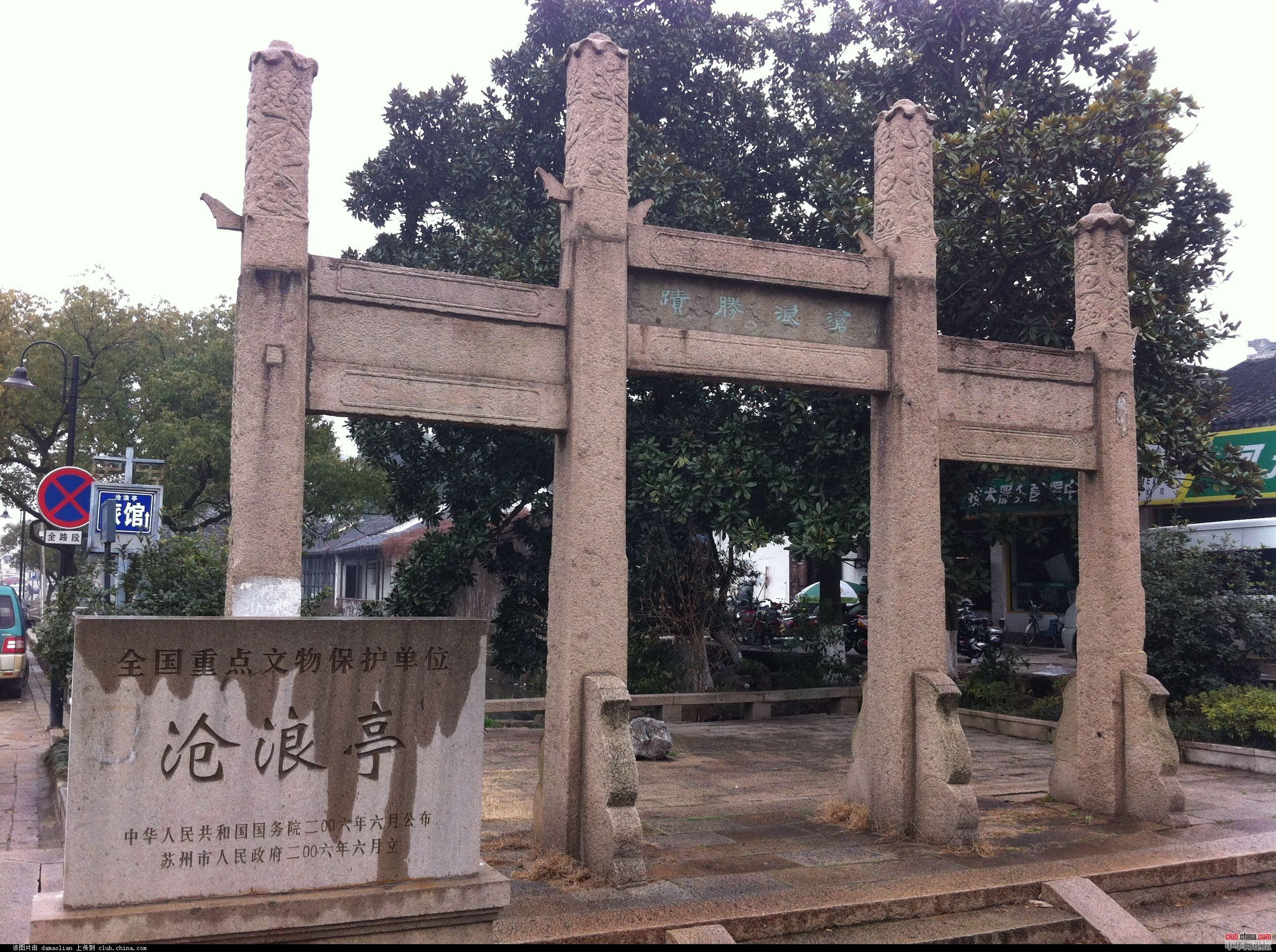
The Taxonomy of Gardens
Walk through the Lingering Garden and you'll understand the taxonomy. Suzhou gardens are not meant to be seen from one place. They unfold. You walk a covered corridor, turn a corner, and a new composition appears — a white wall framing a rock formation, a pavilion reflected in still water, a moon gate revealing a bamboo grove beyond. The effect is cumulative, like reading a scroll painting one section at a time. You never see the whole garden at once. That would be missing the point.
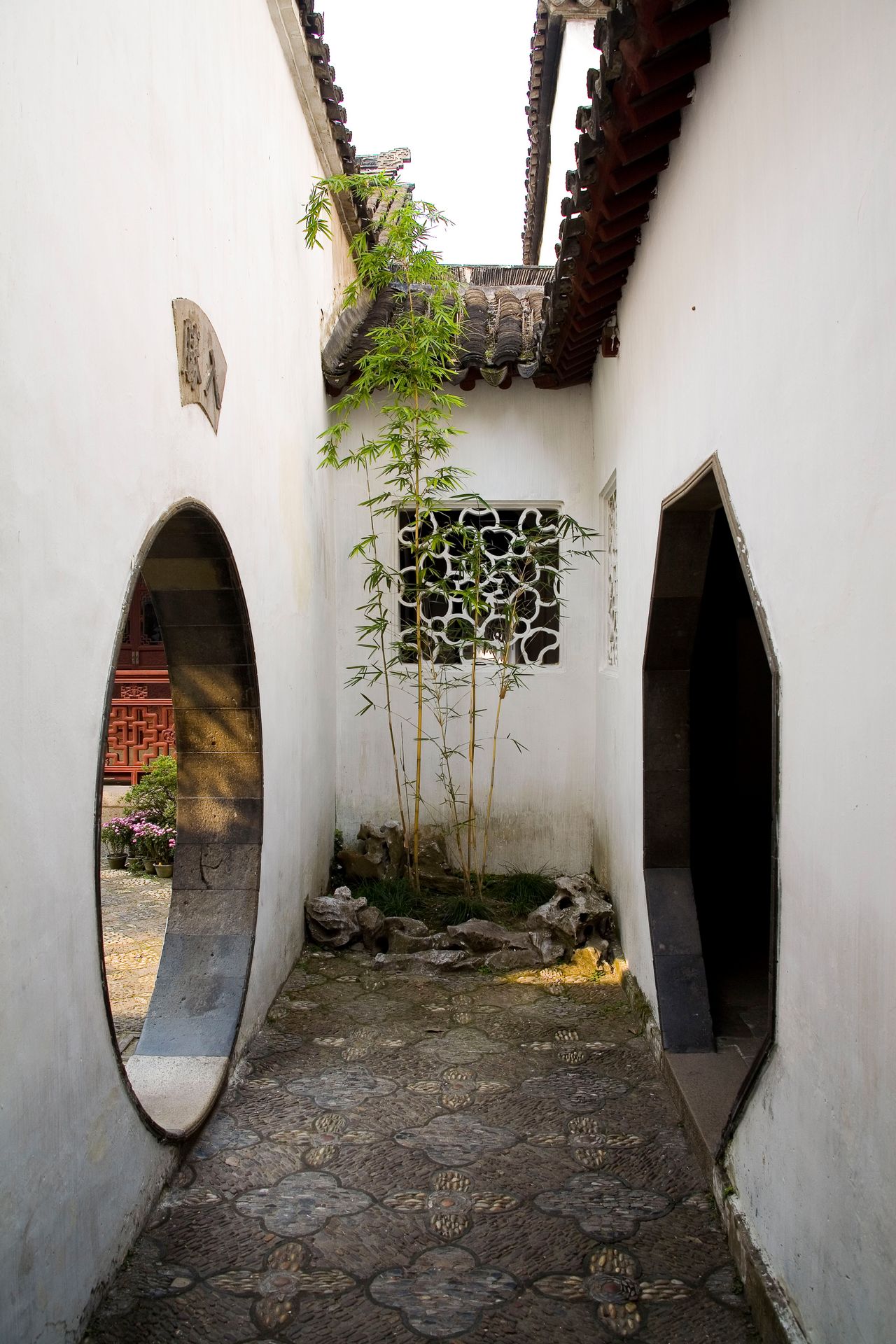
The Lion Grove Garden, built in 1342 by a Zen Buddhist monk, is a labyrinth of taihu rocks — limestone eroded by centuries of lake water into fantastical shapes. Every rock is supposed to resemble a lion. Some actually do. The garden's real purpose was meditation through disorientation: if you can find your way through the stone maze, perhaps you can find your way through your own mind. The Ming Dynasty painter Ni Zan did a sketch of the garden. It still exists. The garden still looks like the sketch.
The Bell That Rings Across Centuries
Not all of Suzhou's treasures are gardens. Hanshan Temple, on the outskirts of the city, owes its fame to a single poem by Tang Dynasty poet Zhang Ji. Every Chinese schoolchild can recite it:
Moon sets, crows cry, frost fills the sky —
River maples, fishing lamps, grief-stricken sleep.
From Hanshan Temple outside Suzhou city,
The midnight bell reaches the traveler's boat.
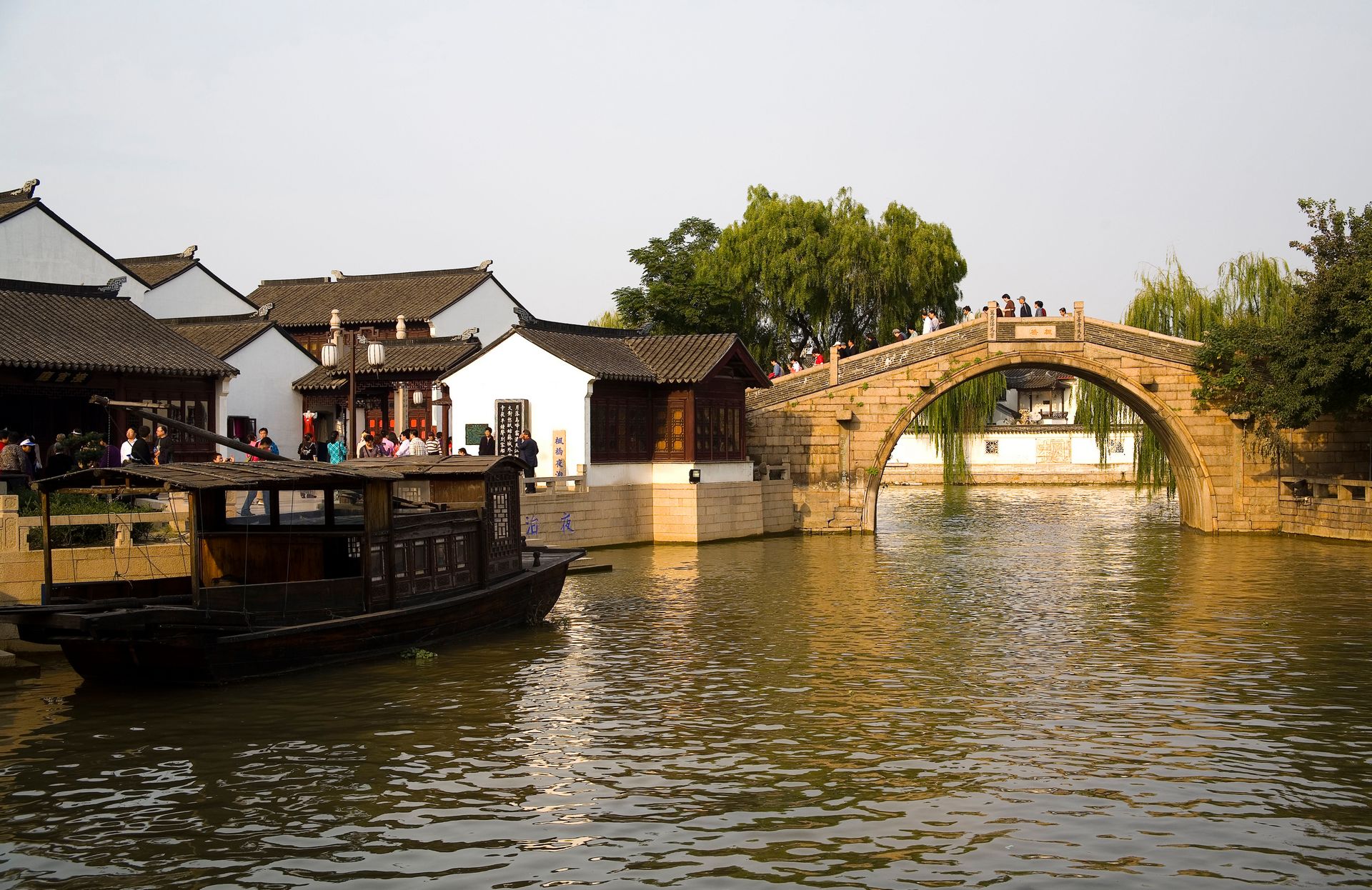
That bell still rings. And every New Year's Eve, thousands of people line up to hear it, as if the sound could carry them across 1,200 years to that same lonely boat on the Grand Canal.
Venice of the East
The Grand Canal itself runs through Suzhou — Marco Polo called this city the "Venice of the East," and for once the cliché holds. The city sits on a web of waterways, 35 kilometers of them, crossed by 168 bridges. Once you leave the main streets and slip into a narrow lane along a canal, you see a different Suzhou: laundry hanging from wooden balconies, stone steps descending into green water, an old woman washing vegetables at the edge of the canal as if the 21st century had politely agreed to wait.
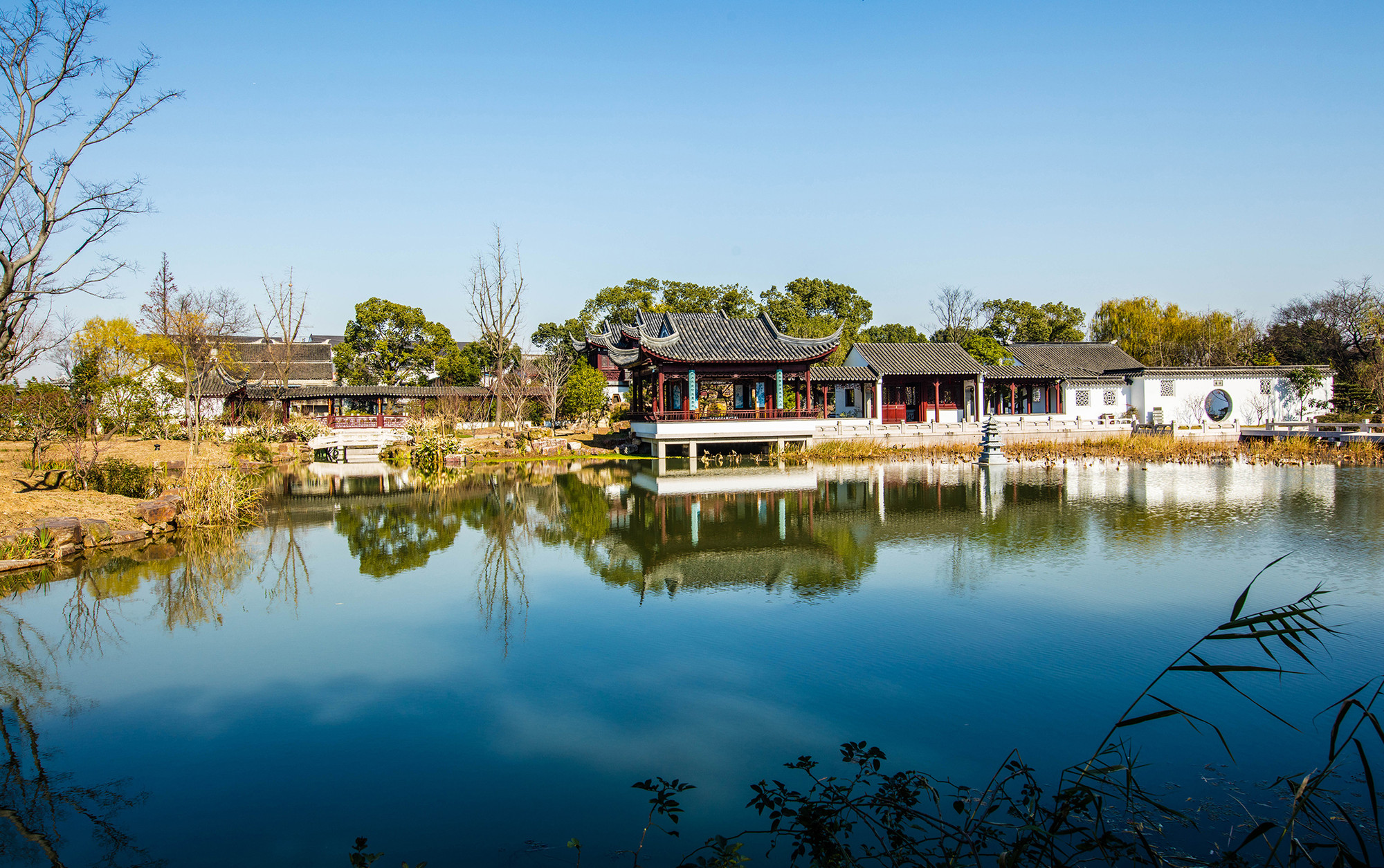
Tiger Hill, on the northwest edge of town, has the leaning pagoda that locals insist is "China's Tower of Pisa" — it's been tilting for over 400 years. The hill is only 36 meters high, which in Suzhou qualifies as a mountain. At the top, the Sword Pool: legend says King Helu of Wu was buried here with 3,000 swords, and that a white tiger guards the tomb. Divers have probed the pool. They found nothing. The tiger, apparently, is doing its job.
The Smallest Universe
At the Master of Nets Garden, the smallest of the UNESCO-listed gardens, you grasp the scale of this ambition. It occupies roughly half a hectare. And yet — it contains three courtyards, a pond, a covered walkway, a bamboo grove, and a pavilion from which, on a good day, you can see the moon reflected in the water and believe, for a moment, that you are somewhere far from any city.
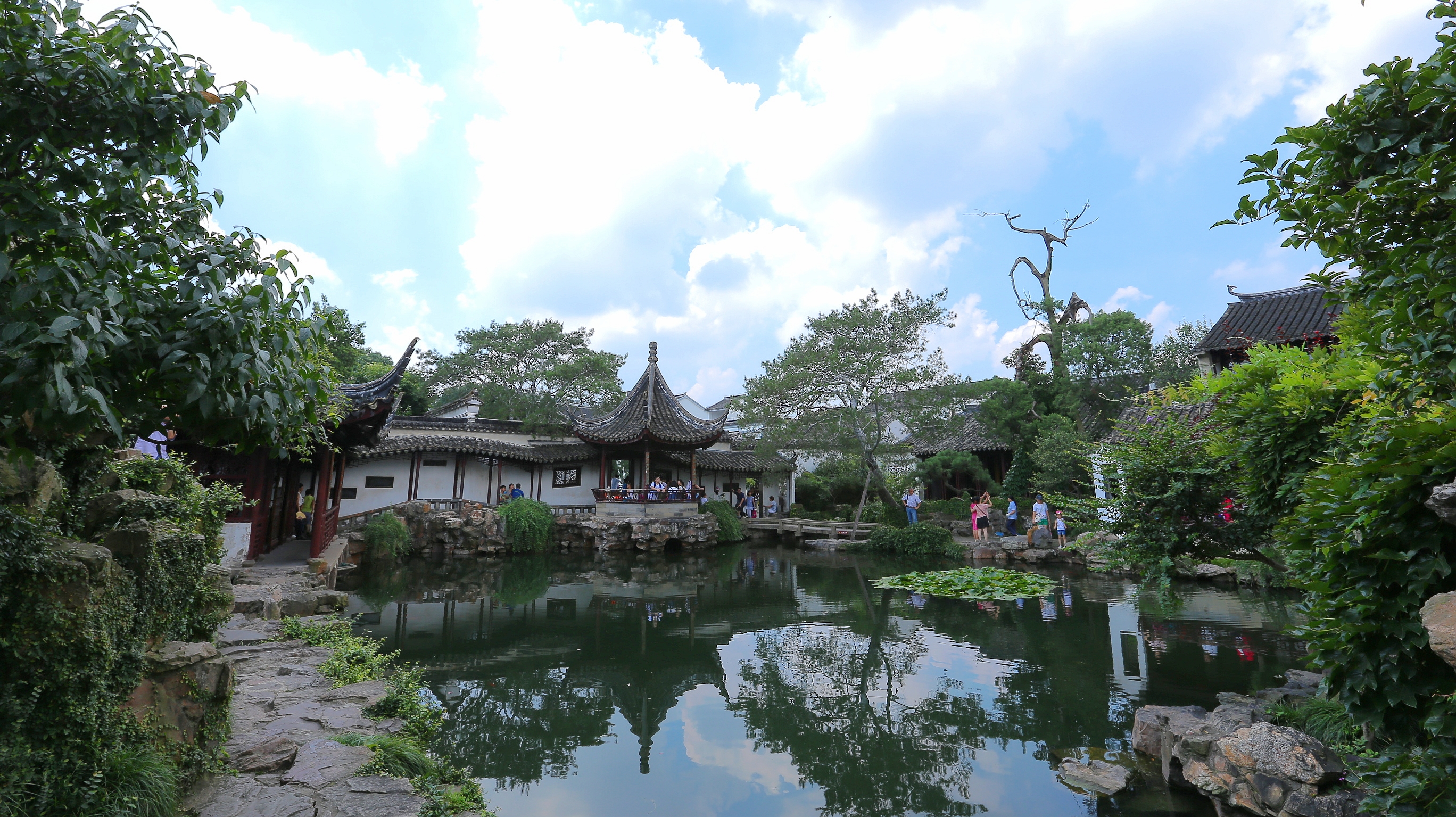
That's the trick Suzhou has been pulling for millennia. You walk through a nondescript gate on a busy street, and suddenly you're in another world — a world where every stone was chosen because it resembled the Daoist immortals, where every window frames a deliberate view, where even the sound of rain on banana leaves was accounted for in the design. It is the art of hiding in plain sight. And after 2,500 years, Suzhou is still the best at it.