There's something about Nanjing that makes the clock tick differently. You arrive with your itinerary — temples, mausoleums, the famous duck — and within a day you've abandoned it. Not because there's nothing to see. Because the city itself persuades you to sit down, order another cup of tea, and just... stay.
They call it the "Ancient Capital of Six Dynasties." For over 2,400 years, this city on the Yangtze has been where Chinese history happens to go when things get interesting. Sun Quan of the Three Kingdoms made it his capital in 229 AD. Six southern dynasties rose and fell here. Zhu Yuanzhang founded the Ming dynasty from these walls. Sun Yat-sen declared the Republic of China with Nanjing as its capital. The city has been burned, rebuilt, burned again — the cycle of destruction and resurrection is practically a local tradition.
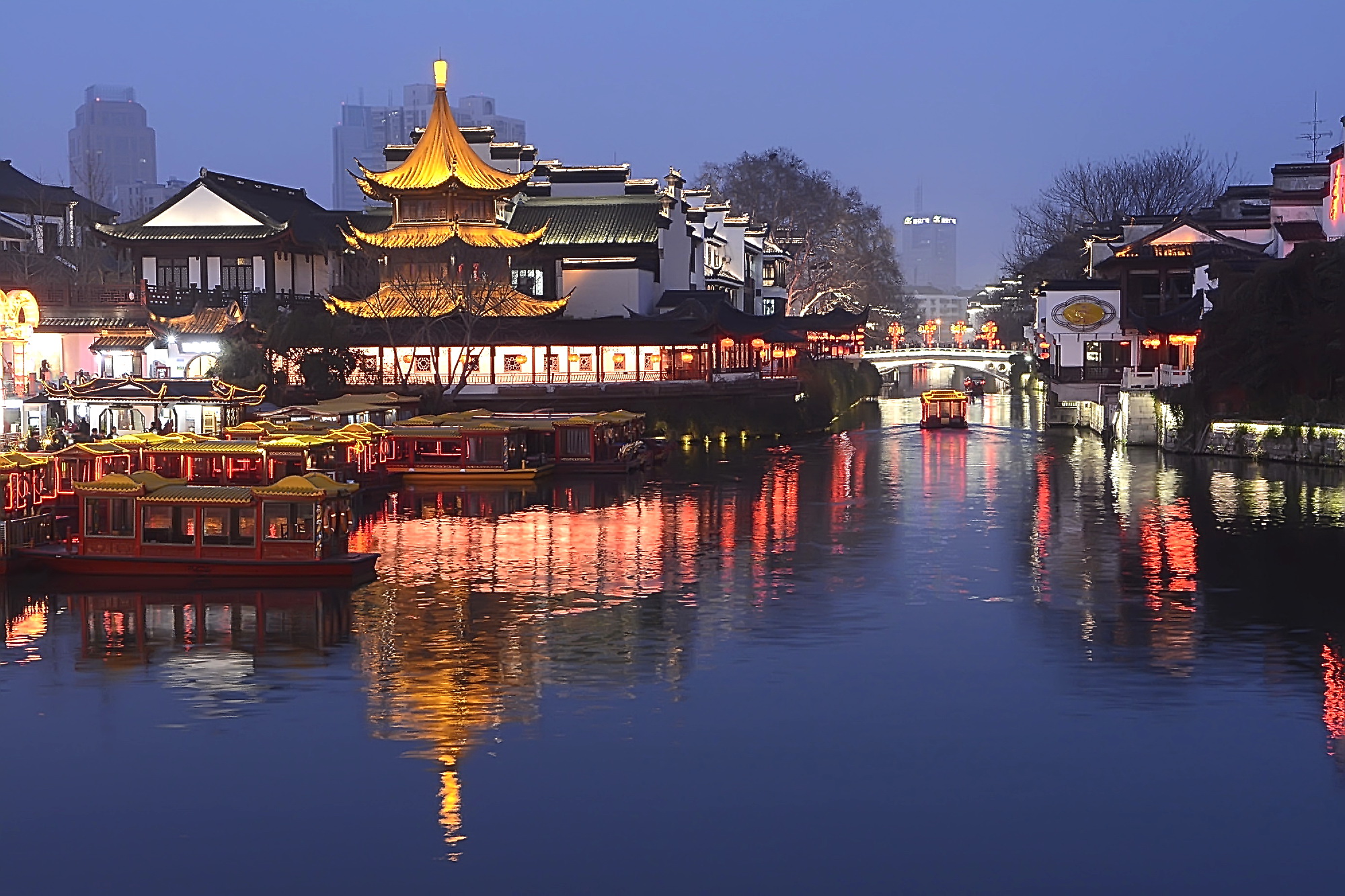
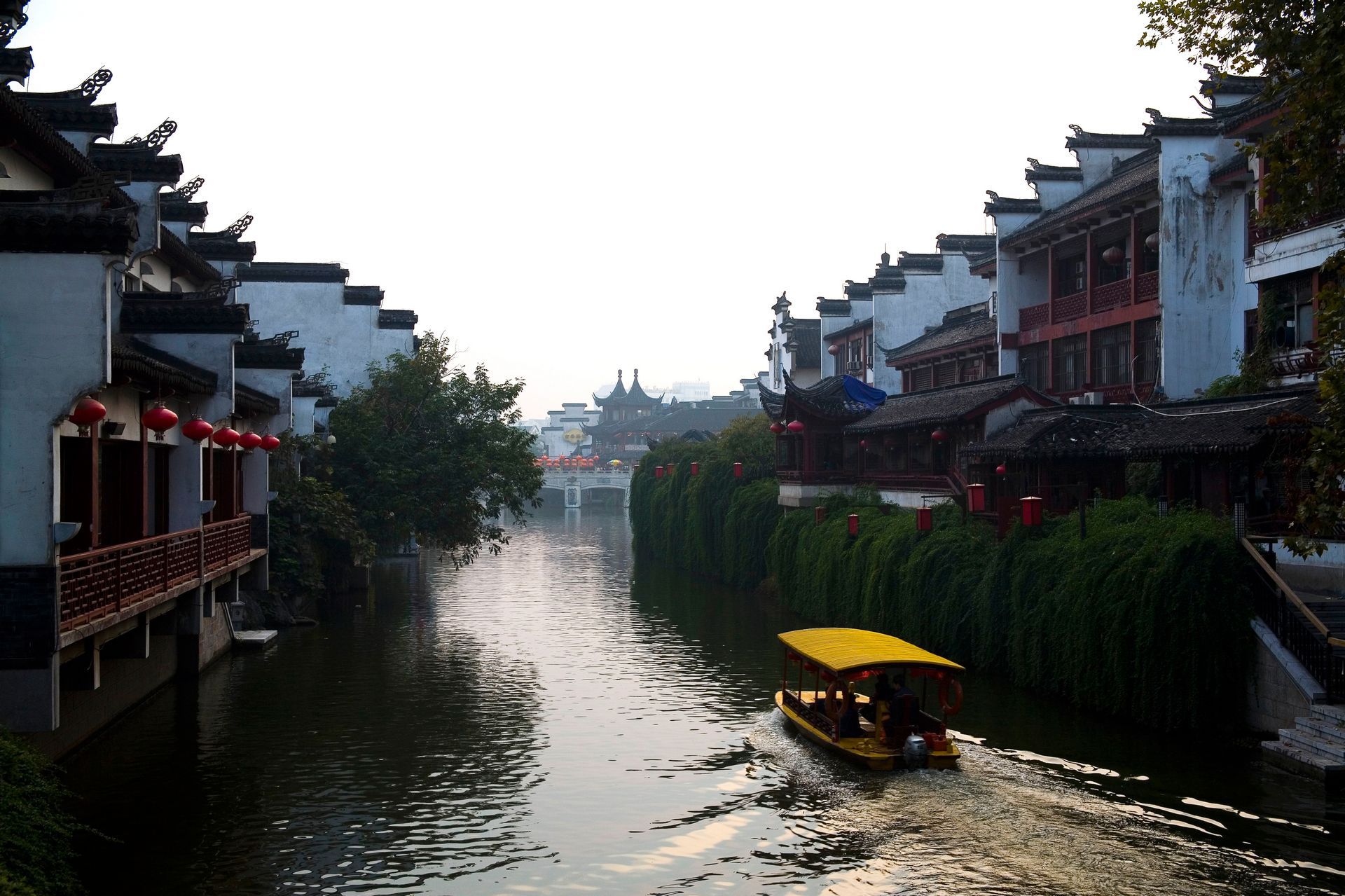
But Nanjing doesn't wear its history heavily. Walk along the Qinhuai River at dusk and the lanterns flicker on, reflecting in water that's carried poetry and commerce for a millennium. The Confucius Temple area buzzes with food stalls — salted duck, duck blood soup, duck oil sesame cakes. Nanjing's relationship with ducks is intense and unapologetic. They say Nanjing people eat every part of the duck, wasting nothing. If you're new here, start with the duck.
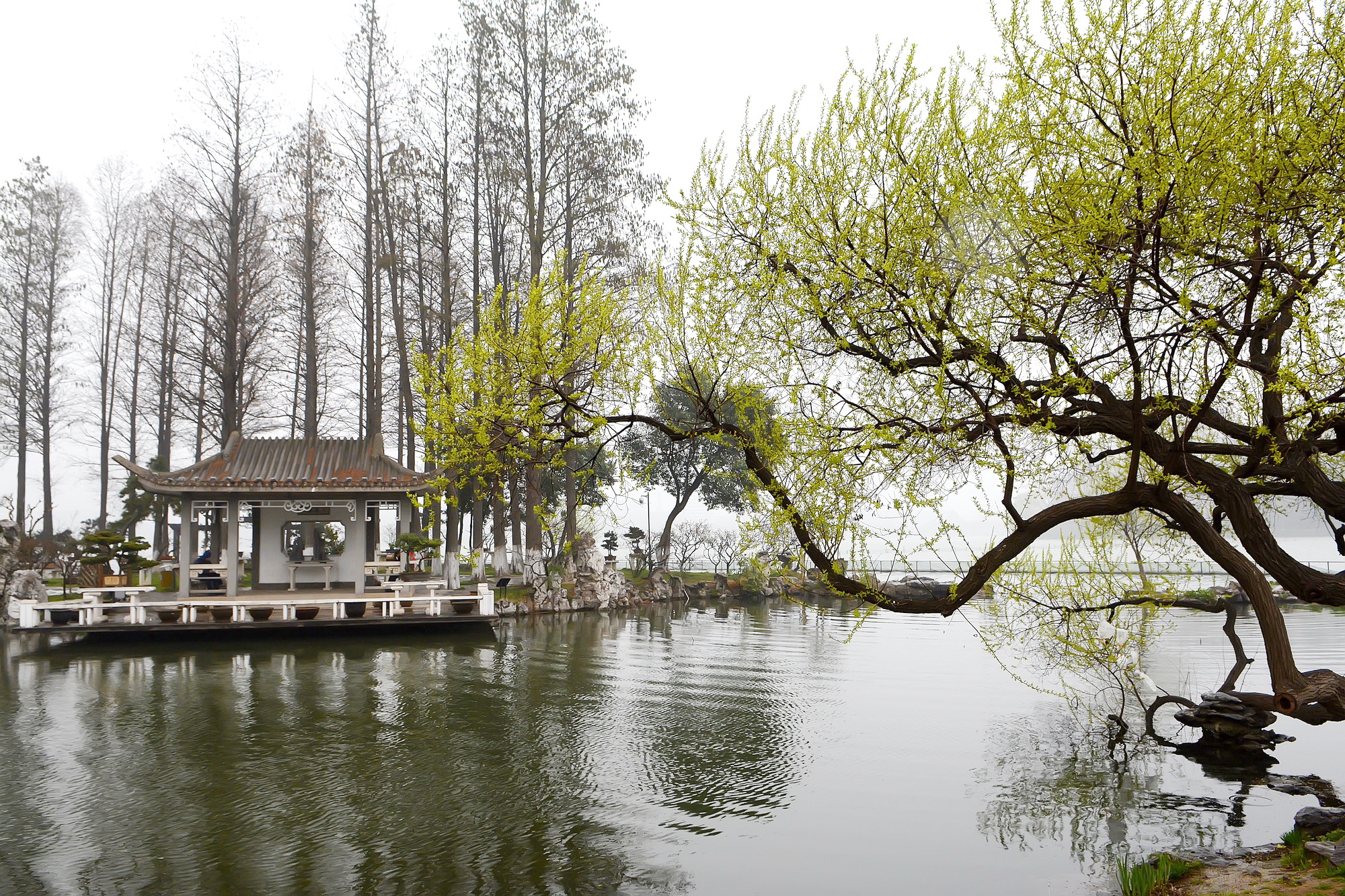
A City in Bloom
The city blooms. From February to May, the plum blossoms, cherry blossoms, peach blossoms, crabapple blossoms, and hydrangeas come in waves. Plum Blossom Hill in early spring is a pink riot. The cherry blossom avenue at Jiming Temple rivals anything in Japan. In June, the lotus flowers take over — every body of water in the city sprouts them. By September, it's osmanthus season, and the entire city smells sweet.
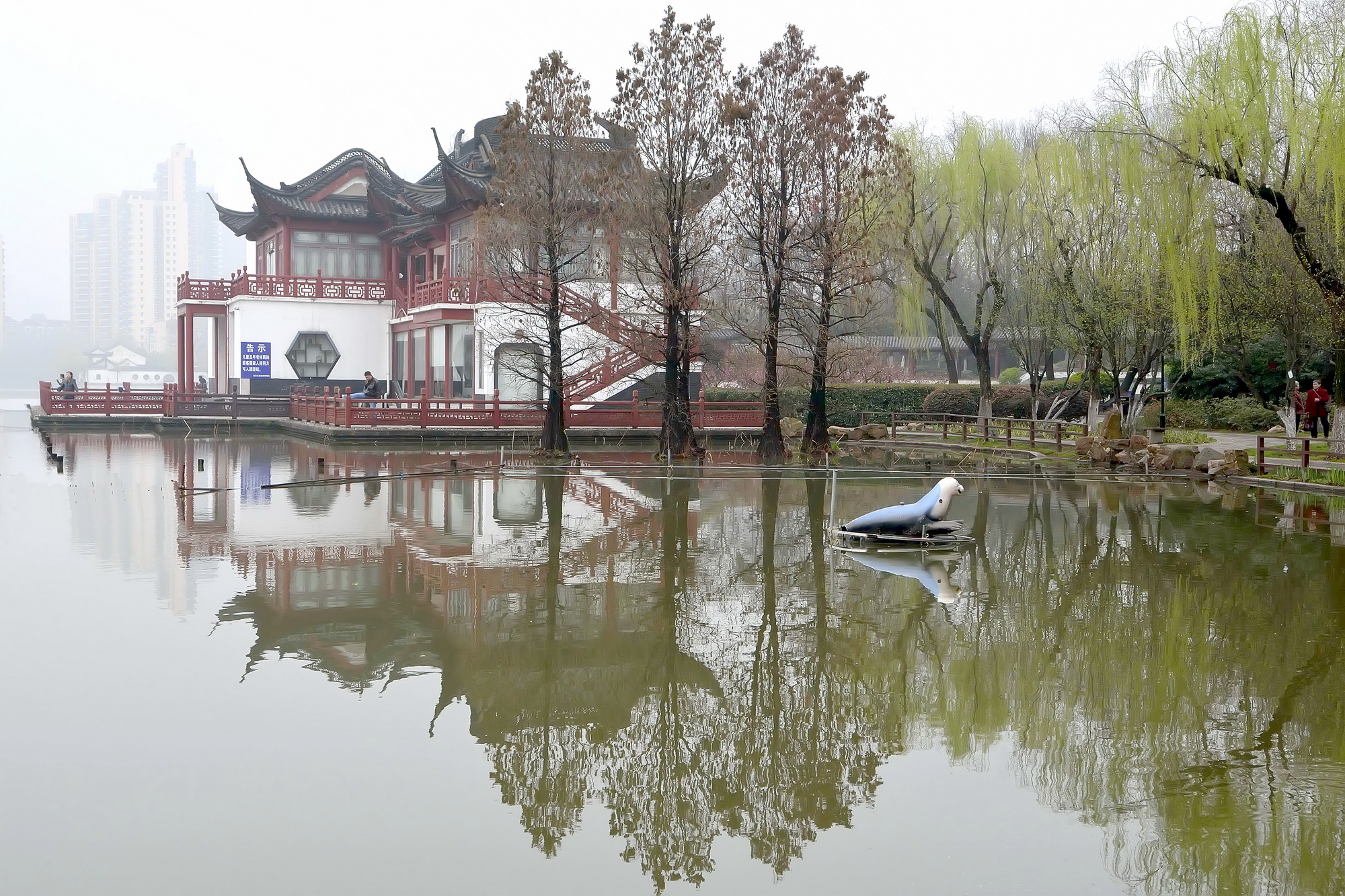
The Mountain
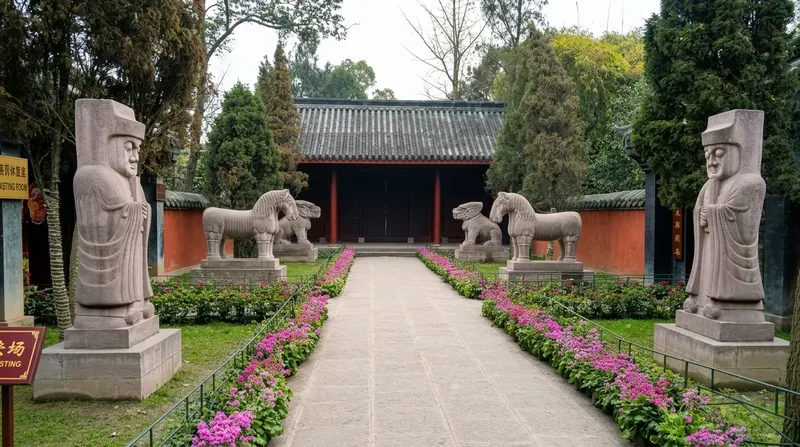
There's a story Nanjing tells itself about the Purple Mountain. At its foot lies Sun Yat-sen's Mausoleum — 392 steps leading up to a blue-roofed memorial hall. Further up, the Ming Xiaoling Tomb, where the first Ming emperor rests beneath a sacred path lined with stone elephants and camels. And on the slopes, the Zijin Mountain Observatory, where Chinese astronomers have been tracking the stars since 1934.
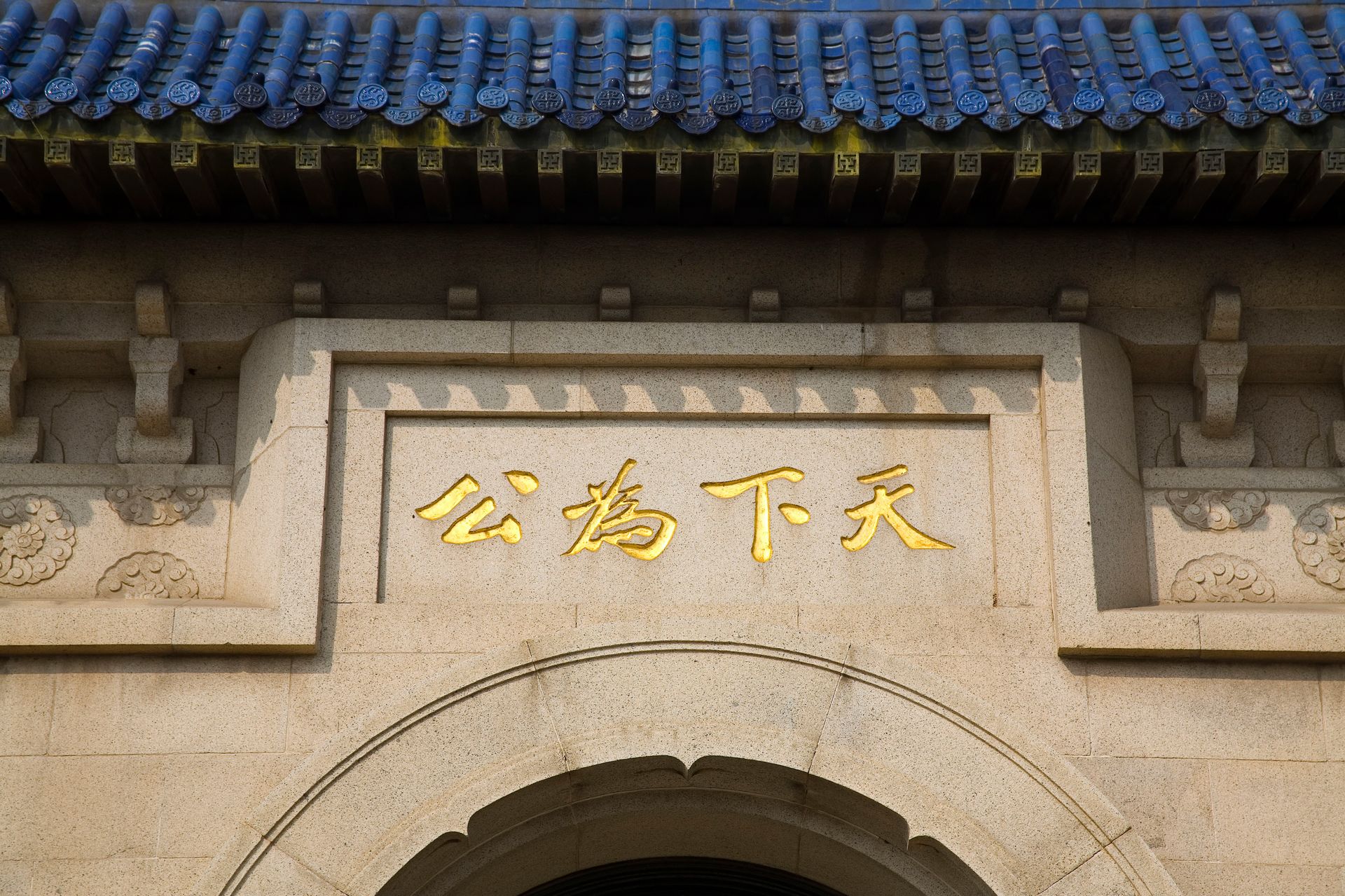
The city's nickname — one of China's "Four Furnaces" — is well-earned. Summer here is brutal, the humidity wrapping around you like a wet blanket. But there's a reward: on a July evening, sitting by Xuanwu Lake with a cold beer while the heat finally breaks, the city exhales. Old men play chess under plane trees. Couples drift past in paddle boats. The lights of the city reflect on the water. You realize you've been here three hours longer than you planned.
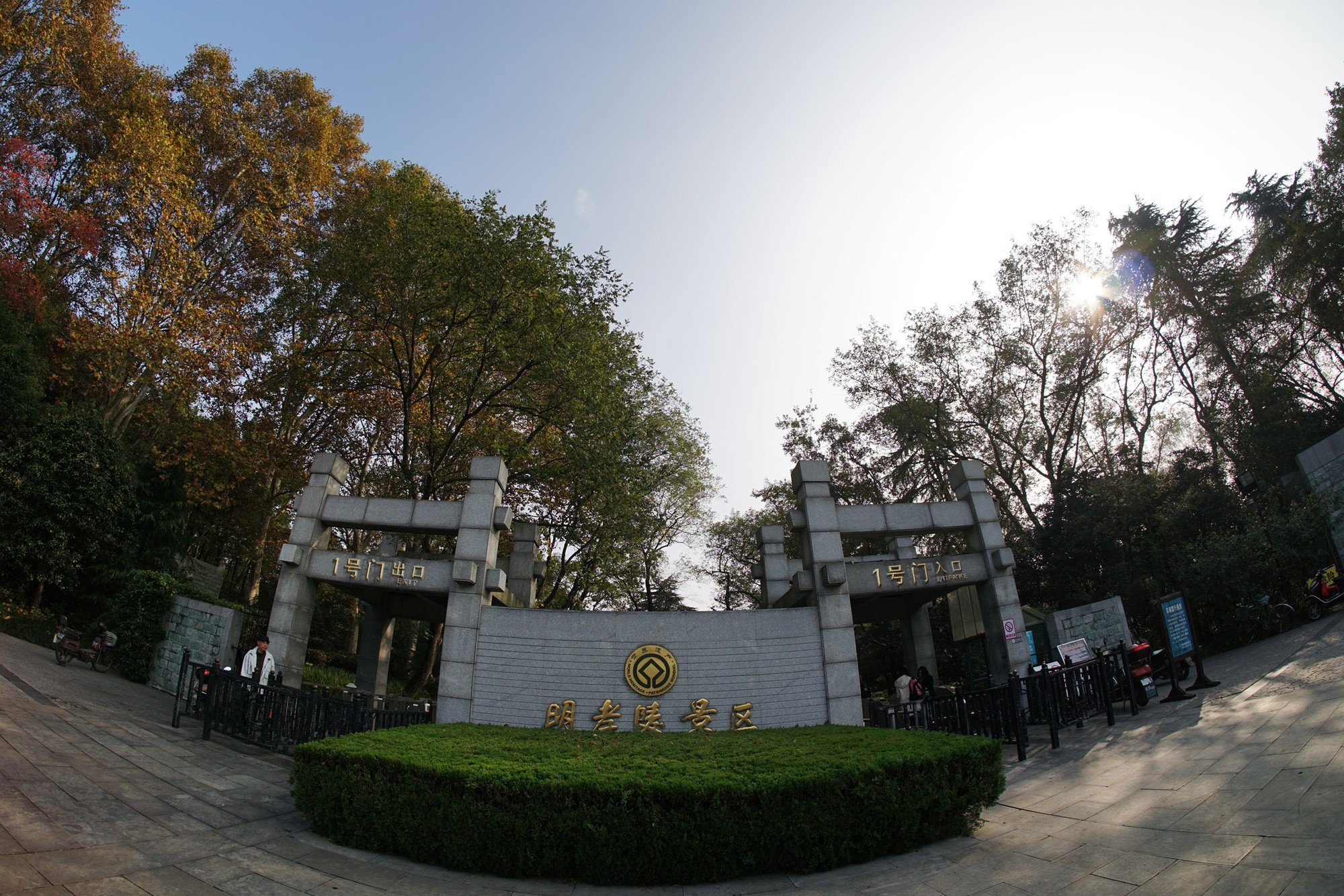
And somewhere between the duck and the blossoms and the lanterns on the Qinhuai, you stop being a visitor. You're just someone who happens to be in Nanjing, moving at Nanjing speed.