There's a pull Beijing has over every Chinese person — hard to name, impossible to shake. It's the capital, yes. The political center, the cultural heart. But more than that, Beijing is the city where history doesn't sit in museums. It lives in the ground you walk on.
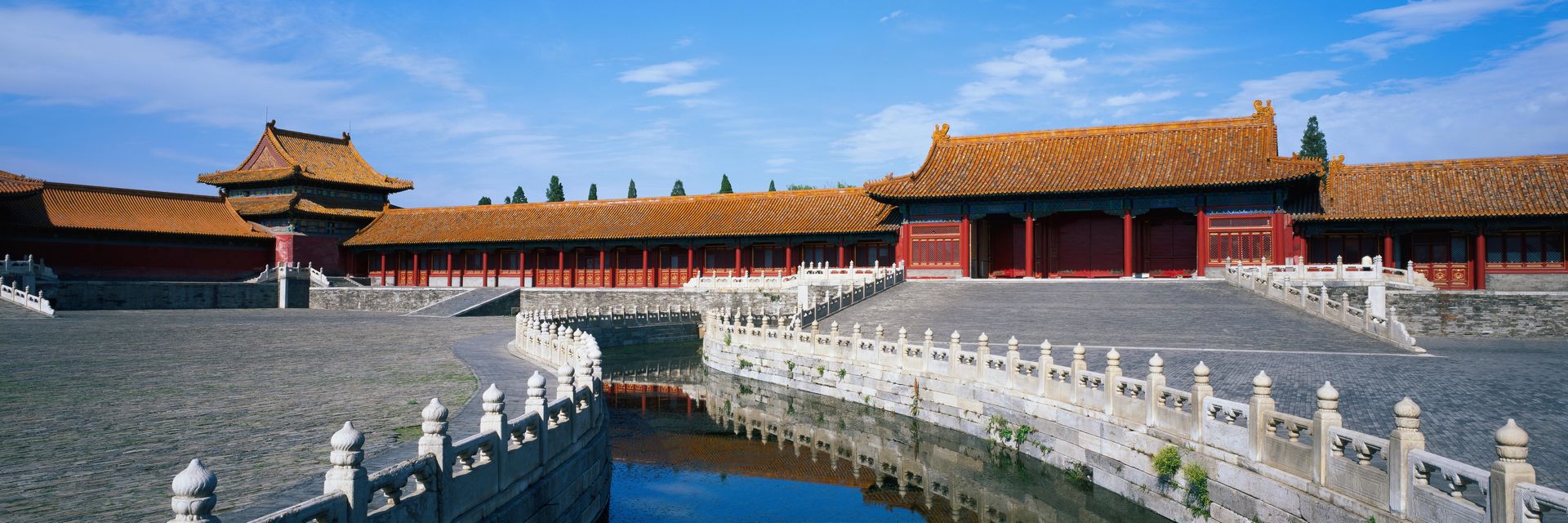
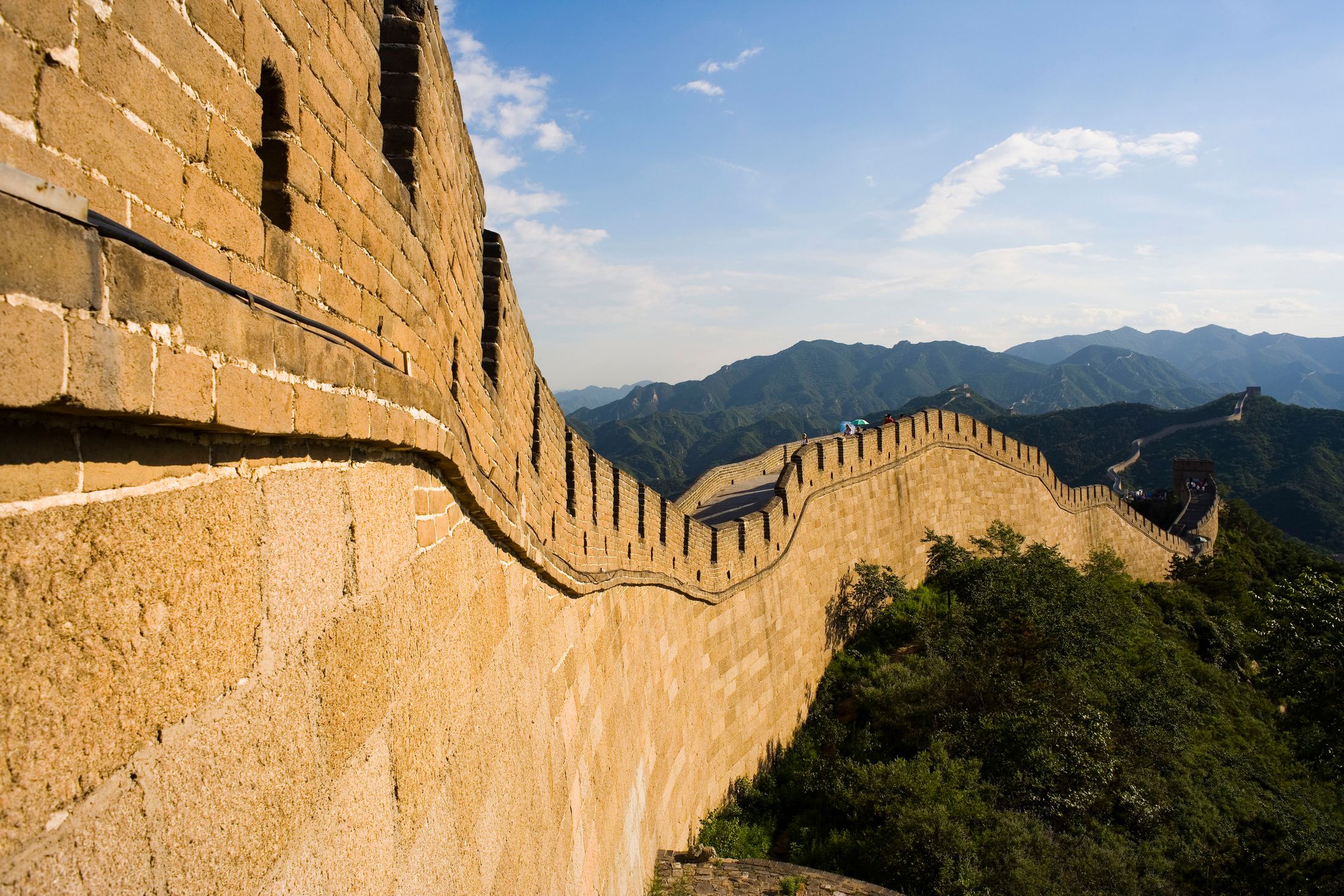
The first thing that gets you is the age of the place. The last two imperial dynasties — Ming and Qing — ruled from here. That left the Forbidden City, still the largest and most complete palace complex on earth. It left the Summer Palace, the biggest royal garden anywhere. It left the Temple of Heaven, the largest ceremonial architecture dedicated to the sky. And it left the Great Wall, heaving over mountain ridges just outside the city — one of the few things on this planet visible from space.
But the city's soul isn't in the monuments. It's in the hutongs — those narrow, grey-brick alleys that have crisscrossed Beijing since the Yuan dynasty seven centuries ago. "Famous hutongs number three thousand six hundred," the old saying goes. "Nameless ones outnumber the hairs on an ox." Walk through one on a summer afternoon and you hear old men arguing over chess, smell garlic and ginger hitting a hot wok, see laundry flapping between courtyard walls. That's Beijing.
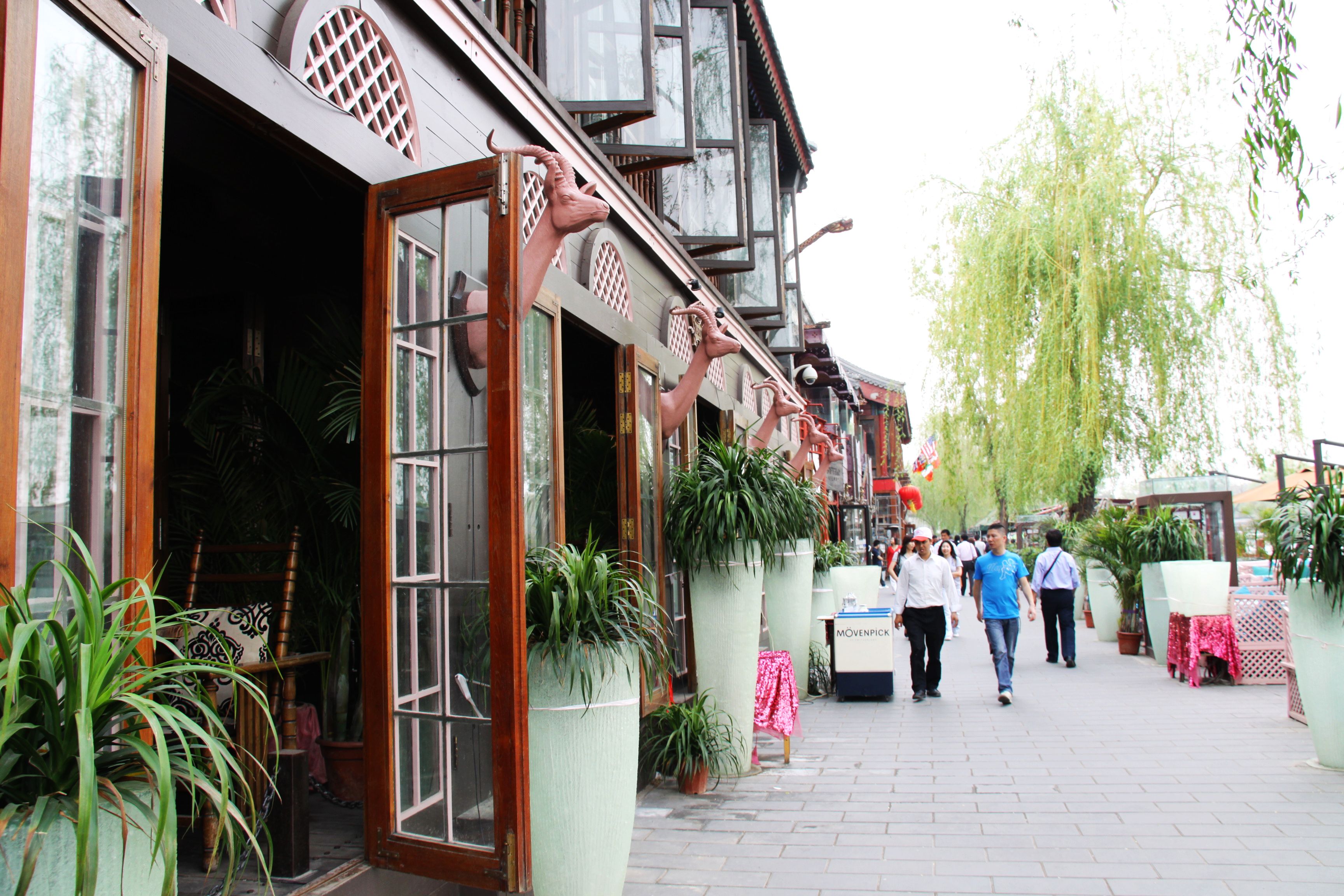
A City of Firsts and Onlys
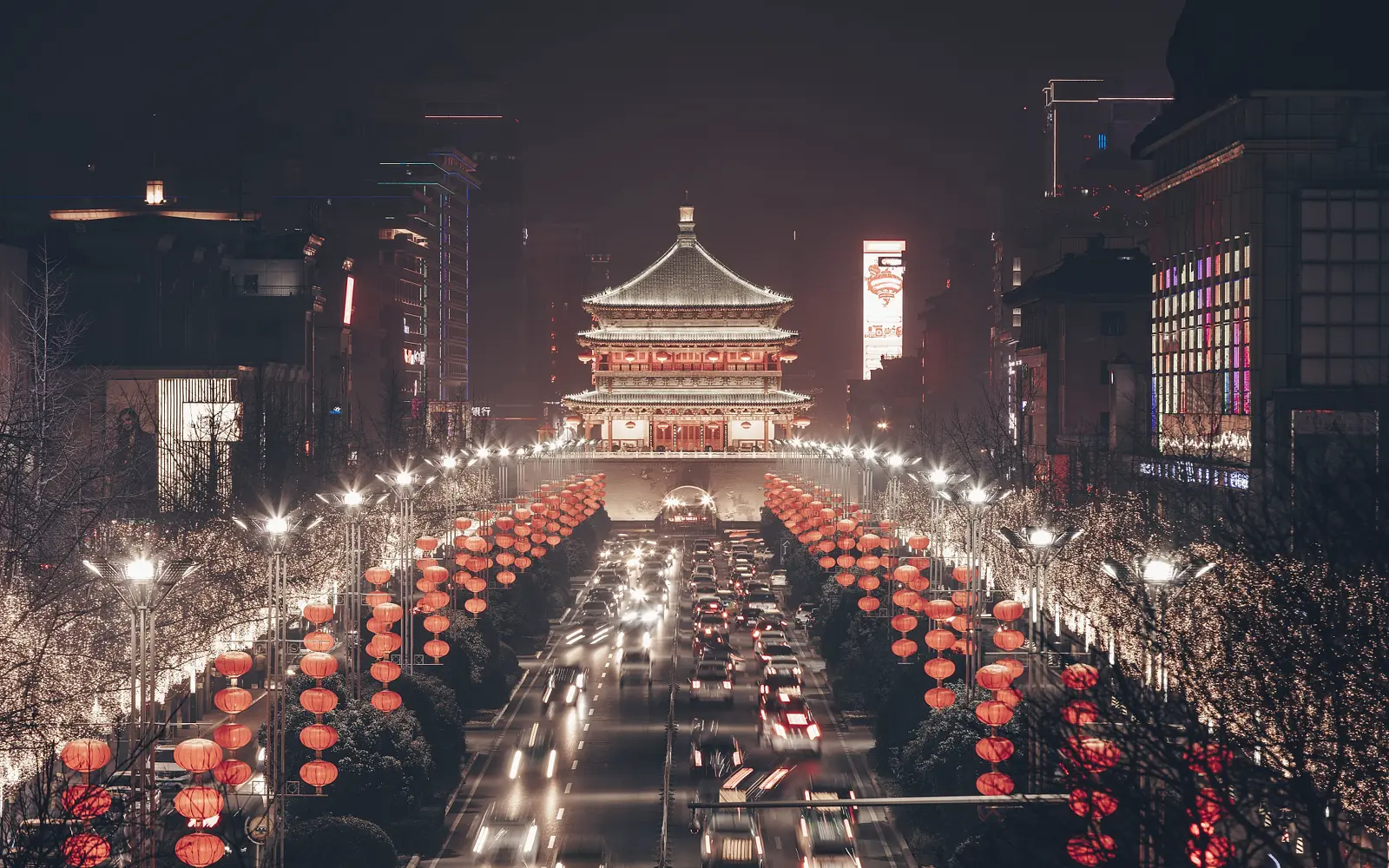
Beijing is the only city on earth to have hosted both the Summer and Winter Olympics — 2008 and 2022. The "Bird's Nest" stadium lit up twice. A ski jump rose from the rusted bones of an old steel mill. The city's Central Axis — the seven-kilometer north-south line running from the Drum Tower through the Forbidden City to Yongding Gate — is now a UNESCO World Heritage site. New libraries and museums have sprouted in the eastern suburbs. The ancient and the brand-new exist side by side here like nowhere else.
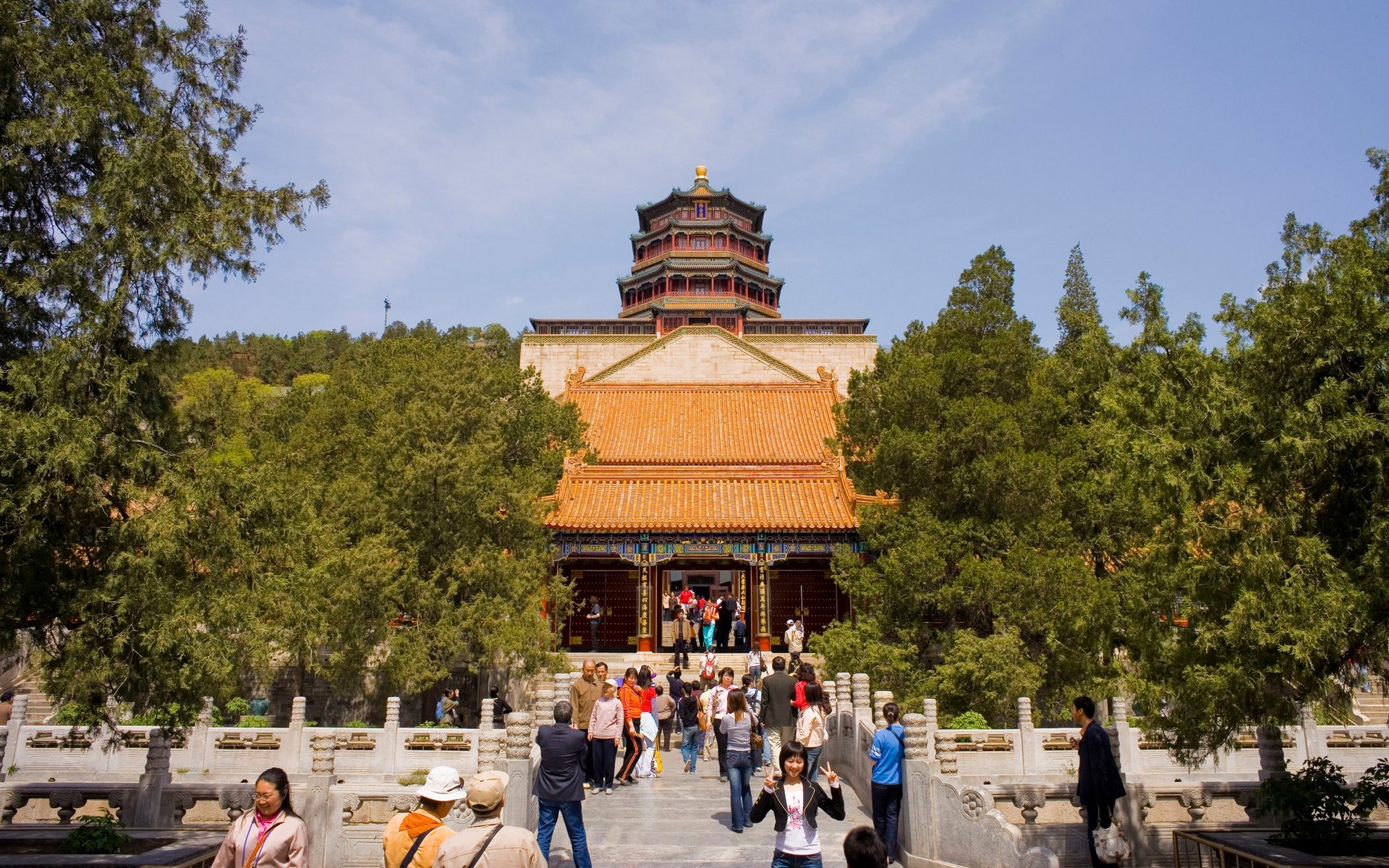
But none of that explains the feeling.
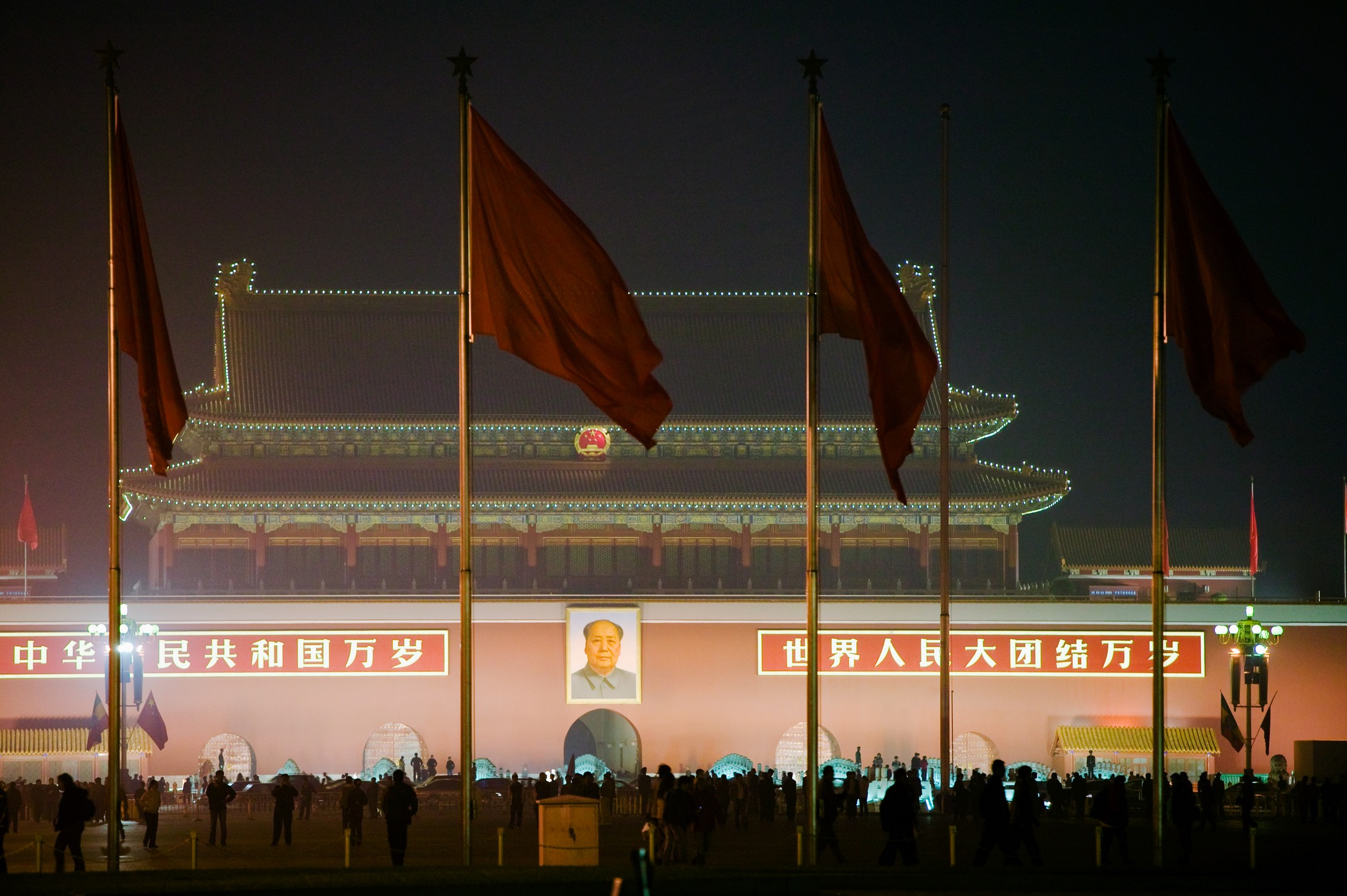
The feeling is watching the flag rise over Tiananmen Square at dawn — a ritual that's happened every single day, rain or snow, since 1949. It's biting into Peking duck so crisp the skin shatters, wrapped in a pancake with sweet bean paste and spring onion.
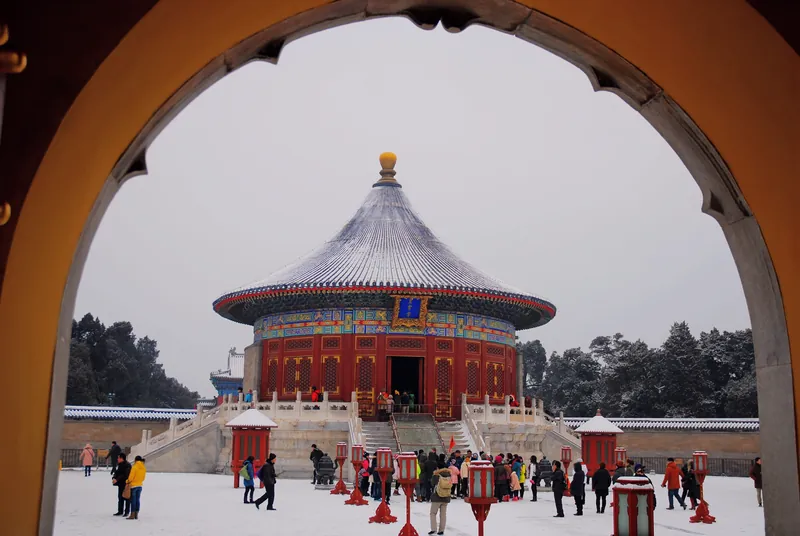
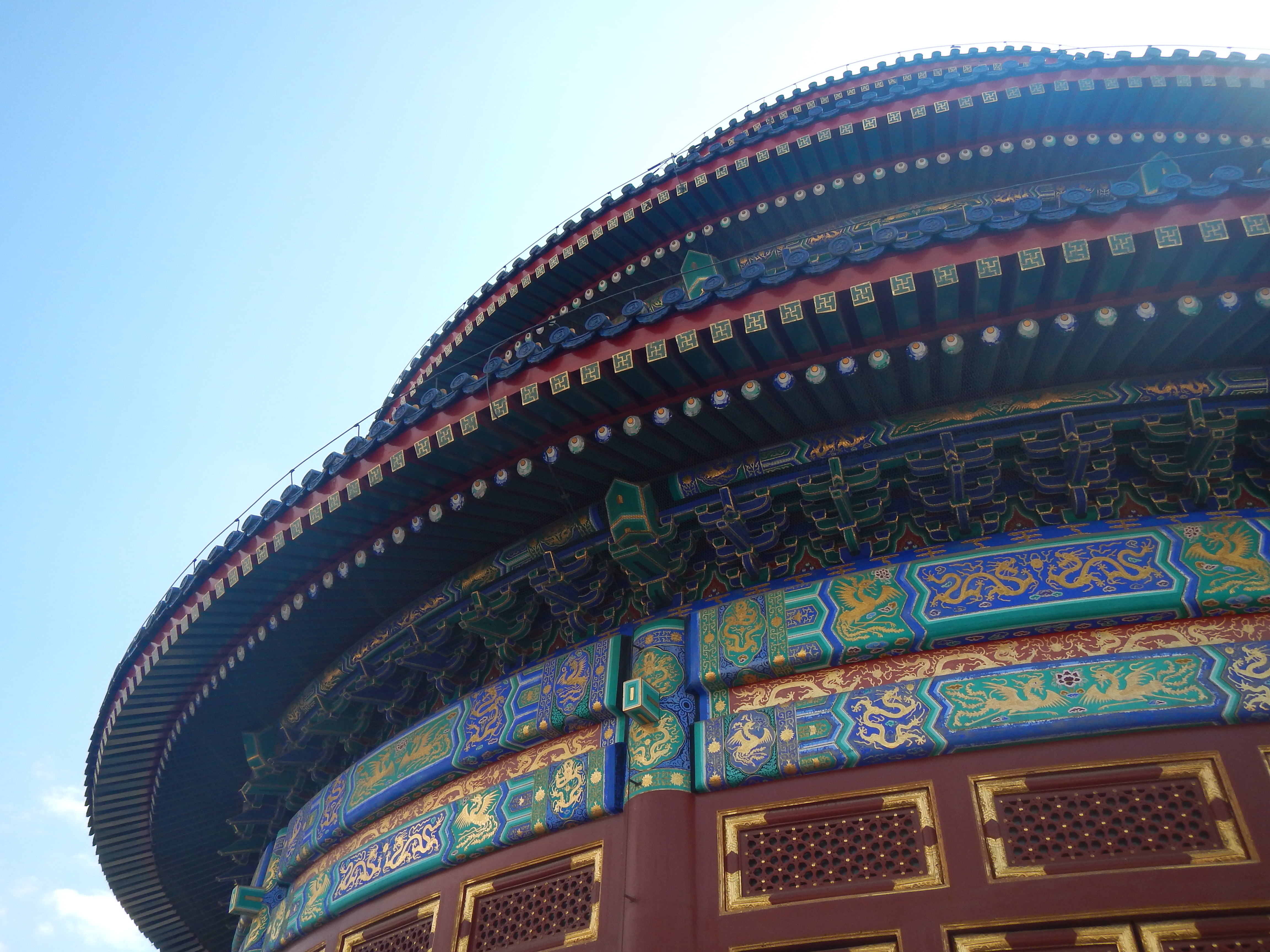
The feeling is the Temple of Heaven at sunrise, when the Round Altar catches the first light and old men gather in the park with cages of songbirds, practicing tai chi among the cypress trees.
Beijing is big — 16,000 square kilometers, 22 million people. It can overwhelm you. But somewhere between the hutongs and the palaces, the ancient bells and the new skyscrapers, it gets under your skin. And once it does, you understand why a city this old, this layered, this contradictory, has been the gravitational center of China for seven hundred years.