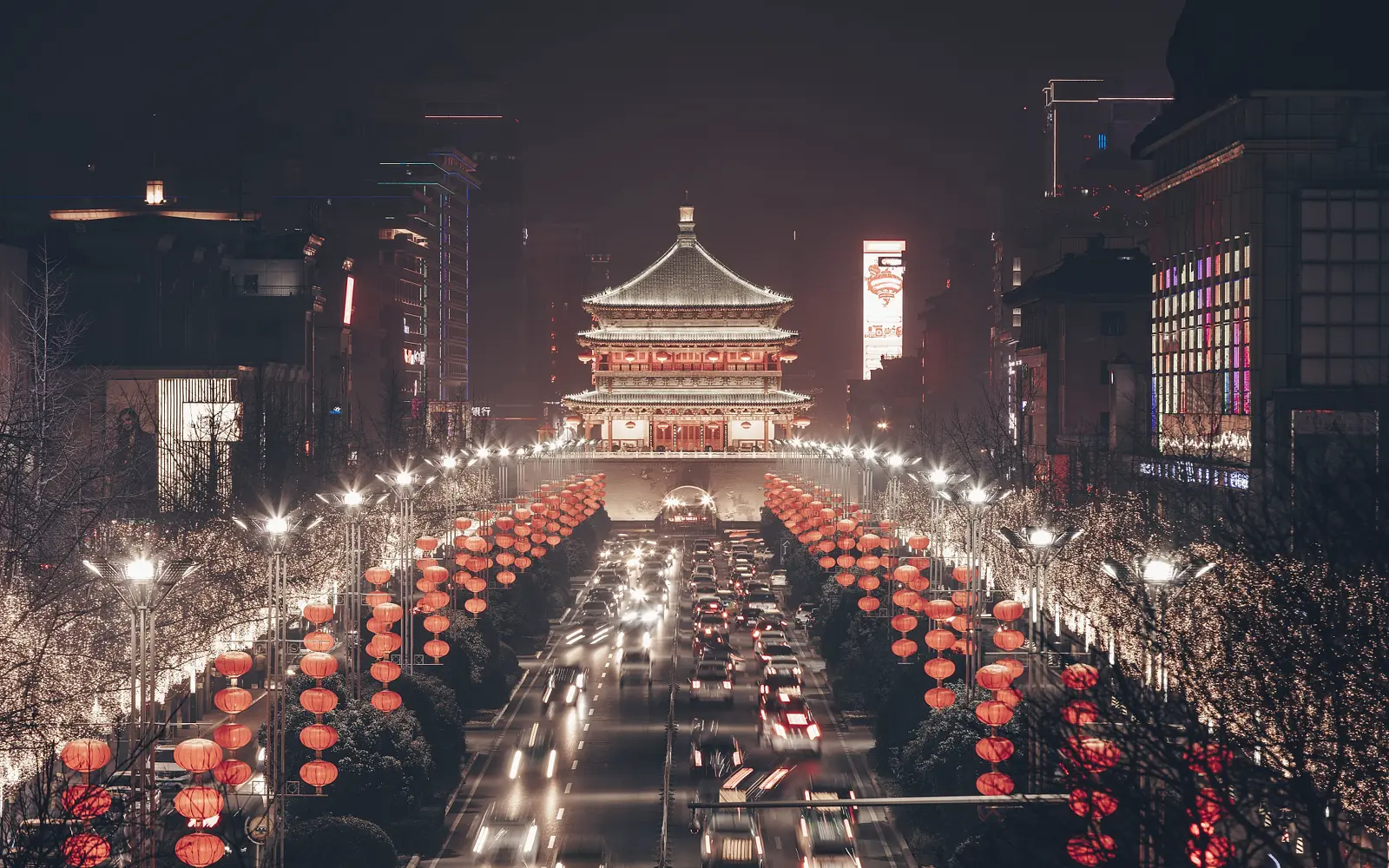
If you were born and raised in Xi'an, there's a feeling that never leaves you. It's the weight of an old, grey city wall that stands firm somewhere deep in your chest.
Year after year, it grows into every Xi'an person — a pride nothing else can replace. When night falls and the wall's lanterns flicker on, they trace the outline of a solemn, towering city against the dark. Those lights burn in the heart of every Xi'an native. No matter how far you roam, no matter how many years pass, they pull at you.
I remember as a child, my grandfather would take me to the foot of the South Gate. He would stand there, looking up at the wall, and say nothing for a long time. Then he'd tell me stories — of how he used to climb to the top as a young man, watching the city change from above. "This wall," he'd say, "has seen empires rise and fall. It's been here longer than anyone. And it'll be here long after we're gone."
Xi'an's city wall isn't just a tourist attraction. It's a living, breathing part of the city. Locals run along its top every morning. Couples ride tandem bikes along its 14-kilometer perimeter on weekends. Old men fly kites from its ramparts in the spring breeze. The wall doesn't sit apart from life in Xi'an; it's woven into it.
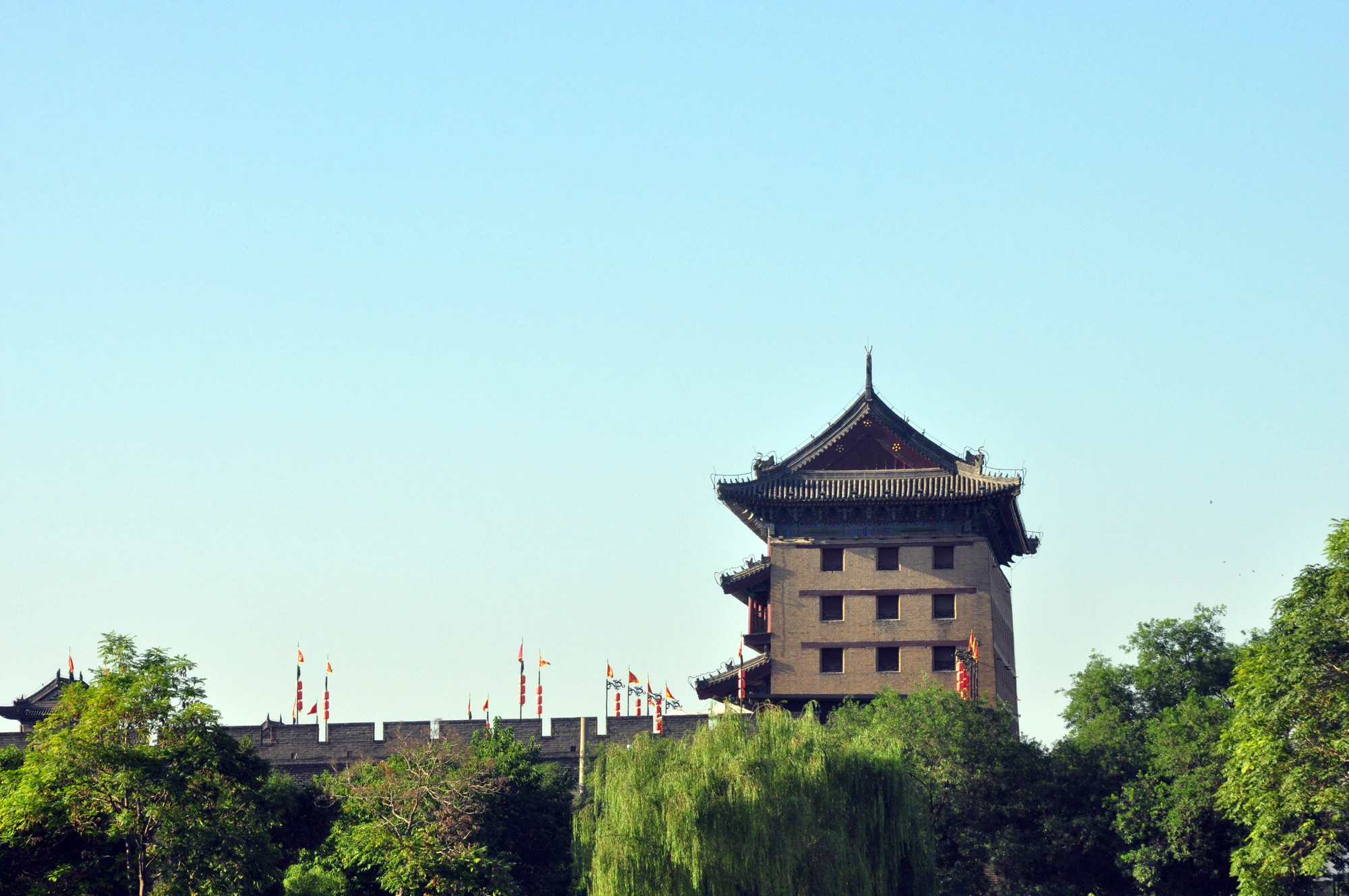
There's a section near the South Gate where the wall is at its most impressive — towering 12 meters high and 15 meters wide at the top. From here, you can see the modern city rising beyond the ancient fortifications. The contrast is striking but somehow it works. The glass towers of the financial district reflect the warm light of the old guard towers on the wall, as if the two sides of Xi'an are having a quiet conversation across the centuries.
Walking along the wall at sunset is something every traveler to China should experience. The city lights begin to flicker on as the sky turns orange, and the old rooftops of the Muslim Quarter stretch out below. You can hear the call to prayer from the Great Mosque mingling with traffic horns and bicycle bells.
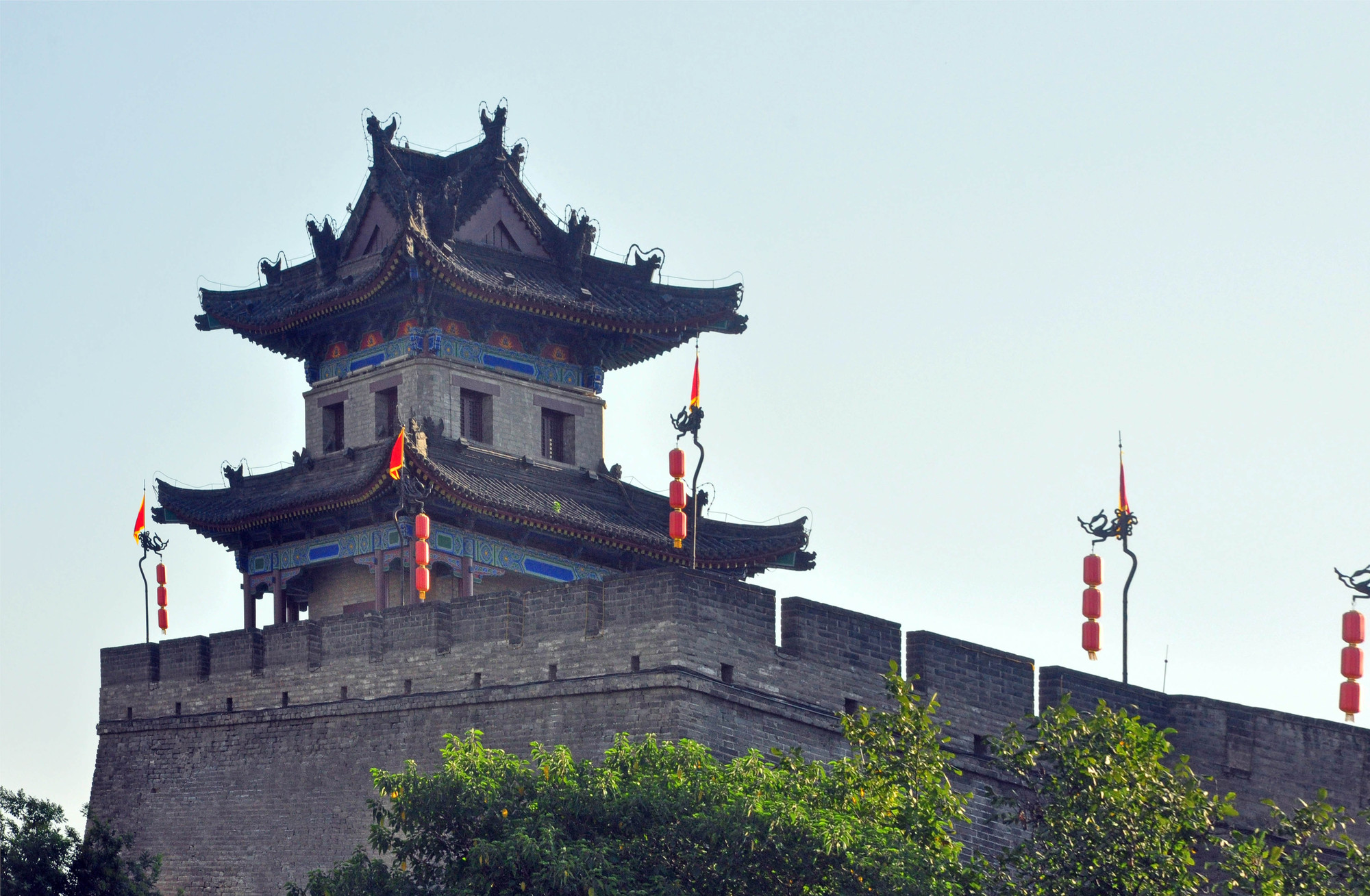
The wall has been restored and rebuilt many times over its 600+ year history. The current structure dates from the Ming dynasty, but Xi'an has been a fortified city for over 3,000 years. Each dynasty added its own touch — the Tang created the original grid layout, the Ming built the wall that stands today, and the modern city has opened it up as a public space for everyone to enjoy.
There's a saying in Xi'an: "If you haven't walked the wall, you haven't been to Xi'an." I'd add to that: if you haven't ridden a bike along its full perimeter, feeling the wind on your face as the city sprawls out on both sides, you haven't really felt Xi'an. The bike ride takes about 90 minutes. It's 14 kilometers of pure magic.
My grandfather passed away a few years ago, but I still think of him whenever I visit the wall. I walk the same stretch near South Gate, look up at those ancient bricks, and feel the same quiet pride he must have felt. The wall endures. And through it, so does he.
If you ever find yourself in Xi'an, take my advice: go to the wall at sunset. Rent a bike. Ride south from the South Gate, past the old city and the new towers, past the Muslim Quarter and the Bell Tower. Watch the lanterns come on one by one. And for a moment, let yourself feel the weight of history that lives in every brick.
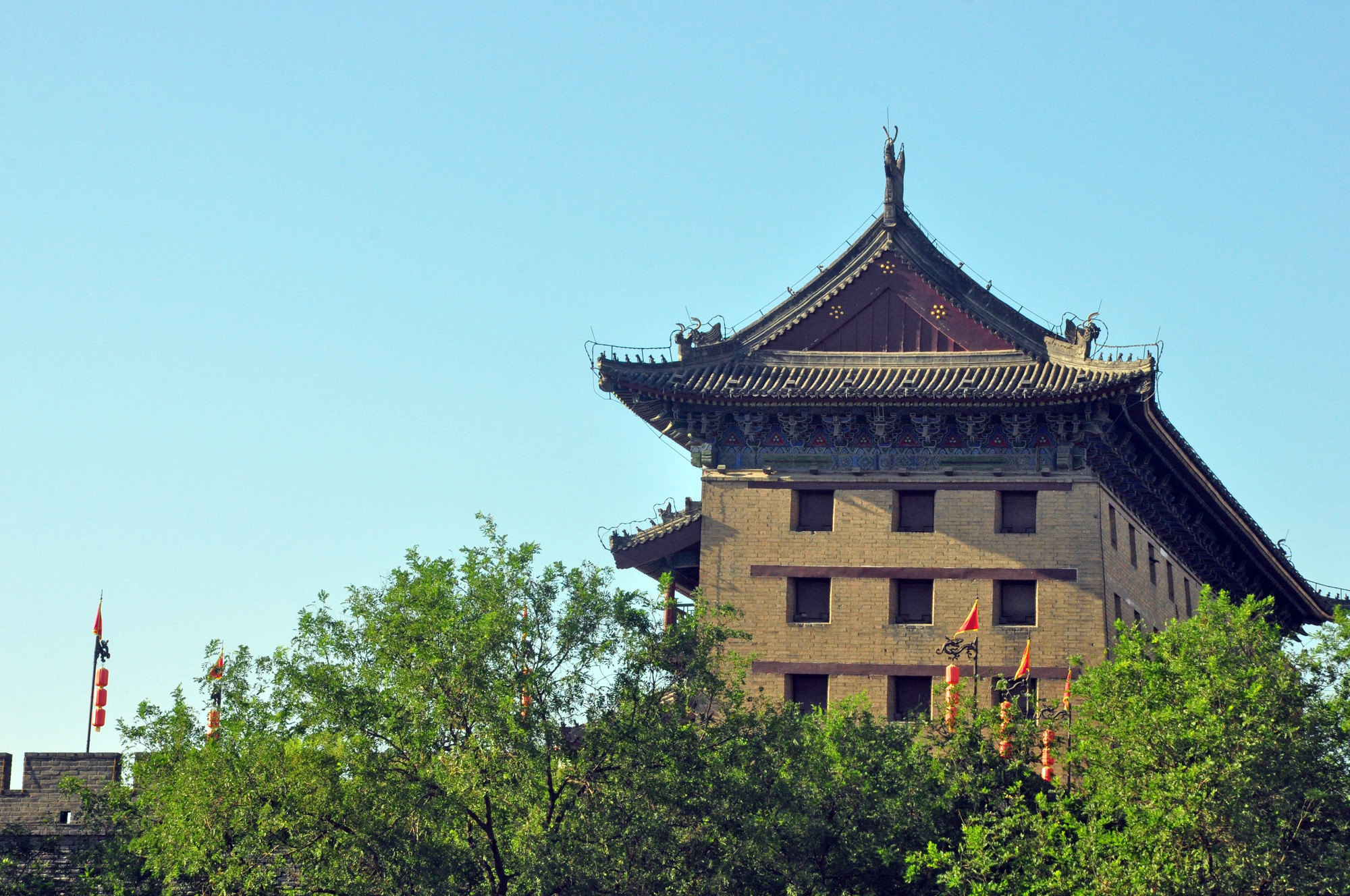
The Xi'an city wall isn't just an attraction. It's the root of a soul — the soul of a city, and the soul of everyone who has ever called this place home.