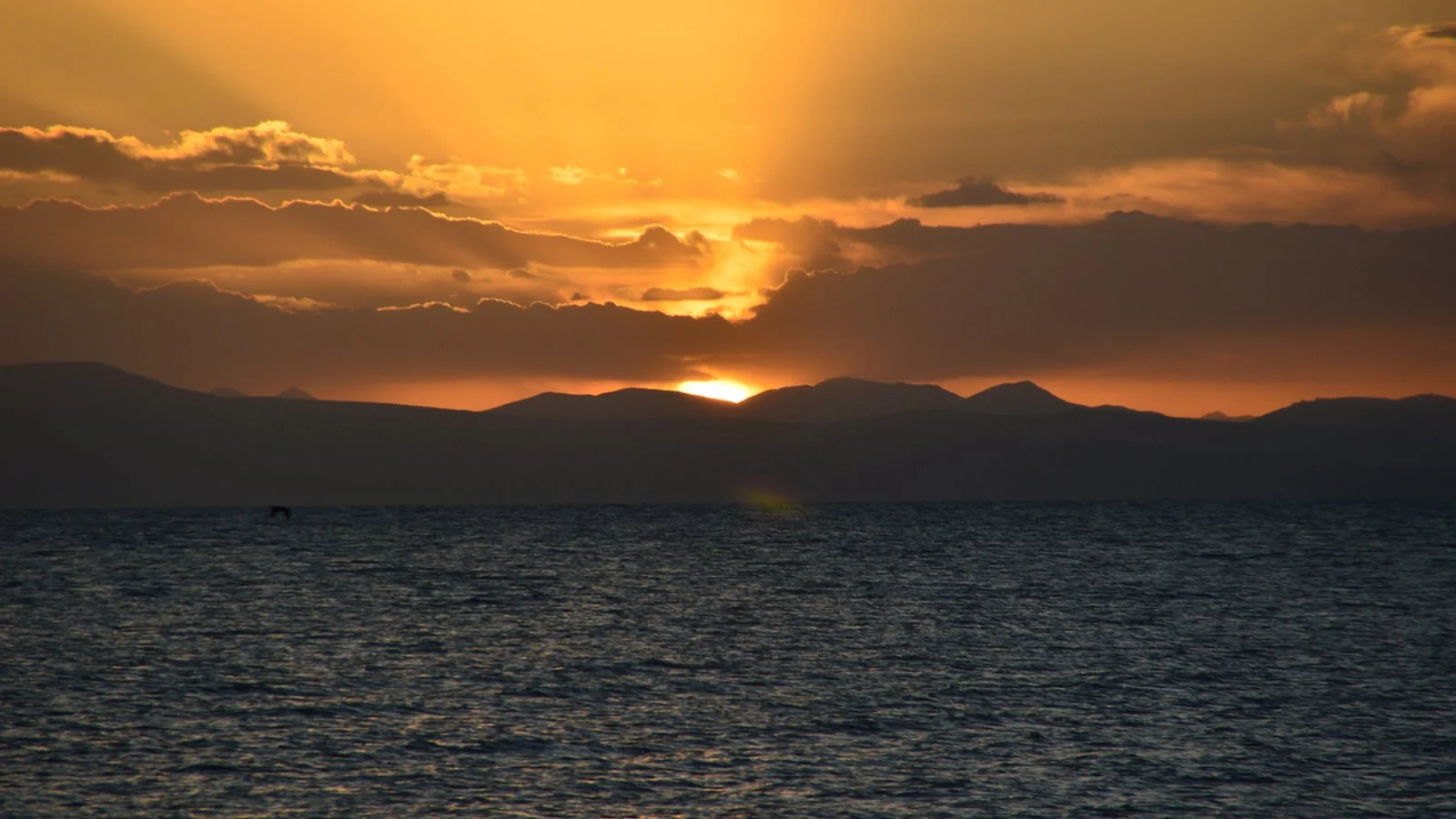
Qinghai Lake
China's largest inland saltwater lake, a shimmering sapphire on the Tibetan Plateau.
Qinghai Lake at a Glance
Everything you need to know before you go.
Where to Stay
Choose the neighborhood that fits your style.
Erlangjian Scenic Area
The main gateway to Qinghai Lake, featuring the three-star Qinghai Lake Hotel and nearby tent hotels. Basic lodging outside the scenic area costs 100-200 yuan. It's a hub for lake access, with the Zhaxi Youth Hostel 4 km away offering Tibetan-style rooms and dorm beds from 40 yuan.
Best accessShadao (Sand Island)
Known for its unique sand dunes meeting the lake, this area offers a mix of adventure and relaxation. While specific hotels are not detailed, it's a popular stop for photography and water activities. Nearby Bird Island has upscale options like the Bird Island Hotel (260-380 yuan), but Shadao itself provides a more rustic experience.
Scenic dunesBird Island
Home to the three-star Bird Island Hotel, the most expensive and sought-after lodging near Qinghai Lake, with rooms from 260-380 yuan. The area is famous for bird watching, especially from May to July. The hotel is near the Buh River and Shatuo Temple, offering scenic views and easy access to the bird sanctuary.
Premium stayGangcha County
A convenient base for exploring the lake's northern shore, with budget-friendly hotels like the Qingda Haomen and Yuhua hotels (around 100 yuan for a standard room). It's a quieter alternative to Bird Island, with easy access to local eateries and transport links. Ideal for travelers seeking affordability and local culture.
Budget-friendlyQinghai Lake Highlights
The city's essential experiences.
The largest inland saltwater lake in China, known as the 'Sea of the Heart'. Best visited in July-August for rapeseed flowers and the cycling race, or April-May for birdwatching.
A must-visit for group tours, offering the most beautiful views of Qinghai Lake. Named for its distance from Xining (151 km), it was China's first torpedo launch test base. Entry: ¥100 peak, ¥50 off-peak.
Legend says Princess Wencheng dropped her mirror here, splitting it into the sun and moon. The pass offers panoramic views of pastoral lands to the east and Qinghai Lake to the west. Entry: ¥40.
A river flowing into Qinghai Lake, and the best spot to watch sunrise over the lake. It's also the starting point for many cycling and hiking trips around the lake.
Home to hundreds of thousands of migratory birds. The best time to visit is May, when birds are most active. Entry: ¥115 peak, ¥78 off-peak. Take the free electric shuttle from the gate to the viewing platform.
A granite island in the middle of Qinghai Lake, with cliffs, a temple, and a spring. According to legend, Emperor Yang of Sui once kept horses here. Accessible by boat from the lake pier.
Located northeast of Qinghai Lake, this island features sand dunes and wetlands. Enjoy sand sliding and archery, and visit during July for the International Sand Sculpture Festival. Entry: ¥90 peak, ¥45 off-peak.
Also known as Gushan Island, it consists of seven white limestone rocks in the southwest of the lake. It hosts more birds than Bird Island but is closed to the public; view from a distance.
Birthplace of Tsongkhapa, founder of the Gelug school of Tibetan Buddhism. Famous for its 'three wonders': butter sculptures, murals, and applique. Entry: ¥80. Open 8:00-17:00.
Site where China's first atomic and hydrogen bombs were developed in 1958. The museum houses the 'Dongfang-2' missile. Entry: ¥90 for a combo ticket, or individual tickets for each site.
One of China's 'Sky Mirrors', a salt lake where you can take a small train into the center, watch salt harvesting, and see salt sculptures. Entry: ¥60, train ¥35. Best visited at sunrise or sunset.
A vast grassland famous for golden and silver flowers, and the inspiration for the song 'In That Distant Place'. Best visited July-September. Entry: ¥20, but free in areas without fences.
In July, endless rapeseed flowers create a golden sea. The best viewing is from July 11-15. Recommended spots: Yuanshan Viewing Platform (¥25) and the southern slope of the county cement plant.
The world's highest-altitude international road cycling race, held annually in July-August. The route around Qinghai Lake is a pilgrimage for cycling enthusiasts.
Best Time to Visit
Each season offers something different.
Spring
April-May, cool and windy. Best for birdwatching at Bird Island, but grassland not yet green.
Summer
July-August, warm but unpredictable. Ideal for rapeseed flowers and cycling. Pack warm layers.
Autumn
September-October, crisp and clear. Great for sunrises at Heimahe. Fewer crowds.
Winter
November-February, extremely cold (below -30°C). Best for swans. Only for well-prepared travelers.
Suggested Itineraries
Plans for every schedule.
Classic 2-Day
Day 1: Sun & Moon Pass, 151 Base, Chaka Salt Lake, Heimahe. Day 2: Heimahe, Bird Island, Jinyintan Grassland, Atomic City, Xining.
Scenic 3-Day
Day 1: Sun & Moon Pass, 151 Base, Heimahe. Day 2: Heimahe, Bird Island, Gangca County. Day 3: Gangca County, Jinyintan Grassland, Atomic City, Xining.
Cycling 4-Day
Day 1: Xining to Xihai Town, cycle along East Ring Road to 151 Base. Day 2: 151 Base to Heimahe. Day 3: Heimahe to Bird Island. Day 4: Bird Island to Xining via Jinyintan Grassland and Atomic City.
Local Tips
Insider knowledge for a smoother trip.
Avoid the expensive entrance fee; local paths offer similar views for a small fee.
July-August is peak season; hotels fill up fast. Reserve well in advance.
The fish is endangered and protected; refuse any illegal offers.
Don't swim in the lake, circle clockwise, and avoid touching ritual items.
Even in summer, temperatures can drop below 10°C. Bring a windproof jacket.
At 3,000m, take it easy, stay hydrated, and avoid alcohol.
FAQs About Qinghai Lake
Quick answers to common questions.
Ready to Explore Qinghai Lake?
Let MagicTrip build the perfect itinerary.