Qiandongnan
The living heart of Miao and Dong culture — ancient villages, terraced fields, and vibrant festivals.
Qiandongnan at a Glance
Everything you need to know before you go.
Qiandongnan (Southeast Guizhou) is one of China's most ethnically diverse regions. Home to the Miao and Dong minorities, its mountains are dotted with thousand-year-old villages, drum towers, wind-and-rain bridges, and spectacular rice terraces. The colorful festivals, silver jewelry, and embroidery traditions make it a cultural treasure.
Where to Stay
Choose the neighborhood that fits your style.
Kaili City
The regional capital. Most hotels, restaurants, and transport connections.
Best for First-TimersZhaoxing Dong Village
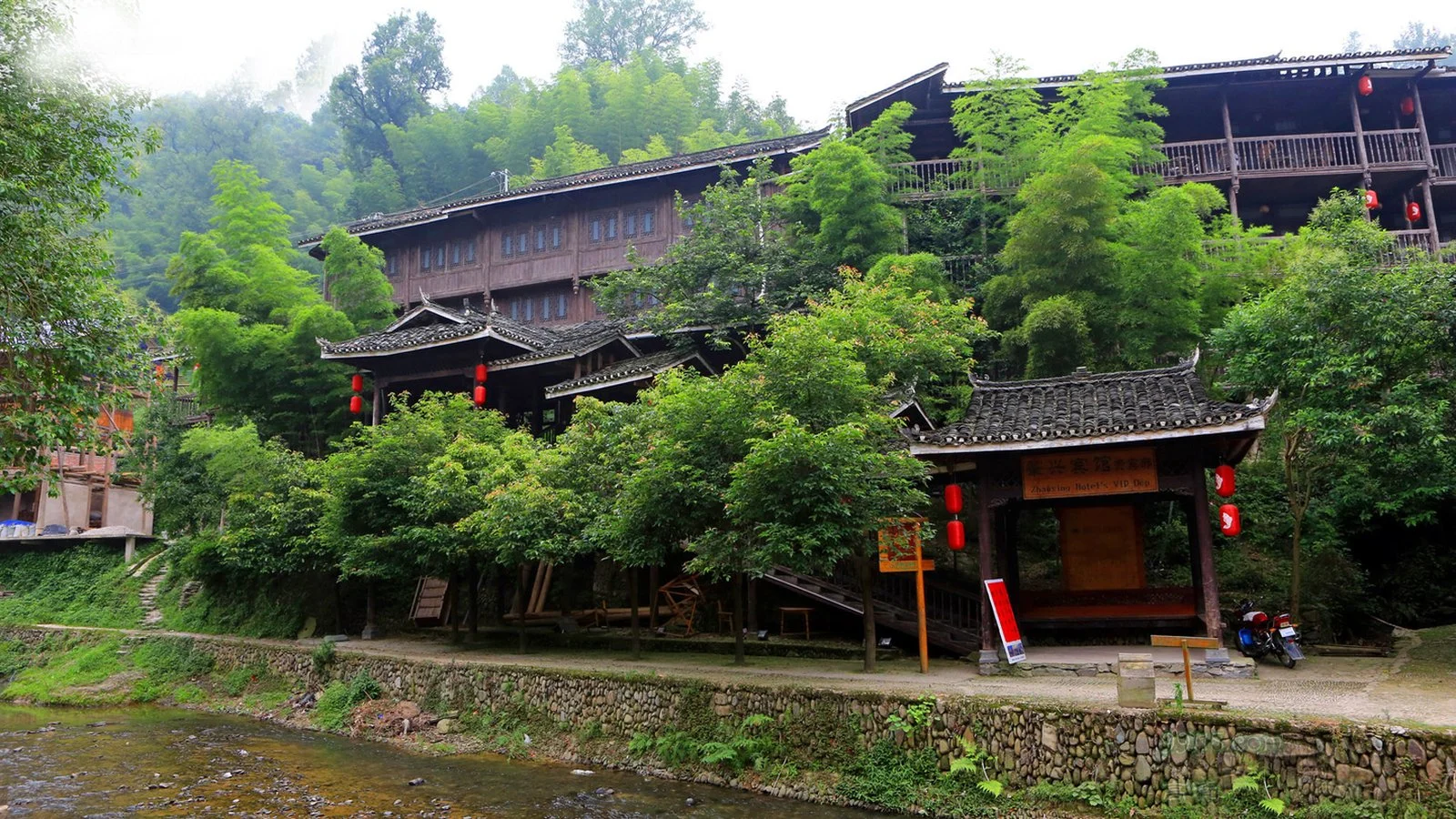
The largest Dong village with five drum towers. Authentic guesthouses.
Best for CultureXijiang Miao Village
The largest Miao village. Thousands of stilted houses on a hillside.
Best for PhotographyRongjiang / Basha Miao Village
Remote villages with the gun-toting Basha Miao tribe.
Best for AdventureQiandongnan Highlights
The city's essential experiences.
A stunning Dong village with five iconic drum towers and nightly performances.
The world's largest Miao village — thousands of stilted houses cascading down a valley.
The last gun-toting tribe in China. Men carry rifles as a symbol of manhood.
A quiet village famous for its papermaking tradition dating back 1,000 years.
Magnificent terraced fields carved into the mountains by Miao farmers.
The highest peak in Qiandongnan with lush forest and hiking trails.
Covered bridges built without nails — masterpieces of Dong carpentry.
Intricate handcrafted silver adornments worn during festivals. Kaili has the best shops.
UNESCO-listed polyphonic singing performed by Dong villagers without a conductor.
A Miao festival where women propose to men by offering colored rice.
Best Time to Visit
Each season offers something different.
Spring · Mar–May
Mild 15–25°C, terraces flooded for planting (best reflection photos).
Summer · Jun–Aug
Warm 25–33°C, lush green terraces. Festival season.
Autumn · Sep–Nov
Golden rice harvest, comfortable 20–28°C. Best season.
Winter · Dec–Feb
Cool 5–15°C, fewer tourists. Misty valleys are atmospheric.
Suggested Itineraries
Plans for every schedule.
2-Day Express
Day 1: Kaili → Xijiang Miao Village. Day 2: Zhaoxing Dong Village.
3-Day Classic
Day 1: Xijiang. Day 2: Zhaoxing → Basha. Day 3: Terraces + return to Kaili.
5-Day In-Depth
Multi-village tour including remote areas, festivals, and hiking.
Local Tips
Insider knowledge for a smoother trip.
SSour soup fish is the signature dish.ature dish. Also try Miao cured pork and sticky rice.
Buses connect Kaili to most villages. Hiring a car with driver is recommended.
Mobile payments in Kaili. Cash for village homestays and craft stalls.
Miao, Dong, and Mandarin. English is almost non-existent in villages.
FAQs About Qiandongnan
Quick answers to common questions.
Ready to Explore Qiandongnan?
Let MagicTrip build the perfect Qiandongnan itinerary.