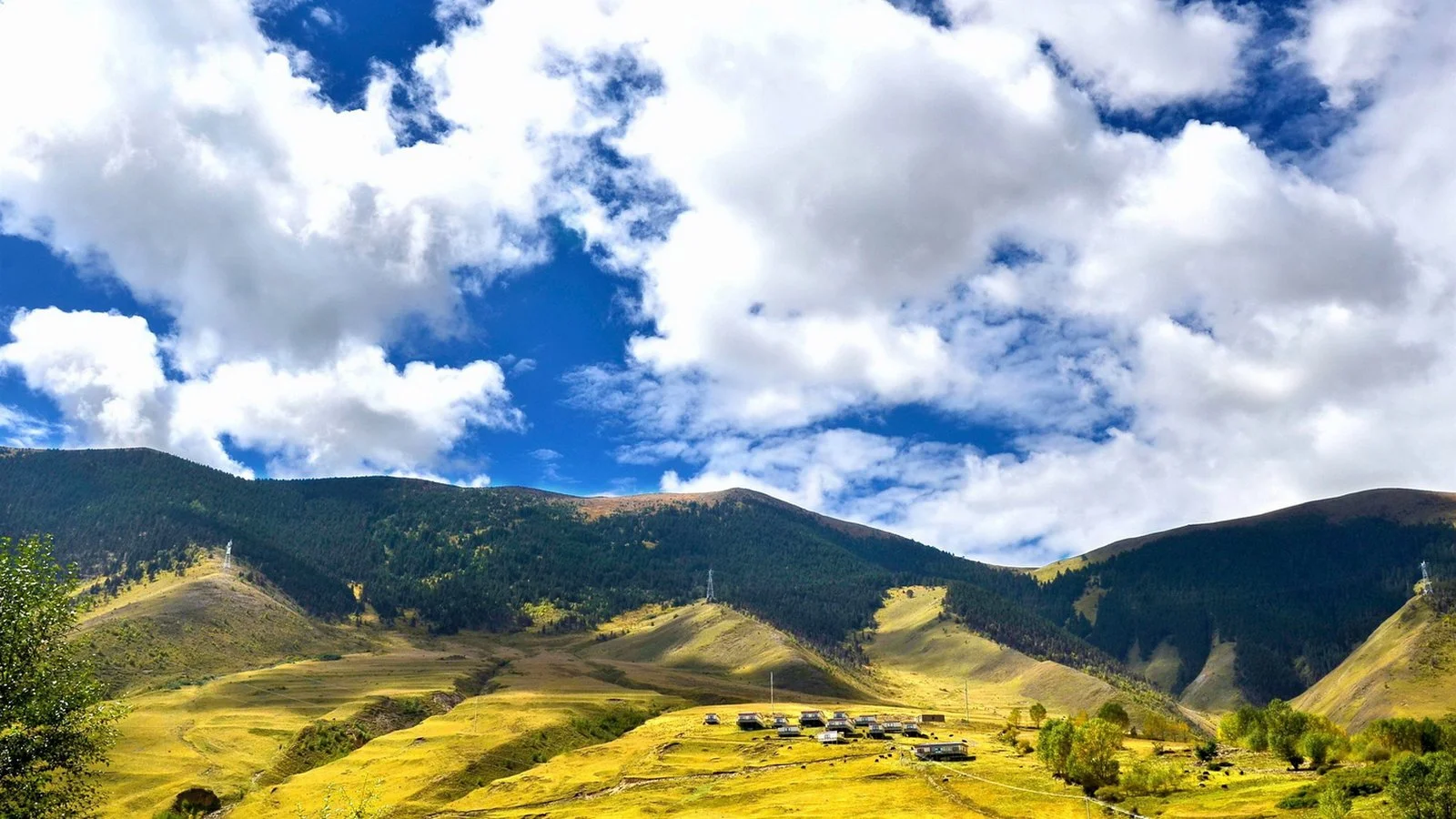
Kangding
Gateway to the Tibetan Plateau and Love Song of the World
Kangding at a Glance
Everything you need to know before you go.
Where to Stay
Choose the neighborhood that fits your style.
Old Town (Pazhulin)
Stay in the heart of Kangding's old town for easy access to local eateries and shops. The area offers budget-friendly hostels like Dengba Inn, which has private rooms and even a mahjong table. It's ideal for travelers seeking convenience and a lively atmosphere, with bus station nearby for early departures.
Central & livelyXinduqiao
A scenic town west of Kangding, known for its photogenic landscapes. Accommodations here are basic but comfortable, with options like family-run guesthouses offering meals. It's a perfect base for exploring the surrounding grasslands and Tibetan villages, though amenities are limited. Best for photographers and nature lovers.
Scenic gatewayMugecuo (Lake)
Stay near the lake for direct access to hiking trails and stunning alpine scenery. Accommodations range from simple lodges to more comfortable hotels, all within walking distance of the lake. Enjoy fresh mountain air and serene views, but note that dining options are limited to hotel restaurants. Ideal for outdoor enthusiasts.
Nature retreatZheduo Mountain Base
This area serves as a launch point for mountain adventures, with several guesthouses offering basic amenities. The nearby hot springs provide a relaxing end to a day of hiking. Accommodations are rustic but clean, and some offer meals. Perfect for trekkers seeking a quiet, nature-focused stay.
Adventure hubKangding Highlights
The city's essential experiences.
At 4,298 meters, this pass marks the boundary between the Sichuan Basin and the Tibetan Plateau. From the summit, spot the white pagoda and prayer flags, and on clear days, catch a glimpse of the towering Gongga Snow Mountain.
Known as the 'King of Sichuan Mountains,' this peak reaches over 7,000 meters and is revered in Tibetan culture. Best viewed from Hailuogou Glacier, where you can also soak in hot springs with a snowy backdrop.
A sacred peak in Tibetan Buddhism, Yala Snow Mountain offers stunning views from Yuzixi, a 4,200-meter viewpoint. The mountain is part of the Muya Gongga region and is a must-see for its majestic presence.
A high-altitude lake at 3,700 meters, surrounded by forests and smaller lakes like Red Sea and Black Sea. Take a boat ride or hike the 8-km Qianpu Gorge. Best visited in autumn for colorful foliage.
An undeveloped high-altitude lake at 4,500 meters, known for its white-tinted waters contrasting with blue skies and snow. A hidden gem for adventurous hikers seeking pristine natural beauty.
Named after two wooden bridges, this valley features snow peaks, pastures, and forests. It's the most beautiful valley in the Siguniang Mountain area, perfect for leisurely strolls amidst stunning scenery.
A historic Tibetan Buddhist temple in Kangding, known for its annual Butter Lamp Festival held in October. The temple's intricate murals and peaceful atmosphere offer a deep dive into local religious culture.
Dedicated to the famous folk song 'Kangding Love Song,' this museum showcases the region's musical heritage and cultural history. A must-visit for music lovers and those interested in local traditions.
A vibrant street in Kangding's old town, lined with traditional shops and eateries. Sample local Tibetan snacks and shop for handicrafts while soaking in the town's unique atmosphere.
A vast highland pasture offering panoramic views of snow-capped peaks and grazing yaks. The area is dotted with Tibetan villages and monasteries, making it a perfect spot for photography and cultural immersion.
Also known as Bamei Stone Forest, this unique geological wonder features dark, weathered rock formations. Located in Daofu County, it's a surreal landscape that feels otherworldly, ideal for exploration.
A traditional Tibetan village near Moshi Park, offering insights into local architecture and lifestyle. Visitors can experience homestays, taste local cuisine, and enjoy the serene rural setting.
Best Time to Visit
Each season offers something different.
Spring
May to July is the transition between dry and rainy seasons, with the best weather and moderate temperatures. Ideal for outdoor activities.
Summer
July to August brings lush grasslands with wildflowers, but also more rain. Be prepared for showers and check road conditions.
Autumn
September to October offers stunning autumn colors, especially at Xinduqiao. Clear skies and crisp air make it a photographer's paradise.
Winter
Winter is cold and dry, with snow at higher elevations. Roads may be icy, but the scenery is serene and less crowded.
Suggested Itineraries
Plans for every schedule.
Classic 2-Day
Day 1: Mugecuo Scenic Area, Kangding Love Song Museum. Day 2: Tagong Grassland, Anjue Temple.
Nature & Culture 3-Day
Day 1: Mugecuo Scenic Area, Kangding Love Song Museum. Day 2: Tagong Grassland, Anjue Temple, Yala Snow Mountain (viewpoint). Day 3: Zheduo Pass, Pazhulin Street.
Scenic Drive 4-Day
Day 1: Mugecuo Scenic Area, Kangding Love Song Museum. Day 2: Tagong Grassland, Anjue Temple, Yala Snow Mountain (viewpoint). Day 3: Zheduo Pass, Bamei Village, Moshi Park Scenic Area. Day 4: Bai Haizi (White Lake), Pazhulin Street.
Local Tips
Insider knowledge for a smoother trip.
Kangding sits at 2,600m; most people won't feel altitude sickness, but carry Rhodiola just in case.
Best climbing season is May-June; the summit is extremely challenging and not for amateurs.
Avoid visiting Gongga Mountain during the rainy season (July-August) due to slippery trails and poor visibility.
As the capital of Garzê Prefecture, Kangding has many banks and ATMs, so cash access is easy.
For trekking, bring windproof clothing, high-altitude sunscreen, lip balm, and a high-quality sleeping bag.
When trekking for days, pack enough food for 5 days and consider a pressure cooker for group cooking.
FAQs About Kangding
Quick answers to common questions.
Ready to Explore Kangding?
Let MagicTrip build the perfect itinerary.