I. Why You Need a Strategy to Find Restaurants in China
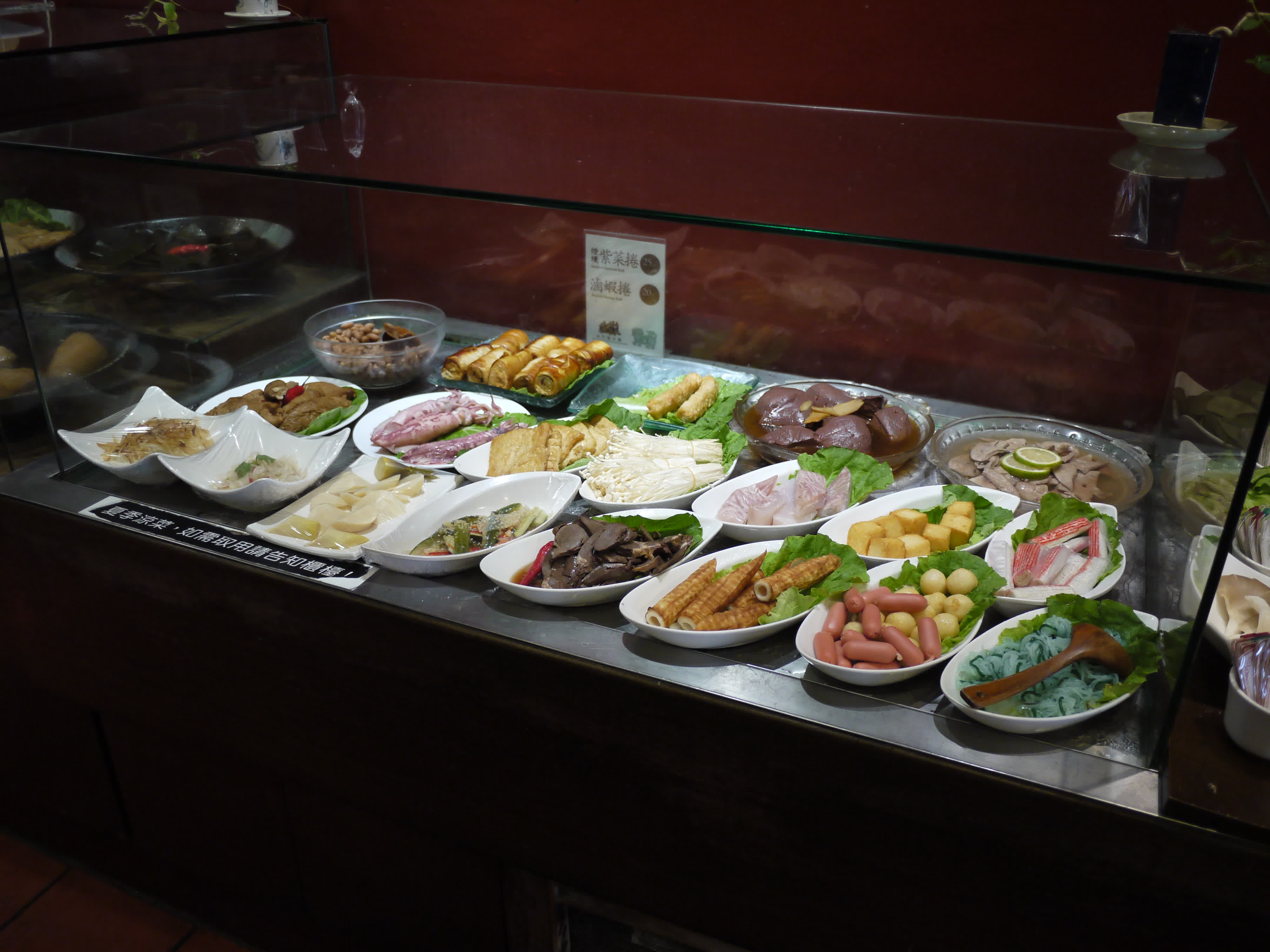
China's food culture is rich and diverse, but for foreign visitors with specific or religious dietary needs, language barriers, Chinese-only menus, and differing concepts (like "vegetarian") can make finding a restaurant tricky.
The good news: dining options in major tourist cities are diversifying fast. With the right methods and tools, you can stay true to your diet while enjoying authentic local food.
II. Common Dietary Needs and How to Find What Fits
1. Muslim / Halal
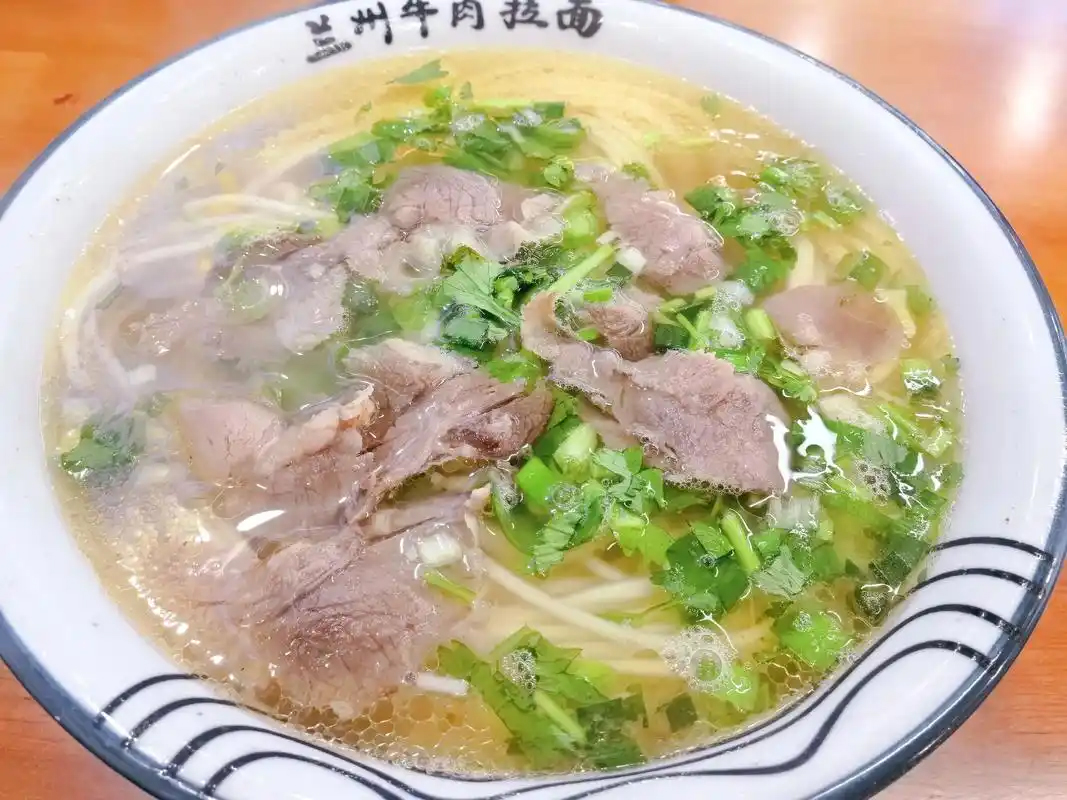
Background: China is home to about 20 million Muslims. Halal food (called "清真" / "Halal" in Chinese) is available in many cities, especially in the northwest. Beef noodles, lamb skewers, and "big plate chicken" are classic Halal dishes.
How to find:
- Look for signs: Halal restaurants usually hang a green sign reading "清真" or the Arabic "حلال" at the entrance. Some display Halal certification near their business license.
- Where to go: Muslim enclaves (e.g., Hui Min Jie / Muslim quarters) in each city are the best places to start.
- Apps: Dianping, Meituan (search "清真"); HalalTrip, Zabihah (global Halal locators).
- Note: Some non-Halal restaurants label certain dishes "Halal" but share cookware. Strict Muslims should choose fully certified Halal venues.
2. Vegetarian / Vegan
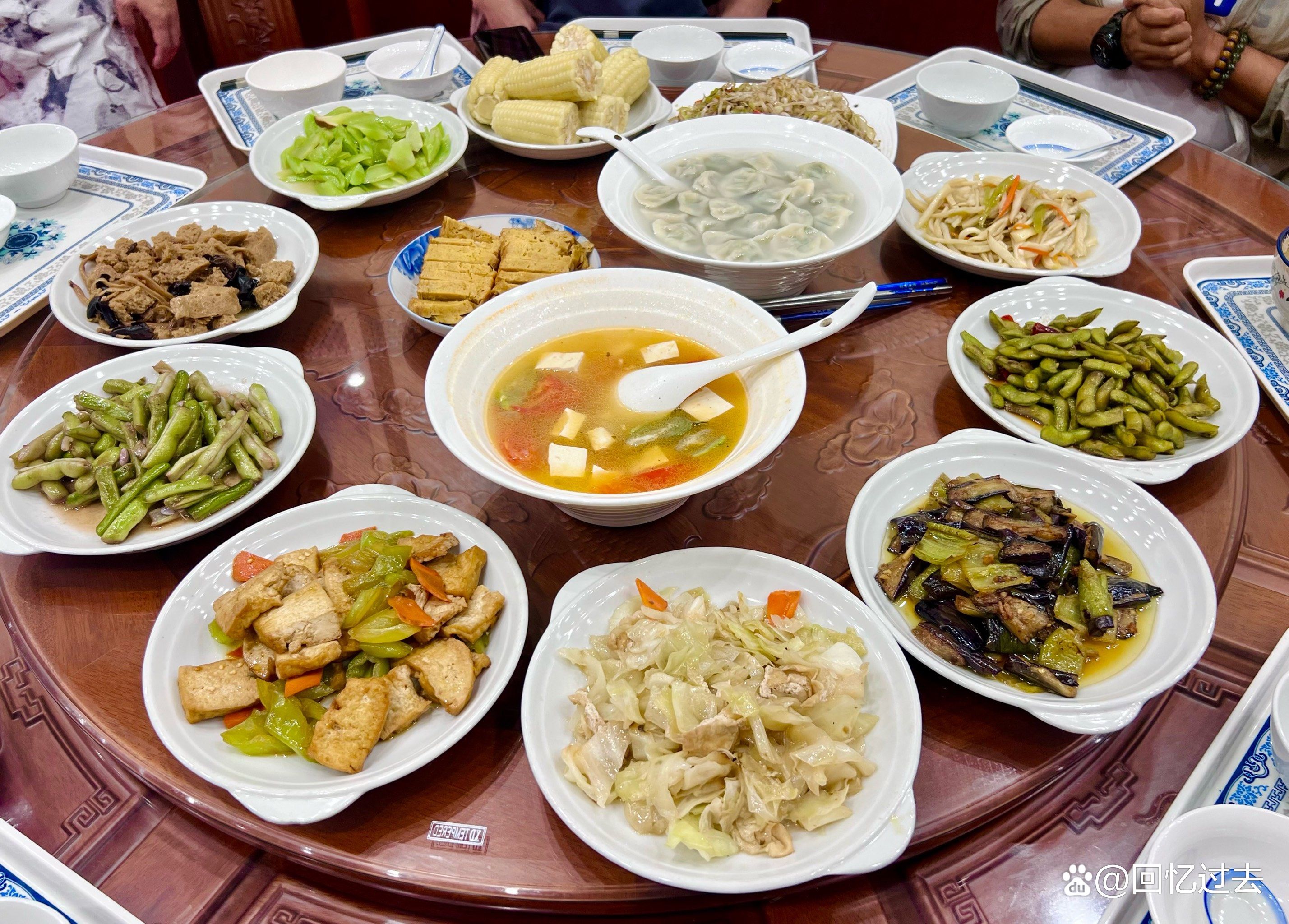
Background: The Chinese idea of "vegetarian" differs from the West — traditional "veggie" dishes may contain oyster sauce, fish sauce, dried shrimp, or lard. Ordering "素菜" doesn't always meet strict vegetarian standards.
How to find:
- Temple vegetarian meals: Buddhist temples often serve vegetarian feasts with zero animal products — the most reliable option (e.g., Beijing Guanghua Temple, Shanghai Jade Buddha Temple, Chengdu Wenshu Monastery).
- Dedicated shops: Modern vegetarian restaurants in tier-1 cities are growing, some offering mock-meat dishes made from soy.
- Apps: HappyCow (world's largest veg database); Dianping (search "素食", call to confirm seasonings).
- Key phrase: Tell staff "I eat no animal products, including oyster sauce, fish sauce, shrimp, and lard."
3. Hindu Diet / No Beef
Background: In Hinduism, the cow is sacred and many Hindus avoid beef. Yet beef is common in China — in Sichuan cuisine, Chaoshan beef hotpot, and Lanzhou beef noodles.
How to find:
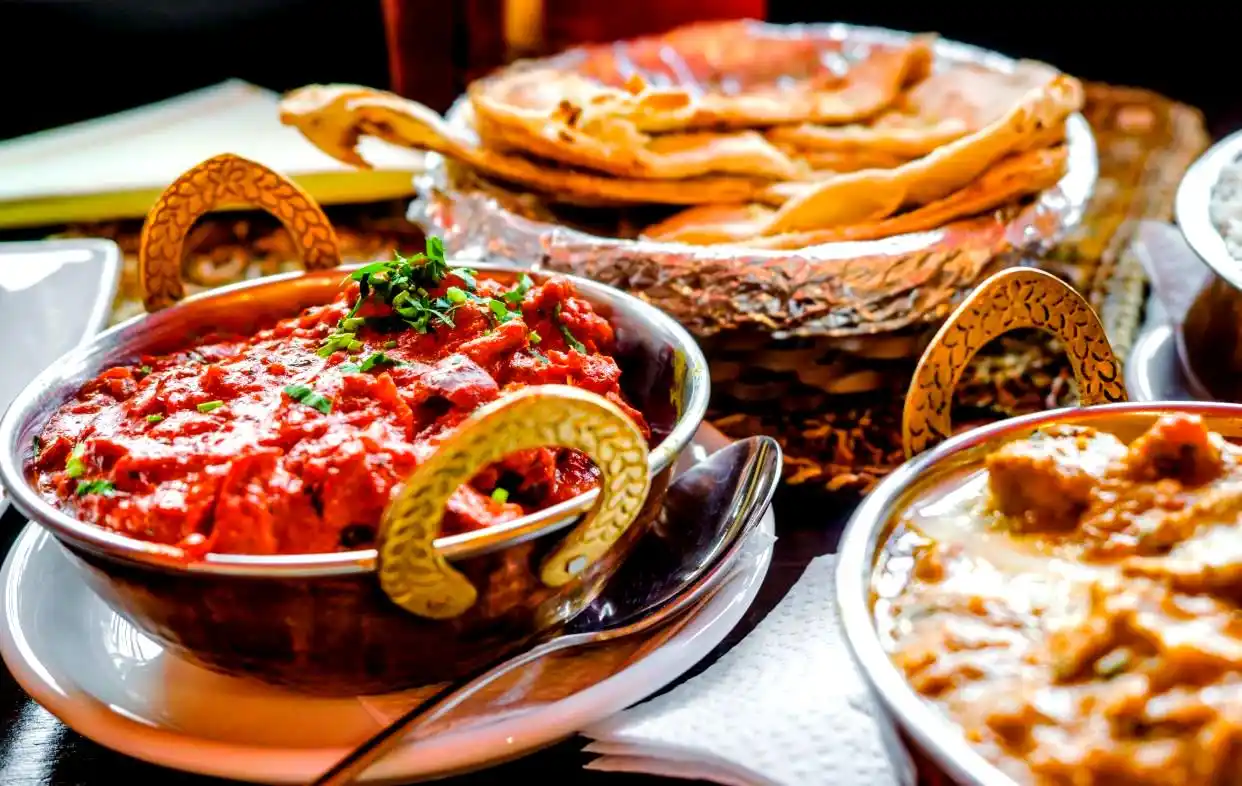
- Indian restaurants: Tier-1 and tourist cities have Indian restaurants with clearly labeled veg/non-veg menus (Beijing, Shanghai, Guangzhou, Shenzhen have the most).
- In Chinese restaurants: Simply say "I don't eat beef" — most can suggest chicken, pork, or veggie alternatives.
- App: Dianping (search "印度菜").
4. Kosher
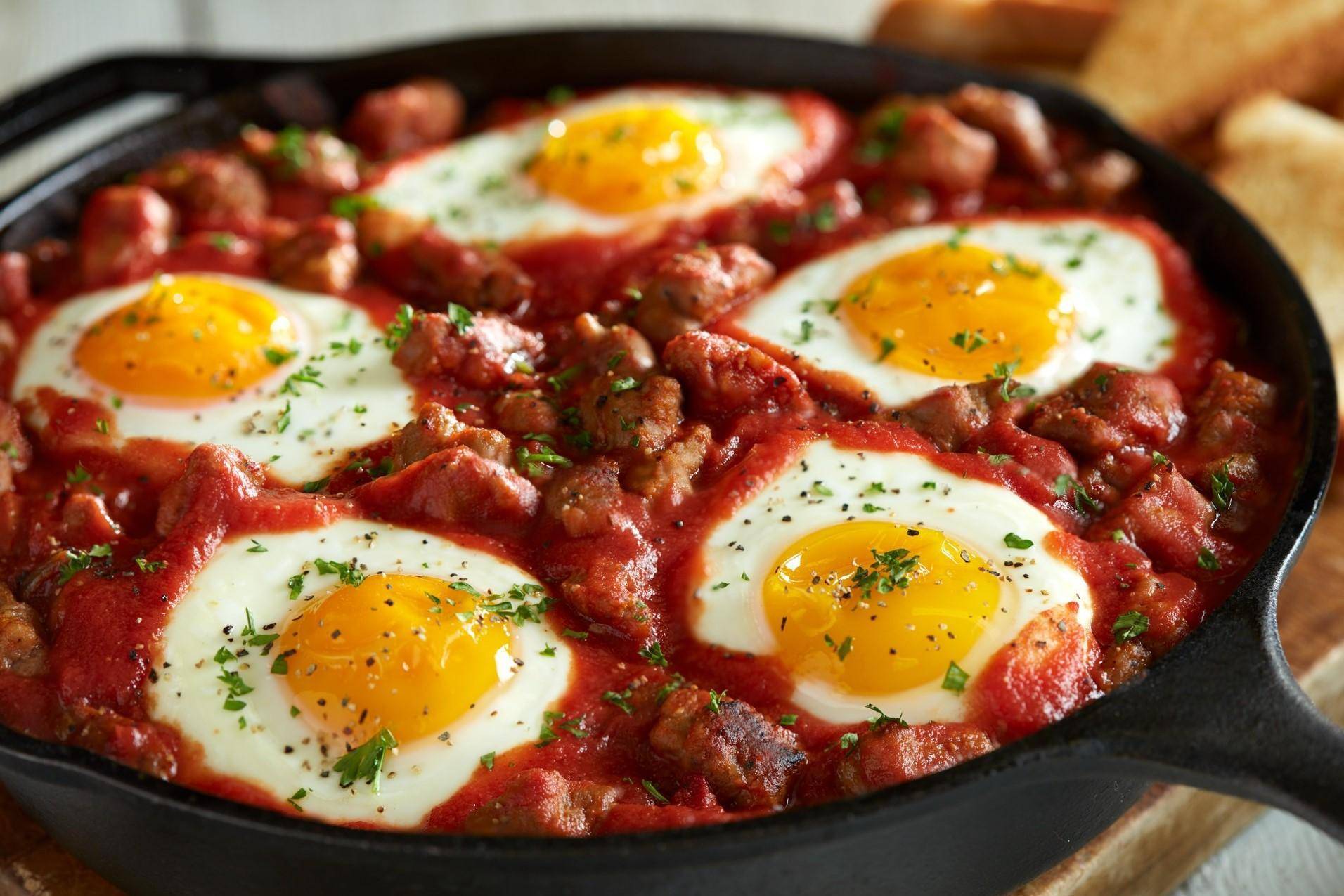
Background: Kosher laws are strict (no mixing meat and dairy, specific slaughter, etc.). Mainland China has virtually no certified Kosher restaurants.
How to find:
- Community resources: Small Jewish communities in Beijing and Shanghai; some Chabad houses may offer Kosher meals. Contact the local Chabad House before your trip.
- Tip: Strict observers should bring their own food or choose low-risk items like fruit, vegetables, and rice.
5. Gluten-Free
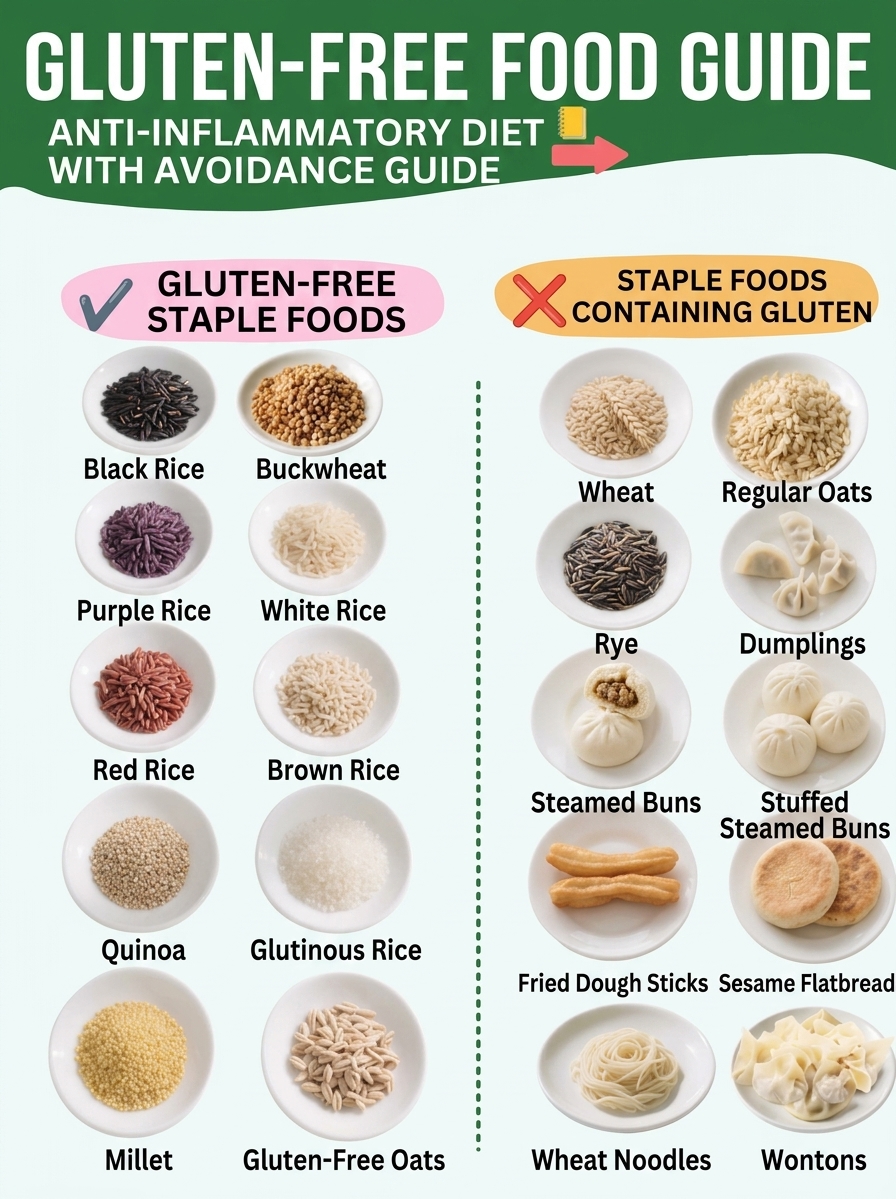
Background: Gluten-free awareness is low in China. Chinese food heavily uses soy sauce (wheat-based), noodles, and dumpling wrappers — all containing gluten.
How to find:
- Safe choices: Rice, rice noodles, and rice vermicelli are naturally gluten-free. Steamed fish, poached chicken, and veggies seasoned with salt/vinegar work.
- Risk: Nearly all stir-fries use soy sauce; bean paste and oyster sauce also contain gluten.
- Alternatives: Japanese restaurants (vinegared rice, sashimi) or Southeast Asian spots (rice noodles); a few GF-labeled Western eateries in tier-1 cities.
- Key phrase: "I'm allergic to wheat — no soy sauce, noodles, or dumplings. Can you cook with just salt and oil?"
6. Food Allergies
Background: Food allergies demand extra caution in China — many kitchens have limited awareness and cross-contamination risk is high.
Common allergens and where they hide:
| Allergen | Chinese | Common in Chinese food |
| Peanut | 花生 huā shēng | Sichuan chili oil, Kung Pao chicken, cold dishes |
| Tree nut | 坚果 jiān guǒ | Desserts, stir-fry garnish |
| Seafood | 海鲜 hǎi xiān | Dried shrimp, oyster sauce, fish sauce, scallop (many hidden sources) |
| Egg | 鸡蛋 jī dàn | Fried rice, noodles, baking |
| Soy | 大豆 dà dòu | Soy sauce, tofu, soy milk |
| Wheat | 小麦 xiǎo mài | Noodles, dumplings, buns, soy sauce |
What to do:
- Allergy card: Prepare a bilingual card stating "I have a severe, life-threatening allergy to ___. Please exclude all ingredients containing ___." Show it to staff and the chef.
- Reduce risk: Choose dishes where you see the ingredients (e.g., hotpot), avoid heavily sauced stir-fries.
- Emergency: Carry an EpiPen and know the nearest hospital. Emergency number in China is 120.
- Apps: Equal Eats, AllergyFT (multilingual allergy cards).
7. Not Spicy
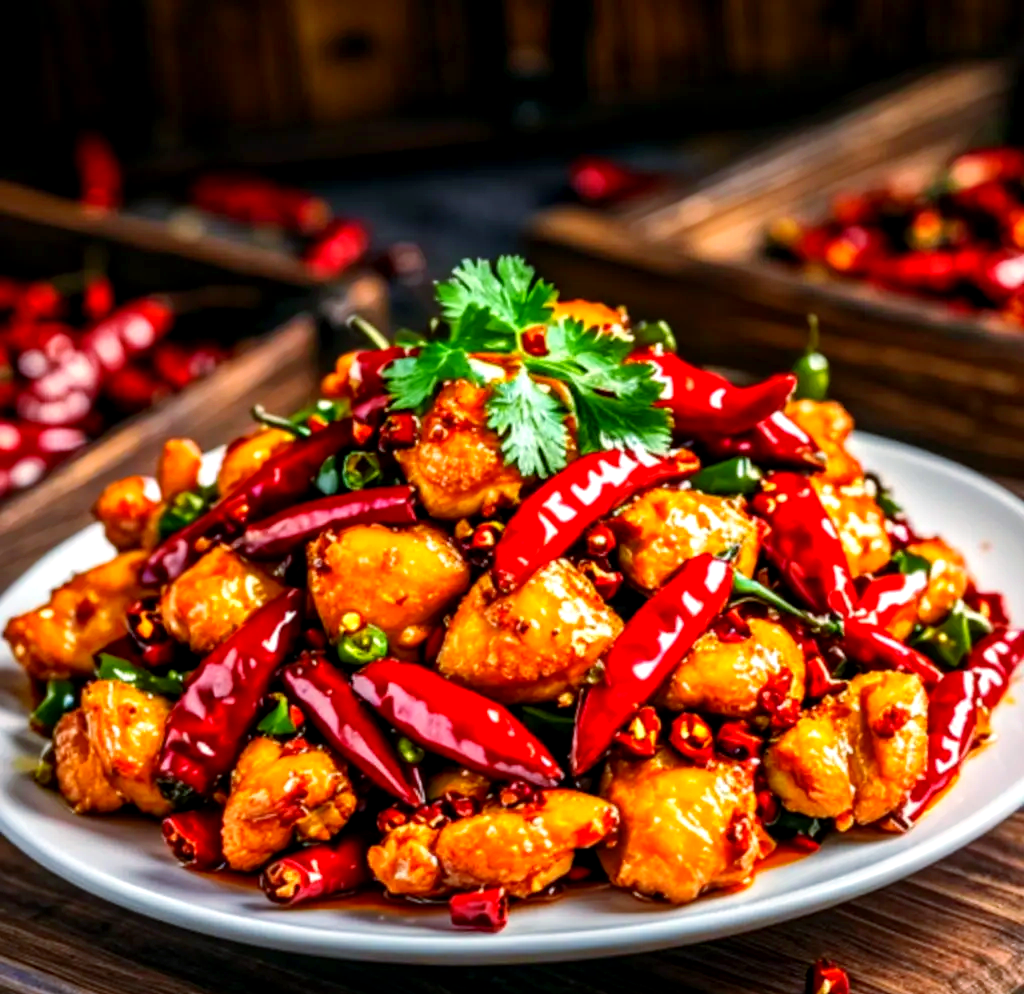
Background: Spice levels vary wildly — Sichuan, Hunan, Guizhou, and Jiangxi cuisines are fiery, while Cantonese, Hangzhou, and Fujian styles are mild. Many foreigners wrongly assume "all Chinese food is spicy."
How to find:
- Pick cuisines: For mild food, choose Cantonese, Hangzhou (Huaiyang) cuisine; skip Sichuan/Hunan spots.
- Speak up: Say "no spice / completely mild." Sichuan "mild" may still be hot — ask for "totally non-spicy."
- Sichuan peppercorn: The "numbing" (má) sensation isn't chili heat but is still intense — also say "no Sichuan peppercorn."
- Safe dishes: Poached chicken, steamed fish, blanched shrimp, sautéed greens, steamed egg — usually spice-free.
- Note: Even "non-spicy" dishes may be garnished with chili oil. Strictly spice-free? Choose clear-broth hotpot or steamed dishes.
8. Dairy-Free
Background: Lactose intolerance is common worldwide, and vegan diets exclude dairy. Good news: savory Chinese cooking rarely uses dairy — but milk tea, Western bakeries, cream soups, and condensed-milk desserts often contain milk.
How to find:
- Naturally safe: Rice, noodles, vegetables, and meats in traditional Chinese dishes are almost always dairy-free.
- Watch out: Milk tea (contains milk), Western pastries (butter/milk), some desserts (condensed milk), and creamy chowders.
- Apps: Dianping (search by cuisine); HappyCow (filter vegan = naturally dairy-free).
- Key phrase: "I eat no dairy products, including milk, butter, cheese, and cream."
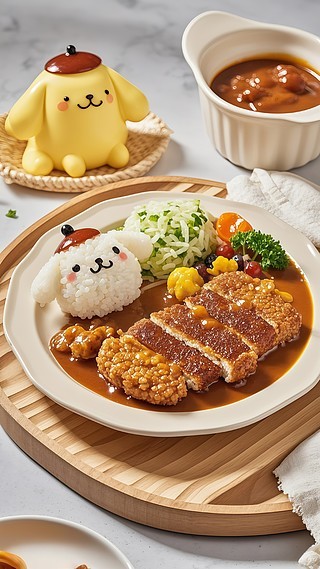
9. Kids' Meals
Background: Chinese restaurants usually have no kids' menu, but dishes are easily adapted and many mild options exist.
How to find:
- Kid-friendly dishes: Plain rice, steamed egg, congee, small wontons/dumplings, plain noodle soup, poached chicken — mild, boneless, and soft.
- Ordering tips: Ask for "less oil, less salt, deboned, cut small." Avoid bony whole fish, spicy, or hard foods.
- Facilities: Most restaurants offer high chairs and extra bowls/spoons; call ahead if needed.
- Backup: KFC, McDonald's, Pizza Hut are widespread and reliable fallbacks.
- App: Dianping (search "亲子餐厅" for family-friendly spots, read reviews from parents).
III. Useful Tools and Apps
| Tool | Purpose | Platform |
| Dianping | Search restaurants, read reviews, view photos | iOS / Android |
| Meituan | Same, stronger delivery | iOS / Android |
| HappyCow | Global vegetarian/vegan finder | iOS / Android / Web |
| HalalTrip | Halal restaurant locator | iOS / Android / Web |
| Zabihah | Halal restaurants & reviews | Web |
| Google Maps | Nearby restaurants, reviews (needs VPN in mainland China) | iOS / Android / Web |
| Baidu / Google Translate | Menu translation, voice chat | iOS / Android |
| Equal Eats | Multilingual allergy cards | iOS / Android |
| RedNote (Xiaohongshu) | Search "city + diet need" for tips | iOS / Android |
IV. City-by-City Dining Guide
Beijing
| Need | Recommendation | Notes |
| Halal | Niujie, Xicheng District | Beijing's largest Muslim enclave; time-honored spots like Jubao Yuan, Turpan Restaurant |
| Halal | Changying Hui Township | Eastern Chaoyang; multiple Halal restaurants |
| Vegetarian | Guanghua Temple vegetarian, King's Joy (Jingzhaoyin) | King's Joy is high-end, elegant setting |
| Indian | Truffles (Sanlitun), Yellow Chilli | Indian restaurants cluster in Chaoyang |
| Kids | Congee, steamed egg, small dumplings everywhere | Most restaurants offer high chairs |
| Int'l / Allergy | Sanlitun, CBD (Guomao) | International restaurants; some with English menus and allergen labels |
Shanghai
| Need | Recommendation | Notes |
| Halal | Xiaotaoyuan (Huangpu), around Pudong Mosque | Well-known Halal restaurant and Halal market |
| Vegetarian | Jade Buddha Temple veg, Da Shu Wu Jie | Modern creative vegetarian, multiple branches |
| Indian | Masala Art, Kebabs on the Grille | Many Indian spots in Jing'an, Changning |
| Gluten-Free | BREAD etc., Green & Safe | Some Western/health eateries offer GF options |
| Kosher | Contact Shanghai Chabad House | Confirm availability before visiting |
| Kids | Nanxiang soup dumplings, congee shops, family restaurants | Dump the soup for safety; Disney area is family-friendly |
Guangzhou
| Need | Recommendation | Notes |
| Halal | Around Huaisheng Mosque (Guangta), Xianxian Tomb | One of China's oldest mosques; Halal restaurants nearby |
| Vegetarian | Shuimusheng, Xinle Vegetarian | Growing vegetarian scene |
| Indian | Taojin Road area | Many South/Southeast Asian restaurants in Yuexiu |
| Kids | Congee/noodle shops, dim sum (deboned Phoenix claws/shrimp dumplings) | Soft dim sum suits kids; watch for bones |
| SE-Asian / Alt | Zhujiang New Town, Tianhe | Highly international, diverse cuisines |
Chengdu
| Need | Recommendation | Notes |
| Halal | Around Huangchengba Mosque, Jinniu District | Chengdu's Muslim community; famous beef noodles & BBQ |
| Vegetarian | Wenshu Monastery veg, Yiyi Yishijie | Wenshu veg is cheap and tasty |
| Not spicy | Order "non-spicy" steamed dishes, soup pots | Sichuan is fiery — insist "totally non-spicy, no peppercorn"; choose Cantonese branch to avoid heat |
| Allergy | — | Sichuan uses lots of peanut and peppercorn; peanut-allergic beware |
| Kids | Steamed egg, congee, Long Chaoshou (clear broth), sweet noodles without chili | Most snacks can be made non-spicy; hotpot with tomato/mushroom broth |
Xi'an
| Need | Recommendation | Notes |
| Halal | Muslim Quarter (Beiyuanmen), around Huajue Xiang Grand Mosque | China's most famous Muslim food street; lamb paomo, roujiamo, BBQ |
| Vegetarian | Daxingshan Temple, Xiangji Temple | Buddhist temple vegetarian meals |
| Not spicy | Lamb paomo, clear-broth cold noodles (request no chili) | Most street snacks can be made non-spicy; say "no chili" clearly |
| Kids | Lamb paomo (torn small), persimmon cake, mirror cake | Soft snacks suit kids; ask for roujiamo without chili |
Hangzhou
| Need | Recommendation | Notes |
| Vegetarian | Lingyin Temple veg, lakeside vegetarian | Vegetarian culture ties closely to Buddhism |
| Halal | Around Phoenix Mosque (Zhongshan Middle Rd) | Hangzhou's ancient mosque |
| Not spicy | Hangzhou cuisine is naturally mild | West Lake vinegar fish, Longjing shrimp, Dongpo pork are non-spicy classics |
| Kids | West Lake lotus root powder, Dingsheng cake, clear broth noodles | Hangzhou sweets are soft and lightly sweet |
| Int'l / Allergy | Hubin Yintai, Kerry Centre | International restaurants; English menus common |
Shenzhen
| Need | Recommendation | Notes |
| Halal | Around Futian & Luohu Mosques, Dianping "清真" | Growing Halal scene; many Northwest-style lamb/noodle houses |
| Vegetarian | Tianchu Miaoxiang branch, temple veg (弘法寺 Hongfa Temple) | Local veg restaurants plus monastery meals in 仙湖 Xiahu |
| Indian | In Futian & Nanshan (near Hong Kong) | Several Indian spots serve clearly labeled veg/non-veg menus |
| Gluten-Free | Health eateries in Futian CBD & Nanshan | A few Western/healthy cafés mark GF options |
| Kosher | None in city; nearest is Hong Kong Chabad | Strict observers should bring food or cross into HK |
| Not spicy | Local Cantonese cuisine is naturally mild | 客家菜 Hakka, 粤菜 Cantonese, 潮汕 Chaoshan — all light; easy to avoid spice |
| Kids | Dim sum, congee, wonton noodles | Soft Cantonese snacks suit kids; watch for bones |
| Int'l / Allergy | Shekou (蛇口), Nanshan, Futian CBD | Large expat communities; English menus and allergen info common |
V. Quick Phrase Cheat Sheet
Dietary Needs
| English | Chinese (Pinyin) | Use |
| I don't eat meat. | 我不吃肉。(wǒ bù chī ròu) | Vegetarian |
| I eat no animal products. | 我不吃任何动物制品,包括蛋、奶、蜂蜜。(wǒ bù chī rèn hé dòng wù zhì pǐn) | Vegan |
| I only eat Halal food. | 我只吃清真食物。(wǒ zhǐ chī qīng zhēn shí wù) | Muslim |
| I don't eat beef. | 我不吃牛肉。(wǒ bù chī niú ròu) | Hindu |
| I eat no dairy products. | 我不吃任何奶制品,包括牛奶、黄油、奶酪、奶油。(wǒ bù chī rèn hé nǎi zhì pǐn) | Dairy-free |
| I'm allergic to peanuts. | 我对花生严重过敏,吃了会有生命危险。(wǒ duì huā shēng yán zhòng guò mǐn) | Allergy |
| I'm allergic to seafood. | 我对海鲜过敏。(wǒ duì hǎi xiān guò mǐn) | Allergy |
| No soy sauce, please. | 请不要放酱油。(qǐng bú yào fàng jiàng yóu) | Gluten-free / Soy |
| I can't eat spicy food. | 我不能吃辣,请完全不辣,也不要花椒。(wǒ bù néng chī là, qǐng wán quán bù là, yě bú yào huā jiāo) | Not spicy |
| Please make it kid-friendly. | 请做少油少盐、去骨、切小,适合孩子。(qǐng zuò shǎo yóu shǎo yán, qù gǔ, qiē xiǎo) | Kids |
Ordering Basics
| English | Chinese (Pinyin) |
| Do you have an English menu? | 有英文菜单吗?(yǒu yīng wén cài dān ma) |
| What do you recommend? | 你推荐什么?(nǐ tuī jiàn shén me) |
| Is this vegetarian? | 这个菜是素的吗?(zhè ge cài shì sù de ma) |
| Does it contain shrimp paste? | 这个里面有虾酱/蚝油吗?(zhè ge lǐ miàn yǒu xiā jiàng/háo yóu ma) |
| Can you make it without ___? | 可以不放___吗?(kě yǐ bù fàng ___ ma) |
| Do you have a children's chair? | 有儿童座椅吗?(yǒu ér tóng zuò yǐ ma) |
| The bill, please. | 买单。(mǎi dān) |
VI. Practical Tips
1. Plan ahead: Search your destination on HappyCow or Dianping and save options before you go. Book popular spots on weekends/holidays.
2. Use the concierge: Concierges at mid-to-upscale hotels usually speak English and can find, book, and communicate your needs.
3. Hidden ingredients: Oyster sauce, fish sauce, dried shrimp, lard, and bone stock often hide in "veggie" or mild dishes.
4. Hotpot is safe: A clear-broth hotpot lets you pick ingredients and watch them cook. Choose mushroom or tomato broth, skip beef tallow.
5. Temples = vegetarian heaven: Near any temple you'll likely find vegetarian meals.
6. Carry snacks: Those with strict needs (Kosher, severe allergy, dairy-free) should carry compliant snacks. Import supermarkets in tier-1 cities can restock.
7. Say thanks and smile: A "thank you" (xiè xie) and a smile go far — most restaurants will try their best.
VII. Closing
China's culinary world is vast. Having dietary needs doesn't mean settling for "safe but boring" food. From Xi'an's lamb paomo to Hangzhou temple vegetarian, from Shanghai's fine vegan to Beijing's Halal barbecue — the food that fits your needs is often the very essence of Chinese cuisine.
Take this guide, open your apps, and walk confidently into those lively restaurants. May every meal in China be safe and joyful!
*Disclaimer: Information is based on public sources at time of writing; restaurant status may change. Confirm via app or phone before visiting. Visitors with severe allergies must carry emergency medication and know local medical resources.*