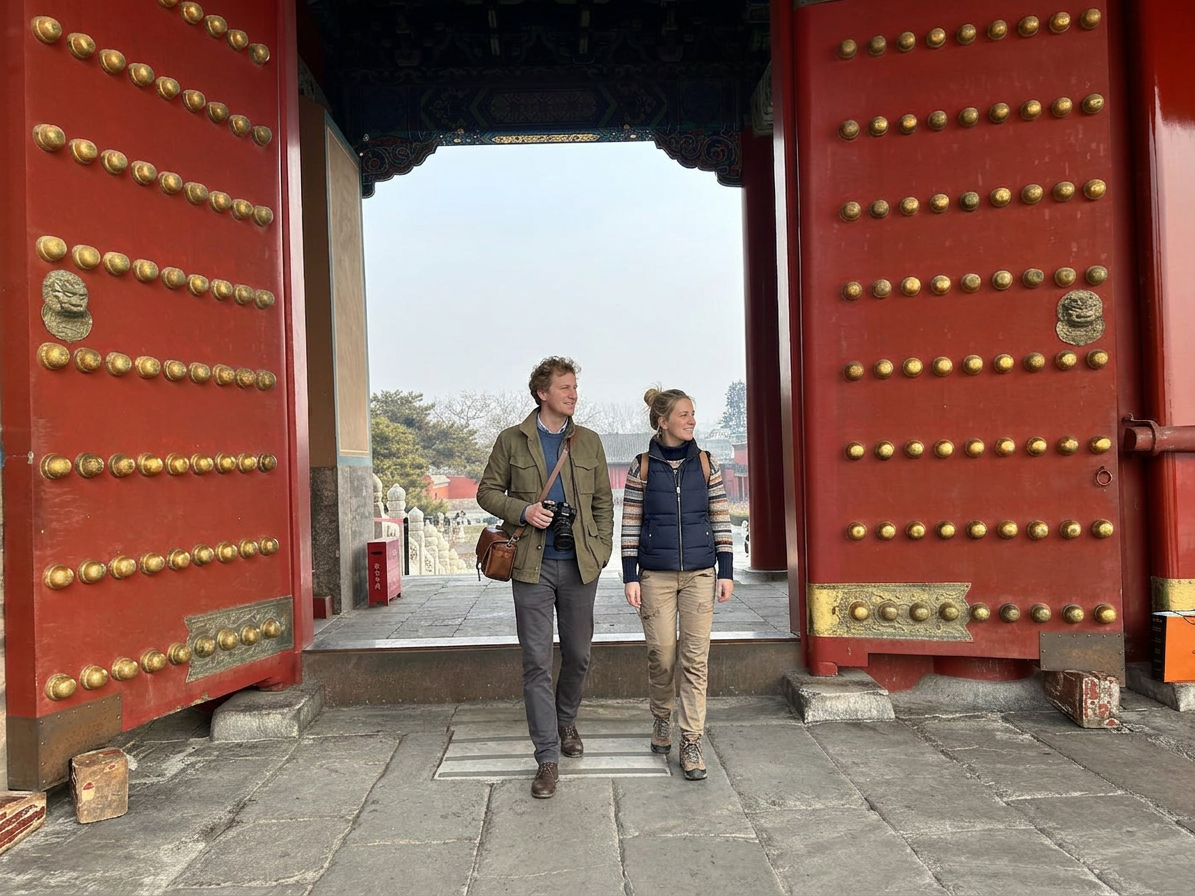
How Foreign Tourists Can "Be Chinese for a Day"
An immersive guide — from Beijing's hutongs to Guangzhou's teahouses — through China's major travel cities.
Beijing — A Slow Morning in the Hutongs
The soul of China's capital lives in its alleys and old men's morning rituals.
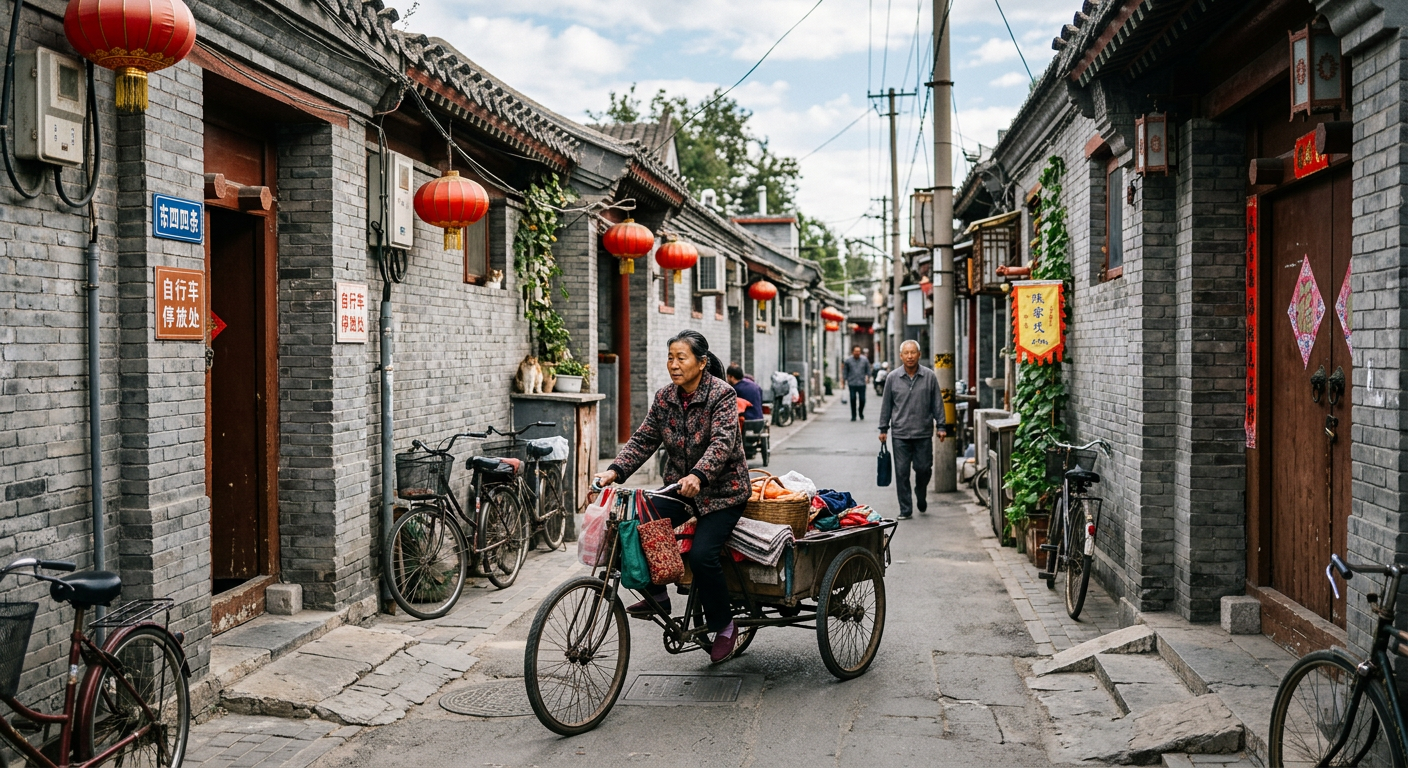
Exercise with the locals. The soul of Beijing lives in its hutongs. By 6:30 a.m., parks like Ditan and Jingshan are already buzzing — tai chi, sword dancing, opera singing, diabolo. Don't just watch; join in. An old man will likely smile and correct your form — a better icebreaker than any tour guide.
A bowl of douzhi as a rite of passage. Dare to try fermented mung-bean juice with fried dough rings (jiaoquan)? It's a Beijinger's "taste ID card." Then slip into the small alleys off Nanluoguxiang and watch residents set out rattan chairs and plant pomegranate trees.
Crosstalk = half a book of street life. Catch a crosstalk show at a small theater. You won't get every line, but feel the warmth of the back-and-forth — and you'll understand why Beijingers live life with such flavor.
Xi'an — A Han-Tang Dream Across the Millennia
Where the ancient capital lets you step inside its own history.
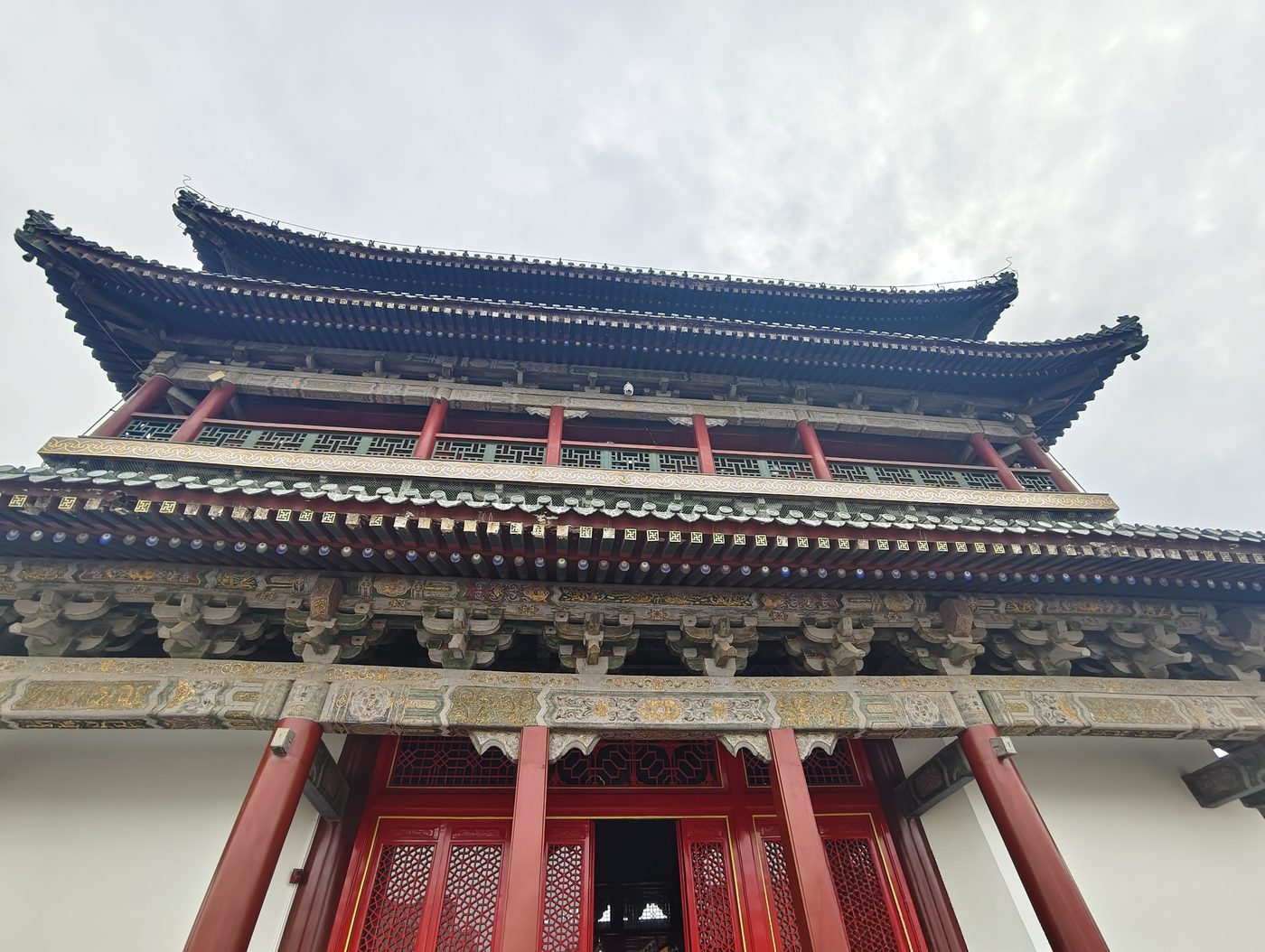
Cycle the city wall. At dawn the wall is quiet and cool. Rent a bike and loop the 600-year-old ramparts with the modern city below — a "then-and-now" frame only Xi'an offers.
Roujiamo and the Hui Street buzz. Don't fear the tourist crowds on the Muslim Quarter; go deeper. Get a cured-pork sandwich and a hand-torn lamb soup (paomo) — tear the bread yourself for authenticity — and chat with the boss in Shaanxi dialect.
Tang costume at the Grand Tang Ever-Bright City. Xi'an is among the most hanfu-friendly cities. Rent a Tang outfit, stroll the neon-lit zone with palace ladies and whirling dances — you're not visiting history, you're in it.
Chengdu — Comfort Is the Real Business
The capital of leisure, where doing nothing is a serious skill.
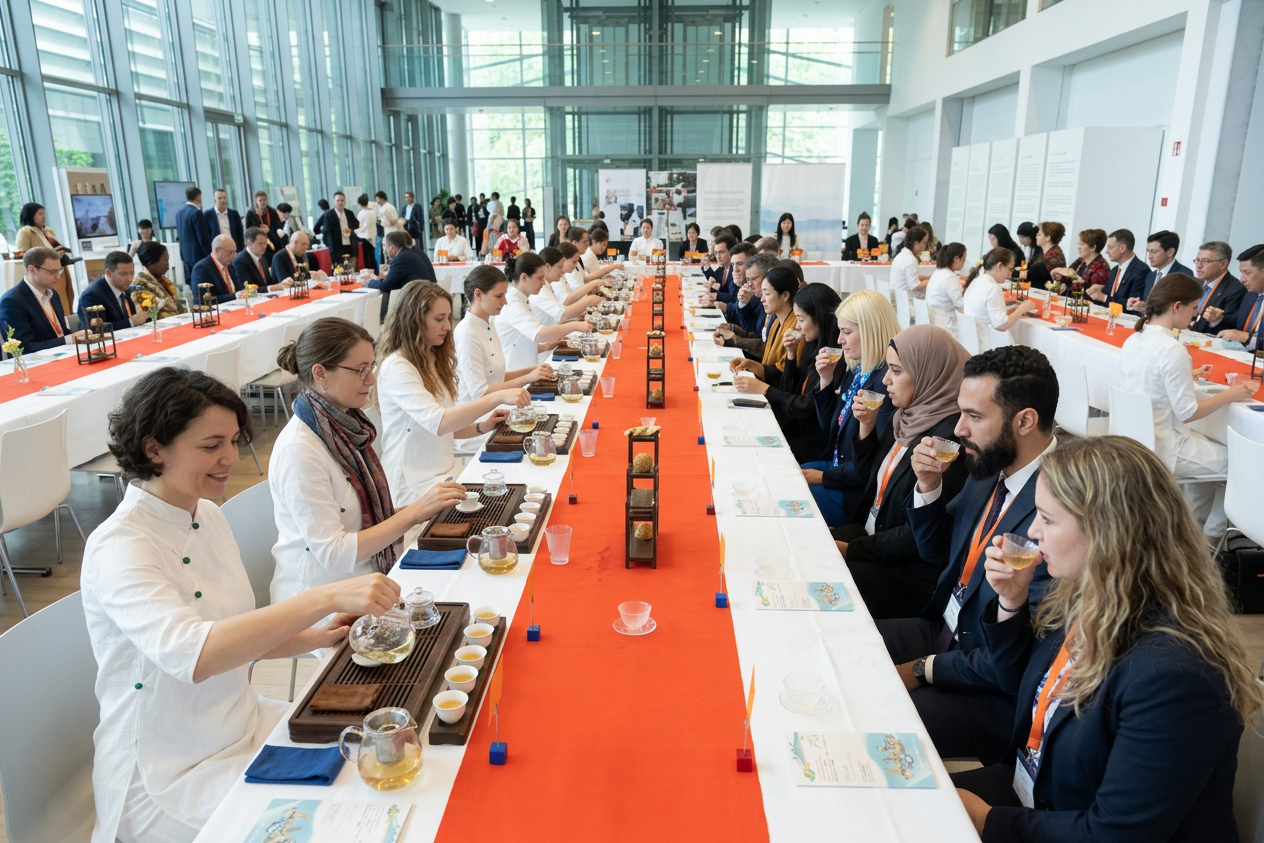
Teahouse philosophy in People's Park. A Chengdu day starts with tea. Order a bowl of gaiwan tea, sink into a bamboo chair, watch ear-cleaning, birds, panda toys. Chengdu "slow" isn't laziness — it's wisdom.
Panda base therapy. Go early when pandas are most active. Watching them chew bamboo dissolves worries worldwide.
A hotpot feast. Hotpot is about gathering — friends around a red broth, sweating and chatting. Spicy? Order the twin pot; nobody laughs at you.
Mahjong and the neighborhood. If invited to mahjong, say yes. Winning doesn't matter; the vibe does.
Hangzhou — A Poetic Jiangnan Day
The gentle watertown that Chinese poets could never leave.
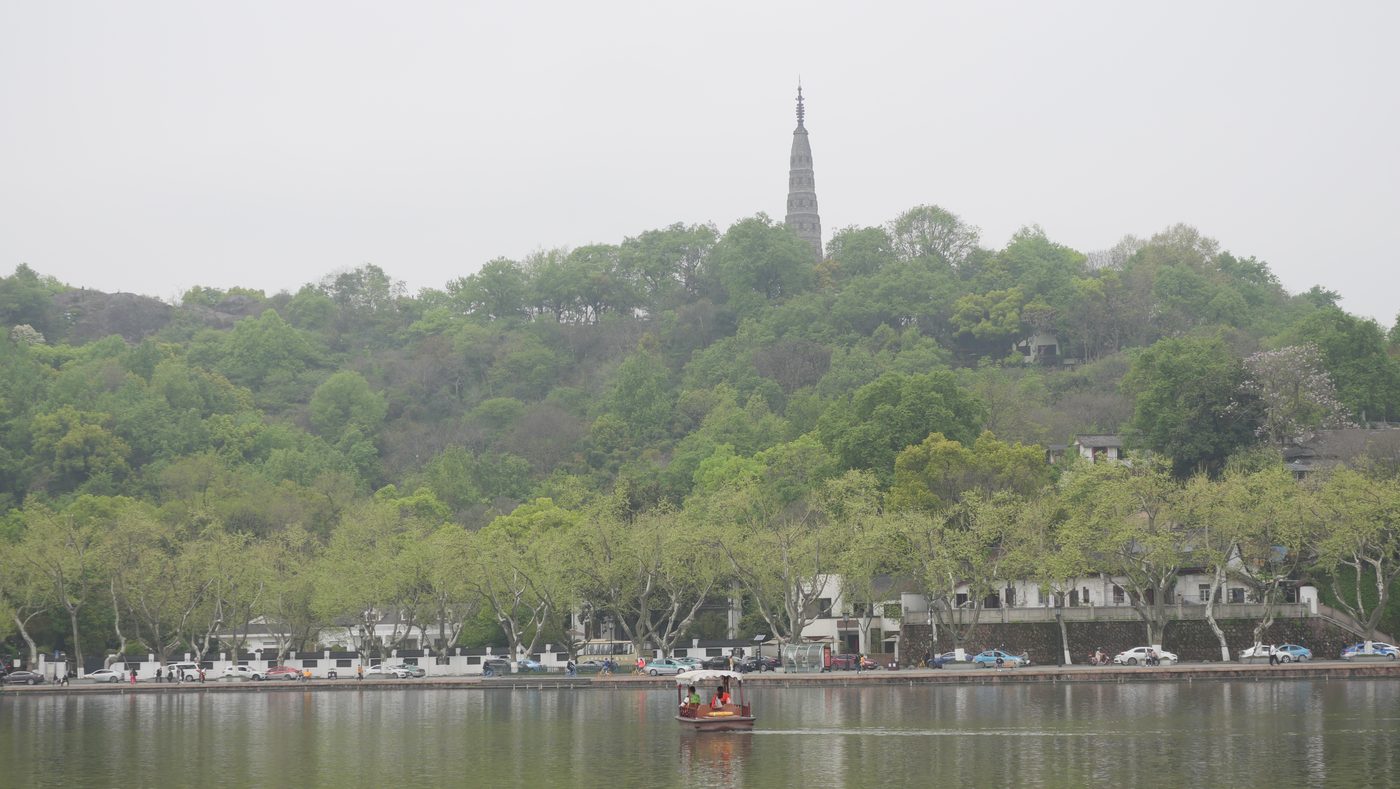
Jog or stroll by West Lake. Locals love morning exercise on Su Causeway and Bai Causeway. Run a lap with them, watch the misty Broken Bridge and the lotus in morning light, and you'll understand why Chinese literati could never walk away from Jiangnan.
A cup of pre-Qingming Longjing at the village. Take a car to Longjing Village or Meijiawu, find a tea farmer, brew a fresh cup of pre-Qingming Longjing. The farmer will chat about the hills, the rain, the leaves — that's the real way to drink "tea."
A slow boat on the Grand Canal. Don't just tour West Lake. Take a stretch of canal cruise, see the old factories turned creative parks, old bridges, old docks — feel the gentle old side of this "e-commerce capital."
Dalian — A Romantic Day by the Northern Sea
A port city where Russian and Japanese architecture meet sea breeze.
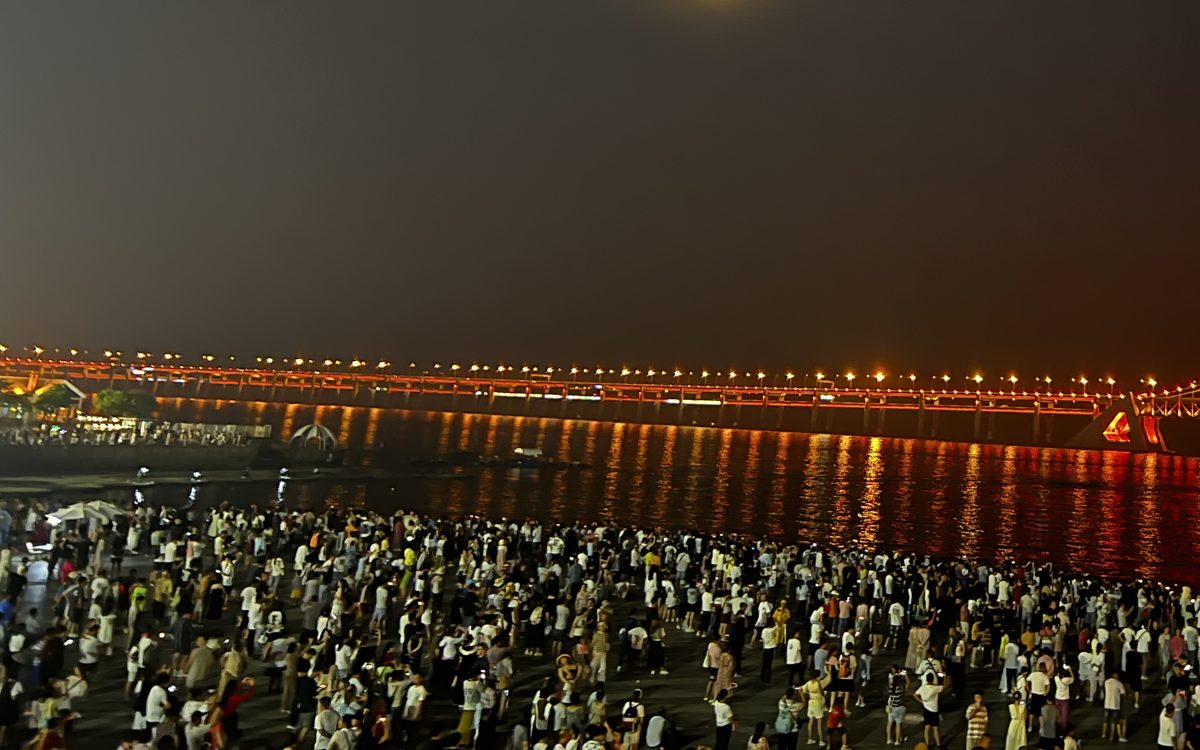
Seaside exercise. At dawn head to Xinghai Square or Binhai Road, walk a stretch with locals jogging and tai-chi-ing; feel the city's openness and romance in the sea breeze.
The old tram. Ride the vintage tram (Line 201) through Russian- and Japanese-style buildings — see where its "foreign flair" comes from, a port city once steeped in many architectural styles.
Seafood, buy-and-cook. At Xinchangxing Market pick sea urchins and crab, have a small shop cook them; don't miss the few-yuan dalian menzi (pan-fried sweet-potato starch).
Barbecue and beer. At night find a barbecue joint, grilled seafood with beer, listen to neighbors chat in Northeastern dialect — bold and direct.
Urumqi — A Silk Road Day Beneath the Tianshan
China's northwest crossroads, where many cultures share one table.
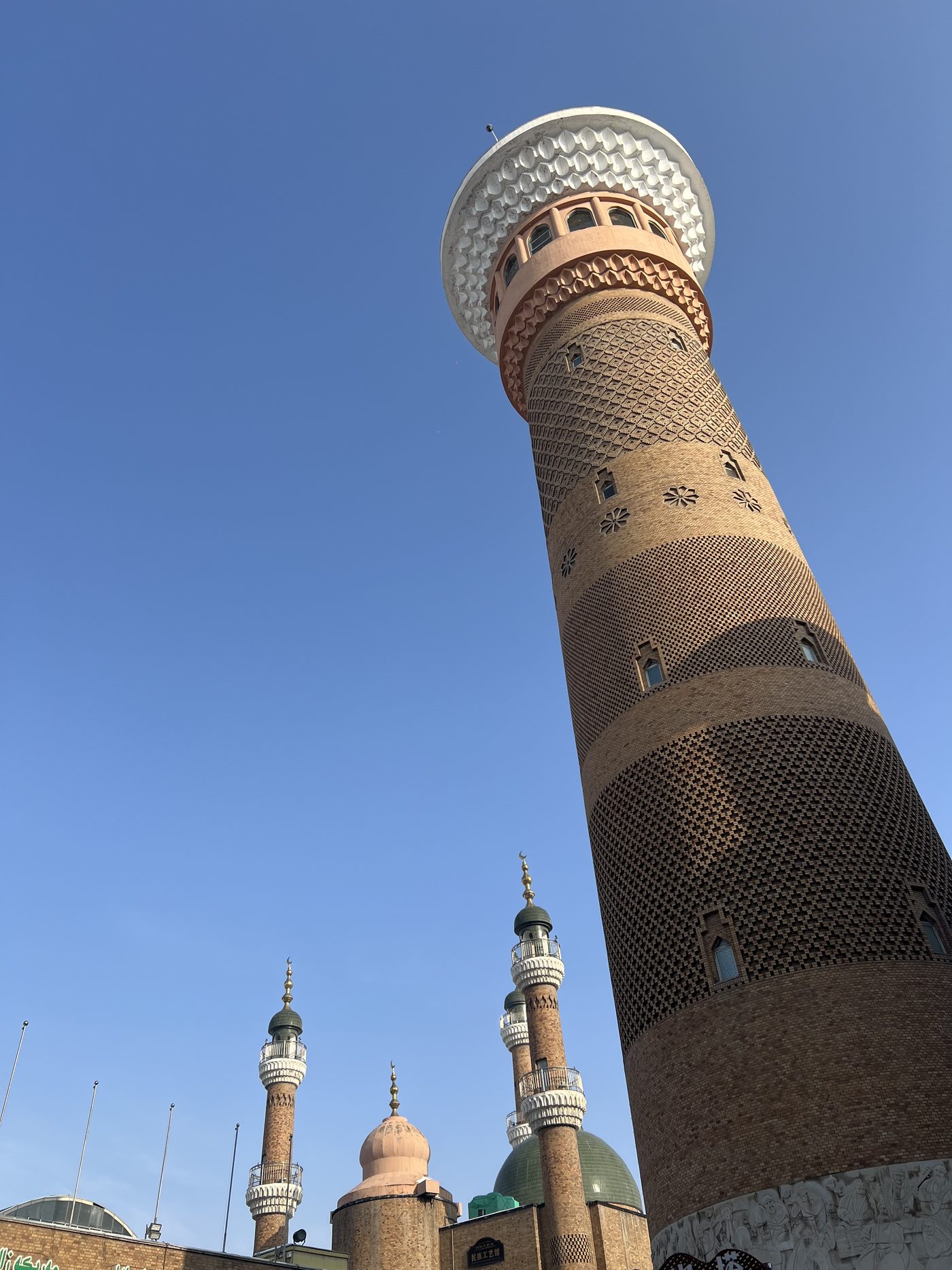
Milk tea, naan and baozi. Salty milk tea with fresh naan and thin-skinned baked buns is the most ordinary Urumqi start.
The International Grand Bazaar. At Erdaoqiao's bazaar, dried fruits and spices pile high, multi-ethnic vendors call out — first breathe in the cumin and rose.
Pilaf and the museum. Hand-pulled rice (polu) or noodles for lunch; afternoon at Xinjiang Museum for Silk Road relics; if energetic, head to Nanshan Pasture for a first glimpse of the Tianshan.
Night-market skewers and Wusu. Red-willow kebabs and Hami melon with a Wusu beer, multi-ethnic tables sharing food — the city's most moving warmth.
Guangzhou — A Lingnan Day Over a Cup of Morning Tea
Heart of Lingnan culture and a thousand-year trading city — pragmatic, unhurried.
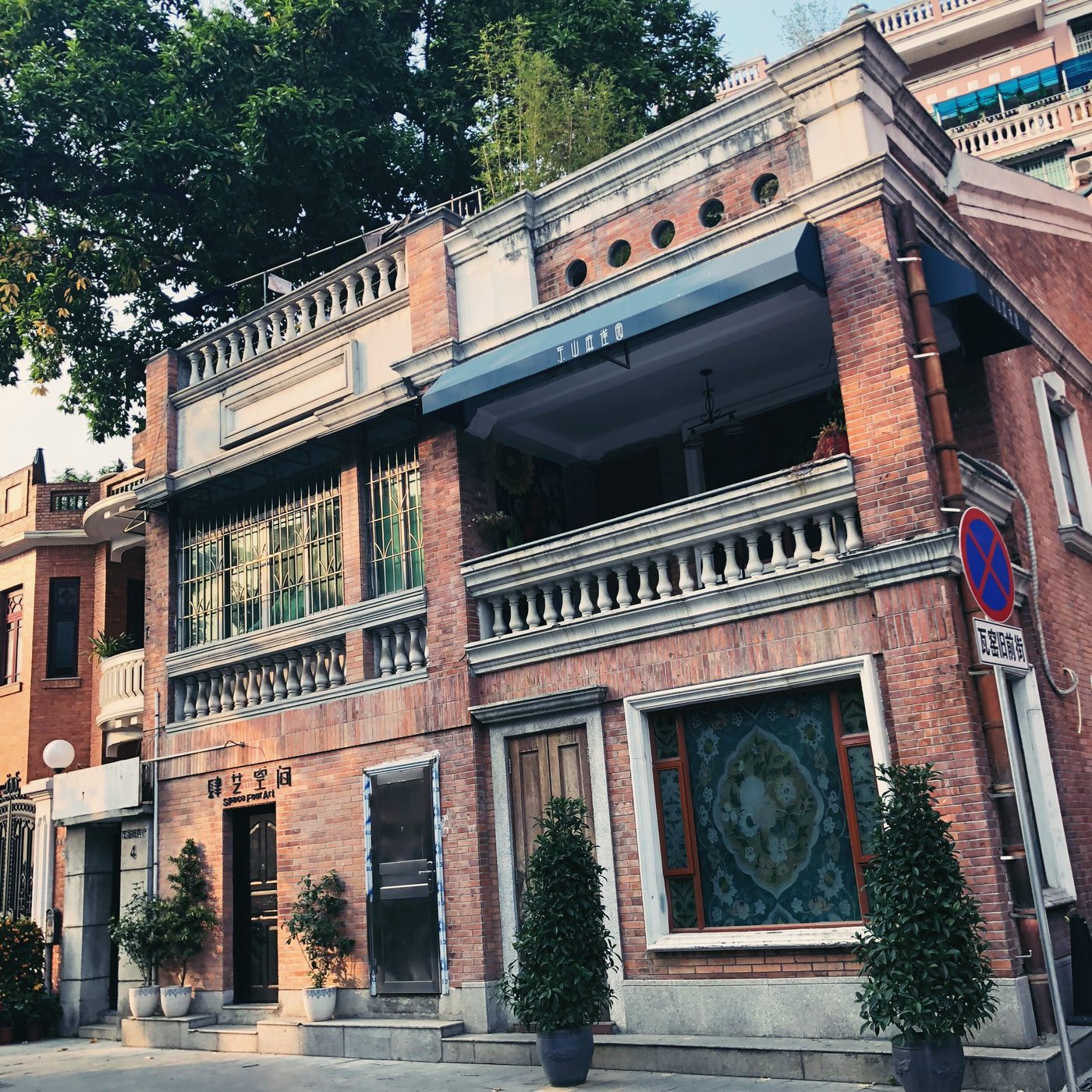
Morning tea, "one pot, two pieces." Find an old teahouse, order a pot of tea and two baskets of dim sum (shrimp dumplings, siu mai). The elderly next door may chat from morning to noon — that confidence to "waste time" is uniquely Lingnan.
Arcade streets and herbal tea. Walk the qilou arcades of Shangxiajiu or Yongqing Fang, listen to Cantonese. Stop for a bowl of baysha herbal tea — bitter first, sweet later, Guangzhou's wellness philosophy.
By the Pearl River with wonton noodles. Stroll the riverside, then lunch on rice-noodle rolls or wonton noodles — cheap and comforting. Guangzhou's "pragmatism" is in getting three meals a day just right.
Late-night sweet soup. The night ends with congee or a bowl of sweet soup (mango sago, double-skin milk) — unhurried, the city's true rhythm.
Practical Tips for "Being Chinese for a Day"
- Master mobile payment. WeChat Pay and Alipay cover almost everything. Link an international card before you go — even street stalls take QR codes. This is the first step to "being Chinese."
- Download Gaode / Baidu Maps. Bus, metro and walking navigation all rely on it. Guangzhou has a great metro, often faster than a taxi.
- Three phrases are enough: "xièxie" (thanks), "duōshao qián" (how much), "hǎo chī" (delicious). Chinese people can't hide their smiles when a foreigner speaks Chinese.
- Don't fear being "taken care of." Chinese are generally friendly, even warm, to foreigners — being asked directions, sharing a table, offered fruit is normal. Just accept it.
- Avoid pure-tourist traps. Every city has commercial streets built for photo-ops. Walk 500m into the residential area and the flavor changes instantly.
"Being Chinese for a day" isn't hard because of language or distance — it's about willing to swap from "observer" to "liver of life."
Beijing's slowness, Xi'an's depth, Chengdu's ease, Hangzhou's elegance, Dalian's romance, Urumqi's diversity, Guangzhou's pragmatism — together they form a complete China. When you stop photographing through glass and instead sit at a hutong corner with a bowl of soy milk, chatting about the weather with an elderly stroller, in that moment you are already "Chinese."
The highest form of travel: not how many sights you've seen, but having lived someone else's day.