Overview & History
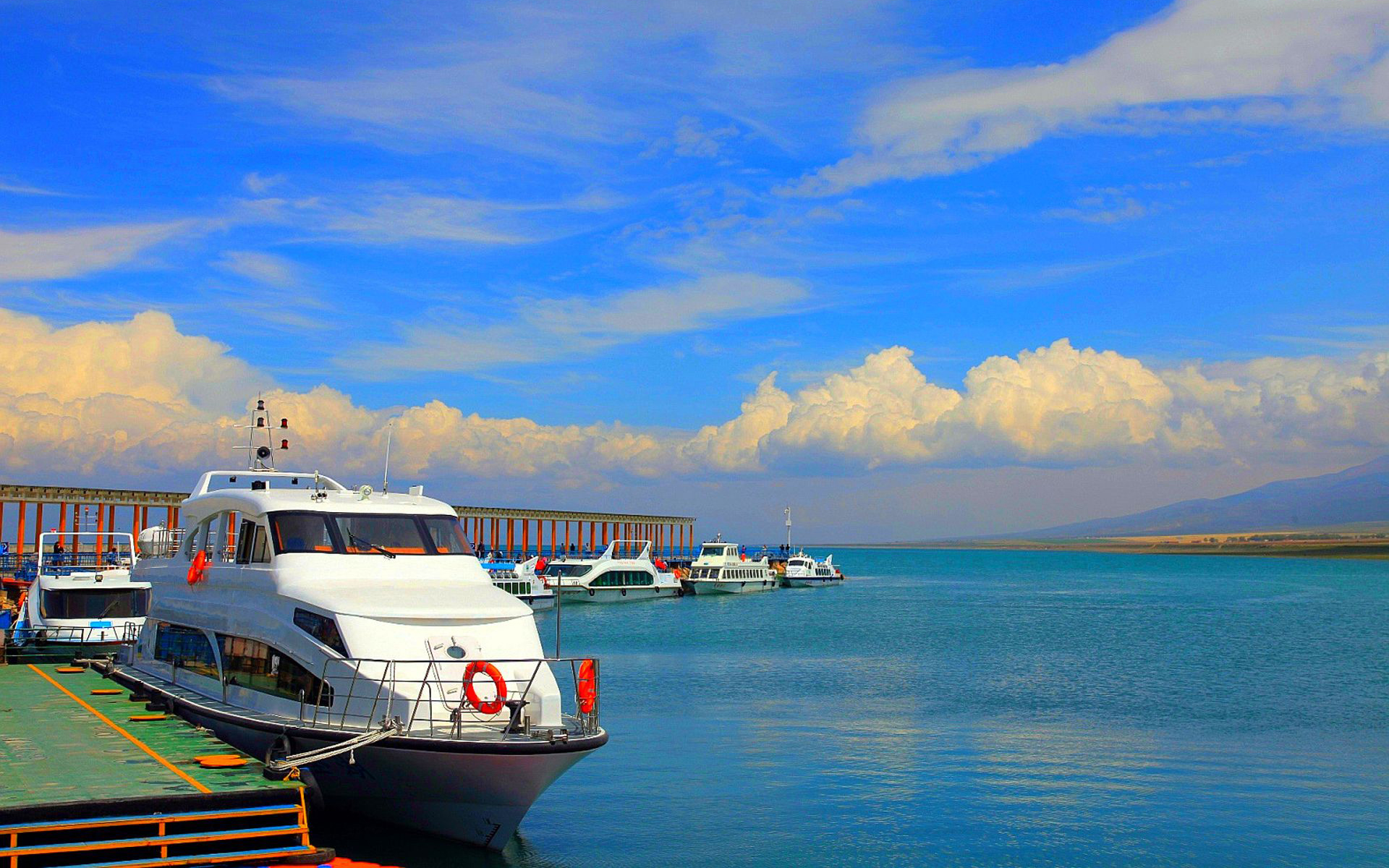
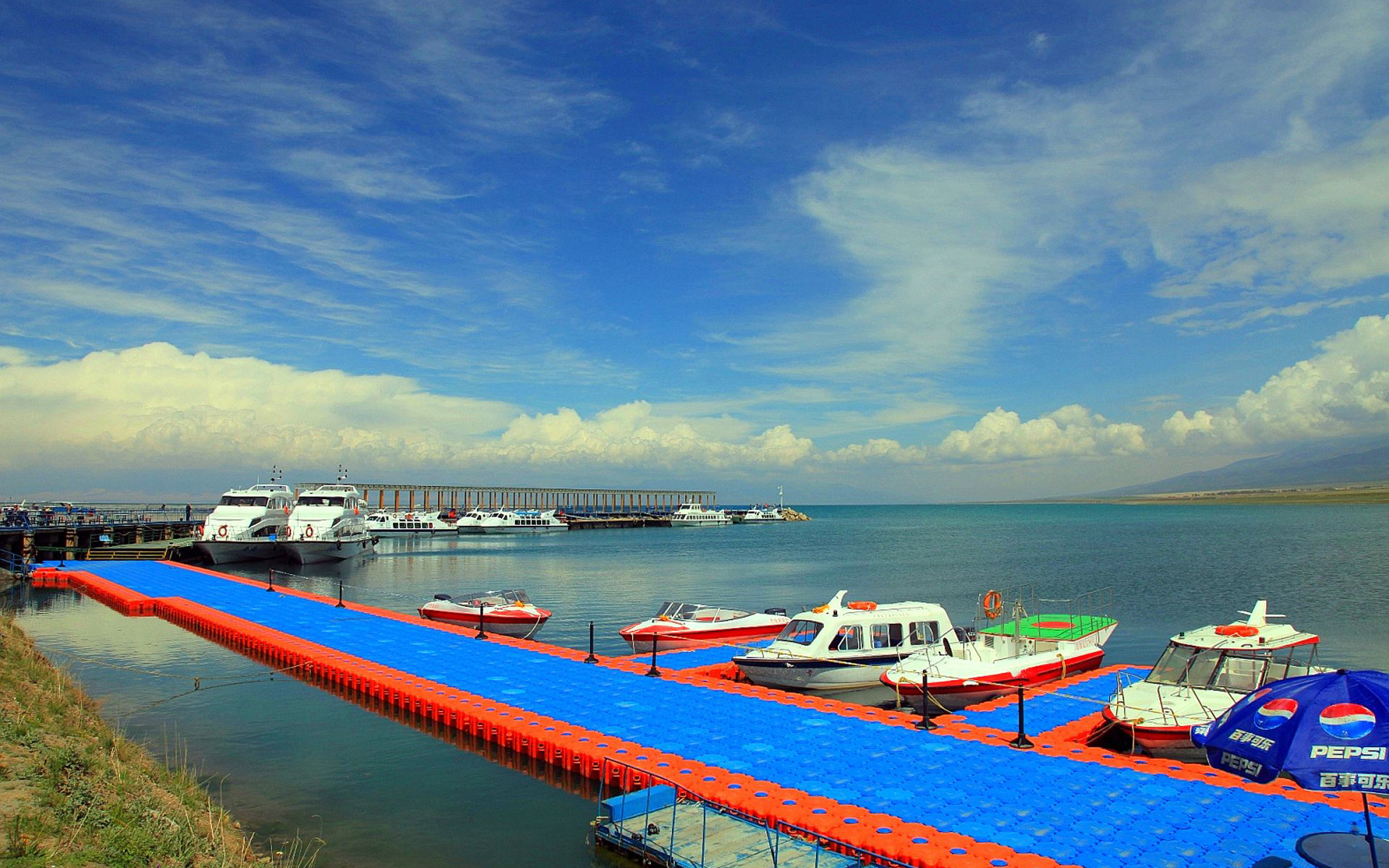
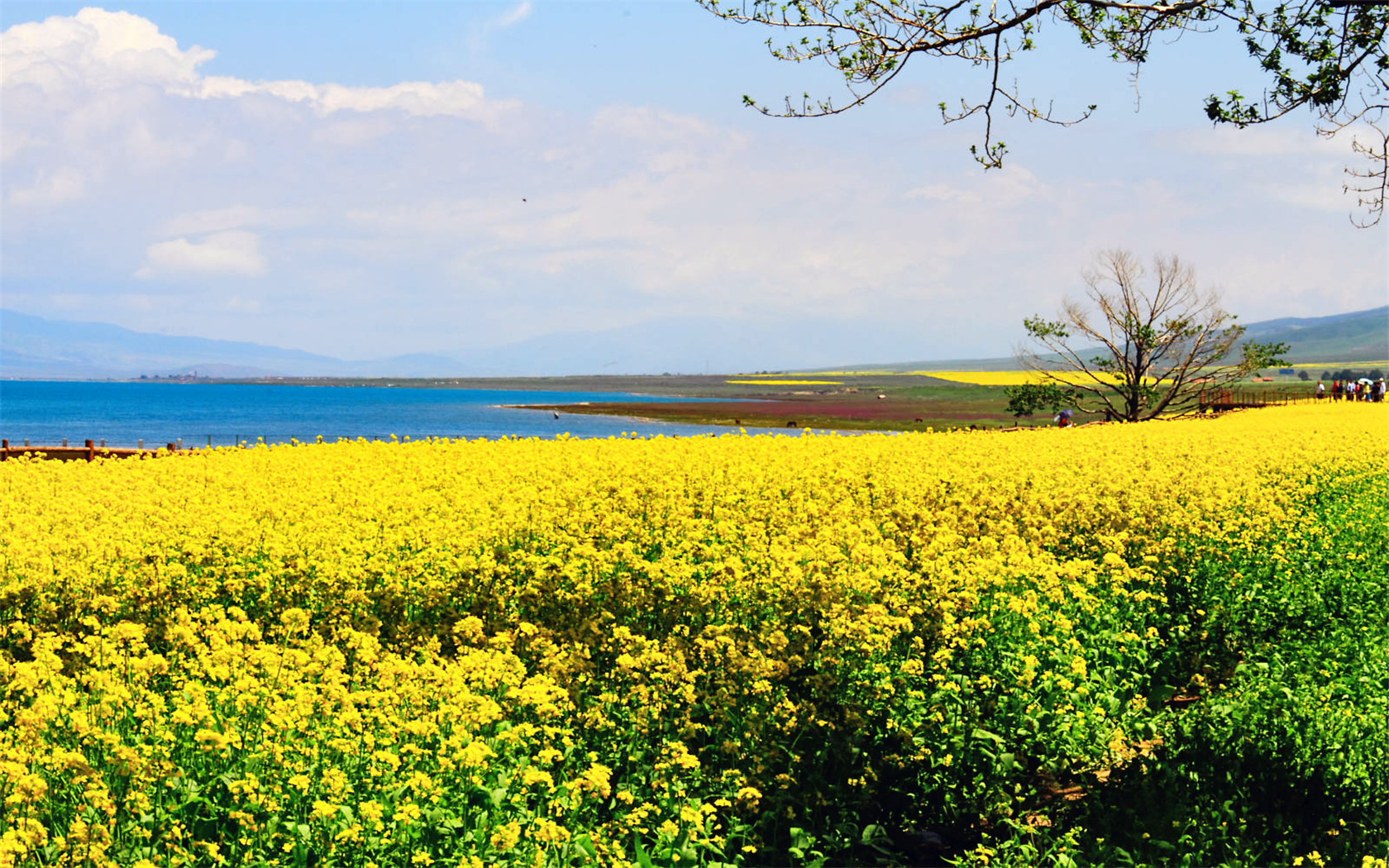
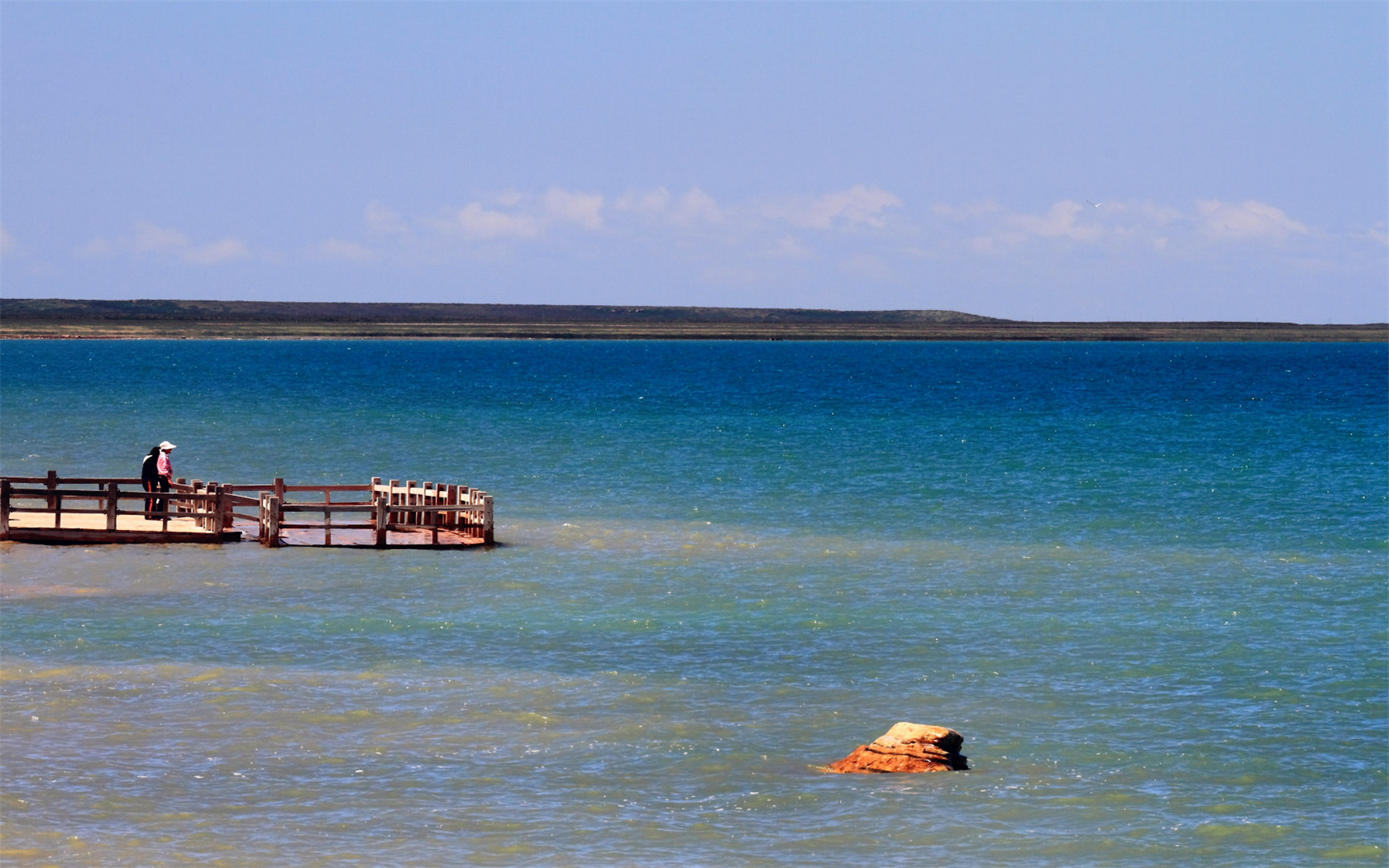
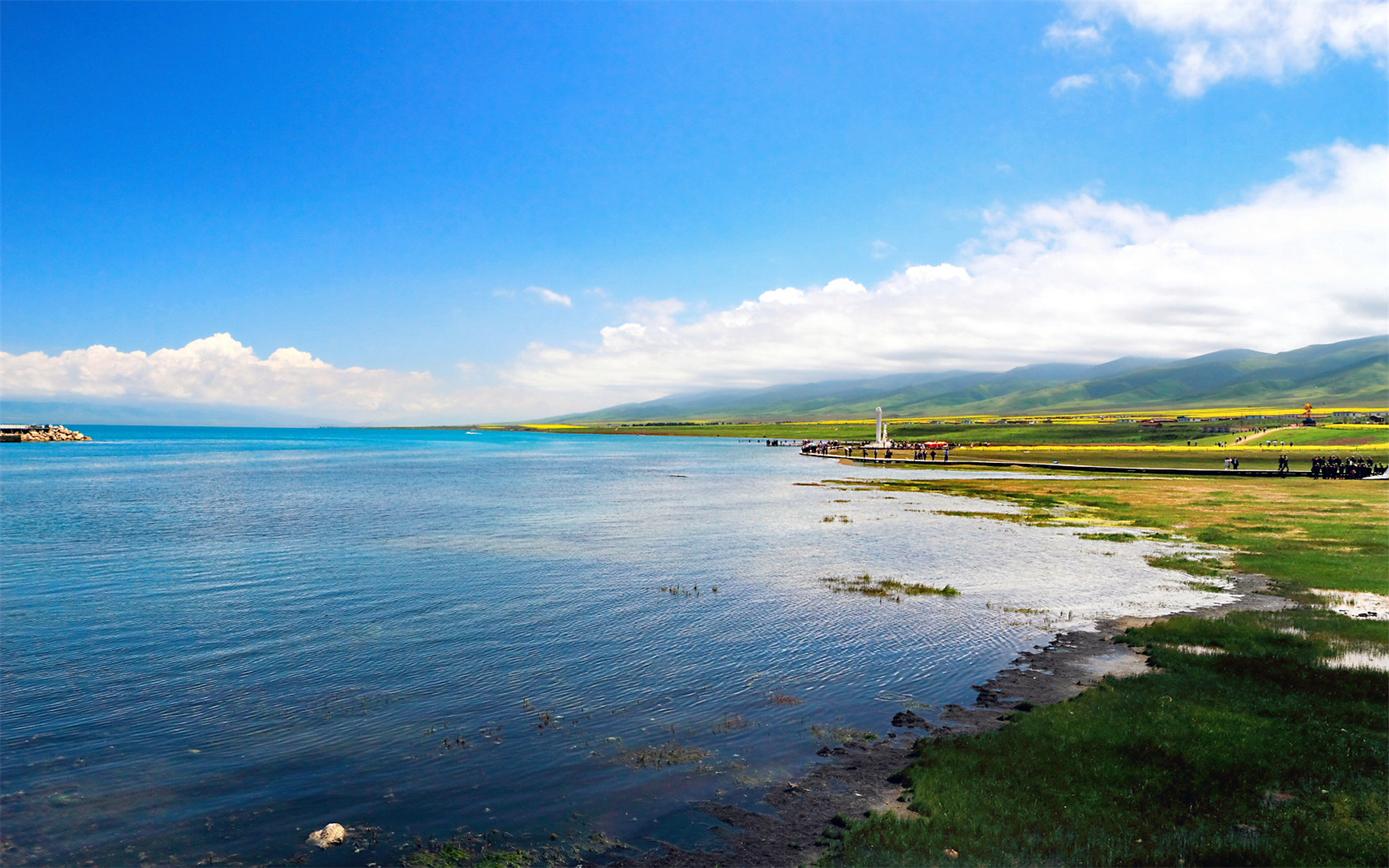
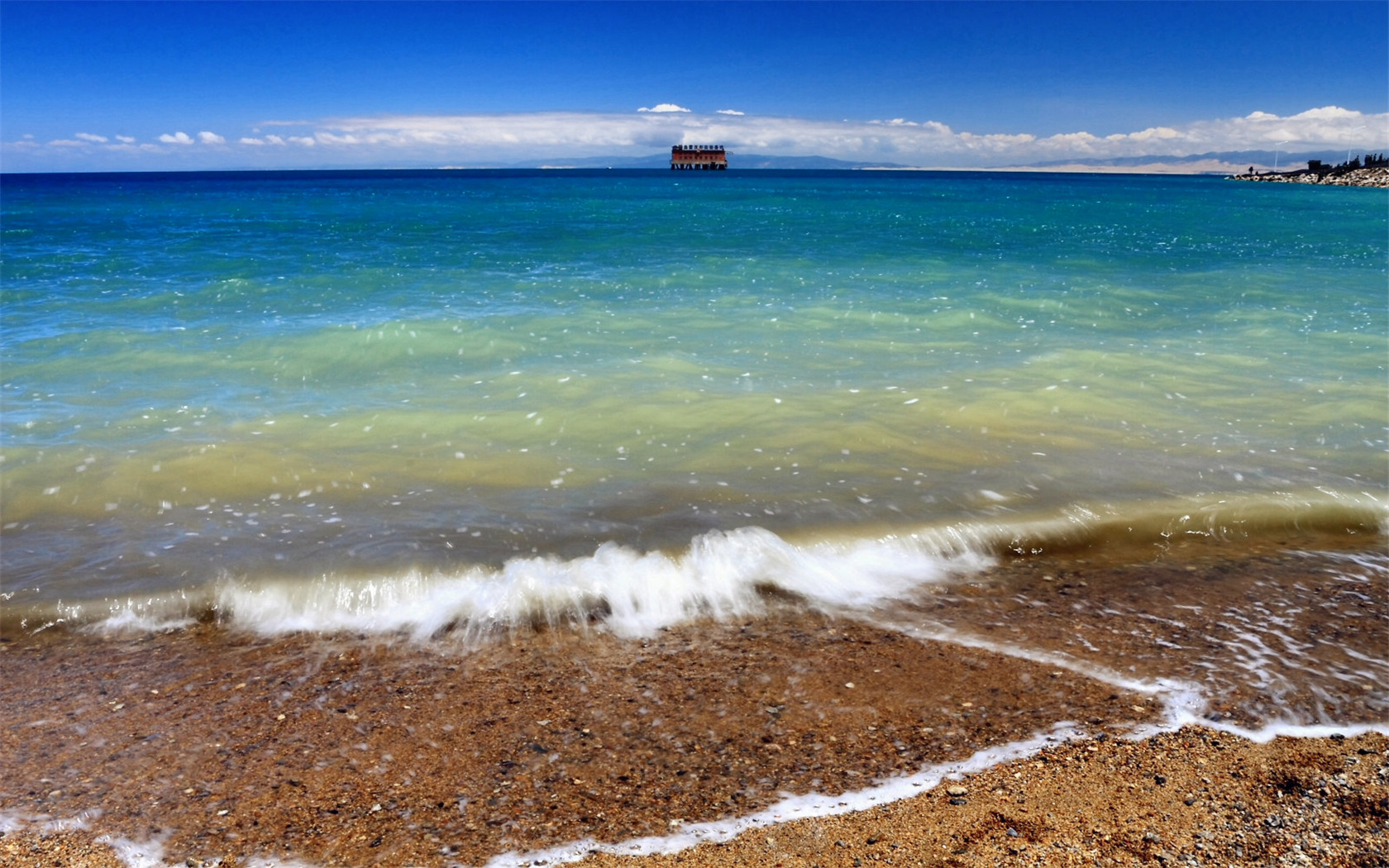
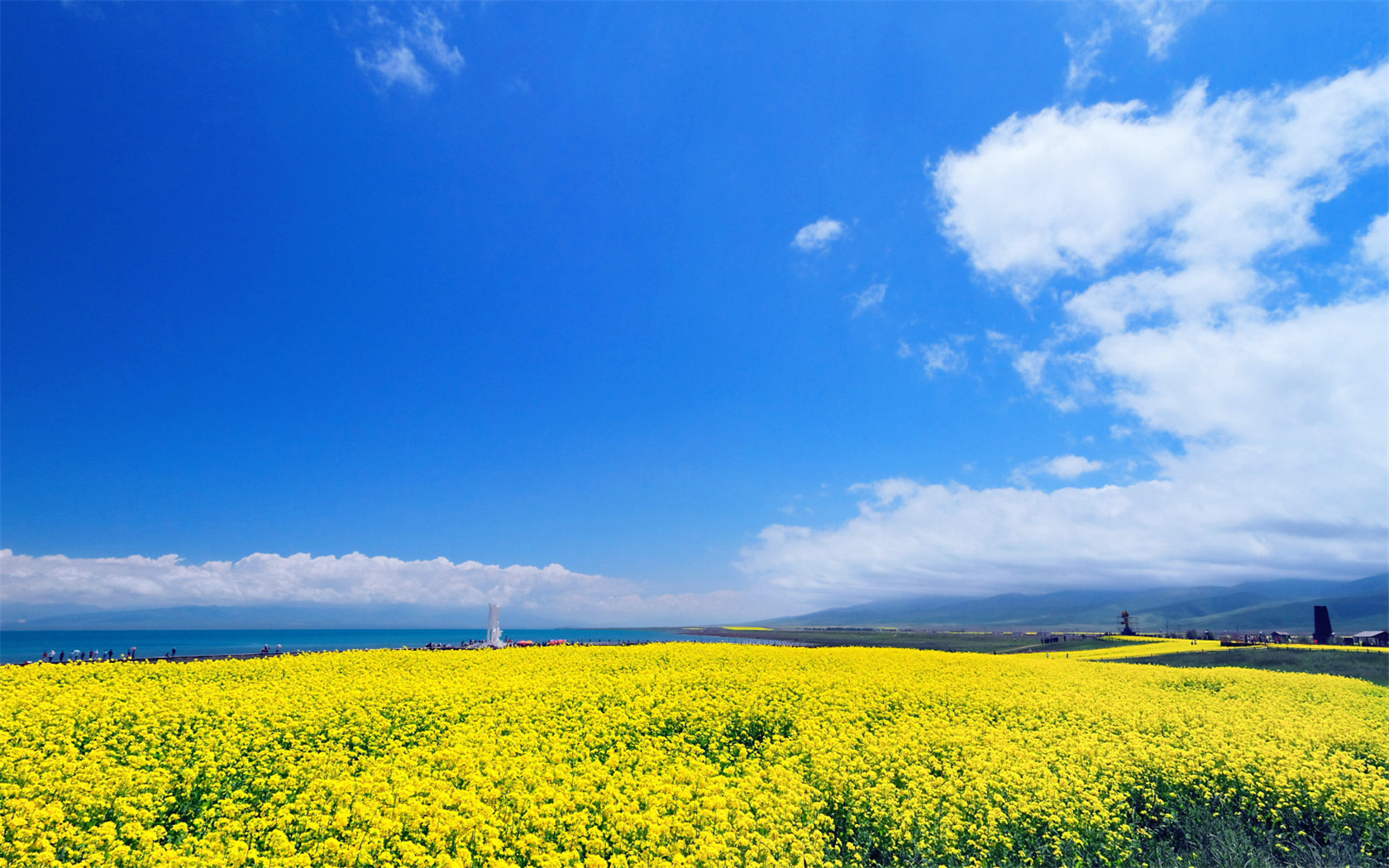
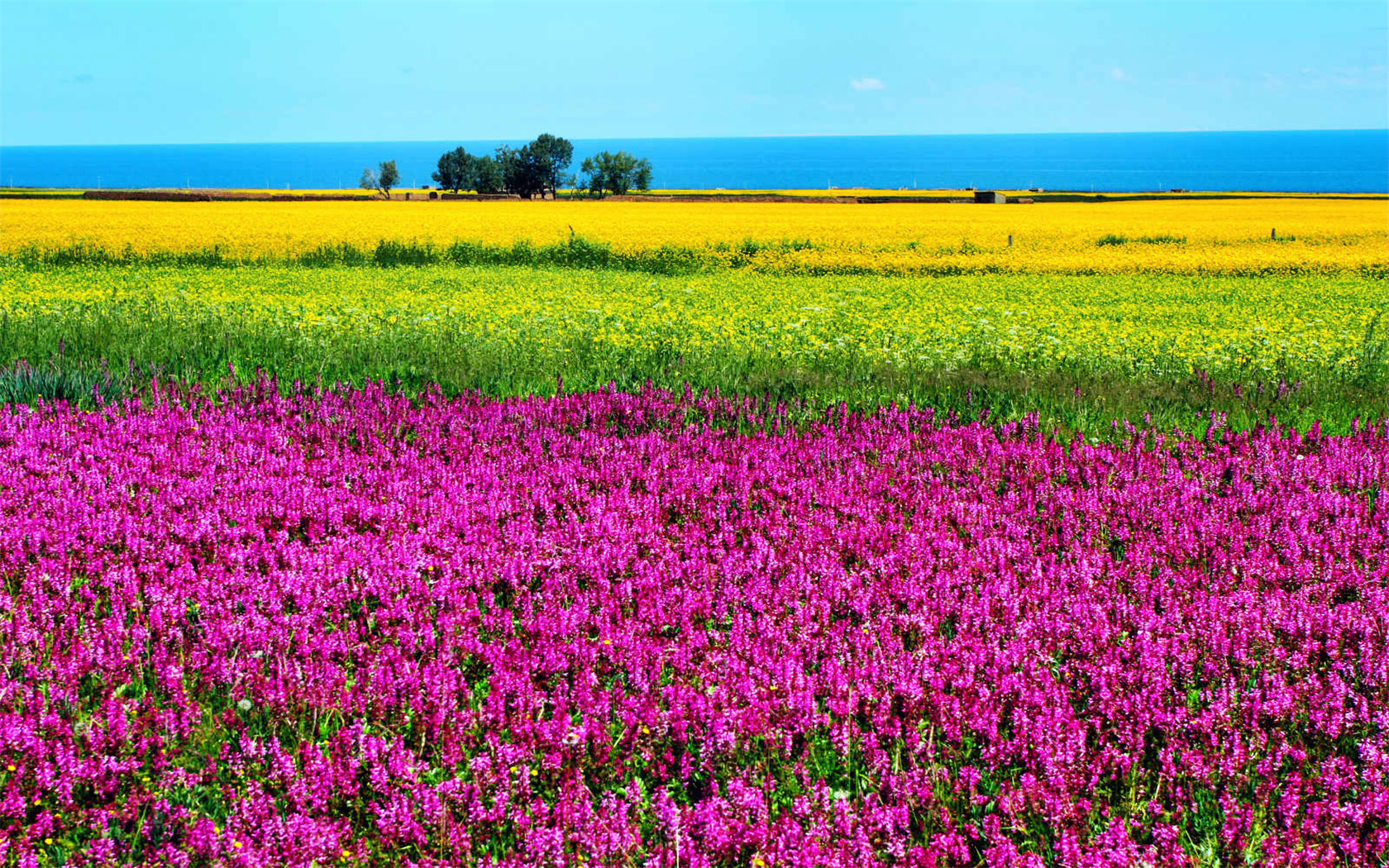
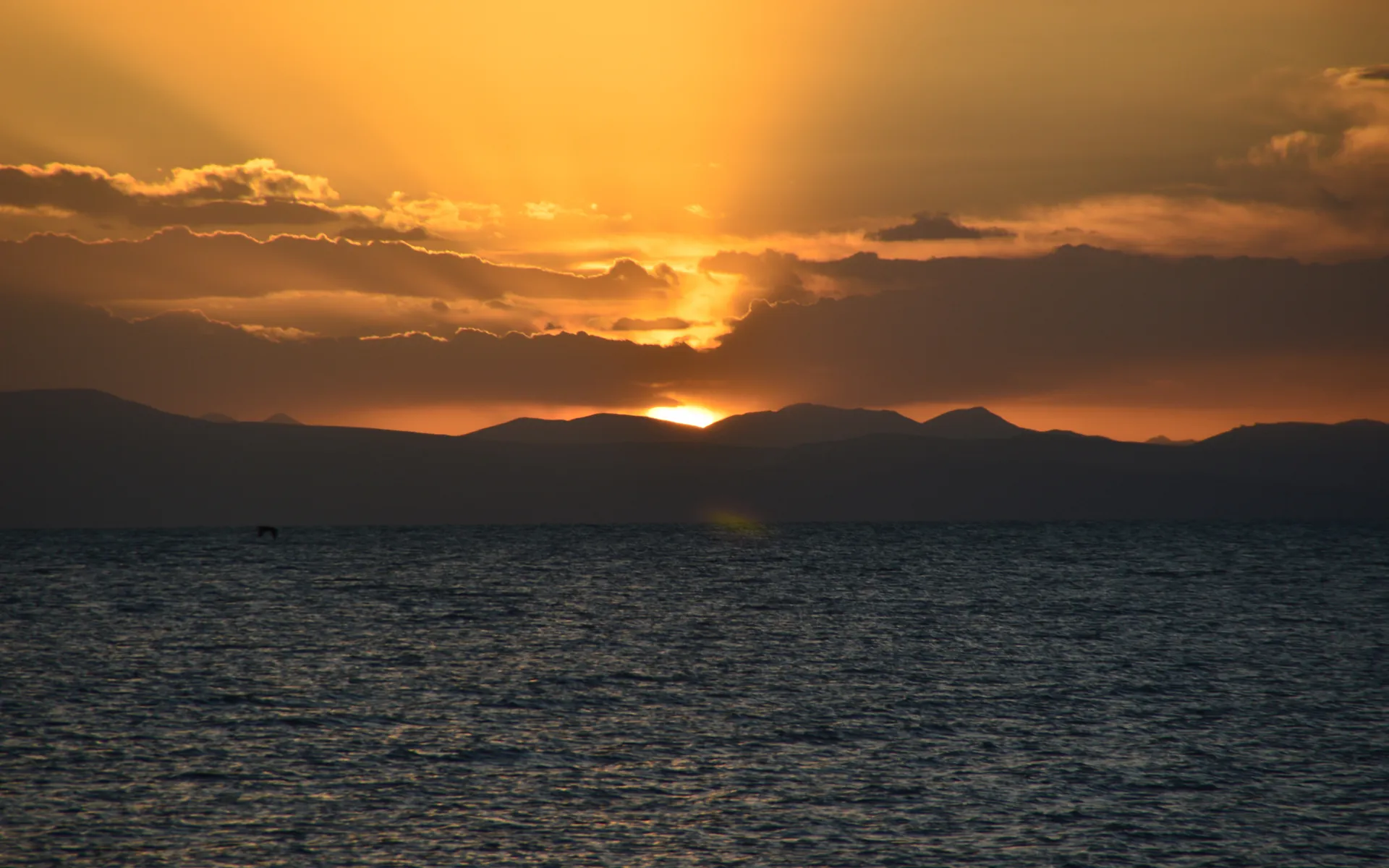
Nestled on the northeastern edge of the Qinghai-Tibet Plateau, Qinghai Lake (known as "Kokonor" in Mongolian and "Tso Ngonpo" in Tibetan, meaning "Blue Sea") is China's largest inland saltwater lake. Surrounded by four towering mountain ranges, this vast azure expanse has been a sacred site for centuries. Ancient legends tell of Princess Wencheng casting away her magical "Sun and Moon Mirror" here, while local folklore speaks of the Dragon King's youngest son summoning 108 rivers to fill the lake. The region is predominantly inhabited by Tibetans (about 70% of the minority population), along with Hui and Mongol communities, whose traditions deeply color the landscape. Qinghai Lake's unique highland continental climate—with intense sunlight, long cold winters, and short cool summers—shapes both its stark beauty and the resilient culture of those who live along its shores.
Highlights & Activities
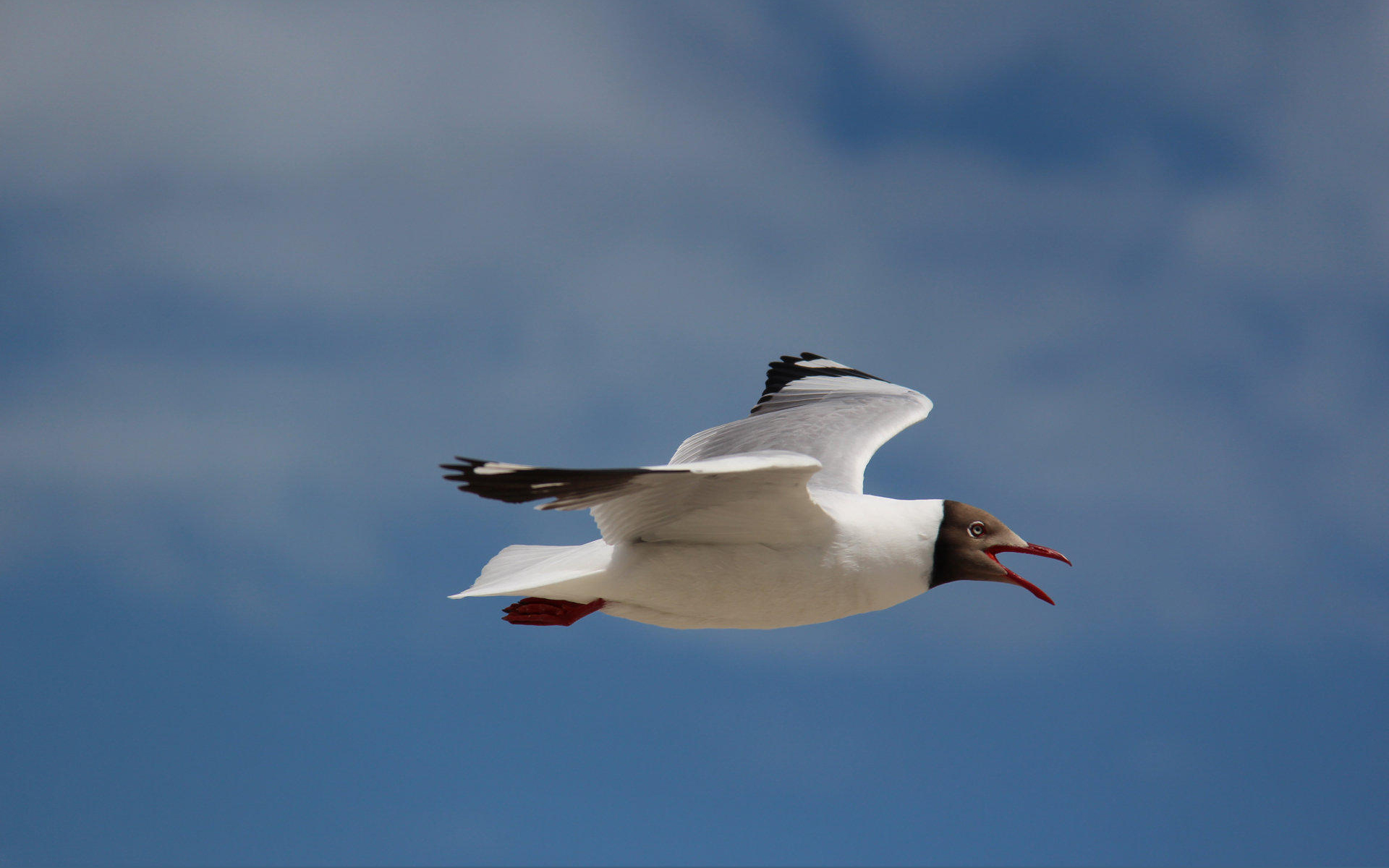
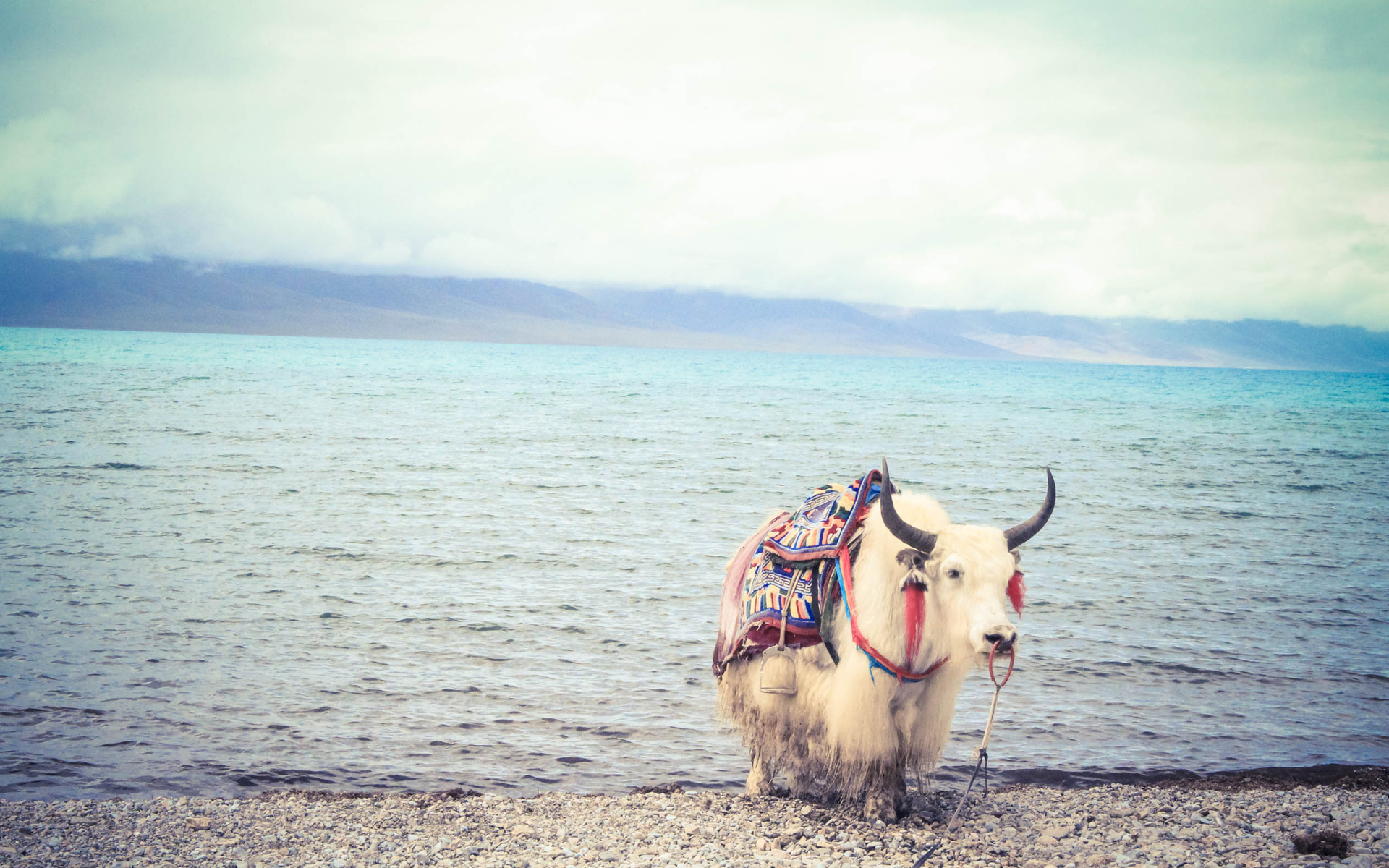
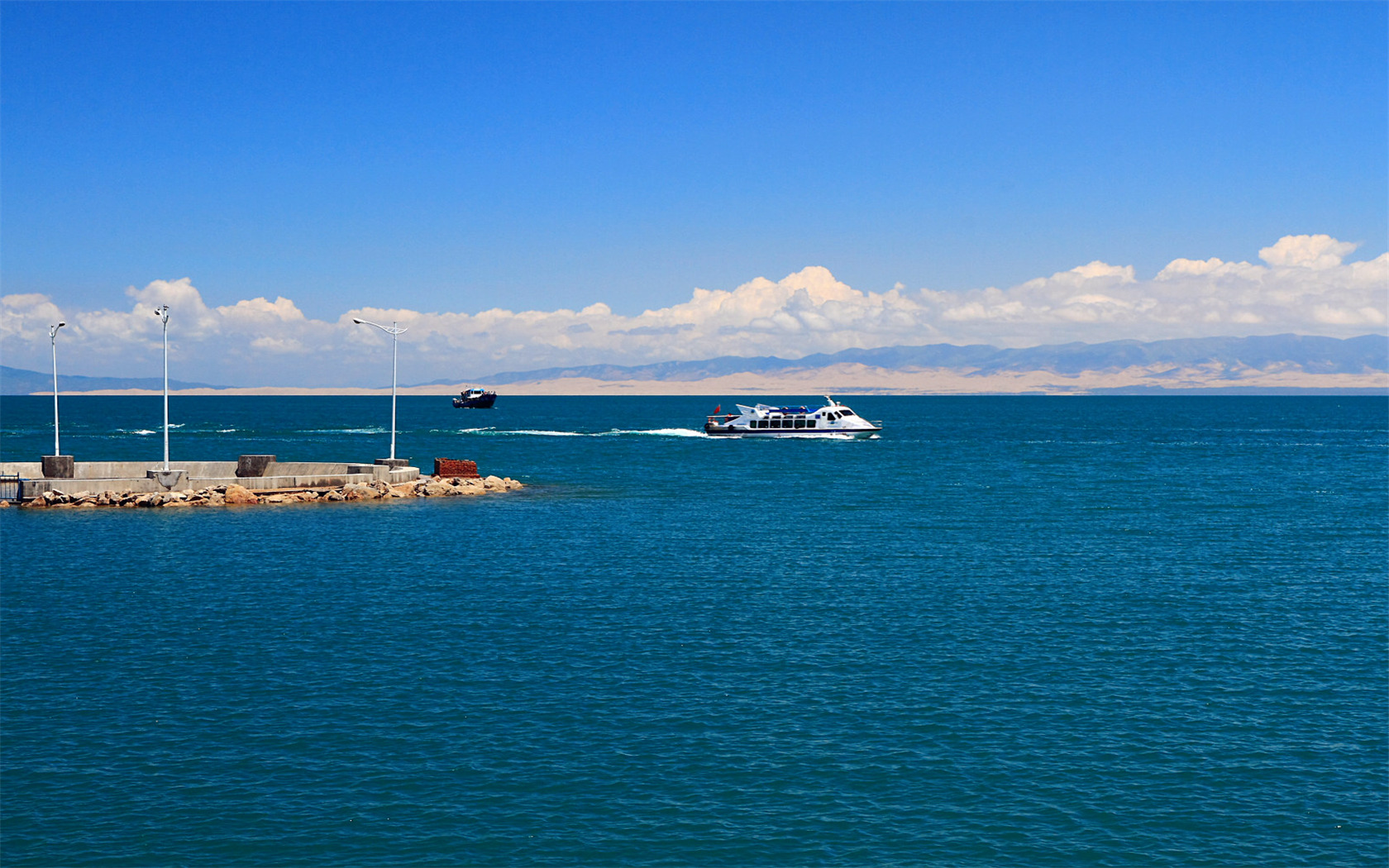
Qinghai Lake offers a wealth of experiences for every type of traveler. The annual Ring Qinghai Lake International Road Cycling Race (July–August) draws cyclists from around the globe, as the 360-kilometer loop around the lake is considered a mecca for biking enthusiasts. For a more leisurely pace, the Qinghai Lake International Sand Sculpture and Land Art Festival (June–October) at Sand Island showcases stunning eco-friendly artworks made from wood, stone, and cloth. Birdwatchers flock to Bird Island (best visited in May) to see thousands of migratory birds, while photography lovers will find endless inspiration in the shifting light over the lake's turquoise waters. Don't miss the chance to witness a traditional Lake Worship Ceremony (originally a Mongol tradition, now also observed by Tibetans), especially during the sixth lunar month when local "Hua'er" folk song festivals fill the air with melody.
Key Attractions Nearby
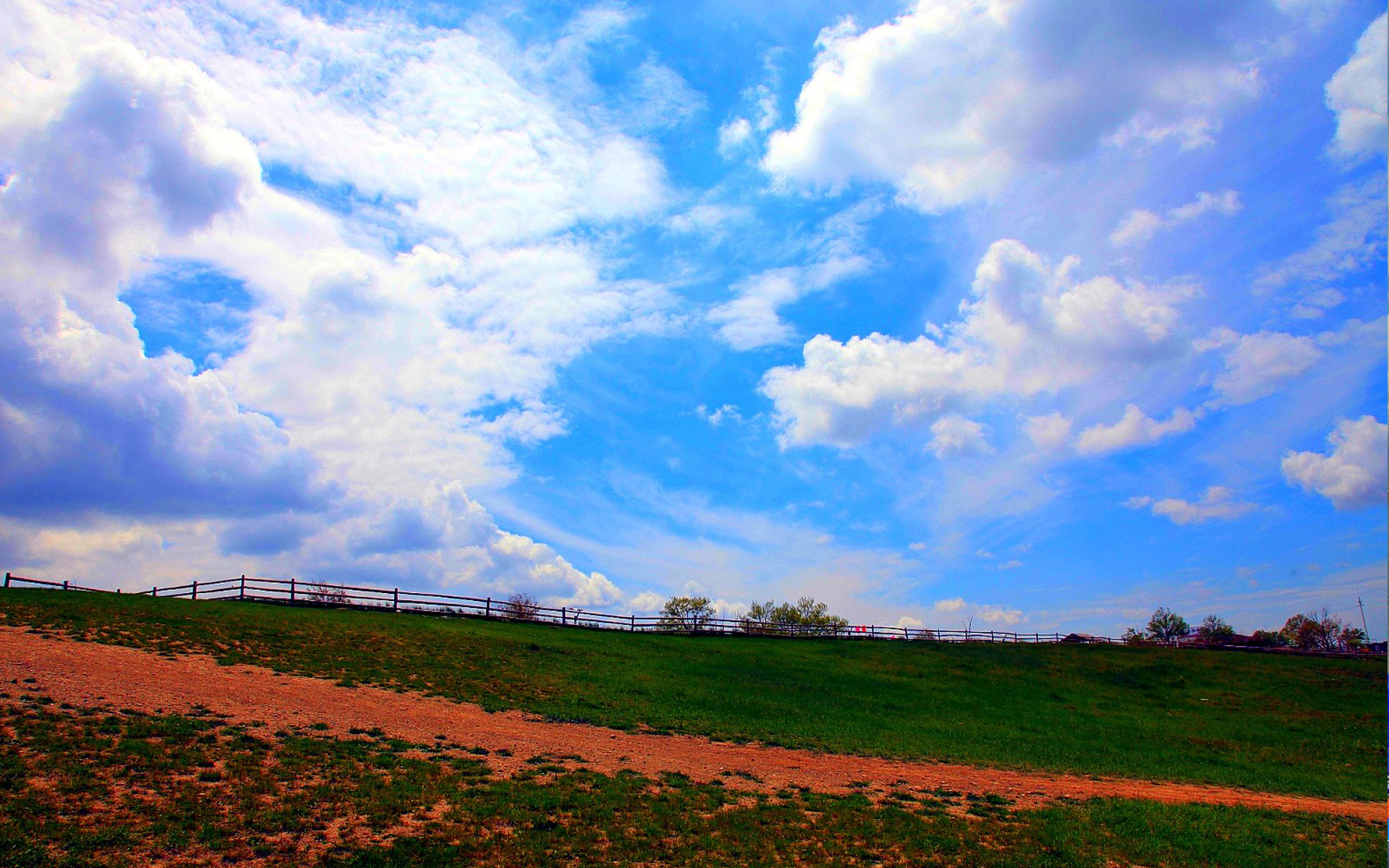
Beyond the lake itself, several remarkable sites await. Chaka Salt Lake, often called China's "Mirror of the Sky," offers surreal reflections of the clouds above. The Sun and Moon Mountain Pass (Riyue Shan) provides panoramic views and is steeped in the legend of Princess Wencheng. On the return to Xining, stop at Jinyintan Grassland (Golden and Silver Beach) for horseback riding, and visit the Atomic City (Xihai Town) where China's first atomic and hydrogen bombs were developed. The town's old dormitories, with 50-cm-thick walls built to withstand 8-magnitude earthquakes, now house the Qinghai Lake Cycling Camp—a quirky but memorable place to rest.
Where to Dine
Dining options around Qinghai Lake are rustic but rewarding. In 151 Base (Erlangjian Scenic Area), Jiangxi Gully, and Heima River Township, small eateries serve hearty Tibetan staples like tsampa (roasted barley flour), yak meat stew, and butter tea. Be aware that local hygiene standards can be basic, so eat cautiously. For a more comfortable dining experience, head back to Xining, where the Xining Qinghai Provincial Military Region Garden Hotel (4-star, from 400 RMB/night) is close to Wangfujing Department Store and a lively food street. The Qinghai Sangzhu International Youth Hostel (beds from 40 RMB) also has a Tibetan-style bar and organizes group meals. Note that many Tibetans traditionally avoid fish, chicken, and eggs—though this is changing—so be respectful when ordering.
Weather & Best Time to Visit
Qinghai Lake's highland climate means July and August are the most popular months, with warm days (15–25°C/59–77°F) but cold nights (often near freezing). These months also bring sudden rain, hail, and strong winds, so pack waterproof jackets, quick-dry pants, and sturdy shoes. Spring (April–June) is windy and prone to sandstorms, while autumn (September–October) offers crisp air and fewer crowds. Winter (November–March) is bitterly cold but stunningly serene. For the best balance of weather and activities, aim for late June to early September, when the cycling race and sand art festival are in full swing.
Travel Tips
Getting There: From Xining, buses run to Bird Island (7:45 AM daily, 48 RMB, 6.5 hours) and to Erlangjian (via buses to Chaka or Wulan). For Heima River, take a bus to Wulan or Chaka (40 RMB, 4 hours) and then hitchhike. Cycling enthusiasts can rent bikes at Qinghai Lake Cycling Camp in Xihai Town (beds from 40 RMB, phone: 13897109209).
Safety & Health: Altitude sickness is a real concern—stay hydrated, avoid overexertion, and treat any cold immediately. Never swim in the lake (it's a sacred site and the water is dangerously cold). Beware of mosquitoes (they can bite painfully), wolves at night, and loose dogs near farms. Stick to marked paths to avoid marshes.
Cultural Etiquette: Always circle the lake clockwise, as locals do. Do not touch ritual objects left by the shore. When offered butter tea, wait for the host to present it with both hands before drinking. Never touch anyone's head, and avoid pointing your feet at people while sitting. Accept gifts with both hands.
Environmental Responsibility: Pack out all trash, especially non-biodegradable items. Avoid open fires and ensure cigarette butts are fully extinguished. Do not buy or eat naked carp (Gymnocypris przewalskii)—it's illegal to catch or sell this endangered species. On Bird Island, keep your distance and never feed the birds.
Accommodation: Options are basic near the lake. Qinghai Lake Bird Island Hotel (3-star, 260–380 RMB/night) is the most comfortable, while Heima River and Gangca County offer budget guesthouses. Most have shared bathrooms. Book well in advance during July–August.