Overview & History
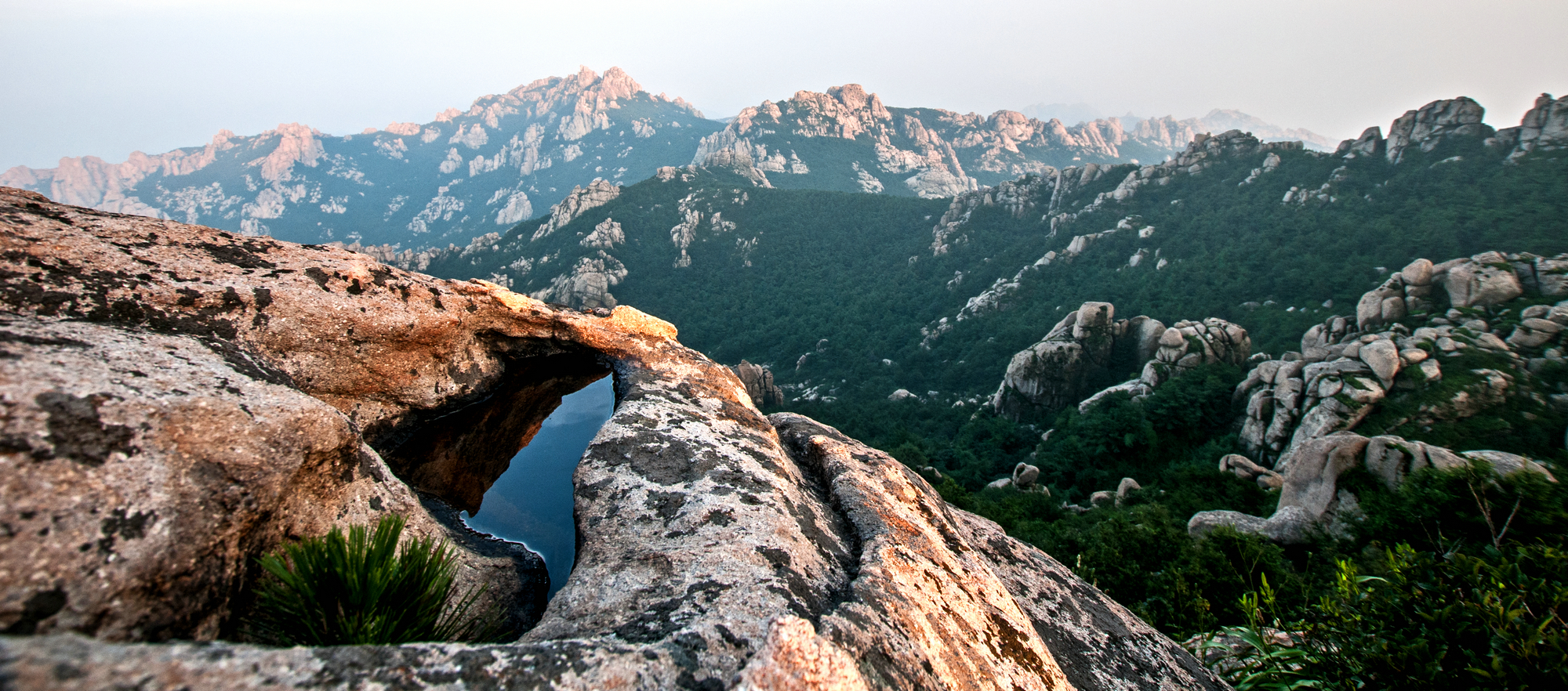
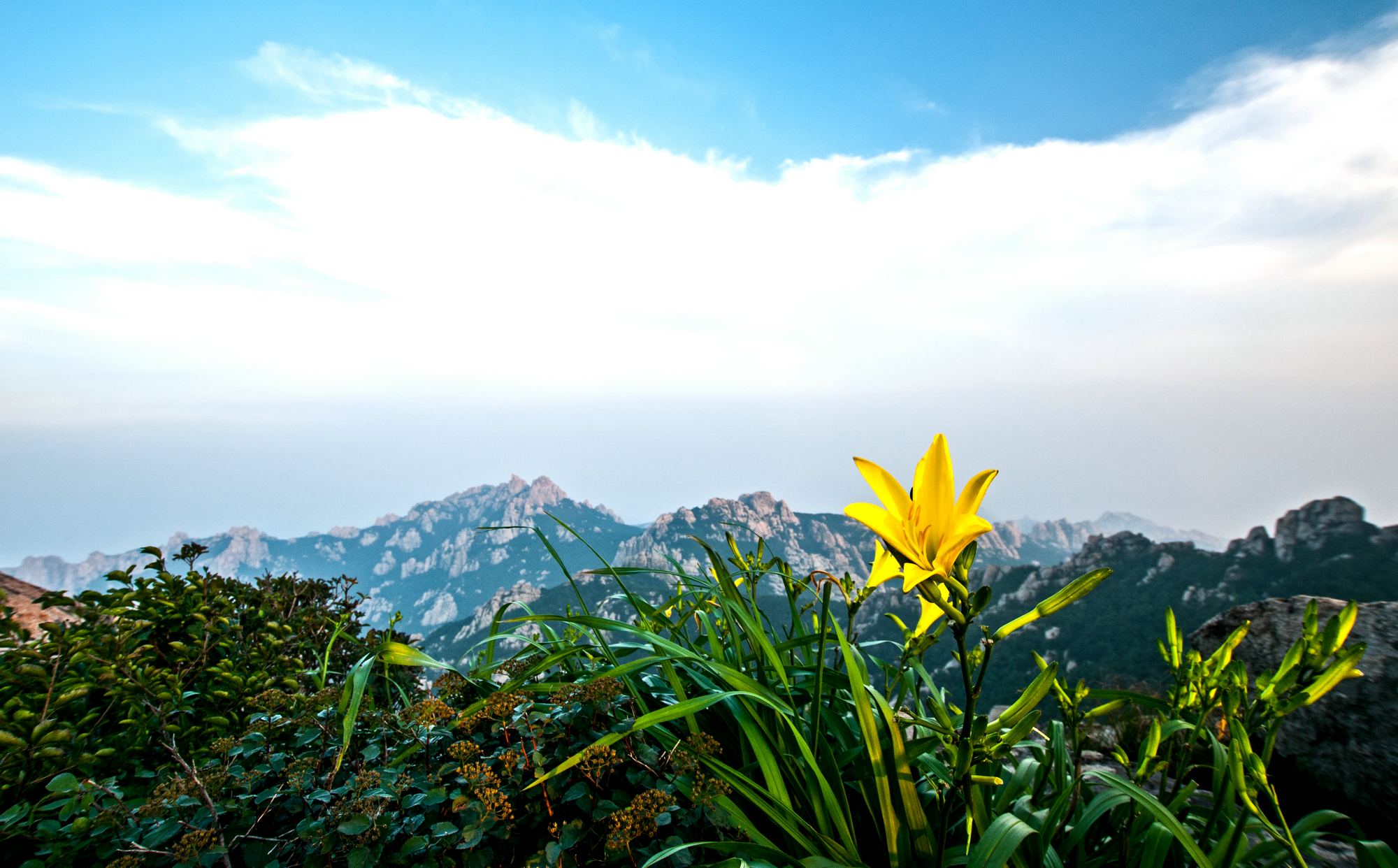
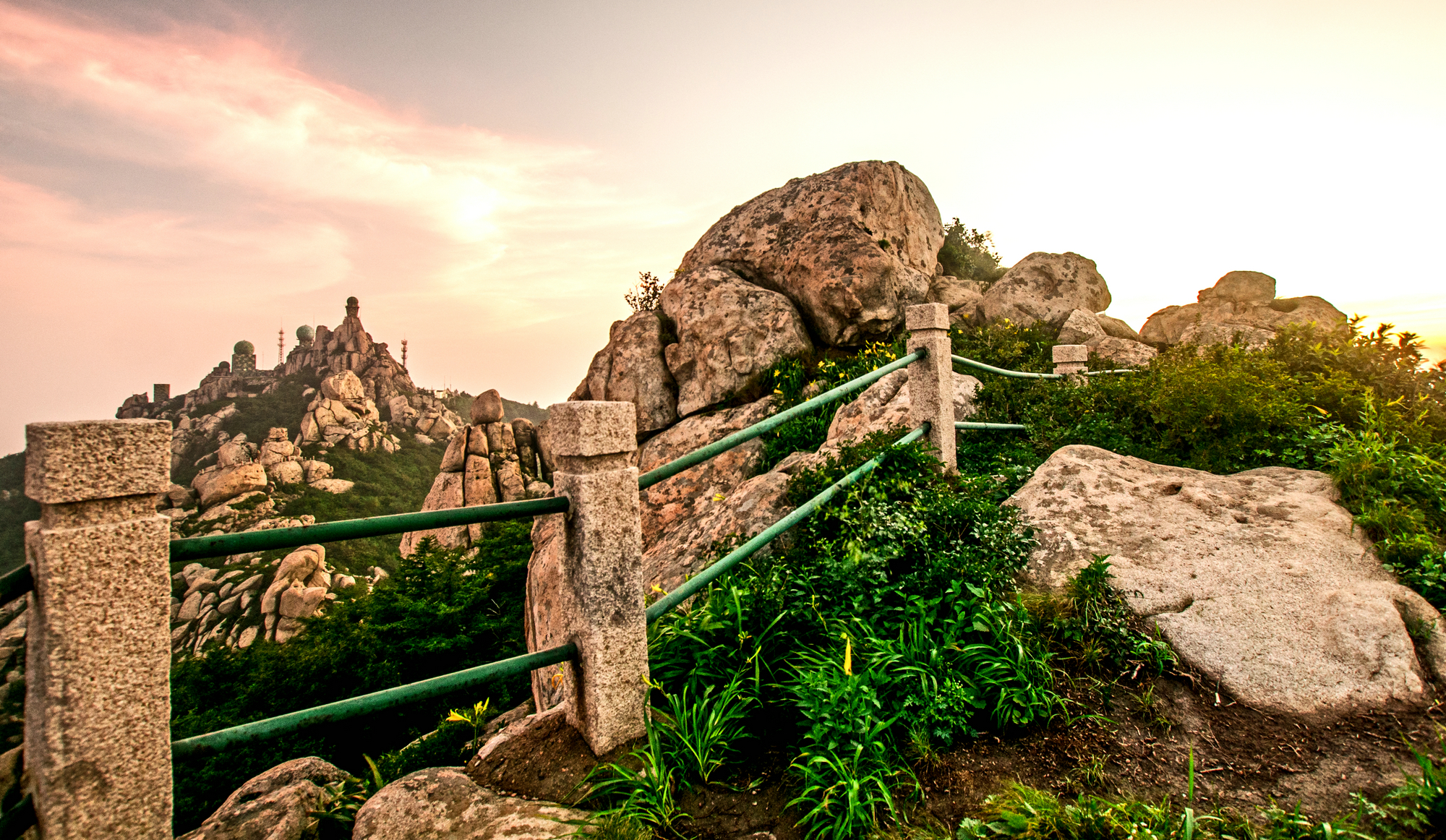
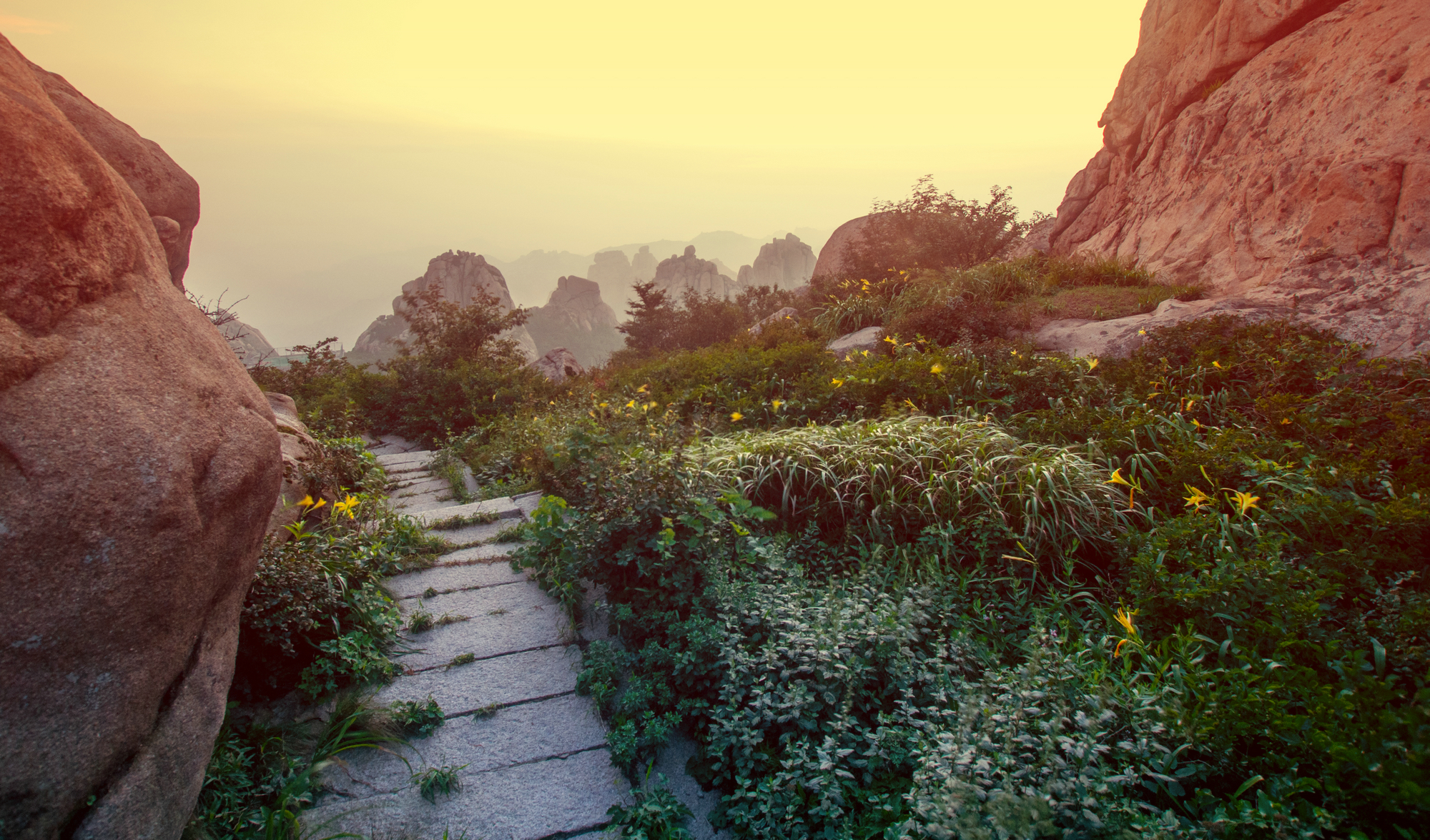
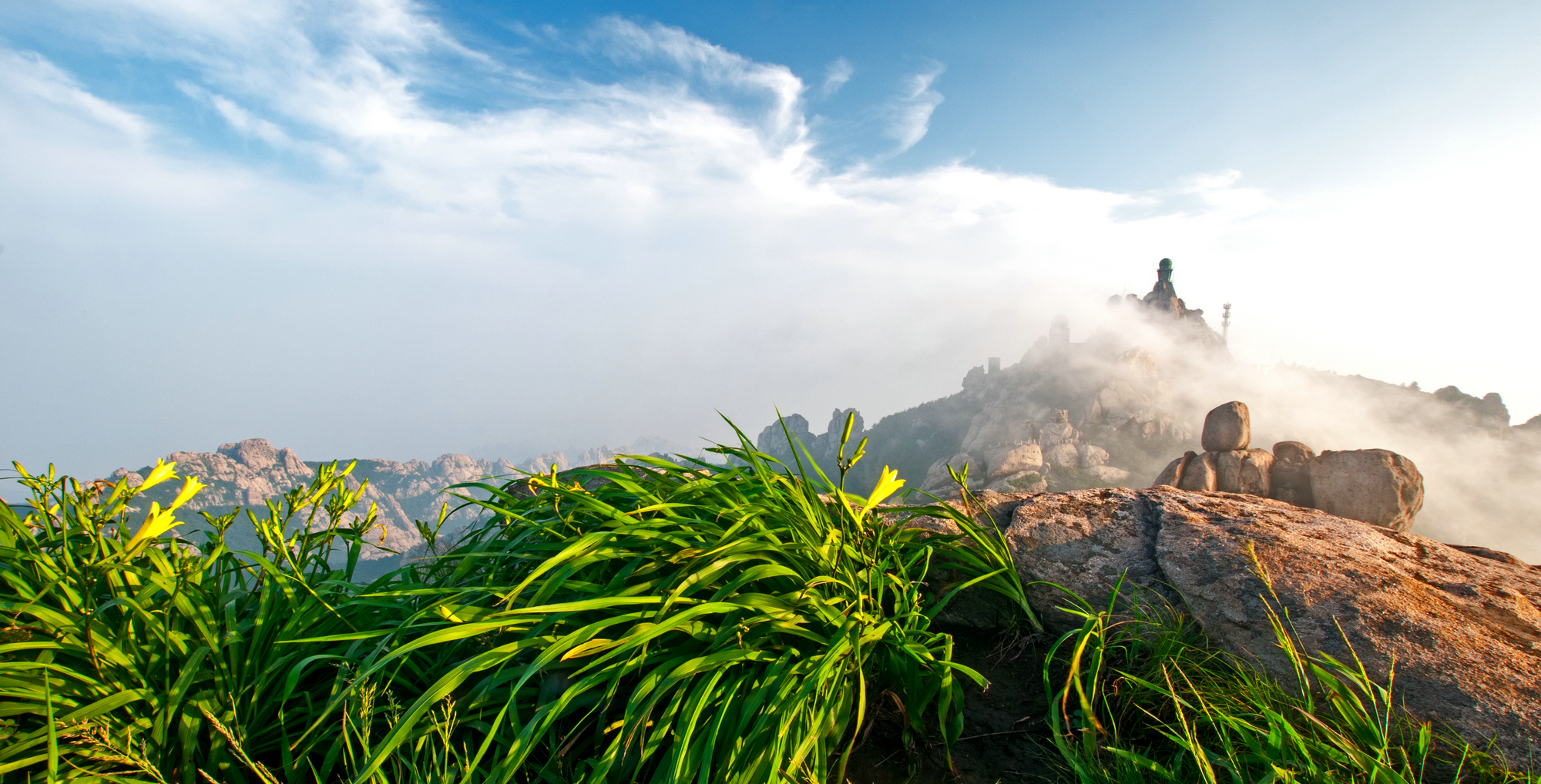
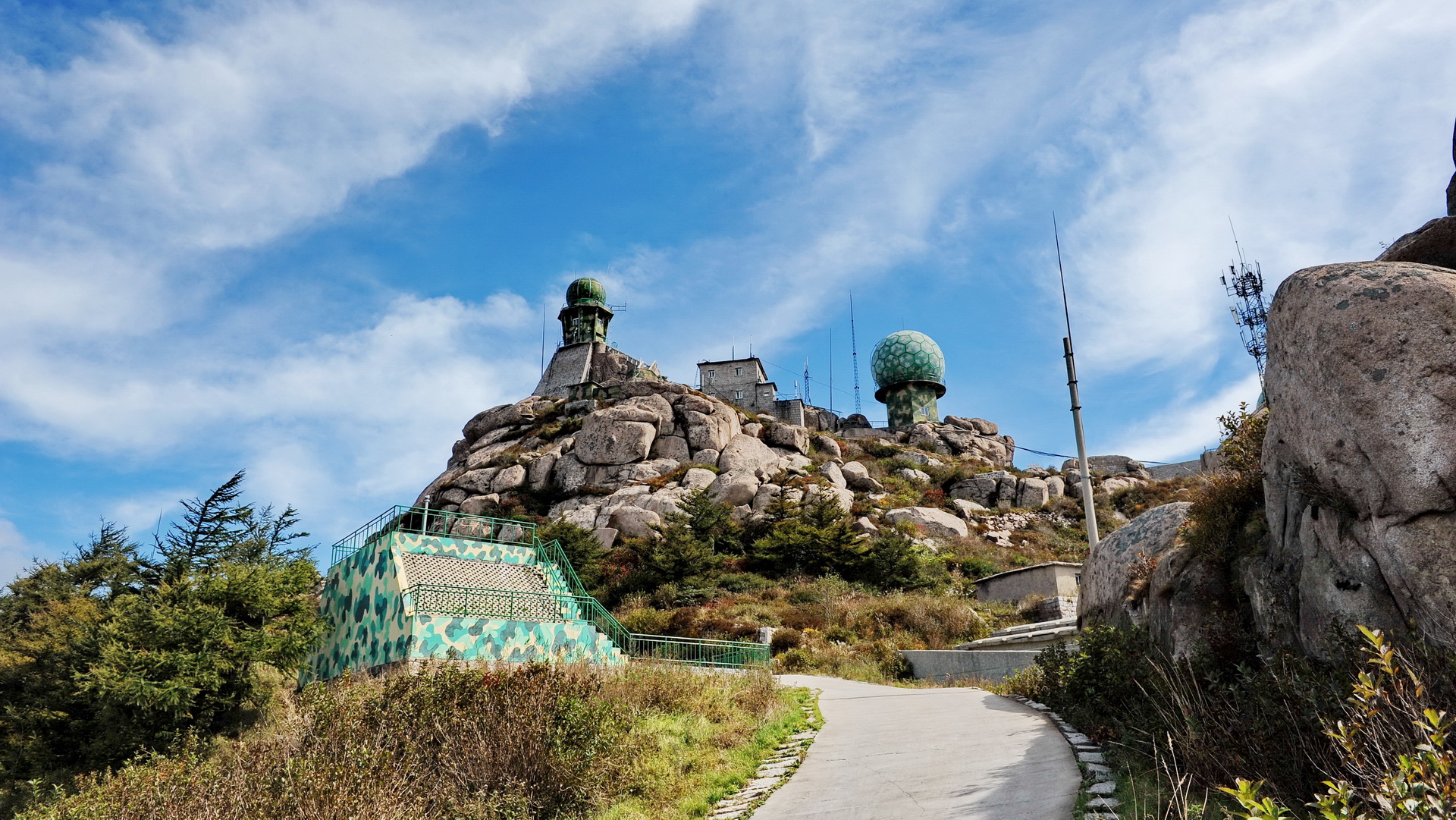
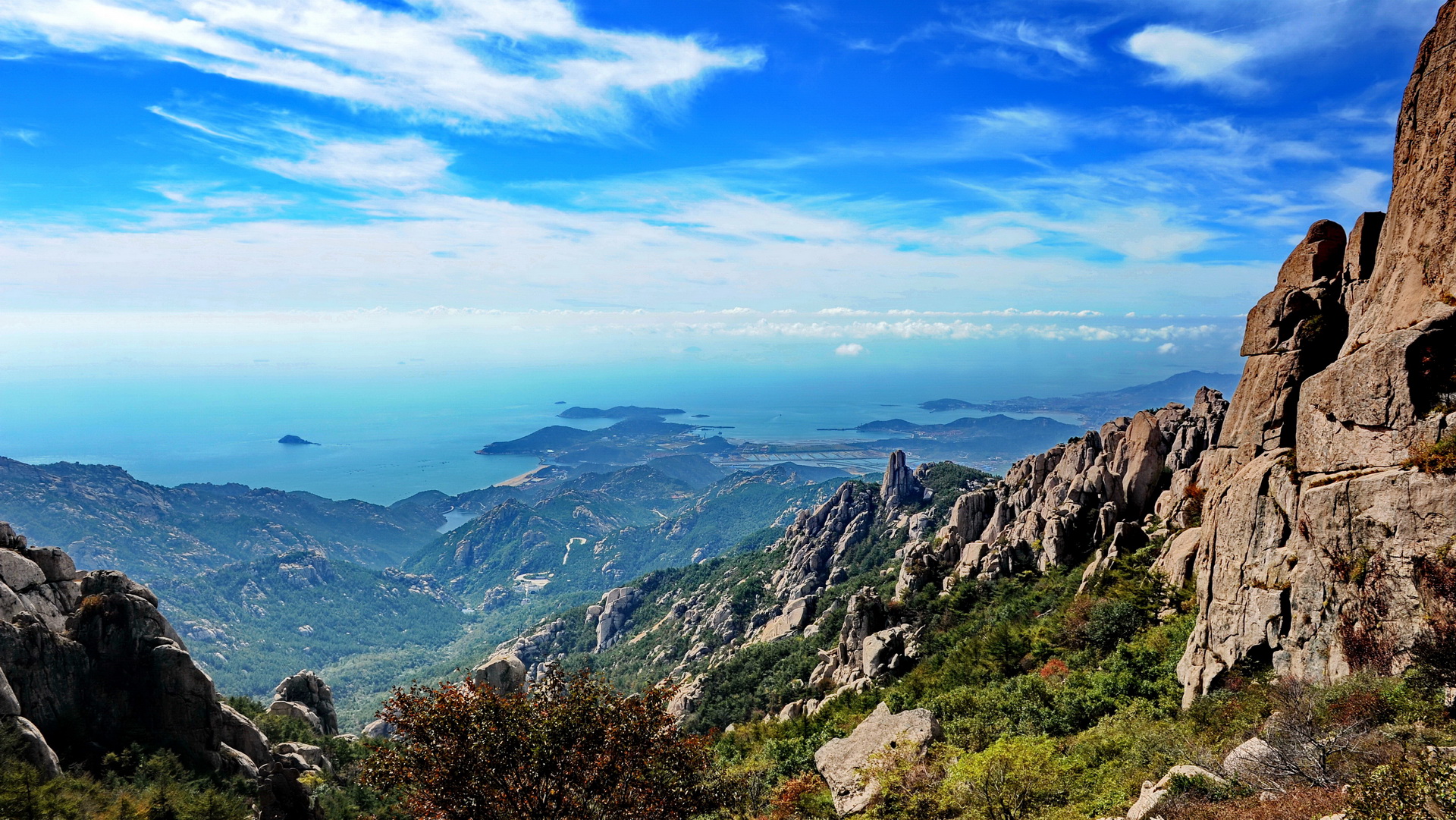
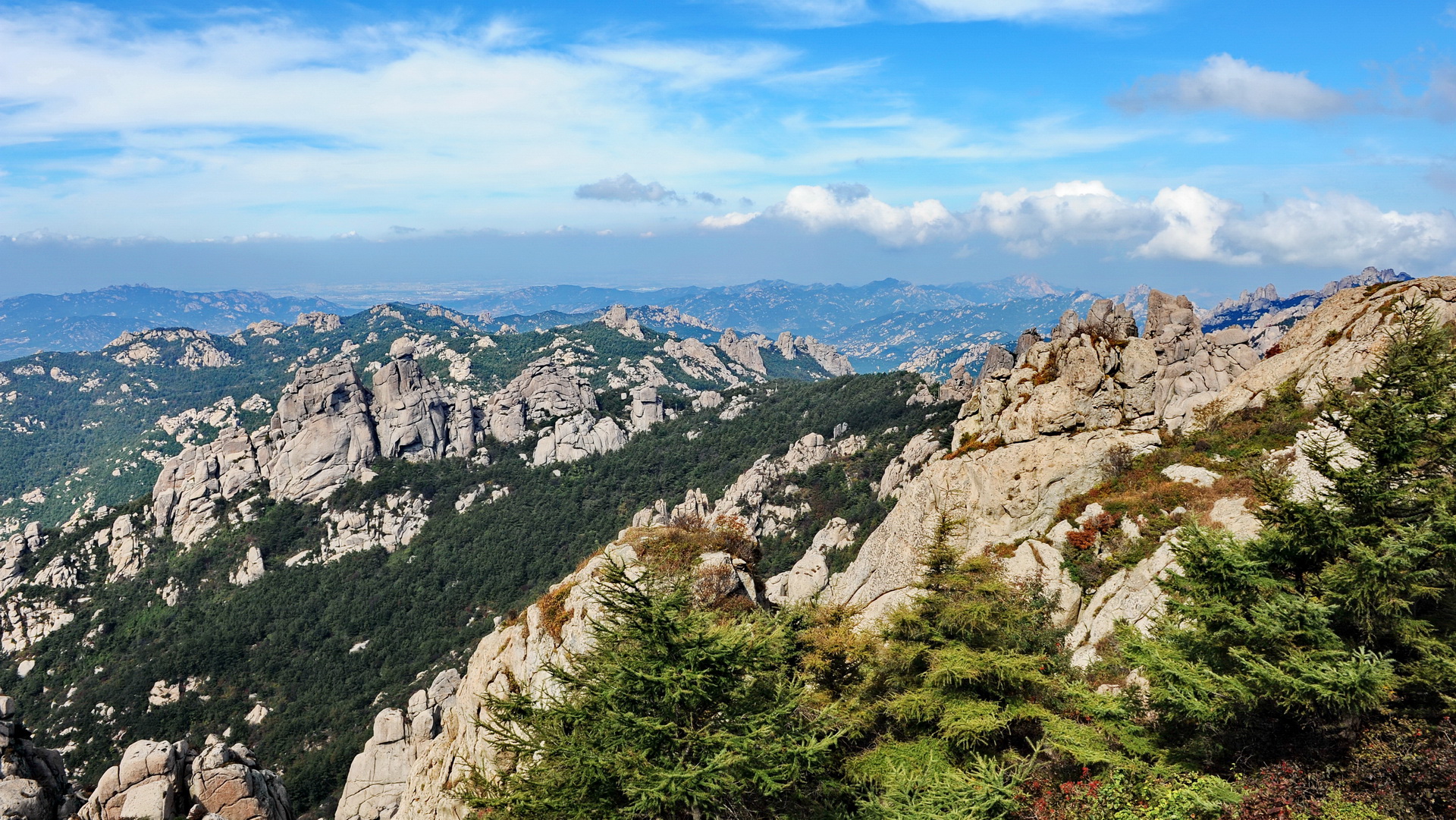
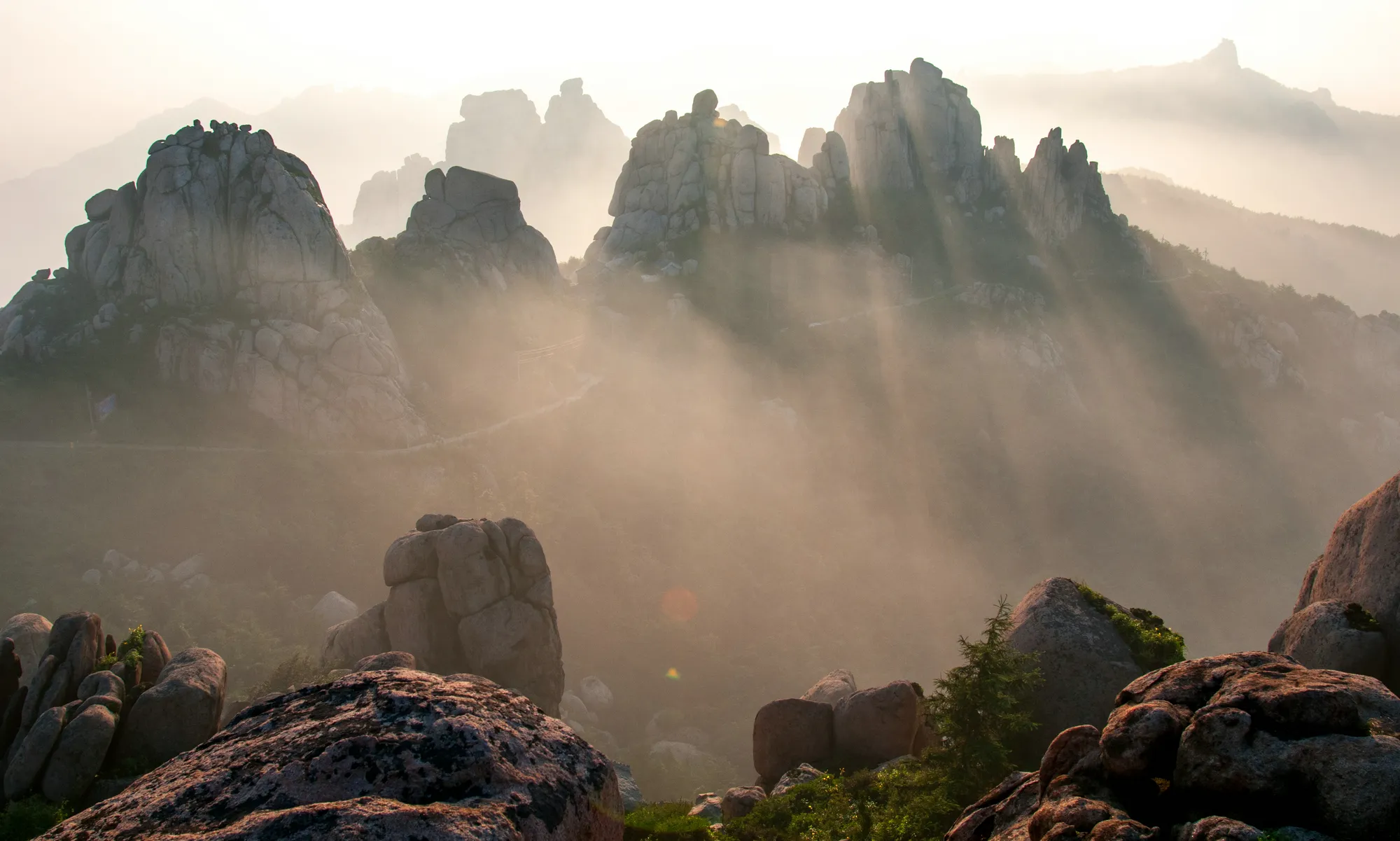
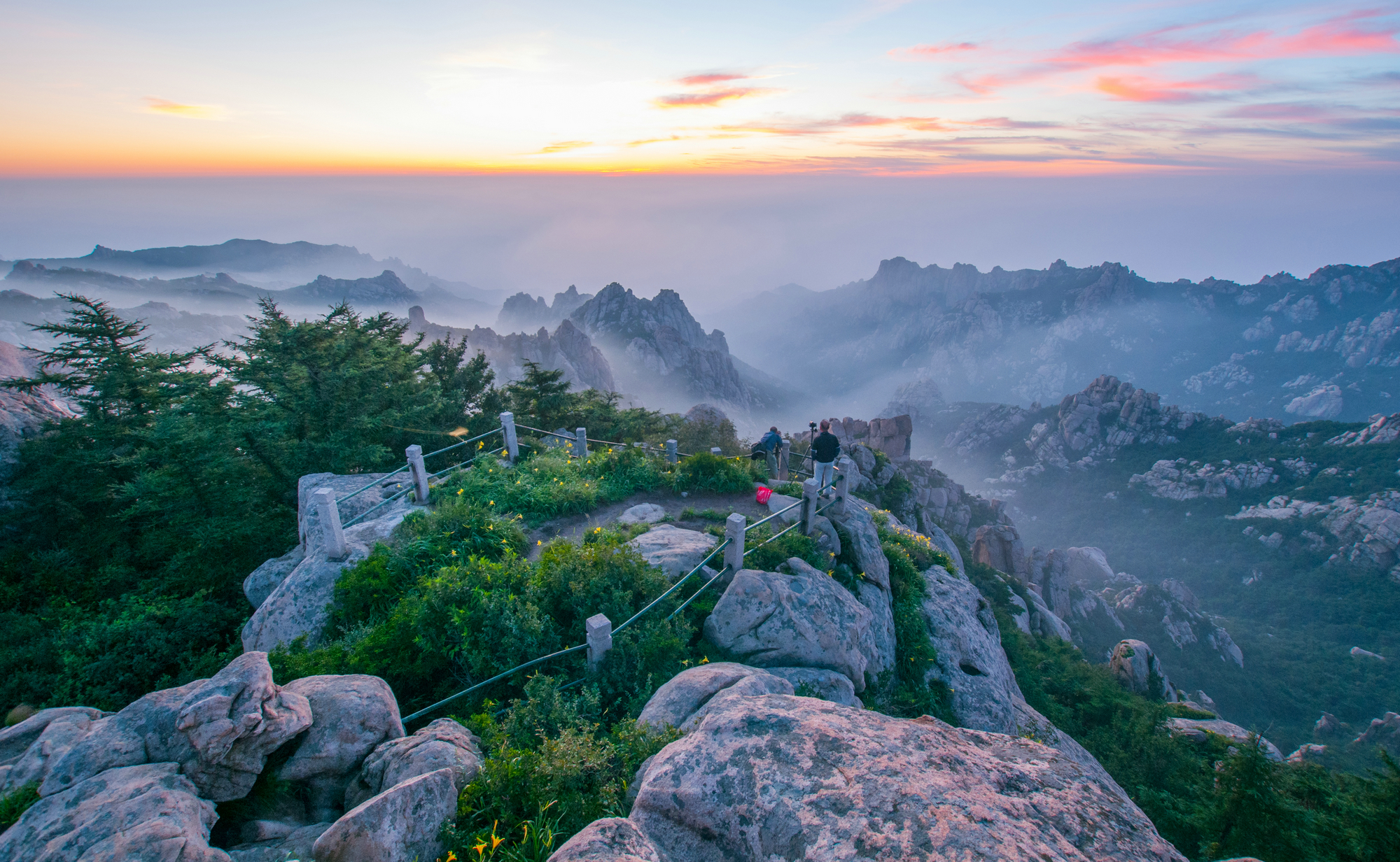
Rising dramatically from the Yellow Sea coast, Laoshan Mountain is a place where granite peaks meet the ocean in a stunning fusion of land and sea. Known as the "Famous Mountain on the Sea," this Taoist sacred site has been a source of inspiration for poets, painters, and pilgrims for centuries. Its highest peak, Jufeng, reaches about 1,100 meters (3,609 feet) above sea level, offering commanding views of the coastline and the vast Pacific beyond.
Laoshan's history is deeply intertwined with Taoism. Ancient temples and monasteries dot its slopes, some dating back over a thousand years. The mountain is also the birthplace of Laoshan Cola, China's first domestically produced cola, launched in 1953 as a proud national brand. Infused with traditional Chinese herbs like clove, ginger, and cardamom, this unique soda remains a local favorite and a symbol of Qingdao's culinary heritage. The mountain’s mineral-rich springs have also given rise to a beloved line of bottled waters, including the famous "Little Blue Bottle" mineral water sourced from a deep well at 570 meters elevation.
Today, Laoshan is a protected scenic area and a must-visit destination for anyone exploring Qingdao. Its combination of natural beauty, cultural depth, and seaside charm makes it a truly special place.
Highlights & Activities
Laoshan offers a wealth of experiences that cater to hikers, photographers, and culture enthusiasts alike. The scenic area is divided into seven major zones, with the most popular routes being the South Line (Liuqinghe to Yangkou) and the Jufeng Summit area.
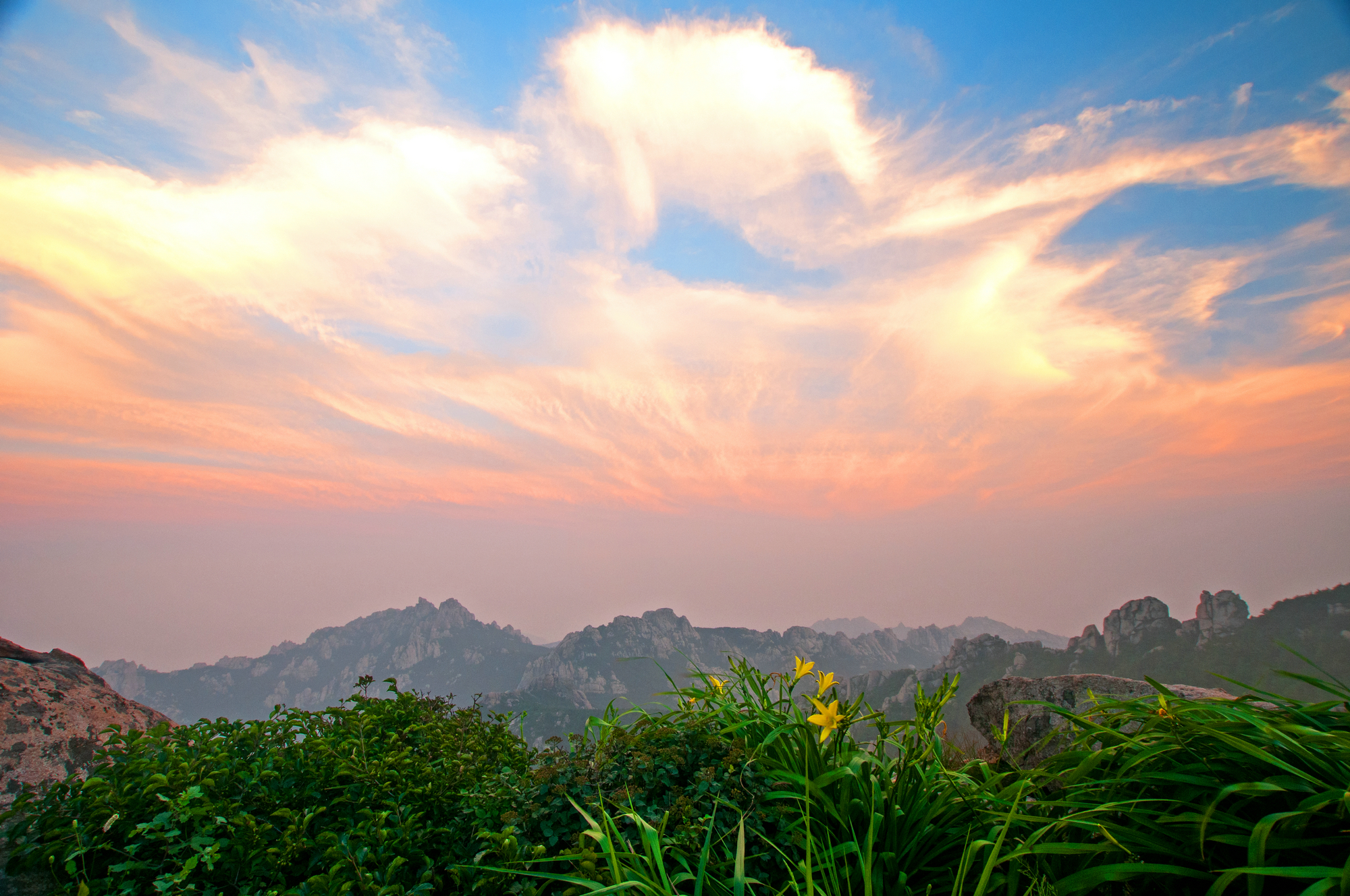
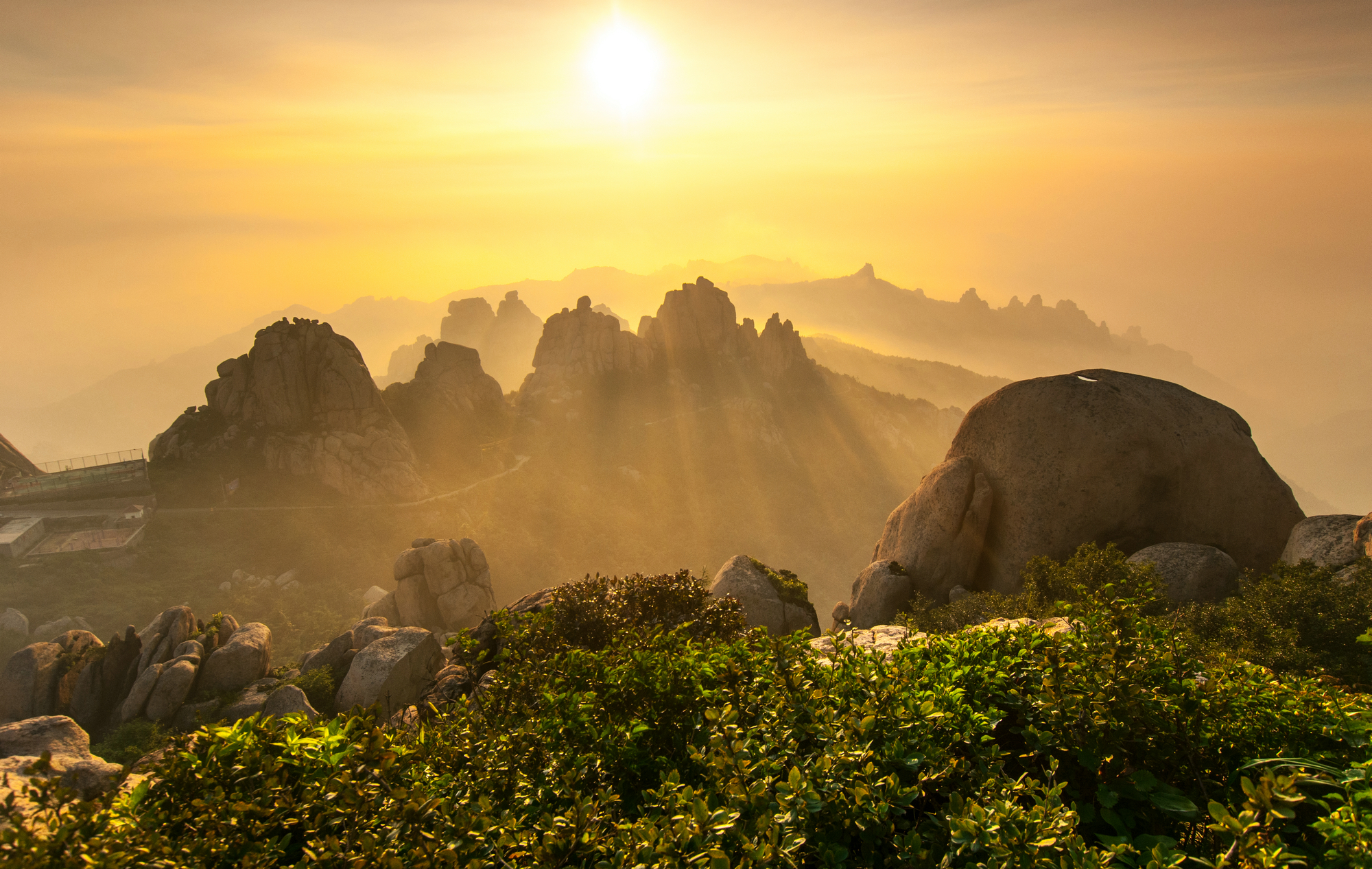
- Jufeng Sunrise: The highest peak is a prime spot for watching the sun rise over the sea. The golden light painting the granite cliffs and distant islands is an unforgettable sight.
- Taiqing Palace: This ancient Taoist temple complex, nestled in a lush valley, is the largest and oldest on the mountain. Its serene courtyards, ancient cypress trees, and "Taiqing Moon over Water" view are iconic.
- Coastal Hiking: The South Line hugs the coastline, offering dramatic views of cliffs, coves, and fishing boats. The path is dotted with pavilions and lookout points perfect for photography.
- Paragliding: For the adventurous, paragliding from Laoshan offers a bird's-eye view of the entire Qingdao coastline. Operating from 9:00 to 17:00 (weather permitting), flights cost about 500–800 RMB per person and are subject to weight and age restrictions.
- Fishing Village Life: At the mountain’s foot, a small seaside fishing village invites you to slow down. Watch fishermen head out to sea, explore rows of tea plants, and capture the authentic rhythms of coastal life.
- Tea Culture: Laoshan is famous for its green tea, grown in the mineral-rich soil. Visit local tea plantations to see the picking process and sample a cup of freshly brewed tea.
Key Attractions Nearby
Beyond the mountain itself, the surrounding area offers several compelling destinations:
- Laoshan Jiushui Scenic Area: Known for its clear streams and waterfalls, this zone is a peaceful retreat with picturesque landscapes and abundant spring water.
- Laoshan Hualou Tourist Area: Less crowded than other zones, this area features unique stacked rock formations and a tranquil atmosphere, though it is farther from the sea.
- Laoshan Yangkou Tourist Area: A popular coastal route with stunning sea views, ancient temples, and the famous "Haiqiao Xiandun" rock formation.
- Qingdao City Center: Just a short drive away, the city offers vibrant nightlife, German colonial architecture, and the famous Qingdao Beer Museum.
Where to Dine
Laoshan's culinary scene is rooted in fresh seafood and local specialties. In the fishing villages, you can enjoy just-caught fish, prawns, and shellfish at family-run restaurants. Don't miss the chance to pair your meal with Laoshan Cola or a bottle of the classic black-label soda water, which locals swear by for its digestive benefits. For a more urban experience, head to the Laoshan Mixc (万象汇) shopping complex, where you'll find a variety of dining options, including a Hema Fresh supermarket for high-quality ingredients and ready-to-eat meals. The area also offers SPA and wellness centers, perfect for relaxing after a day of hiking.
Weather & Best Time to Visit
Laoshan enjoys a temperate maritime climate, with mild winters and warm summers. The best times to visit are spring (April–June) and autumn (September–November), when temperatures are comfortable and the skies are clear. Summer (July–August) can be hot and humid, but the sea breeze provides relief. Winter (December–February) is cold, but the mountain’s snow-capped peaks offer a different kind of beauty. Crowds peak during national holidays, so plan accordingly.
Travel Tips
- Getting There: Laoshan is about 30–40 minutes by car from downtown Qingdao. Public buses and taxis are also available. The South Line is the most accessible route for first-time visitors.
- Fees & Hours: The scenic area is open year-round, typically from 7:00 AM to 5:00 PM. Entry fees vary by zone, usually between 80–130 RMB. Check official sources for current prices.
- What to Bring: Comfortable hiking shoes, a camera with a good zoom lens, sunscreen, and a reusable water bottle. The mountain's microclimate can change quickly, so a light jacket is advisable even in summer.
- Photography Tips: To capture Laoshan’s essence, place secondary elements (like a lone tree or a fishing boat) at the golden ratio point in your frame. Early morning and late afternoon light are best for dramatic shots.
- Local Drinks: Try the Laoshan mineral water series—especially the "Little Blue Bottle" (rich in strontium and metasilicic acid) and the fruit-flavored soda water (lemon or grapefruit) for a refreshing, low-salt option.