Overview & History
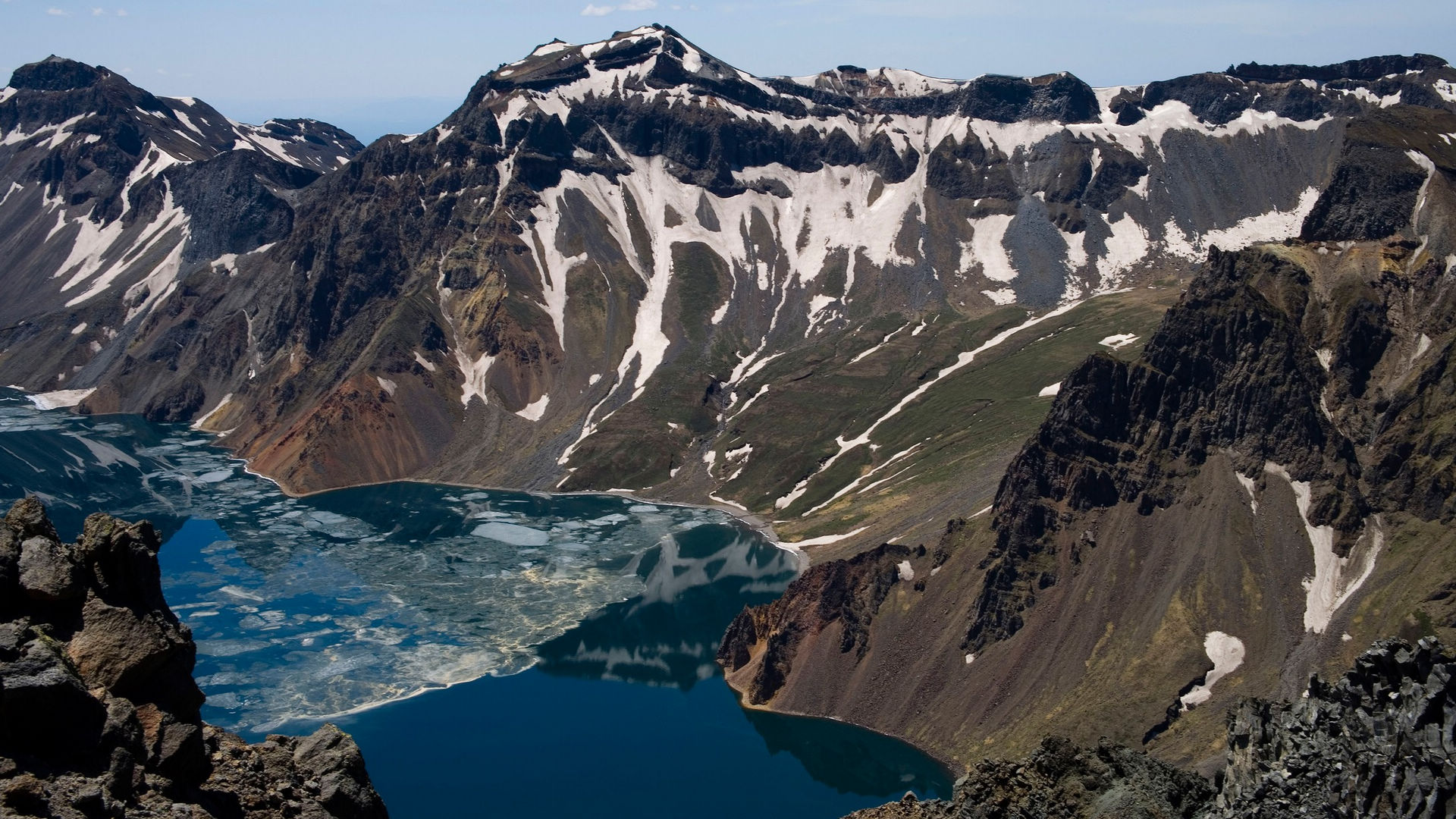
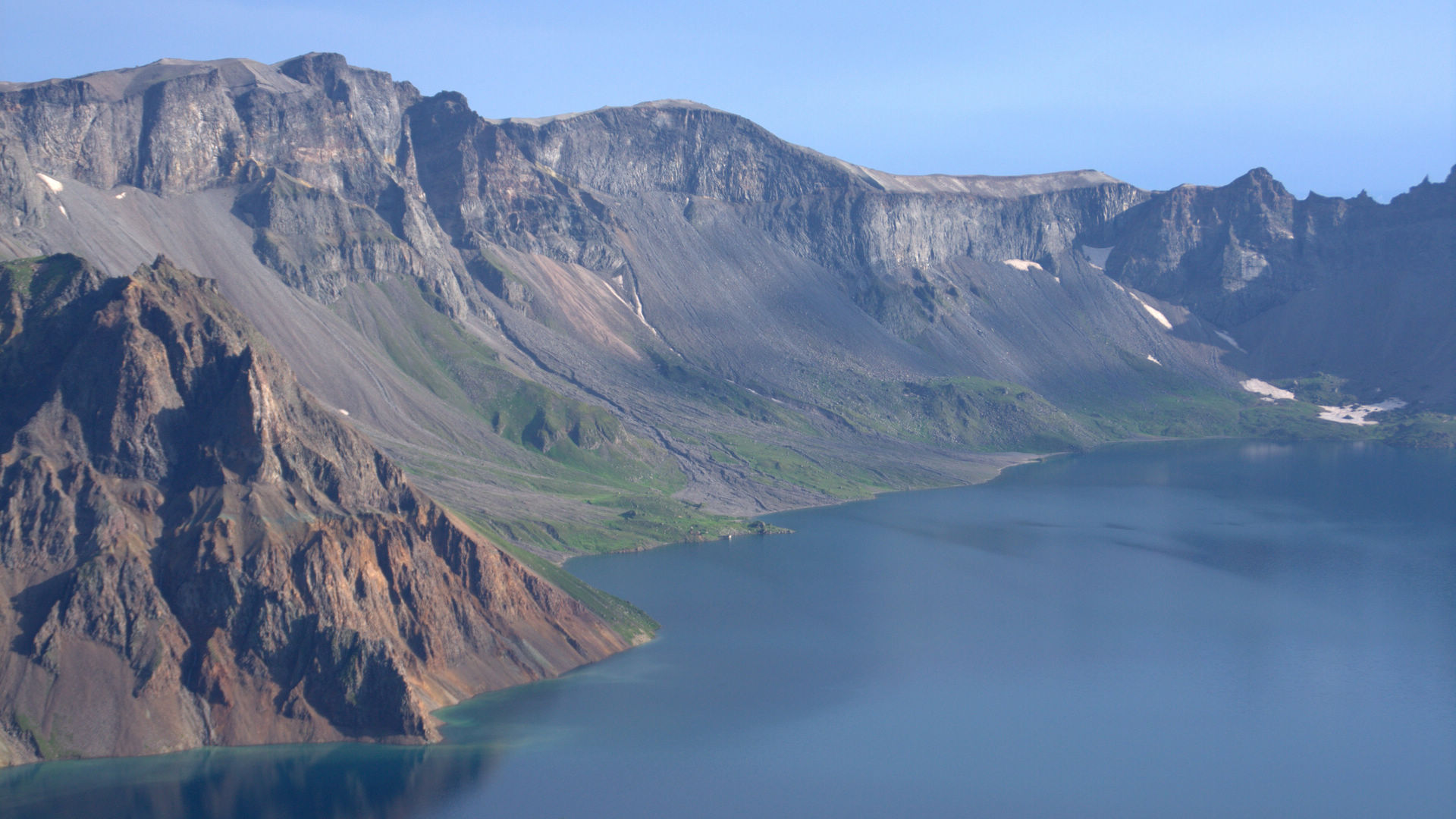
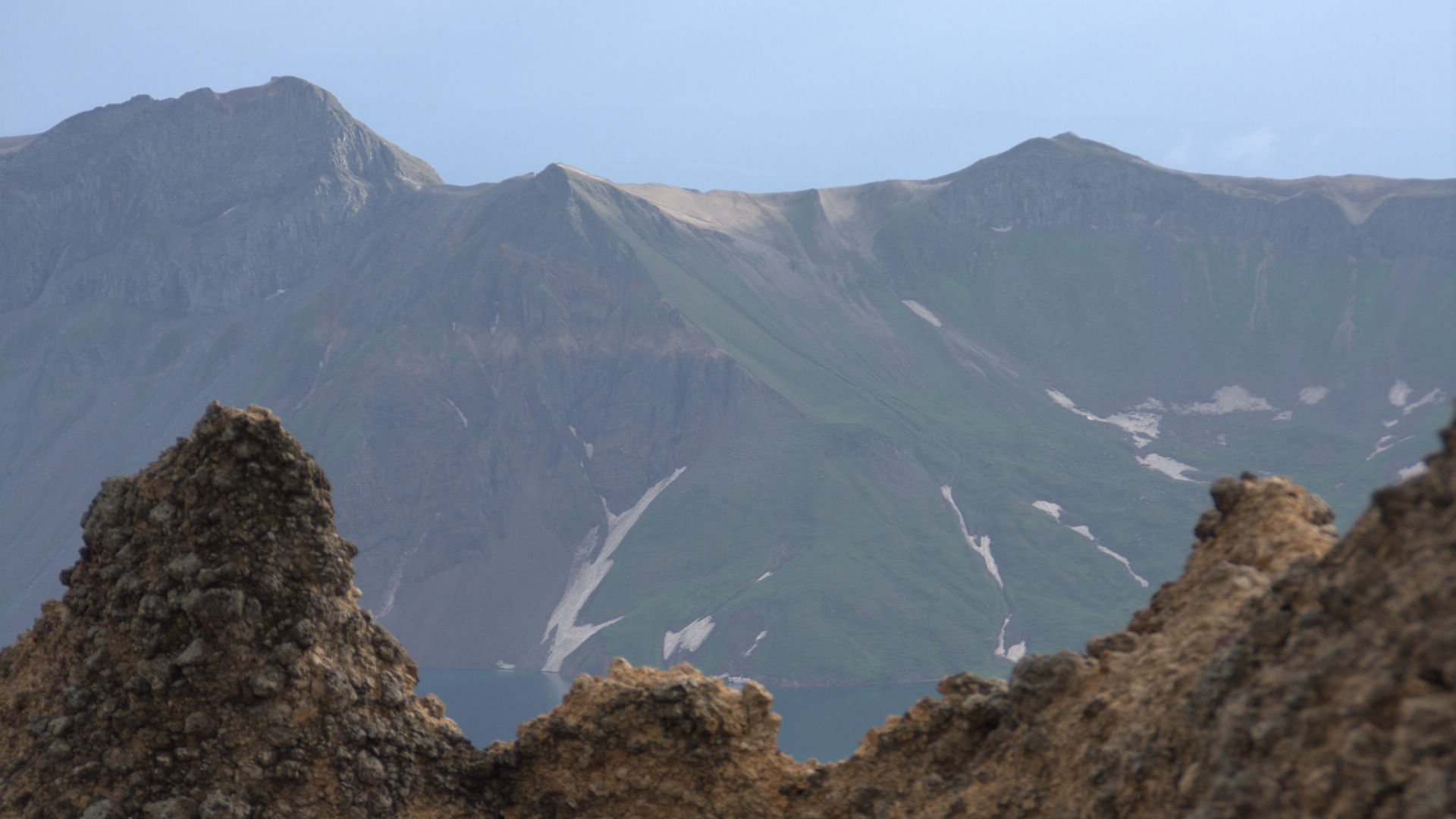
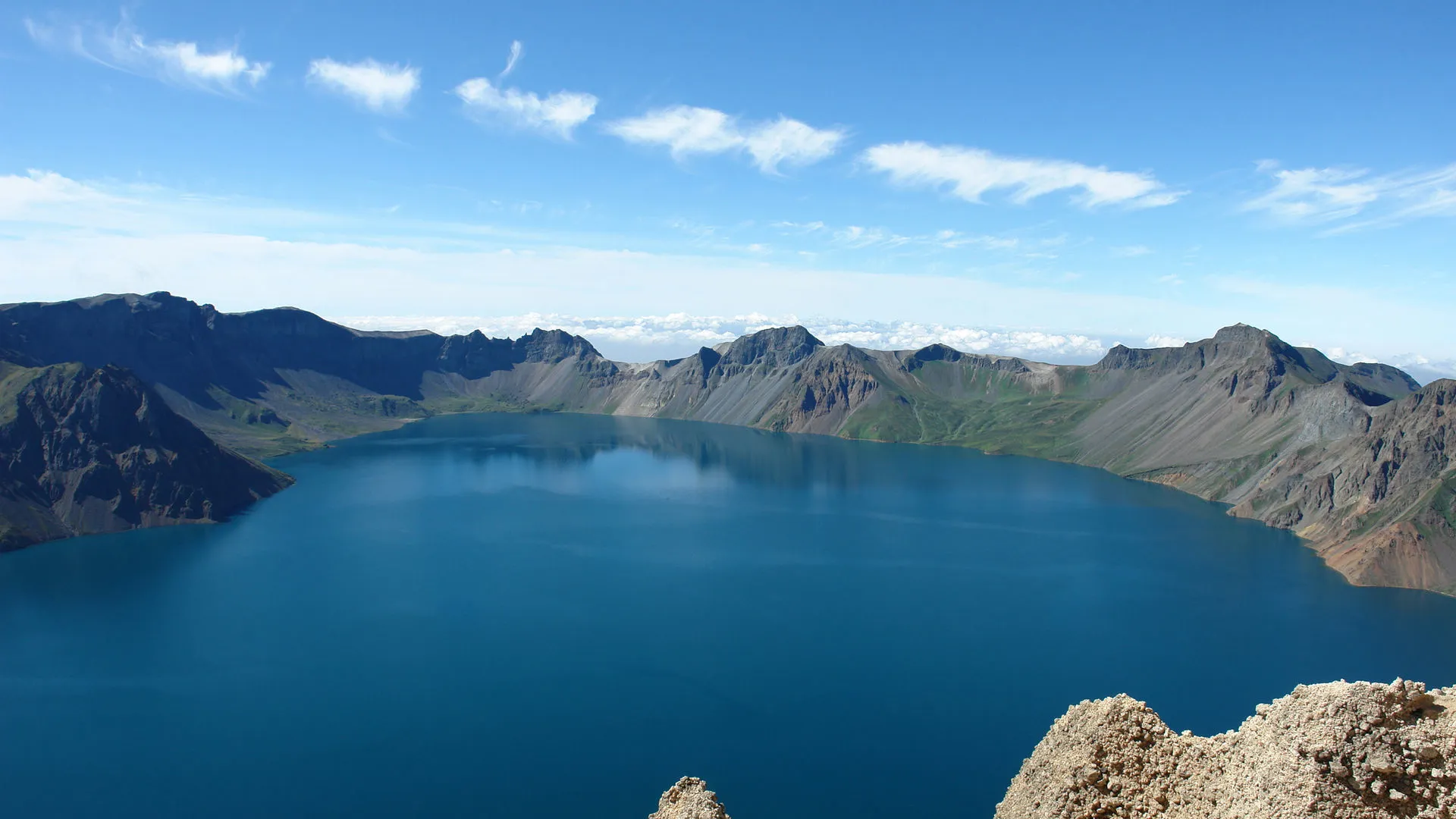
Changbai Mountain Tianchi, or Heaven Lake, is a place of breathtaking mystery and profound natural beauty. Nestled atop the main peak of the Changbai Mountain range in Jilin Province, China, this volcanic crater lake is not only the deepest lake in China but also a sacred site steeped in legend. The name "Changbai" itself means "ever-white," a reference to the white pumice and snow that cloak the mountain year-round. Historically, the Manchu people, who founded the Qing Dynasty, revered Changbai Mountain as their sacred birthplace, protecting its primeval forests for centuries and allowing this pristine landscape to flourish.
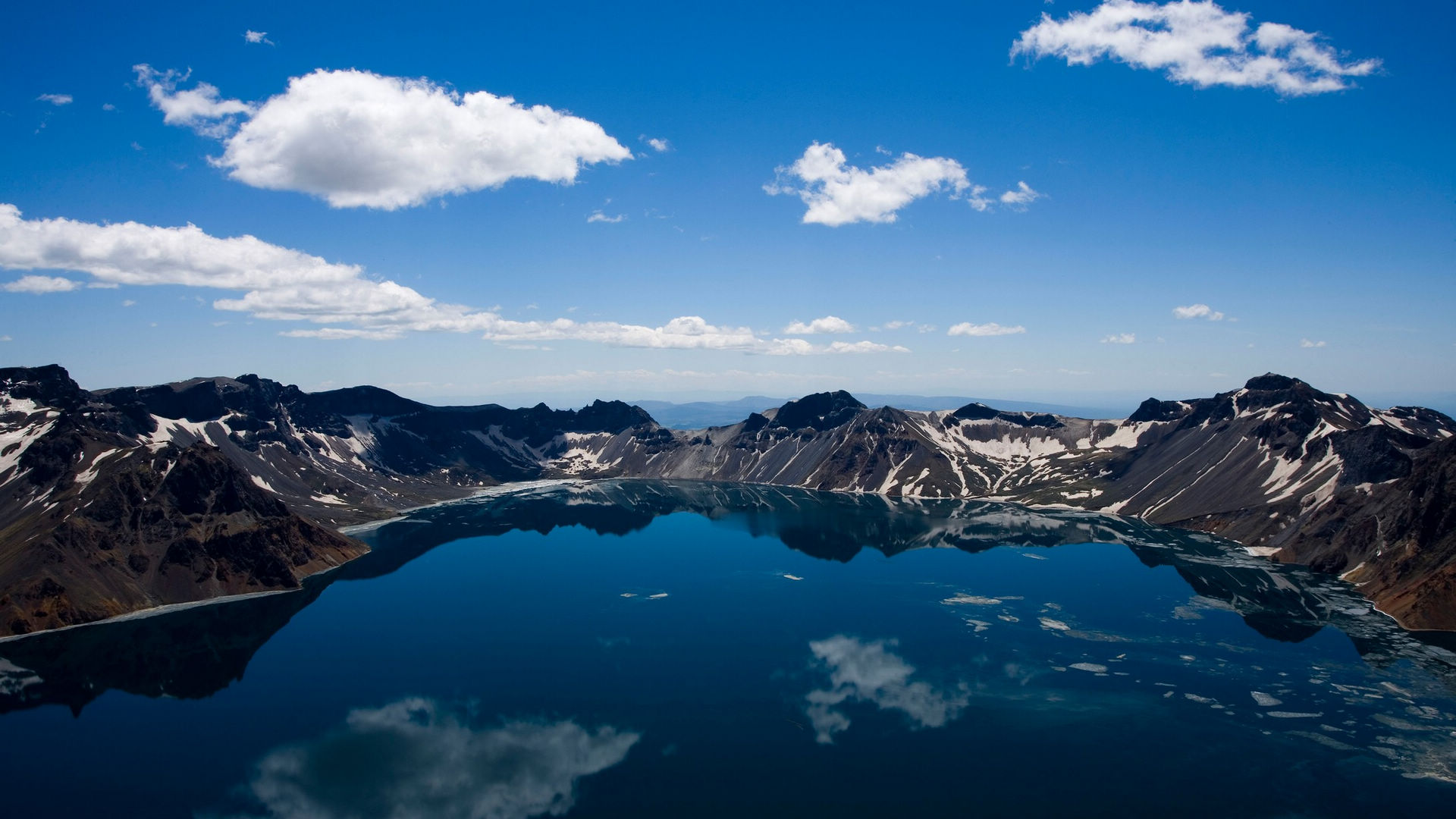
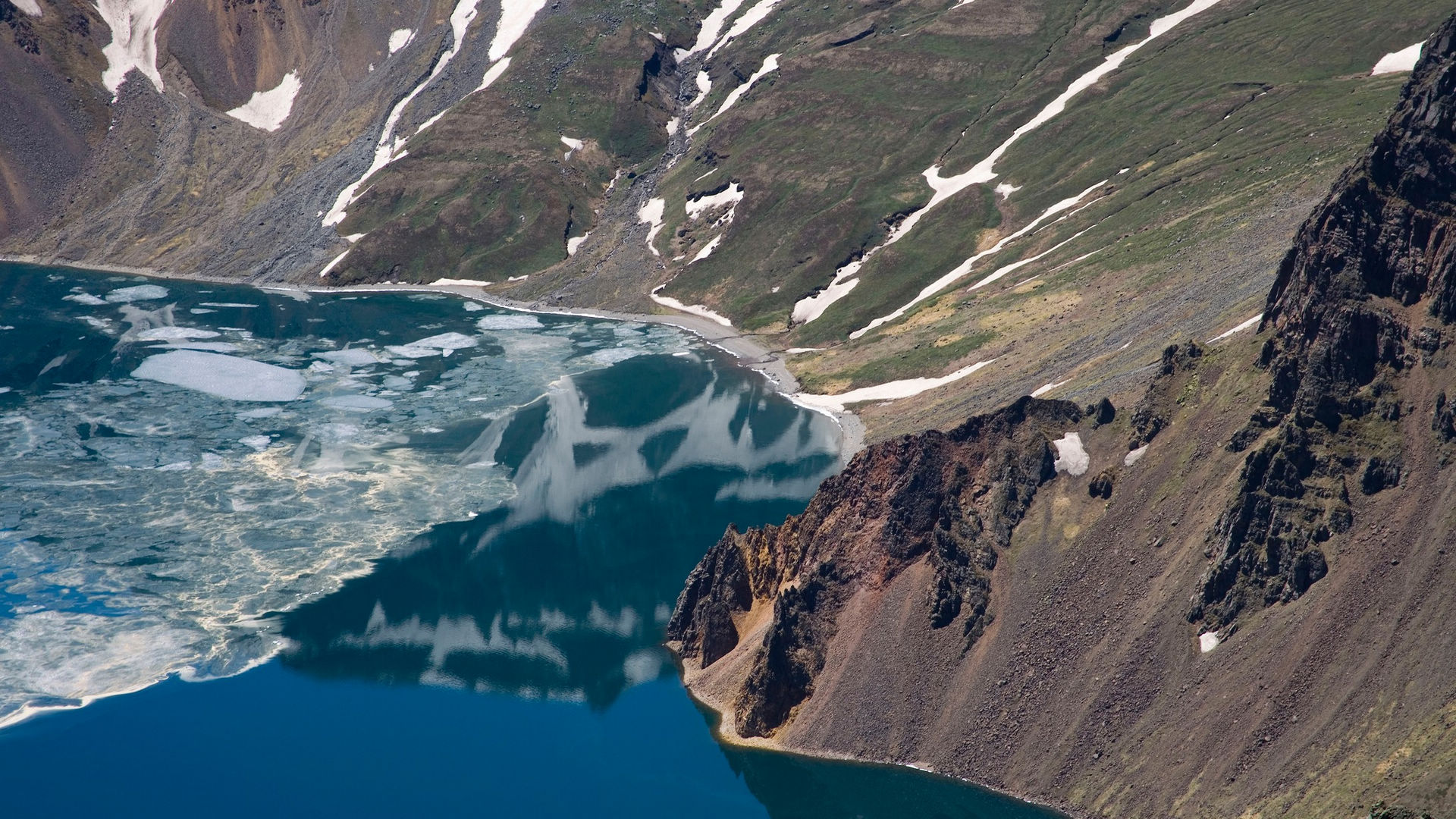
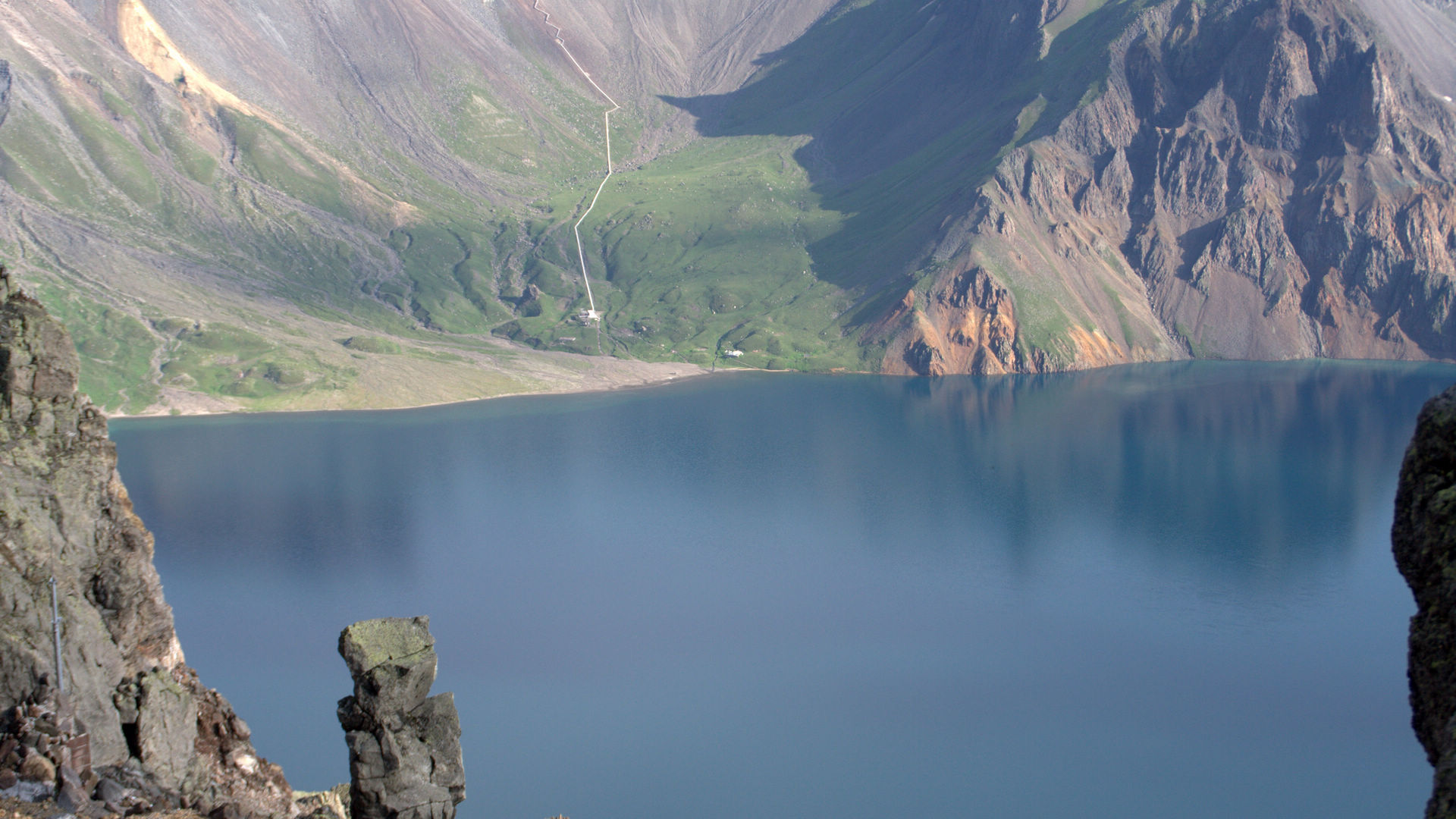
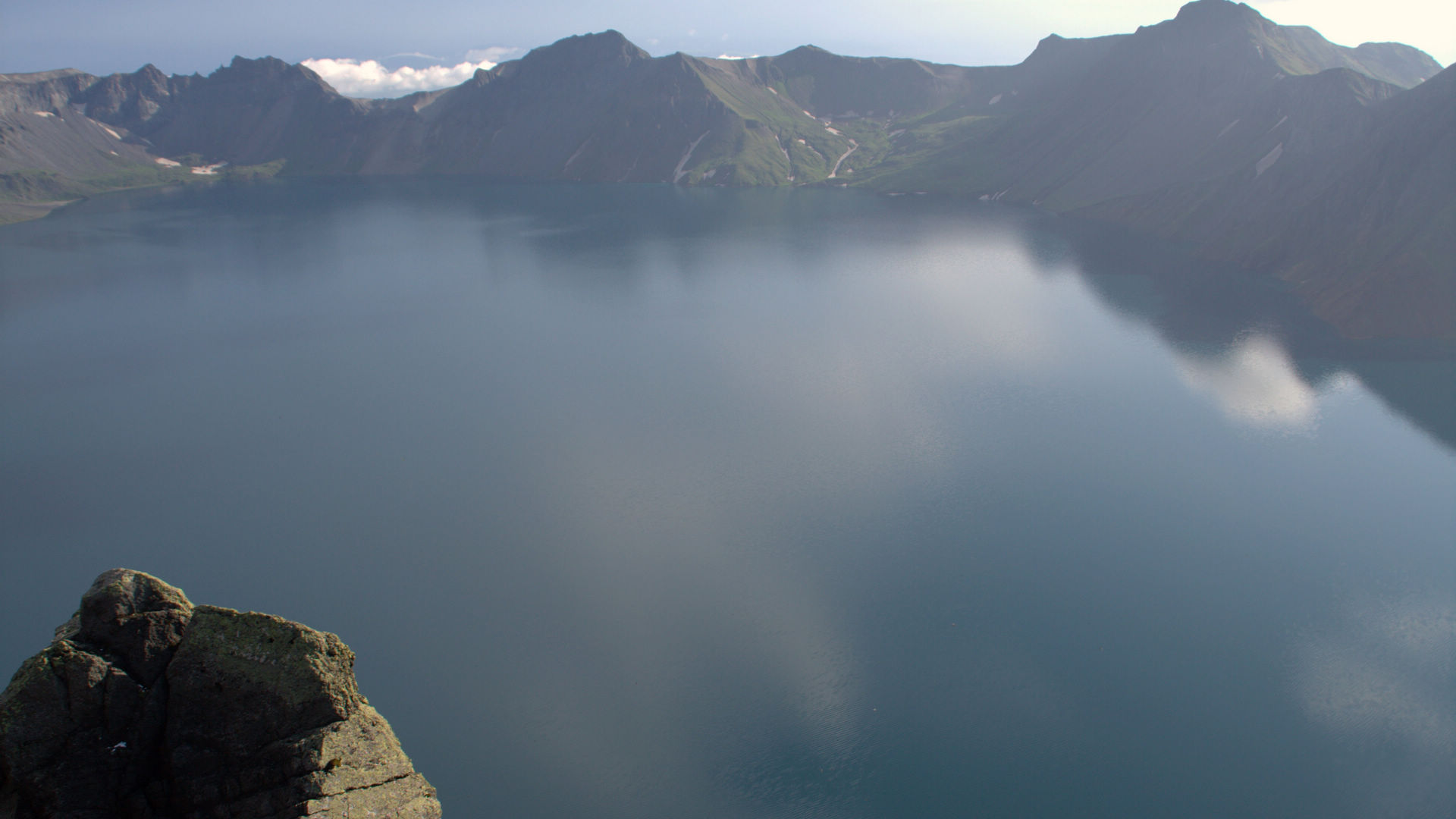
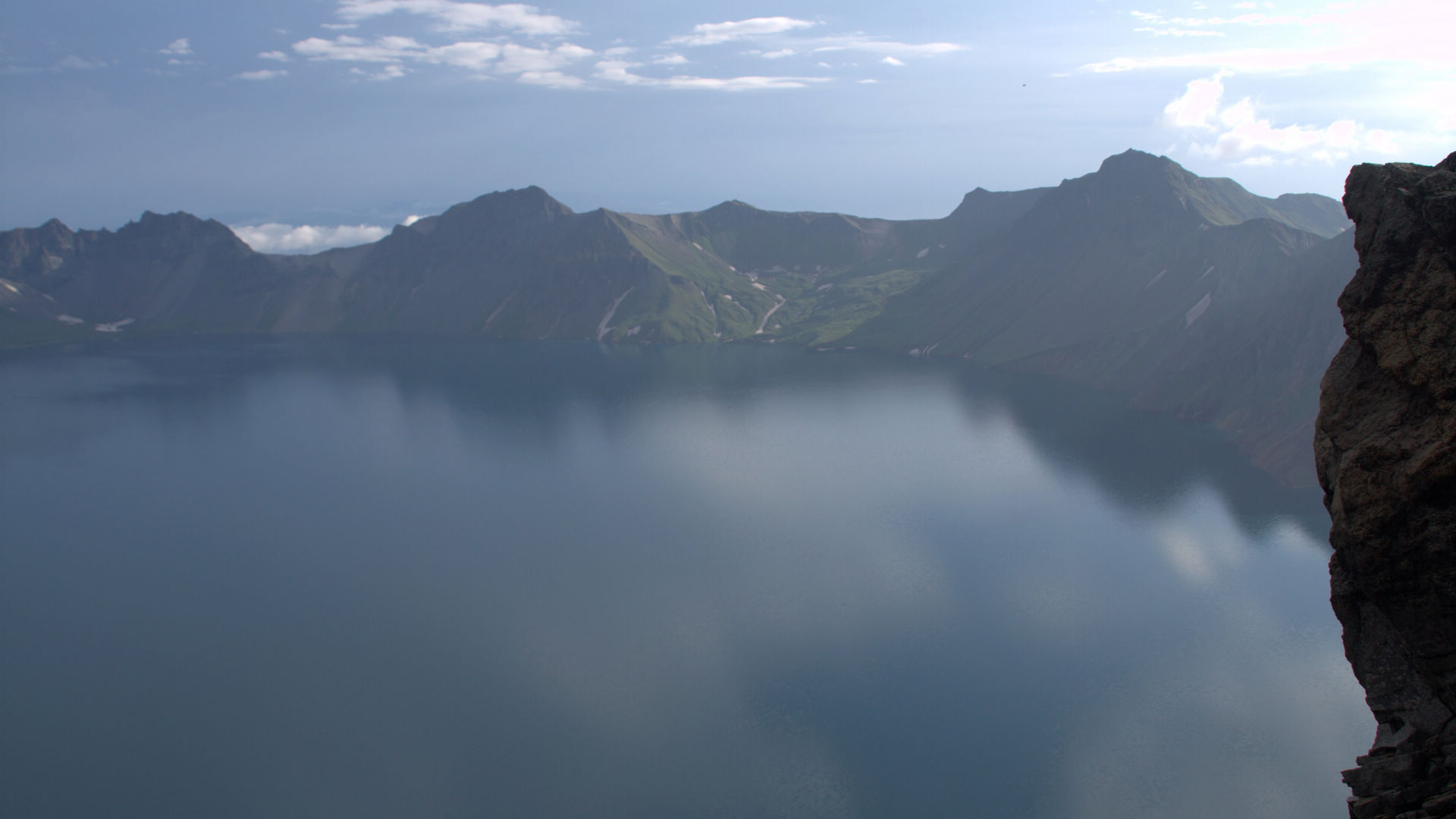
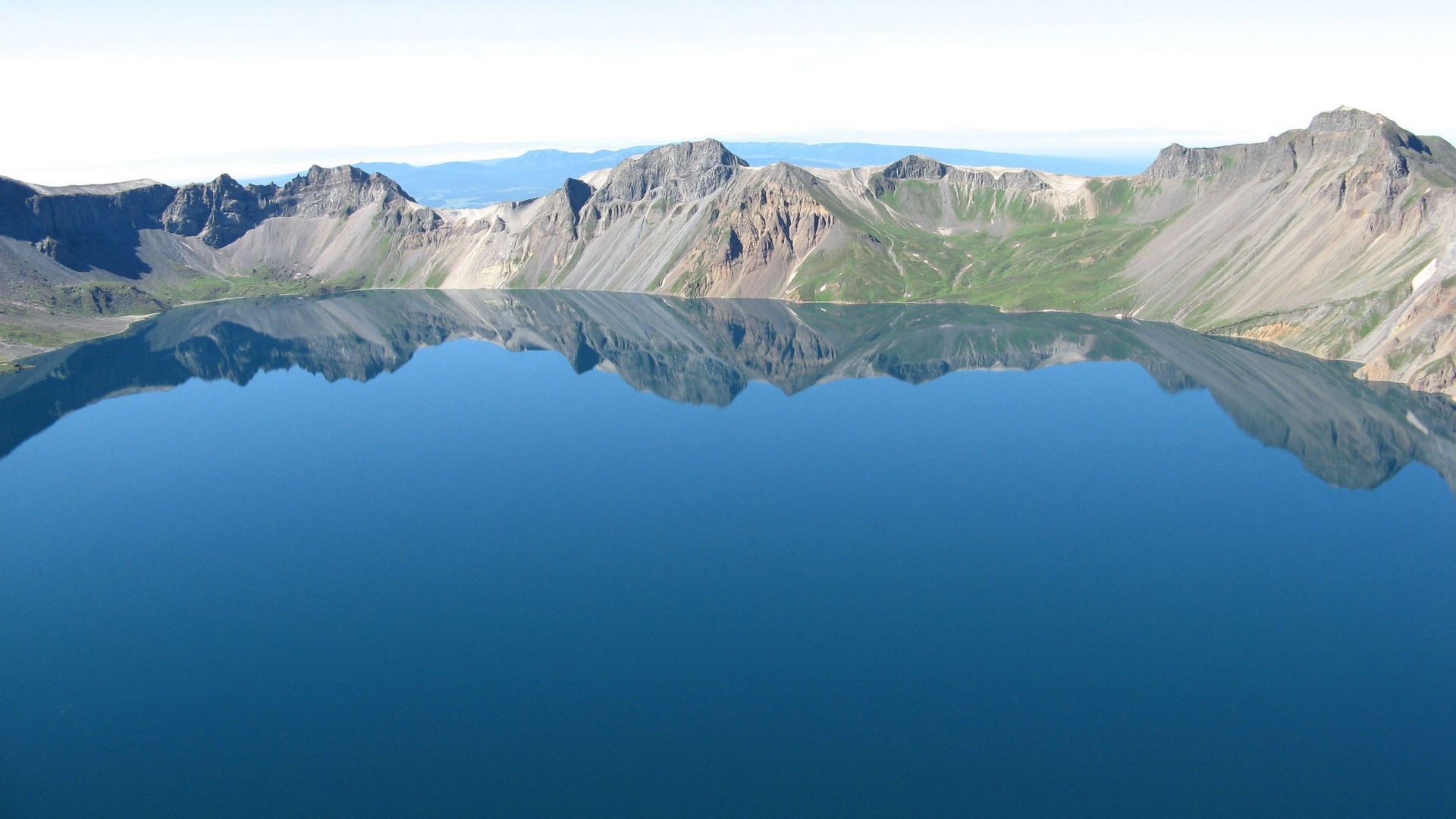
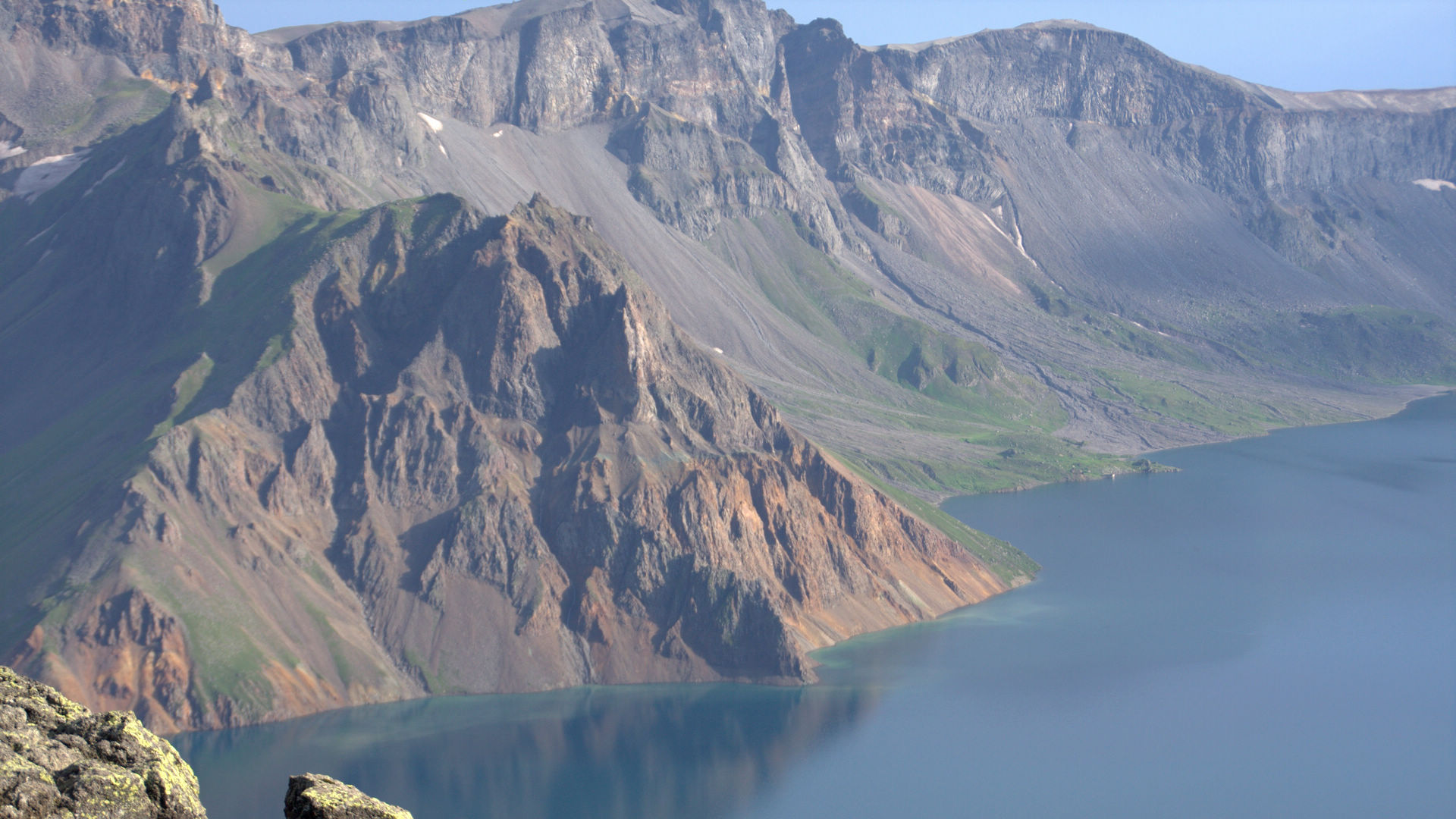
The lake is a dormant volcanic crater, formed after a massive eruption thousands of years ago. It sits at an altitude of over 2,100 meters, surrounded by 16 towering peaks, with the highest, Baiyun Peak, reaching 2,691 meters. Tianchi is the source of three major rivers—the Songhua, Tumen, and Yalu—and serves as a border lake between China and North Korea. Its emerald-green waters, which remain crystal clear year-round, have inspired countless myths. One legend tells of a jealous fairy who threw a magic mirror from heaven, which landed on the mountain and became the lake. Another speaks of a brave girl named Dujuanhua who sacrificed herself to defeat a fire demon, her body transforming into the cool, life-giving waters of Tianchi.
Highlights & Activities
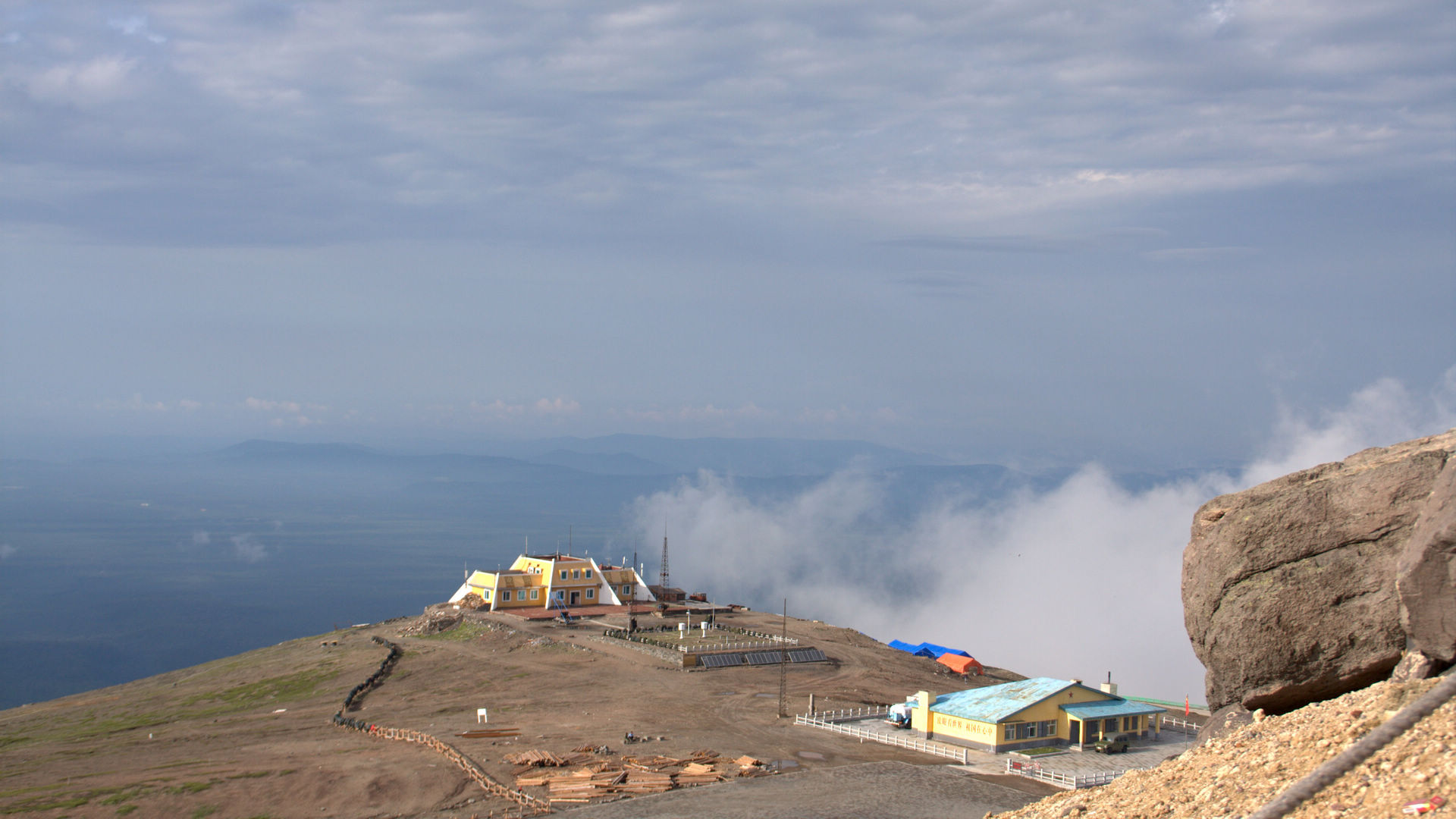
The main event at Changbai Mountain is, of course, witnessing Tianchi itself. The lake's color shifts dramatically with the changing light—from deep sapphire to vivid jade—as clouds drift across the sky. A visit to the North Slope Scenic Area offers the most popular route. From the entrance, you take an eco-friendly bus to a transfer center, then hop on a shuttle (often a Mercedes-Benz van) for a thrilling 20-minute ride up a winding mountain road with sharp turns. After a short ten-minute walk up staircases (choose Route A for the best views), you'll reach the summit and be greeted by the stunning vista of the lake.
Beyond the lake, the North Slope is packed with geological wonders. The Changbai Waterfall, the lake's only outlet, plunges 68 meters down a sheer cliff, creating a thundering spectacle. Nearby, the Julong Spring (Dragon Spring) bubbles with hot mineral water, and you can even try the famous "hot spring eggs"—eggs boiled in the naturally heated waters, with a uniquely soft, custard-like texture. For a different perspective, the Valley Bottom Forest (Underground Forest) offers a walk through a lush, sunken forest on the site of an ancient volcanic eruption.
Key Attractions Nearby
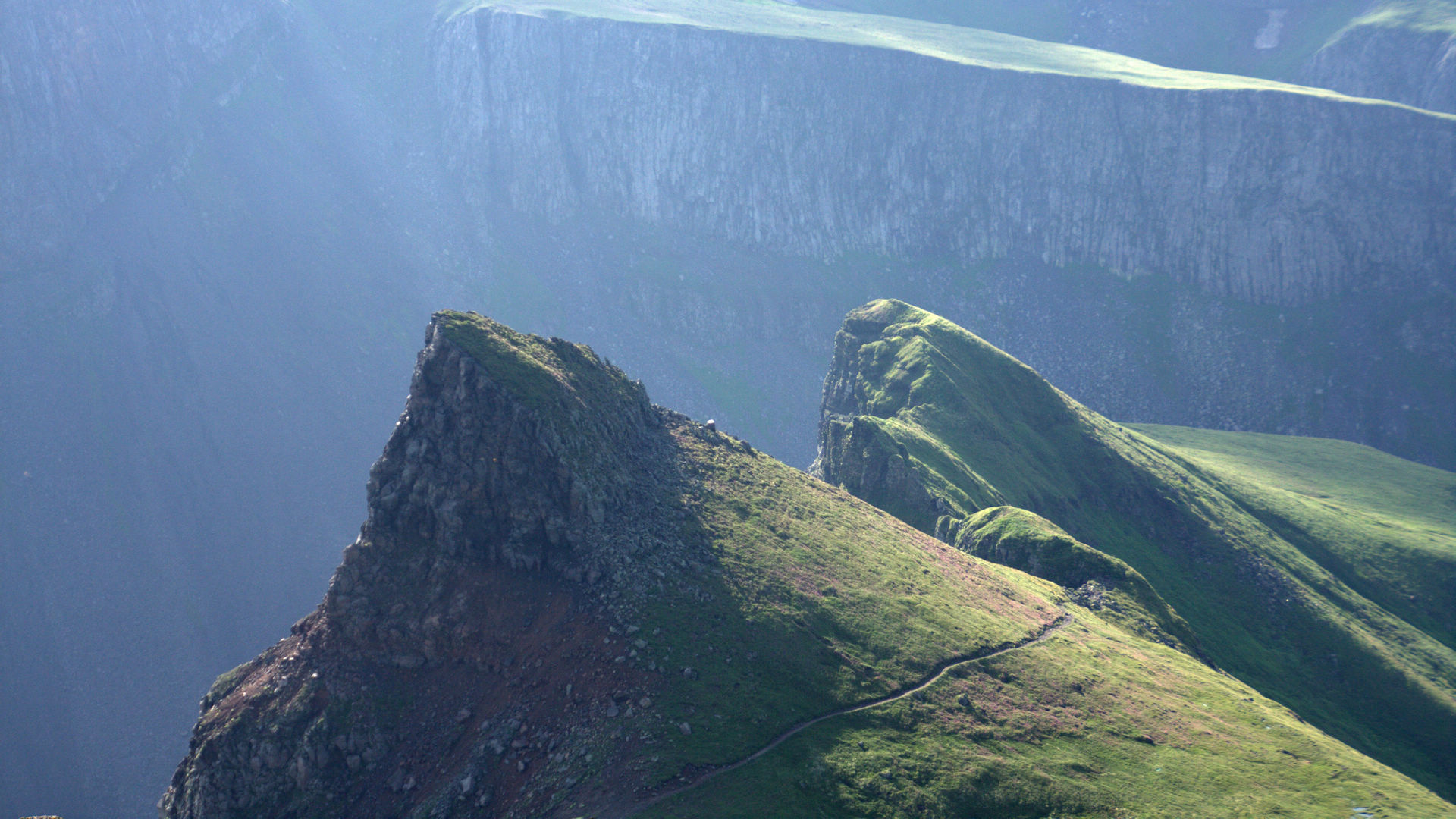
While Tianchi is the crown jewel, the surrounding area is rich with other sights. The Changbai Mountain Grand Canyon, a 70-kilometer-long rift zone formed by volcanic activity, features dramatic rock pillars shaped by millennia of wind and frost. The West Slope Scenic Area provides a gentler climb to the lake's edge, with fewer crowds and a chance to see the alpine rhododendrons blooming in early June. For those seeking modern comforts, the Changbaishan Wanda International Resort at the mountain's western foot offers luxury hotels, hot springs, a water park, and world-class skiing in winter. The resort's nine international brand hotels, including the Park Hyatt and Westin, provide ski-in/ski-out access and a vibrant town for dining and entertainment.
Where to Dine
Local cuisine in the Changbai Mountain region is hearty and influenced by Korean and Northeastern Chinese flavors. At the North Slope, don't miss the hot spring eggs—a must-try snack sold at the hot spring square near the waterfall. For a proper meal, head to the nearby town of Erdaobaihe, where restaurants serve dishes like guo bao rou (crispy pork slices), suan cai (pickled cabbage hotpot), and Korean-style BBQ. The Wanda Resort also has a range of dining options, from casual noodle shops to upscale restaurants offering both Chinese and international fare. For a truly local experience, try a bowl of leng mian (cold noodles) or da jiang tang (soybean paste stew).
Weather & Best Time to Visit
Changbai Mountain's weather is famously unpredictable. Even in summer, temperatures at the summit can drop to near freezing, and rain or fog can obscure the lake entirely. The best time to visit for clear views of Tianchi is between June and September, when the weather is warmest and the alpine flowers are in bloom. June sees the spectacular bloom of rhododendrons, while July and August offer the most stable weather. However, this is also peak tourist season, so expect crowds. Autumn (late September to October) brings stunning fall foliage, but the weather becomes more variable. Winter (November to April) is for serious skiers and snow lovers, with heavy snowfall and temperatures plunging well below zero, but the lake is often frozen and inaccessible.
Travel Tips
- Getting There: The nearest major city is Changchun, from which you can take a bus or train to Erdaobaihe. From there, local buses or taxis can take you to the North Slope entrance. The West Slope is accessible via the Wanda Resort area.
- Fees & Hours: Entrance to the North Slope Scenic Area is 100 RMB (with a half-price student discount). You'll also need to pay for the eco-friendly bus (85 RMB per person) and the shuttle to the main peak (additional fee). The scenic area is open year-round, typically from 8:30 AM to 4:30 PM, but hours vary by season.
- What to Bring: Dress in layers—even in summer, a windproof jacket and sturdy shoes are essential. Pack rain gear, sunscreen, and sunglasses, as UV rays are strong at high altitudes. Bring water and snacks, as options on the mountain are limited.
- Pro Tips: Arrive early in the morning to beat the crowds and increase your chances of clear weather. Check the weather forecast before you go, and be flexible—if the lake is hidden by clouds, wait a while, as conditions can change quickly. For a more peaceful experience, consider visiting the West Slope or South Slope, which see fewer tourists.