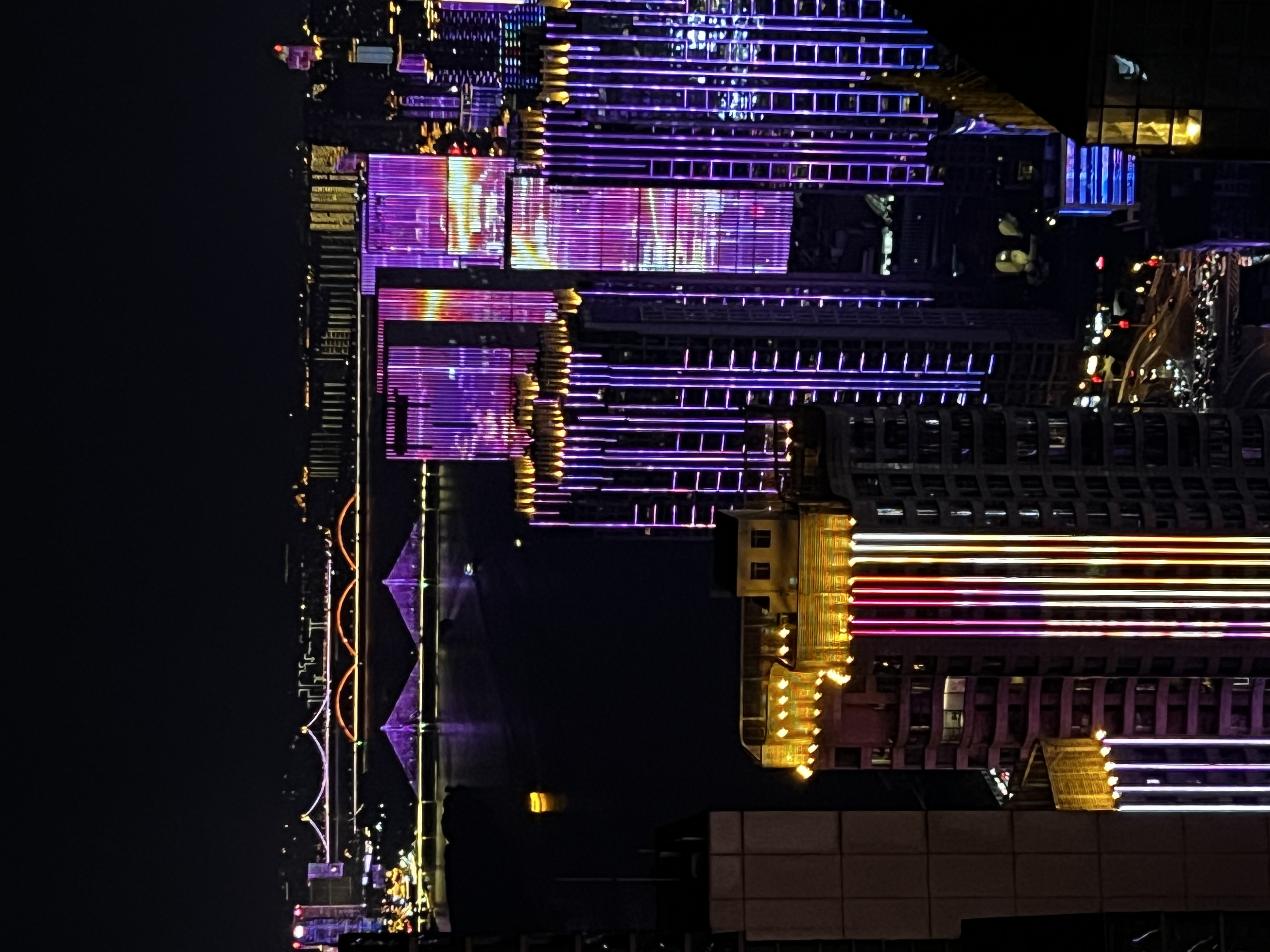
Overview & History
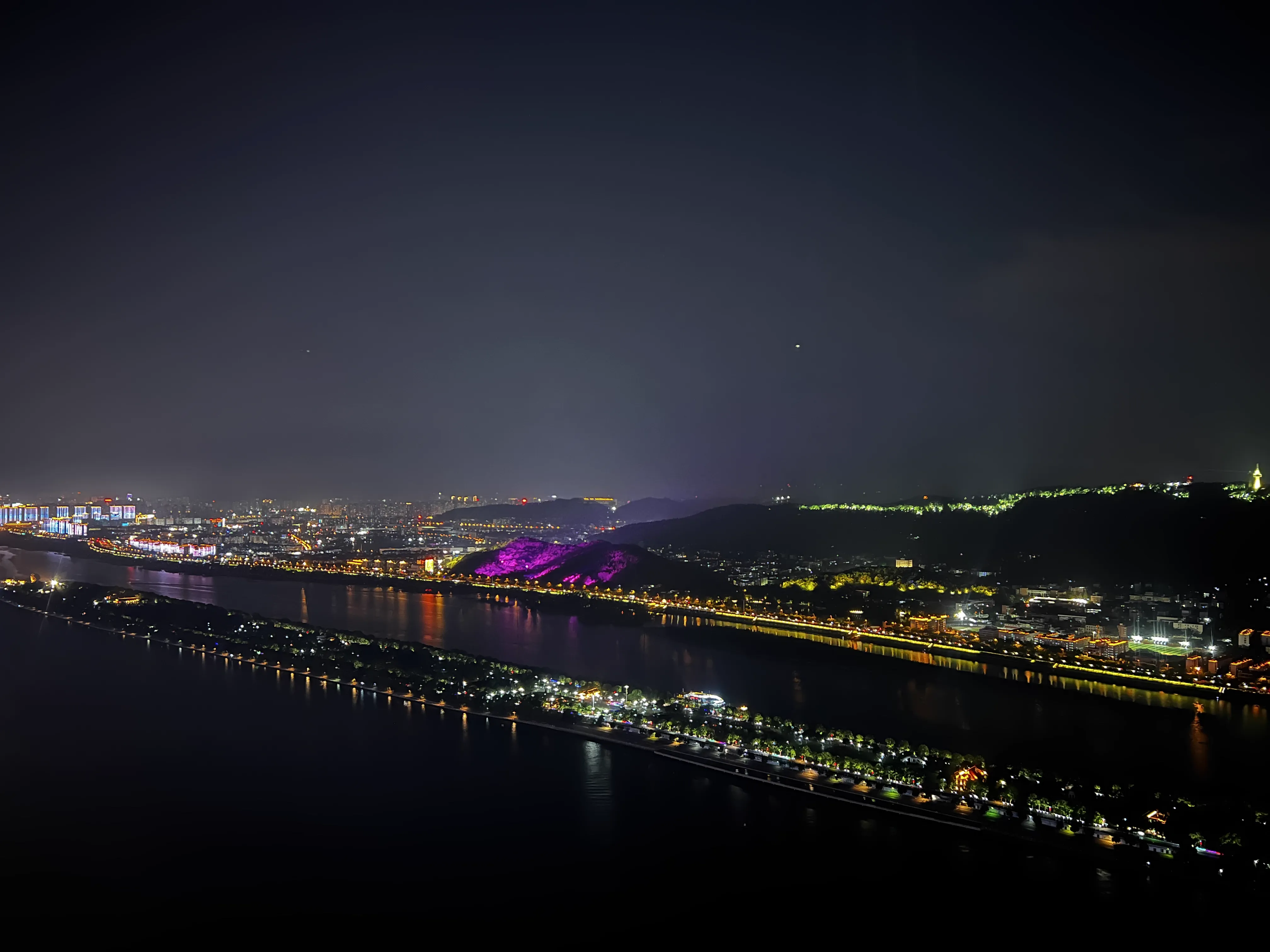
Stretching like a verdant ribbon through the heart of Changsha, Orange Isle (橘子洲, Júzi Zhōu) is a narrow alluvial island in the Xiangjiang River, formed over 1,600 years ago during the Jin Dynasty. Measuring about 5 kilometers in length and lying at the foot of the majestic Yuelu Mountain, this historic isle has long been celebrated for its fertile soil and abundant citrus groves. The Tang Dynasty poet Du Fu immortalized it with the verse, "The peach blossom source people change their systems easily, the fields and soil of Orange Isle remain fertile," highlighting its enduring agricultural richness.
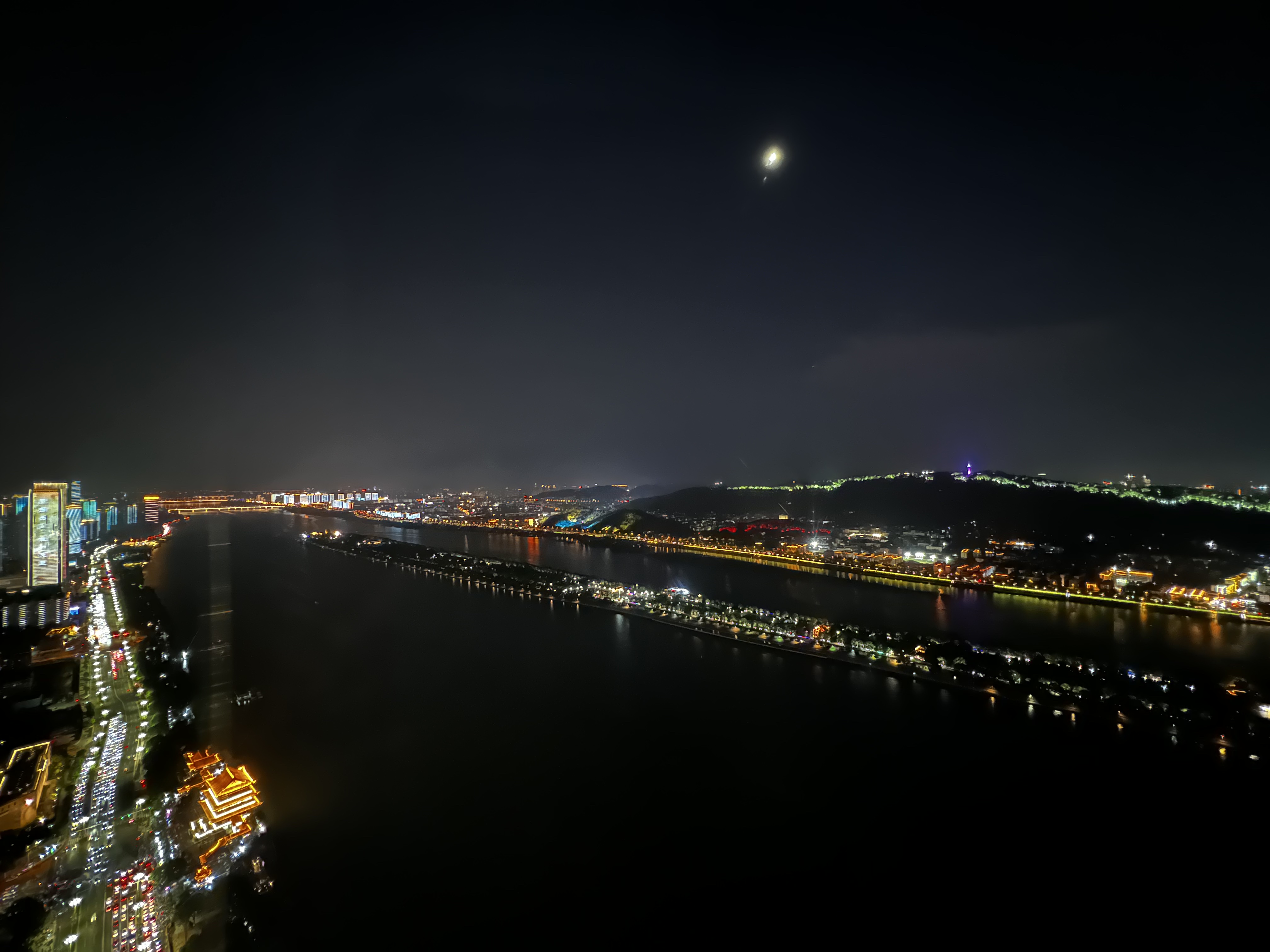
Orange Isle's history is deeply intertwined with Chinese culture and politics. The renowned couplet from Shuisi Temple—"In the Gongji Tower, there is no summer heat in May and June; on the Xiaoxiang River, there are fishermen's songs in the second and third watches of the night"—captures the island's timeless tranquility. During the late Qing Dynasty, the Xiang Army Navy, led by the famous statesman Zeng Guofan, trained in these waters. In the early 20th century, the island became a sought-after retreat for military and political figures of the Republic of China, including the warlord Tang Shengzhi, whose mansion still stands. Today, Orange Isle is a beloved urban oasis, blending natural beauty with layers of history, and is famously associated with Mao Zedong, who wrote about his youthful swims in the Xiangjiang River here.
Highlights & Activities
Orange Isle offers a wealth of experiences for visitors. The island is divided into themed gardens, including a Plum Garden, Peach Garden, and Orange Garden, where you can stroll among blooming flowers and citrus trees. The best way to explore is on foot—though electric carts are available, the island's gentle paths and scenic views make walking a rewarding choice, especially if you have at least half a day.
- Historical Sites: Visit the Yuan Dynasty Shuisi Temple and Gongji Tower, which offer glimpses into the island's medieval past. The Tang Shengzhi Mansion, a luxurious villa from the Republic of China era, is a must-see for history buffs.
- Architectural Relics: The island features remnants of foreign consulates and buildings from Changsha's port-opening period, including the Meifu (Standard Oil) building. Though weathered, these structures reveal a fascinating blend of Eastern and Western design.
- Fireworks Spectacular: On Saturday evenings, Orange Isle hosts one of China's longest-running fireworks displays, a tradition spanning over 30 years. The show lasts 20 minutes, with winter/spring shows at 8:00 PM and summer/fall at 8:30 PM. Prime viewing spots include Xiaoxiang Avenue, Xiangjiang Avenue, the Four-Goat Square, Du Fu's River Pavilion, and the top of Yuelu Mountain.
- Scenic Walks: The island's 5-kilometer length is perfect for a leisurely walk or bike ride, with panoramic views of the Xiangjiang River and the Changsha skyline.
Key Attractions Nearby
Orange Isle sits at the center of a culturally rich area. On the west bank, Yuelu Mountain rises with the historic Yuelu Academy, a cradle of Neo-Confucianism where scholars like Zhu Xi and Zhang Shi taught 800 years ago. The Zhu Zhang Ferry, located on Liupu Street near Hunan First Normal University, marks the crossing these scholars used to travel between the two banks. On the east bank, you'll find Tianxin Pavilion and the former site of Chengnan Academy, two landmarks that echo Changsha's scholarly heritage. For a deeper dive into local history, Hunan First Normal University, where Mao Zedong studied, is just a short walk from the island.
Where to Dine
While Orange Isle itself has limited dining options, the surrounding banks of the Xiangjiang River offer a vibrant food scene. For authentic local cuisine, head to the streets near Du Fu's River Pavilion, where you can try Changsha's famous spicy stinky tofu, rice noodles, and grilled skewers. For a more refined experience, consider restaurants along Xiangjiang Avenue, which serve Hunan classics like steamed fish head with chili and braised pork belly. Don't miss the chance to sip on fresh orange juice, a nod to the island's citrus heritage.
Weather & Best Time to Visit
Changsha has a subtropical monsoon climate, with hot, humid summers and cool, damp winters. The best time to visit Orange Isle is in spring (March to May) or autumn (September to November), when temperatures are mild, and the gardens are in full bloom or ablaze with autumn colors. Summer (June to August) can be scorching, with temperatures often exceeding 35°C (95°F), but the Saturday fireworks are a highlight. Winter (December to February) is chilly but less crowded, offering a serene atmosphere. Avoid visiting during Chinese public holidays, such as National Day (October 1-7) and Spring Festival, when crowds are dense.
Travel Tips
- Getting There: Orange Isle is accessible by subway (Line 2, Orange Isle Station) or by taxi from downtown Changsha. The island is free to enter, and opening hours are typically from 7:00 AM to 10:00 PM.
- Fees: Entry is free, but the electric cart costs around 20 RMB per person. If you prefer to walk, bring comfortable shoes and water, as the island is 5 kilometers long.
- What to Bring: Sunscreen and a hat in summer, an umbrella in spring and autumn, and a warm jacket in winter. For the fireworks, arrive early to secure a good spot along the riverbank.
- Tips: The island is a popular spot for locals and tourists alike, so visit on weekdays for a quieter experience. Photography enthusiasts will love the sunrise and sunset views from the southern tip of the isle.