Overview & History
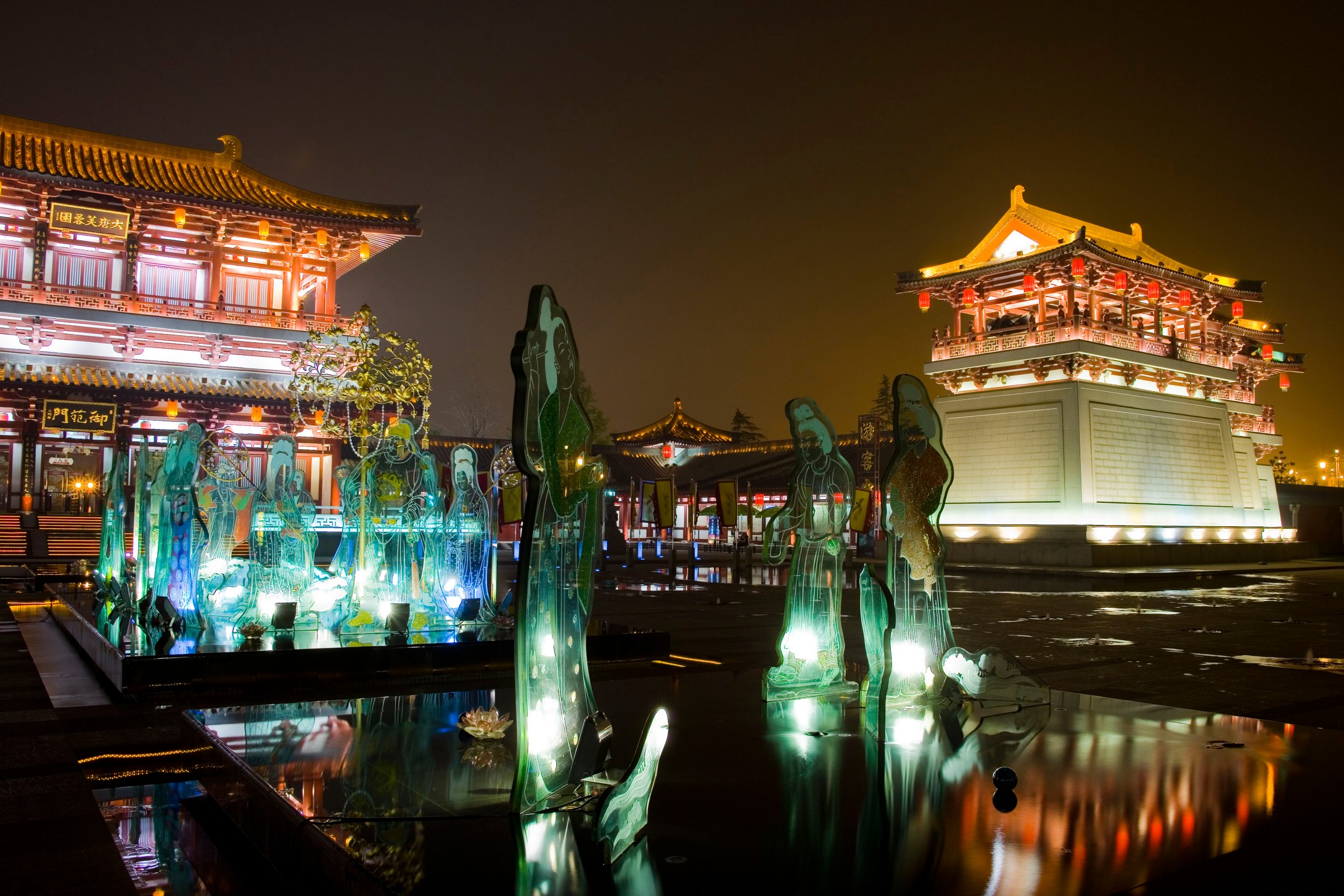
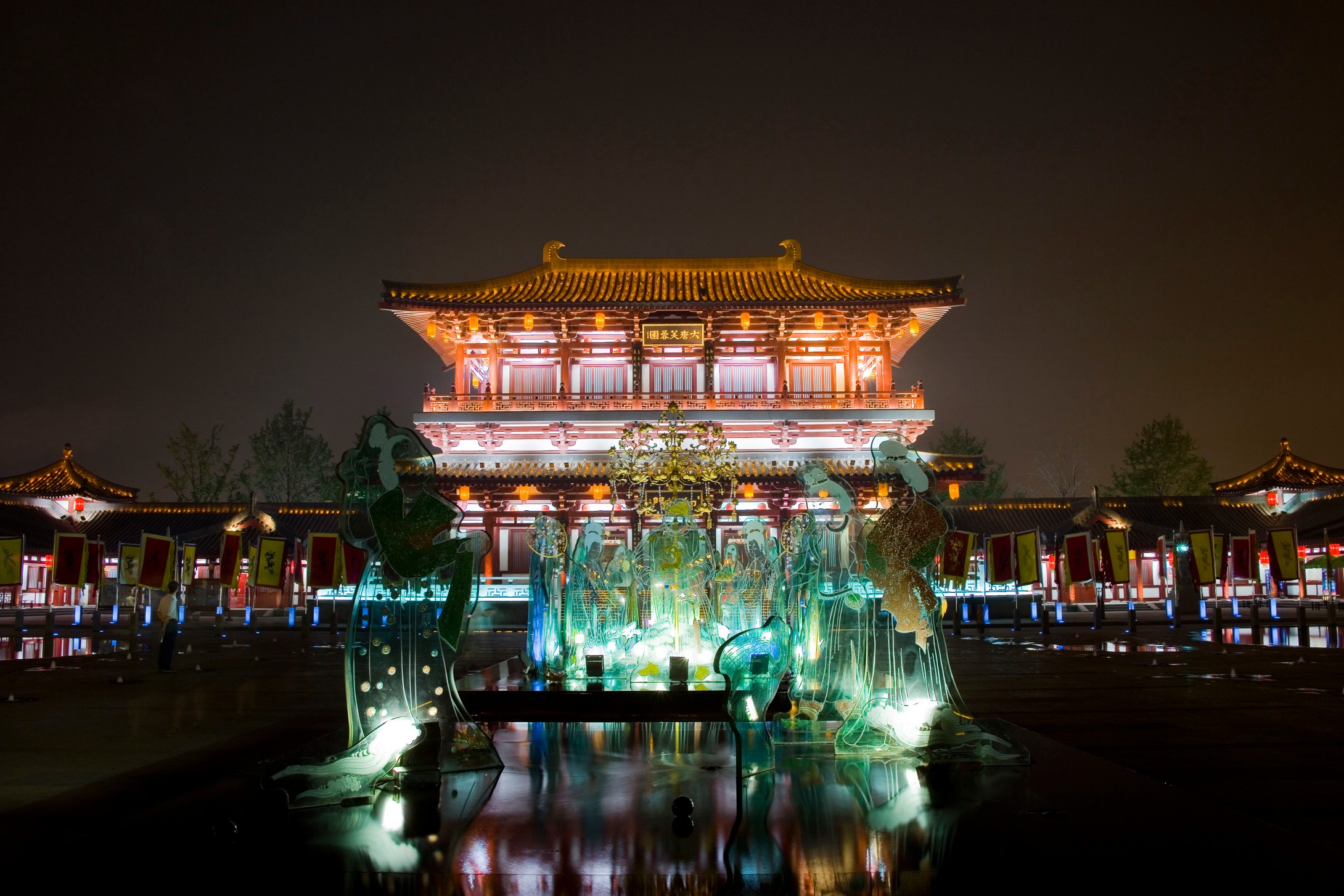
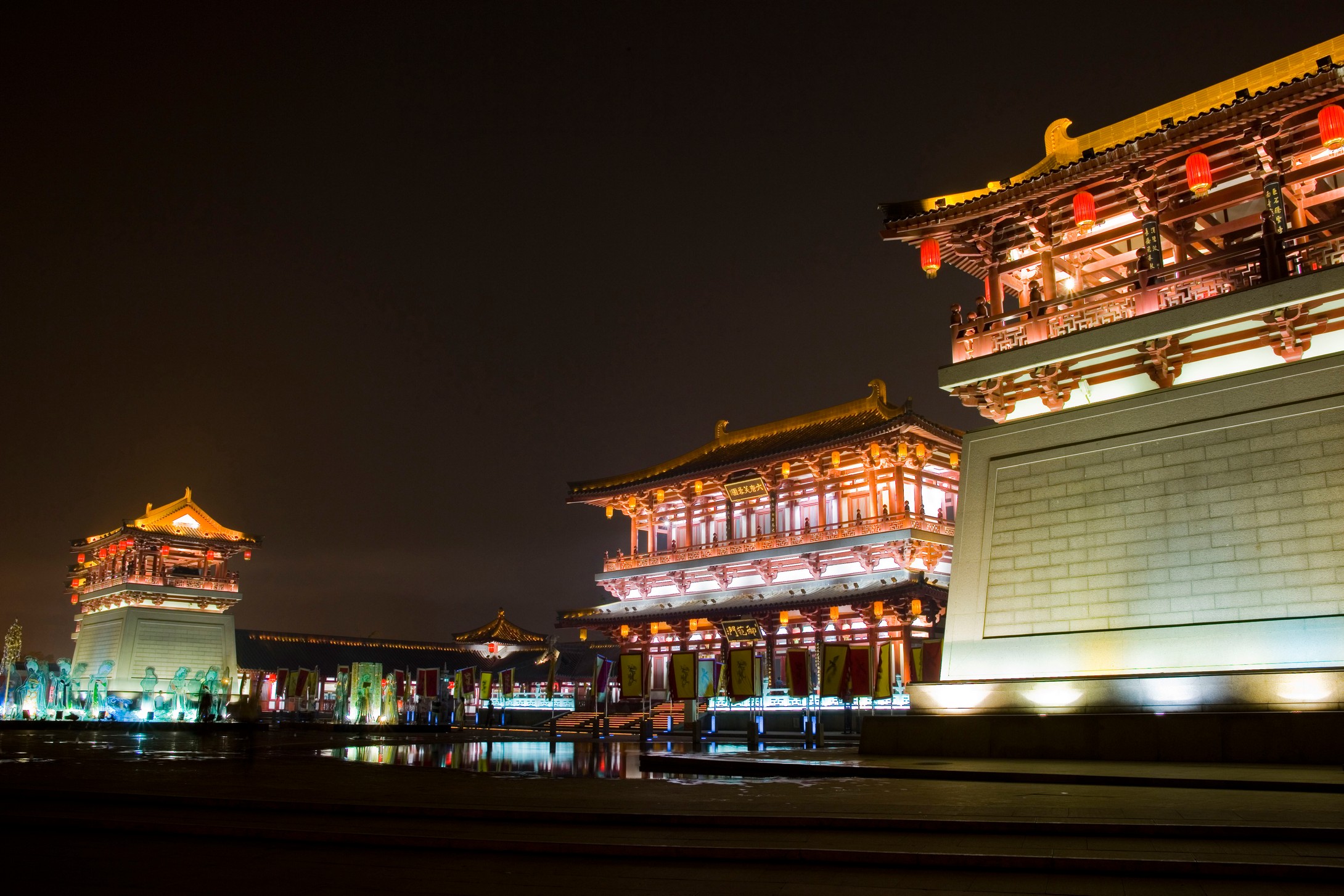
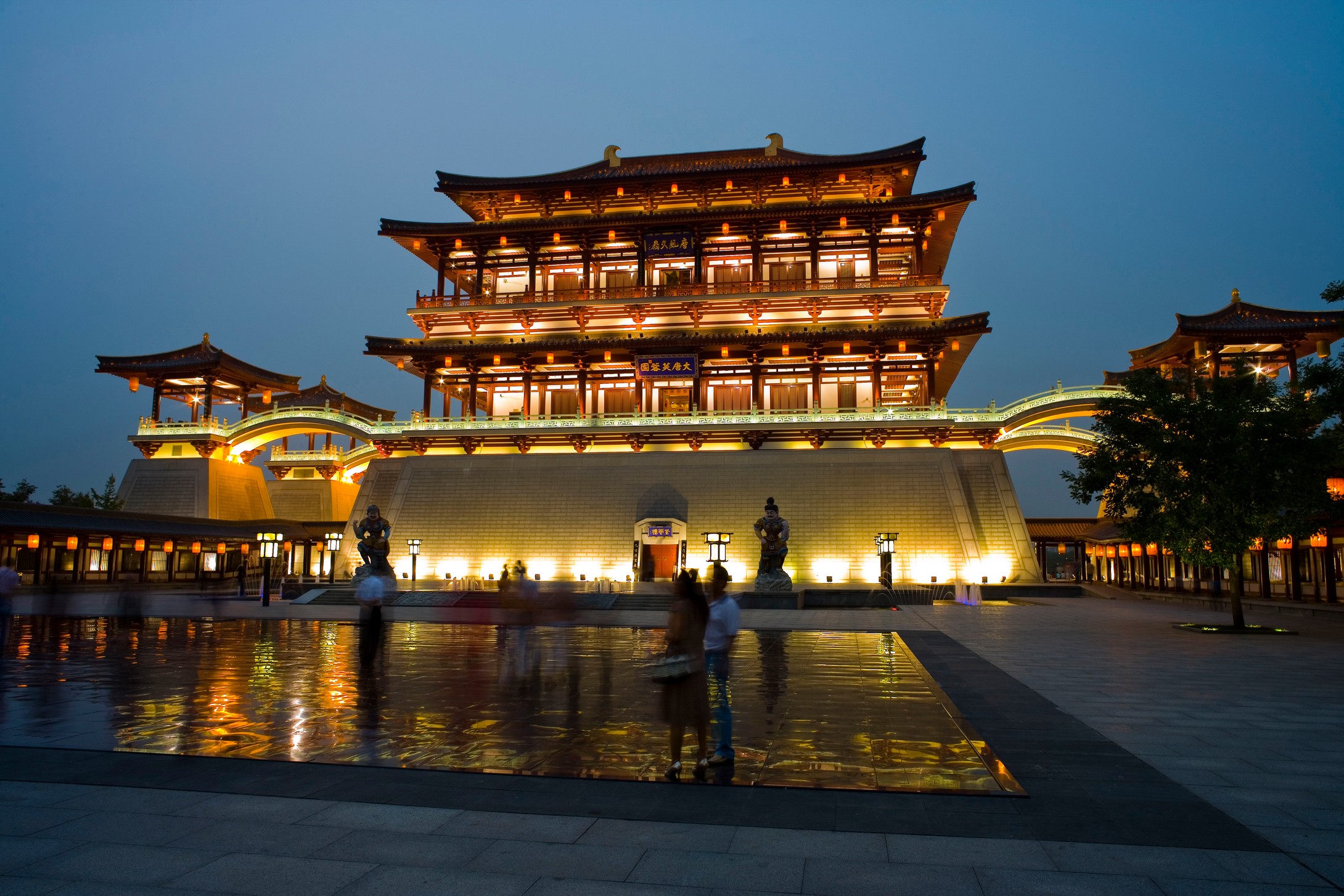
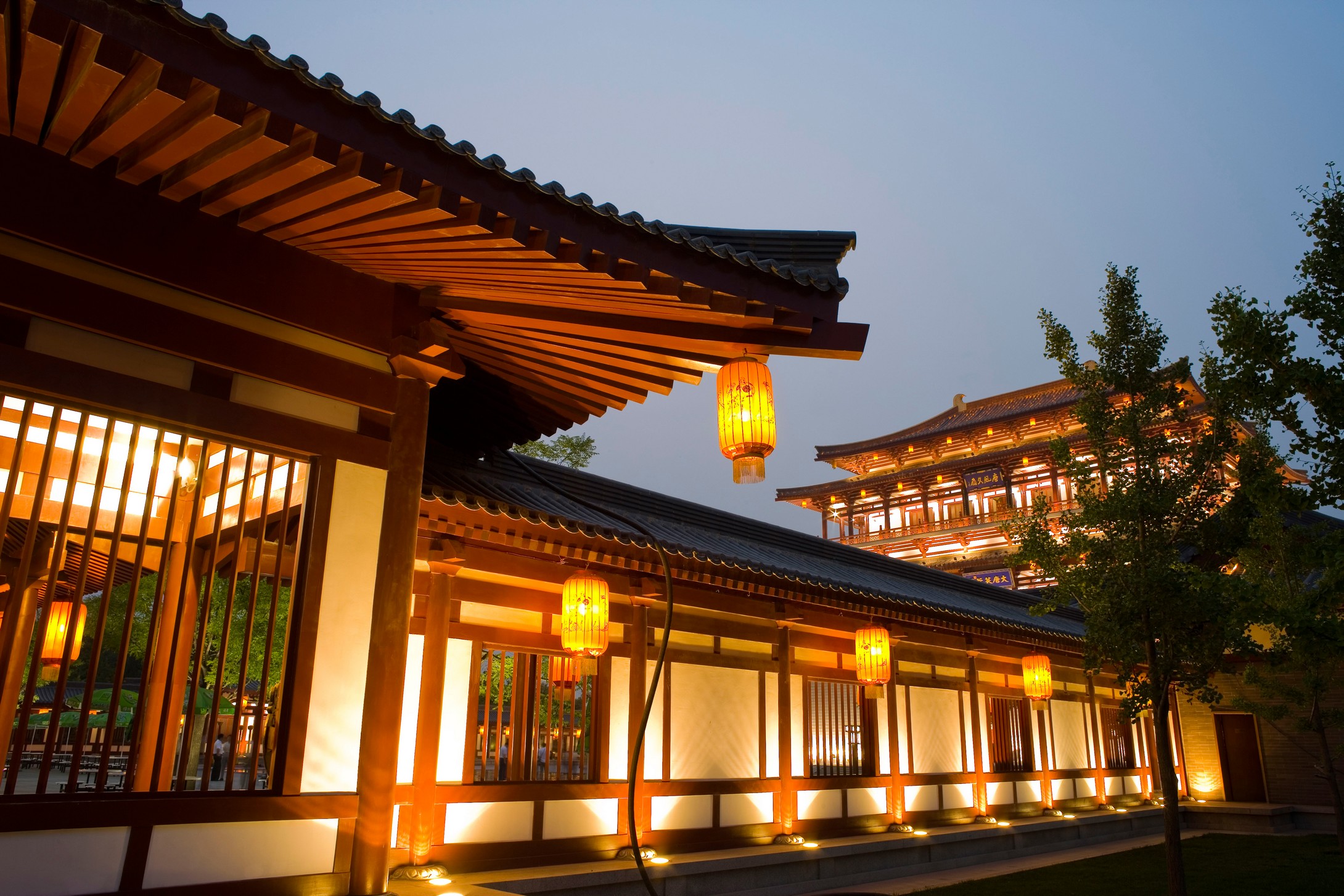
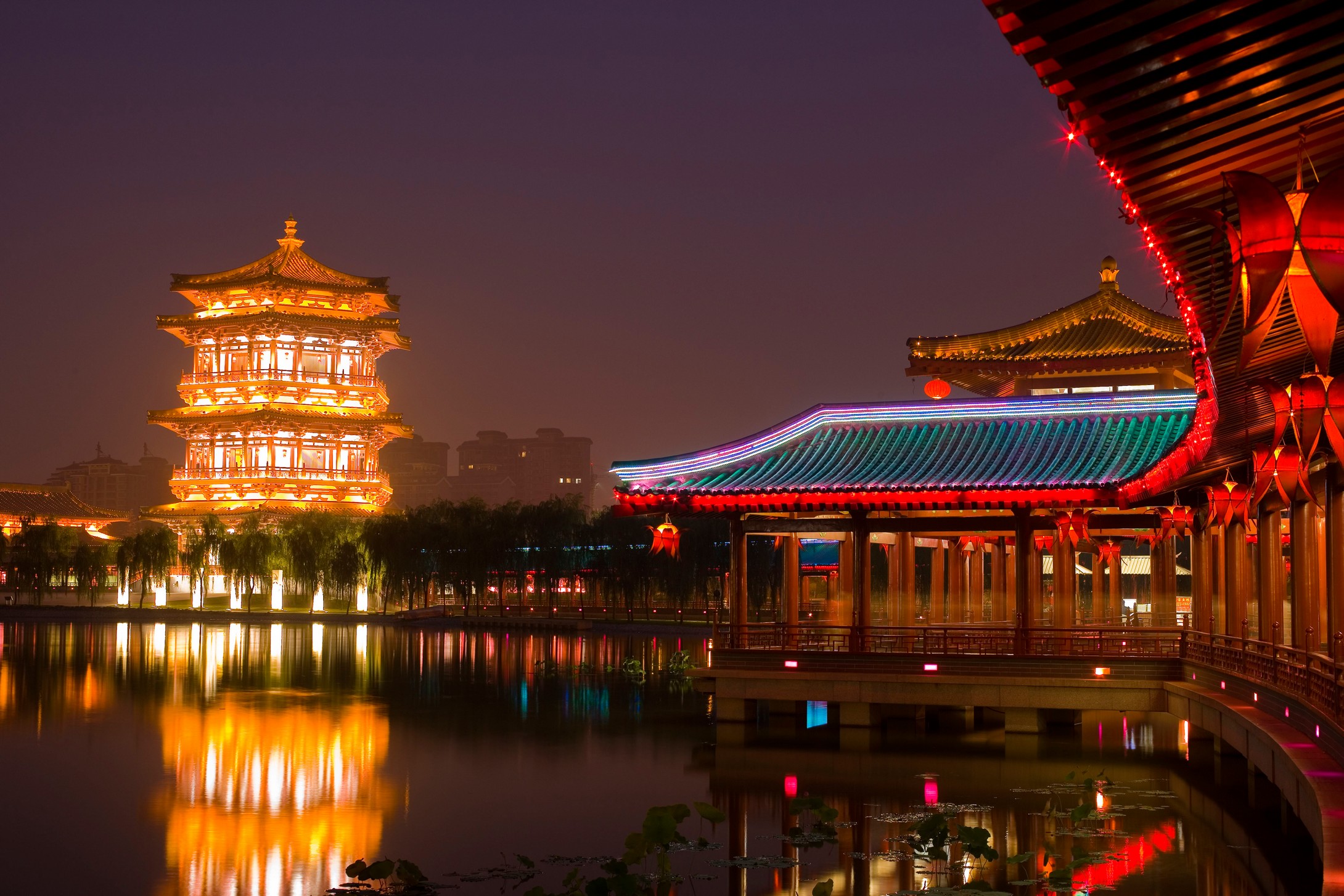
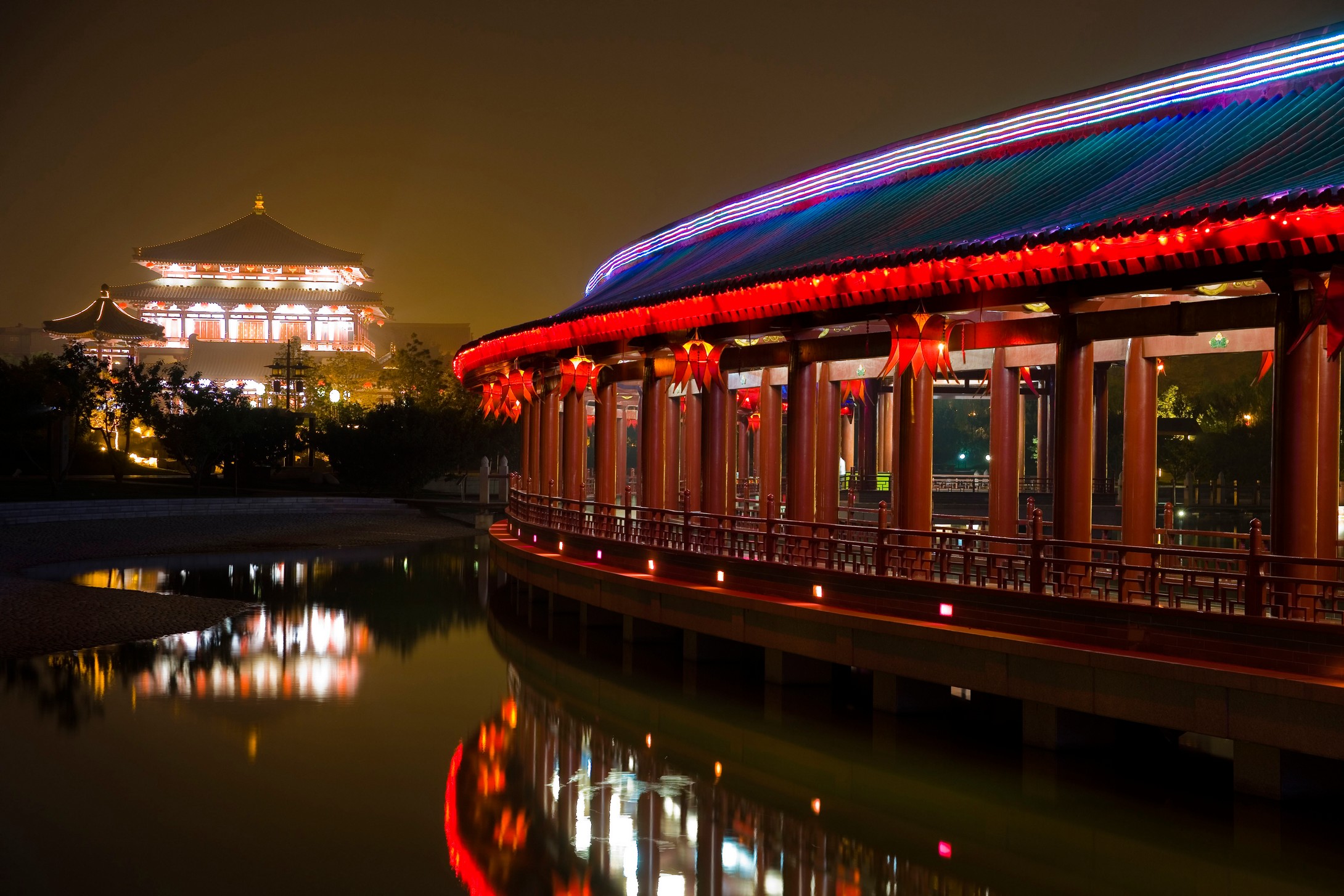
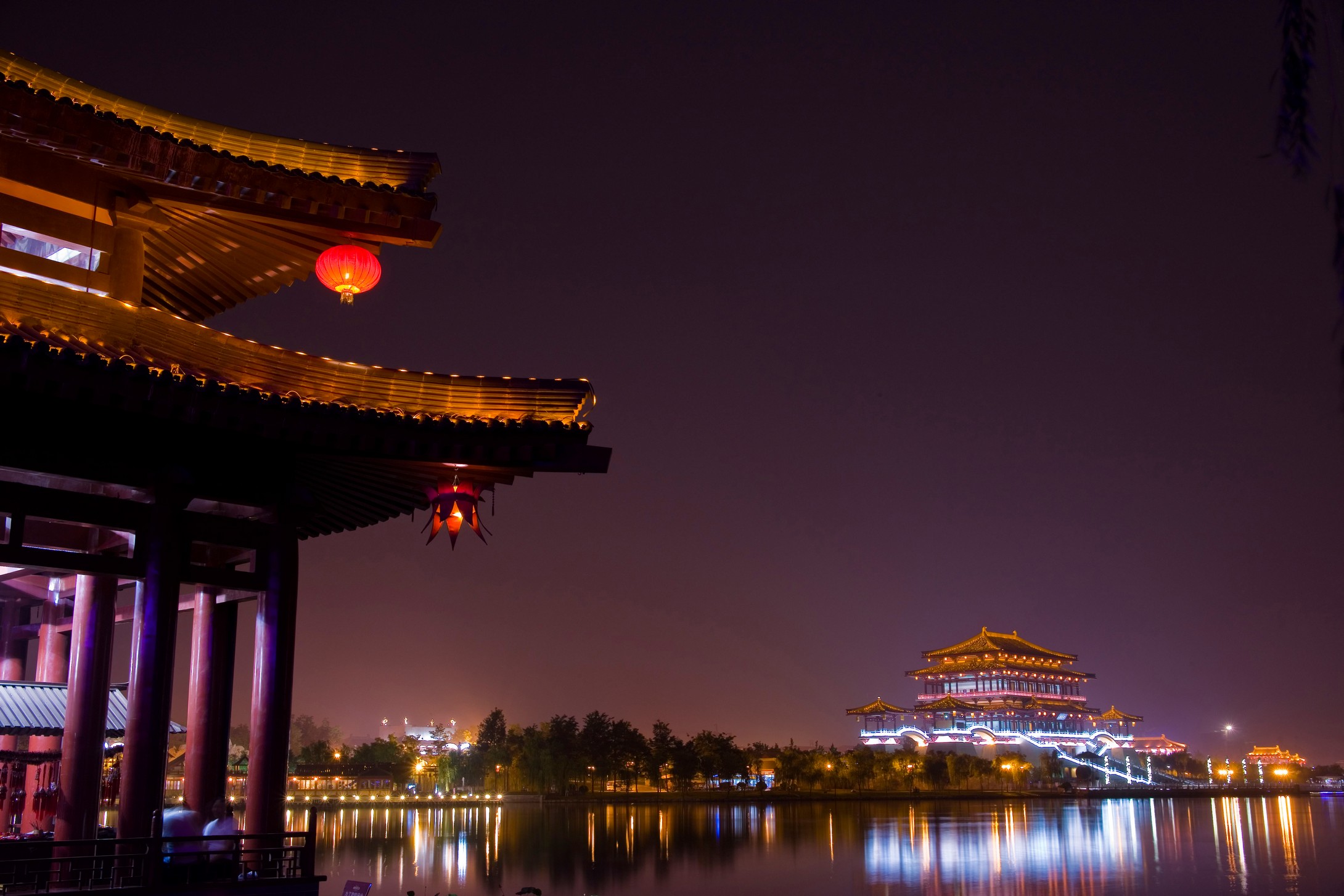
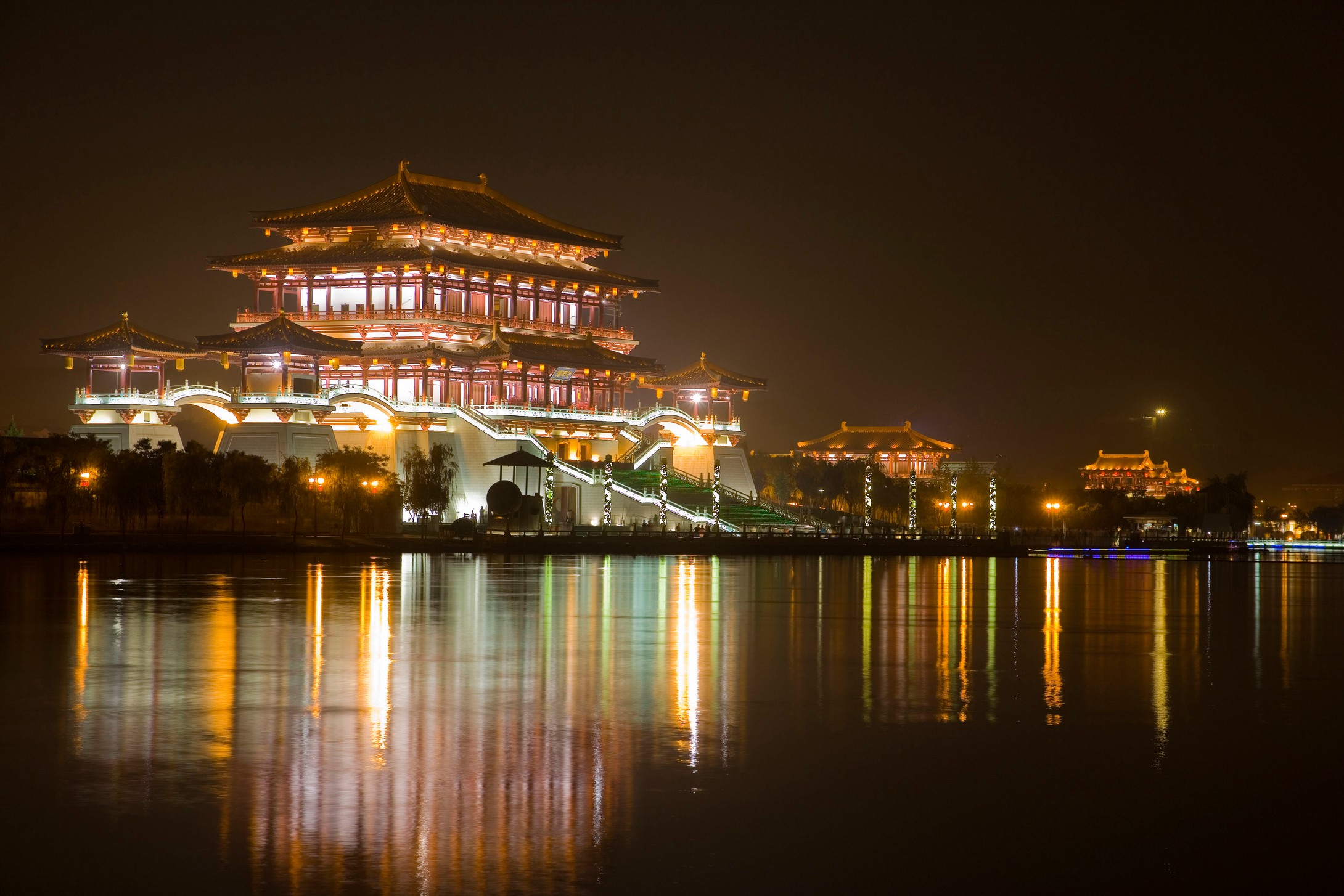
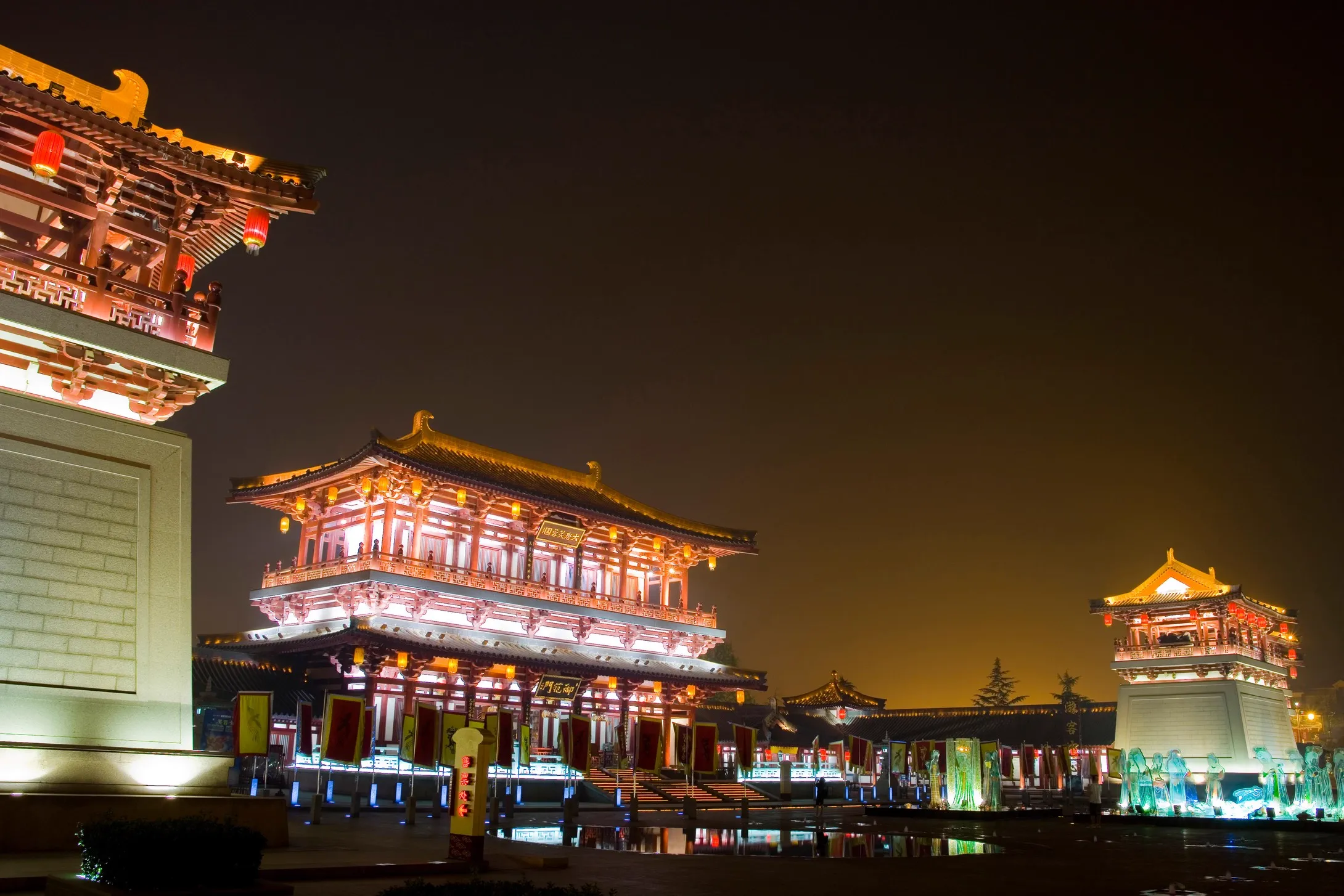
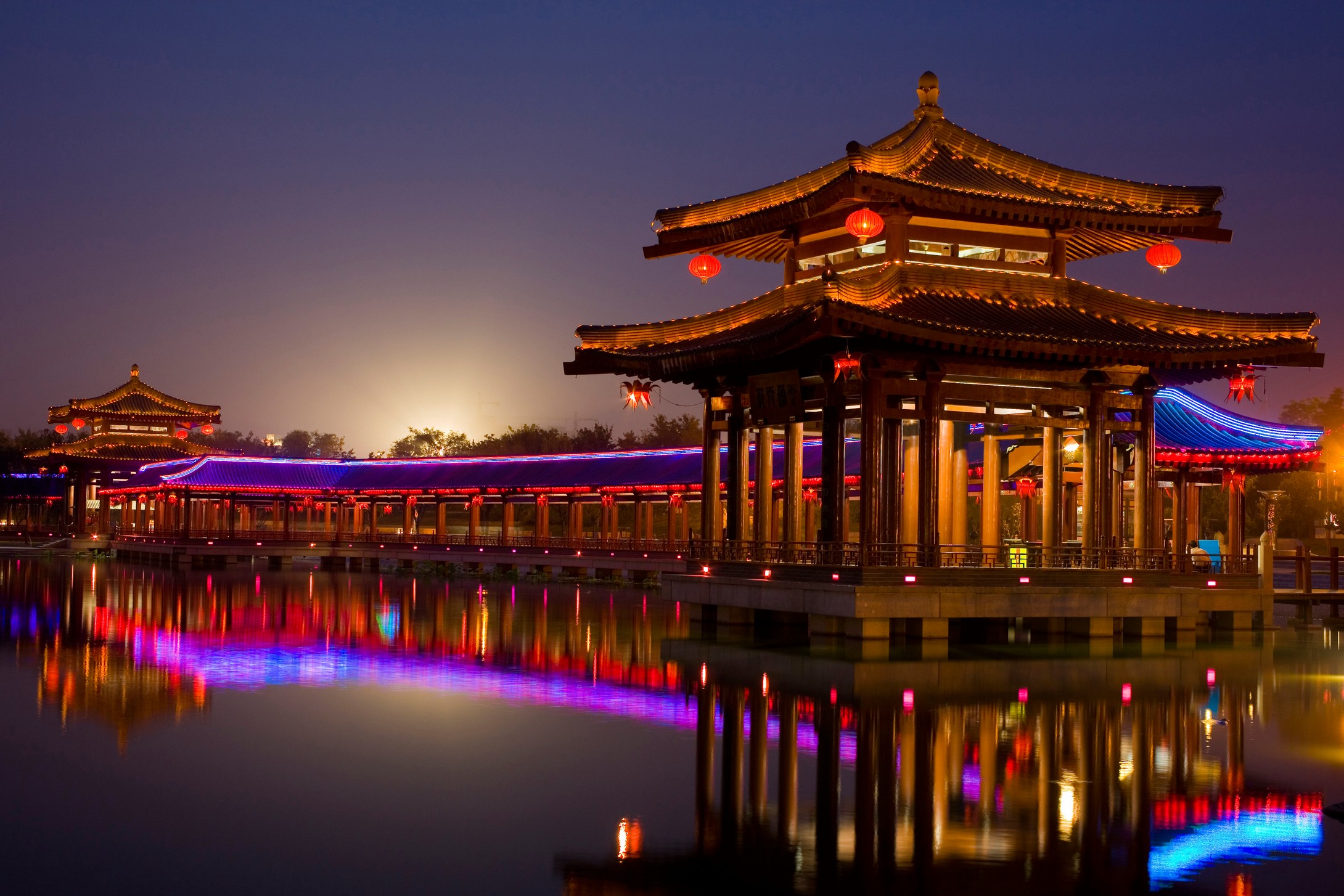
Nestled in the heart of Xi’an’s Qujiang New District, Tang Paradise (大唐芙蓉园) is a magnificent cultural theme park that transports visitors back to the golden age of the Tang Dynasty (618–907 AD). Built on the historic site of the imperial Furong Garden (Lotus Garden), this sprawling 1,000-acre park was meticulously reconstructed in 2005 to recreate the splendor of Tang-era imperial gardens, architecture, and artistry. Unlike a mere museum, Tang Paradise is a living tableau of ancient China’s most cosmopolitan and prosperous era, where every pavilion, lake, and bridge echoes the poetry and grandeur of a civilization that once dazzled the Silk Road.
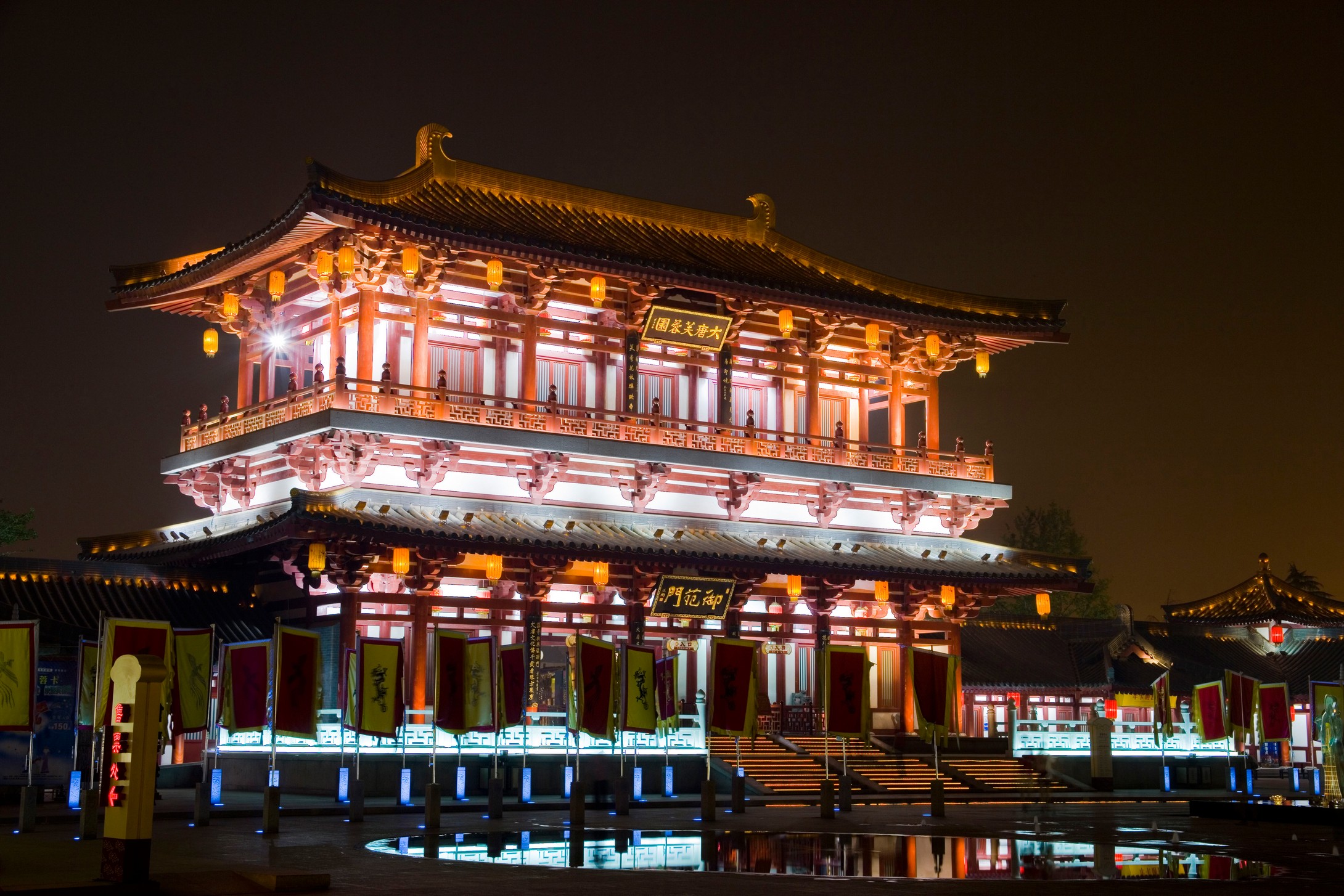
What makes Tang Paradise truly special is its fusion of history and spectacle. The park is designed around the theme “Return to the Tang Dynasty,” featuring the world’s largest Tang-style building cluster, including the iconic Ziyun Tower, which offers panoramic views of the park and the nearby Giant Wild Goose Pagoda. The site also hosts seasonal events like the 2018 Tang Paradise Spring Lantern Festival (held from February 3 to March 18, with tickets at 120 yuan), where thousands of handcrafted lanterns transform the park into a dreamlike wonderland of light and color. This festival, deeply rooted in Chinese tradition, showcases the Tang love for festivity, poetry, and communal celebration.
Highlights & Activities
Tang Paradise offers a wealth of experiences that engage all the senses. Stroll through the Jiangxing Lake area, where you can take a boat ride past replica Tang-era buildings and watch daily performances, including the spectacular “Dreaming of the Tang Dynasty” water show—a fusion of music, dance, and laser effects that illuminates the night sky. The park’s Fengming Jiutian Theater hosts traditional Tang Dynasty dances, complete with flowing silk costumes and ancient instruments like the pipa and guzheng.
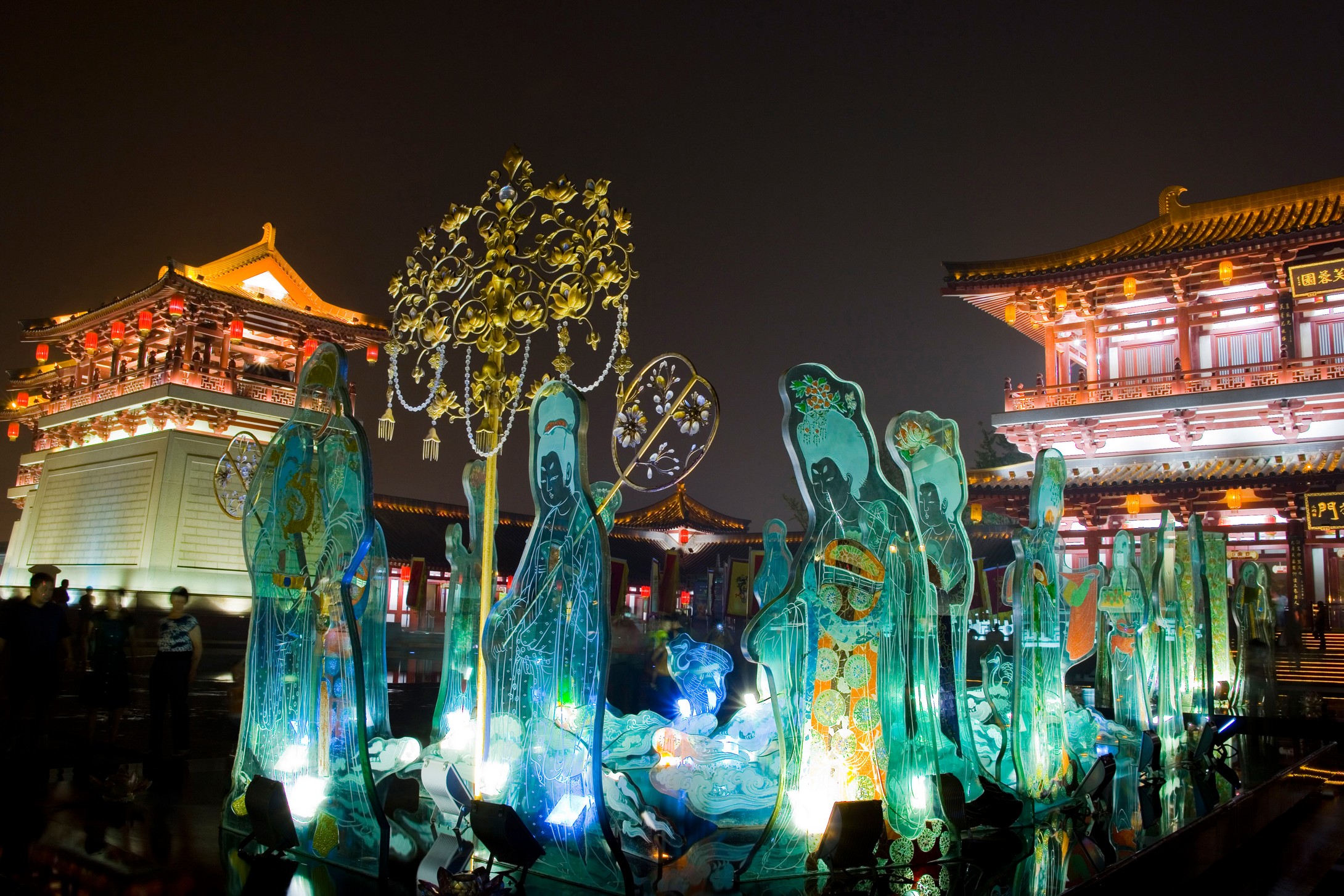
During the Spring Lantern Festival, the park becomes a living gallery of light. Walk through the Lantern Corridor, where giant lanterns depict scenes from Tang poetry, mythical creatures, and imperial processions. Interactive zones allow children to design their own lanterns, while food stalls serve seasonal treats like tangyuan (sweet rice dumplings). For history buffs, the Tang Dynasty Museum within the park displays artifacts, calligraphy, and paintings from the era, offering deeper insight into the dynasty’s cultural legacy.
Don’t miss the Imperial Baths area, a replica of the Tang royal bathing pools, and the Lishan Hot Spring exhibits, which echo the luxurious spa culture of the time. The park also features a Pear Garden (Liyuan) dedicated to Tang opera and drama, where you can watch live performances of ancient Chinese theater.
Key Attractions Nearby
Tang Paradise is ideally located near several of Xi’an’s top sights. A short walk away is the Giant Wild Goose Pagoda (Dayan Pagoda), a Tang-era Buddhist pagoda that once housed sacred scriptures brought from India by the monk Xuanzang. The surrounding Da Ci’en Temple offers a serene contrast to the park’s bustle.
Just a 15-minute drive east lies the Huaqing Palace (Huaqing Chi), a Tang imperial hot spring resort set against the scenic Lishan Mountain. Here, you can explore the Tang Imperial Bathing Pool Site Museum and the Xi’an Incident site—Wujian Hall—where a pivotal 1936 political event unfolded. The palace’s “Hot Spring Eulogy” stele, dating to the Northern Wei Dynasty, underscores the area’s millennia-old spa tradition.
For a taste of ancient urban life, visit the Xi’an City Wall, a 14-kilometer-long fortification that you can cycle or stroll along. The Bell Tower and Drum Tower (the latter featuring a 1.8-meter-high drum and 24 solar-term drums) are also nearby, with the Drum Tower’s “Morning Bell and Evening Drum” performance and its adjacent Muslim Quarter offering a vibrant food scene.
Where to Dine
Within Tang Paradise, several restaurants serve Tang-inspired cuisine, such as Furong Restaurant, where you can sample imperial dishes like “Lotus Seed Soup” and “Braised Pork Belly with Dates.” For a more casual experience, the park’s food stalls offer local snacks like roujiamo (Chinese hamburger) and biangbiang noodles.
Outside the park, the Muslim Quarter near the Drum Tower is a must-visit for food lovers. Try yangrou paomo (lamb soup with bread), liangpi (cold noodles), and persimmon cakes. For a unique atmosphere, visit Echo Park Concept Bookstore at No. 15 Defu Alley, a cozy spot for tea and light meals amidst shelves of books and art.
Weather & Best Time to Visit
Xi’an has a temperate continental climate with four distinct seasons. Spring (March–May) and autumn (September–November) are the best times to visit, with mild temperatures (15–25°C) and clear skies. The Spring Lantern Festival in February–March is a highlight, but expect crowds—arrive early to avoid queues. Summer (June–August) can be hot (30–35°C) and humid, though evening performances are pleasant. Winter (December–February) is cold (0–10°C), but the park’s lantern displays and indoor museums offer warmth. The park is open year-round, but weekdays and early mornings are less crowded.
Travel Tips
- Getting There: Tang Paradise is at No. 99 Furong West Road, Qujiang New District. Take metro Line 3 to Qujiang Pool Station (Exit B) or buses like 21, 24, or 501. From Xi’an Xianyang International Airport, a taxi takes about 50 minutes.
- Fees & Hours: General admission is 120 yuan (peak season), with discounts for students and seniors. The park is open 09:00–21:00 (last entry at 20:30). Check the official website for seasonal changes and special festival pricing.
- What to Bring: Comfortable walking shoes (the park is vast), a camera for stunning photos, sunscreen in summer, and a light jacket for cool evenings. During festivals, bring cash for snacks and souvenirs, as some stalls may not accept cards.
- Etiquette: Respect cultural sites—no loud noise or littering. Photography is allowed, but avoid using flash in museums or during performances.
- Nearby Transport: For attractions like the Han Chang’an City Ruins Park (free admission, bus 234 or 331), plan extra travel time as they are farther from the city center.
Tang Paradise is more than a theme park—it’s a gateway to the Tang Dynasty’s soul, where history, art, and festivity converge. Whether you’re marveling at lantern-lit pavilions or savoring imperial cuisine, this enchanting destination promises an unforgettable journey through China’s most celebrated era.