Overview & History
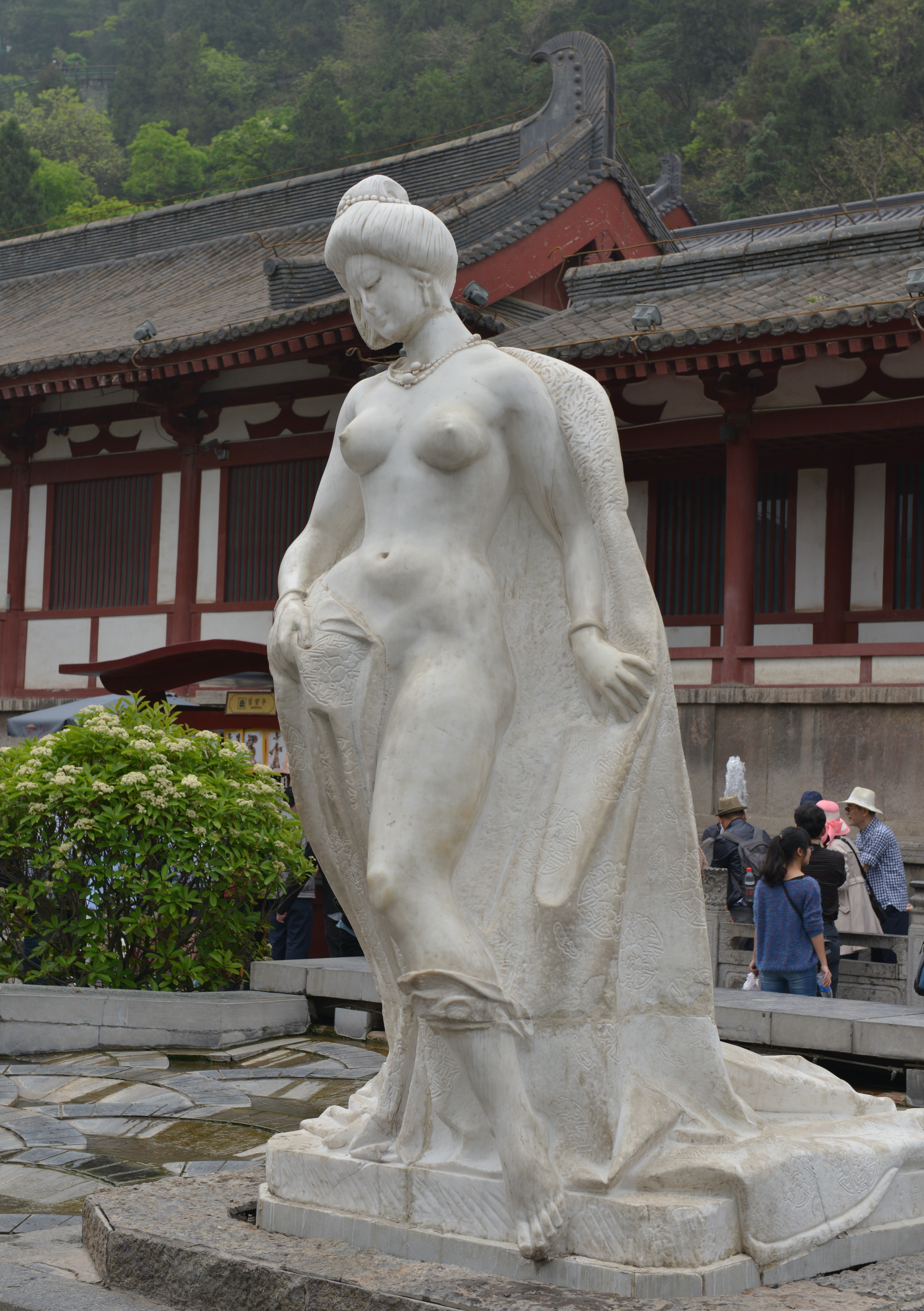
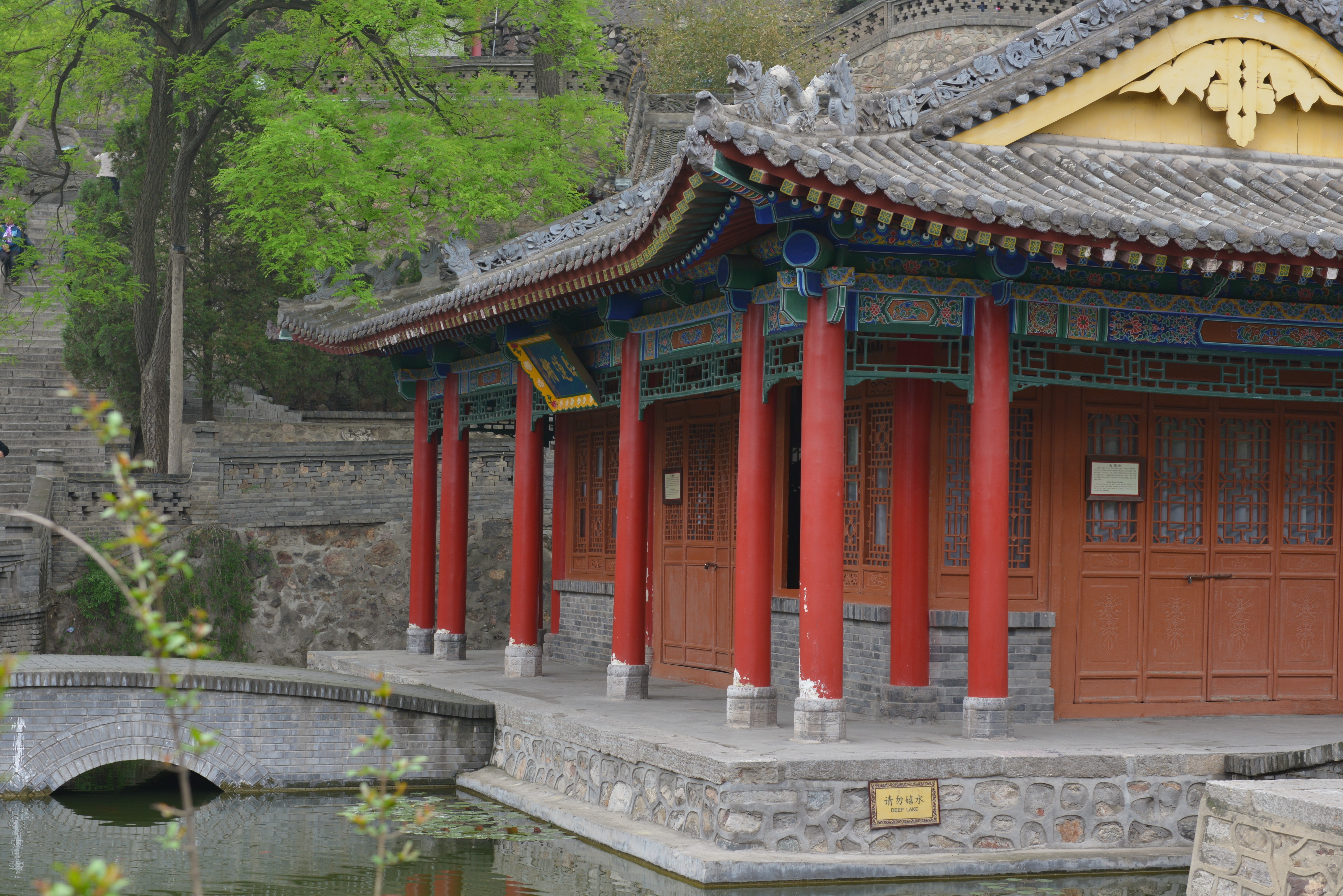
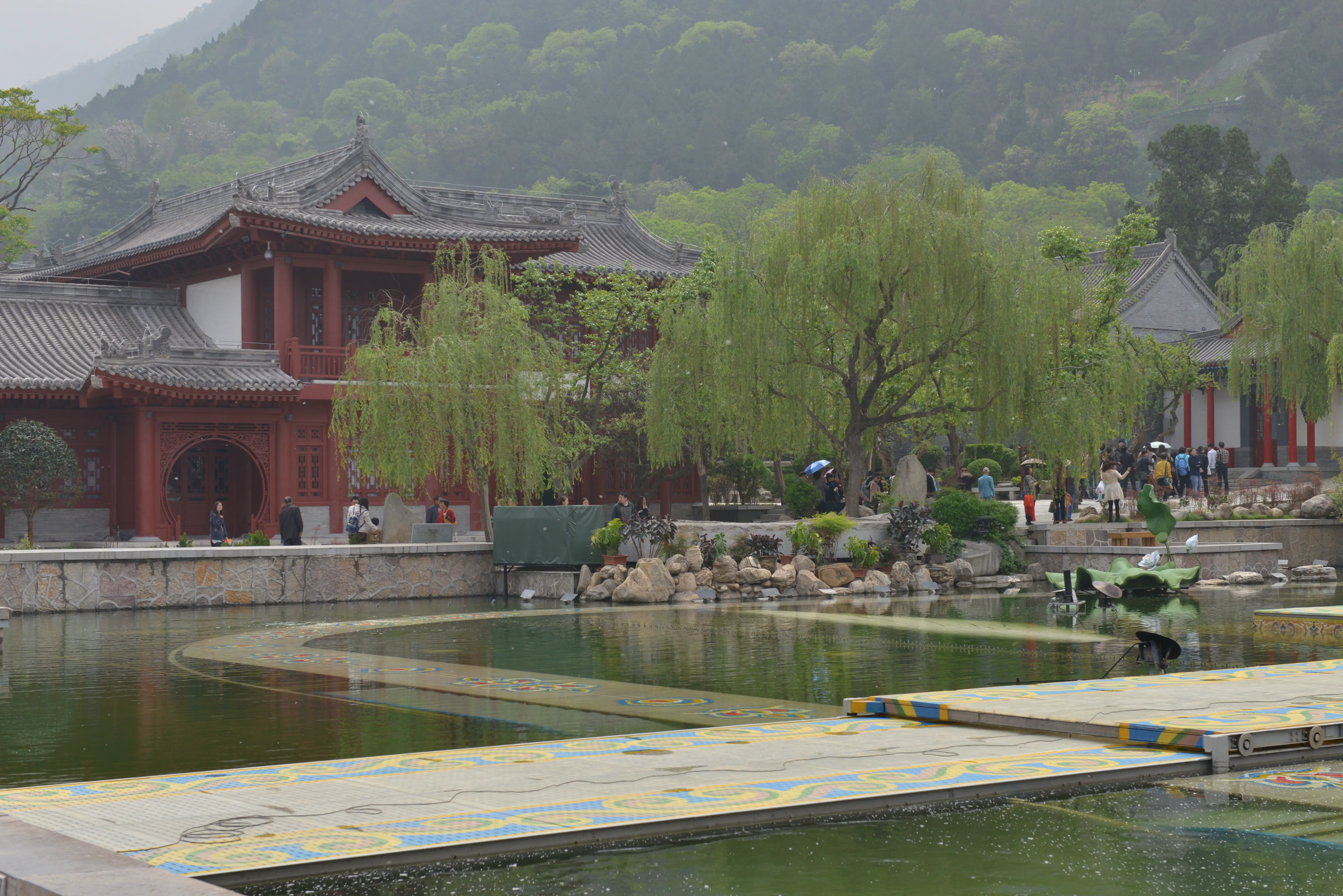
Nestled at the northern foot of Lishan Mountain in Xi’an’s Lintong District, Huaqing Pool (华清池) is a legendary hot spring resort that has drawn emperors and nobility for over 3,000 years. Its fame rests largely on its association with Yang Guifei, the beloved consort of Emperor Xuanzong of the Tang dynasty, whose romantic tragedy inspired the classic poem “Song of Everlasting Sorrow.” The site’s natural geothermal waters first attracted King You of the Western Zhou, who built a detached palace here, and subsequent rulers from the Qin, Han, and Sui dynasties expanded the complex. During the Tang dynasty, it was transformed into a lavish imperial retreat known as Huaqing Palace, where the emperor and Yang Guifei would bathe and relax. Today, the site blends ancient ruins, reconstructed palaces, and serene gardens, offering visitors a glimpse into China’s imperial past. Each April, the grounds come alive with a grand outdoor performance of “Song of Everlasting Sorrow,” staged around 8 pm, which dramatizes the love story against the backdrop of Lishan Mountain.
Highlights & Activities
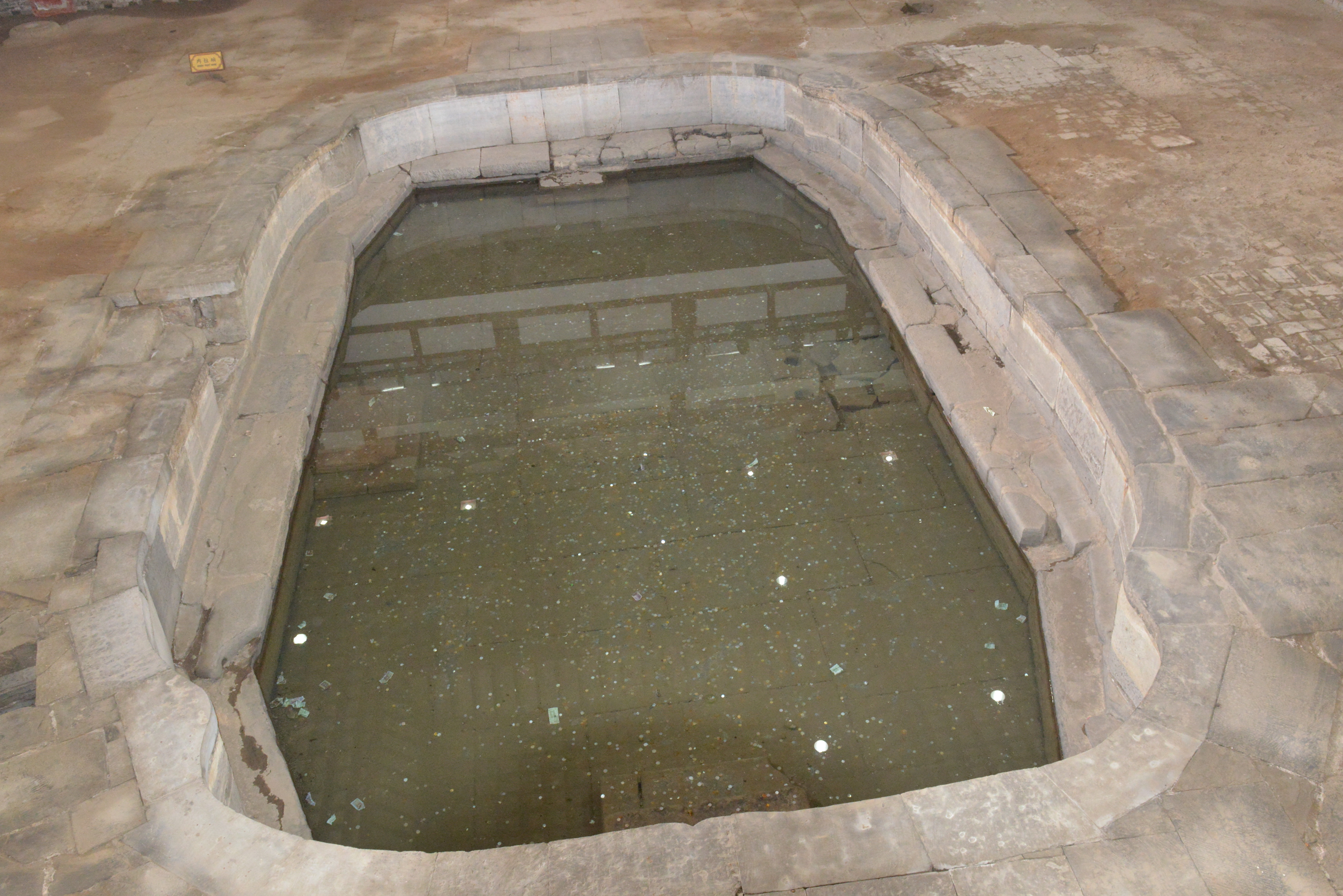
- Imperial Bathing Pools: Explore the restored marble pools, including the Lotus Pool used by Emperor Xuanzong and the smaller, elegant Crabapple Pool reserved for Yang Guifei. These stone basins, fed by warm mineral springs, reveal the opulence of Tang court life.
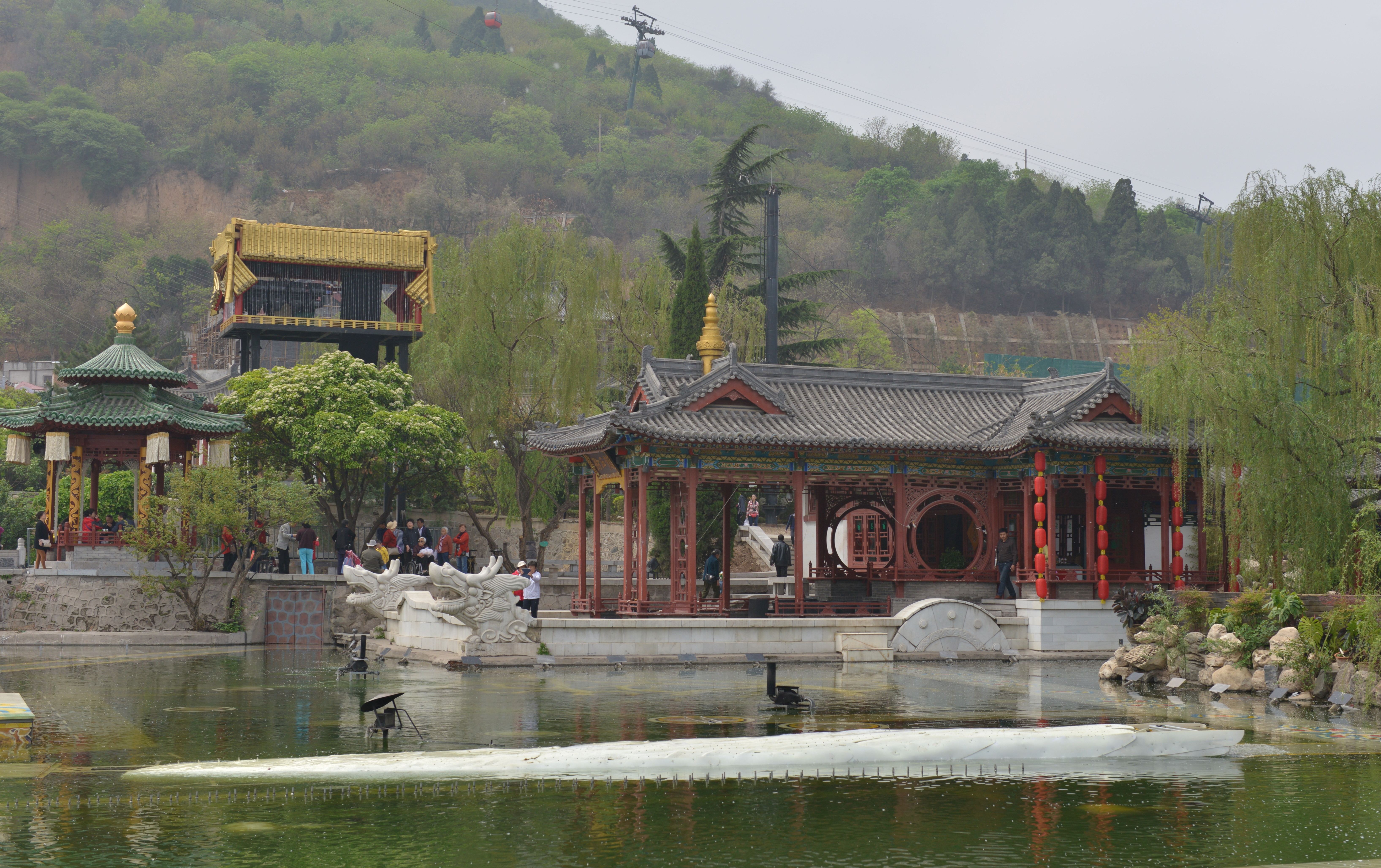
- Lishan Mountain: Take a cable car or hike up Lishan for panoramic views of Xi’an and the surrounding plains. The mountain is dotted with ancient temples, pavilions, and the site of the 1936 Xi’an Incident, a pivotal moment in modern Chinese history.
- “Song of Everlasting Sorrow” Performance: This spectacular open-air show combines music, dance, and special effects to narrate the tragic romance of Yang Guifei and Emperor Xuanzong. It is held nightly from April to October, with tickets ranging from 268 to 988 yuan depending on seating.
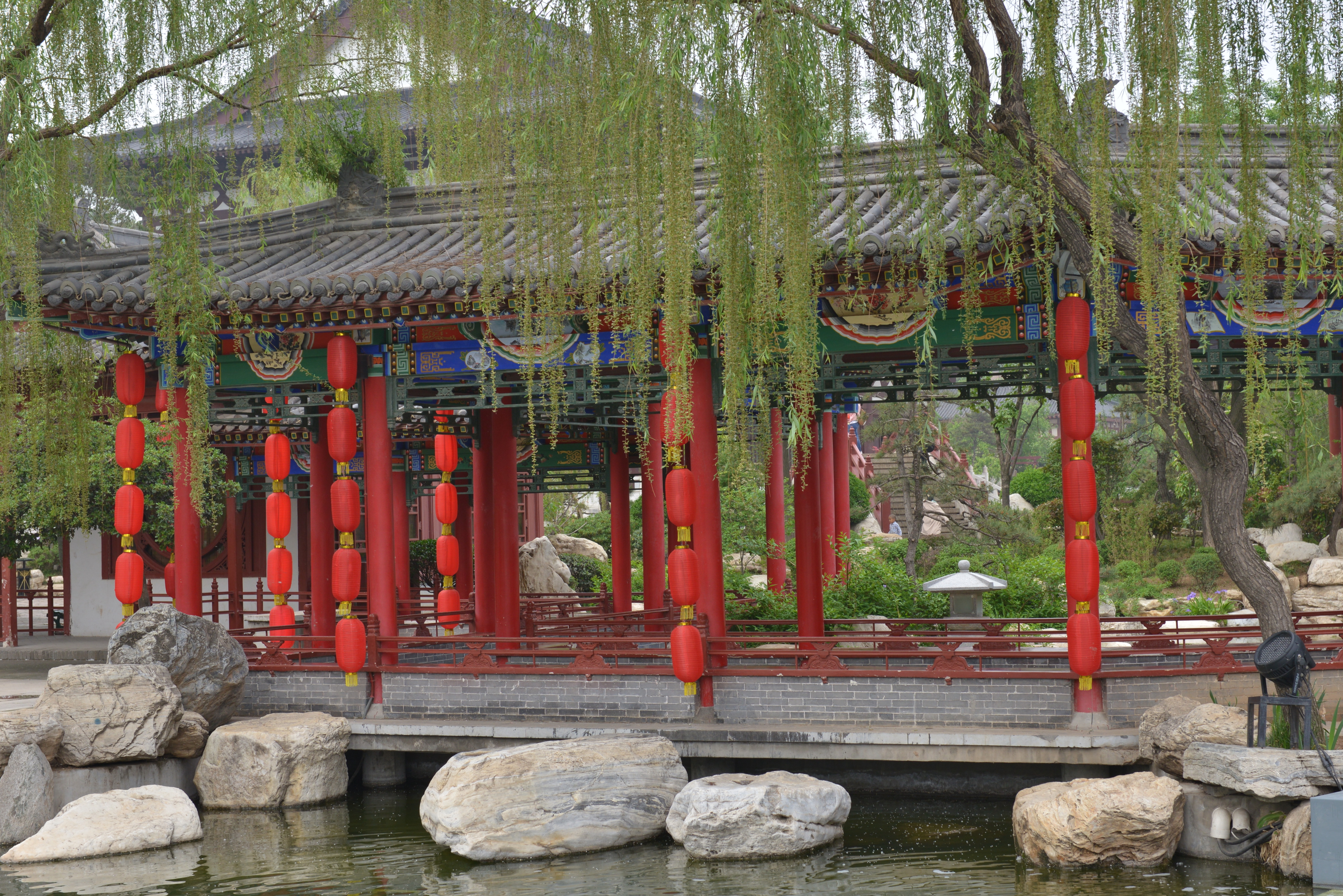
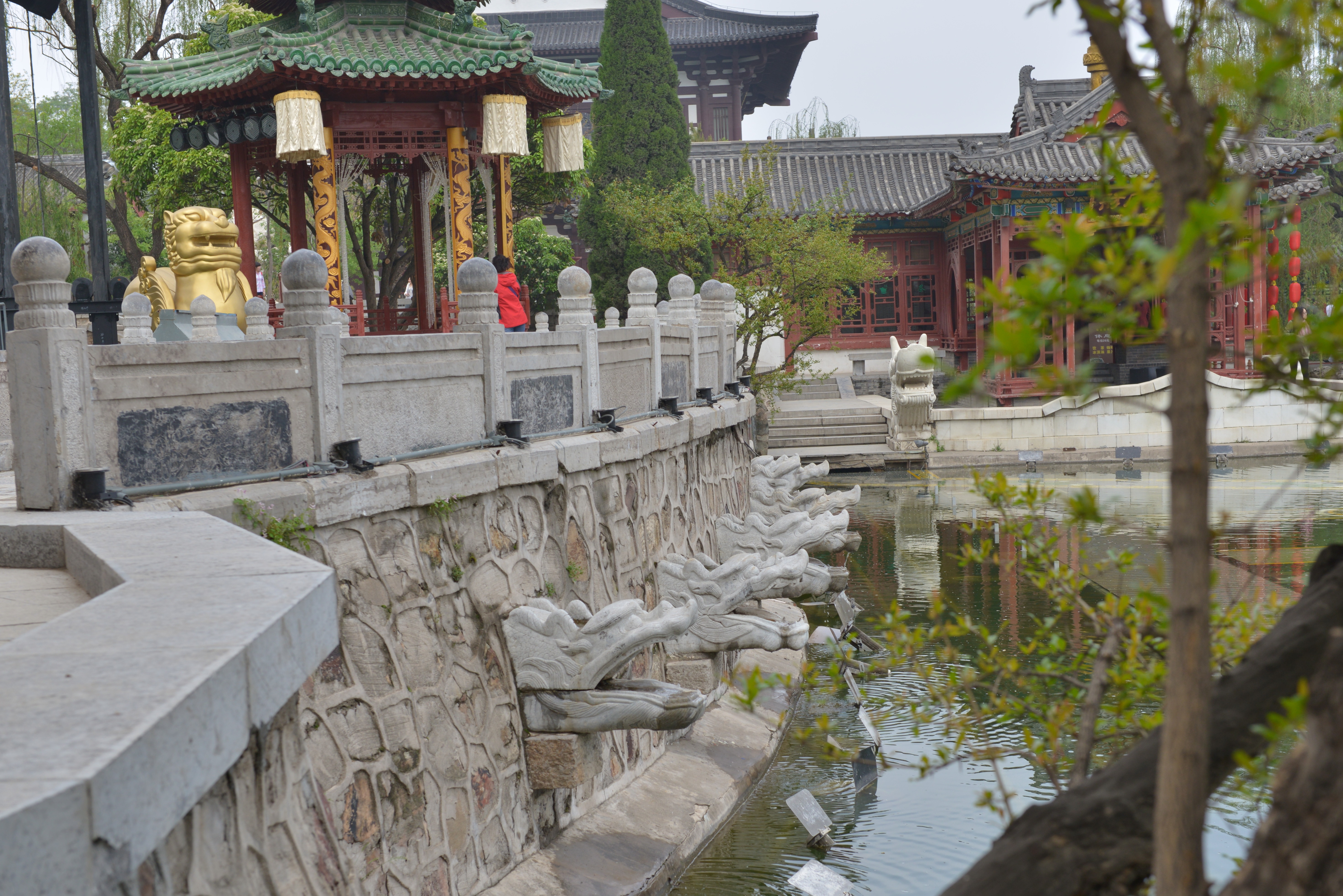
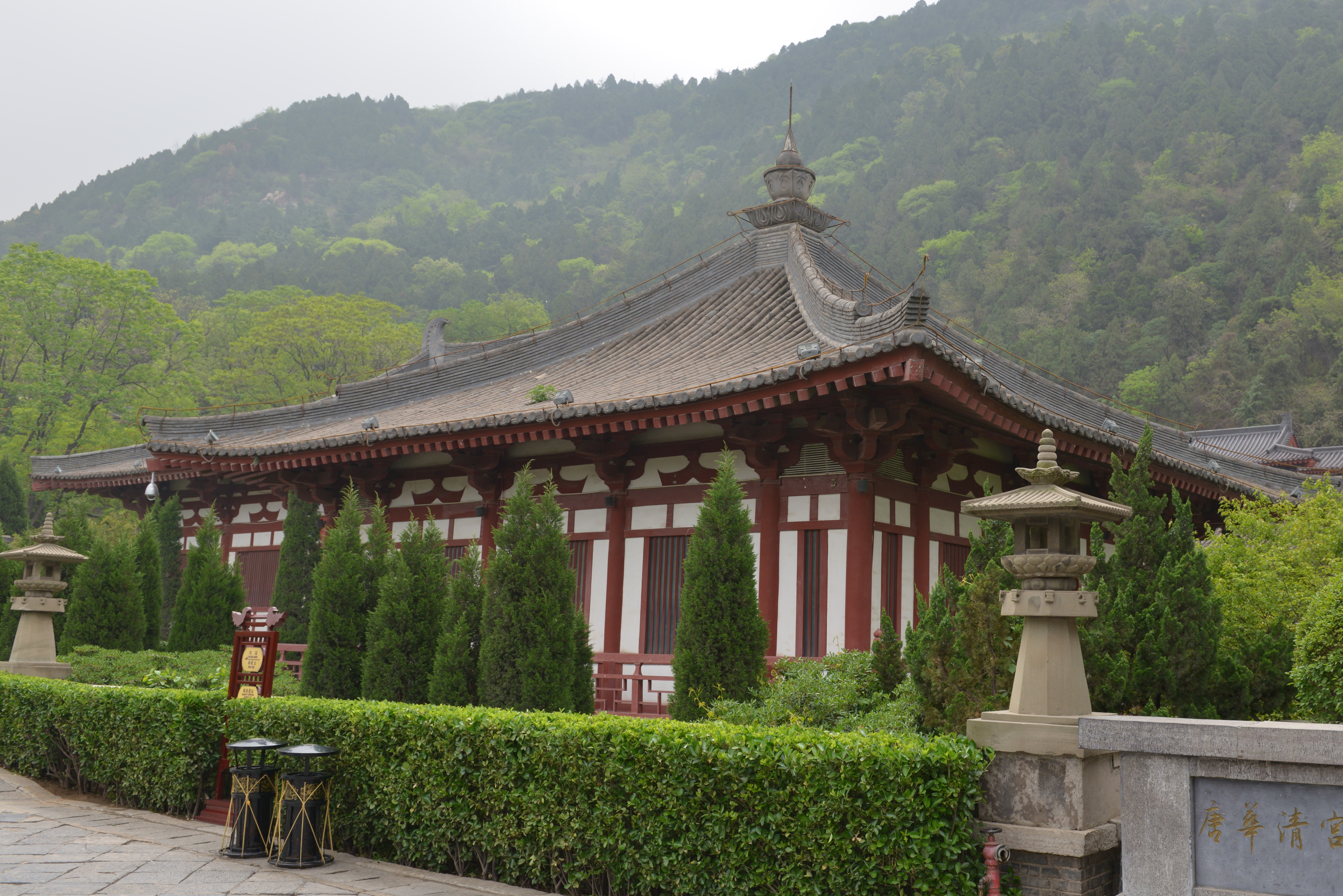
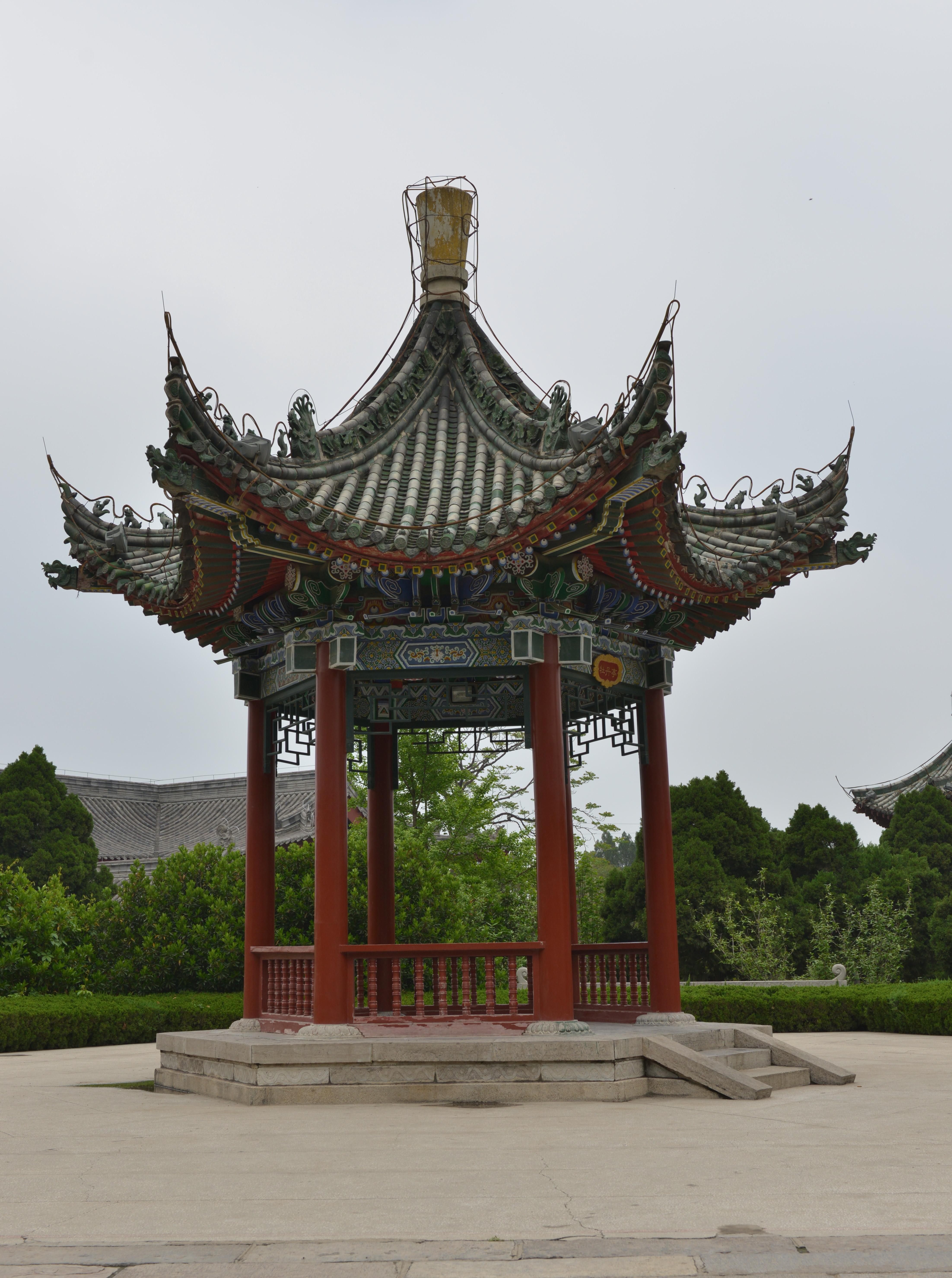
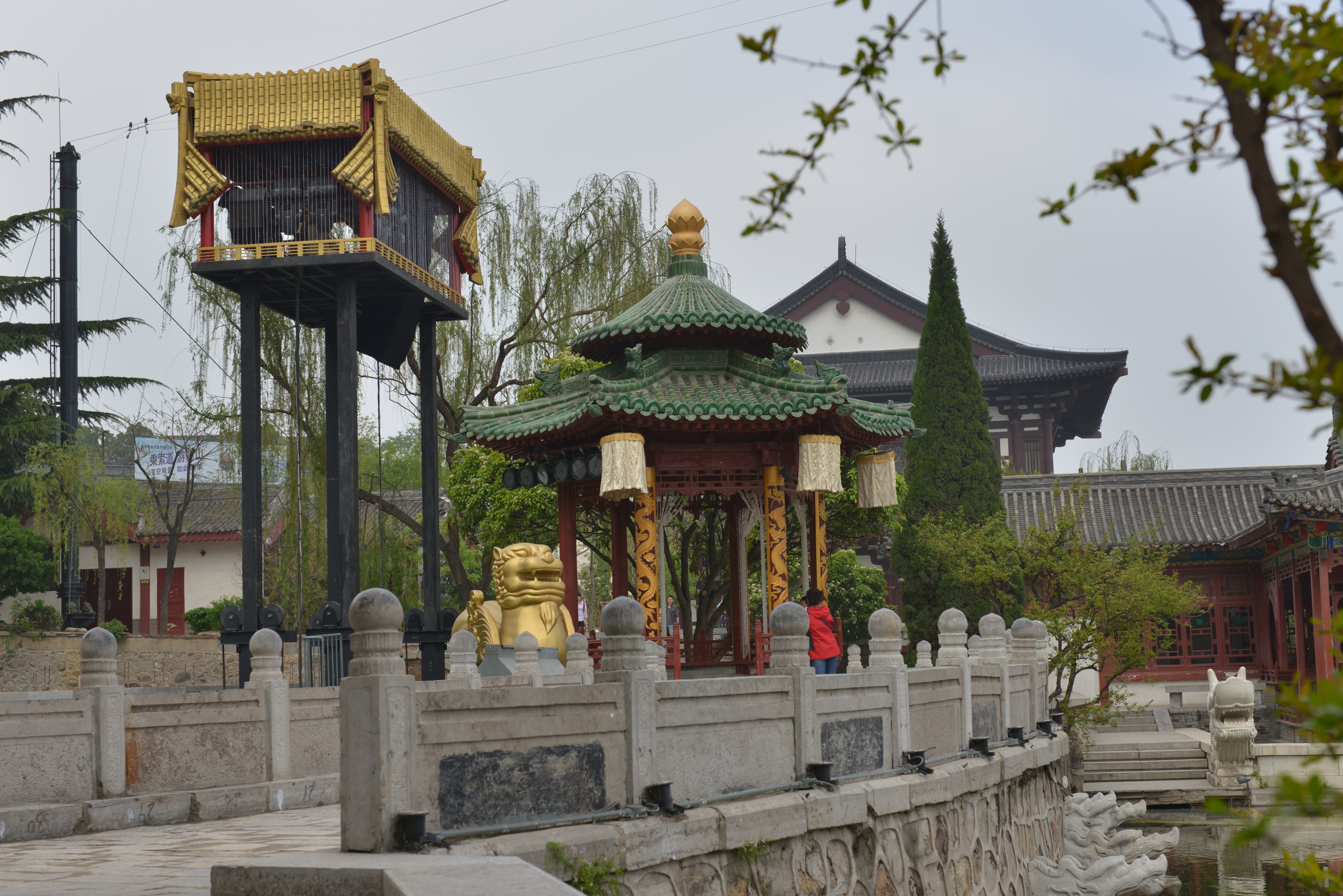
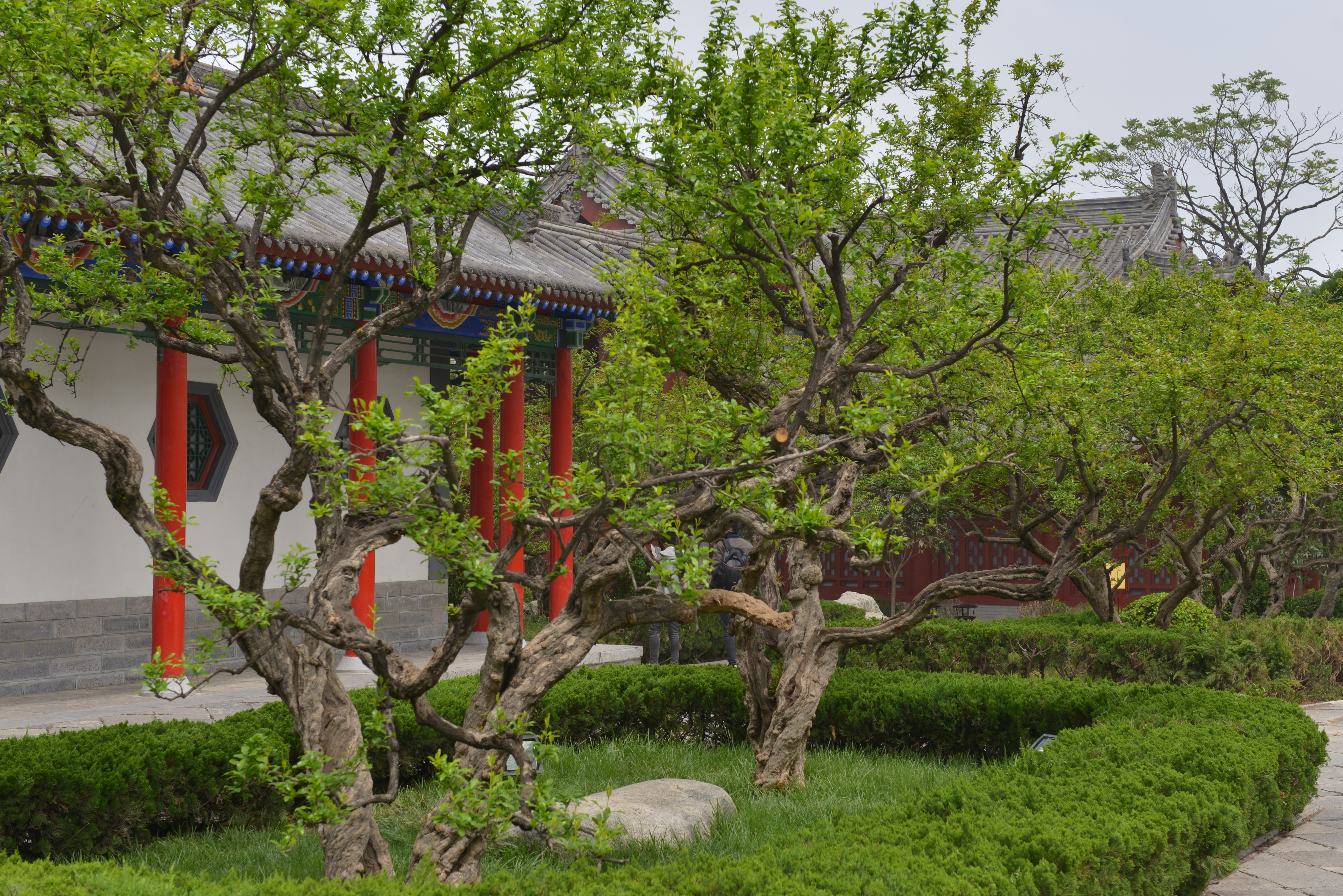
- Tang Dynasty Architecture: Stroll through reconstructed halls, corridors, and gardens that evoke the grandeur of the Tang era. The Nine-Dragon Lake and the Flying Frost Hall are particularly photogenic.
- Hot Spring Experience: Some areas allow visitors to dip their hands or feet in the warm spring waters (around 43°C), which are rich in minerals and said to have therapeutic properties.
Key Attractions Nearby
- Terracotta Warriors Museum (Qin Shihuang’s Mausoleum): Just 15 minutes away by bus, this UNESCO World Heritage site houses thousands of life-sized terracotta soldiers, horses, and chariots guarding the tomb of China’s first emperor. Combined tickets with Huaqing Pool are common in one-day tours.
- Lishan Garden (Lishan Yuan): A scenic area on the mountain featuring the Bronze Chariots and Horses exhibition, ancient temples, and hiking trails. It offers a quieter alternative to the bustling palace grounds.
- Xi’an City Center: Return to the city to visit the Muslim Quarter, the ancient City Wall, and the Tang Dynasty Never Night City (大唐不夜城), a vibrant pedestrian street with performances, food stalls, and illuminated pagodas.
Where to Dine
- On-Site Restaurants: Huaqing Pool has several casual eateries serving Shaanxi staples like biangbiang noodles, liangpi (cold noodles), and roujiamo (Chinese hamburger). Prices are moderate.
- Lintong District: Just outside the attraction, local restaurants offer affordable Shaanxi cuisine, including lamb dumplings, pita bread soaked in lamb soup (yangrou paomo), and sweet persimmon cakes.
- Xi’an City: Many one-day tours include a lunch stop at a restaurant serving “Shaanxi Feast” (特色老陕6小碗), a set meal of six small Shaanxi dishes. For dinner, head to the Muslim Quarter for street food like grilled skewers, fried rice cakes, and pomegranate juice.
Weather & Best Time to Visit
Xi’an has a temperate continental climate with four distinct seasons. The best time to visit Huaqing Pool is spring (March to May) and autumn (September to November), when temperatures are mild (15–25°C) and the skies are clear. Summers (June to August) can be hot and humid, with temperatures often exceeding 35°C, but the mountain setting provides some relief. Winters (December to February) are cold and dry, with occasional snow dusting Lishan, creating a quieter, more atmospheric experience. The peak season (March 1 to November 30) sees larger crowds and higher ticket prices (110 yuan), while the off-season (December 1 to February 29) offers lower prices (80 yuan) and fewer visitors. The “Song of Everlasting Sorrow” performance runs from April through October, so plan accordingly if that is a priority.
Travel Tips
- Getting There: From Xi’an Railway Station (East Square), take bus 306 (also called “Tour 5”) directly to the “Huaqing Pool” stop. The journey takes about 40 minutes. Taxis or ride-hailing services cost around 100–150 yuan.
- Fees & Hours: Admission is 110 yuan (peak season) or 80 yuan (off-season). Opening hours are 8:00–16:00 daily. The “Song of Everlasting Sorrow” performance starts around 8 pm; tickets range from 268 to 988 yuan and should be booked in advance, especially during holidays.
- What to Bring: Comfortable walking shoes, a hat and sunscreen in summer, a light jacket in spring/autumn, and warm layers in winter. Bring cash for small purchases, as not all vendors accept cards. A refillable water bottle is handy, as there are drinking fountains on site.
- Tour Options: Many travelers combine Huaqing Pool with the Terracotta Warriors in a one-day tour (prices from ¥149). Packages often include lunch, transport, and optional upgrades like the “Song of Everlasting Sorrow” show or a visit to Lishan Garden. Popular guides include internet-famous personalities like “Bingdan” and “Mustard.”
- Photography: The palace grounds and mountain views are highly photogenic. Tripods are allowed but may require a permit for commercial use. The evening performance is a must-photograph spectacle, but flash photography is prohibited.