Overview & History
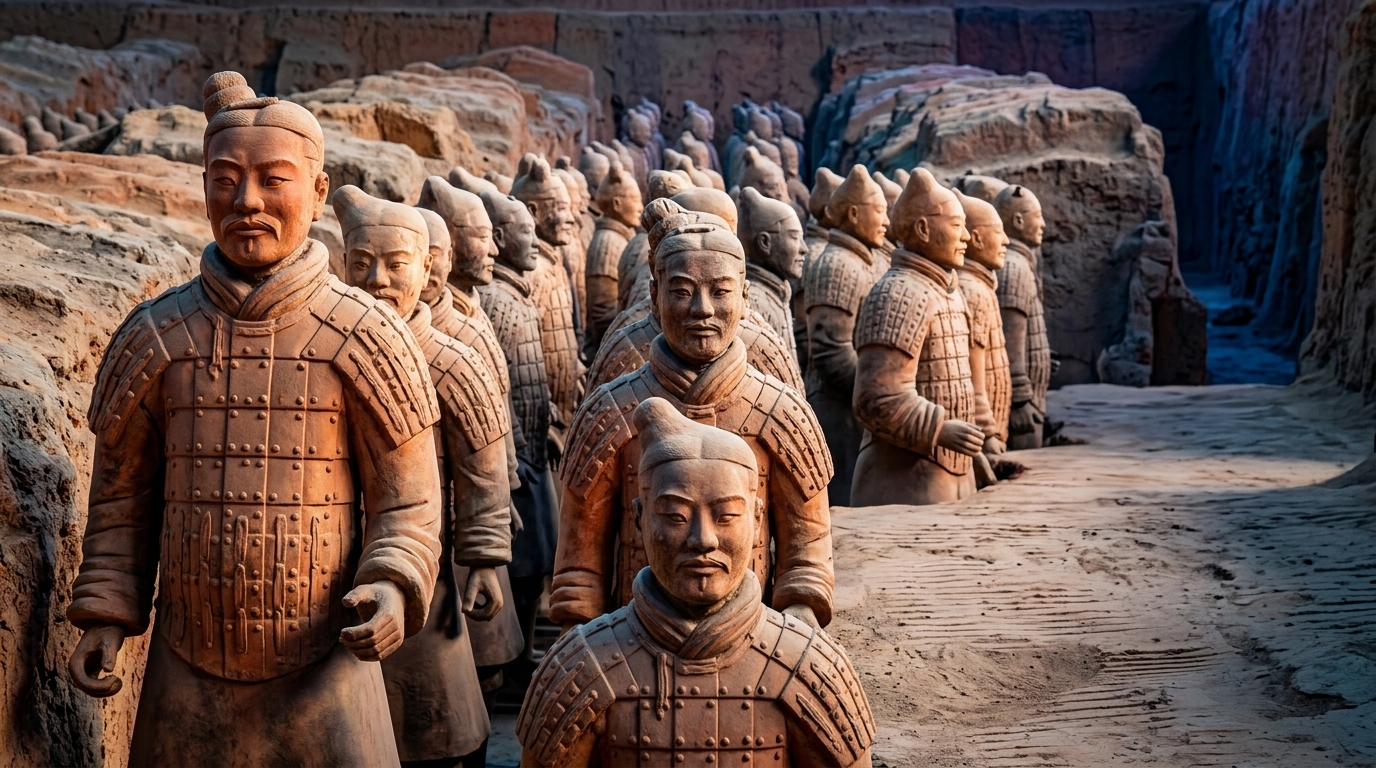
In the heart of China’s ancient Shaanxi Province, just east of the vibrant city of Xi’an, lies one of the most awe-inspiring archaeological discoveries of the 20th century: the Terracotta Warriors of Qin Shi Huang. Known as the “Eighth Wonder of the World” and a UNESCO World Cultural Heritage Site, this vast underground army has captivated travelers and historians alike since its accidental discovery in March 1974. While digging a well, farmers from Xiyang Village in Lintong District stumbled upon fragments of pottery figures, sparking a monumental excavation that would reveal over a thousand life-sized soldiers, each with a distinct face and expression.
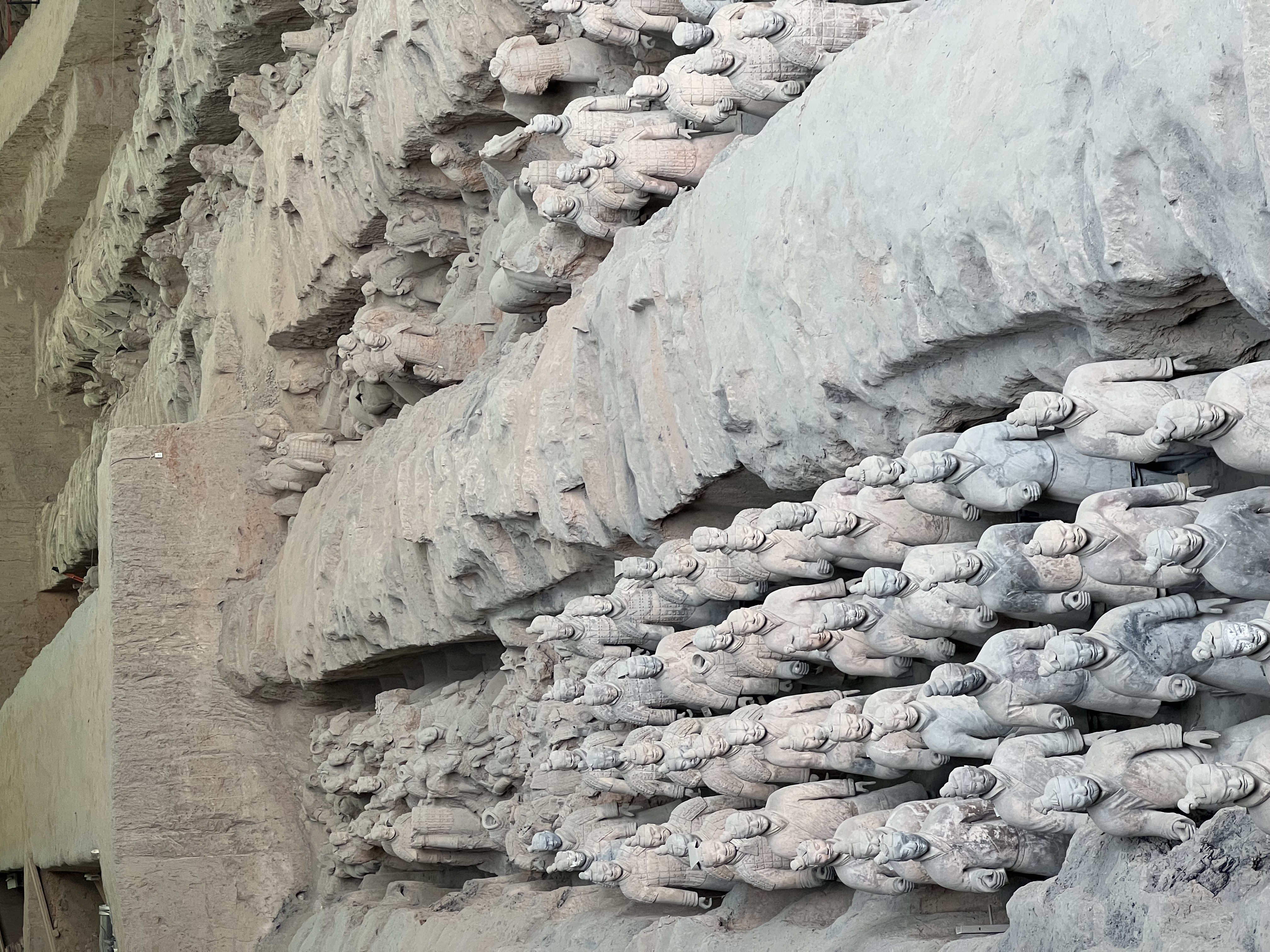
The Terracotta Warriors are the burial pits of Qin Shi Huang, the first emperor of a unified China, who began constructing his mausoleum at the age of 13. Over 38 years, nearly 720,000 laborers toiled to create an underground palace guarded by these clay sentinels—a classic example of using figurines to replace human sacrifice in ancient times. The scale and realism of the warriors reflect not only the ingenuity of Qin-era craftsmen but also the emperor’s unyielding will. Today, the site forms the Emperor Qinshihuang’s Mausoleum Site Museum, the largest original-site museum in China, spanning about 20,000 square meters across three main pits. While the mausoleum itself is the centerpiece, its historical significance is immense, though from a tourist perspective, the pits and their silent guardians are the true stars.
Highlights & Activities
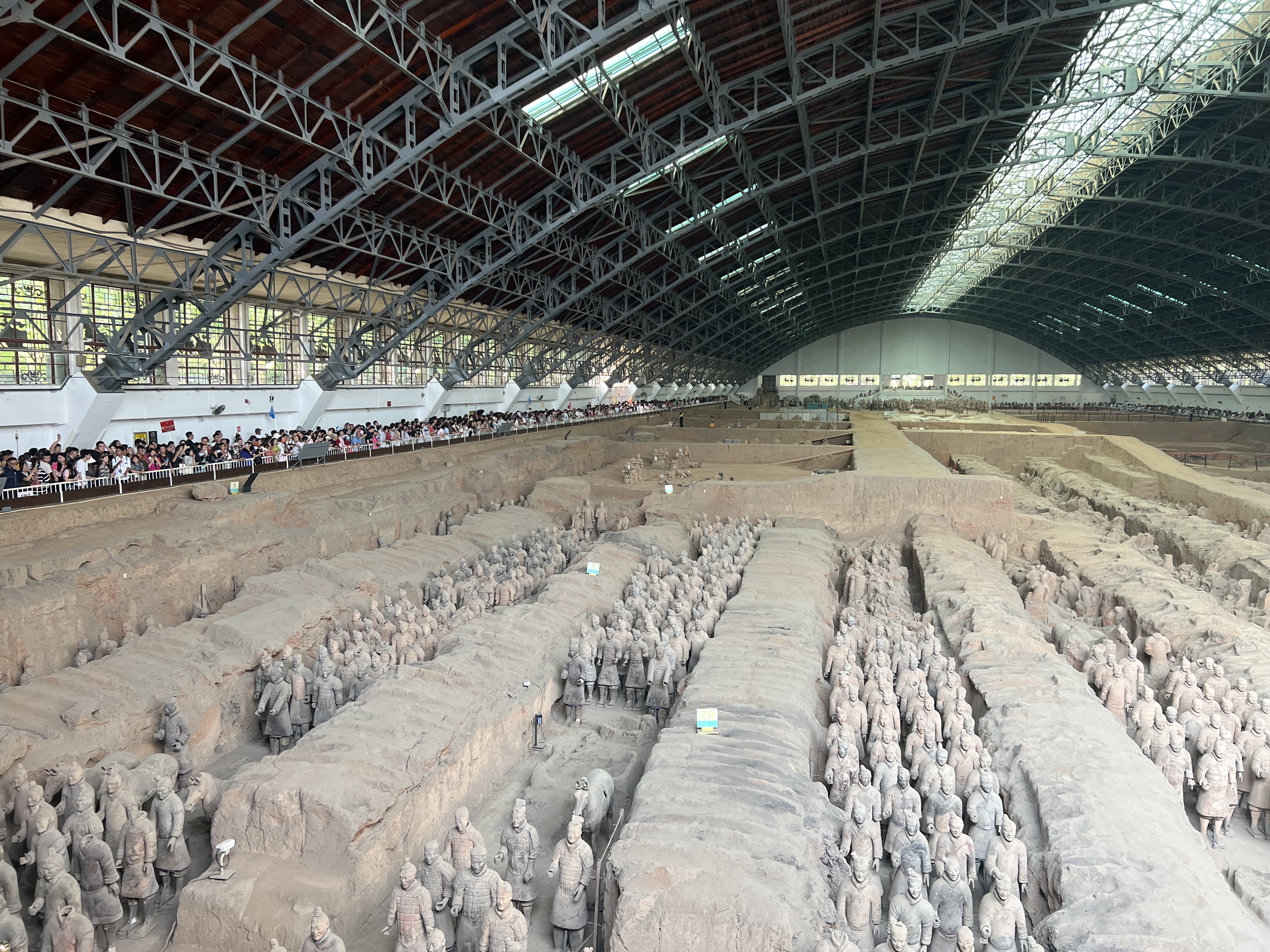
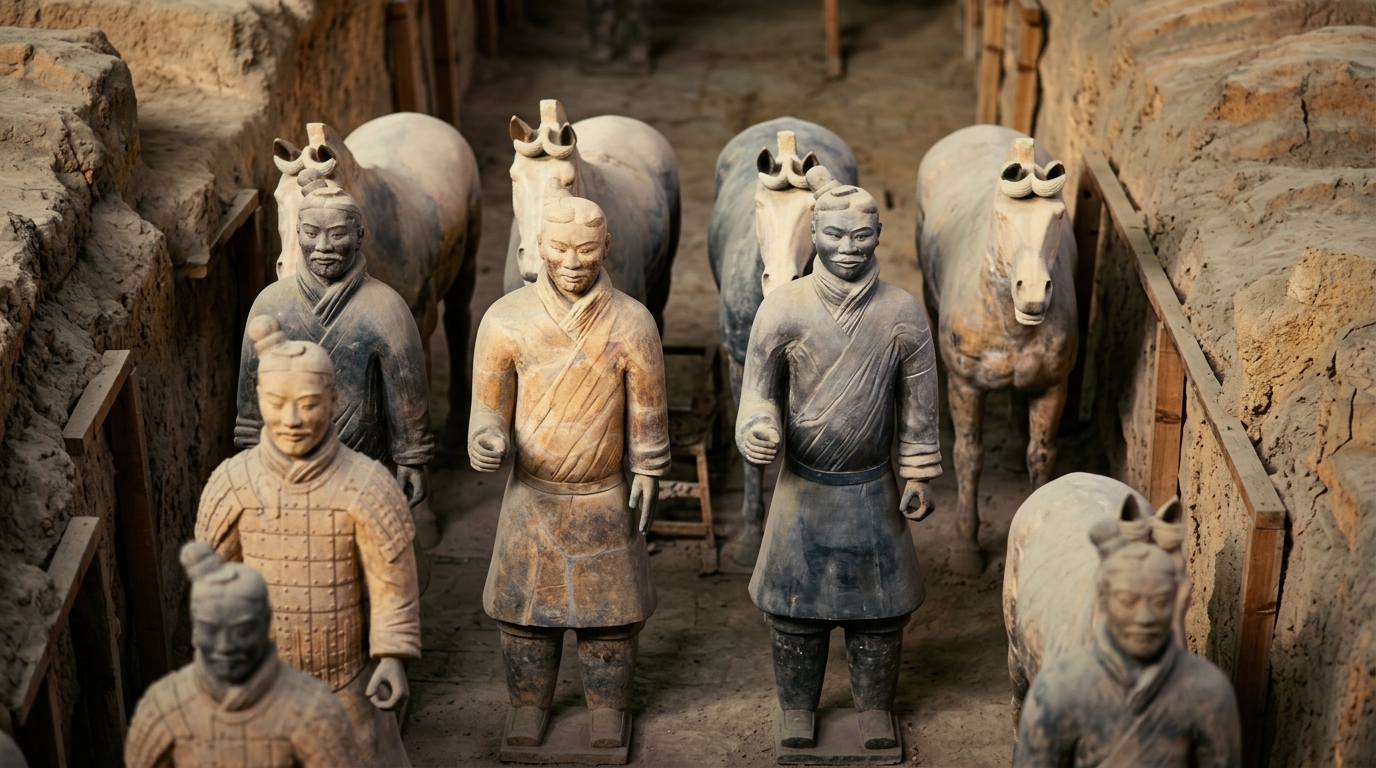
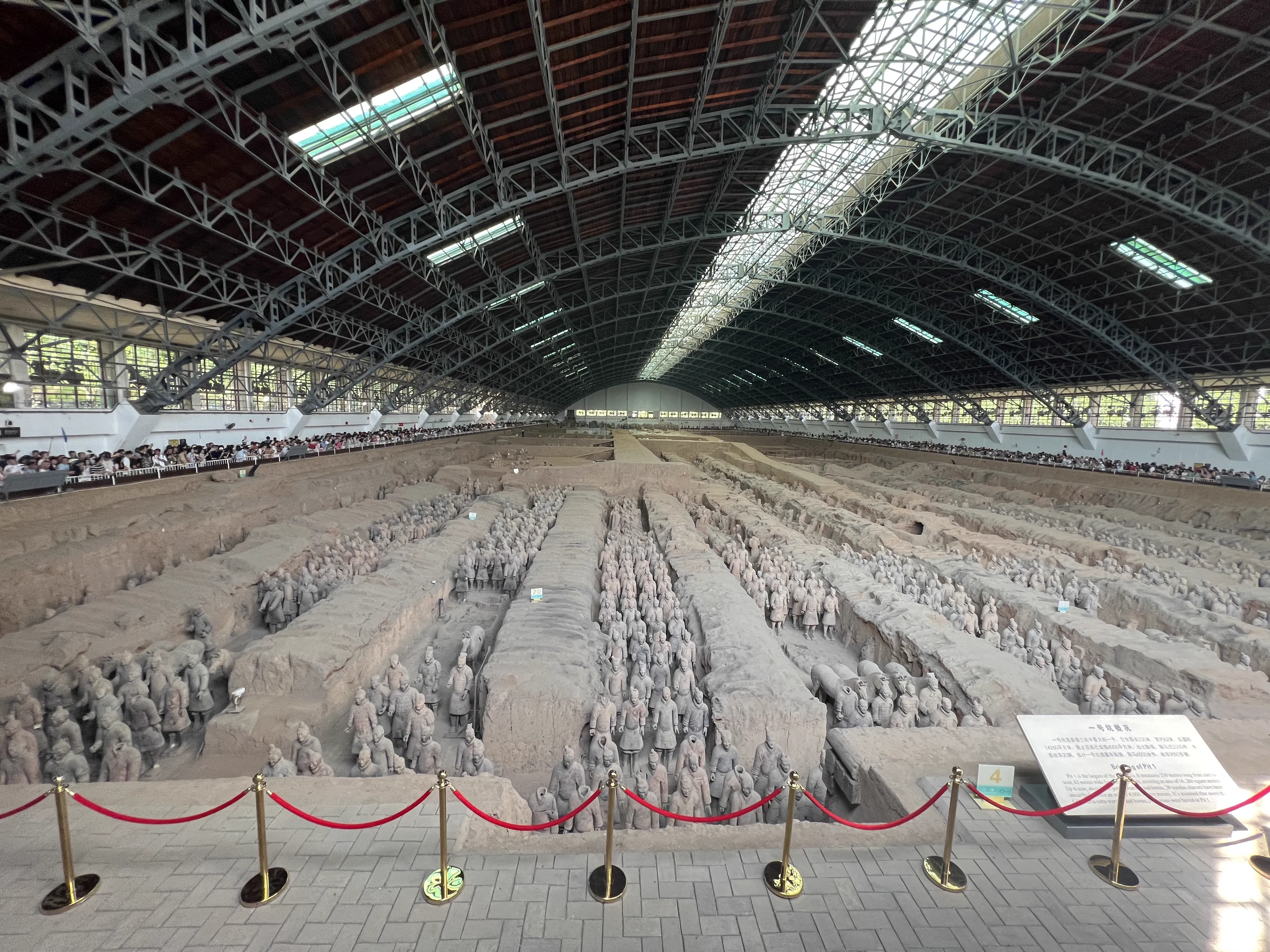
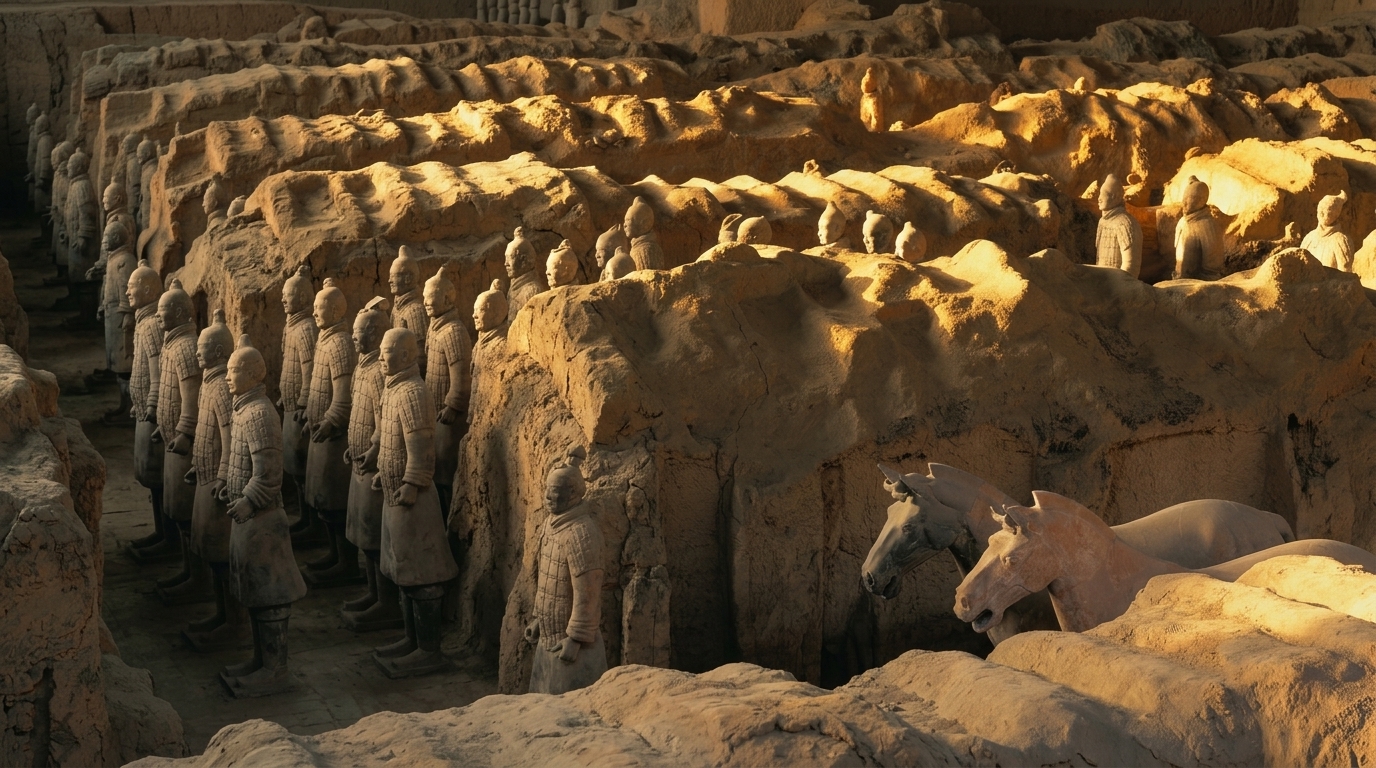
Your visit begins with three large pits, each offering a unique glimpse into the Qin dynasty’s military might. Pit No. 1, the largest and most famous, features rows of infantrymen, chariots, and horses arranged in battle formation—a breathtaking sight that evokes the grandeur of a 2,000-year-old army. Pit No. 2 reveals a more complex array of archers, cavalry, and charioteers, while Pit No. 3 is believed to be the command center, with high-ranking officers and a war chariot. Outside the pits, rare and famous individual terracotta figures are displayed separately, allowing you to admire their intricate details—from armor patterns to hairstyles—up close.
Beyond the warriors, the museum complex includes the Mausoleum of Qin Shi Huang, though its appeal is more historical than scenic. For a deeper dive, consider renting an audio guide or joining a guided tour to learn about the ongoing restoration efforts. Allow 1.5 to 2 hours for the main pits, and don’t miss the chance to see the bronze chariots and horses in the exhibition hall, which showcase the pinnacle of Qin craftsmanship.
Key Attractions Nearby
The Terracotta Warriors are located in Lintong District, a area rich in history. Just a short drive away is the Huaqing Palace (Huaqing Hot Springs), a Tang dynasty imperial retreat with stunning gardens and hot springs, perfect for a relaxing afternoon. For history buffs, the Mausoleum of Qin Shi Huang itself is worth a brief visit, though its mound offers limited engagement. Xi’an city center, about an hour away, boasts the ancient City Wall, the Muslim Quarter, and the Big Wild Goose Pagoda—all must-sees for a comprehensive Xi’an experience.
Where to Dine
Lintong District and Xi’an are renowned for their robust local cuisine. Near the museum, you’ll find simple eateries serving biangbiang noodles, yangrou paomo (lamb soup with bread), and liangpi (cold noodles). For a more authentic experience, head to Xi’an’s Muslim Quarter, where street stalls offer roujiamo (Chinese hamburger) and sweet persimmon cakes. Don’t miss the chance to try suantang shuijiao (sour soup dumplings) or a bowl of hot, hearty zhajiangmian (noodles with meat sauce).
Weather & Best Time to Visit
Xi’an has a temperate continental climate with four distinct seasons. Spring (March to May) and autumn (September to November) are ideal, with mild temperatures and clear skies—perfect for exploring the outdoor pits. Summer (June to August) can be hot and humid, with crowds peaking in July and August. Winter (December to February) is cold, but the site is less crowded, and the off-season ticket price (120 yuan vs. 150 yuan in peak season) offers a budget-friendly option. Avoid Chinese public holidays like National Day (October 1-7) and Spring Festival for a quieter visit.
Travel Tips
Getting There: From Xi’an Railway Station’s East Square, take bus You5 (306), 914, or 915 to the terminal stop “Terracotta Warriors.” The full fare is 7 yuan (8 yuan for 914/915), and the journey takes 1-1.5 hours. From Lintong District, the 101 special line runs about 15 minutes. The last bus back to Xi’an usually departs around 19:00.
Fees & Hours: Tickets cost 150 yuan during peak season (March 16–November 15) and 120 yuan in off-season (November 16–March 15). Students pay 75 yuan. The site includes both the Terracotta Warriors and the Mausoleum of Qin Shi Huang. An electric cart within the grounds costs 5 yuan. Opening hours are 8:30–17:30 (peak) and 8:30–17:00 (off-season), with last entry typically 30 minutes before closing. Contact the museum at 029-81399170 or 81399047, or visit www.bmy.com.cn for updates.
What to Bring: Comfortable walking shoes are essential, as the pits require extensive walking. Sunscreen, a hat, and water in summer; warm layers in winter. A camera is a must, but flash photography is prohibited inside the pits. Consider arriving early (by 9:00) to avoid peak crowds and secure a spot for the best views.