Overview & History
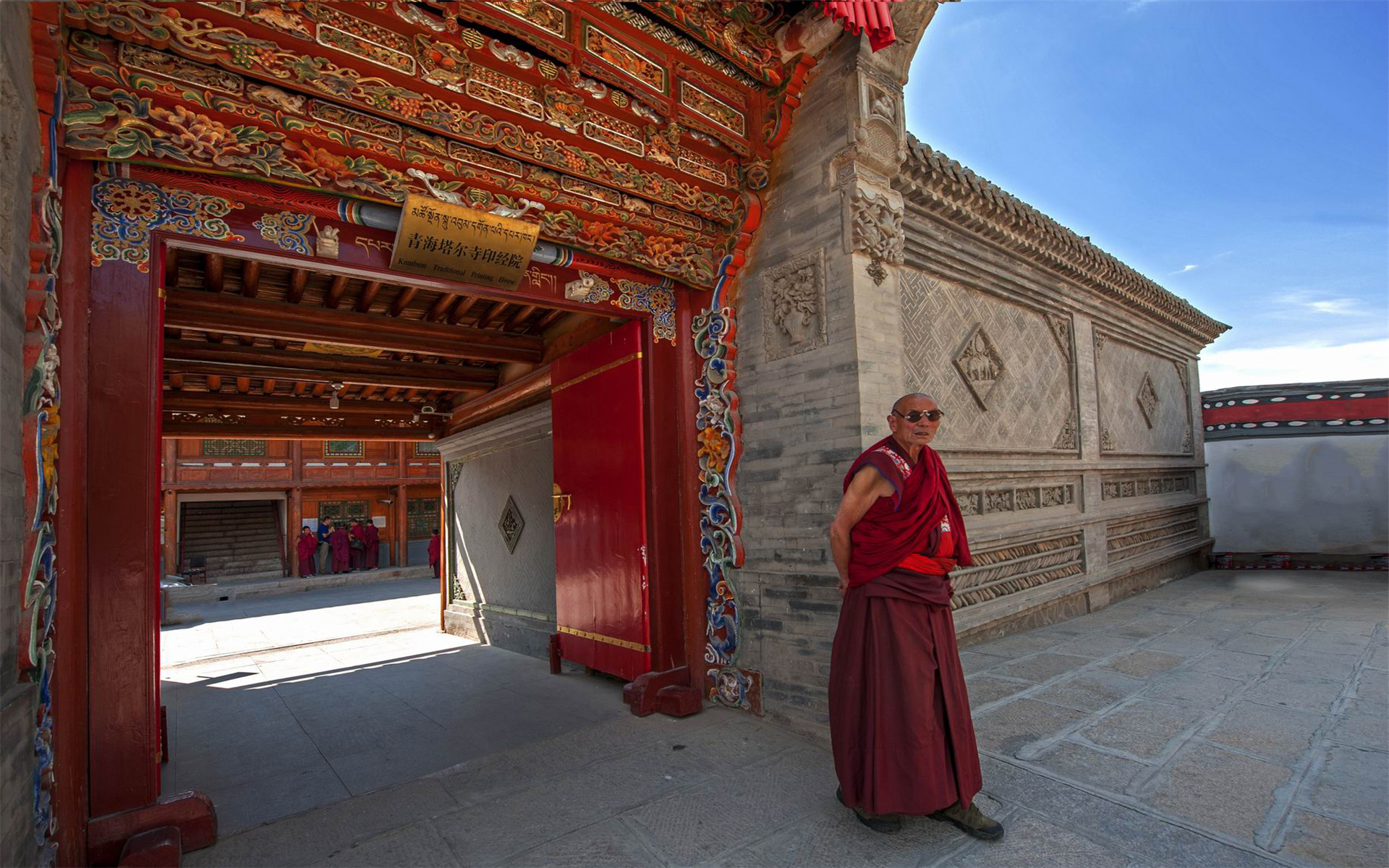
Nestled in the rolling hills of Huangzhong County, about 30 kilometers from Xining, Kumbum Monastery—known locally as Tar Temple—stands as one of the most revered sites in Tibetan Buddhism. Founded in 1577, this sprawling complex has been a spiritual heartland for over 400 years, serving as the birthplace of Tsongkhapa, the great 14th-century reformer who founded the Gelug school (the Yellow Hat sect). Legend holds that where Tsongkhapa’s umbilical cord blood fell, a white sandalwood tree sprouted, and later, his mother built a stūpa around it. This “first the stūpa, then the temple” origin gives Tar Temple its name and its mystical aura.
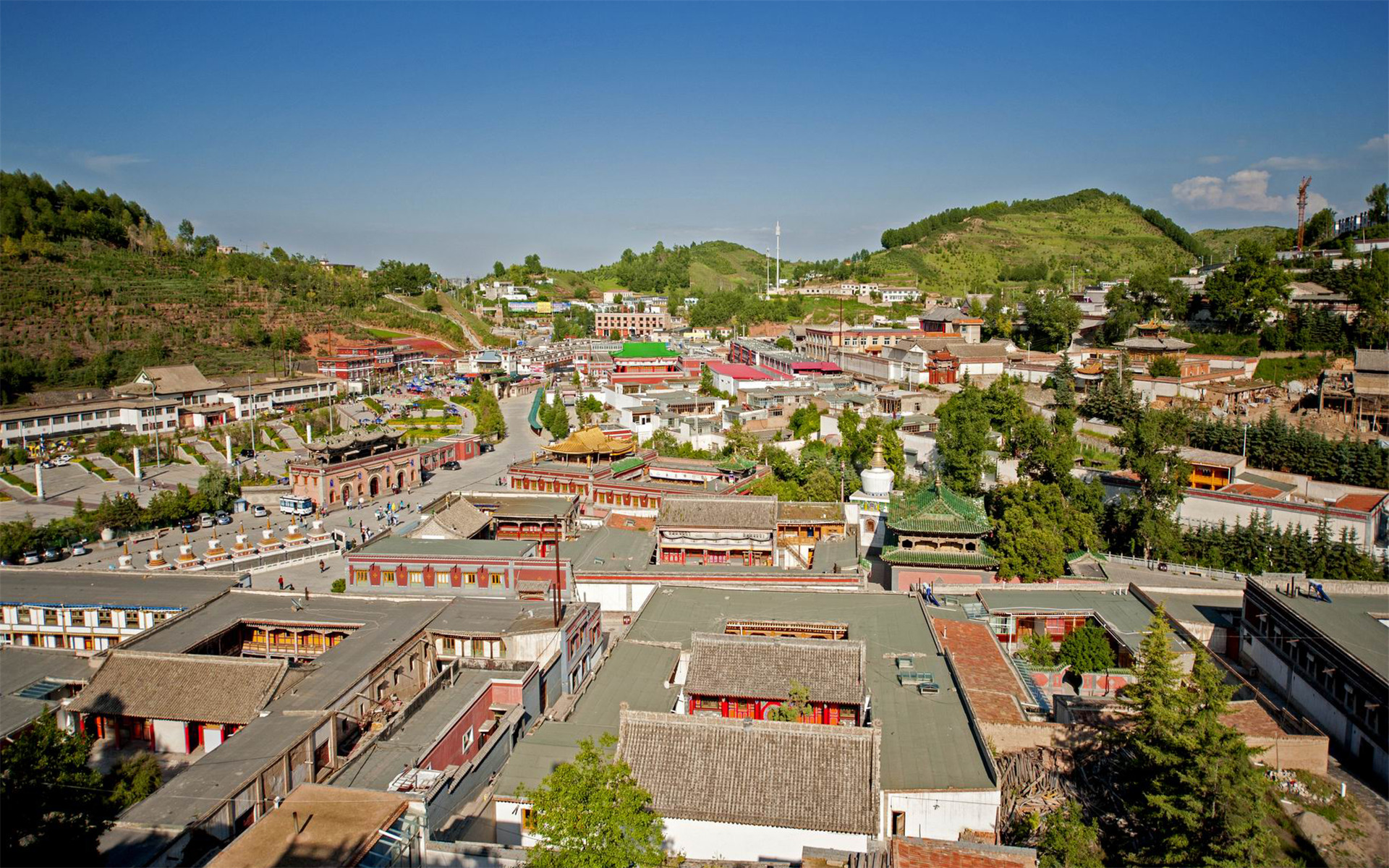
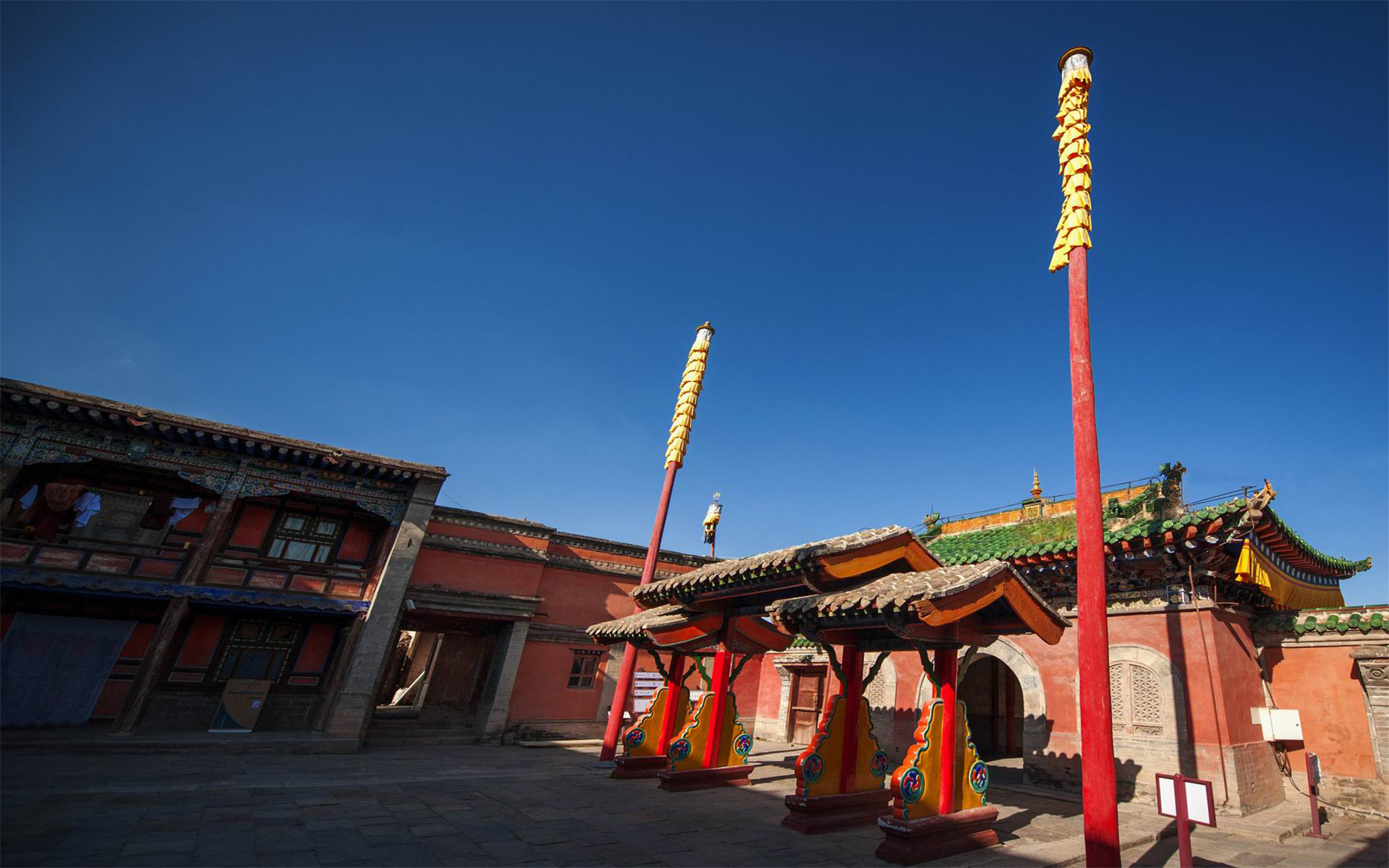
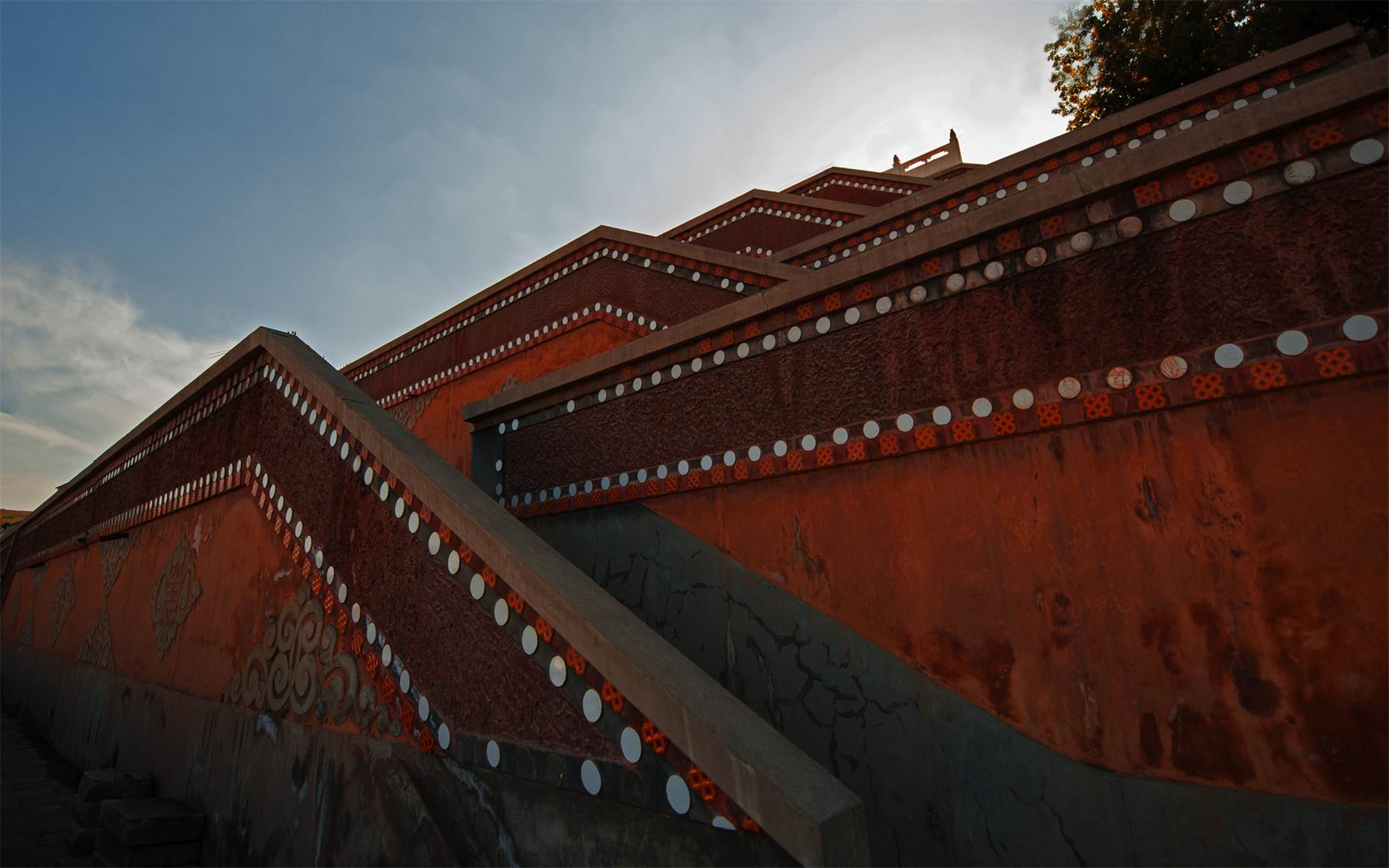
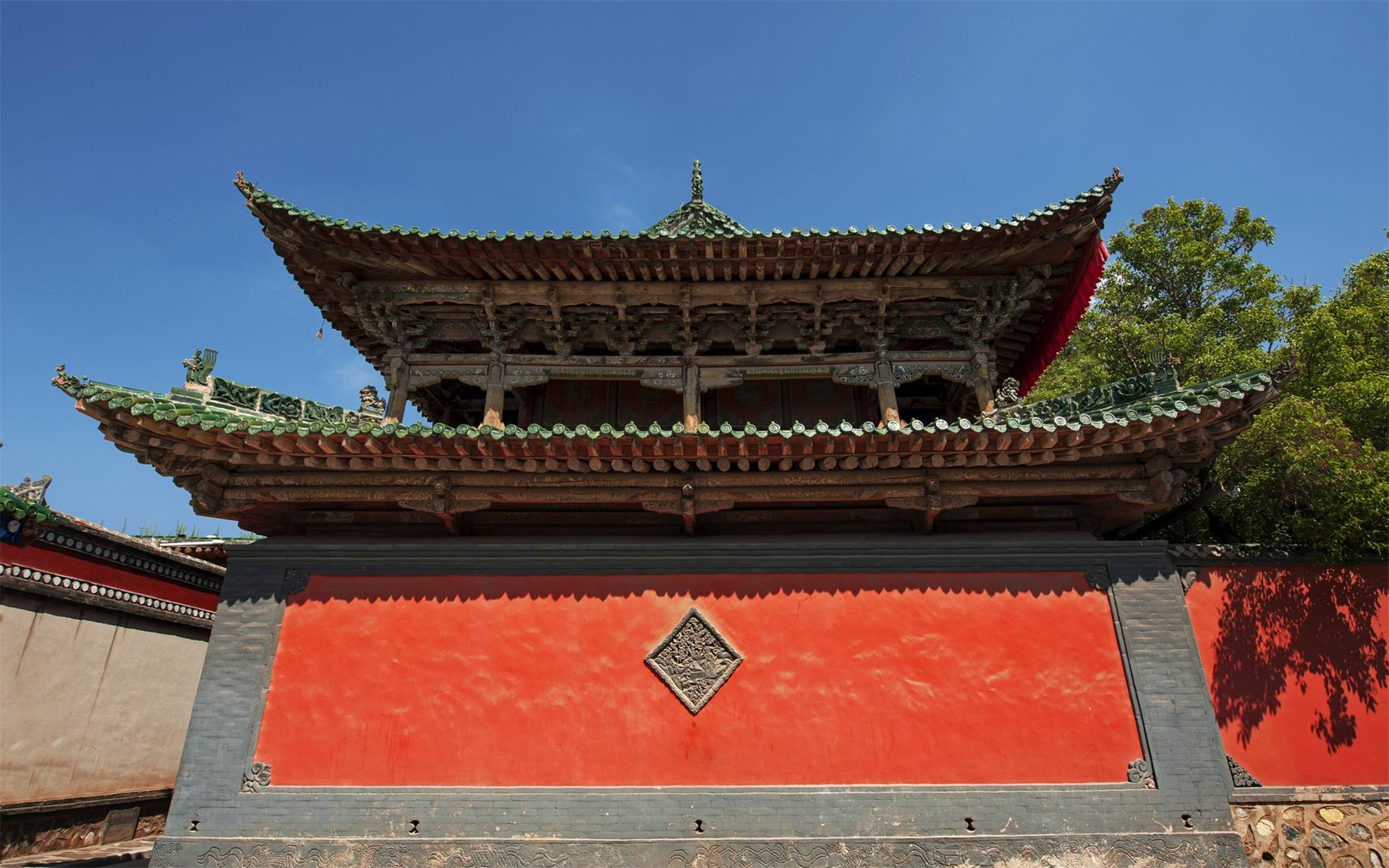
Unlike the symmetrical, axial layouts of Han Chinese Buddhist temples, Tar Temple’s architecture is organic and sprawling, with halls, colleges, and pagodas scattered across a small hill. Visitors wander freely rather than following a single path. You don’t need a ticket to stroll the grounds—only to enter the inner halls and chapels. But to truly experience the temple’s soul—including its famed “Three Wonders” (butter sculptures, murals, and appliqué thangkas)—a ticket is essential. For deeper understanding, hiring a local guide is highly recommended; the stories behind each hall and relic bring the temple’s rich history to life.
Highlights & Activities
The heart of Tar Temple is the Great Gold Tile Hall (Dajinwa Hall), which houses the Great Silver Stūpa. This 12.5-meter-tall stūpa encases the original sandalwood tree and Tsongkhapa’s self-portrait, and devotees believe the tree and stūpa embody the master himself. The hall’s gilded copper roof and intricate glass tiles shimmer in the sunlight, while a plaque above the door bears an inscription by Emperor Qianlong of the Qing dynasty.
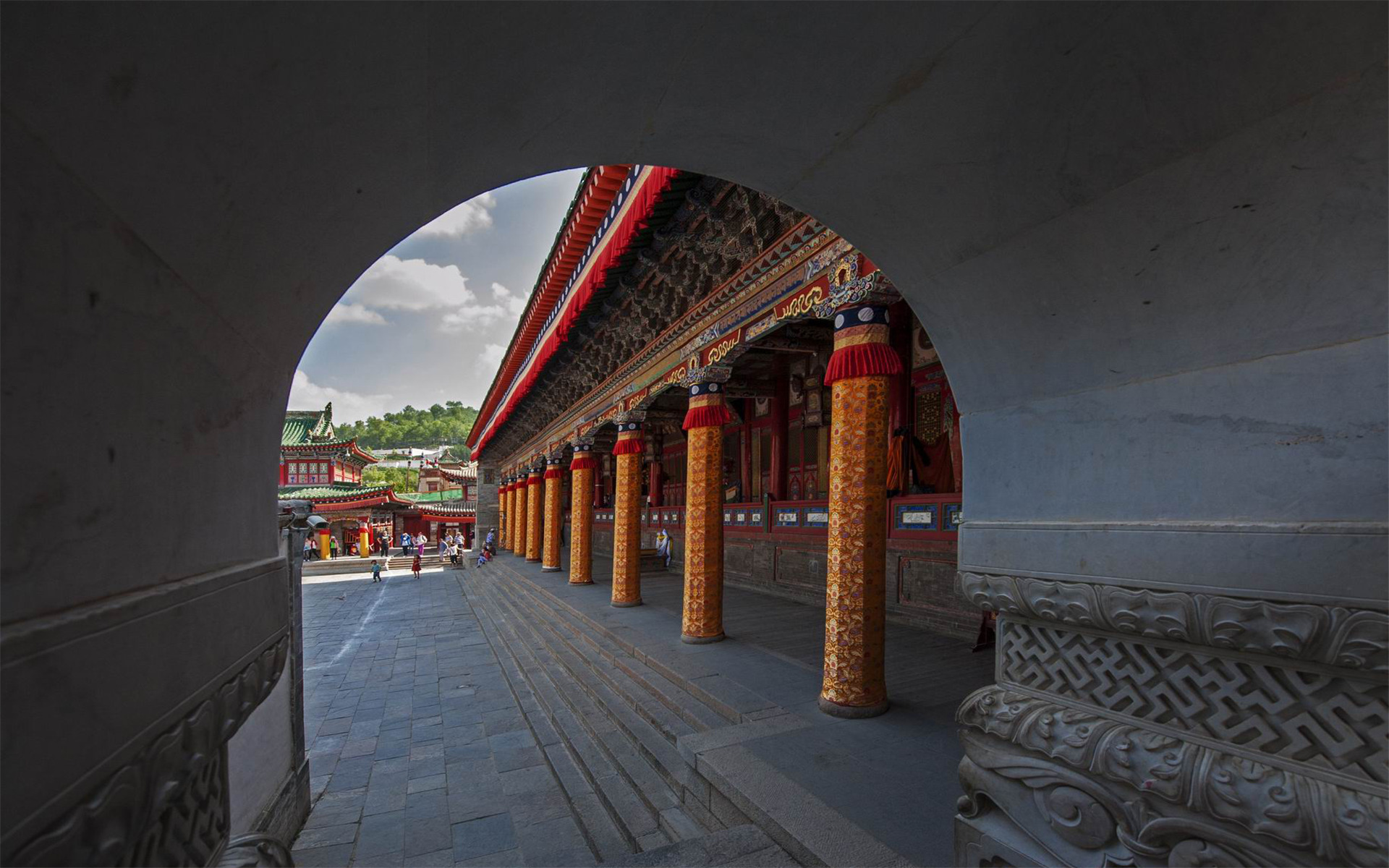
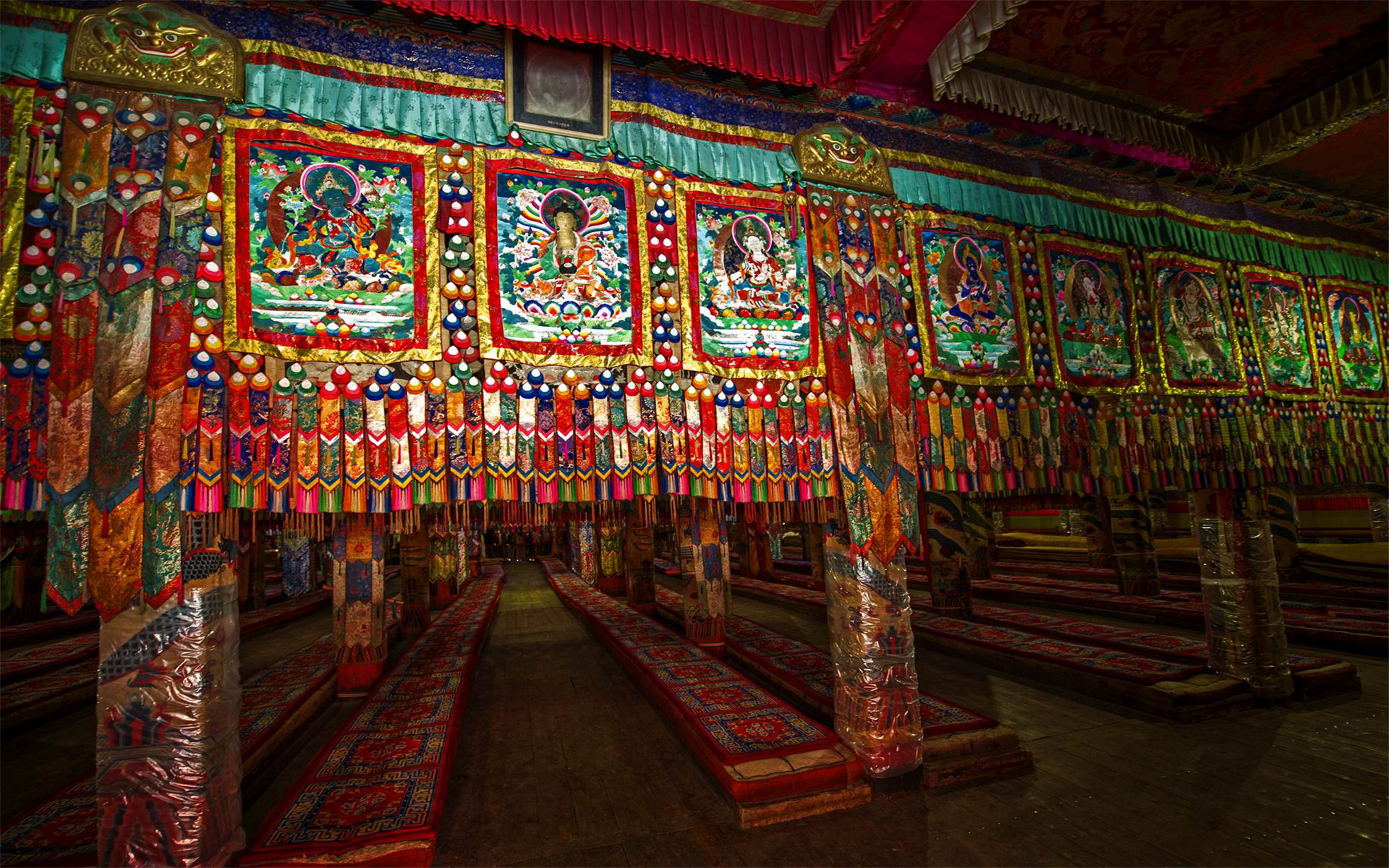
Just in front stands the Great Hall of Sutras, a 2,750-square-meter Tibetan-style building with 168 columns, 108 of which are visible inside. Here, monks gather for chanting sessions on long meditation mats, surrounded by thousands of gilded Tsongkhapa statues and shelves of sacred texts. The hall’s flat roof, adorned with gilded copper finials and victory banners, is typical of Tibetan architecture, using local materials like the water-absorbing, earthquake-resistant “sedge grass” (bianma) for walls.
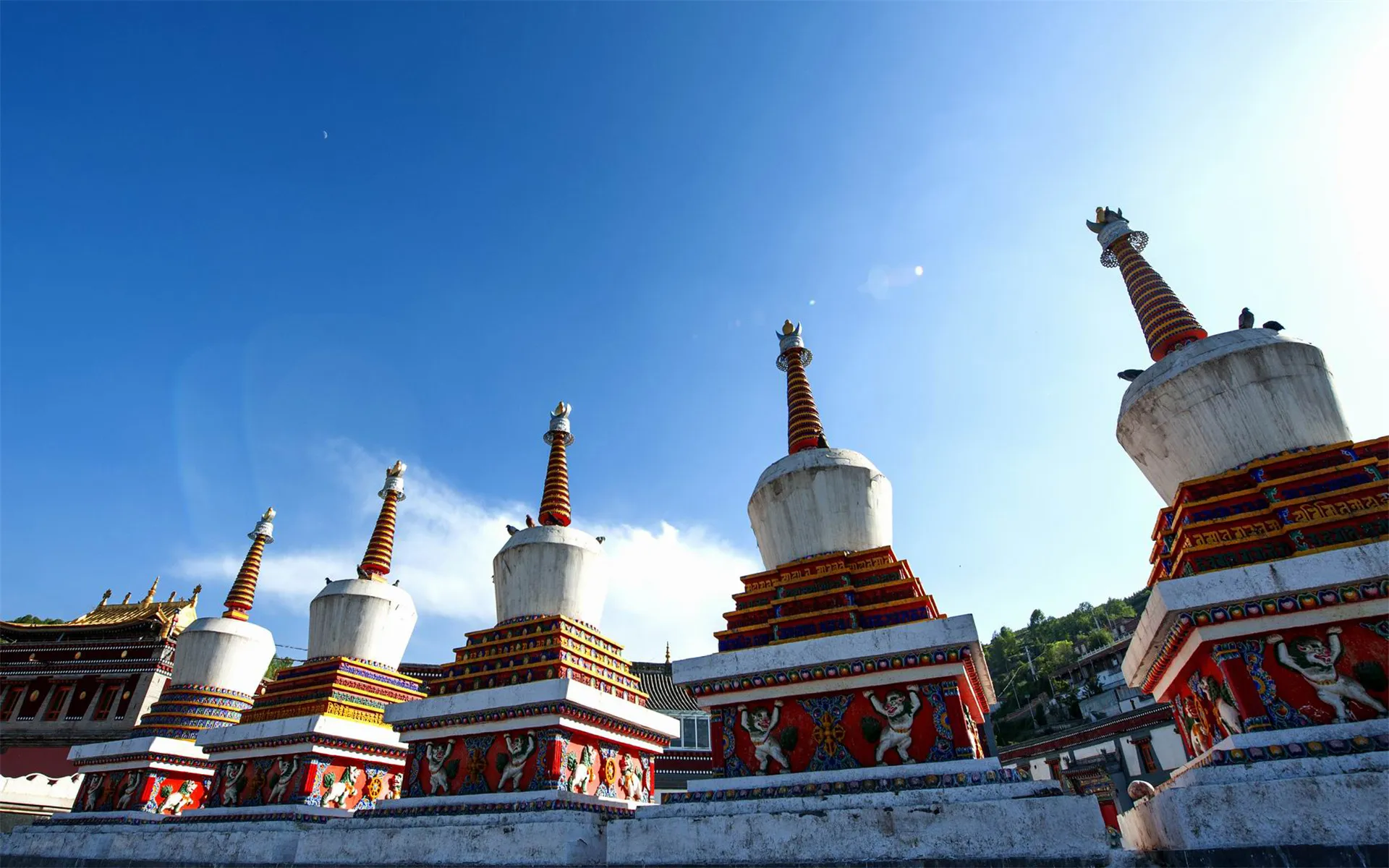
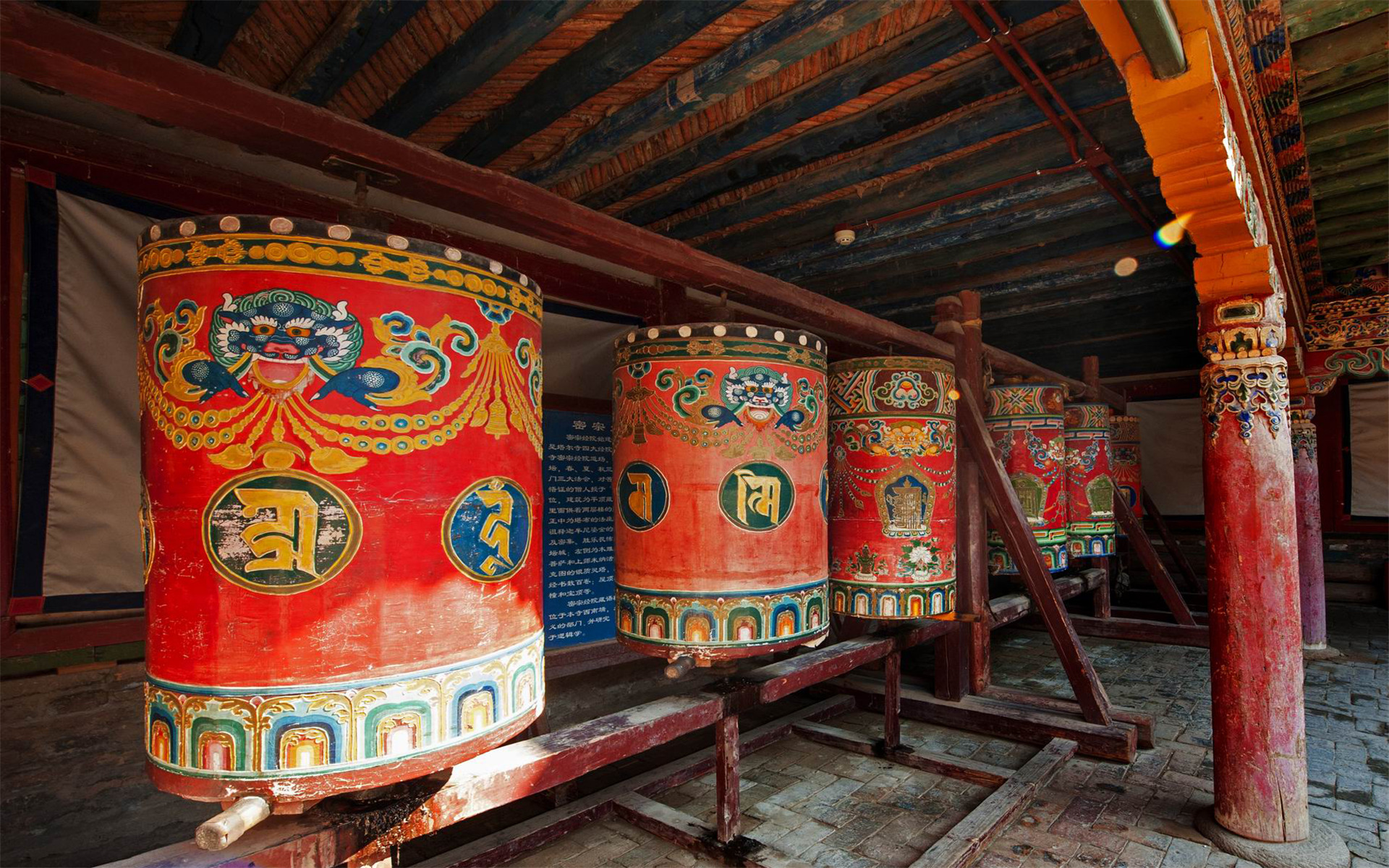
Outside, the Eight Stūpas of Sakyamuni line the entrance, each commemorating a major event in the Buddha’s life—from his birth (where he took seven steps, each leaving a lotus) to his final nirvana. These “bottle-shaped” stūpas contain the robes of past abbots, and pilgrims circumambulate them clockwise, spinning prayer wheels.
The temple’s “Three Wonders” are unmissable. The butter sculptures (su you hua)—delicate, colorful figures made from yak butter and pigments—are displayed in a dedicated hall, their intricate detail a testament to the monks’ devotion. The murals (bi hua) adorn every wall, depicting Buddhist cosmology and Jataka tales. And the appliqué thangkas (dui xiu), made from silk and brocade, are so large that during the annual June and April festivals, two massive ones (30 meters long, 20 meters wide) are unfurled on the hillside for public veneration.
Key Attractions Nearby
Within Xining, the Qinghai Lake is a breathtaking salt lake about 150 kilometers west, ideal for a day trip. The Dongguan Mosque, one of China’s largest, offers a glimpse into the region’s Islamic heritage. For a deeper dive into Tibetan culture, the Qinghai Tibetan Cultural Museum in Xining houses extensive artifacts and medical scrolls. Back in Huangzhong, the Tar Temple’s own Tibetan Medicine Hospital is a fascinating stop, showcasing centuries-old healing traditions.
Where to Dine
In the temple area, small eateries serve local Hui and Tibetan fare. Try niang pi (cold bean jelly) and you xiang (deep-fried dough twists) at street stalls. For a sit-down meal, head to Xining’s city center, where restaurants like Mingzhu Restaurant (near the East Gate) offer shou zhua yang rou (hand-grabbed lamb) and qinghai naicha (yak butter tea). For a quick bite, Dongguan Night Market serves grilled meats, noodles, and sweet yogurt.
Weather & Best Time to Visit
Xining has a highland continental climate, with cool summers and cold, dry winters. July and August are peak tourist months, with daytime temperatures around 20–25°C (68–77°F) and clear skies—perfect for exploring the temple grounds. Spring (April–May) and autumn (September–October) are also pleasant, with fewer crowds but cooler evenings. Winter (November–March) sees temperatures often below freezing, but the temple’s quiet atmosphere and occasional snow-dusted roofs offer a serene experience. Avoid the rainy season (July–August’s occasional showers) and the Chinese Labor Day (May 1–3) and National Day (October 1–7) holidays, when crowds swell.
For a truly immersive experience, plan your visit around one of the four major Buddhist festivals: the Great Prayer Festival (January/February), the Butter Sculpture Festival (April), the Thangka Unfolding (June), or the “Treasure Display” (September). These events feature chanting, processions, and the unveiling of giant thangkas. Remember: no photography inside halls, no loud talking, and always walk clockwise around stūpas and prayer wheels.
Travel Tips
Getting There: From Xining city center, take bus 909 or 911 from the West Gate bus station (about 1 hour, 5 CNY). A taxi takes 30–40 minutes via expressway (around 50–70 CNY including toll). The temple is at Jin Ta Road 56, Huangzhong District.
Opening Hours: Daily 07:30–17:30 (last entry at 17:30). The temple is closed on some Buddhist holidays—check ahead.
Admission: Full-price ticket is 70 CNY. Discounts apply: children aged 6–18 (half price), seniors 60–69 (half), full-time students (half), and children under 6 or 1.2 meters (free). Disabled visitors and their one companion enter free.
What to Bring: Comfortable walking shoes (the site is hilly), sunscreen, a hat, and water. Dress modestly—cover shoulders and knees—out of respect. Cash is useful for small purchases; ATMs are available at the visitor center.
Etiquette: Do not point at statues with one finger. Avoid touching religious objects or people’s heads. Turn prayer wheels clockwise. Keep your voice low in halls. Photography is forbidden inside chapels but allowed in most courtyards.
With its deep history, stunning art, and living faith, Tar Temple offers a window into Tibetan Buddhist culture that few other sites can match. Whether you’re a pilgrim or a curious traveler, this sacred place will leave a lasting impression.