Overview & History
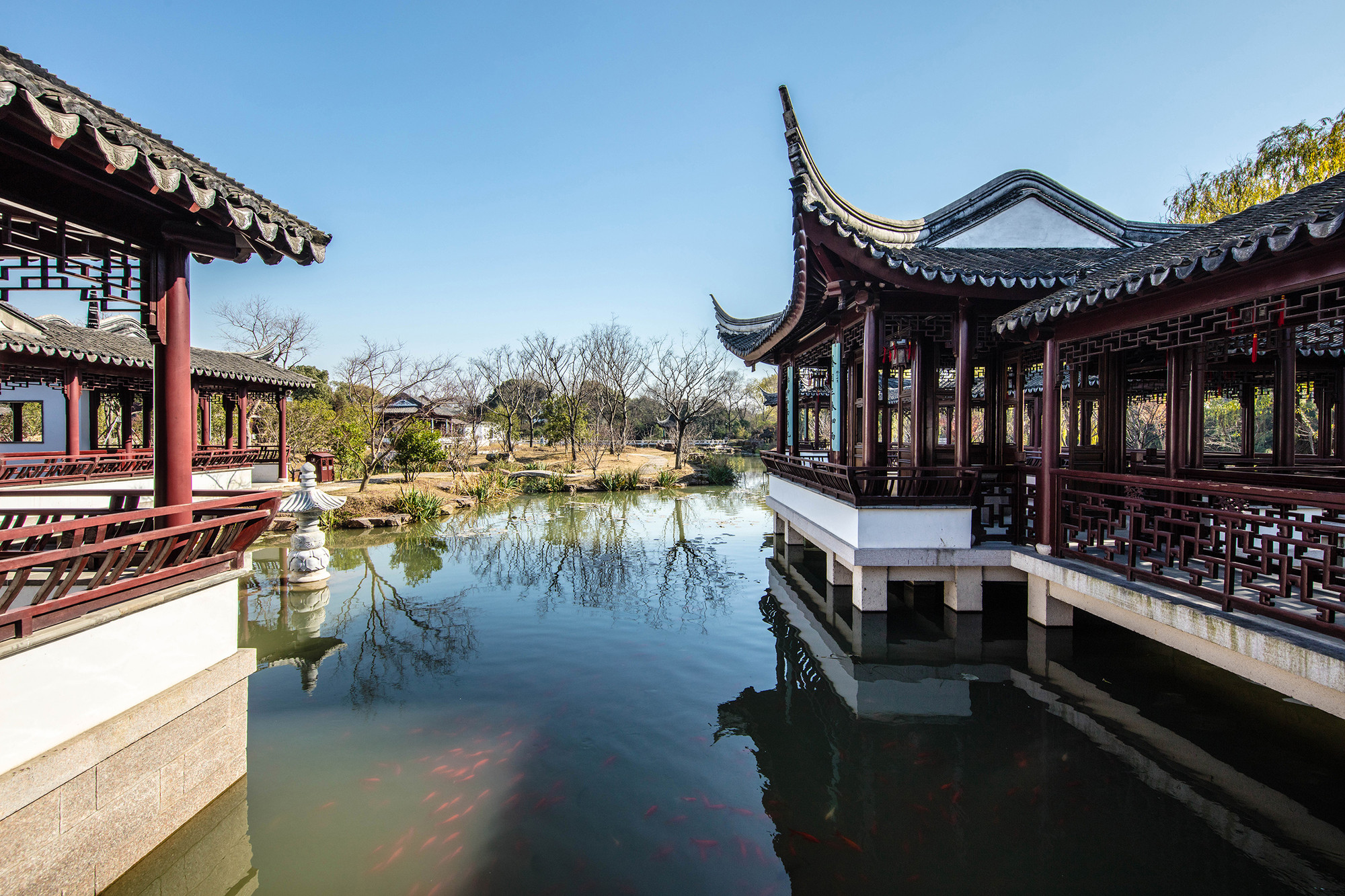
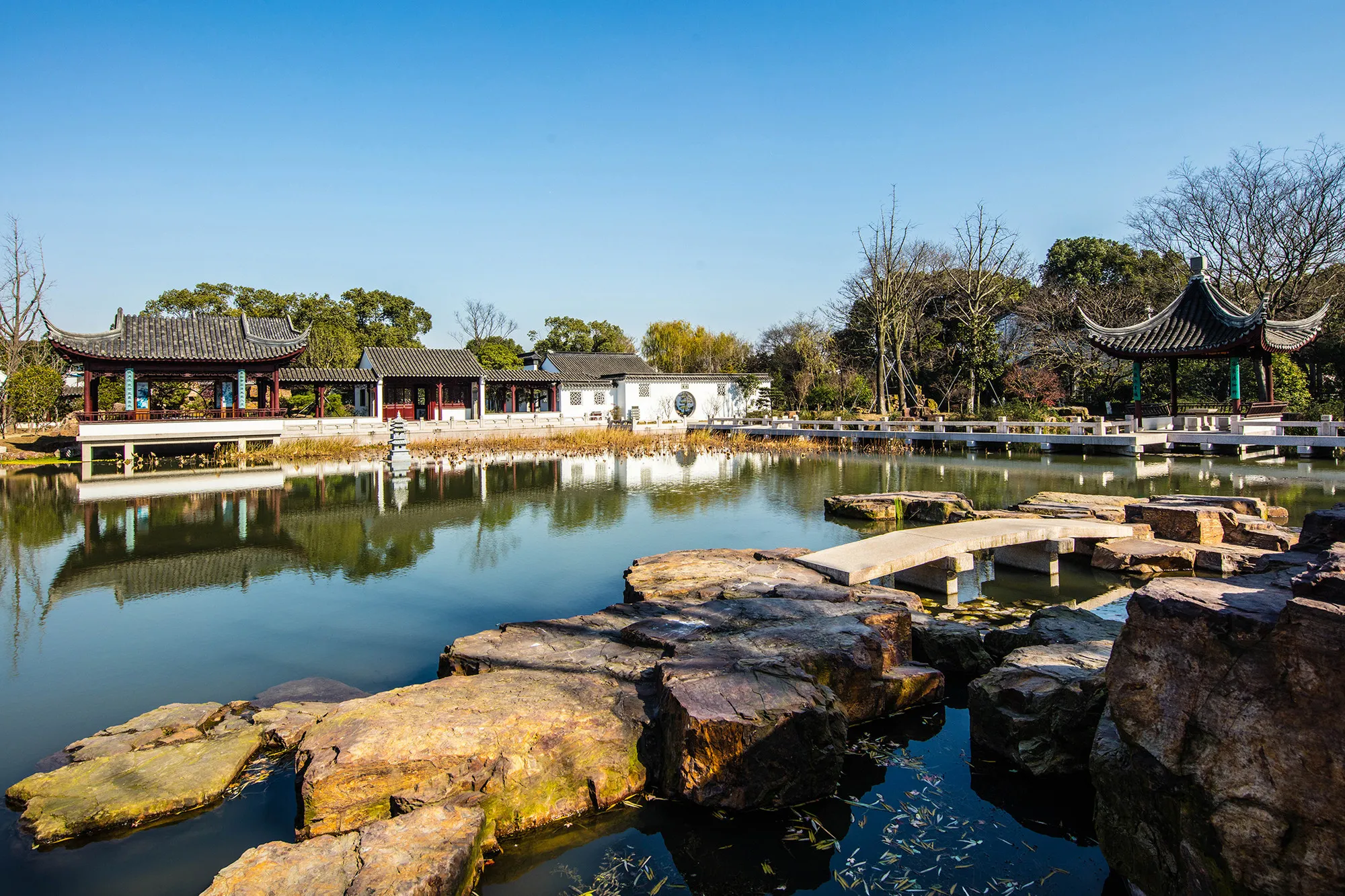
Rising just 36 meters above the lush plains of Suzhou, Tiger Hill (虎丘) is far more than a modest hill—it is a legendary landmark steeped in over 2,500 years of history. According to ancient lore, during the Spring and Autumn period, King Helü of Wu was buried here. Three days after his interment, a white tiger is said to have appeared atop the mound, guarding the tomb, thus giving the site its name. Today, Tiger Hill is celebrated as the "Number One Scenic Spot in Wu" (吴中第一名胜), a title that draws travelers from across China and the world.
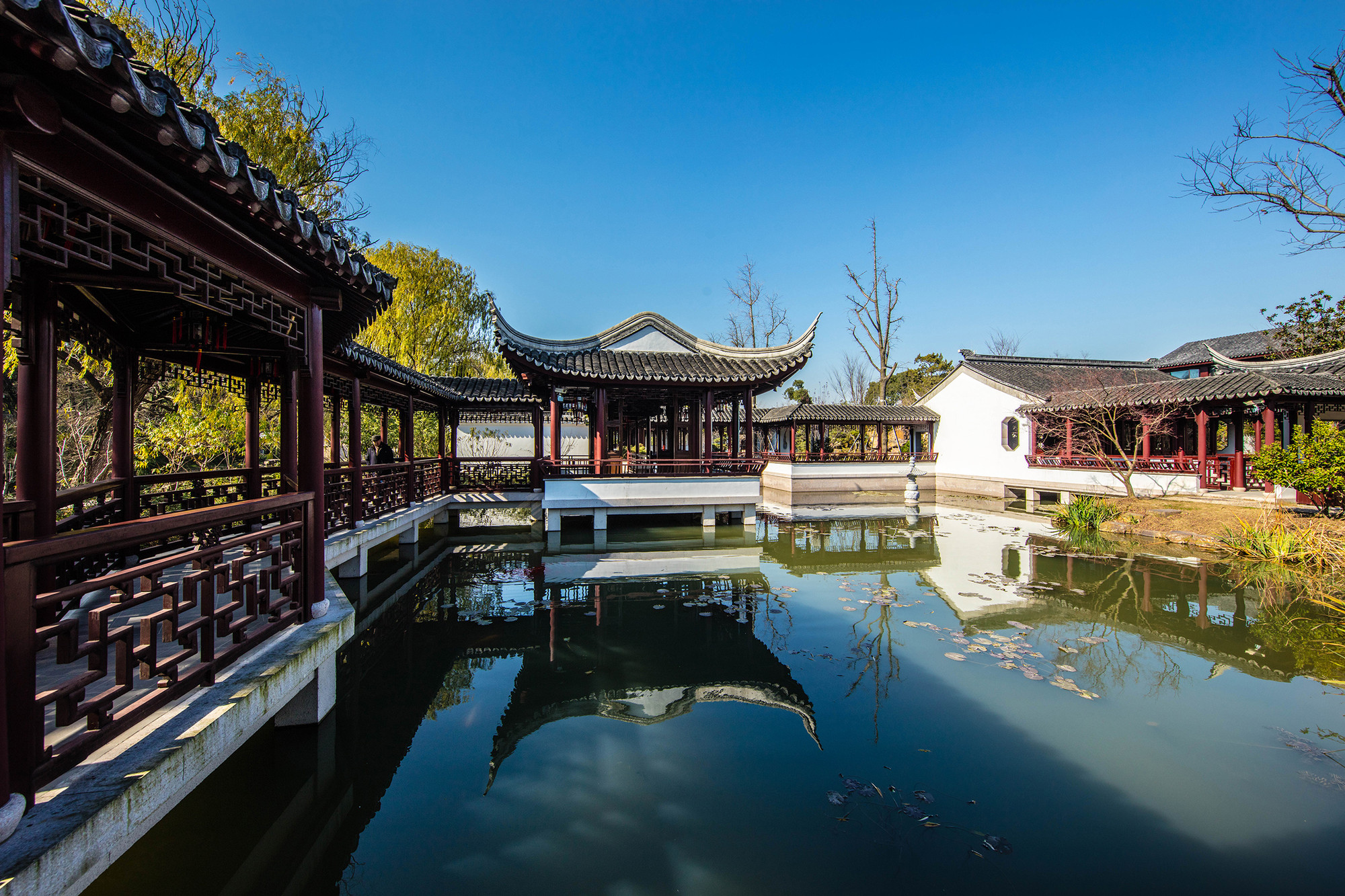
The hill’s crowning glory is the Tiger Hill Pagoda (also known as the Yunyan Pagoda), a seven-story octagonal brick tower that has leaned gently for centuries. Built in the 10th century during the Song dynasty, this ancient structure tilts at an angle of about 3.5 degrees, earning it the nickname "the Leaning Tower of China." Its enduring silhouette against the Suzhou skyline has become an iconic symbol of the region. Walking through the serene grounds, visitors can sense the layers of history—from royal burials to poetic inscriptions—that make Tiger Hill a must-visit destination for anyone exploring Jiangnan.
Highlights & Activities
Tiger Hill offers a rich tapestry of sights and experiences. Begin your journey at the Sword Pool (剑池), a mysterious pond said to contain the legendary swords of King Helü. The pool is enclosed by sheer rock faces carved with calligraphy, creating a dramatic and contemplative atmosphere. Nearby, the Huqiu Pagoda stands as the centerpiece; you can circle its base and admire the intricate brickwork and the subtle tilt that has fascinated engineers and tourists alike.
For those visiting in spring, the Tiger Hill Flower Festival (虎丘花会) is an unmissable event. Held annually from March to April, the festival transforms the scenic area into a vibrant sea of blossoms. Each year features a different theme—past editions have included "Spring of Jiangnan, Dreaming of Tiger Hill" and "Tiger Hill Spring Charm." During this time, the grounds are adorned with thousands of flowers, and cultural performances such as traditional music and dance add to the festive spirit.
Autumn brings the Tiger Hill Temple Fair (虎丘庙会), running from September to October. This lively event showcases folk arts including puppet shows, acrobatics, magic, and traditional wrestling. Visitors can also browse stalls selling local handicrafts and Jiangnan-style snacks, making it a perfect opportunity to immerse yourself in Suzhou’s living culture.
Key Attractions Nearby
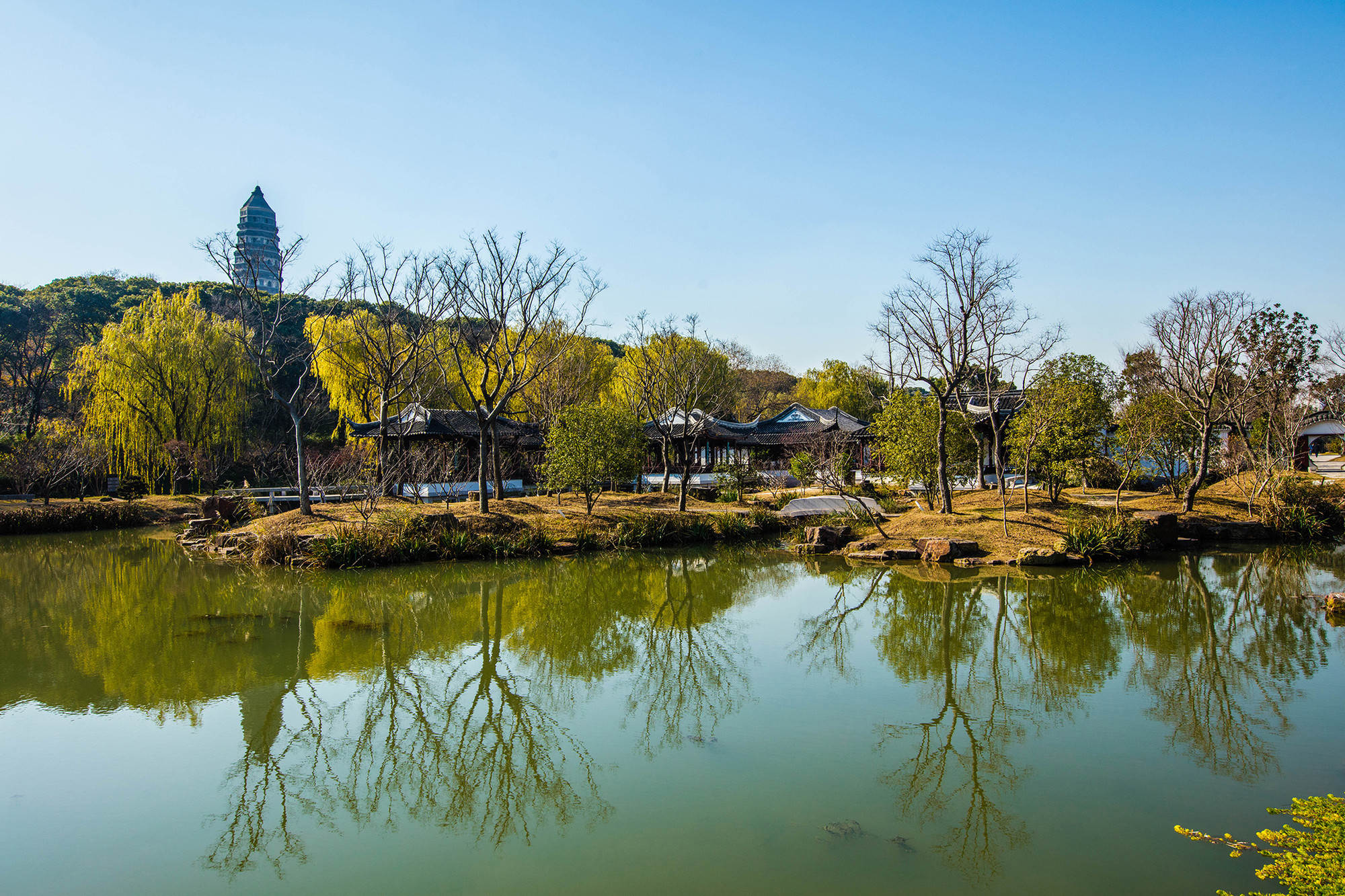
Just a short walk from Tiger Hill lies the famous Shantang Street (山塘街), a historic waterway lined with Ming and Qing dynasty architecture. Often called "the first street of Suzhou," it offers a glimpse of the city’s canal-side charm, with teahouses, souvenir shops, and boat rides. Another nearby gem is the Tiger Hill Wedding Dress Street (虎丘婚纱一条街), one of China’s largest wedding gown markets. Here, hundreds of shops sell everything from budget-friendly dresses to high-end custom designs. Bargaining is common, and savvy shoppers can find quality gowns for a fraction of the original price, especially during the peak seasons of May and October.
Where to Dine
After exploring Tiger Hill, satisfy your appetite at local eateries. For a classic Suzhou meal, head to a traditional noodle house (such as a long-established Suzhou noodle shop) to sample delicate broth-based noodles with toppings like braised pork or shrimp. Alternatively, the snack stalls along Shantang Street offer treats such as sweet congee, shengjianbao (pan-fried buns), and osmanthus cakes. These light bites pair perfectly with a cup of Biluochun green tea, a local specialty.
Weather & Best Time to Visit
Suzhou enjoys a humid subtropical climate with four distinct seasons. The best times to visit Tiger Hill are spring (March to May) and autumn (September to November), when temperatures are mild (15–25°C) and the scenery is at its most beautiful. Spring coincides with the Flower Festival, while autumn offers the Temple Fair and comfortable weather for walking. Summer (June to August) can be hot and humid, with temperatures often exceeding 35°C, and occasional typhoon rains. Winter (December to February) is chilly but less crowded, though the pagoda and gardens retain their quiet charm. To avoid crowds, visit on a weekday or arrive early in the morning.
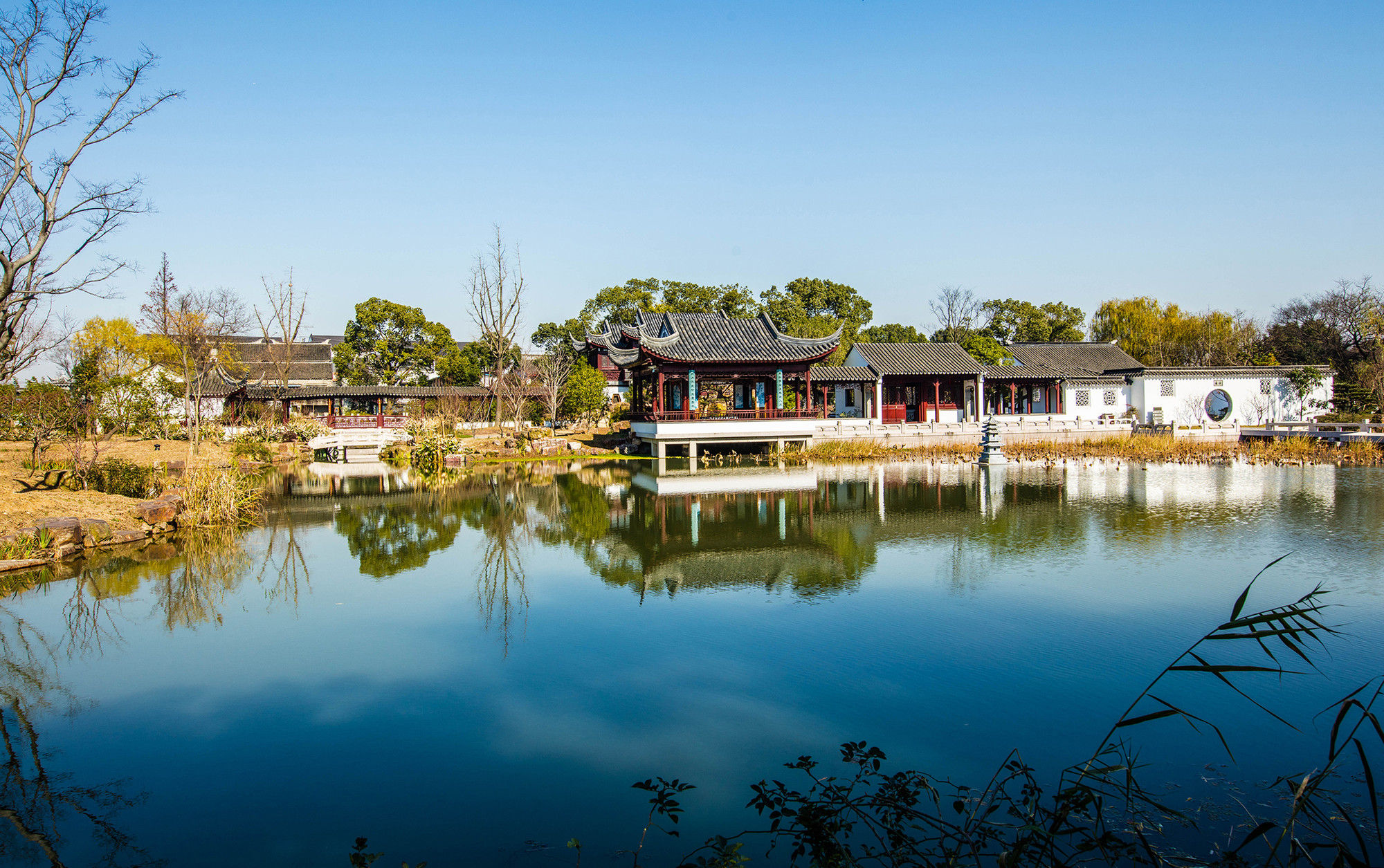
Travel Tips
- Getting There: Tiger Hill is located at No. 8 Huqiu Hill Gate, Suzhou. Take bus routes 游1, 游2, or 32 to the Tiger Hill stop, or ride Suzhou Metro Line 2 to Shantang Street Station and walk about 15 minutes. Taxis and ride-hailing apps are also convenient from the city center.
- Admission Fees: Low season (October 31–April 15): 40 RMB; Peak season (April 16–October 30): 60 RMB.
- Opening Hours: Daily from 7:30 AM to 5:30 PM. Plan to spend at least 2–3 hours exploring the grounds.
- Contact: For inquiries, call 0512-65323488.
- What to Bring: Comfortable walking shoes are essential, as the hill involves some stairs and uneven paths. In spring and autumn, bring a light jacket; in summer, carry water, sunscreen, and an umbrella. A camera is a must for capturing the pagoda and seasonal blooms.
- Special Events: Check the official schedule for the Flower Festival (March–April) and Temple Fair (September–October) to plan your visit around these vibrant cultural events.