Overview & History
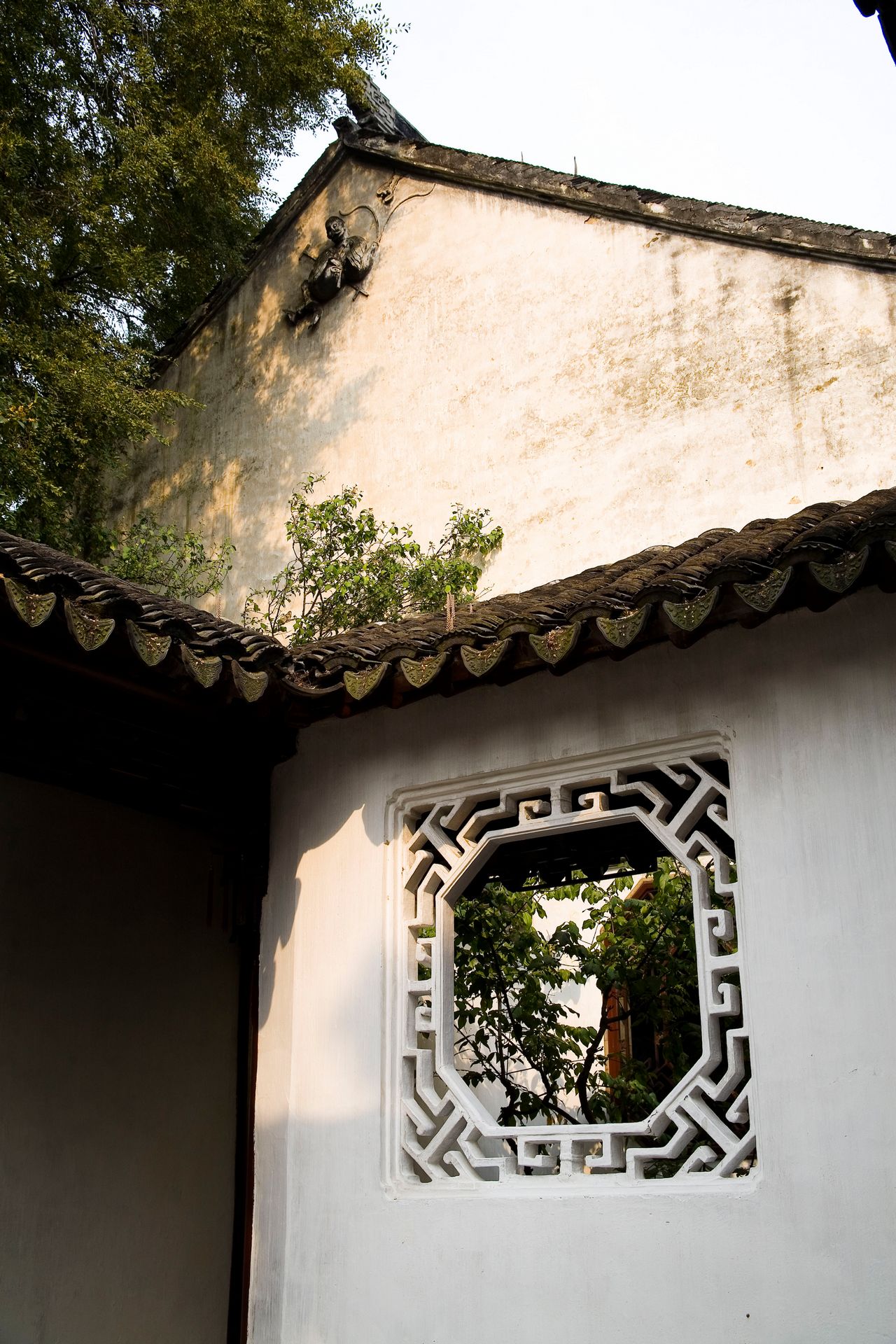
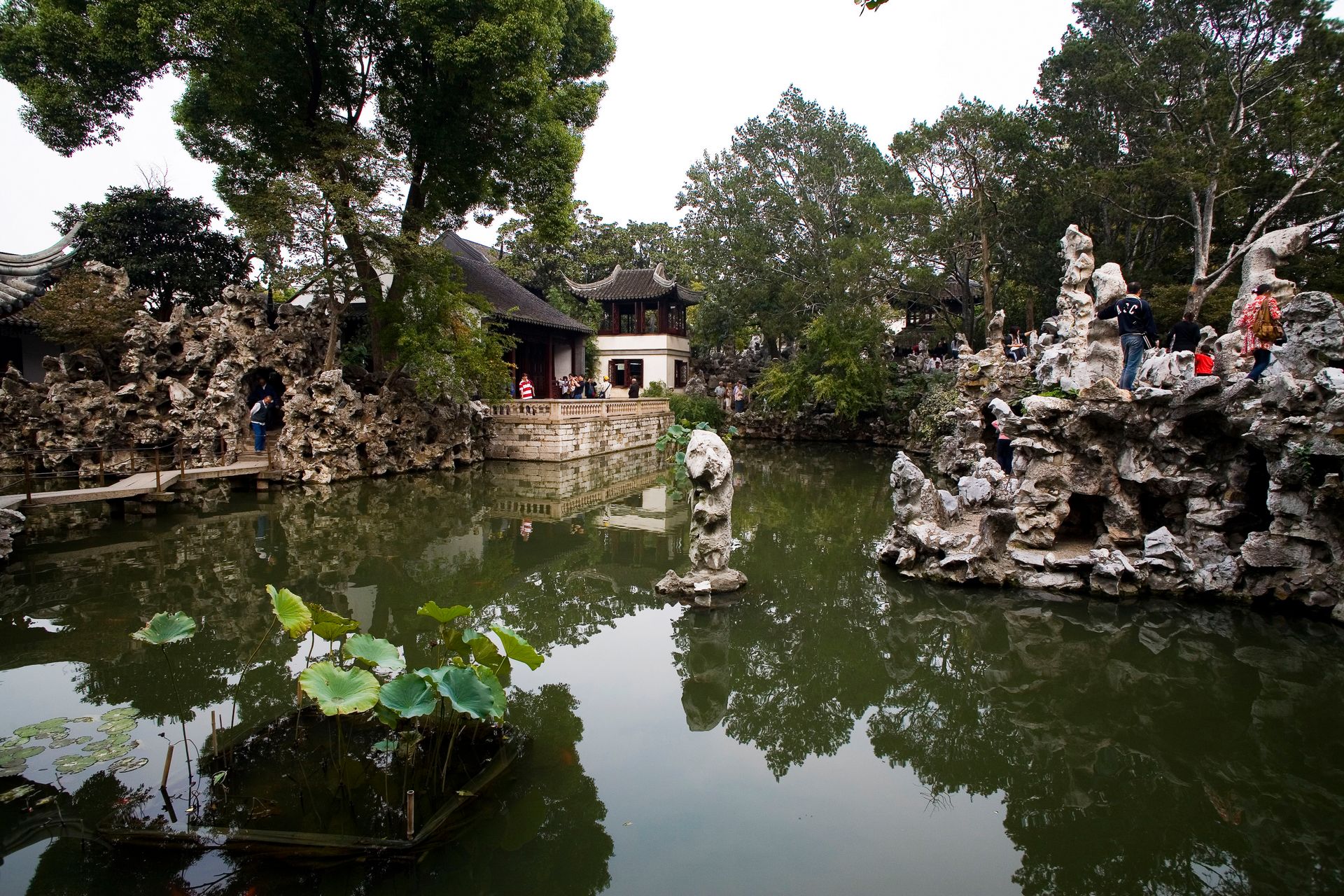
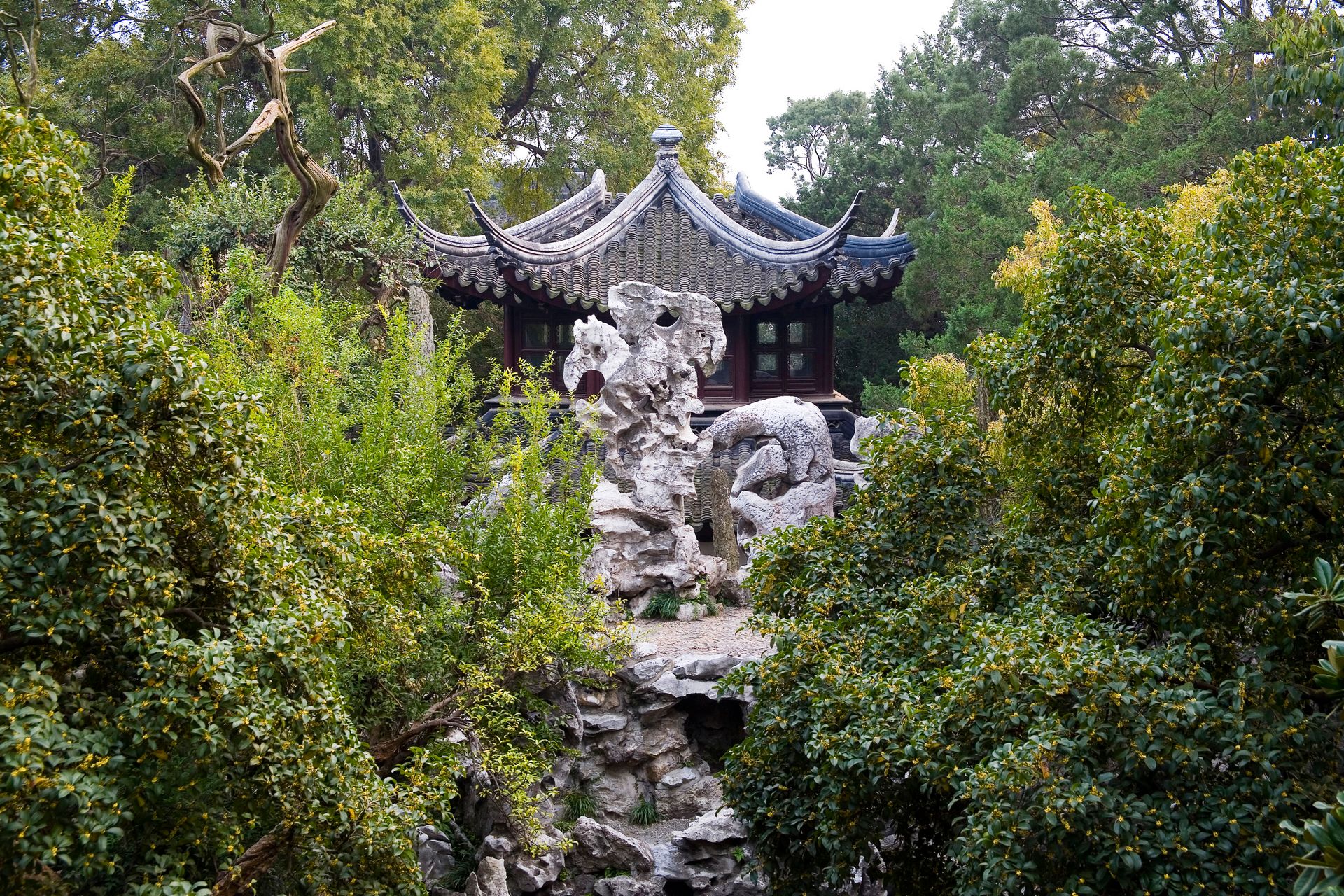
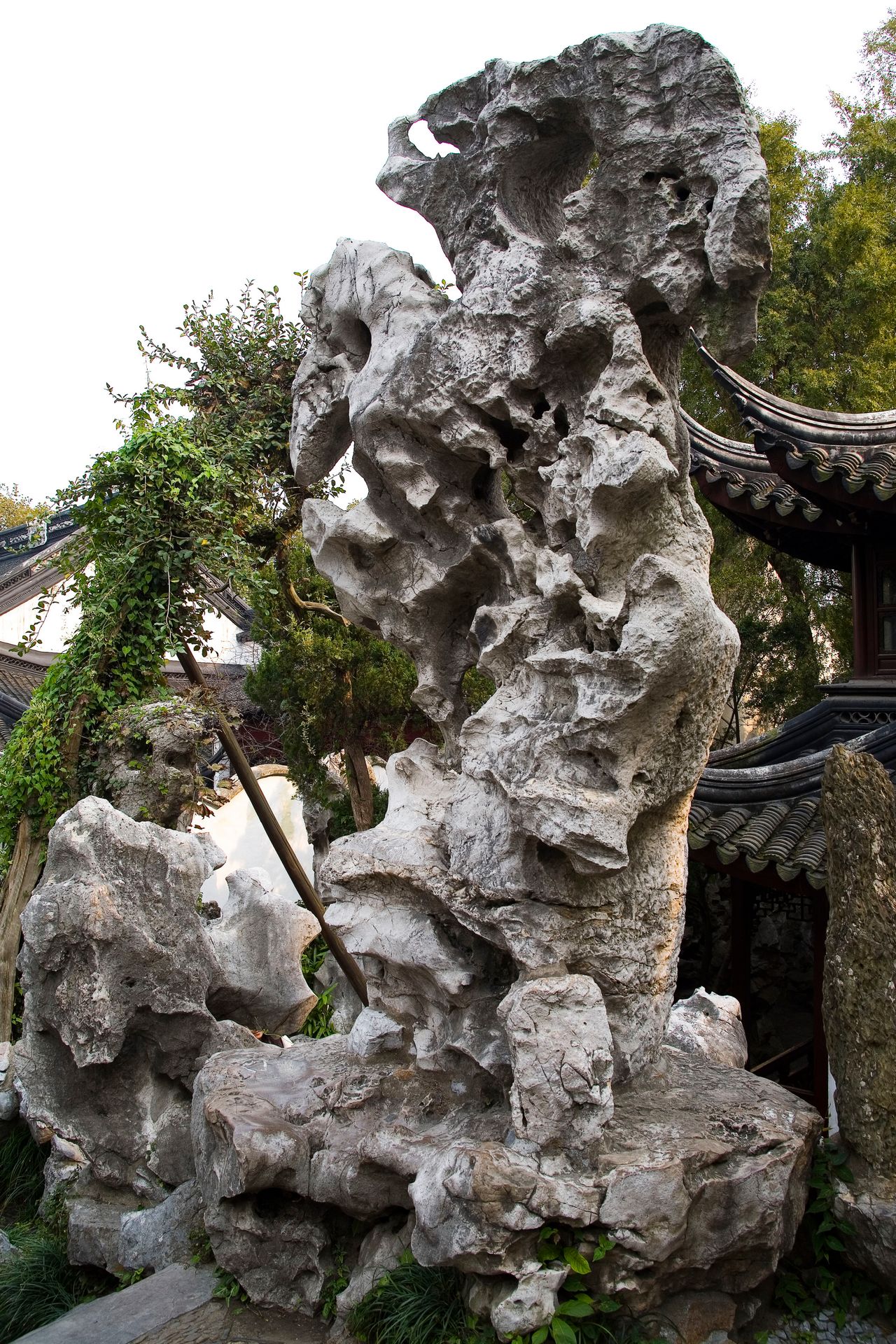
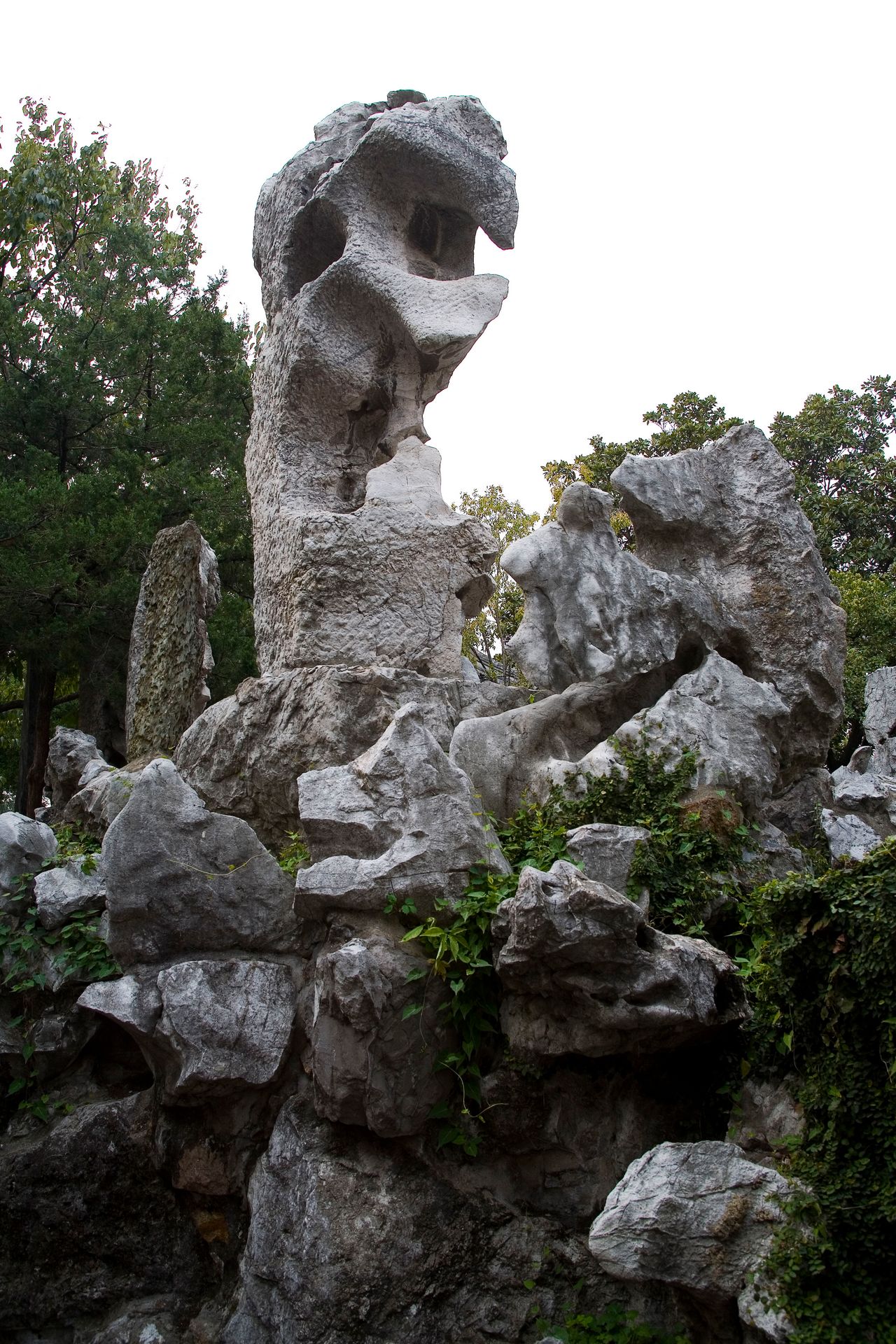
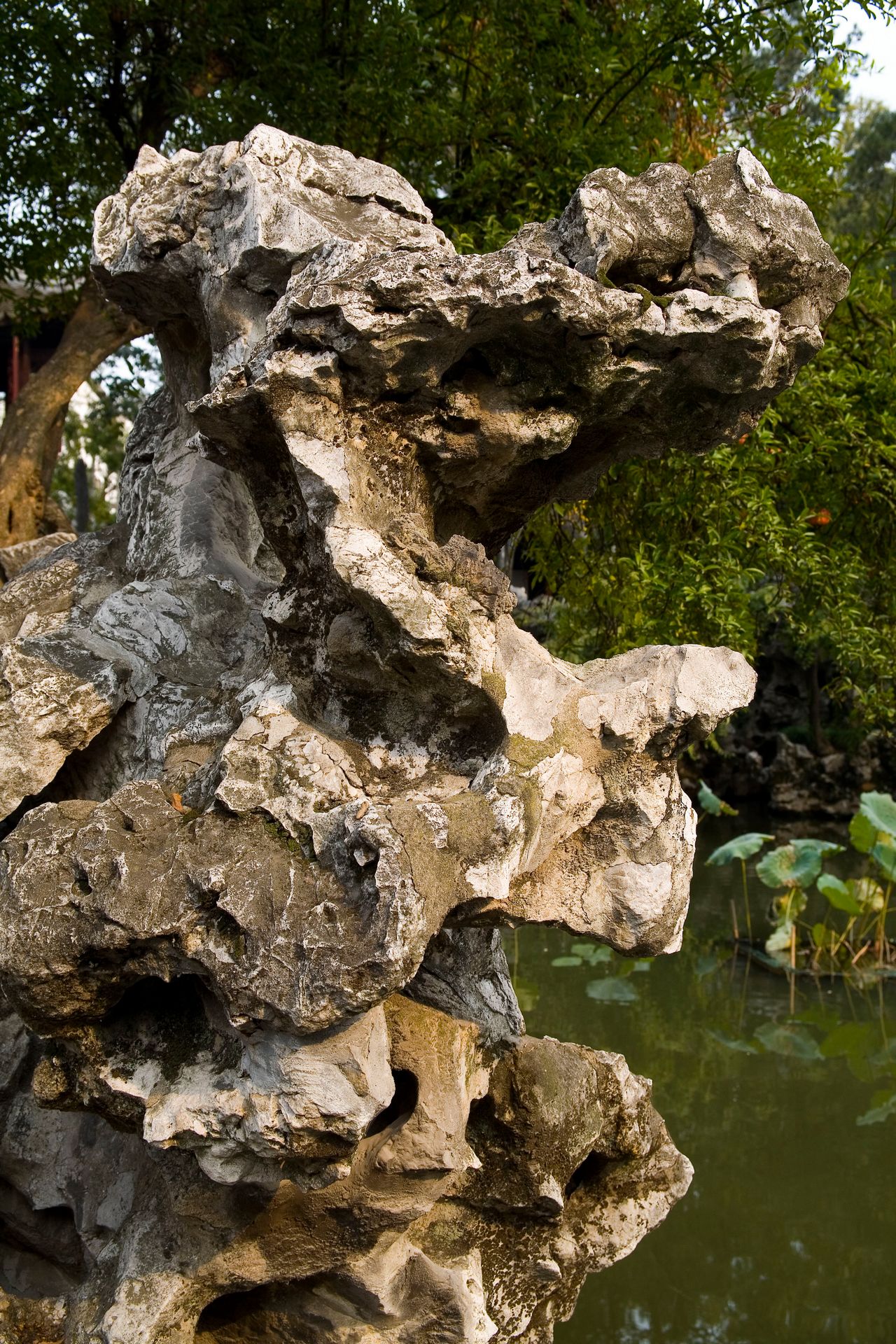
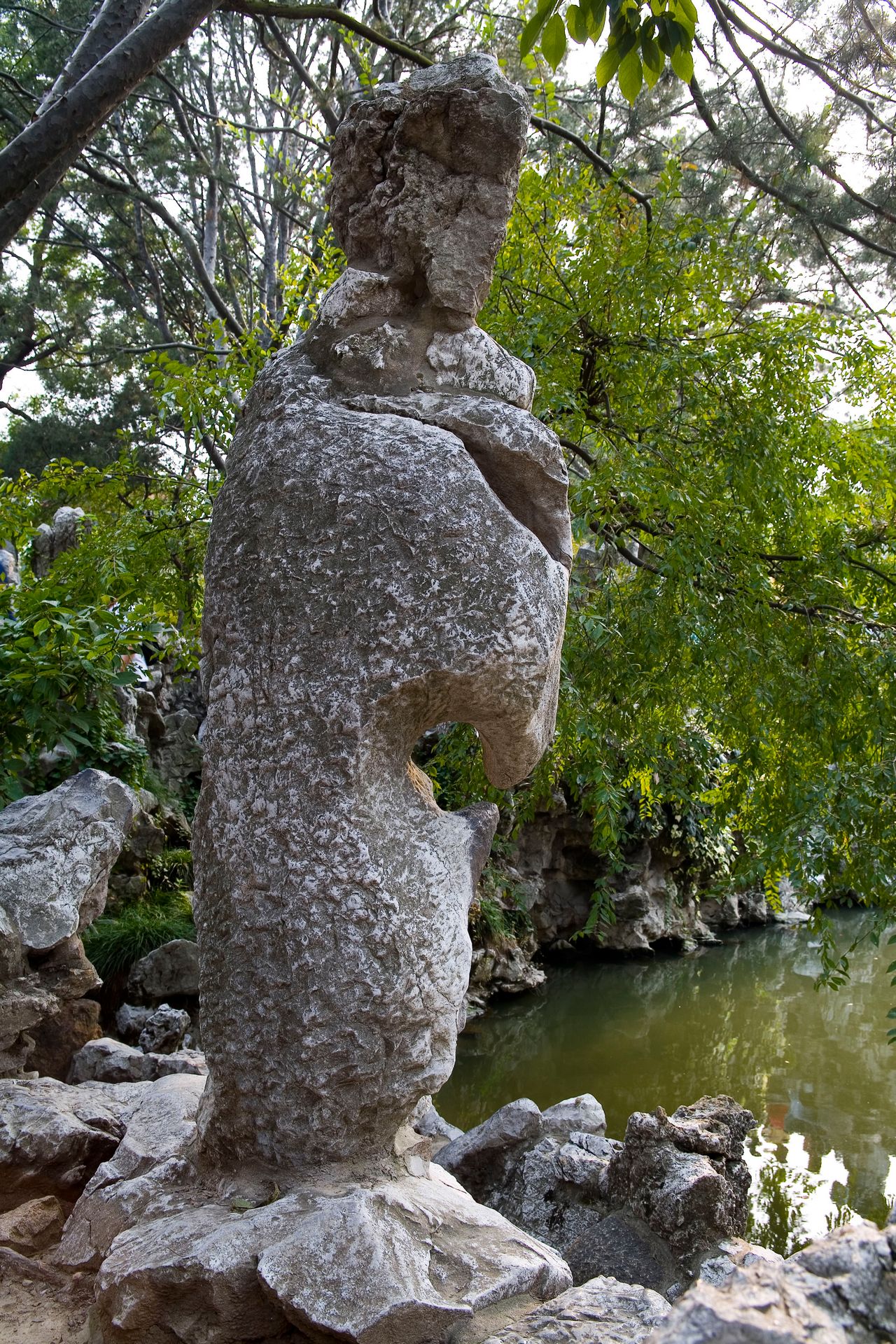
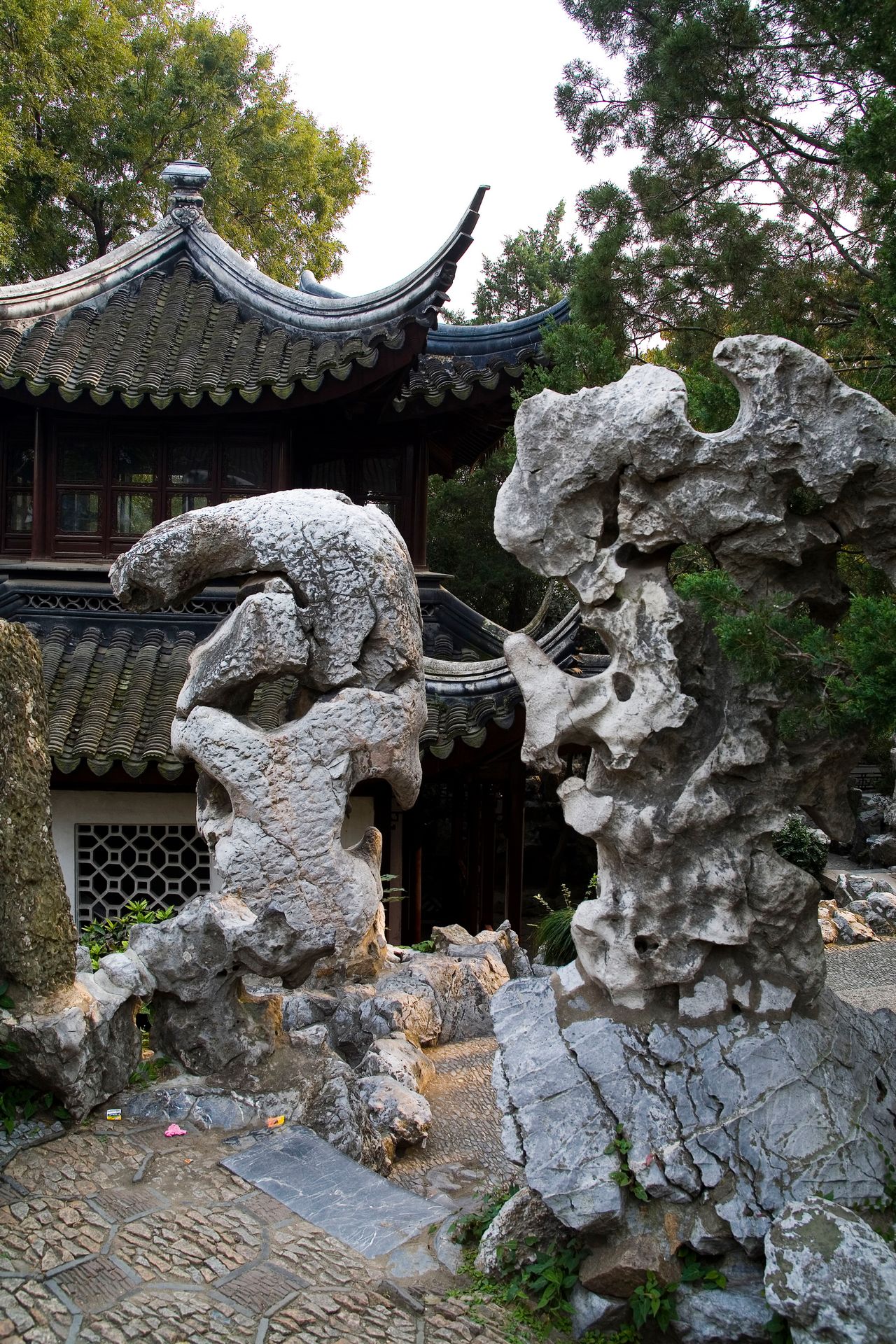
Nestled in the heart of Suzhou, a city renowned for its classical gardens and waterways, Lion Grove Garden (狮子林) stands as a masterpiece of Yuan Dynasty landscape design. Built in 1342 as the back garden of a Zen Buddhist temple, it was later transformed into a private residence. What makes Lion Grove truly special is its breathtaking rockery—a labyrinth of limestone grotesques that resemble a pride of stone lions. The garden's name, "Lion Grove," comes from these eerie, lion-shaped rocks, which are said to number in the hundreds. Emperor Qianlong of the Qing Dynasty was so captivated that he visited the garden six times during his southern tours, famously claiming there were 500 stone lions hidden within the maze. This fusion of art, nature, and spirituality offers visitors a unique journey into Chinese aesthetics and history.
Highlights & Activities
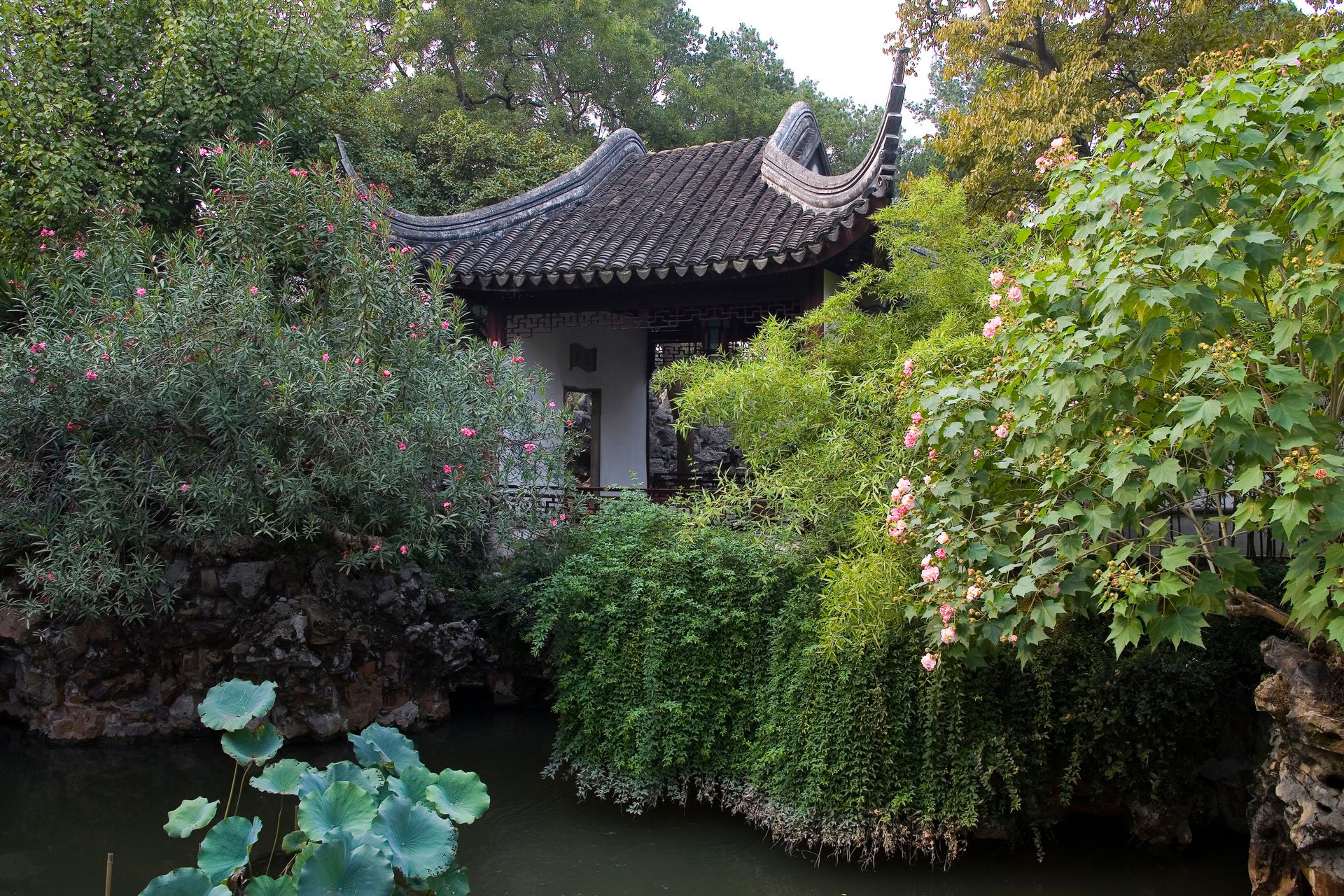
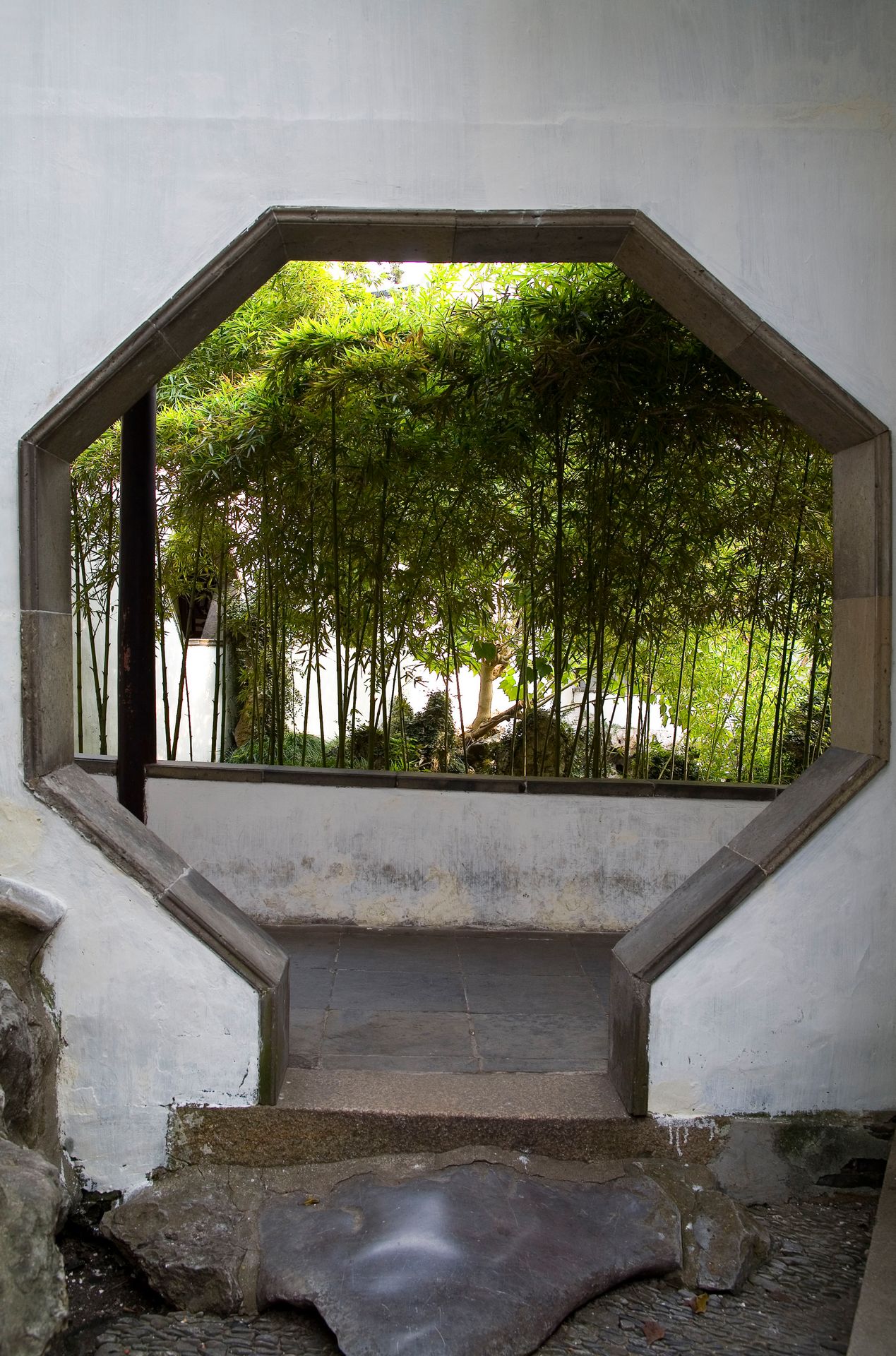
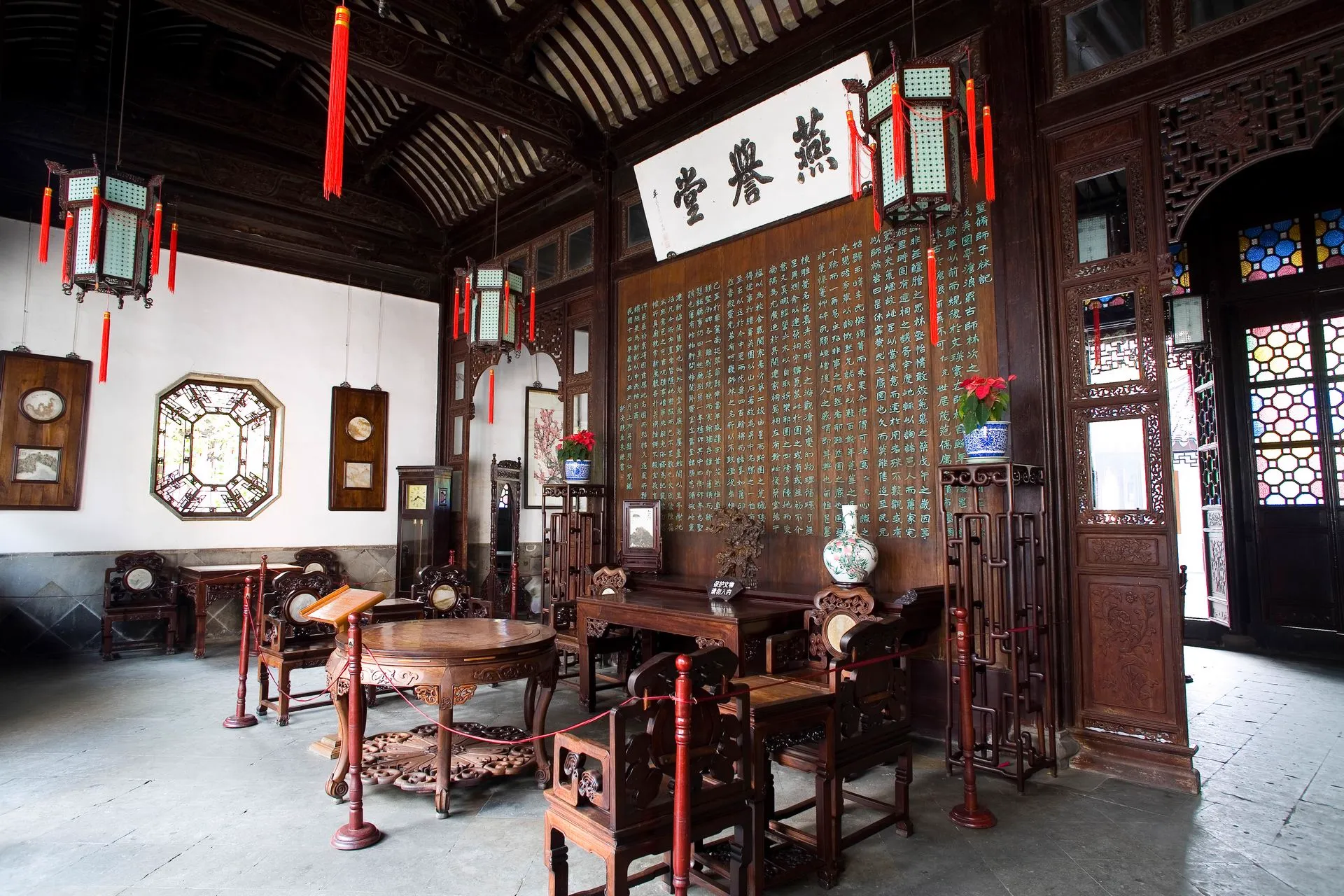
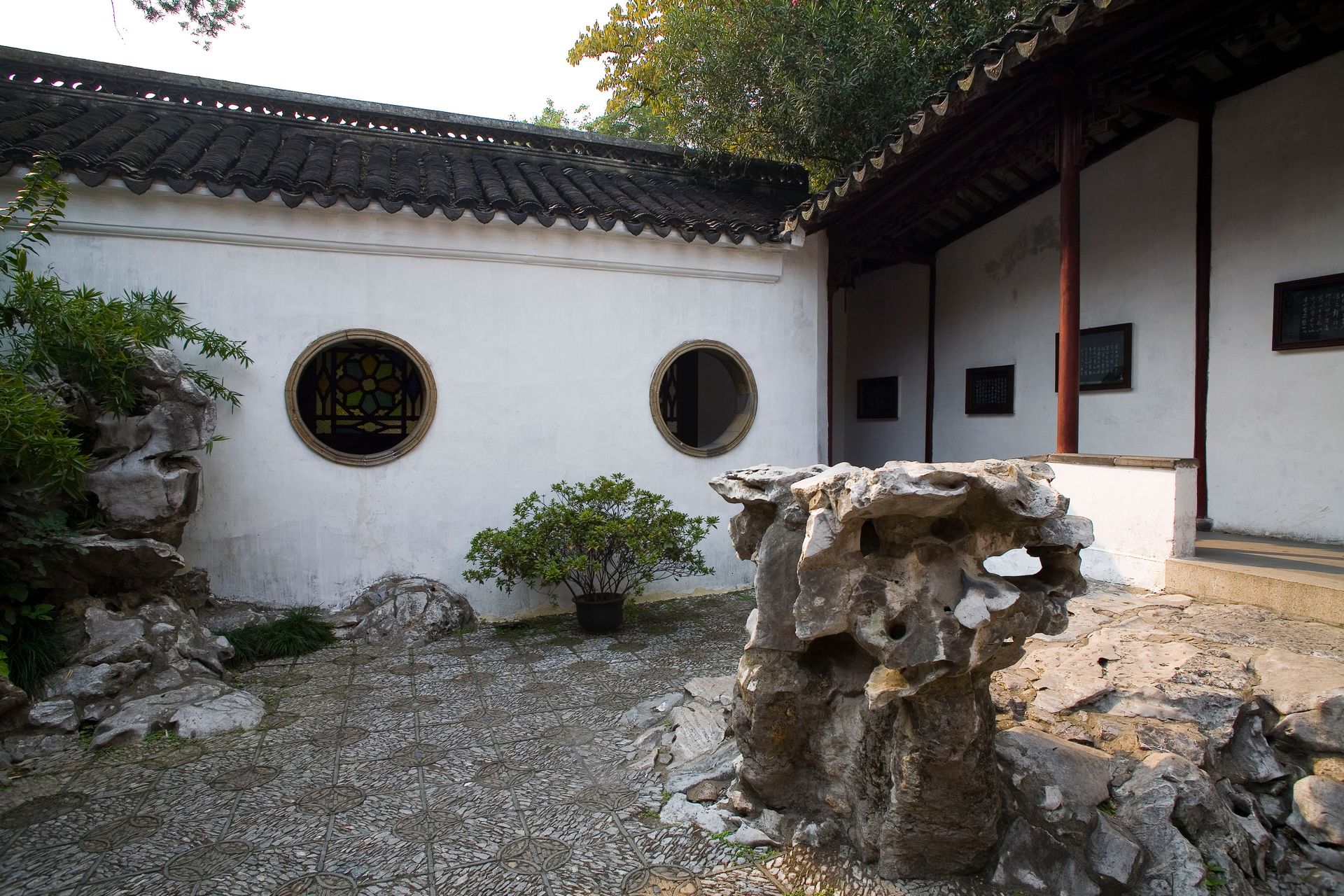
Lion Grove is a playground of stone and water. The centerpiece is the rockery group, a maze of interconnected caves, bridges, and peaks. Here, you can count the stone lions—each rock seems to crouch, leap, or roar—and explore the labyrinth, which feels like a giant hide-and-seek game. Don't miss the famous peaks: Lion Peak, Hanhui (Holding Radiance), and Tuyue (Spitting Moon), each a masterpiece of natural erosion and human artistry. Surrounding the central pond are elegant halls like Zhenqu Pavilion (True Delight), Xiuzhu Pavilion (Bamboo Pavilion), and Jianshan Tower (Mountain Viewing Tower). Climb Jianshan Tower for a panoramic view of the garden, where rockeries, water, and greenery blend seamlessly. In the western earthen hill, find Wenmei Pavilion (Asking about Plum Blossoms), where every detail—from tables to windows—is plum blossom-shaped. Plum trees bloom here every February, filling the air with fragrance. The garden's long corridors are lined with calligraphy stele by Song Dynasty masters Su Shi, Mi Fu, Huang Tingjian, and Cai Xiang, plus Wen Tianxiang's "Plum Blossom Poem" inscription. Wander these corridors to appreciate centuries of poetic and artistic heritage.
Key Attractions Nearby
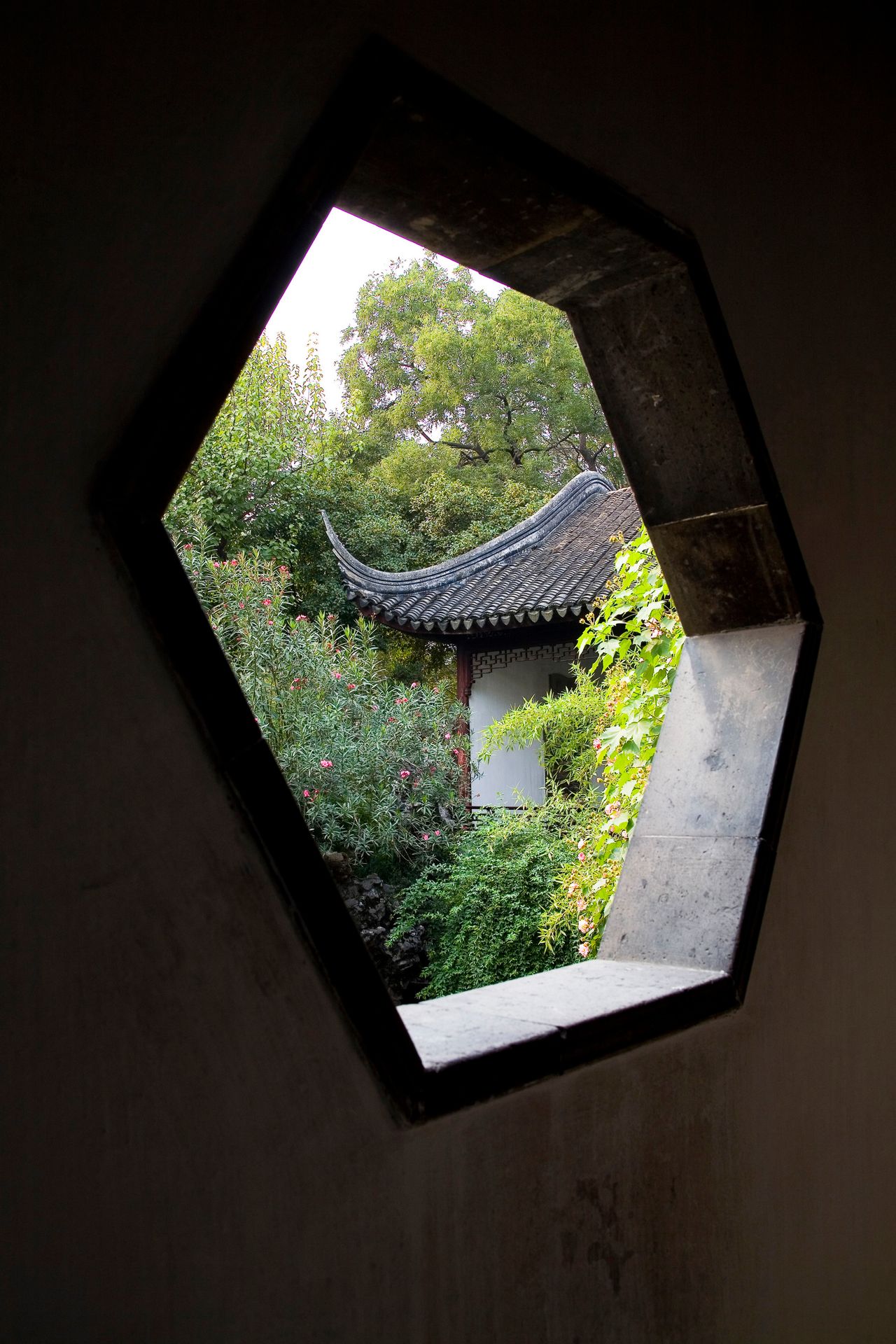
Lion Grove is part of Suzhou's rich tapestry of classical gardens. Just a short walk away lies the Humble Administrator's Garden, China's largest classical garden, known for its serene ponds and pavilions. The Lingering Garden, another UNESCO World Heritage site, offers intricate rockeries and halls. For a different vibe, visit Canglang Pavilion, the oldest garden in Suzhou, with its rustic charm. Beyond gardens, explore Suzhou's ancient canals and Pingjiang Road, a historic street lined with tea houses, silk shops, and traditional architecture. The Suzhou Museum, designed by I.M. Pei, is nearby and showcases local art and history. Don't miss the Tiger Hill, a scenic area with a leaning pagoda and legends of ancient kings.
Where to Dine
Suzhou is famous for its delicate, sweet cuisine. Near Lion Grove, try the Songhelou restaurant, a century-old establishment serving classic dishes like squirrel-shaped mandarin fish and braised pork. For a casual bite, head to Deyuelou for steamed buns and dumplings. Local snacks include suzhou-style mooncakes (filled with pork or red bean) and sticky rice lotus root. Vegetarians will enjoy Guanqian Street, a pedestrian area with food stalls offering tofu pudding, scallion pancakes, and sweet osmanthus cakes. Pair your meal with a cup of Biluochun green tea, a local specialty from Dongting Mountain.
Weather & Best Time to Visit
Suzhou has a humid subtropical climate with four distinct seasons. Spring (March to May) and autumn (September to November) are ideal, with mild temperatures (15–25°C) and low humidity. These seasons bring blooming flowers and clear skies, perfect for garden strolls. Summer (June to August) is hot and rainy, with temperatures often exceeding 35°C, and crowds peak during Chinese holidays. Winter (December to February) is cold (0–10°C) but less crowded, and the plum blossoms in February add charm. For the best experience, visit in early April or late October to avoid crowds and enjoy pleasant weather. The garden opens at 7:30 AM and closes at 5:30 PM (hours may vary by season).
Travel Tips
- Getting There: Lion Grove is located in the old city center. Take Suzhou Metro Line 1 to Lindun Road Station (Exit 4), then walk 10 minutes. Buses 5, 9, and 40 also stop nearby. From Shanghai, take a 30-minute high-speed train to Suzhou Station, then a 15-minute taxi ride.
- Fees & Hours: Admission is around 40 RMB (peak season) and 30 RMB (off-peak). Open daily 7:30 AM–5:30 PM (March–November) and 7:30 AM–5:00 PM (December–February). Buy tickets online to skip queues.
- What to Bring: Comfortable walking shoes are essential for navigating the rockery maze. Bring a camera for the stunning rock formations and reflections. In summer, carry water and sunscreen; in winter, a warm jacket. A guidebook or audio guide (available at the entrance) enhances your visit.
- Etiquette: Respect quiet areas—the garden is a place of meditation. Don't climb on the rockeries (they are fragile). Photography is allowed, but avoid using flash near the stele.
- Language: While English signs are limited, the garden offers audio guides in English. Download a translation app for menus and signs.
Lion Grove Garden is a living poem of stone and water, where every path reveals a new surprise. Whether you're a history buff, a nature lover, or a photographer, this Yuan Dynasty treasure will leave you enchanted.