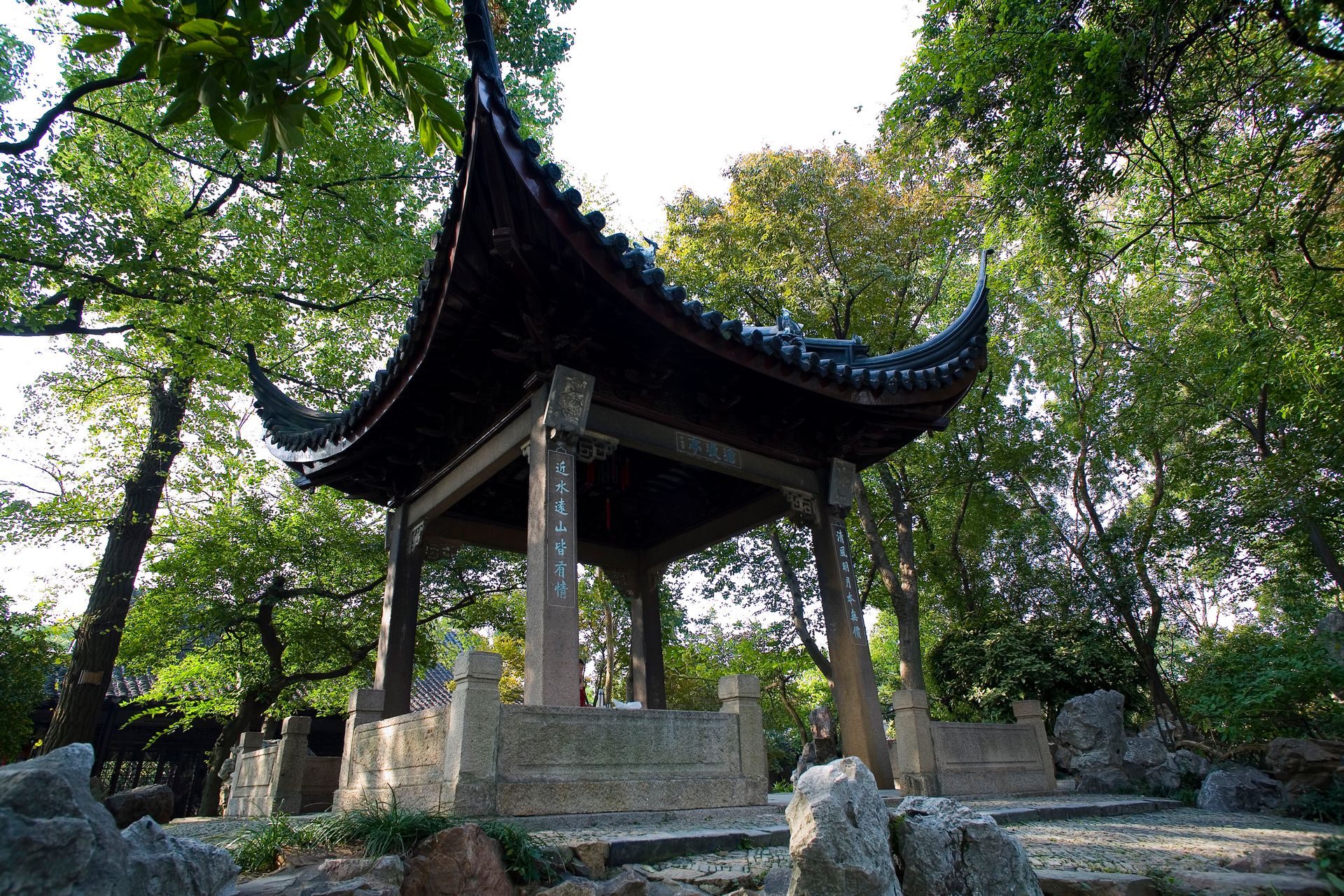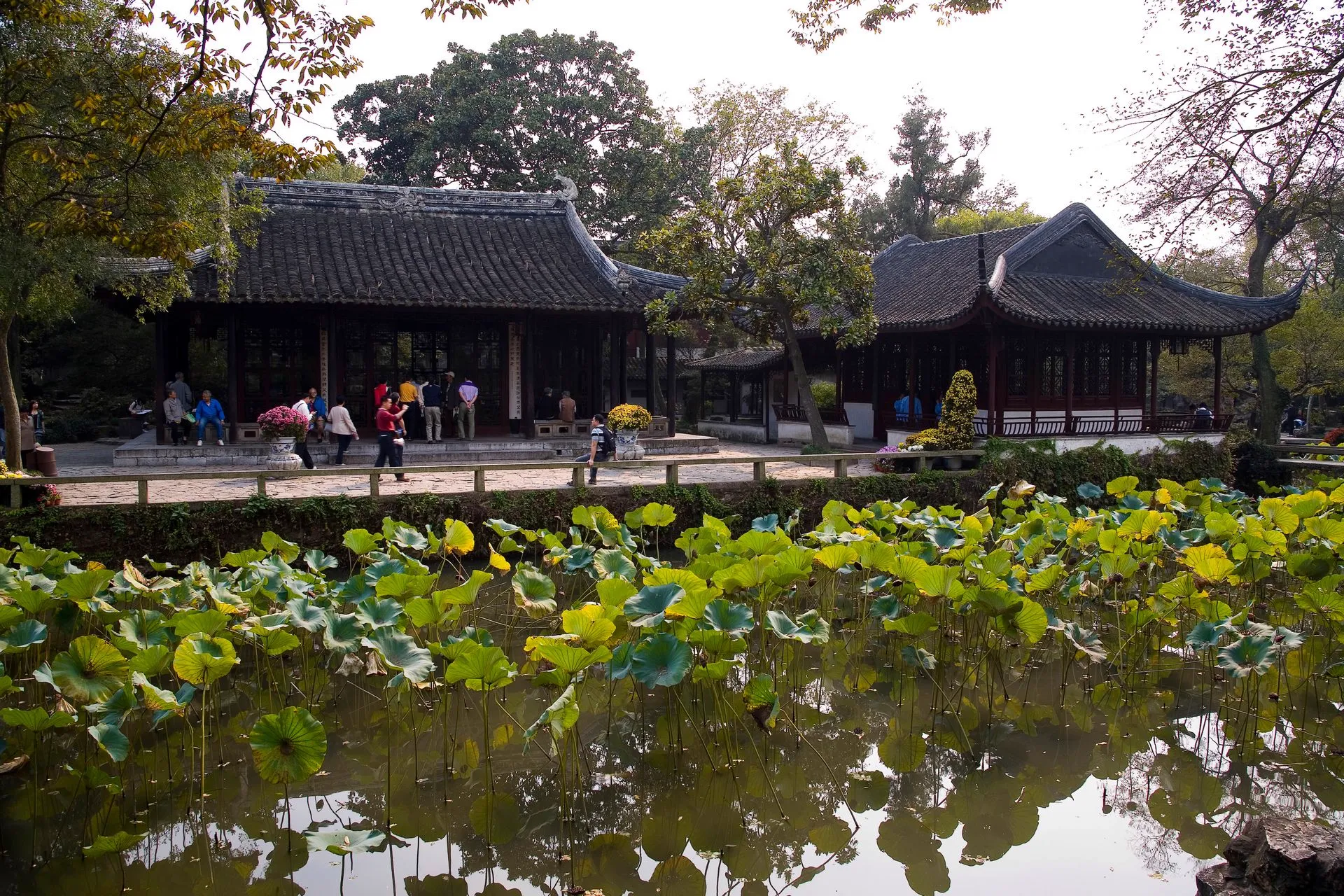
Overview & History
Nestled in the heart of Suzhou, the Humble Administrator's Garden (Zhuozheng Yuan) stands as a masterpiece of classical Chinese garden design and one of the most celebrated cultural treasures in all of China. As the largest of Suzhou's renowned classical gardens, it spans 78 acres and is widely regarded as the "Mother of All Gardens" in the Jiangnan region. Its fame extends globally: together with Beijing's Summer Palace, Chengde's Mountain Resort, and Suzhou's Lingering Garden, it is counted among the "Four Great Famous Gardens of China," and in 1997, it was inscribed as a UNESCO World Heritage Site.
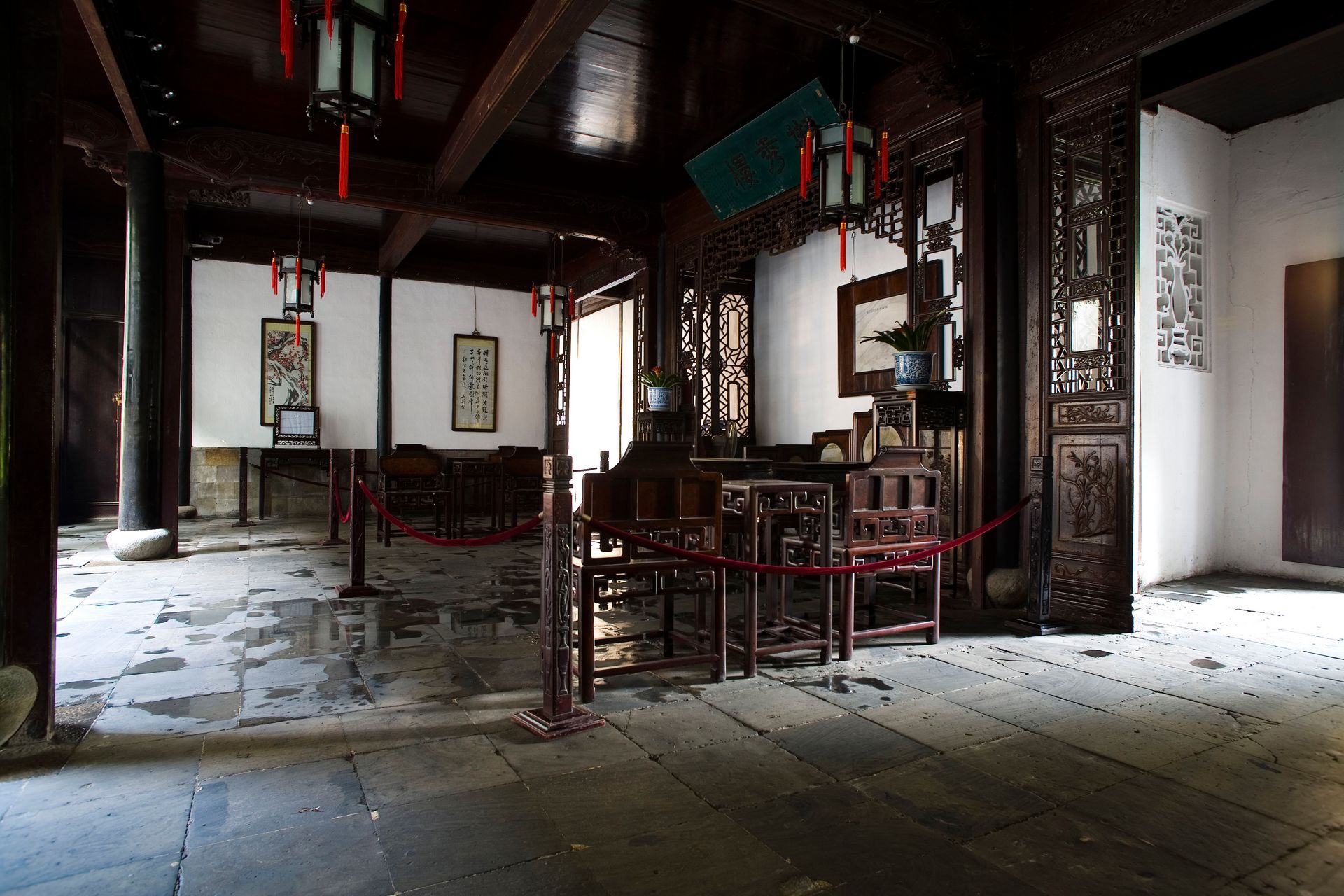
The garden's name carries a poignant history. It was conceived by Wang Xianchen, a Ming Dynasty official who, after a turbulent political career, retreated from public life. Inspired by the Jin Dynasty poet Pan An's "Essay on Idle Life," which speaks of "building a house and planting trees, and selling vegetables—this is the work of a humble man," Wang named his creation "Zhuozheng Yuan," or "Humble Administrator's Garden," as a gesture of self-deprecation and a declaration of his new life devoted to nature and simplicity. Designed with the help of the famed artist and scholar Wen Zhengming, the garden originally spanned over 200 acres. Over the centuries, it changed hands more than twenty times, passing through the families of scholars, officials, and even a relative of the great novelist Cao Xueqin, who is said to have drawn inspiration from its layout for the fictional Grand View Garden in "Dream of the Red Chamber." Today, while much of the architecture dates from the late Qing Dynasty, the garden's soul remains a harmonious blend of Ming Dynasty elegance and later refinements.
Highlights & Activities
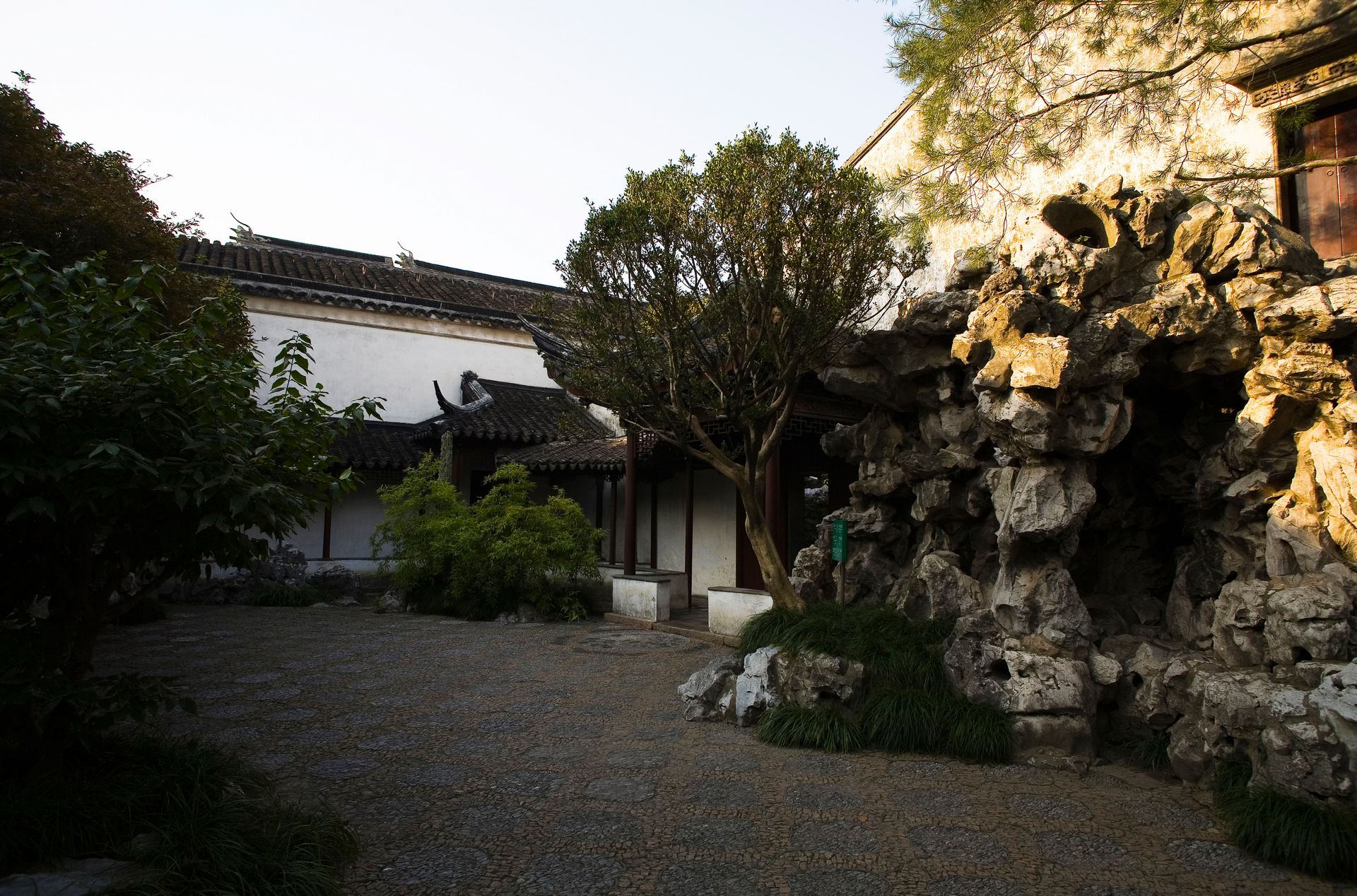
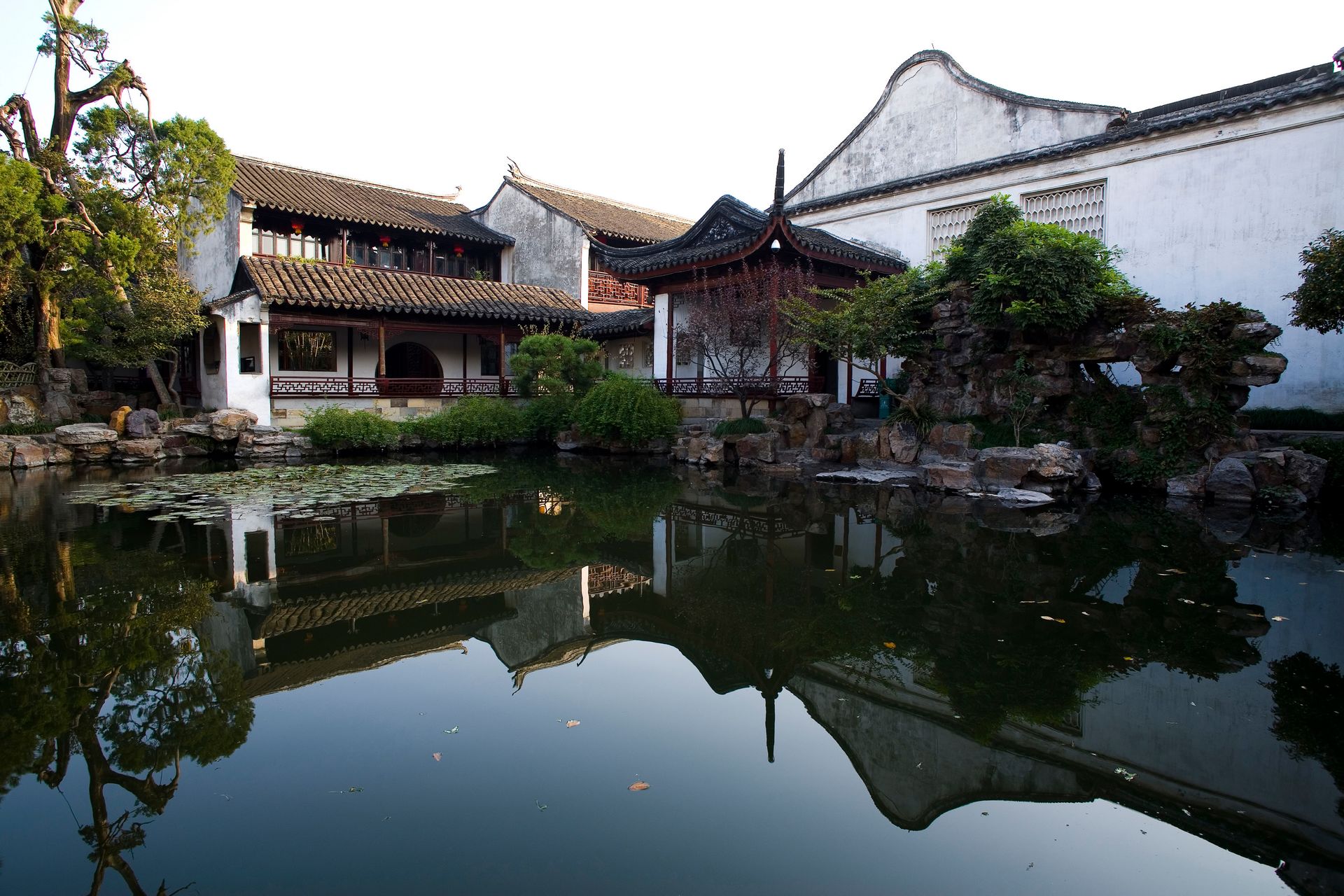
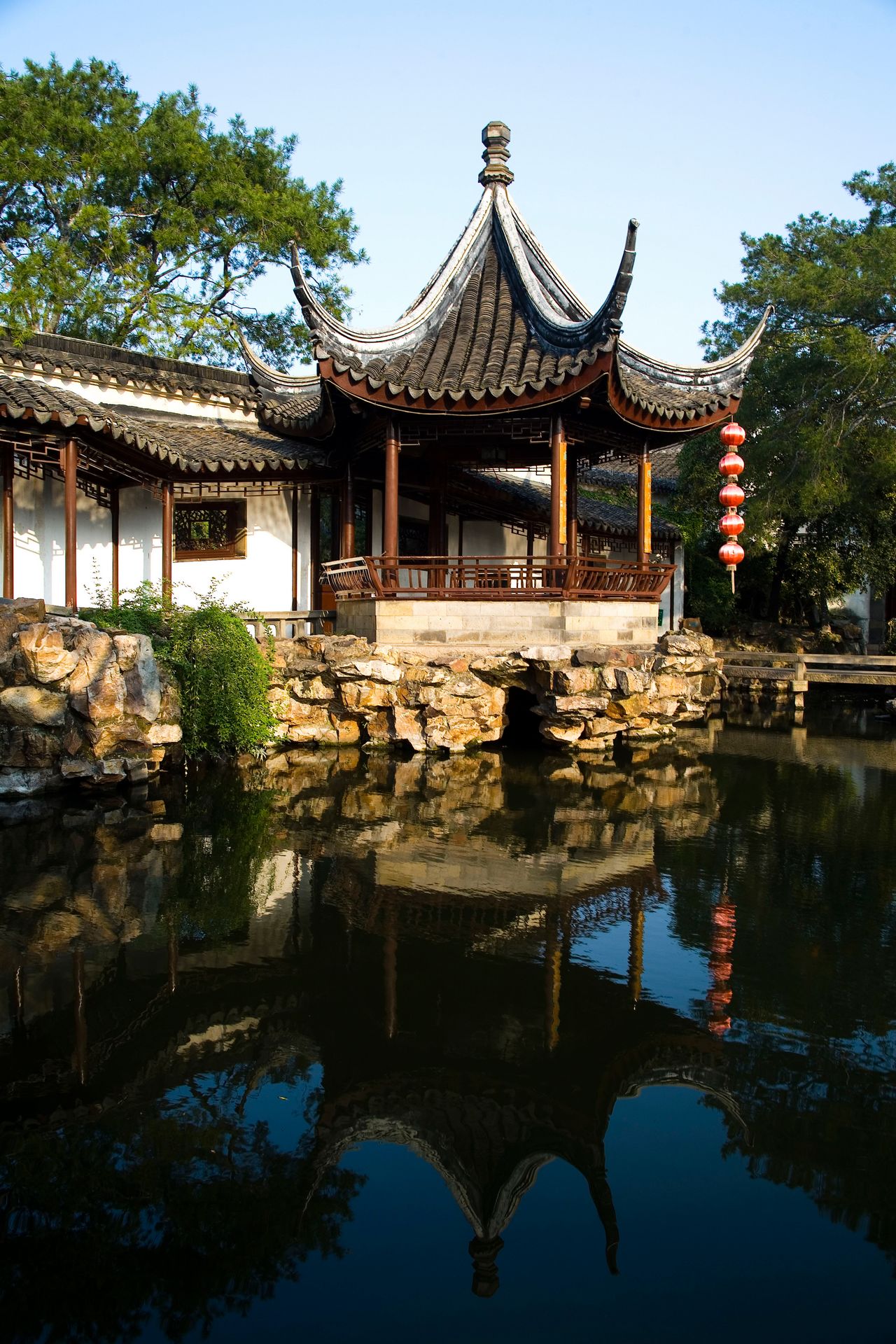
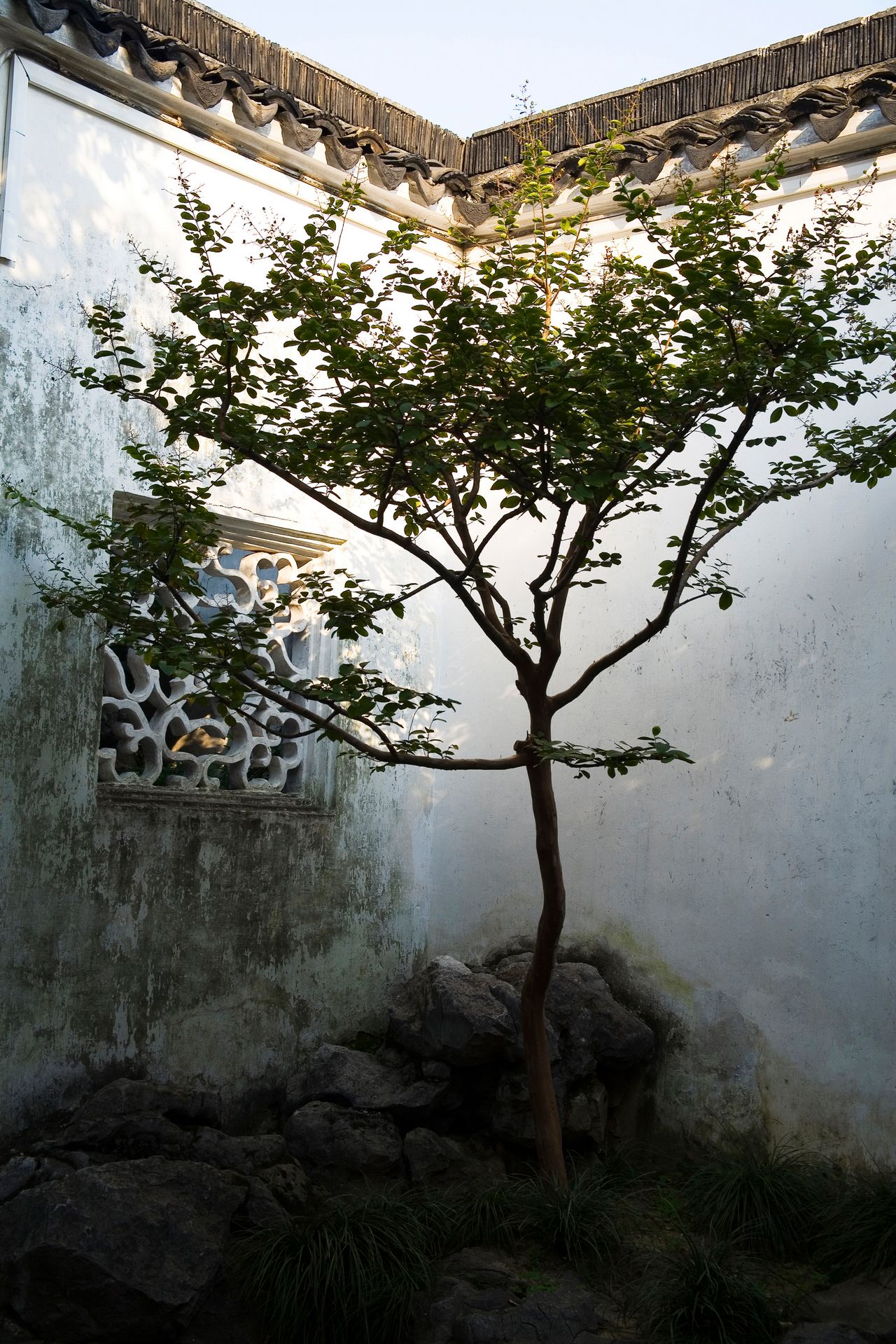
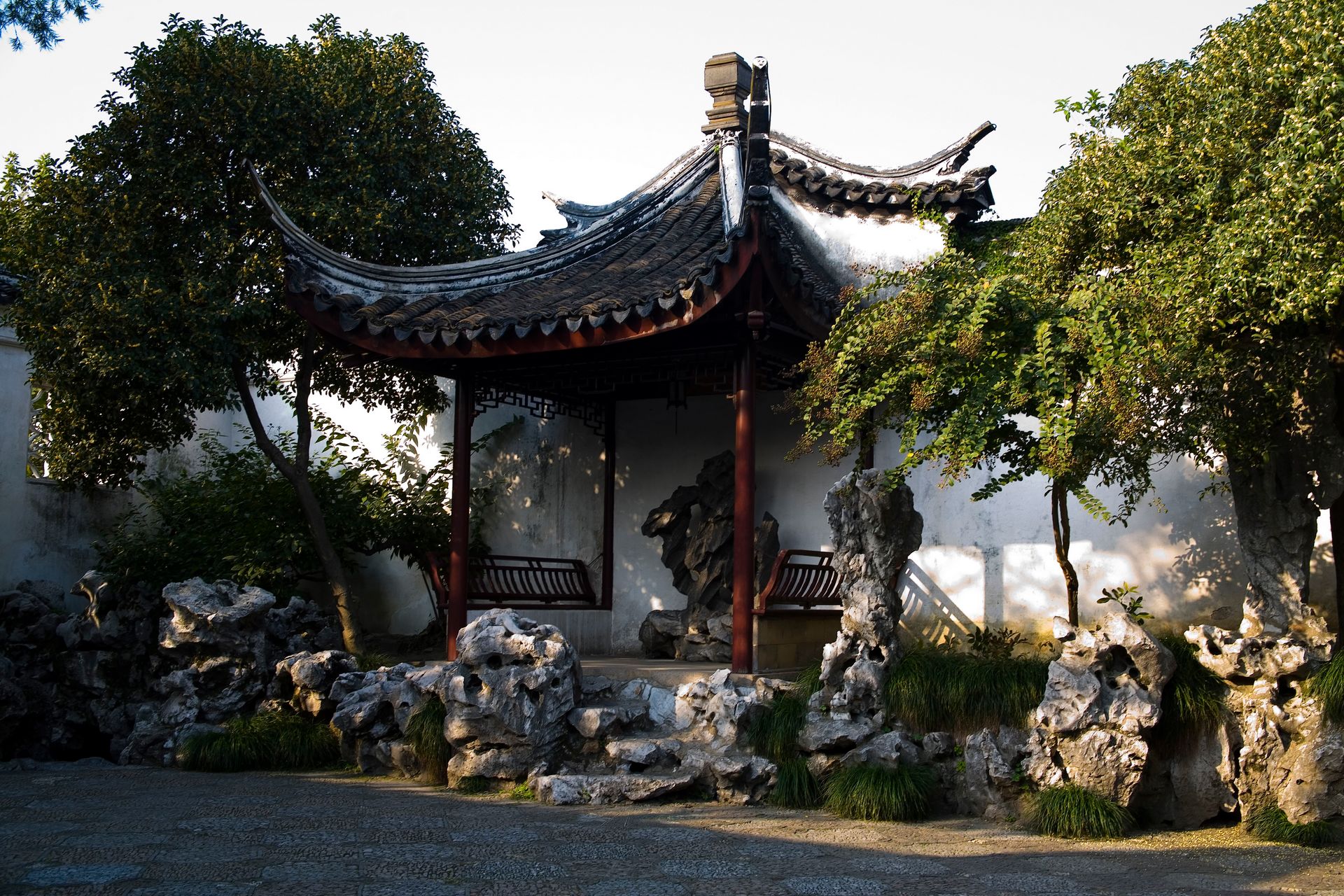
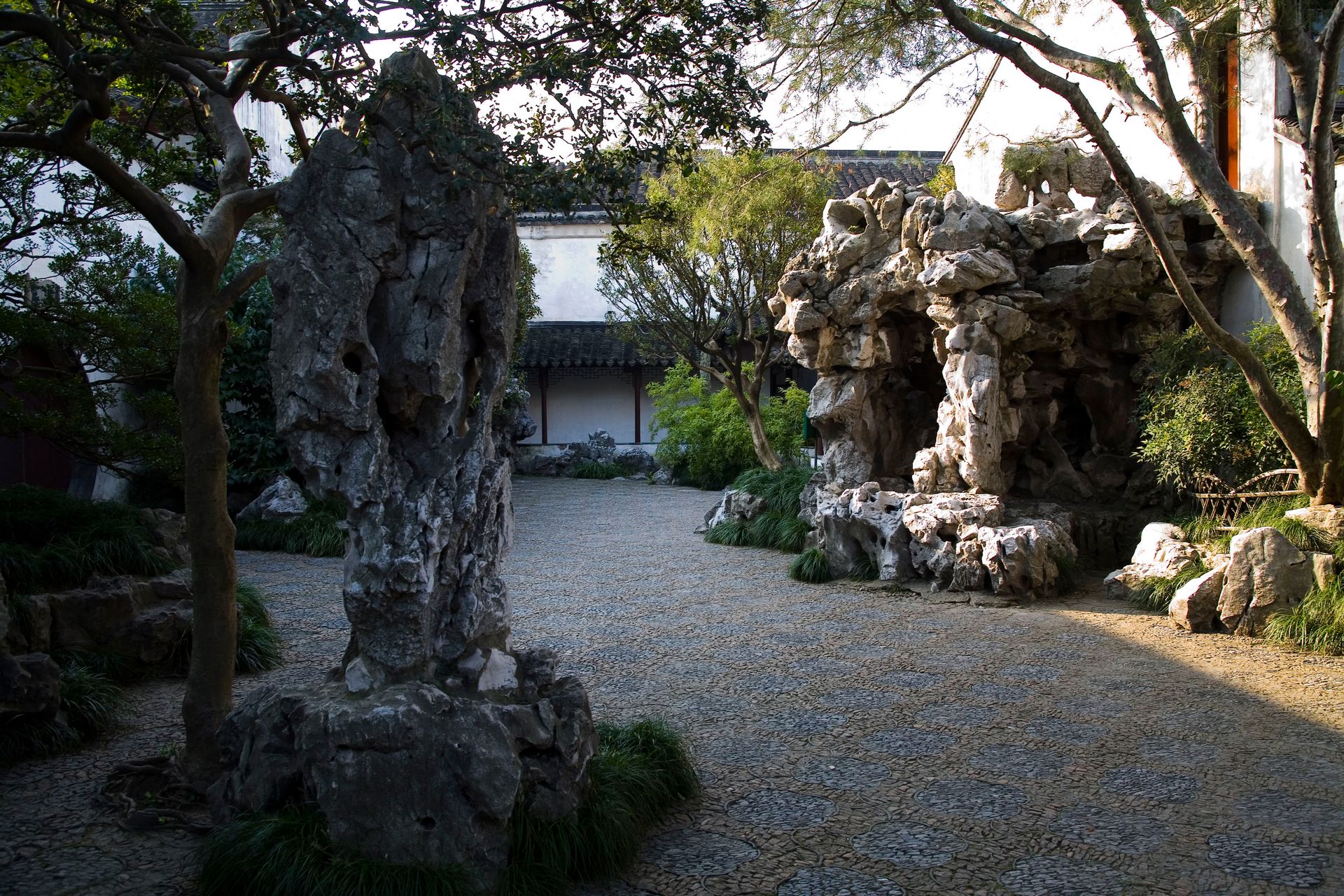
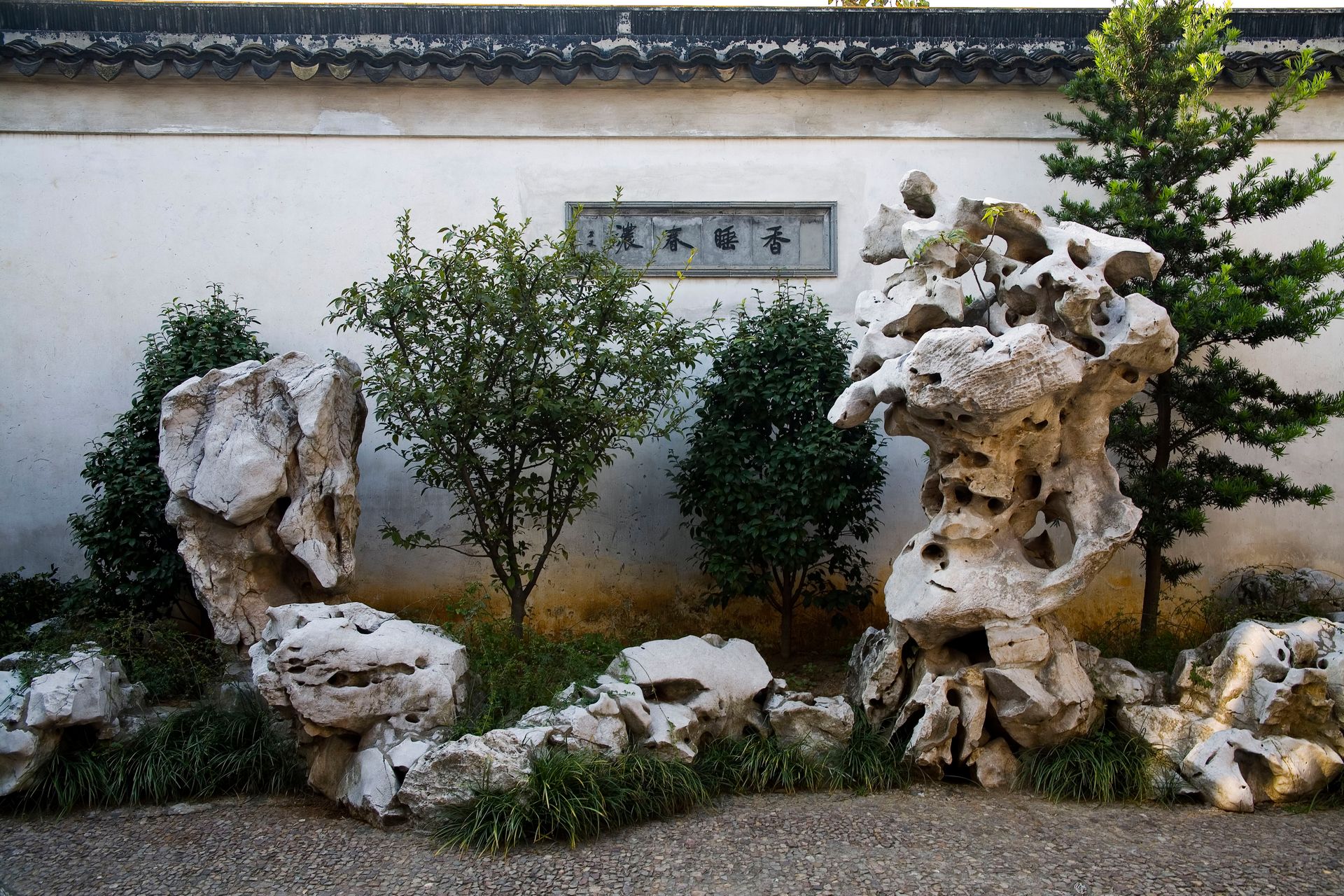
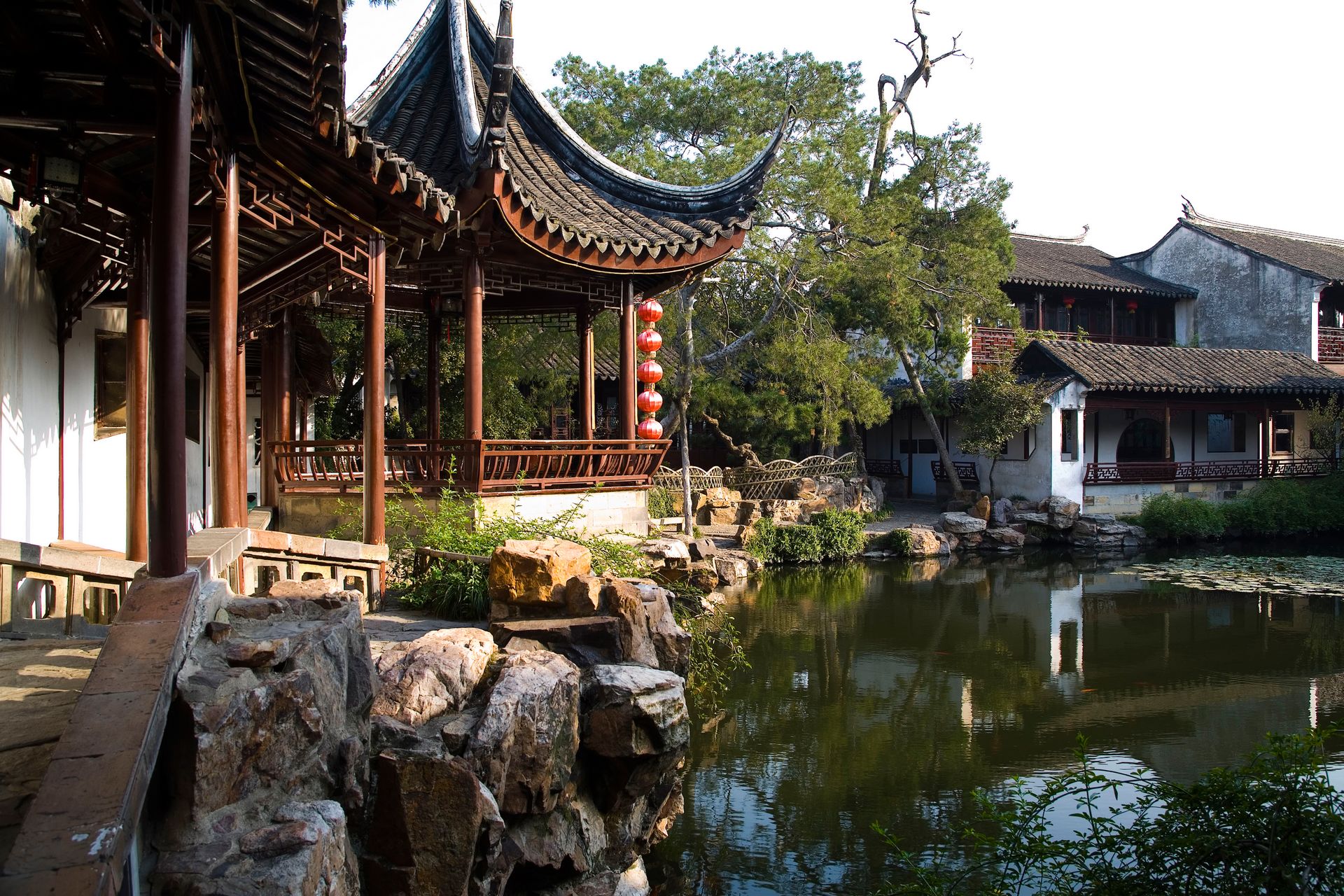
The garden is a symphony of water, rock, and architecture, designed to reveal "a new scene at every step." It is divided into three distinct sections: the eastern, central, and western gardens, each with its own character.
- The Central Garden: This is the heart and soul of the estate, preserving the simple, natural style of the Ming Dynasty. Centered on a large lake, it features rockeries, pavilions, and winding corridors. Key spots include the Fragrant Isle (Xiangzhou), a stone boat that seems to float on the water, and the Yuanxiang Hall, which offers panoramic views.
- The Eastern Garden: More open and spacious, this area was once the "Return to the Countryside Garden." It is known for its expansive lawns, ancient trees, and the Lanxue Hall.
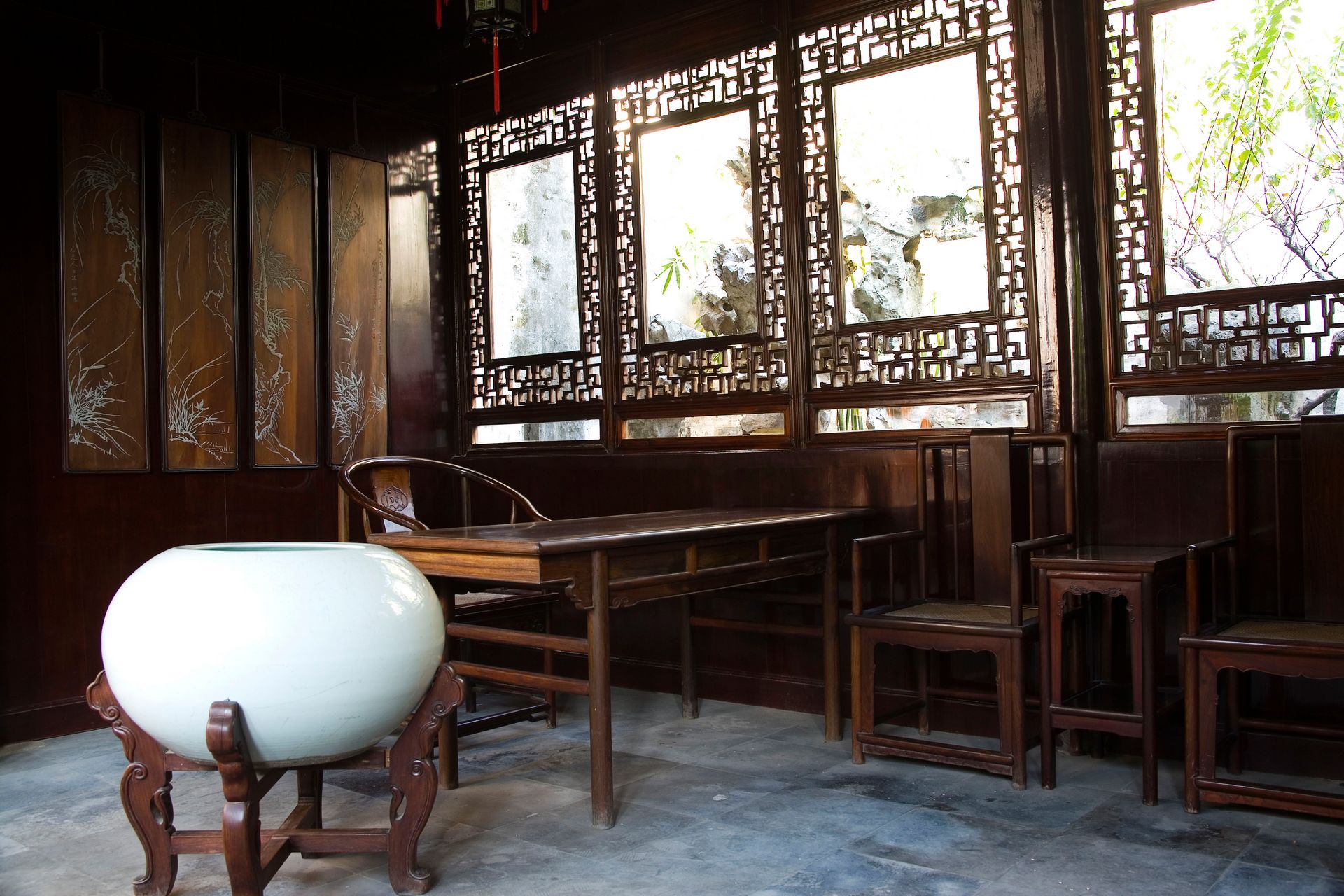
- The Western Garden: Here, architecture takes center stage. The Thirty-Six Mandarin Duck Hall is a masterpiece of intricate design, while the Potted Landscape Garden (Bonsai Garden) displays a stunning collection of miniature trees.
- Special Views: Don't miss the famous "Borrowed View of North Temple Pagoda." From the eastern garden, the pagoda, located over a kilometer away, appears to be part of the garden itself—a brilliant example of the "borrowed scenery" technique.
- Seasonal Festivals: If you visit in spring (mid-March to early May), the garden hosts the Azalea Festival, featuring hundreds of rare varieties. In summer (July to August), the Lotus Festival transforms the ponds into a sea of pink and white blooms.
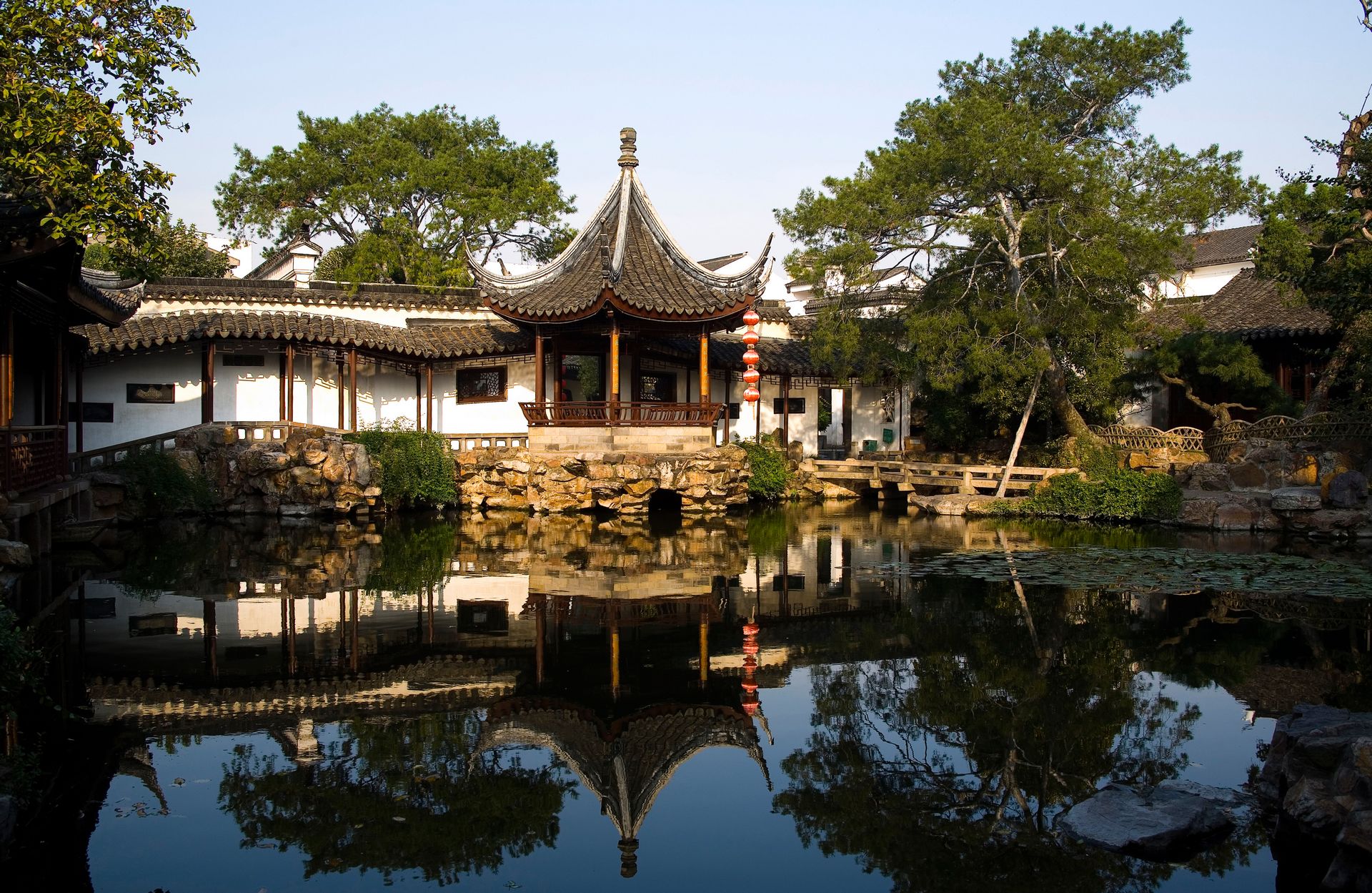
Key Attractions Nearby
Suzhou is a city of gardens, and the Humble Administrator's Garden is surrounded by other world-class sights:
- Suzhou Garden Museum: Located at the southern end of the garden, this is China's first specialized garden museum, offering deeper insight into the art of Chinese landscaping.
- The Lion Grove Garden (Shizi Lin): A short walk away, this Yuan Dynasty garden is famous for its maze of intricate rockeries that resemble a pride of stone lions.
- Pingjiang Road: A historic waterway street lined with traditional houses, teahouses, and shops. It's perfect for a leisurely stroll or a boat ride.
- North Temple Pagoda (Beisi Ta): The very pagoda that appears in the garden's borrowed view. You can climb it for a bird's-eye view of the entire city.
Where to Dine
Suzhou's culinary scene is a delight, with a focus on fresh, seasonal ingredients and subtle, sweet flavors. Near the Humble Administrator's Garden, you'll find many excellent options:
- Songhelou (Song He Lou): A century-old restaurant on Guanqian Street, famous for its Squirrel-Shaped Mandarin Fish and Biluochun Shrimp.
- De Yue Lou: Another classic Suzhou restaurant, known for its steamed crab and pork, and delicate dim sum.
- Local Snacks: Try "Suzhou Noodles" (苏式汤面) in a clear broth, or "Mantis Shrimp" (皮皮虾) from street stalls near the garden.
- Teahouses: For a light bite, stop at a traditional teahouse along Pingjiang Road for green tea and "Suzhou-style" pastries.
Weather & Best Time to Visit
Suzhou has a humid subtropical climate with four distinct seasons. The best times to visit are spring (March to May) and autumn (September to November), when temperatures are mild (15–25°C / 59–77°F) and the scenery is at its peak—cherry blossoms in spring, fiery maple leaves in autumn. Summer (June to August) can be hot and humid, but the lotus blooms are a highlight. Winter (December to February) is cold and often rainy, but the garden is far less crowded, offering a quiet, contemplative experience. The garden is busiest during Chinese national holidays (May Day, National Day in October) and weekends. To avoid crowds, arrive early in the morning or late in the afternoon.
Travel Tips
- Getting There: The garden is located at No. 178, Northeast Street, Gusu District. Take Suzhou Metro Line 4 to Beisi Ta Station (Exit 4), then walk 10 minutes east. Buses 5, 40, 55, and 202 also stop nearby.
- Fees & Hours: Admission is about 90 RMB (peak season, April–May and July–October) and 70 RMB (off-peak). It's open daily from 7:30 AM to 5:30 PM (peak) or 5:00 PM (off-peak). Last entry is 30 minutes before closing.
- What to Bring: Comfortable walking shoes are essential—the paths are winding and uneven. Bring an umbrella or raincoat in spring and summer, as showers are common. A camera is a must for the countless photo opportunities. Light snacks and water are advisable, as the garden is large and dining options inside are limited.
- Etiquette: Respect the quiet atmosphere. Avoid touching the ancient rockeries or picking flowers. Photography is allowed, but tripods may require a permit.