Overview & History
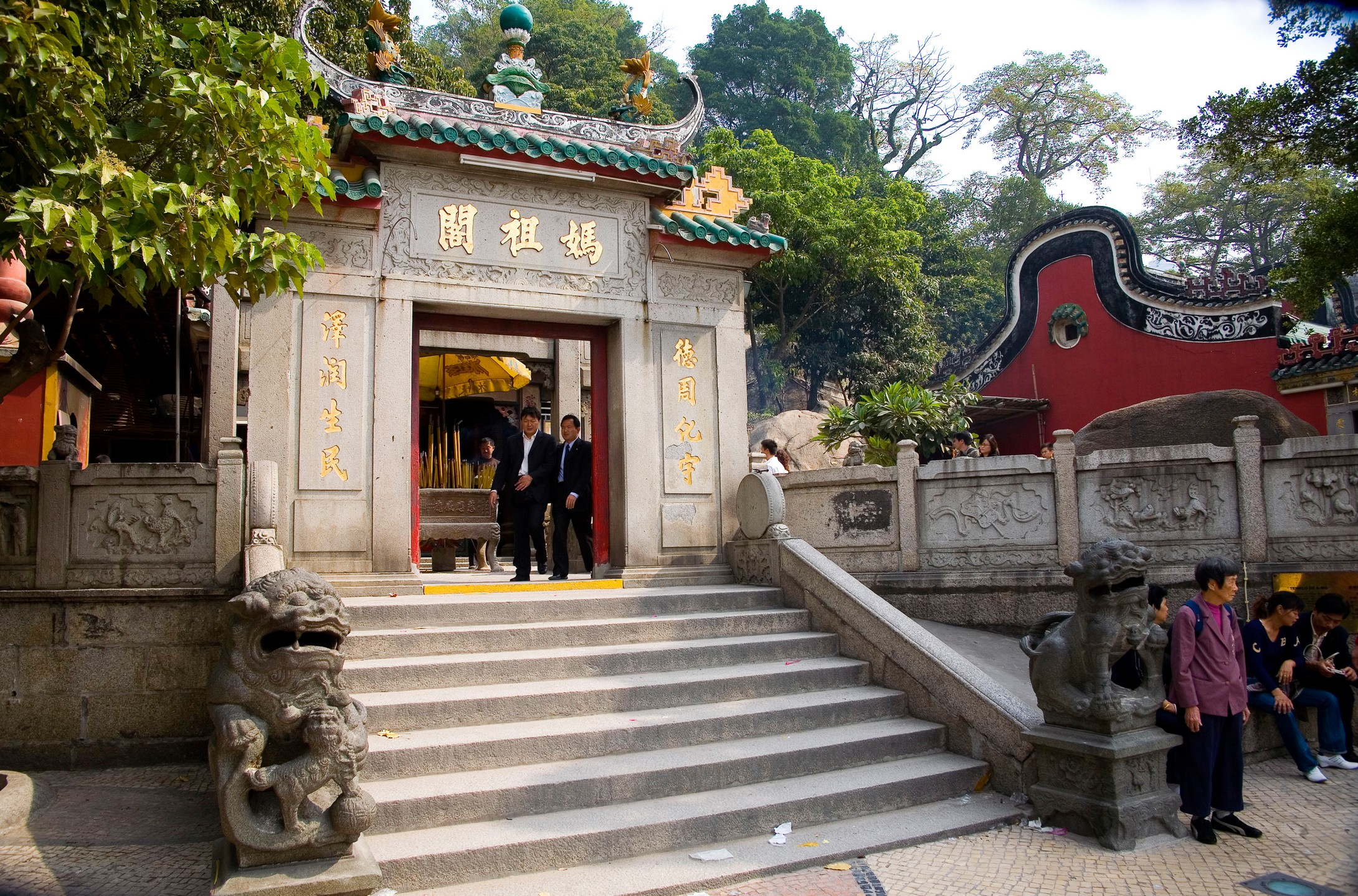
Perched on the western slope of A-Ma Hill at the southern tip of Macau, A-Ma Temple (also known as Mazu Temple or 妈祖阁) stands as the city’s oldest and most revered Buddhist temple. For over 500 years, its incense has burned without interruption, a testament to the enduring faith and cultural heritage of Macau. This ancient complex is far more than a religious site—it is the very birthplace of the fusion between Chinese and Portuguese cultures. When Portuguese explorers first arrived in the 16th century, they asked the local name of the place, and the reply, "A-Ma," eventually gave rise to the name "Macau." Today, A-Ma Temple remains one of Macau’s most famous historical landmarks, a living symbol of the city’s rich and layered past.
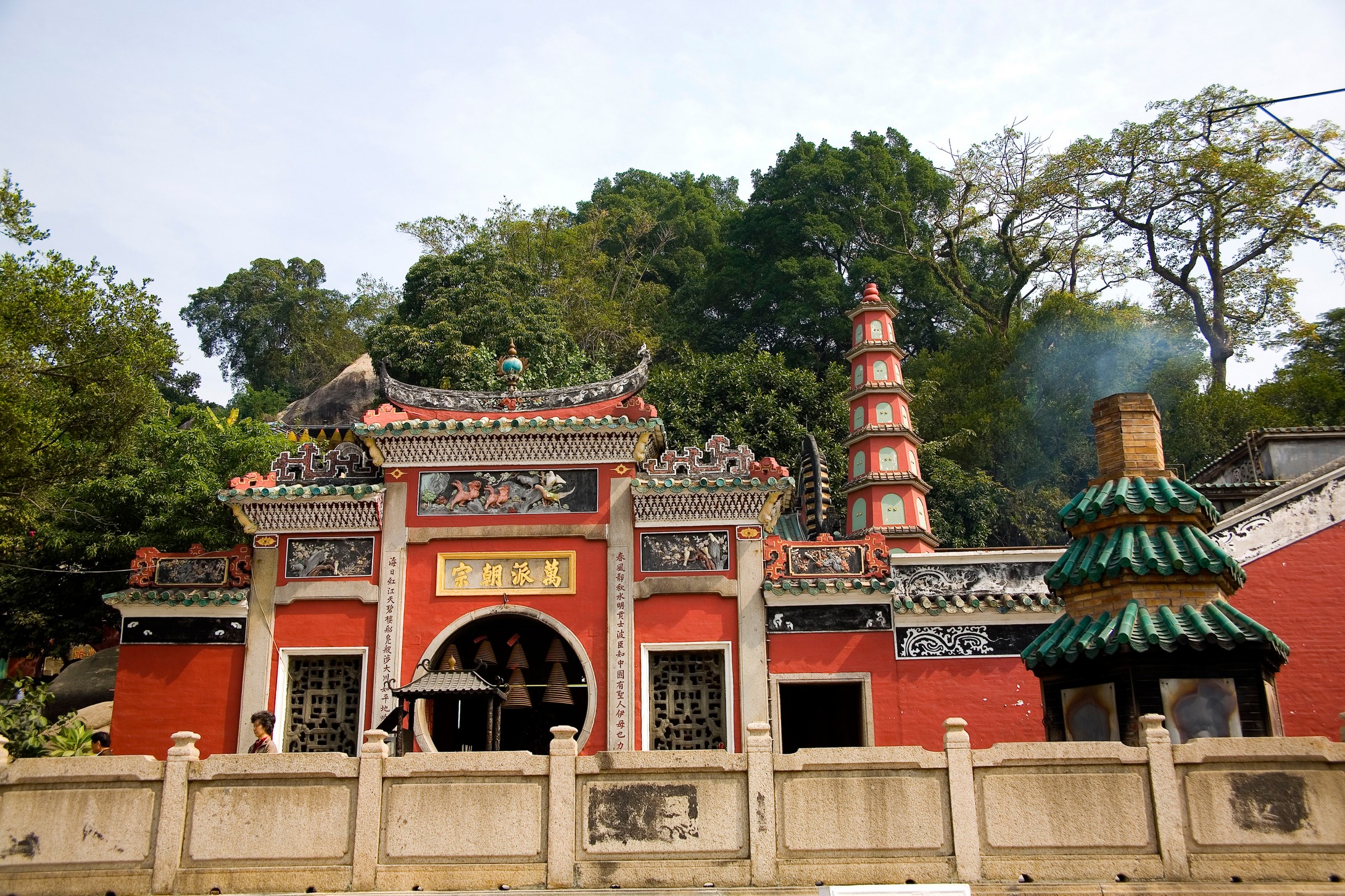
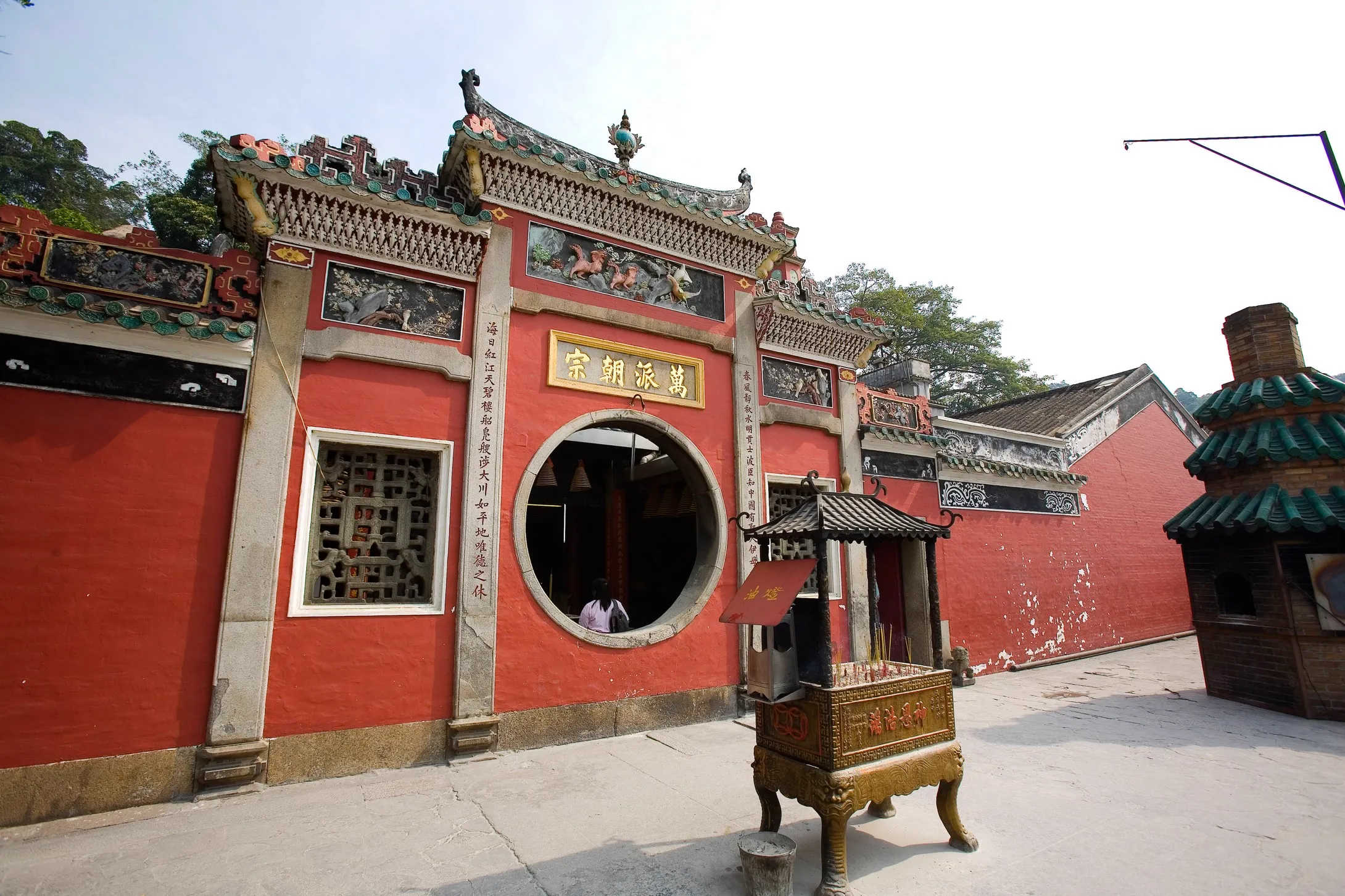
The temple complex comprises four main structures: the Main Hall (大殿), Hongren Hall (弘仁殿), and the Guanyin Pavilion (观音阁), all connected by winding paths and stone stairways. Stone lions guard the entrance, while flying eaves and intricate carvings adorn the roofs, creating a scene of timeless Chinese architectural beauty. As the oldest of Macau’s three major Buddhist temples, A-Ma Temple has weathered centuries of change, from colonial rule to modern tourism, yet it remains a peaceful sanctuary where locals and visitors alike come to pay their respects.
Highlights & Activities
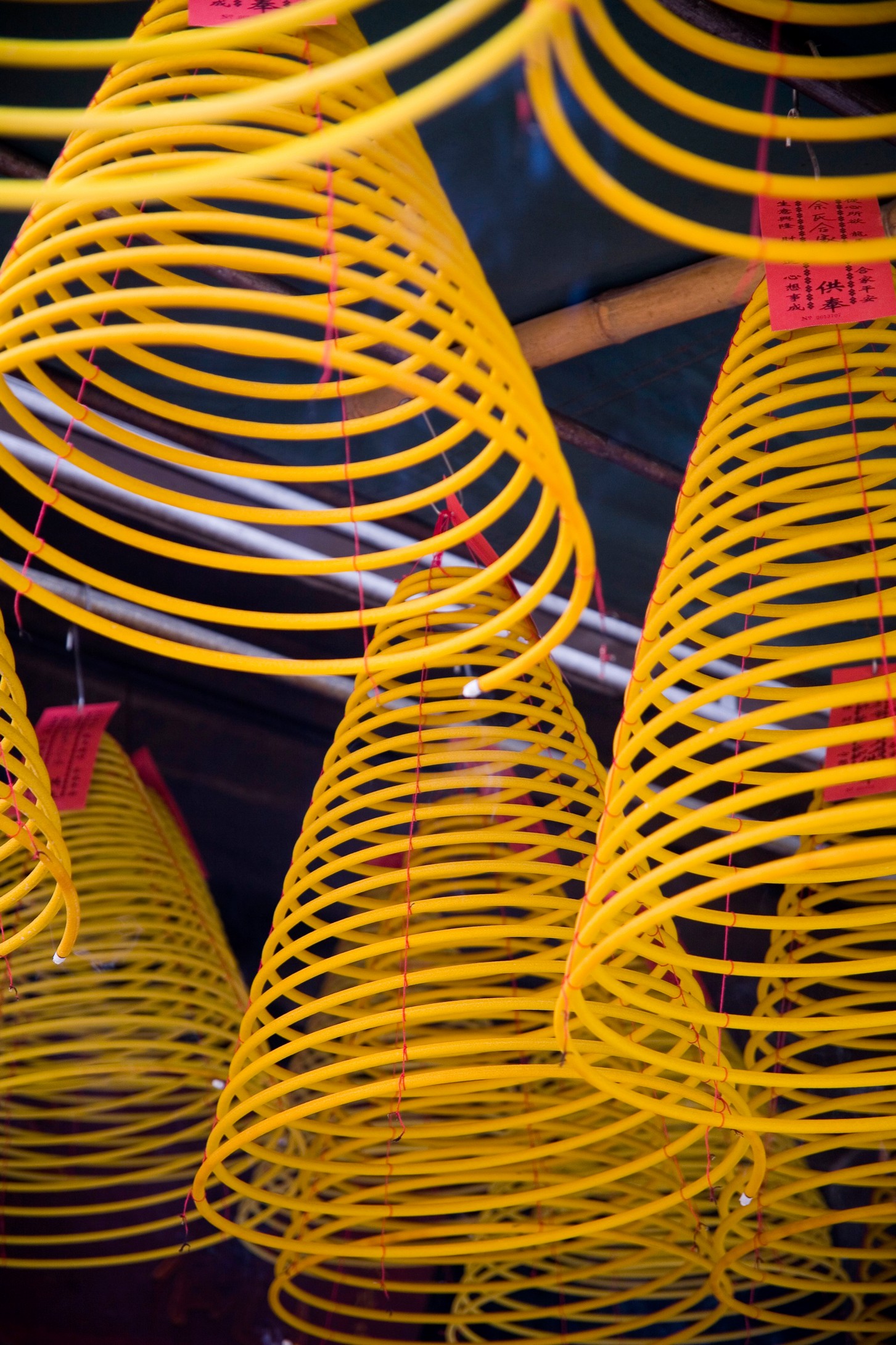
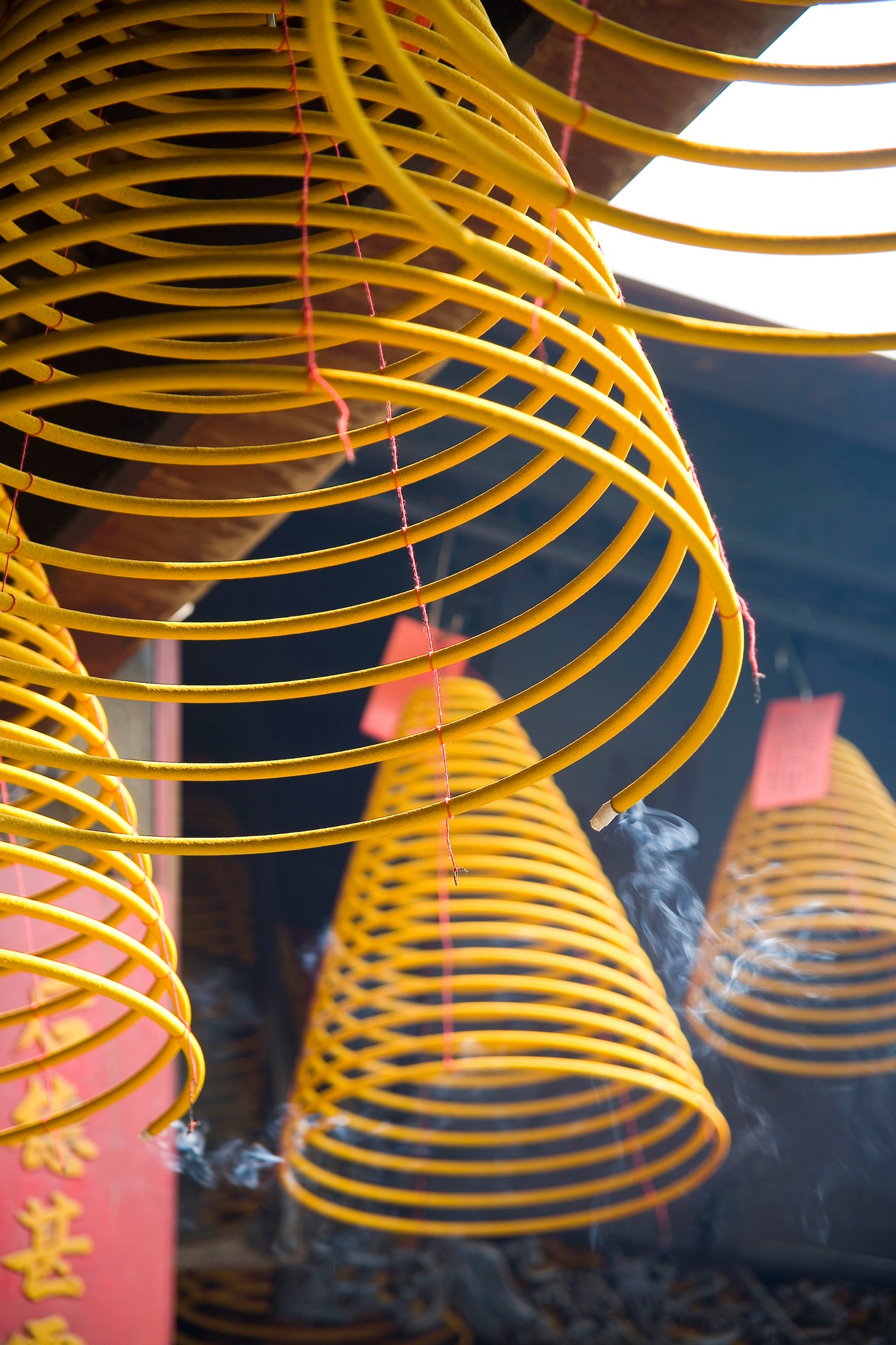
Visiting A-Ma Temple offers a serene escape from the bustling streets of Macau. The temple is dedicated to Mazu (妈祖), also known as Tianhou (天后) or "Goddess of the Sea." According to legend, Mazu was a young woman named Lin Mo from Fujian Province during the Song Dynasty, who was later deified as the protector of seafarers. Here, you can light a bundle of incense sticks, offer a prayer, and bow three times to seek blessings for safety and good fortune—a tradition that has been practiced for centuries.
As you explore, take time to admire the architectural details: the delicate stone carvings, the vibrant murals, and the ancient calligraphy tablets. The temple’s layout follows the natural contours of the hill, offering panoramic views of the surrounding area and the Pearl River Delta. The atmosphere is especially lively during the Mazu Festival (妈祖诞), which falls on the 23rd day of the third lunar month (usually April). On this day, devotees flock to the temple, and the air fills with the scent of incense, the sound of drums, and the sight of colorful processions. It is a deeply cultural experience that connects you to the heart of Macau’s spiritual life.
For a quieter visit, come on a weekday morning. The temple opens from 7:00 AM to 6:00 PM, and the early hours offer a chance to experience the site without crowds. Don’t forget to explore the small shrines and altars tucked into corners—they each have their own history and significance.
Key Attractions Nearby
A-Ma Temple is located in a historically rich area of Macau. Just a short walk away, you’ll find the A-Ma Cultural Village, which includes a museum dedicated to Mazu’s legacy. The nearby Barra Square offers a pleasant open space with views of the waterfront. For those interested in Macau’s colonial history, the Moorish Barracks and the Mandarin’s House are within walking distance. The Macau Maritime Museum, located at the foot of A-Ma Hill, is another excellent stop, providing insights into the city’s seafaring past. If you have time, take a stroll along the Inner Harbour to see traditional fishing boats and enjoy the sunset.
Where to Dine
The area around A-Ma Temple offers a variety of dining options that reflect Macau’s unique blend of Chinese and Portuguese flavors. For a quick bite, try Lord Stow’s Bakery (a short bus ride away) for their famous Portuguese egg tarts. Closer to the temple, Restaurante Litoral serves authentic Macanese cuisine, including dishes like African chicken and minchi. For a more casual experience, head to the local street food stalls near Barra Square, where you can sample pork chop buns, almond cookies, and fresh seafood. If you prefer a sit-down meal, O Santos offers traditional Portuguese fare in a cozy setting. Don’t forget to try a refreshing sugarcane juice or a cup of Macau-style milk tea to complete your meal.
Weather & Best Time to Visit
Macau enjoys a subtropical climate, with warm, humid summers and mild winters. The best time to visit A-Ma Temple is during the cooler months from October to December, when temperatures range from 15°C to 25°C (59°F to 77°F) and humidity is lower. Spring (March to May) is also pleasant, though occasional rain showers are common. Summer (June to September) can be hot and humid, with temperatures often exceeding 30°C (86°F), and it’s also the typhoon season. If you visit during this time, plan for early morning or late afternoon to avoid the heat. The Mazu Festival in April is a highlight, but expect larger crowds. For a more tranquil experience, avoid weekends and public holidays.
Travel Tips
- Getting There: A-Ma Temple is located at the western foot of A-Ma Hill, at the southern end of Macau. Take buses 10, 10A, 11, 18, 21, 21A, 1, or 1A. The nearest bus stop is "A-Ma Temple" (妈阁庙). Taxis are also readily available, and the temple is a short walk from the Macau Ferry Terminal.
- Opening Hours: 7:00 AM to 6:00 PM daily. Admission is free.
- What to Bring: Comfortable walking shoes are essential, as the temple complex involves stairs and uneven paths. Bring a hat, sunscreen, and water, especially during warmer months. A light jacket is recommended for cooler evenings. If you plan to light incense, you can purchase bundles at small stalls near the entrance.
- Etiquette: As a place of worship, dress modestly and speak quietly. Remove your hat when entering prayer halls. Photography is allowed, but be respectful of worshippers.
- Accessibility: The temple’s hilly terrain may pose challenges for visitors with mobility issues. Some areas are accessible via ramps, but many parts require climbing stairs.
A-Ma Temple is not just a tourist attraction—it is a living piece of Macau’s soul. Whether you come for its history, its spirituality, or simply its beauty, this ancient sanctuary will leave a lasting impression.