Overview & History
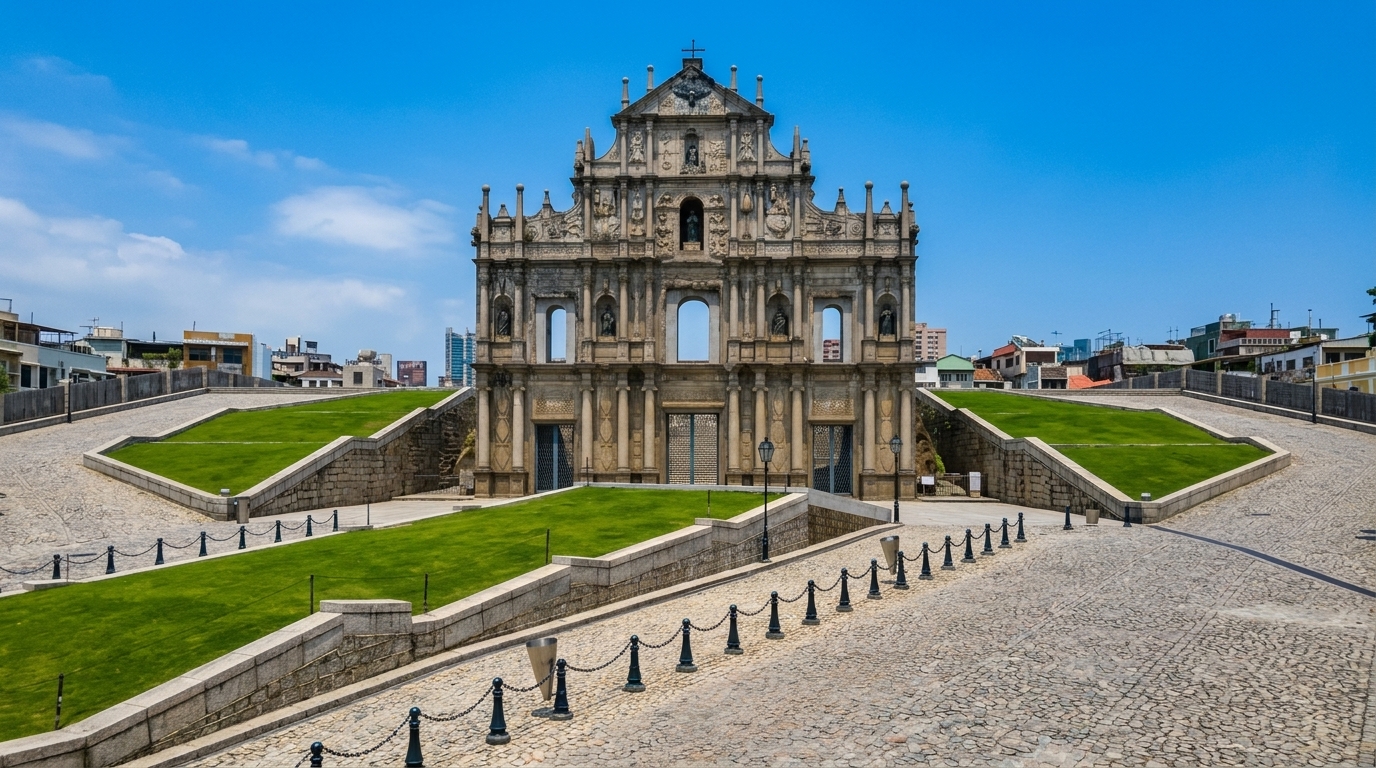
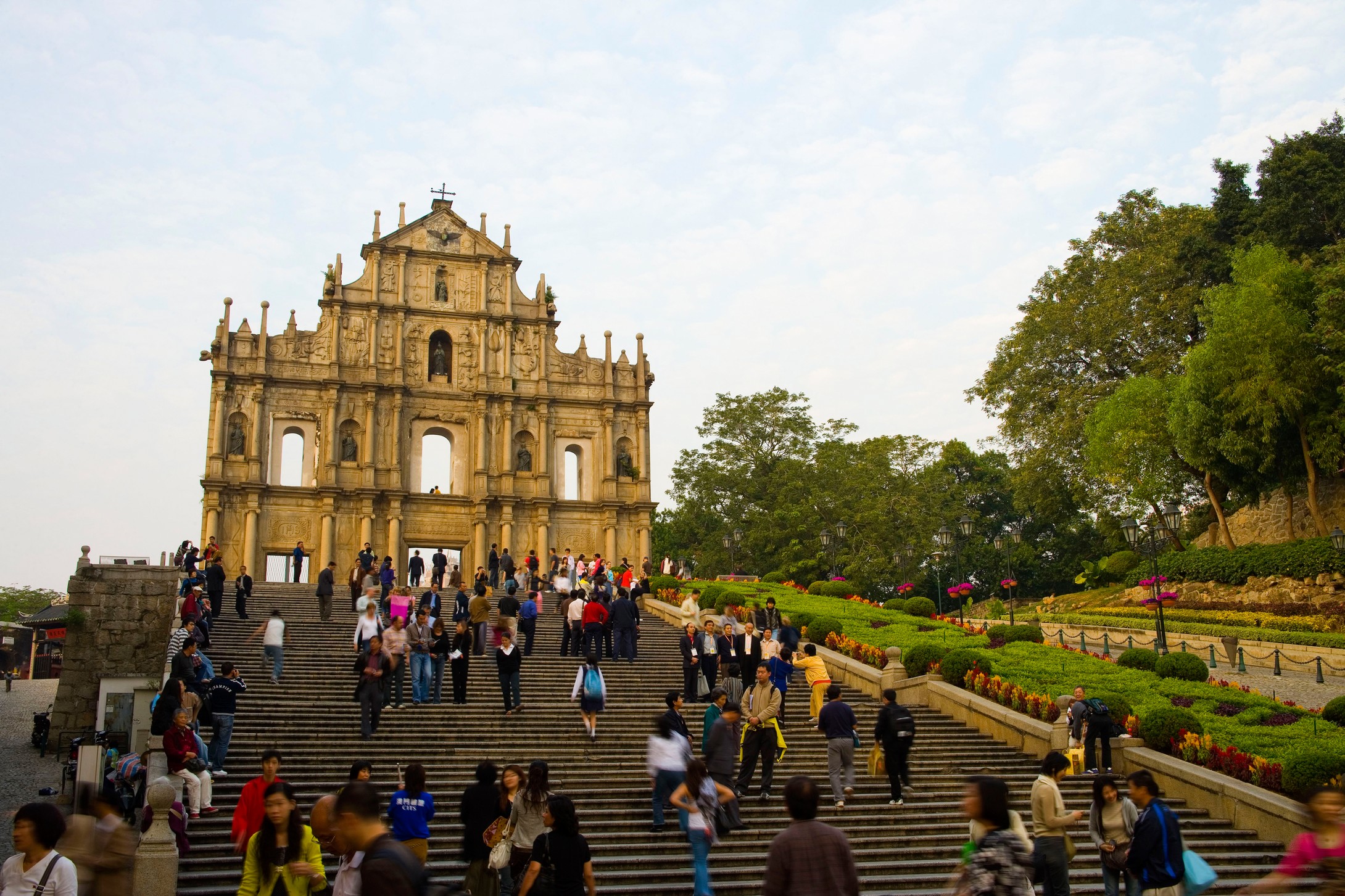
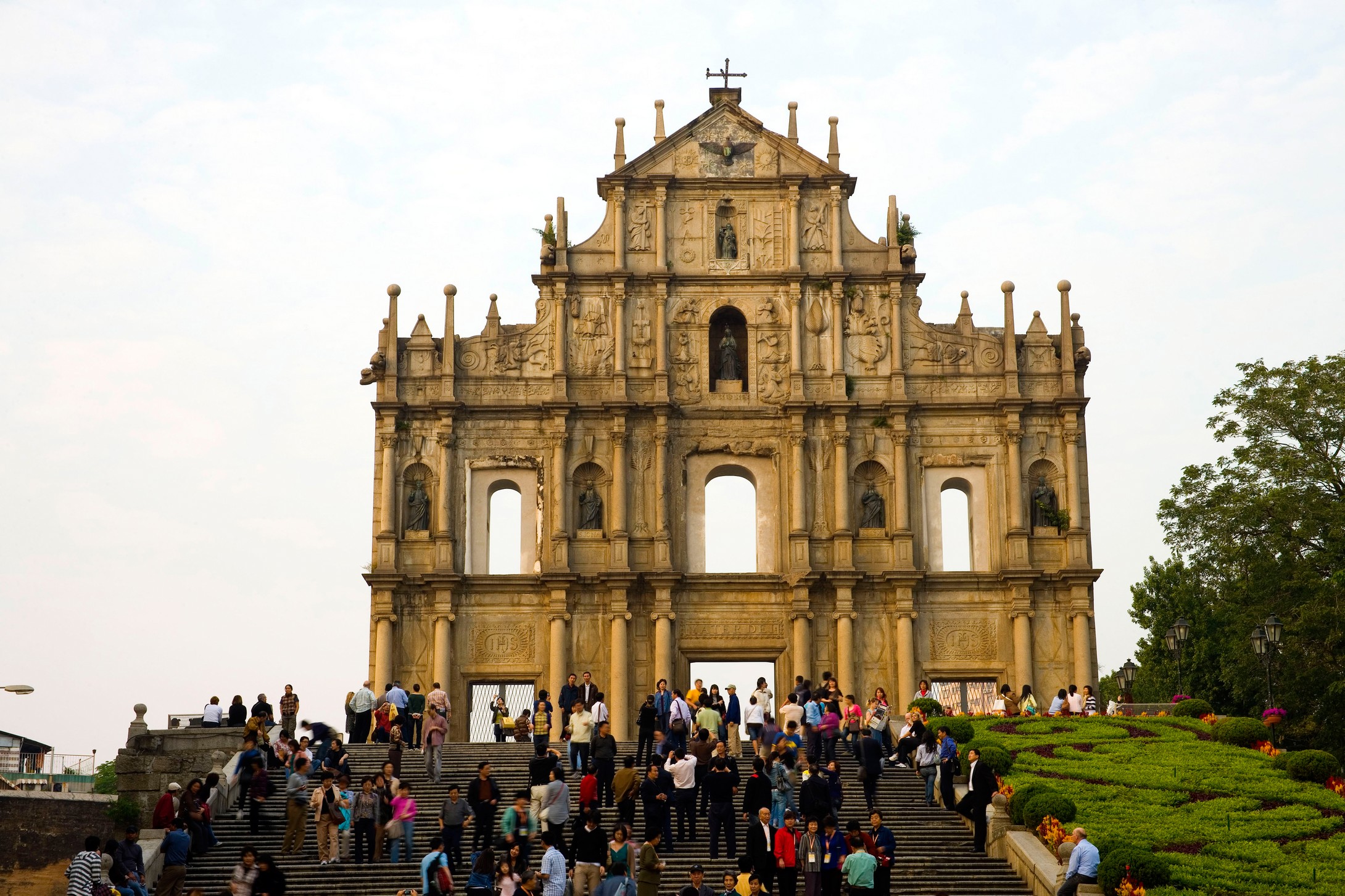
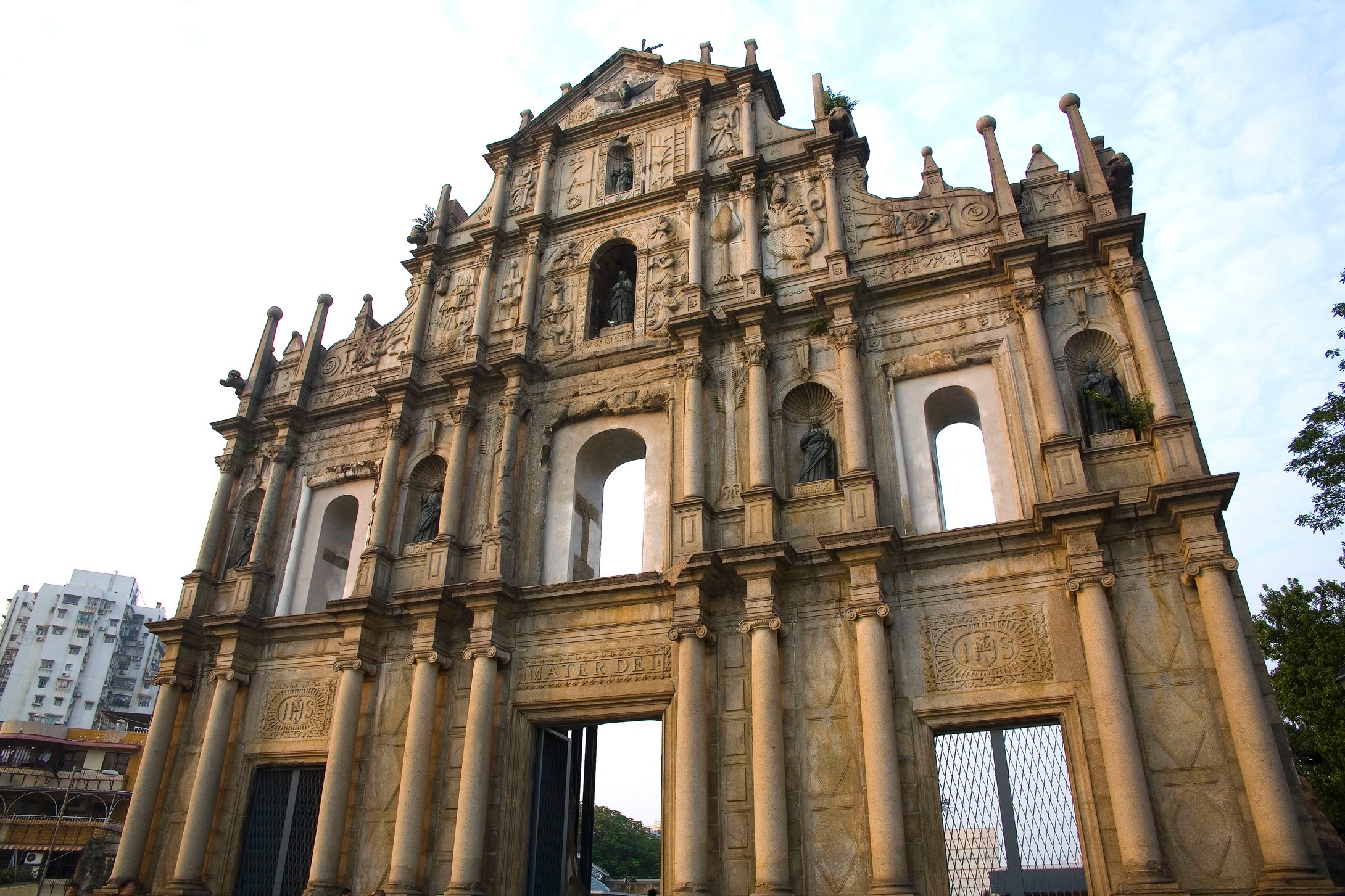
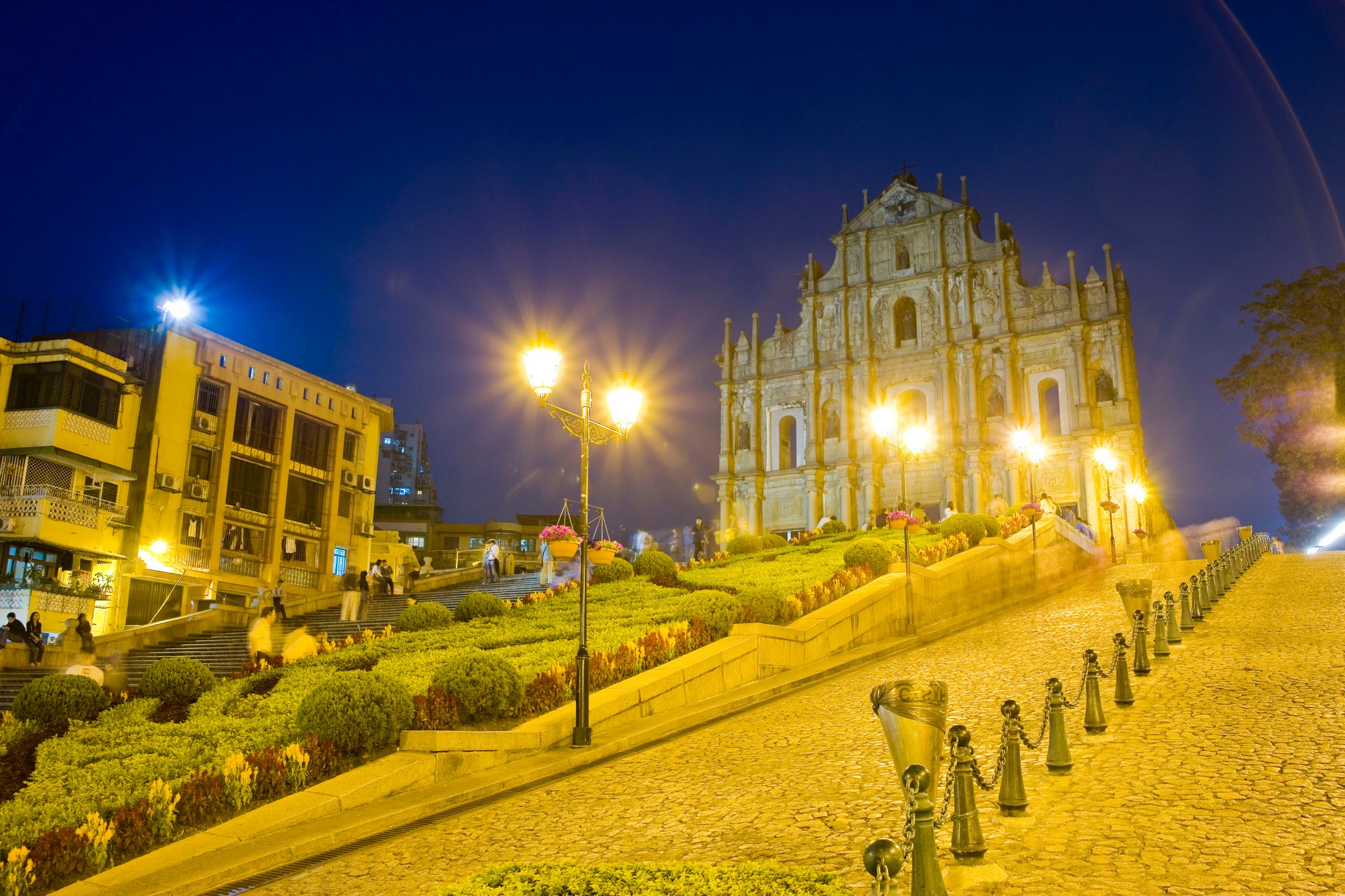
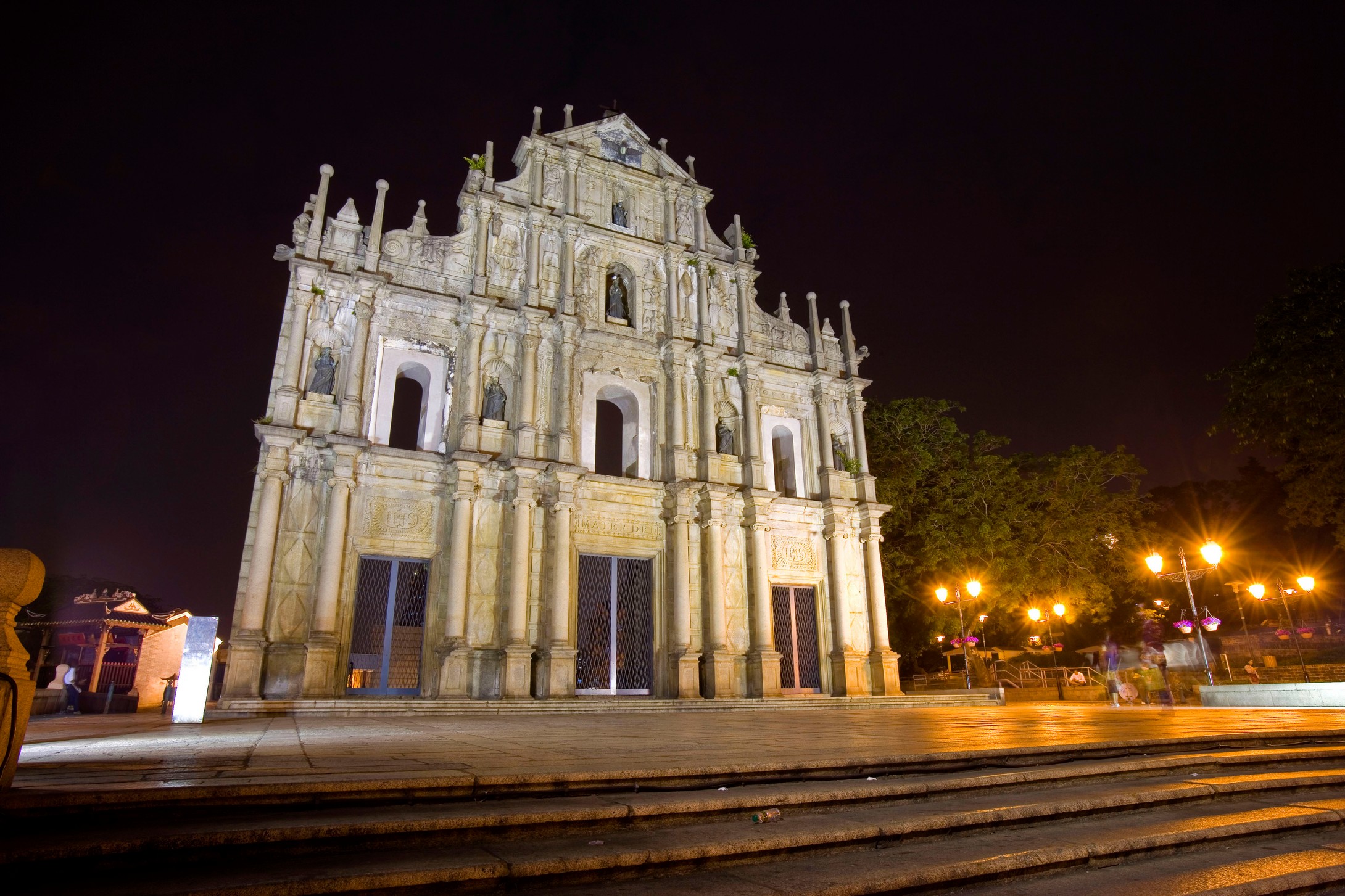
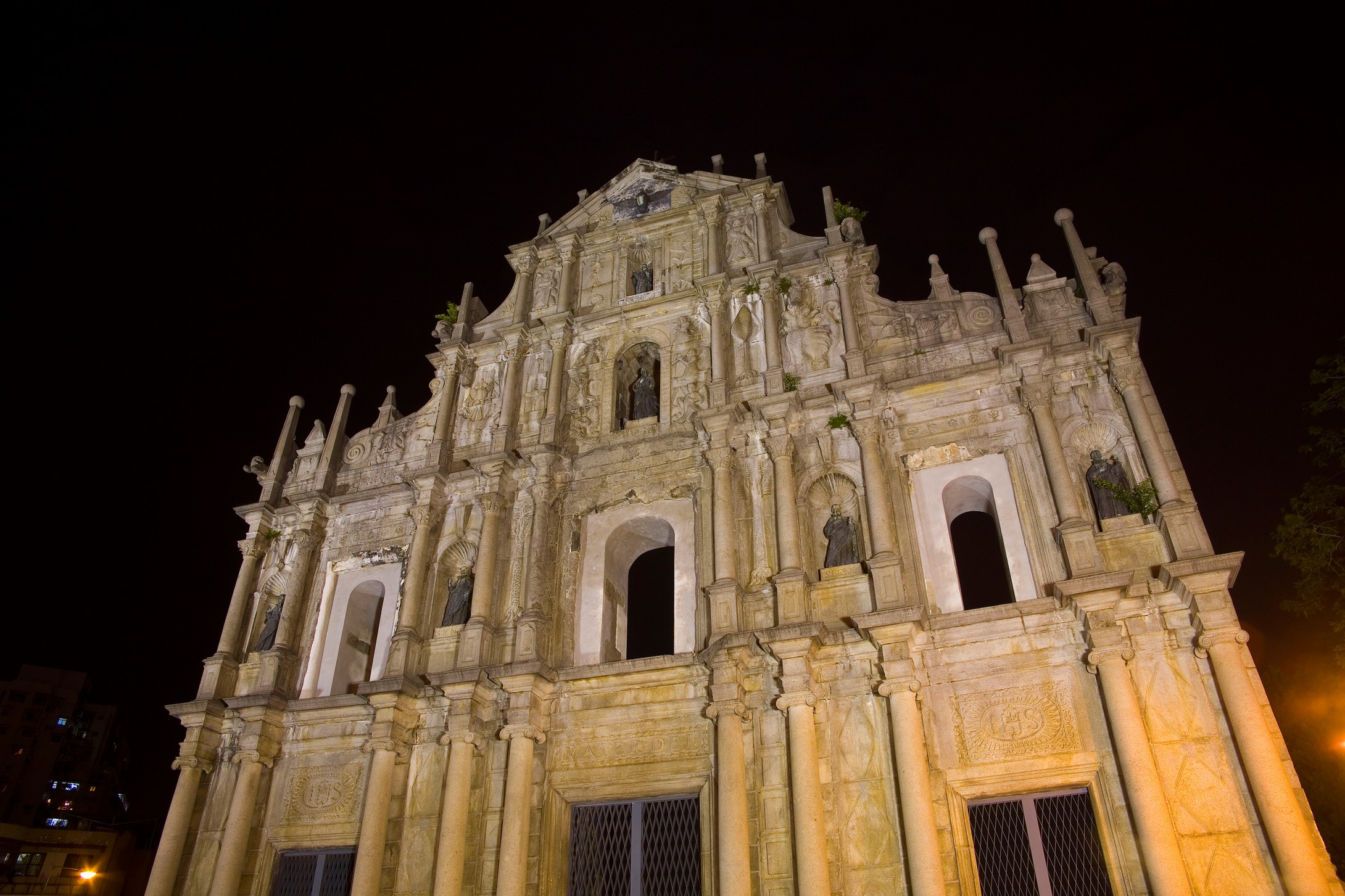
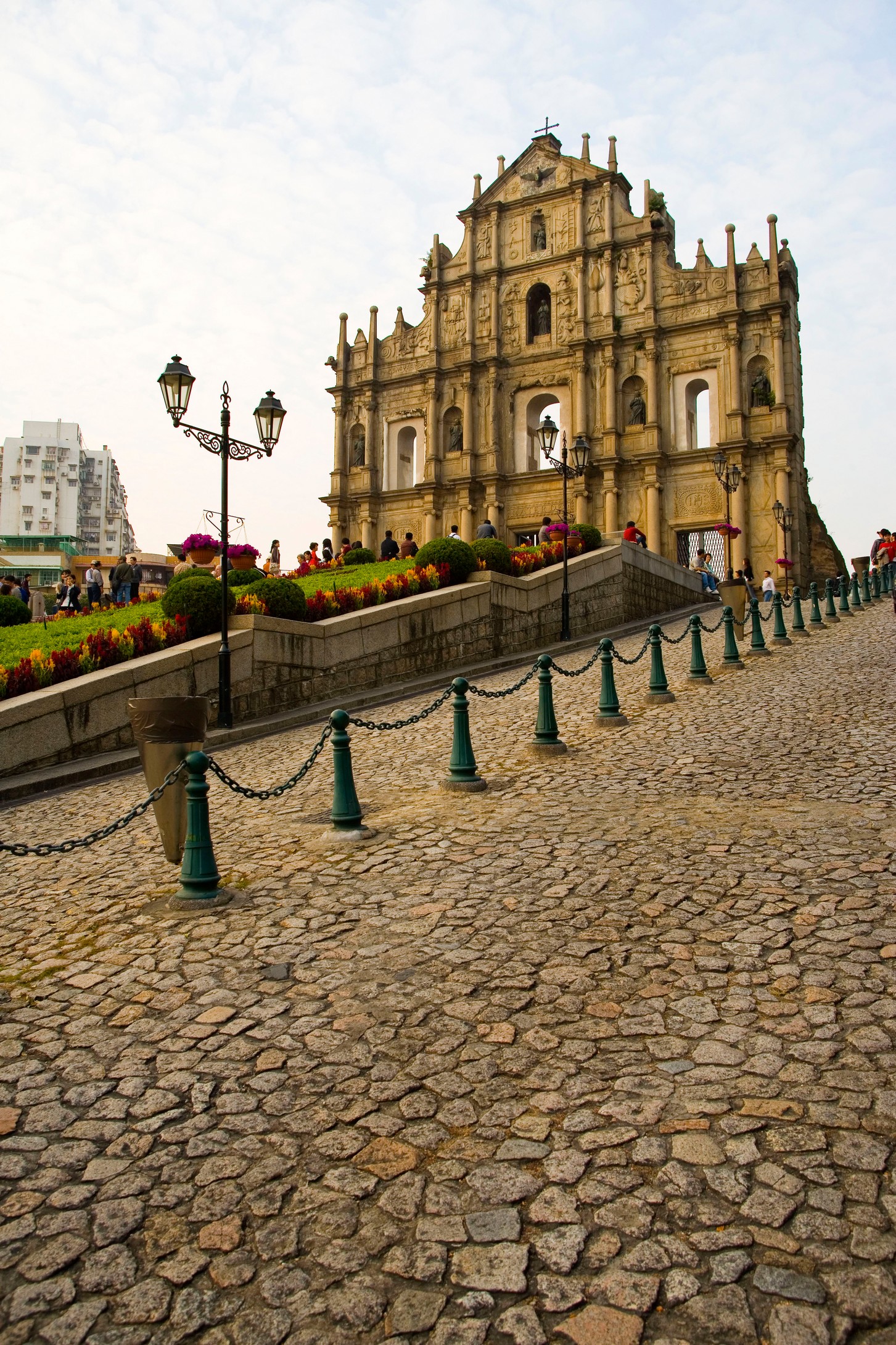
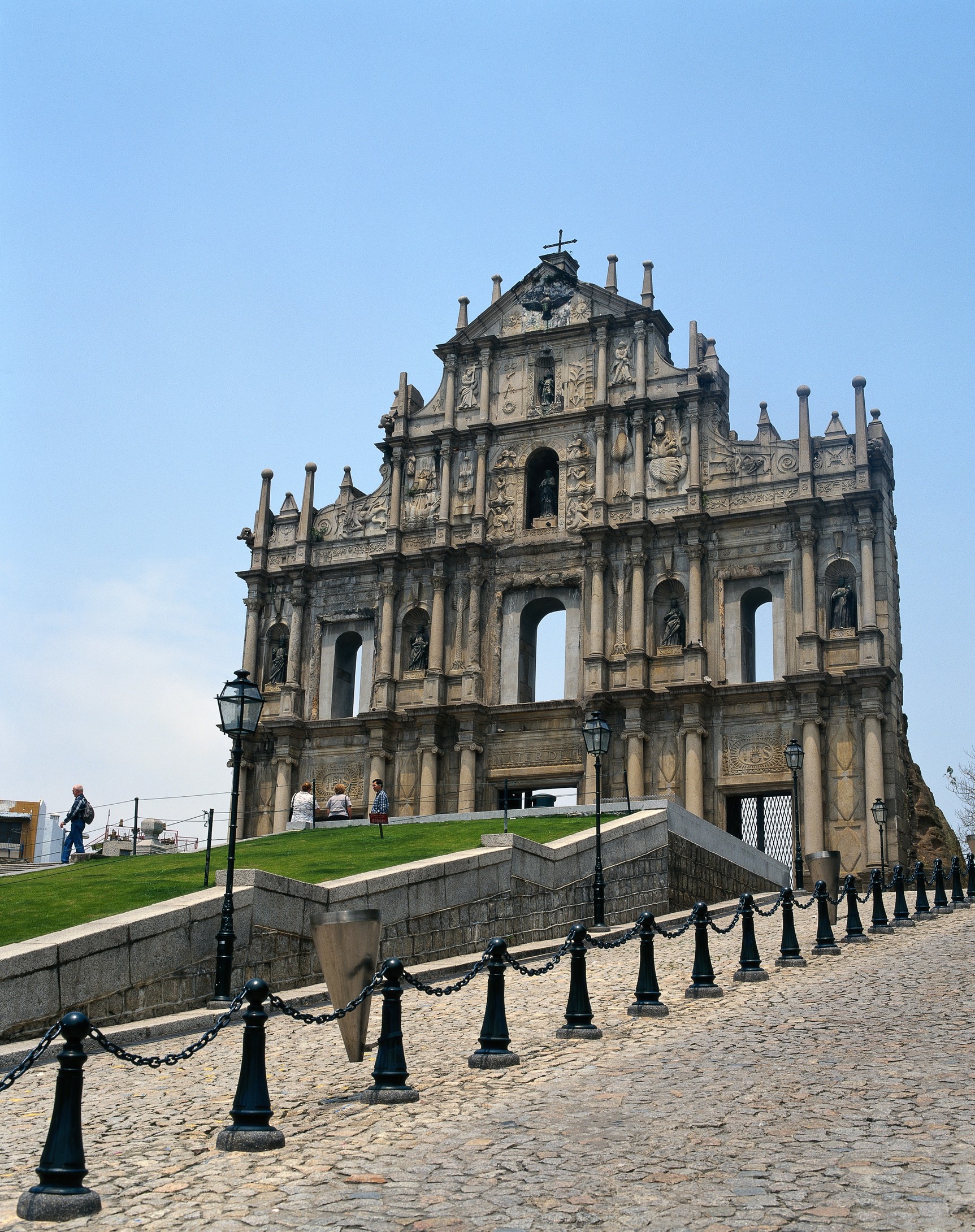
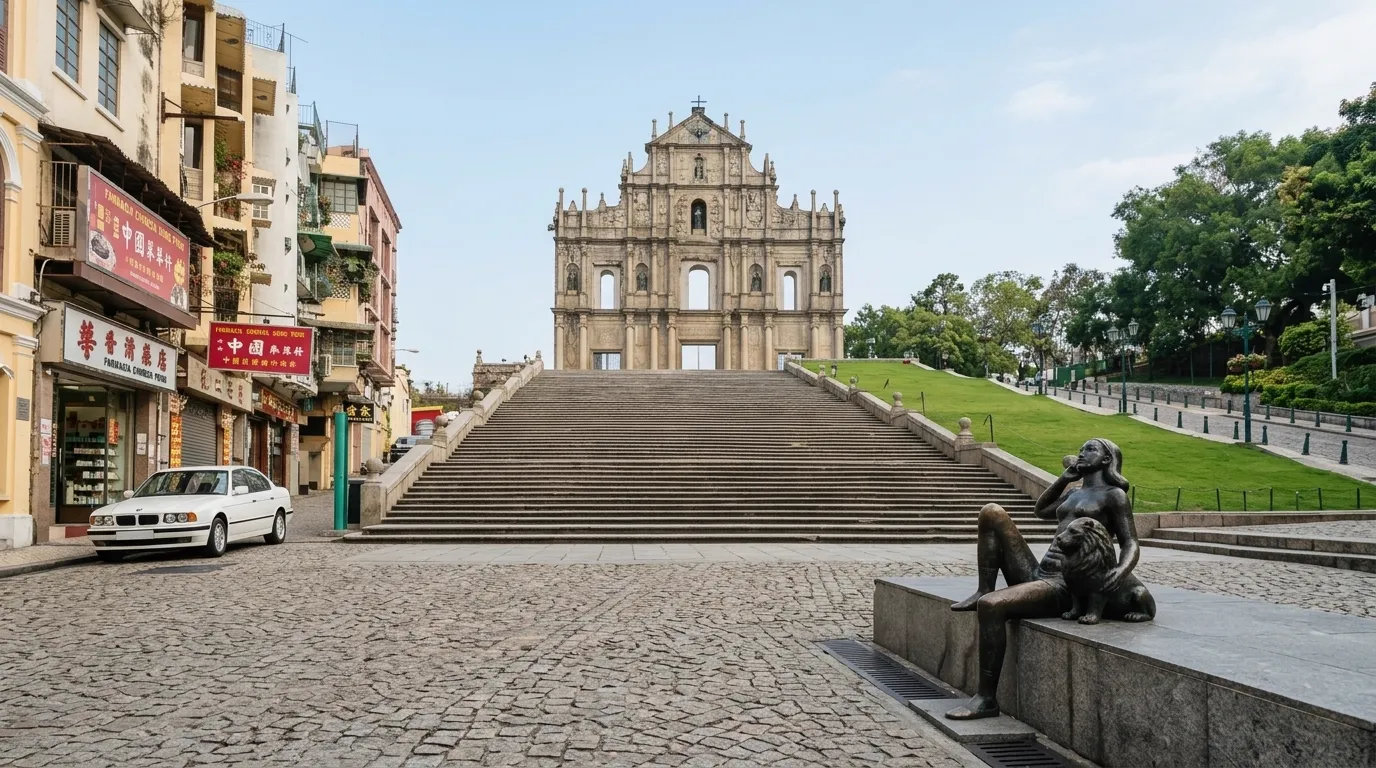
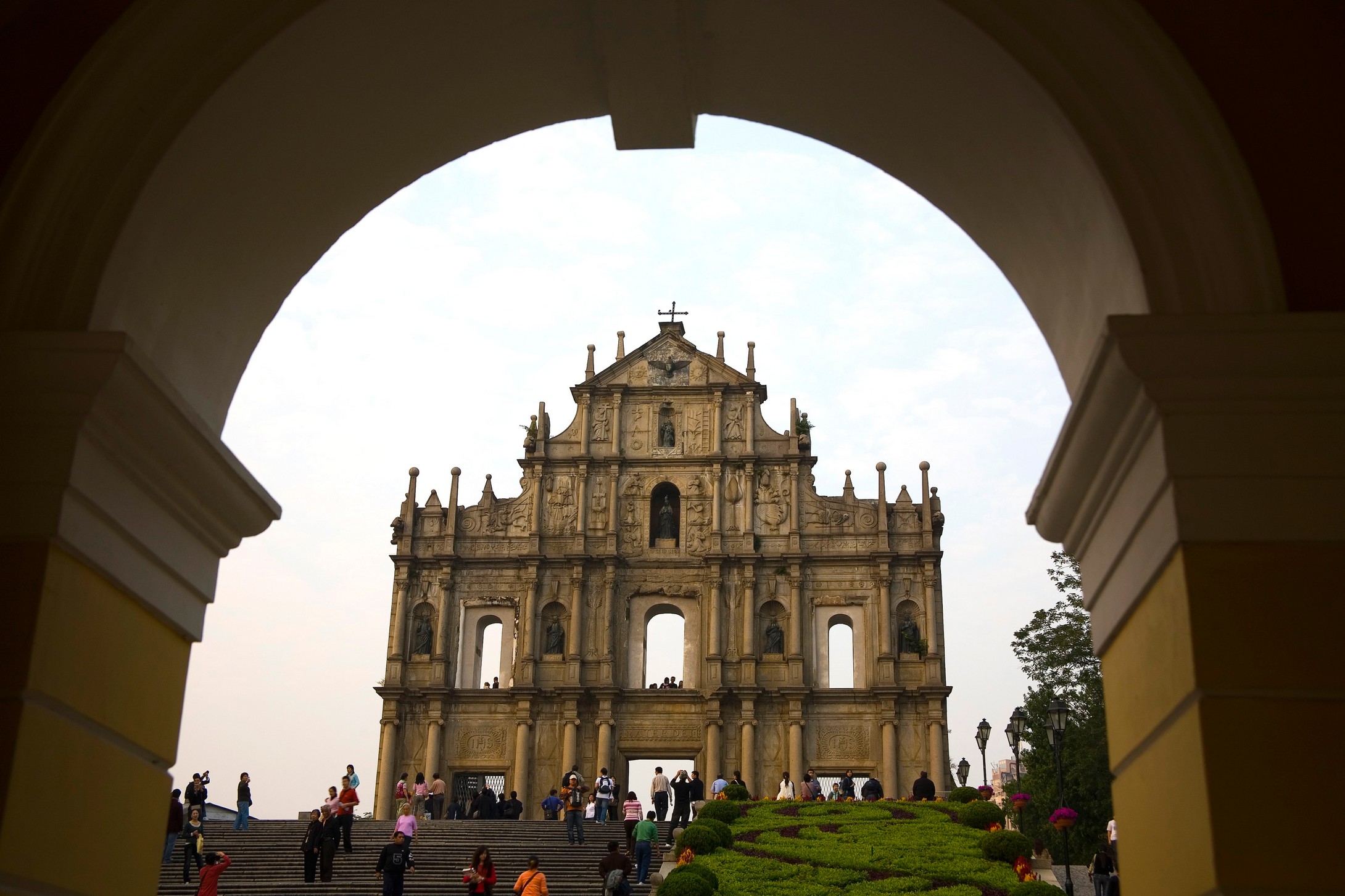
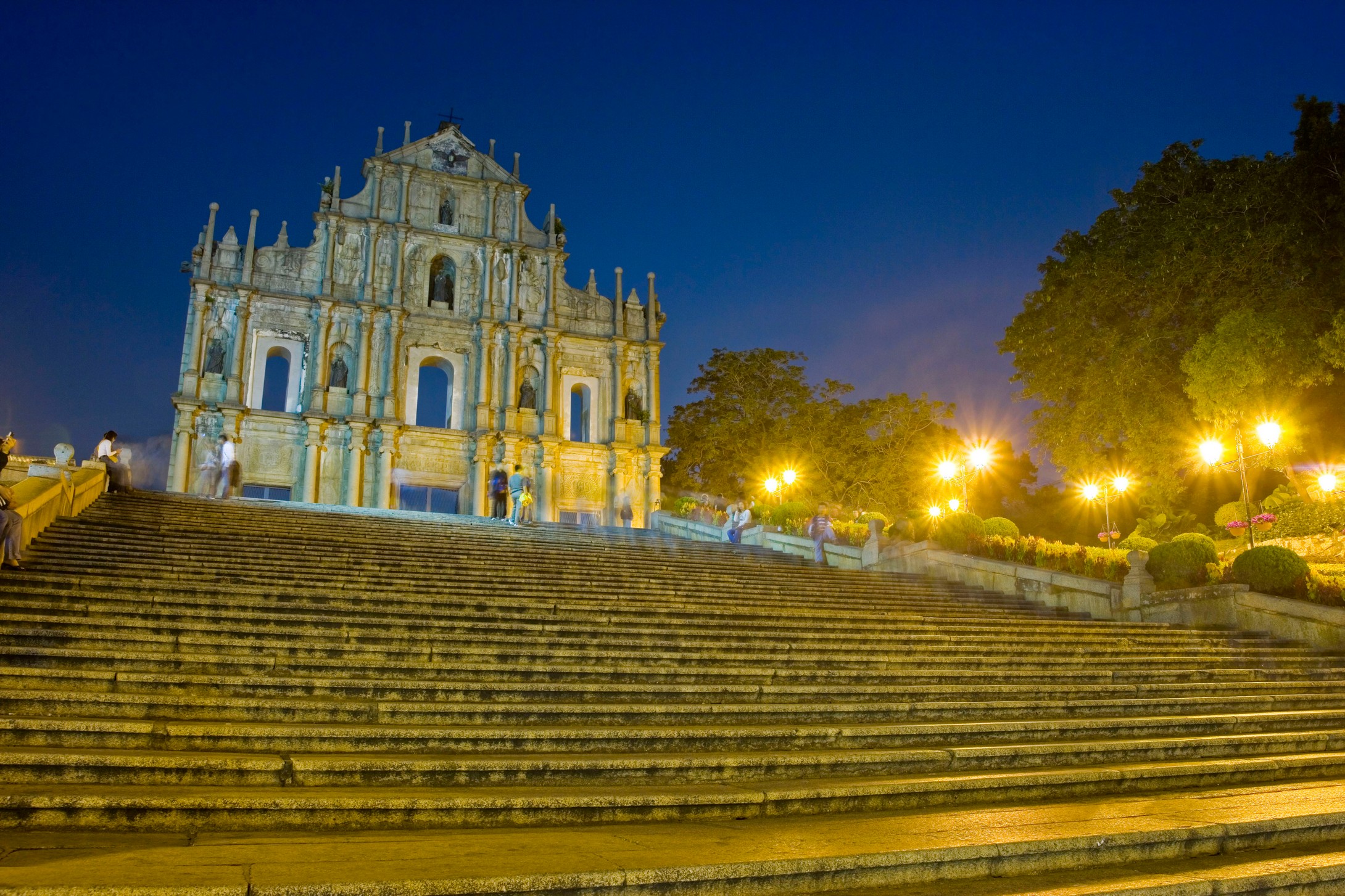
To set foot in Macau without walking its iconic Avenida de Almeida Ribeiro—affectionately known as New Road—and without beholding the majestic Ruins of St. Paul’s (大三巴牌坊) or climbing the adjacent Mount Fortress is to leave the soul of this former Portuguese enclave untouched. The Ruins of St. Paul’s, a UNESCO World Heritage site, stand as the most recognizable symbol of Macau. They are the surviving façade of the Church of Mater Dei, built between 1602 and 1640, and the ruins of the adjacent College of St. Paul. This grand stone front, intricately carved with Jesuit motifs and Asian symbols like Chinese lions and Japanese chrysanthemums, miraculously survived a devastating fire in 1835 that consumed the rest of the church. Today, it serves as a powerful testament to Macau’s unique fusion of Eastern and Western cultures, a silent sentinel watching over the bustling city below. Visiting this area is not merely a sightseeing stop; it is a pilgrimage to the very heart of Macau’s history, where the old world meets the new in a vibrant, living tapestry.
Highlights & Activities
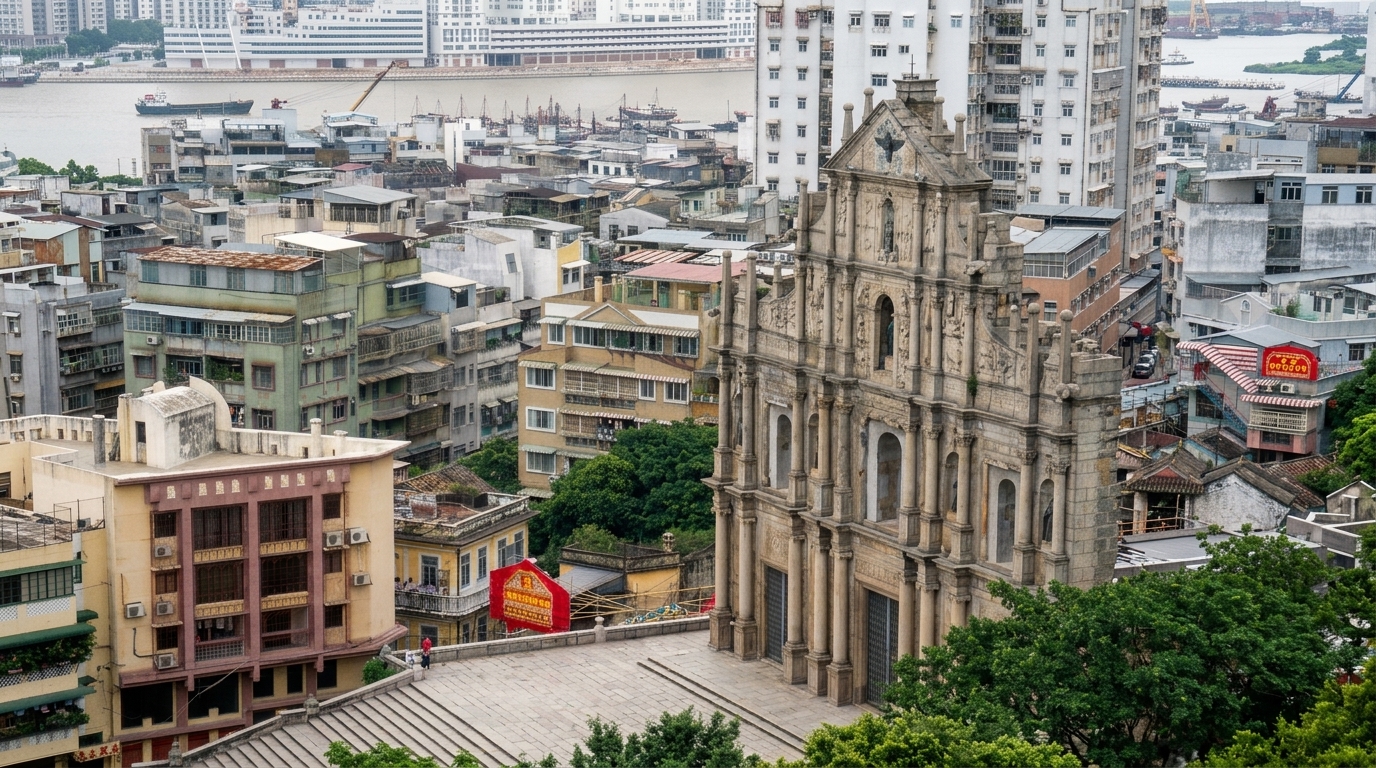
The Ruins of St. Paul’s are more than just a photo opportunity. Climb the 68 stone steps to the façade and admire the detailed bas-reliefs depicting the Virgin Mary, Jesus, and scenes from the Bible, all framed by Chinese-style carvings. Behind the façade, a small museum offers insights into the church’s history and the early Christian mission in Asia. From the top of the steps, turn around for a stunning view over the tiled rooftops of Macau. Just to the left, the Mount Fortress (大炮台) awaits. Built between 1617 and 1626, this strategic military stronghold once protected the church and the city from pirates and Dutch invaders. Today, its ramparts offer panoramic vistas of the Macau Peninsula, the Macau Tower, and the Pearl River Delta. Within the fortress walls, you will find the Macau Museum, which chronicles the region’s history, culture, and folk traditions in engaging, interactive exhibits. Don’t miss the old cannons still pointed out to sea—a reminder of Macau’s strategic importance. For a touch of romance, wander down the pastel-colored Love Lane (恋爱巷) just beside the Ruins, a narrow street perfect for photos and quiet reflection.
Key Attractions Nearby
The area around the Ruins is a treasure trove of attractions. A short walk south leads to the elegant Leal Senado Building (the former City Hall) and the wave-patterned mosaic of Senado Square, the heart of Macau’s historic center. Explore the opulent Casa de Lou Kau, a traditional Chinese merchant’s house, and the serene St. Dominic’s Church, a beautiful baroque structure. For modern thrills, the glittering Casino Lisboa is just a stroll away, offering a taste of Macau’s famed gaming culture. For a different perspective, the nearby Nam Van (South Bay) area features the Macau Tower, where daredevils can bungee jump from 233 meters, and the peaceful Nam Van Lake. Alternatively, the Studio City Macau Resort, with its iconic figure-8 “Golden Reel” Ferris wheel suspended 130 meters high, provides a dazzling, Hollywood-themed escape on the Cotai Strip. Each of these destinations adds a unique layer to your Macau experience.
Where to Dine
New Road and its surrounding alleys are a paradise for food lovers. You are never far from a world-class meal. For a true taste of Macau, seek out a traditional “taipa” (Portuguese-style café) serving pastéis de nata (egg tarts) and strong black coffee. Sample the iconic pork chop bun—a crispy roll filled with a tender, fried pork chop—from a local bakery. For a sit-down meal, try African chicken (grilled chicken in a spicy coconut and peanut sauce) or minchi (a savory minced meat dish with potatoes and rice). Many restaurants in the area are within walking distance, so you can easily hop from one to another. For a more refined experience, the luxury resorts in Cotai boast multiple Black Pearl and Michelin-starred restaurants. Don’t forget to try the famous Macau egg tarts at Lord Stow’s Bakery (a short taxi ride away) or Margaret’s Café e Nata near the Ruins. The annual Macau Food Festival, held at Nam Van, is another excellent opportunity to sample local and international flavors.
Weather & Best Time to Visit
Macau enjoys a subtropical climate, with hot, humid summers and mild winters. The best time to visit the Ruins of St. Paul’s and surrounding areas is from October to December, when the weather is pleasantly cool and dry, with average temperatures ranging from 15°C to 22°C (59°F to 72°F). This is also the peak tourist season, so expect larger crowds, especially on weekends and holidays. Spring (March to May) is also comfortable, though it can be rainy. Summer (June to September) is hot and humid, with frequent thunderstorms and the risk of typhoons. If you visit during summer, go early in the morning (around 8:00 AM) to beat the heat and the crowds. Winter (January to February) is cool and can be windy, but it is also a quieter time to explore. The Macau International Fireworks Display, held annually in September and October, is a spectacular event that lights up the sky over Nam Van and is well worth planning your trip around.
Travel Tips
Getting There: The Ruins of St. Paul’s are centrally located and easily accessible. From the Macau Ferry Terminal or the airport, take a taxi (approximately 15-20 minutes) or a public bus (routes 3, 3X, 5, 10, 10A, 11, 21A, 26A, 33, or N1A). Alight at “Almeida Ribeiro” or “Senado Square” stops. The area is compact, so most attractions are within a 10-15 minute walk of each other.
- Fees & Hours: Entry to the Ruins of St. Paul’s and Mount Fortress is free. The Macau Museum is open daily from 10:00 AM to 6:00 PM (closed on Mondays), with an entrance fee of MOP 15 (approximately USD 2). The Ruins themselves are always accessible.
- What to Bring: Comfortable walking shoes are essential, as you will be navigating steps and cobblestone streets. Bring a hat, sunscreen, and a refillable water bottle, especially in warmer months. A light jacket is useful for air-conditioned museums and casinos. Don’t forget your camera—the photo opportunities are endless.
- Pro Tip: Visit early in the morning (before 9:00 AM) to enjoy the Ruins in relative peace, before the tour groups arrive. For a different perspective, come back at night when the façade is beautifully illuminated.