Overview & History
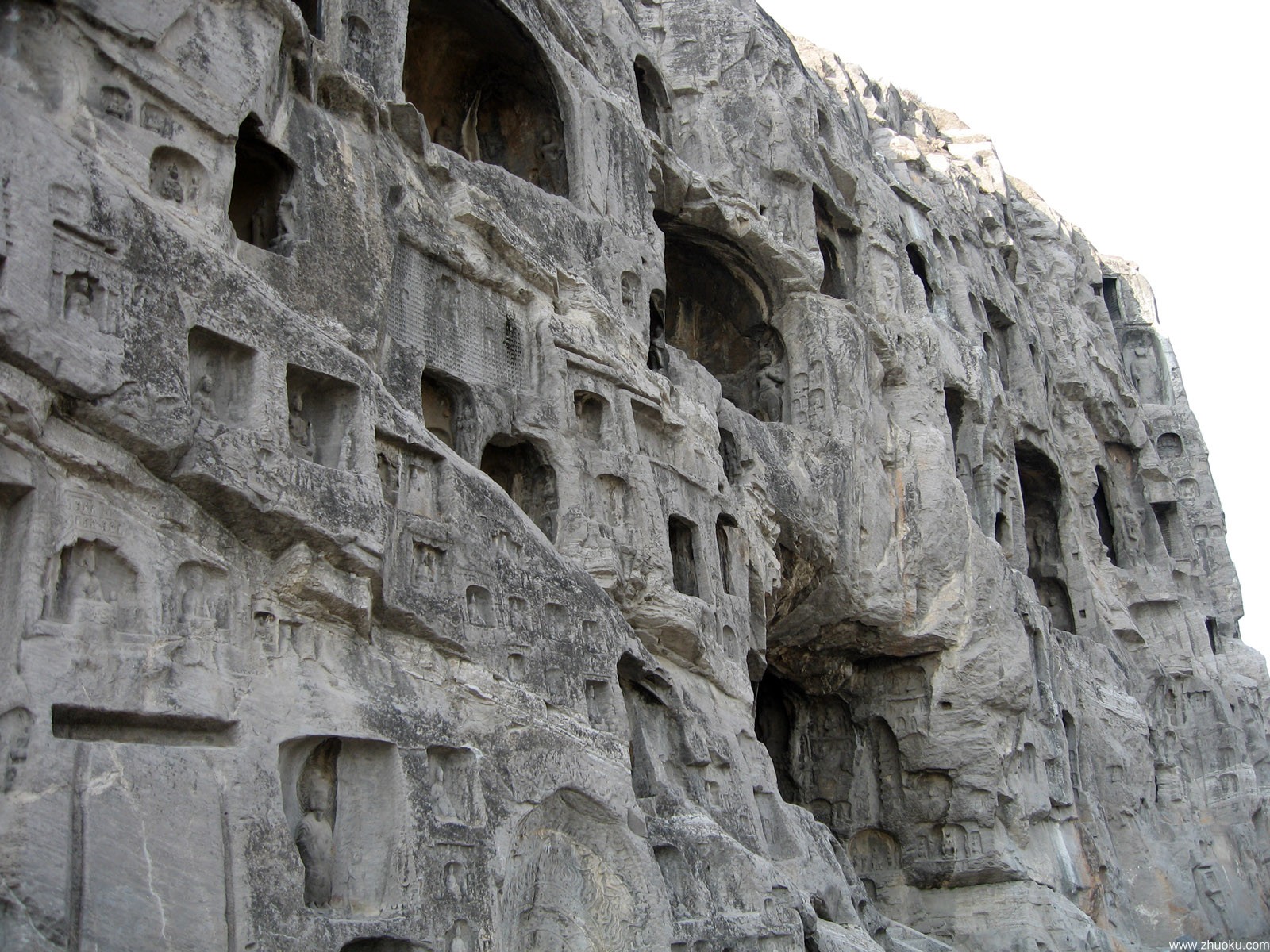
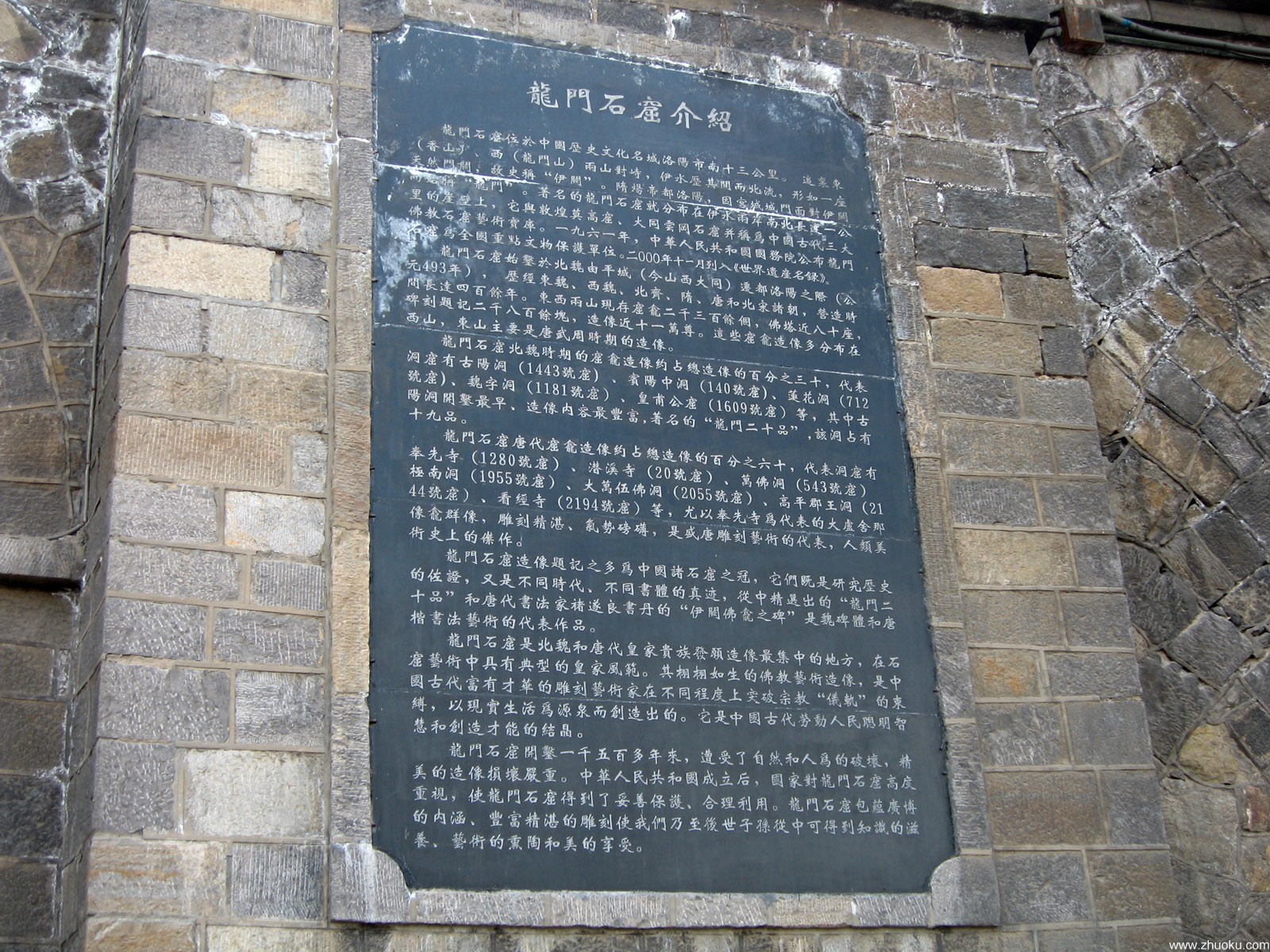
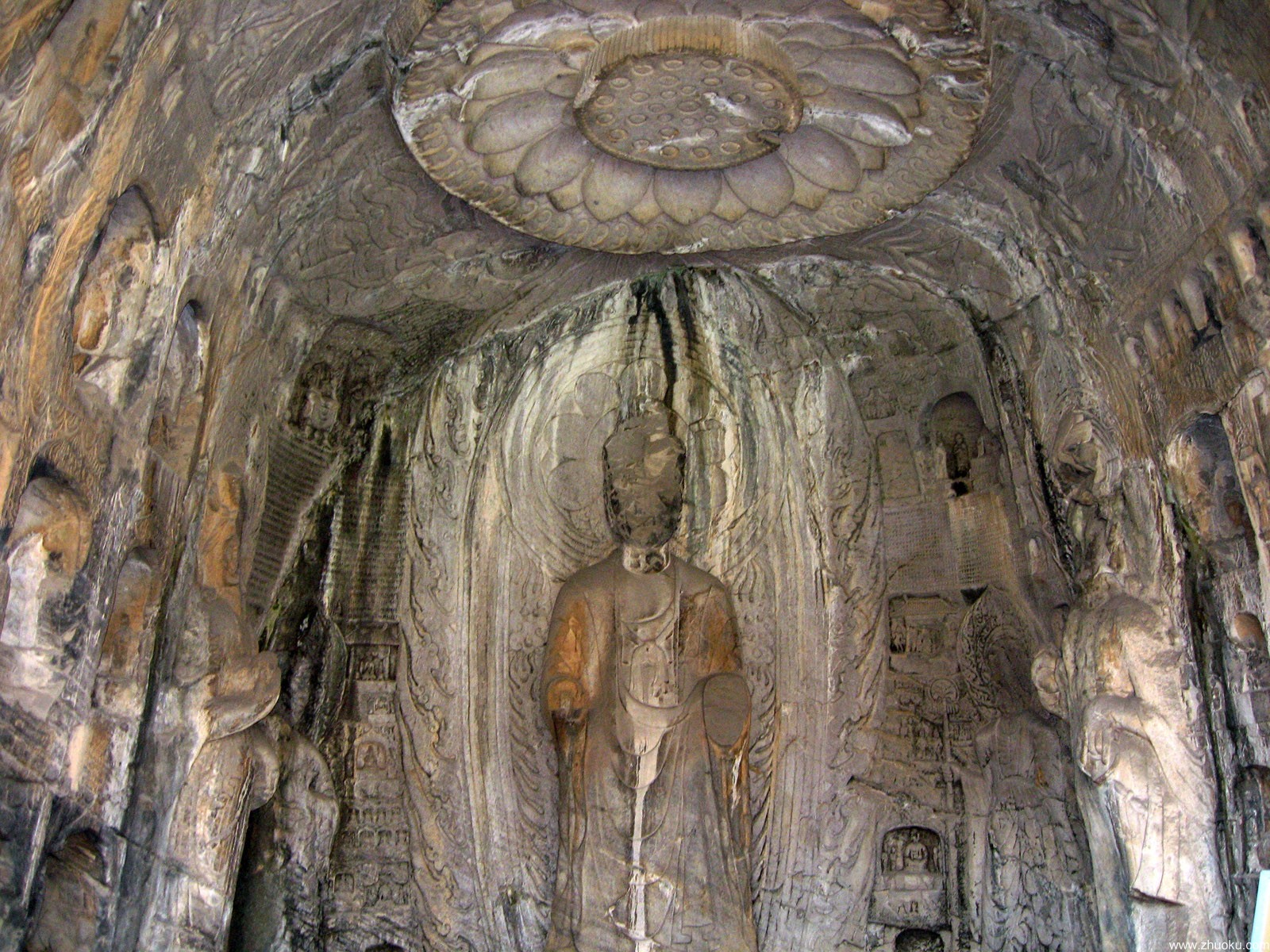
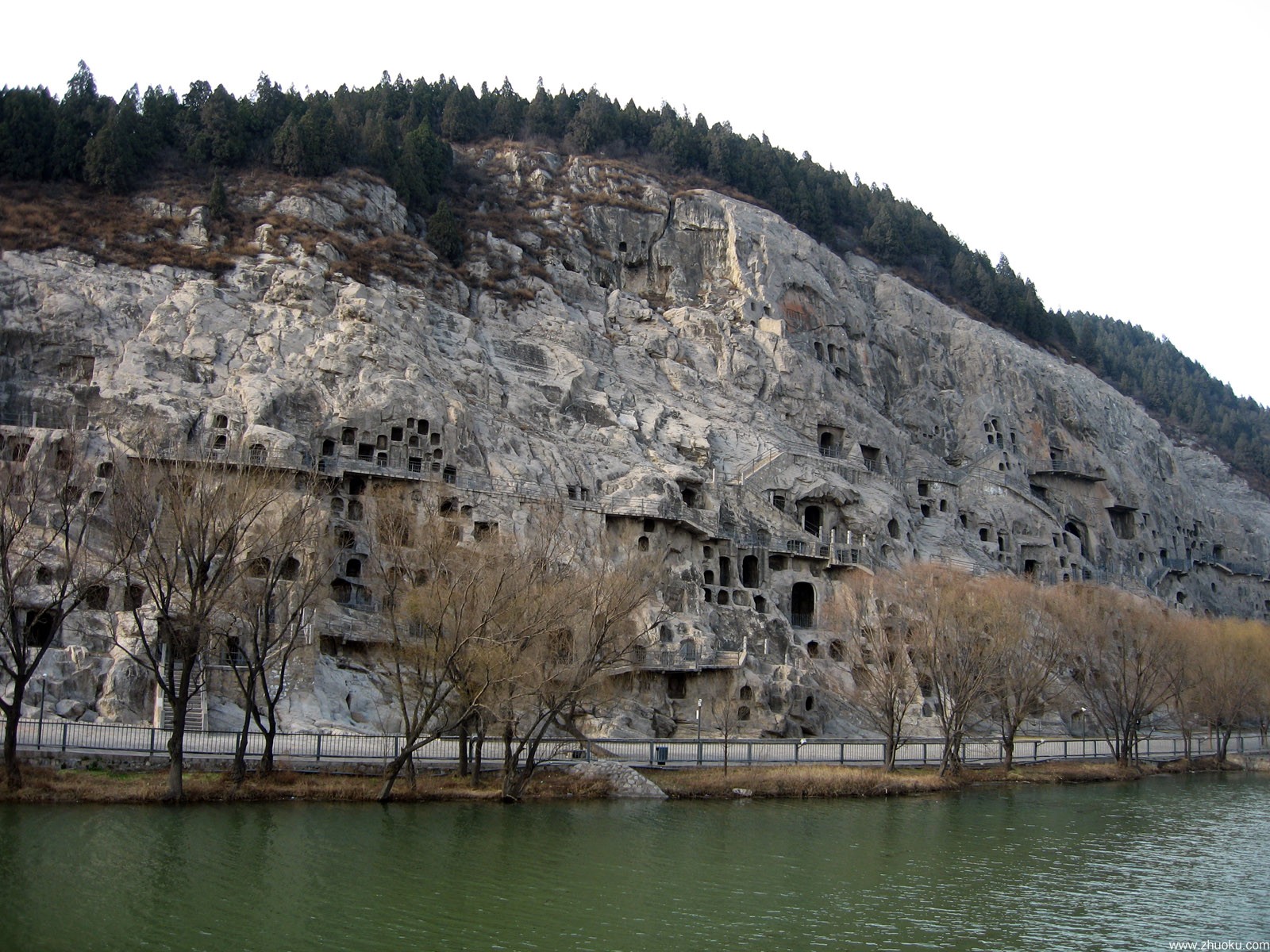
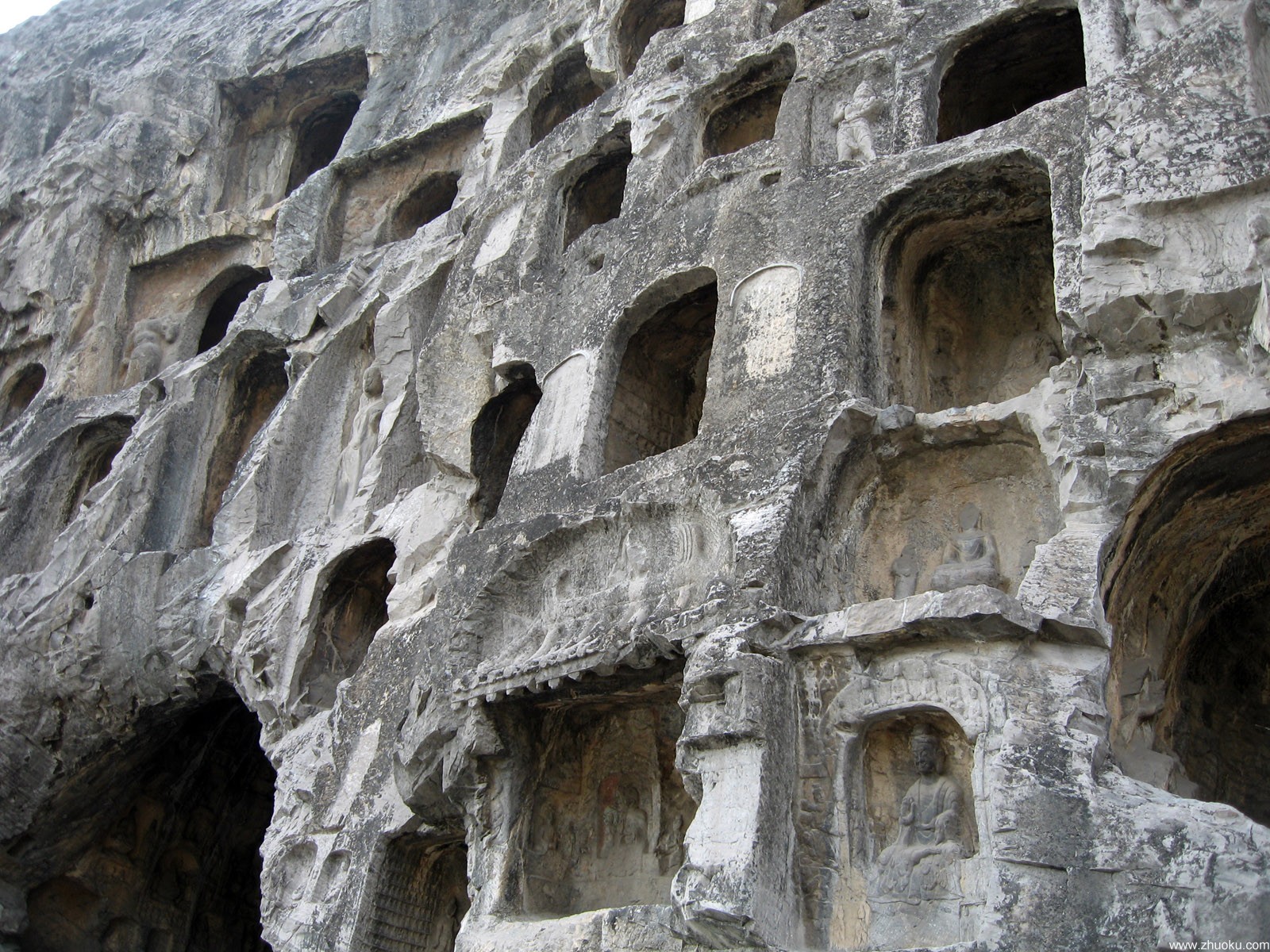
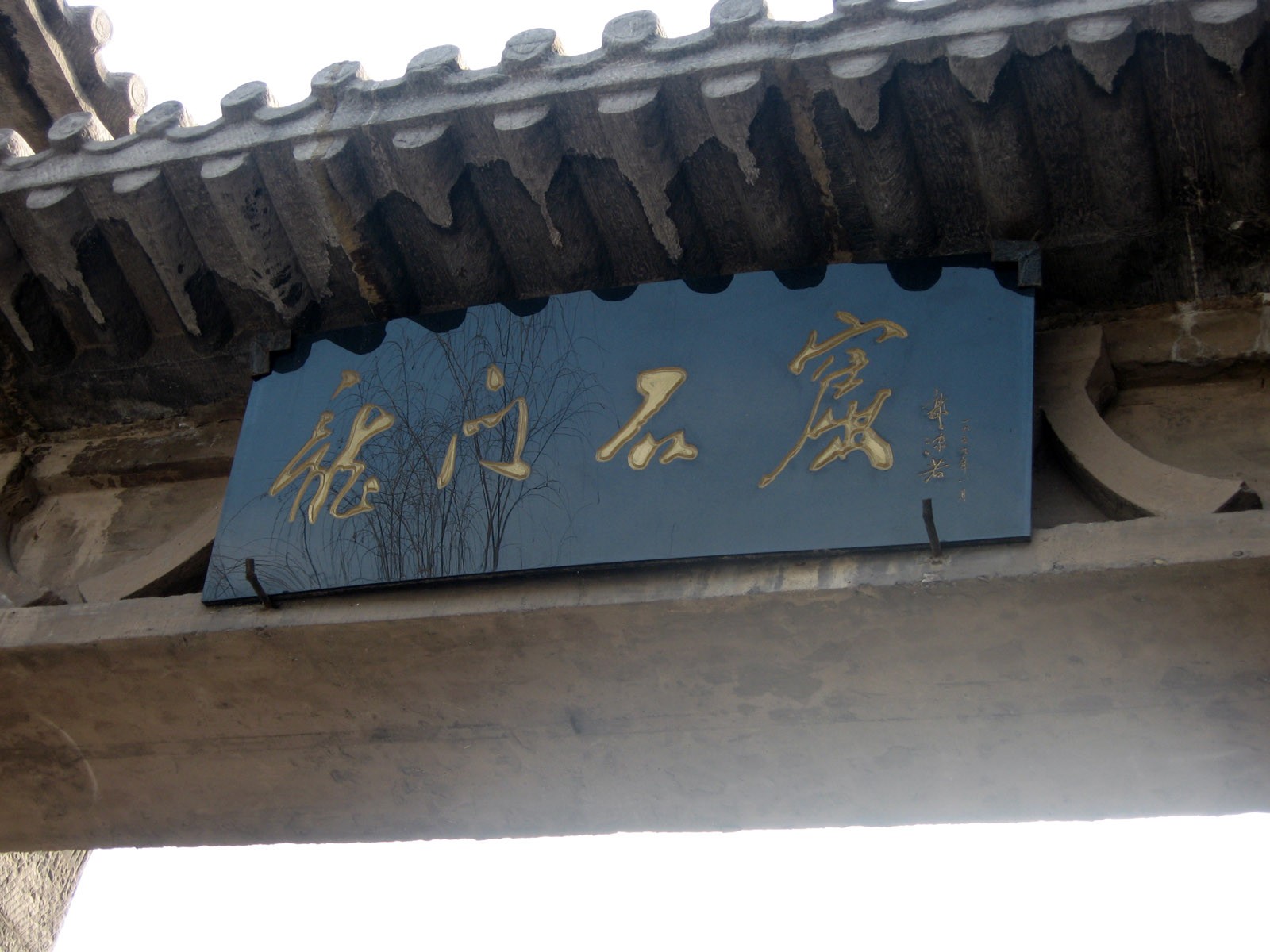
Nestled along the banks of the Yi River in Luoyang, Henan Province, the Longmen Grottoes (龙门石窟) stand as one of China's most extraordinary cultural treasures and a UNESCO World Heritage Site. This awe-inspiring complex of caves and rock-cut sculptures is a testament to over 400 years of artistic and spiritual devotion, spanning seven dynasties from the Northern Wei to the Tang. The grottoes are divided into two main sections—the West Hill and the East Hill—by the tranquil Yi River. The West Hill, with its caves carved during the Northern Wei and Sui-Tang periods, is the heart of the site, featuring the iconic Fengxian Temple (奉先寺) and its colossal Vairocana Buddha, as well as the ancient Guyang Cave (古阳洞), home to the famed "Twenty Products of Longmen" calligraphy.
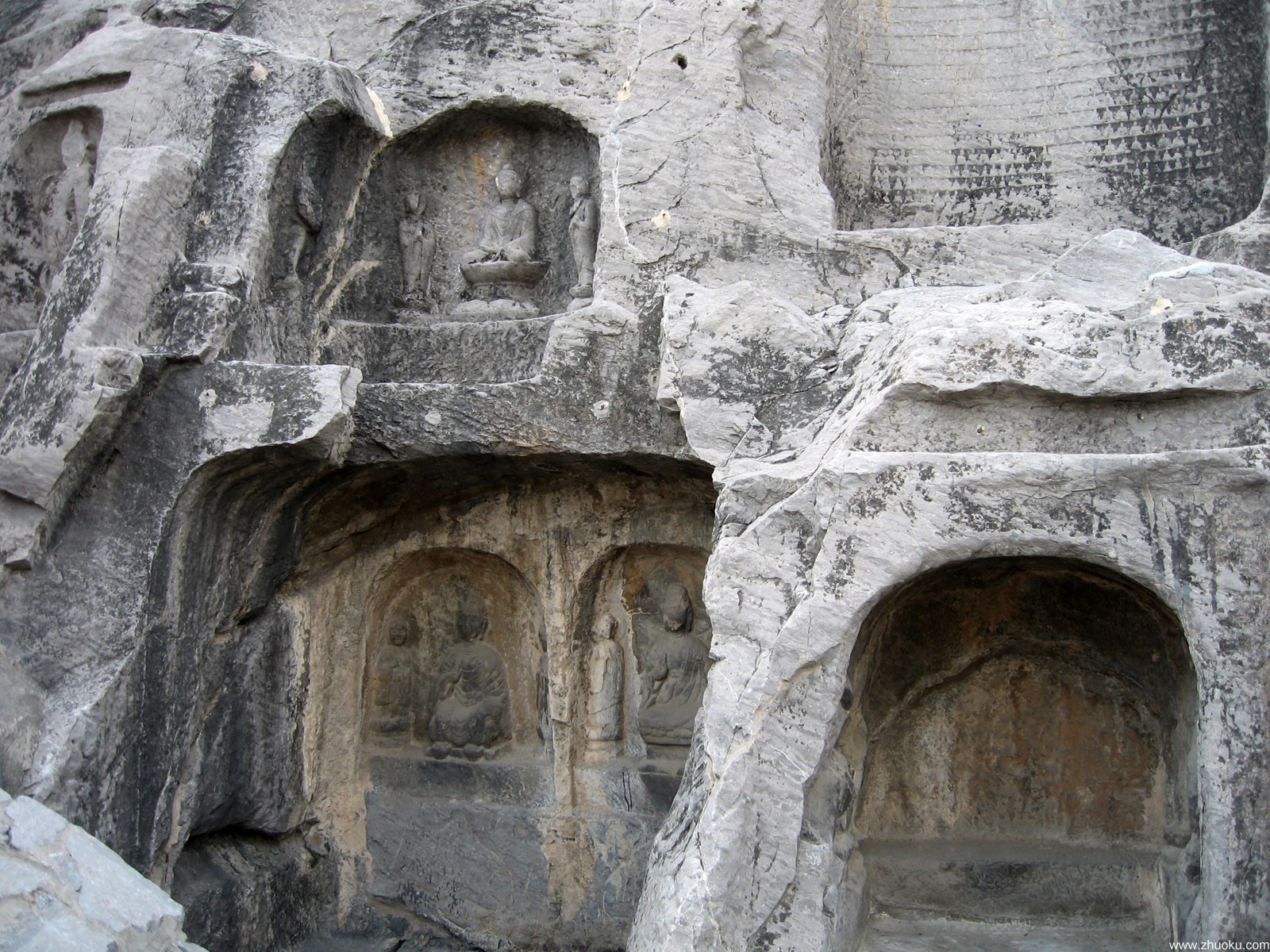
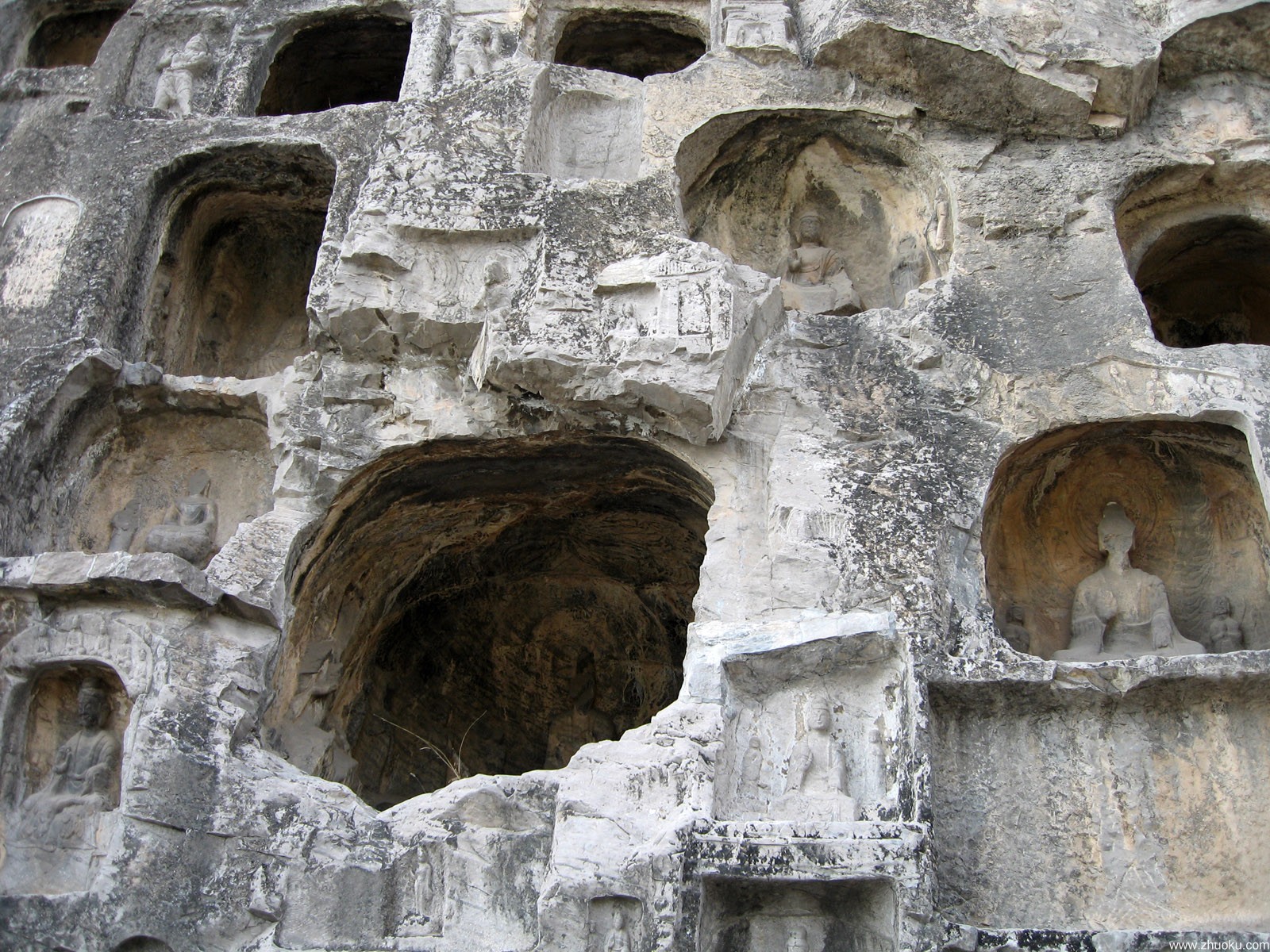
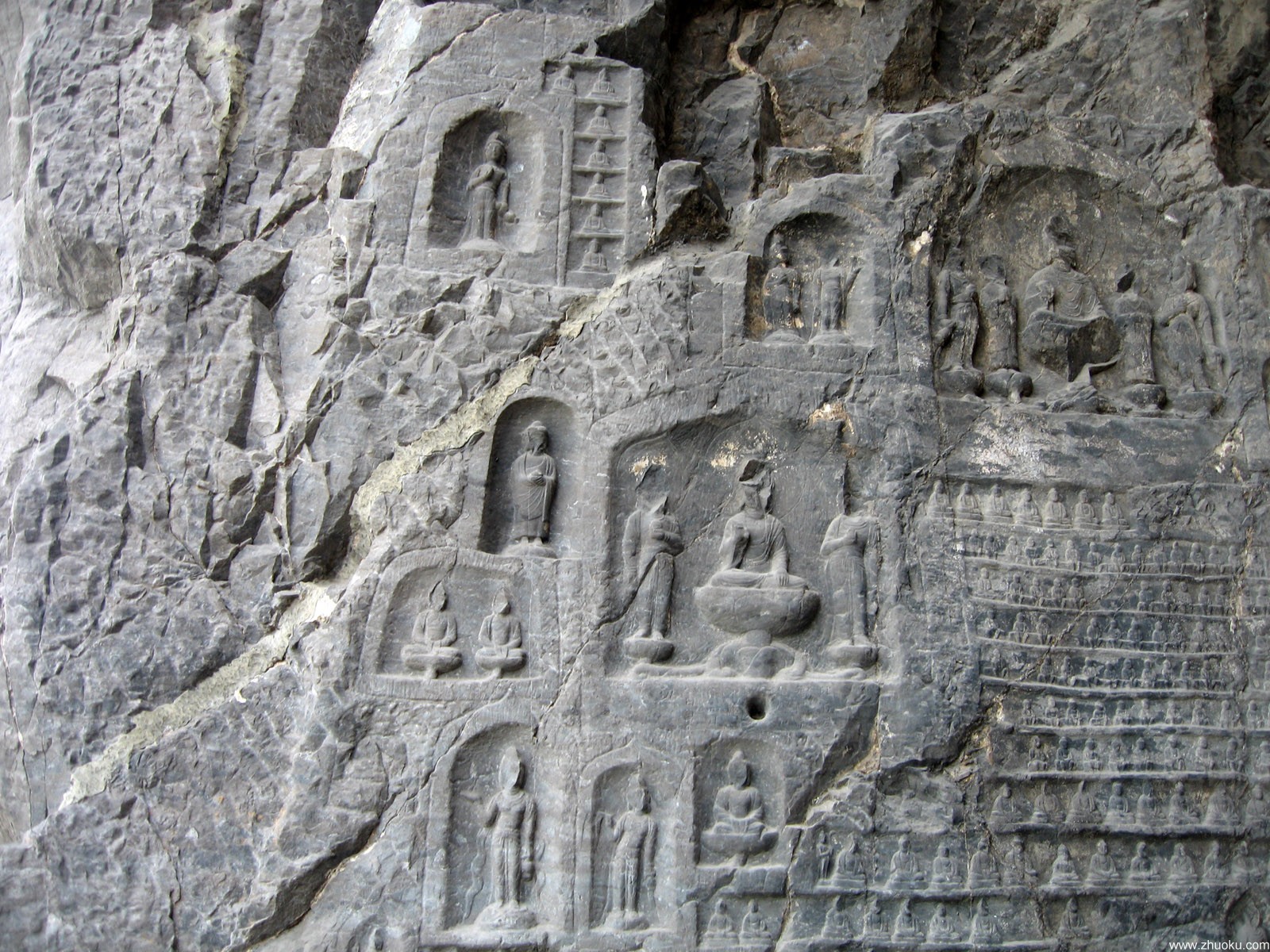
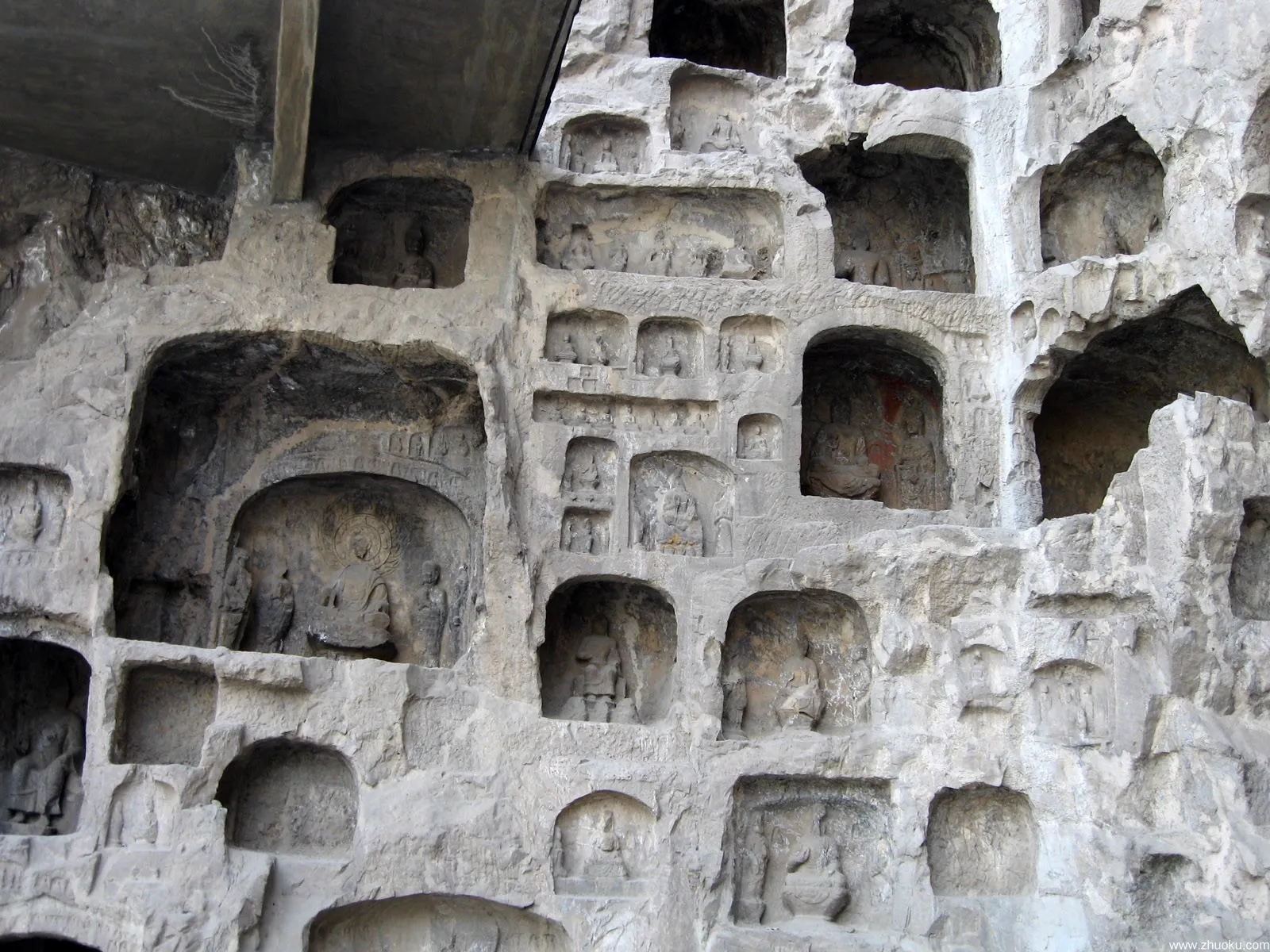
What makes Longmen truly special is its seamless blend of natural beauty and human craftsmanship. The cliffs rise dramatically from the river, their surfaces adorned with 2,345 niches, over 2800 inscriptions, 70 pagodas, and more than 100,000 statues. Each figure, from the serene Buddha to the graceful bodhisattva, reflects the spiritual aspirations of its creators. As you walk along the riverside paths, you'll feel the weight of history—a journey through time where faith, art, and nature converge. Whether you're a history buff, an art lover, or a spiritual seeker, Longmen offers a profound encounter with China's ancient civilization.
Highlights & Activities
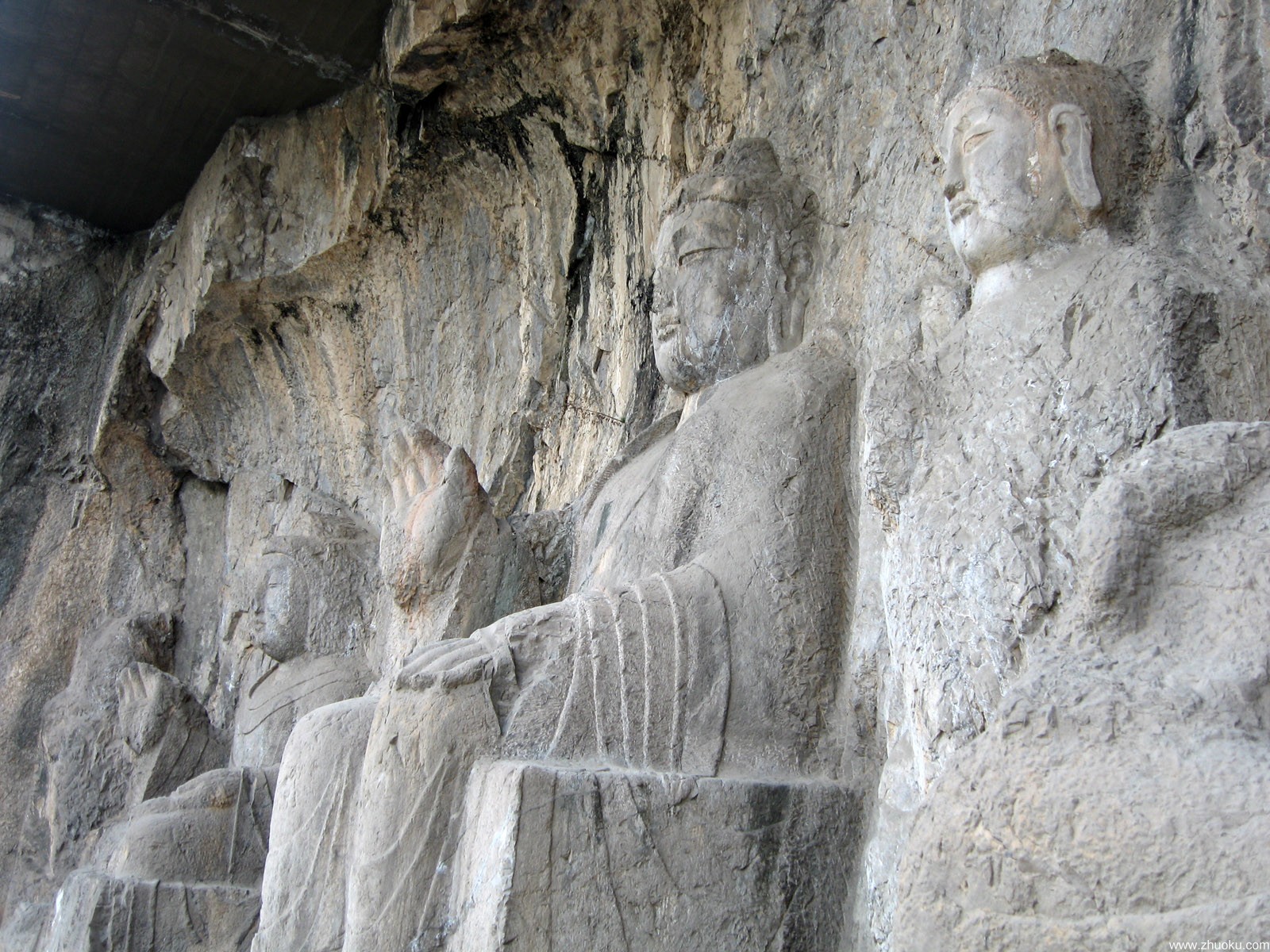
The crown jewel of Longmen is undoubtedly the Fengxian Temple, where the 17-meter-tall Vairocana Buddha sits in majestic calm, his gentle smile seeming to watch over all who approach. Carved during the Tang Dynasty, this masterpiece is a symbol of the era's power and artistic sophistication. Nearby, the Guyang Cave, the oldest cave on the West Hill, boasts exquisite carvings and the famous "Twenty Products"—a collection of calligraphic inscriptions that are a treasure for scholars and art enthusiasts.
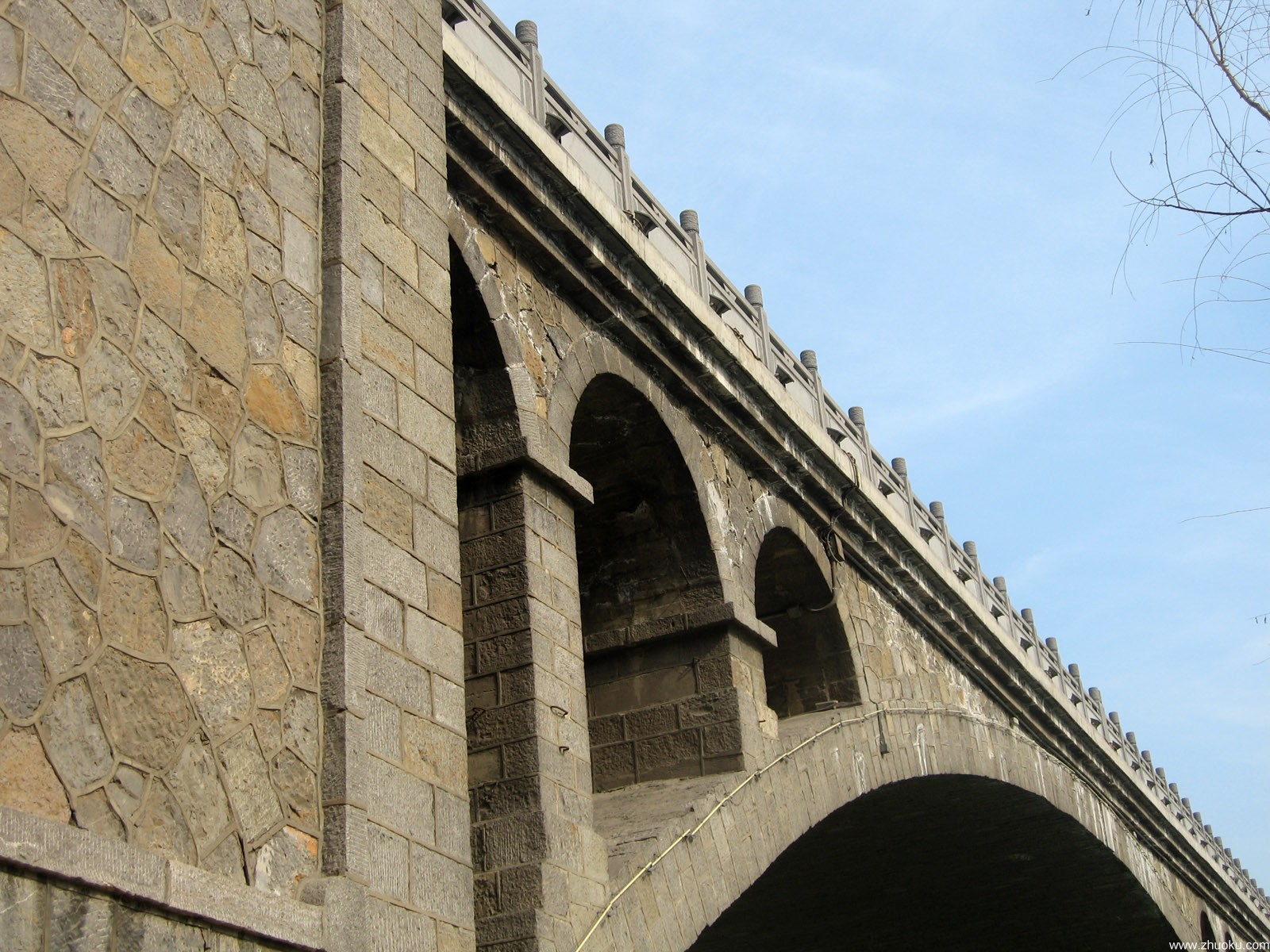
Beyond the main caves, explore the thousands of smaller niches that line the cliffs, each telling its own story of devotion. The East Hill, primarily Tang-era, offers a quieter experience with caves like the Kanjing Temple and the Wanfo Cave (Cave of Ten Thousand Buddhas), where tiny Buddha figures fill every inch of the walls. Don't miss the opportunity to walk across the bridge over the Yi River for a panoramic view of the entire site—a perspective that reveals the sheer scale and harmony of the grottoes with their natural surroundings.
Activities extend beyond sightseeing. Many visitors come to pray for peace and good fortune, as Longmen has been a sacred site for centuries. The serene atmosphere invites quiet reflection, and the evening hours (the site is open until 21:00) offer a magical experience when the grottoes are gently lit, casting an ethereal glow over the statues.
Key Attractions Nearby
Longmen is perfectly situated in Luoyang's cultural heartland. A short 15-minute drive away is the Guanlin Temple (关林), dedicated to the legendary general Guan Yu, offering a glimpse into Chinese martial history. The Luoyang Museum, also nearby, houses a stunning collection of artifacts from the city's ancient past, including Tang dynasty pottery and Buddhist relics. For a modern twist, visit the Asia's Largest Musical Fountain, a spectacular water and light show that dazzles in the evening. The Longmen Grottoes are also close to the city center, making it easy to combine a visit with other Luoyang highlights like the White Horse Temple (Baima Temple), China's first Buddhist temple.
Where to Dine
Luoyang is a food lover's paradise, and the area around Longmen offers a taste of local cuisine. For a quick bite, try the street stalls near the entrance, serving traditional snacks like luoyang shuixi (water banquet), a series of soup-based dishes, and mianpi (cold noodles). For a sit-down meal, head to the nearby city center, where restaurants like "Luoyang Old Street" serve authentic huimian (braised noodles) and tangmian (soup noodles). Don't miss the local specialty, lurou huoshao (meat-filled pastries), perfect for a hearty lunch after exploring the grottoes. Budget travelers can find affordable options at the youth hostel's communal kitchen or nearby eateries, with meals averaging around 20-50 RMB.
Weather & Best Time to Visit
Luoyang enjoys a temperate continental climate with four distinct seasons. Spring (March to May) and autumn (September to November) are the best times to visit, with mild temperatures (15-25°C) and clear skies that enhance the beauty of the grottoes. Summer (June to August) can be hot and humid, with temperatures often exceeding 30°C, but the site's riverside location offers some relief. Winter (December to February) is cold, with occasional snowfall that transforms the grottoes into a serene, less-crowded wonderland. Peak tourist seasons are during Chinese holidays (e.g., National Day in October and Spring Festival), so plan accordingly to avoid large crowds. Early morning or late afternoon visits are ideal for softer light and fewer people.
Travel Tips
Getting There: The Longmen Grottoes are easily accessible from Luoyang city center. Take bus 28, 49, 53, or 66 to Longmen Station, or hop on a taxi (about 30 minutes, 30-50 RMB). For those arriving by high-speed rail, Luoyang Longmen Station is just 5 km away, with direct bus 33 connecting to the site. A budget-friendly accommodation option is the Luoyang Longmen International Youth Hostel (洛阳龙门国际青年旅舍), located on Sui-Tang ruins and only a 15-minute drive from the grottoes. With dorm beds starting at 50 RMB, it's a great base for exploring, and its central location offers easy access to buses and nearby attractions.
Fees & Hours: The grottoes are open daily from 08:00 to 21:00 (ticket sales stop at 19:30, last entry at 20:00). Admission is around 90 RMB for adults, with discounts for students and free entry for seniors (60+), children under 1.4 meters, and military personnel. Check the official website for the latest policies.
What to Bring: Wear comfortable walking shoes, as the site involves a lot of walking on uneven paths. Bring water and sunscreen in summer, and a light jacket in cooler months. A camera is essential for capturing the stunning statues, but note that flash photography may be restricted in some caves. Finally, a sense of wonder—Longmen is a place that rewards quiet contemplation and curiosity.