Overview & History
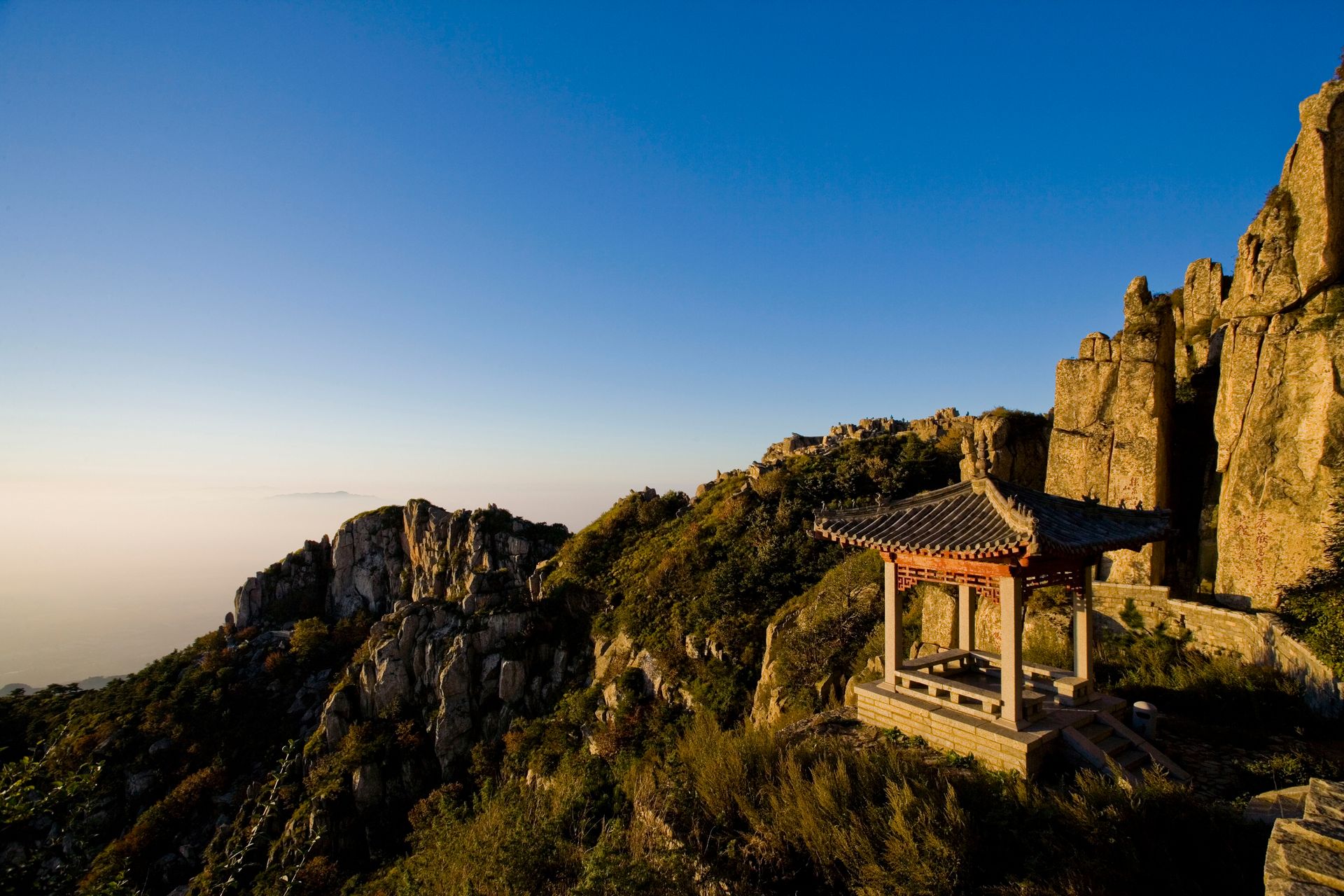
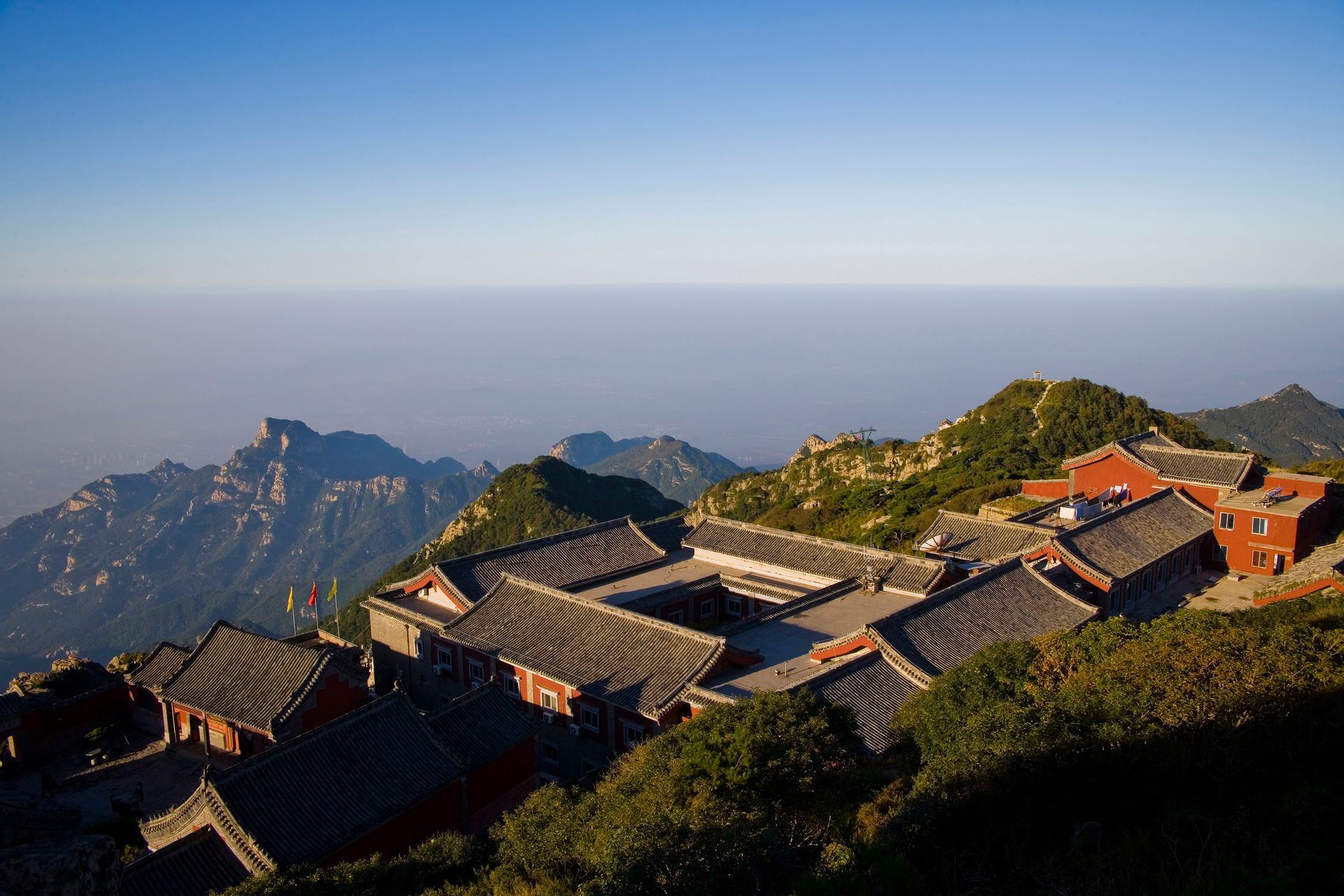
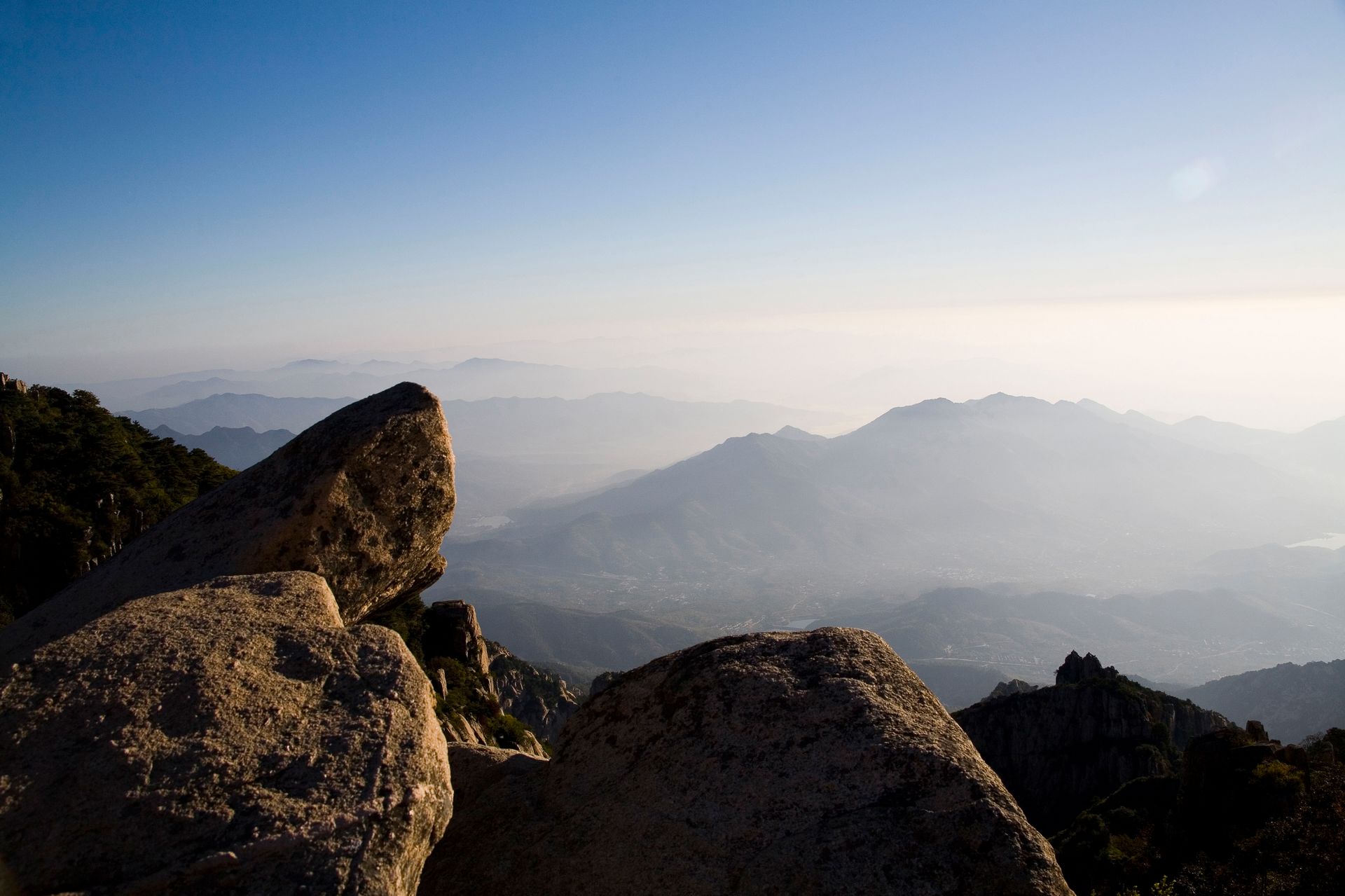
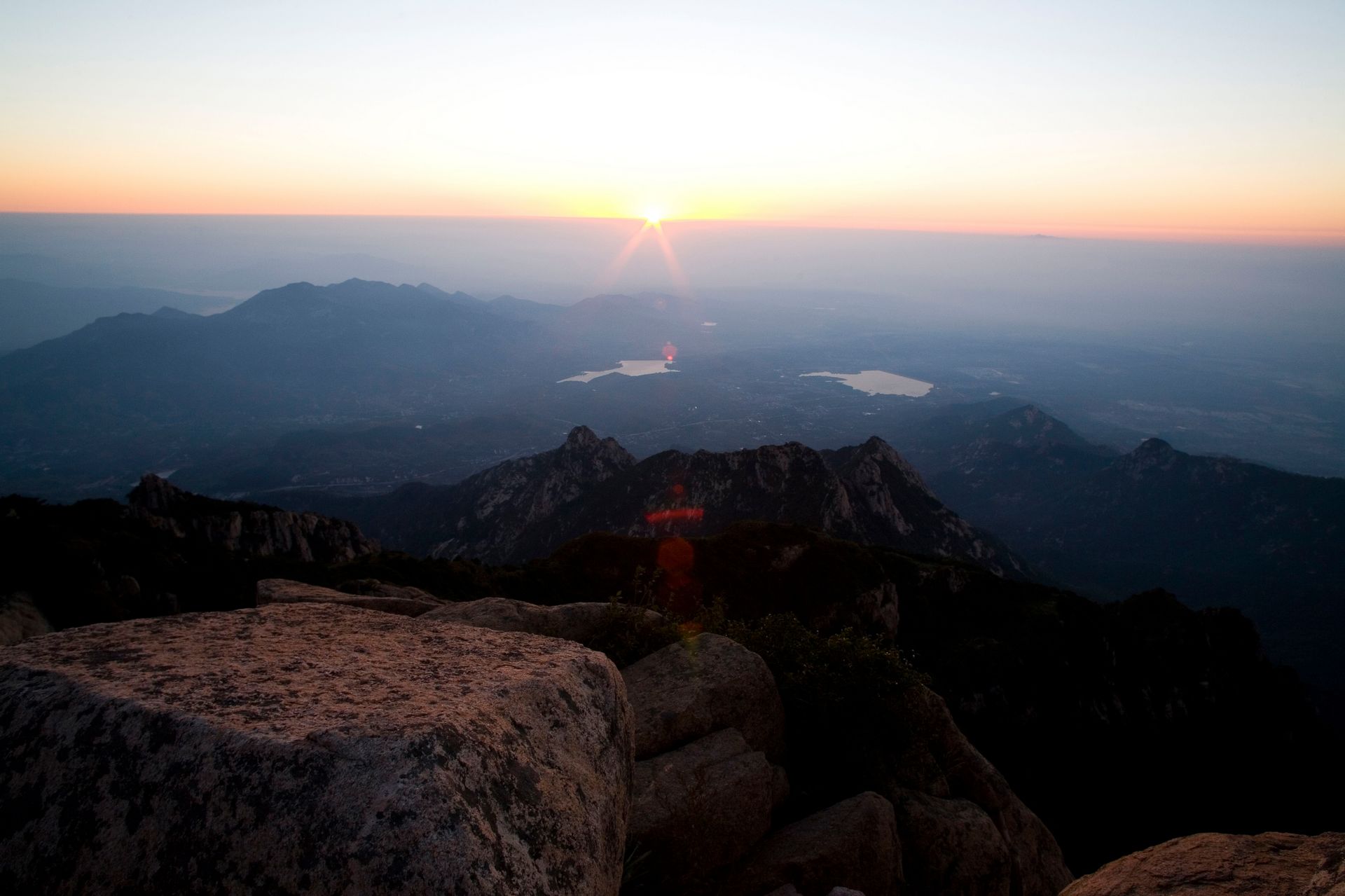
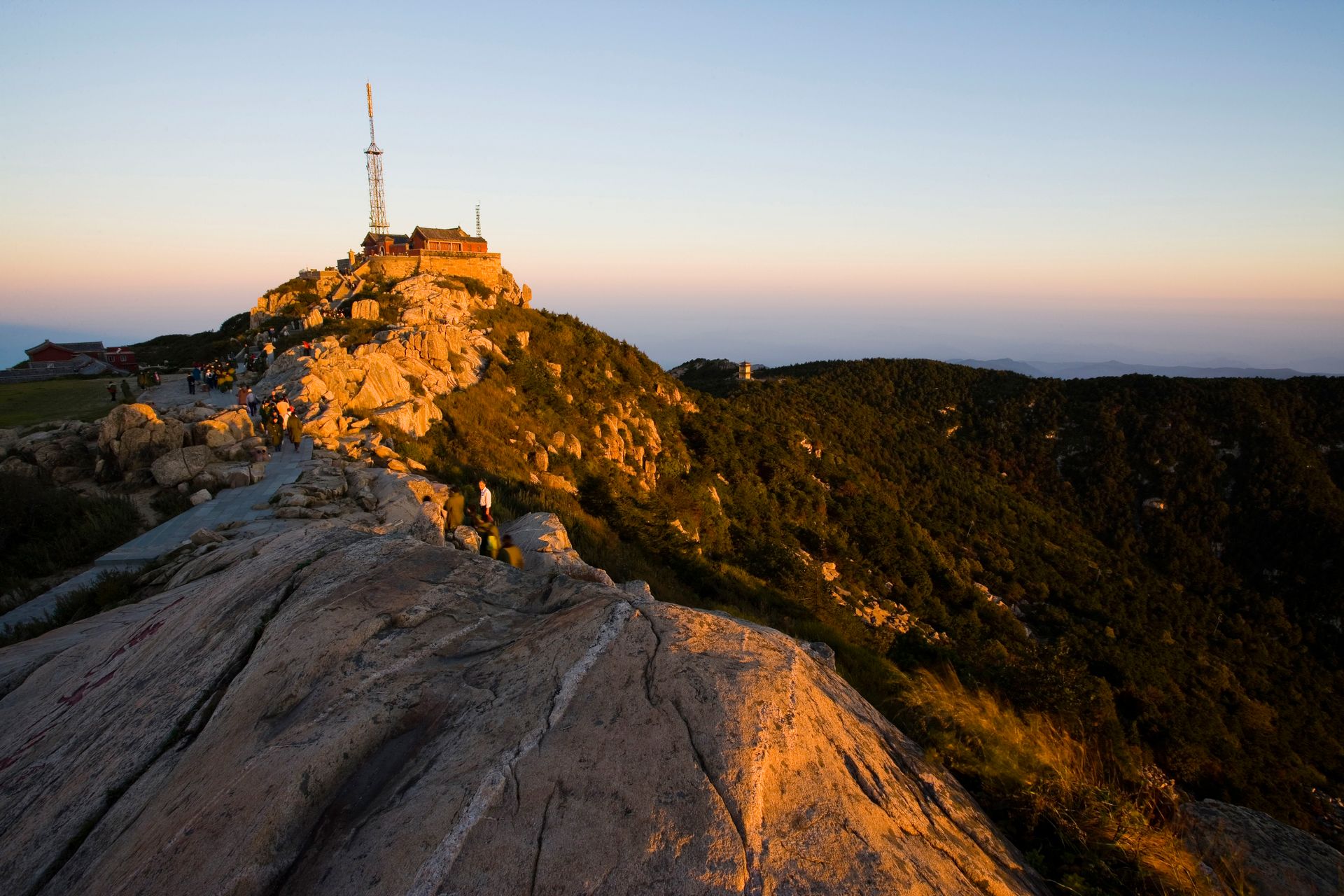
Mount Tai, known as the "First of the Five Sacred Mountains" in China, is not merely a mountain but a living testament to over 5,000 years of Chinese civilization. Rising majestically to an elevation of 1,545 meters at its highest peak, Jade Emperor Summit, this UNESCO World Heritage site covers an area of 426 square kilometers in the heart of Shandong Province. Its significance extends far beyond its physical stature; Mount Tai has been a symbol of imperial power and a sacred site for millennia. Ancient emperors, from the Qin to the Qing dynasties, performed elaborate Fengshan ceremonies here to honor heaven and earth, proclaiming their divine mandate to rule. The mountain's slopes are etched with the thoughts of legendary poets like Confucius, Li Bai, and Du Fu, who penned verses celebrating its grandeur. The forest coverage is an impressive 80%, creating a lush sanctuary that has nurtured both culture and nature. The area is also home to the Tai'an Mount Tai Energy Storage Leisure Exploration Science Water City, a modern marvel built around a high-altitude reservoir at over 400 meters. This 3.5-square-kilometer attraction combines industrial tourism with natural beauty, featuring a 17-kilometer-long cave system and a power plant, making it the largest industrial tourism site in East China. The fusion of ancient heritage and contemporary innovation makes Mount Tai a unique destination that captures the soul of China.
Highlights & Activities
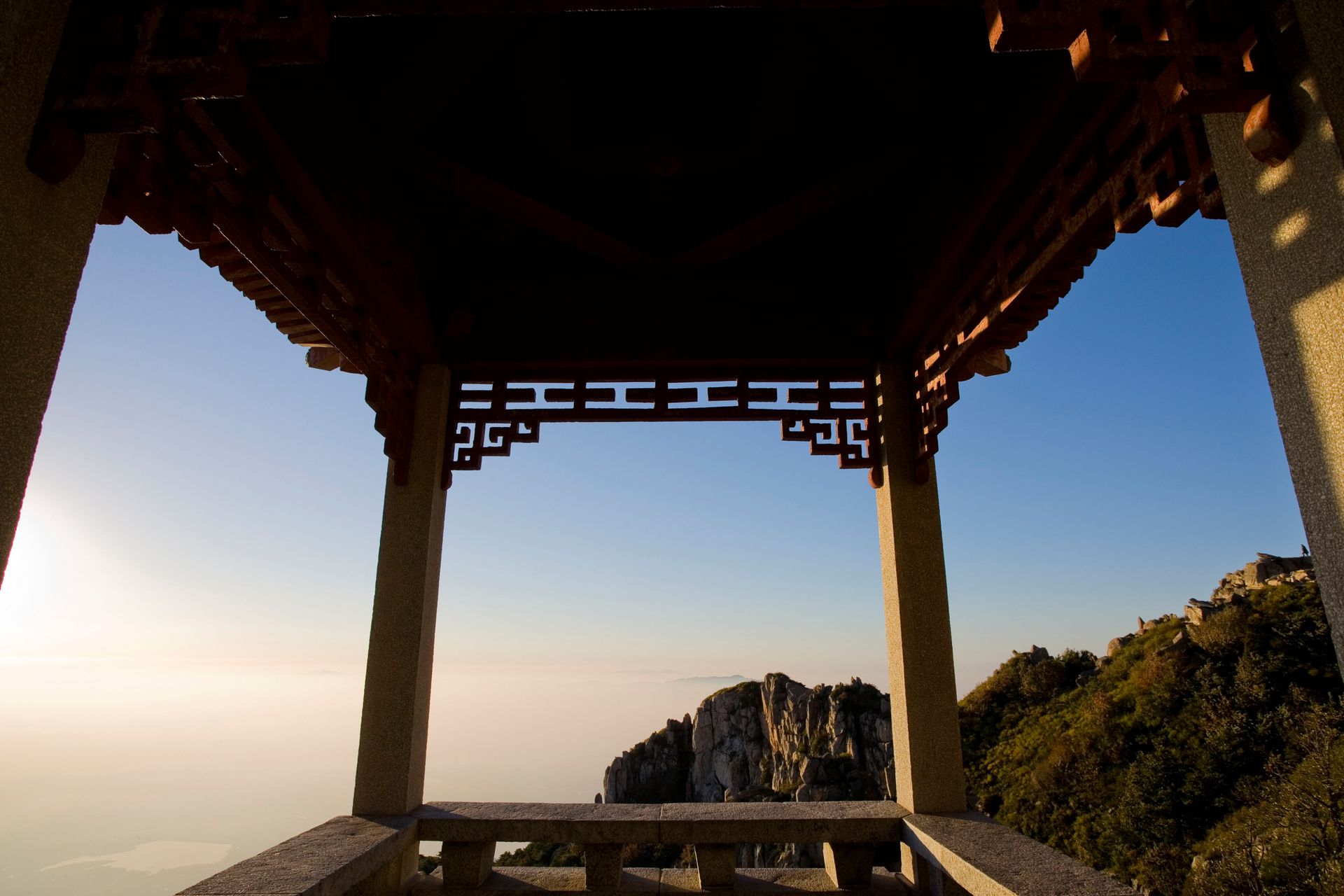
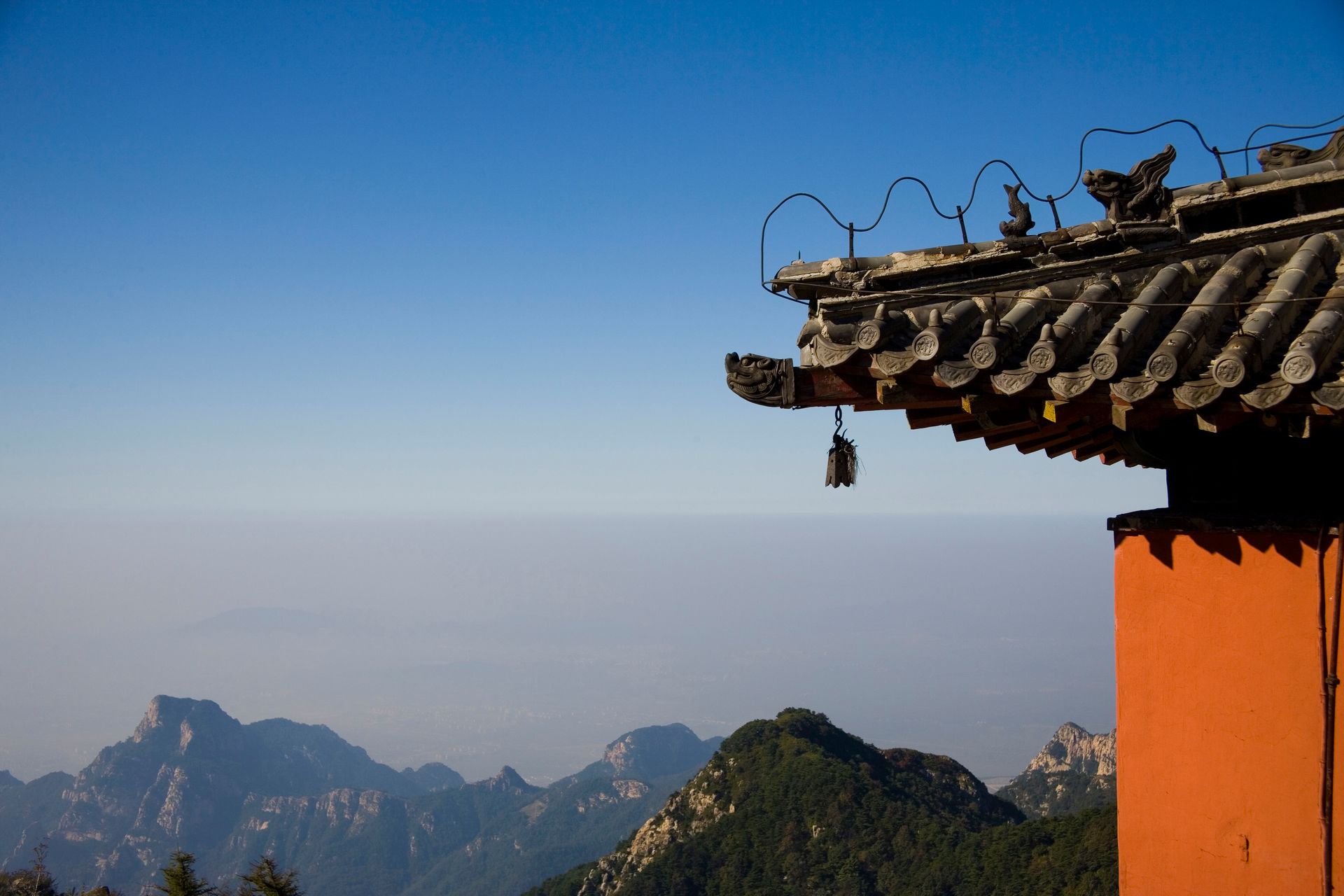
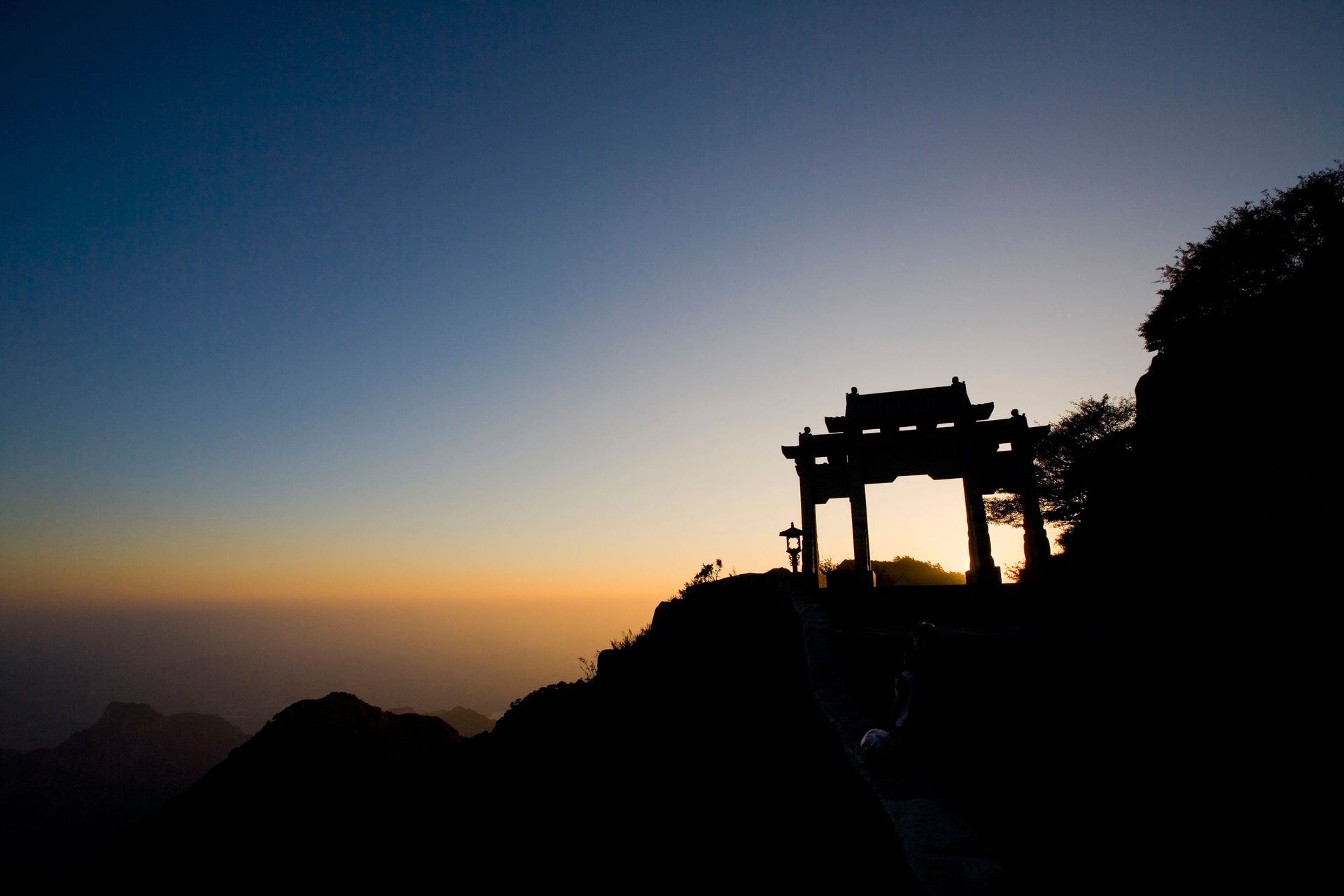
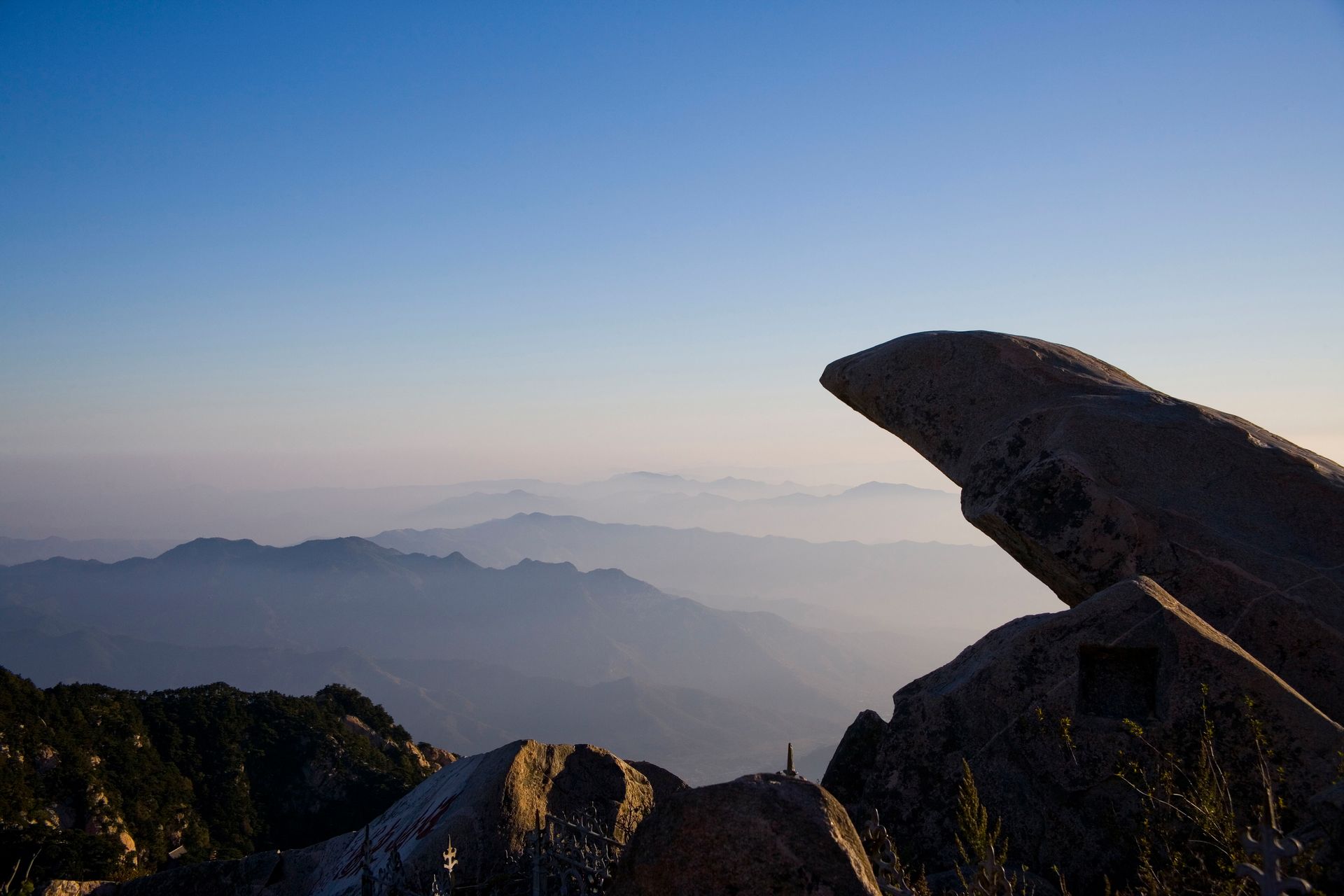
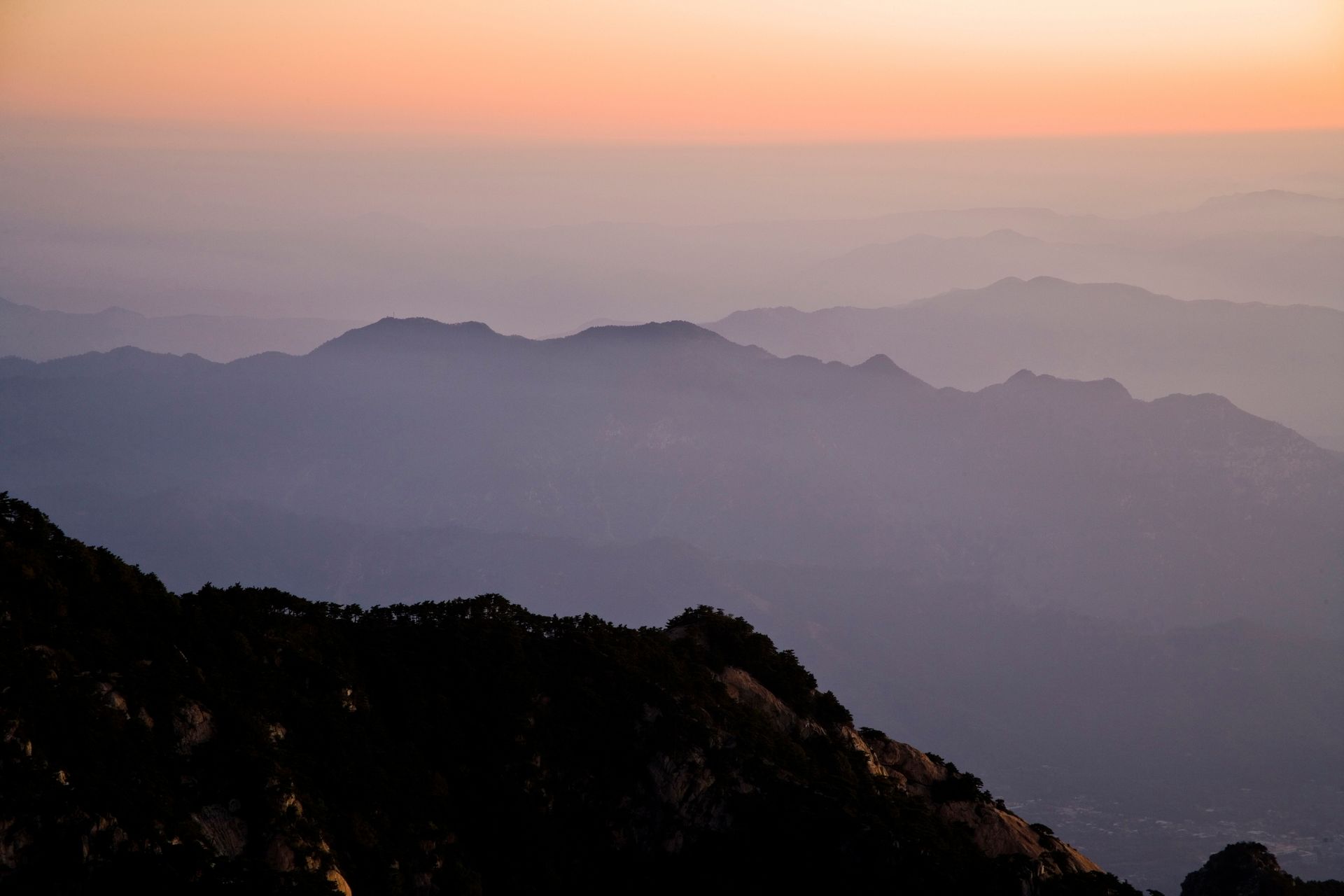
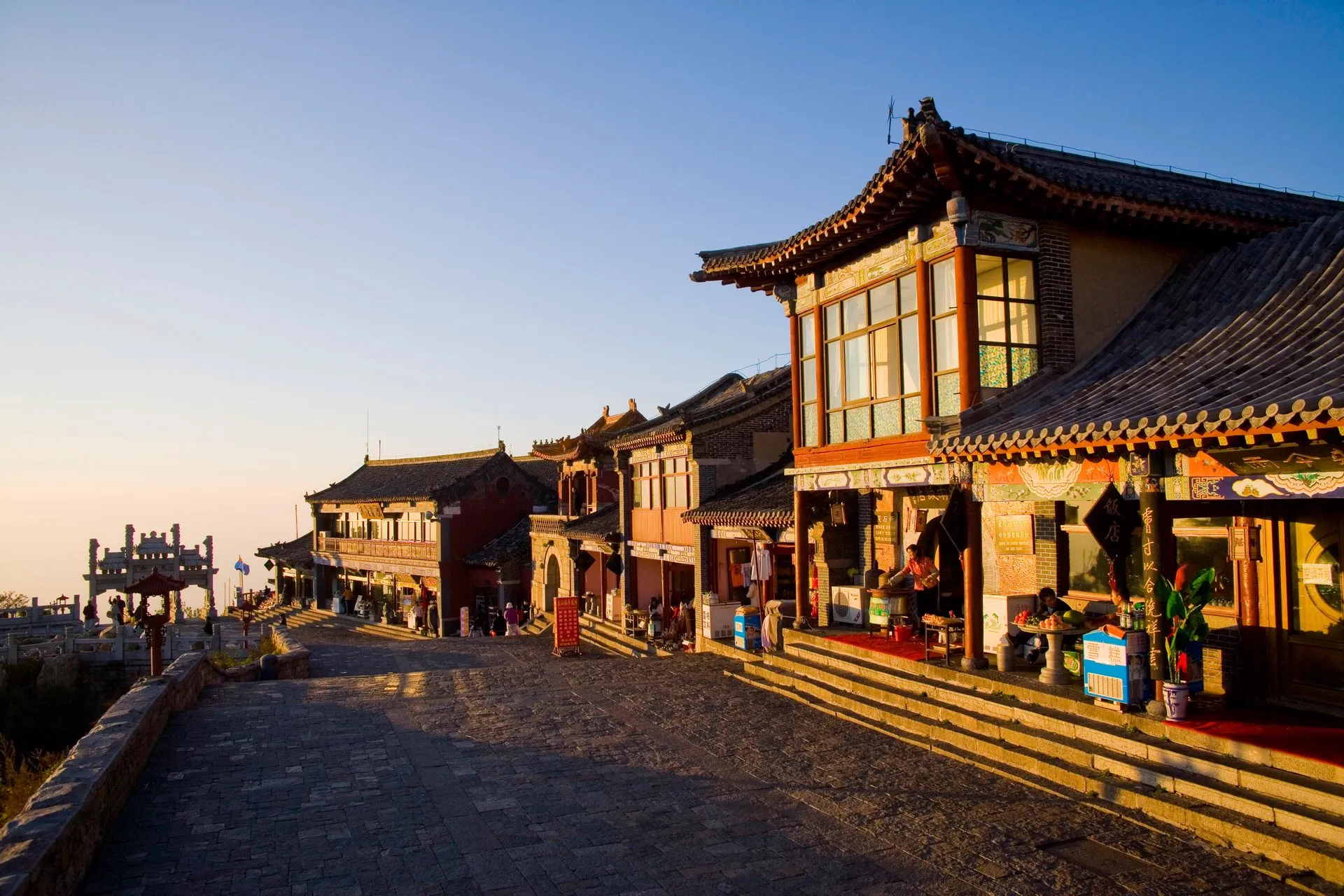
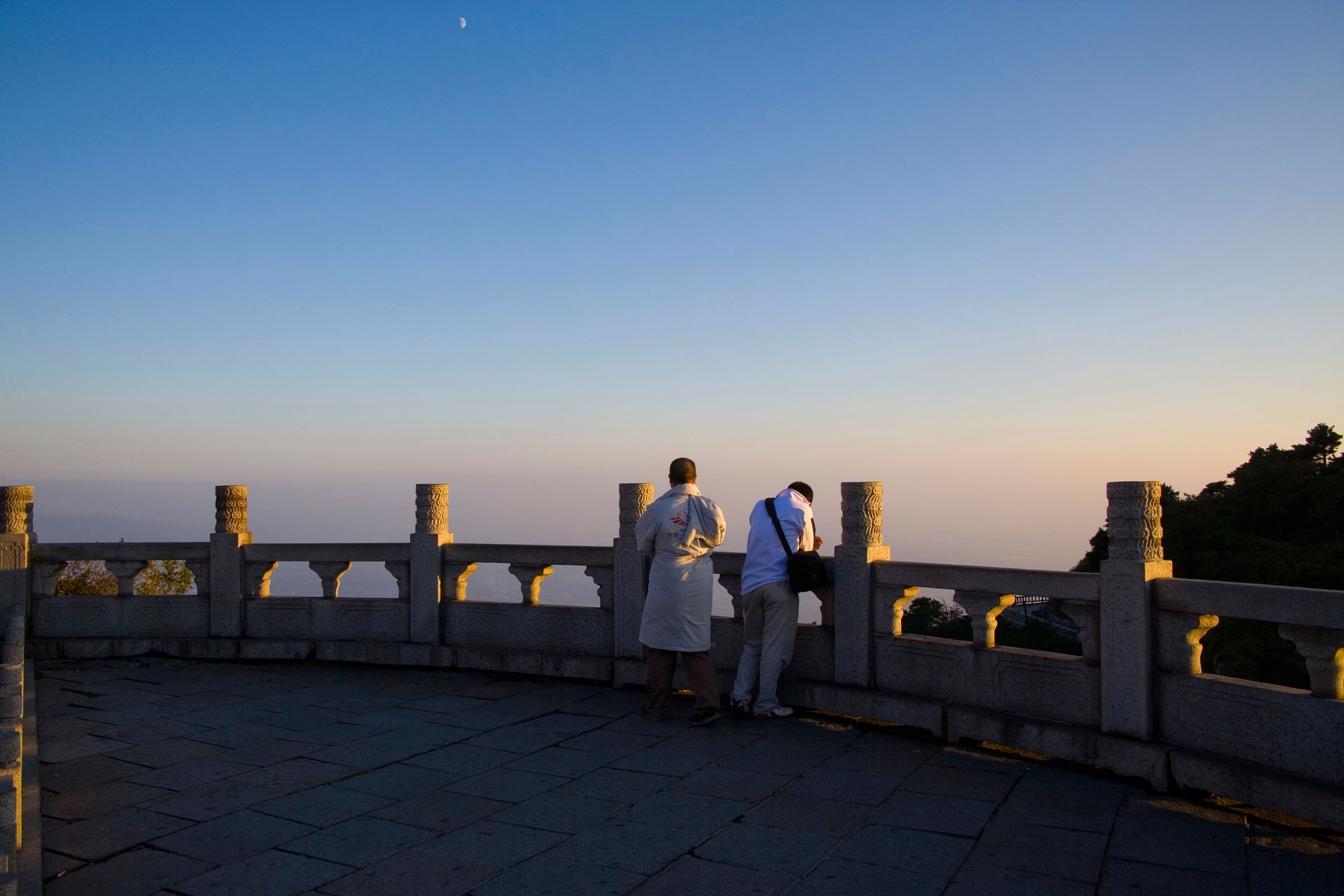
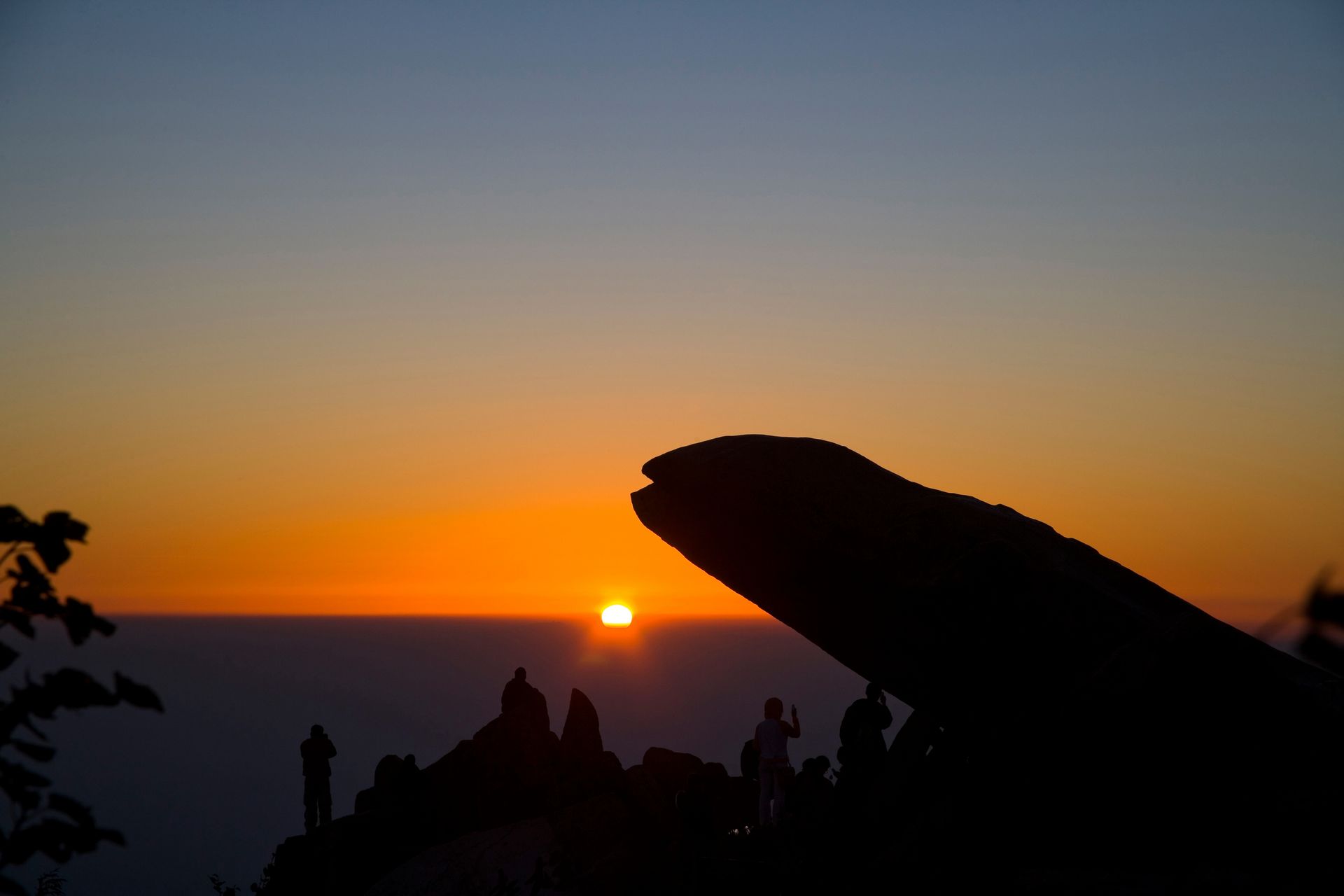
The summit of Mount Tai offers some of the most breathtaking natural spectacles in the world. The sunrise at Sun Viewing Peak is a must-see, where the sun emerges from a sea of clouds, casting golden hues across the horizon. For the best chance to witness this, plan your visit between September and early November, when the air is clearest. Another ethereal phenomenon is the "Buddha's Halo," a colorful rainbow-like ring that appears around your shadow on misty mornings or evenings, most common from June to August under specific weather conditions. The mountain is also a treasure trove of cultural relics. The Temple of the Jade Emperor, the Azure Clouds Temple, and the Dai Temple at the base are architectural masterpieces. The cliffside inscriptions, including the Qin Dynasty stone carvings (the oldest in China) and the Diamond Sutra at Sutra Rock Valley, are calligraphic wonders spanning over 2,200 years. Hiking the central route from the Red Gate is a classic experience, passing through ancient pine trees like the "Five Stretching Pines" and "Welcoming Guest Pine," as well as historical sites such as the Doumu Palace. For a more leisurely exploration, the Energy Storage Science Water City offers a unique "Heavenly Lake" landscape, with opportunities for cave exploration and learning about renewable energy. Don't miss the 22 well-preserved ancient building complexes, 12 stone archways, and 56 pools and waterfalls scattered across the mountain.
Key Attractions Nearby
Beyond the mountain itself, the city of Tai'an offers several complementary attractions. The Dai Temple, located at the foot of Mount Tai, is a sprawling complex that served as the site for ancient emperors to prepare for their ceremonies. Its Tiankuang Hall houses a magnificent Song Dynasty mural depicting the emperor's procession. The Mount Tai Energy Storage Science Water City, at the west end of Dongyue Street, is a modern industrial tourism site with a high-altitude reservoir, caves, and a power plant—perfect for families and science enthusiasts. For a taste of local spirituality, the Puzhao Temple and the Lingyan Temple, with its Song Dynasty clay arhat statues, are serene escapes. The nearby city of Qufu, just an hour away, is the birthplace of Confucius and home to the Confucius Temple, Cemetery, and Kong Family Mansion, all UNESCO World Heritage sites. Together, these sites form a cultural corridor that deepens the understanding of China's philosophical and religious traditions.
Where to Dine
Tai'an's culinary scene is rooted in Shandong cuisine, known for its fresh, savory flavors. A must-try is the "Three Beauties of Mount Tai" soup, made from local cabbage, tofu, and spring water. The tofu is silky and rich, the cabbage sweet, and the water from the mountain adds a unique purity. For a hearty meal, visit the "Mount Tai Family" restaurant at 137 Dongyue Street (phone: 0538-6662001), where the average cost is 48 yuan per person. Their sweet and sour carp and candied sweet potatoes are local favorites, and the service is quick. For a more upscale experience, the Mount Tai Grand Hotel at 210 Daizong Street offers a variety of dishes with a view of the mountain. Don't forget to try the local "Buddha Peach," a legendary fruit once presented to Emperor Xianfeng, which is sweet and juicy when in season.
Weather & Best Time to Visit
Mount Tai experiences a monsoon climate, with distinct seasons. The best time to visit is from April to November, when the weather is mild and the scenery is at its peak. Spring (April-May) brings blooming flowers and cool temperatures, but pack layers as mornings and evenings can be chilly. Summer (June-August) is ideal for watching the sunrise and the Buddha's Halo, though it can be crowded and humid. Autumn (September-November) is the most pleasant, with clear skies, crisp air, and vibrant foliage—perfect for hiking and photography. Winter (December-February) offers a serene, snowy landscape, but temperatures can drop below freezing, and some paths may be icy. For the best views of the sunrise, aim for autumn mornings; for the Buddha's Halo, summer afternoons with half-sun, half-fog conditions are your best bet. Always check the local forecast before your trip, as visibility can vary.
Travel Tips
Getting There: Mount Tai is located in Tai'an City, Shandong Province. From Tai'an's city center, take bus 2, 3, or 16 to the Red Gate (the main starting point for hiking). For the Energy Storage Science Water City, take buses 4, 16, or 29 to Dahe Bridge and walk 50 meters north. The mountain is easily accessible by high-speed rail from Beijing (about 2 hours) or Shanghai (about 3 hours).
Fees & Hours: The mountain is open 24 hours. Peak season (February 1 to November 30) tickets are 127 yuan; off-season (December 1 to January 31) are 102 yuan. Discounts are available for students (60 yuan peak, 50 yuan off-peak), seniors over 60, and free entry for active military, disabled persons, children under 1.2 meters, and seniors over 70. The Science Water City charges 50 yuan and is open 8:30 AM to 5:00 PM.
What to Bring: Comfortable hiking shoes are essential, as the climb involves over 6,000 steps. In summer, bring sunscreen, a hat, and plenty of water. In winter, warm layers, gloves, and non-slip boots are a must. A flashlight is useful for pre-dawn hikes to catch the sunrise. Consider renting a coat at the summit if you didn't bring enough layers. For the Science Water City, comfortable walking shoes and a camera are recommended to capture the caves and reservoir views.
Contact: For Mount Tai inquiries, call 0538-8066114. For the Science Water City, call 0538-8142081. Feedback on travel guides can be sent to guideeditor@qyer.com.