Overview & History
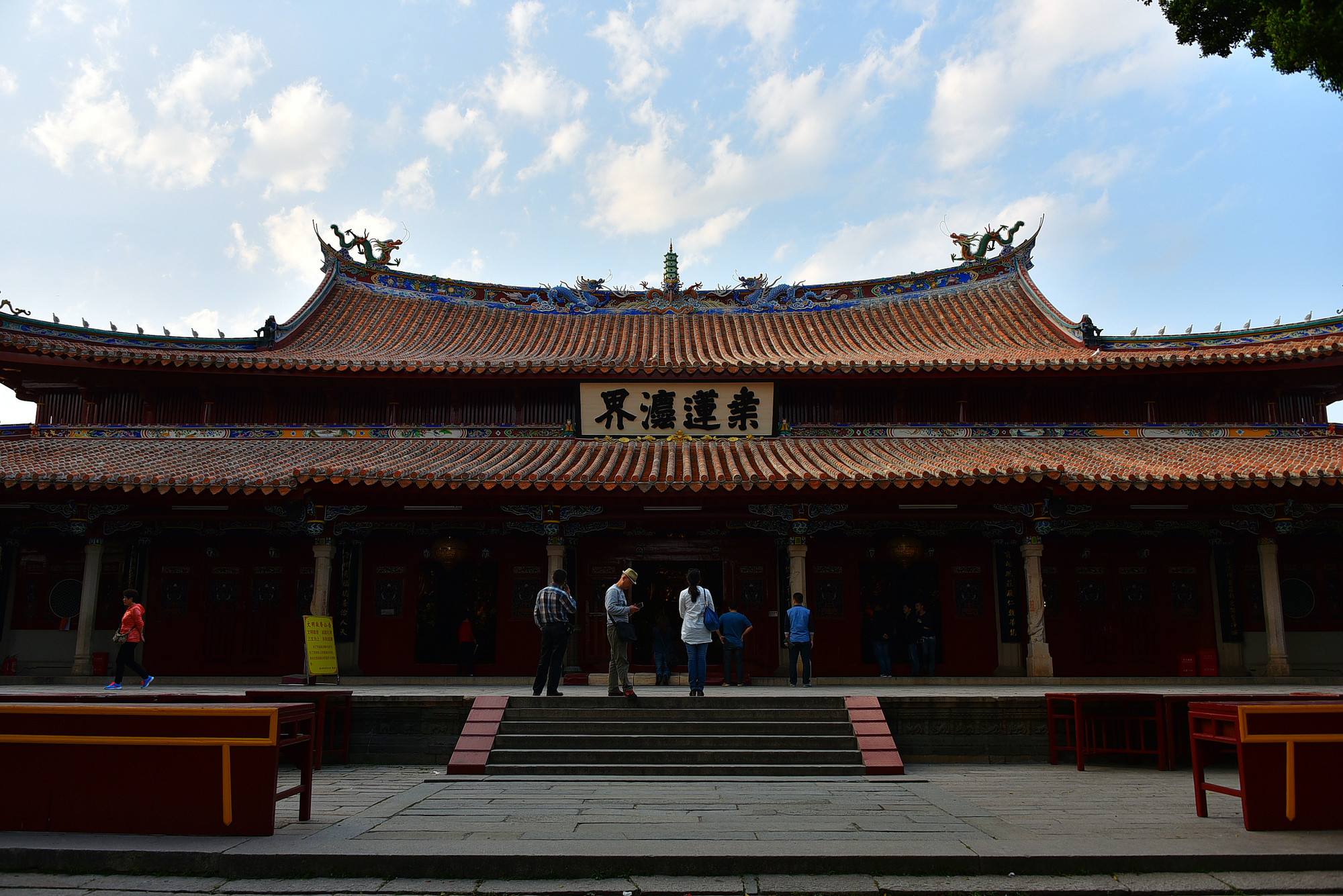
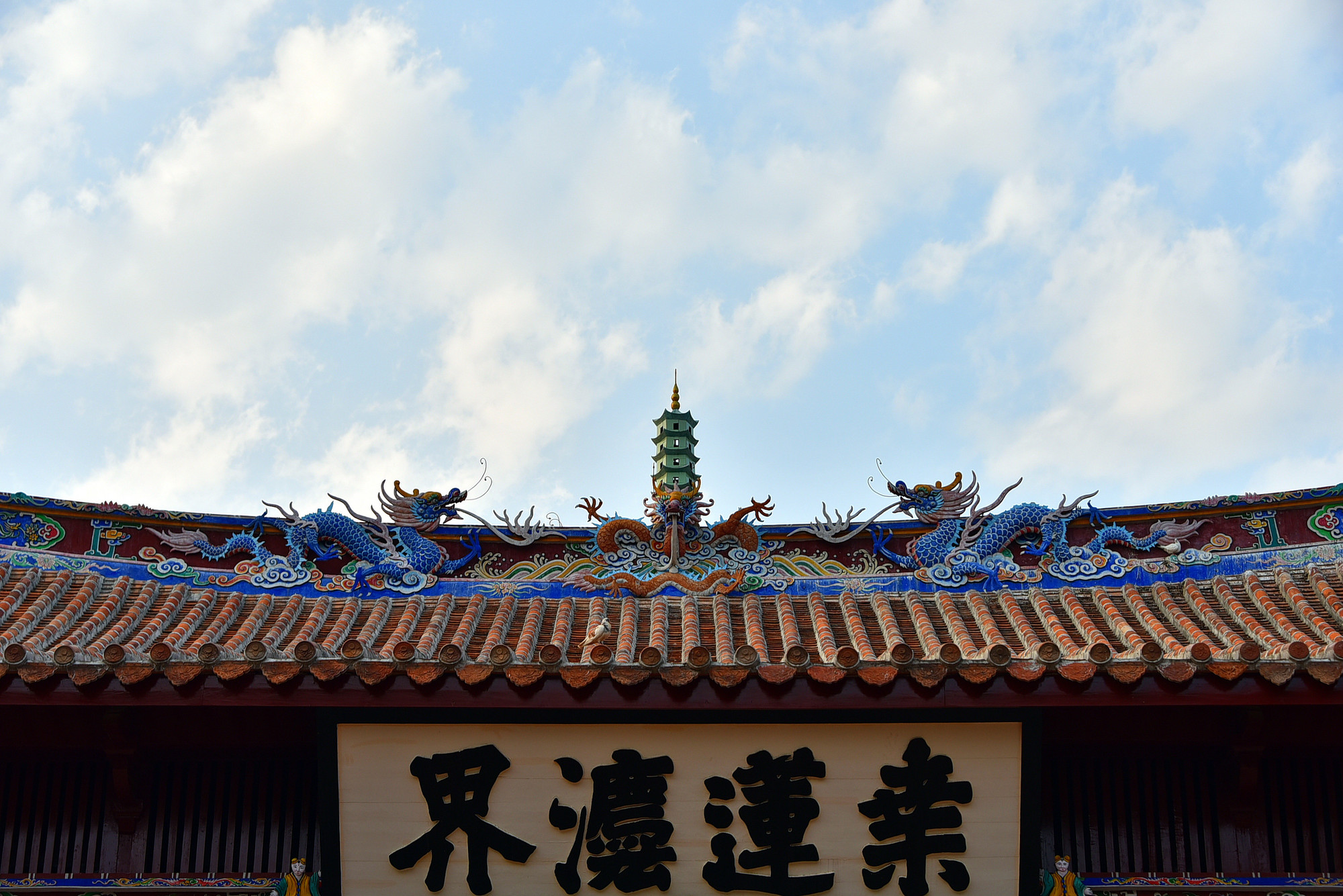
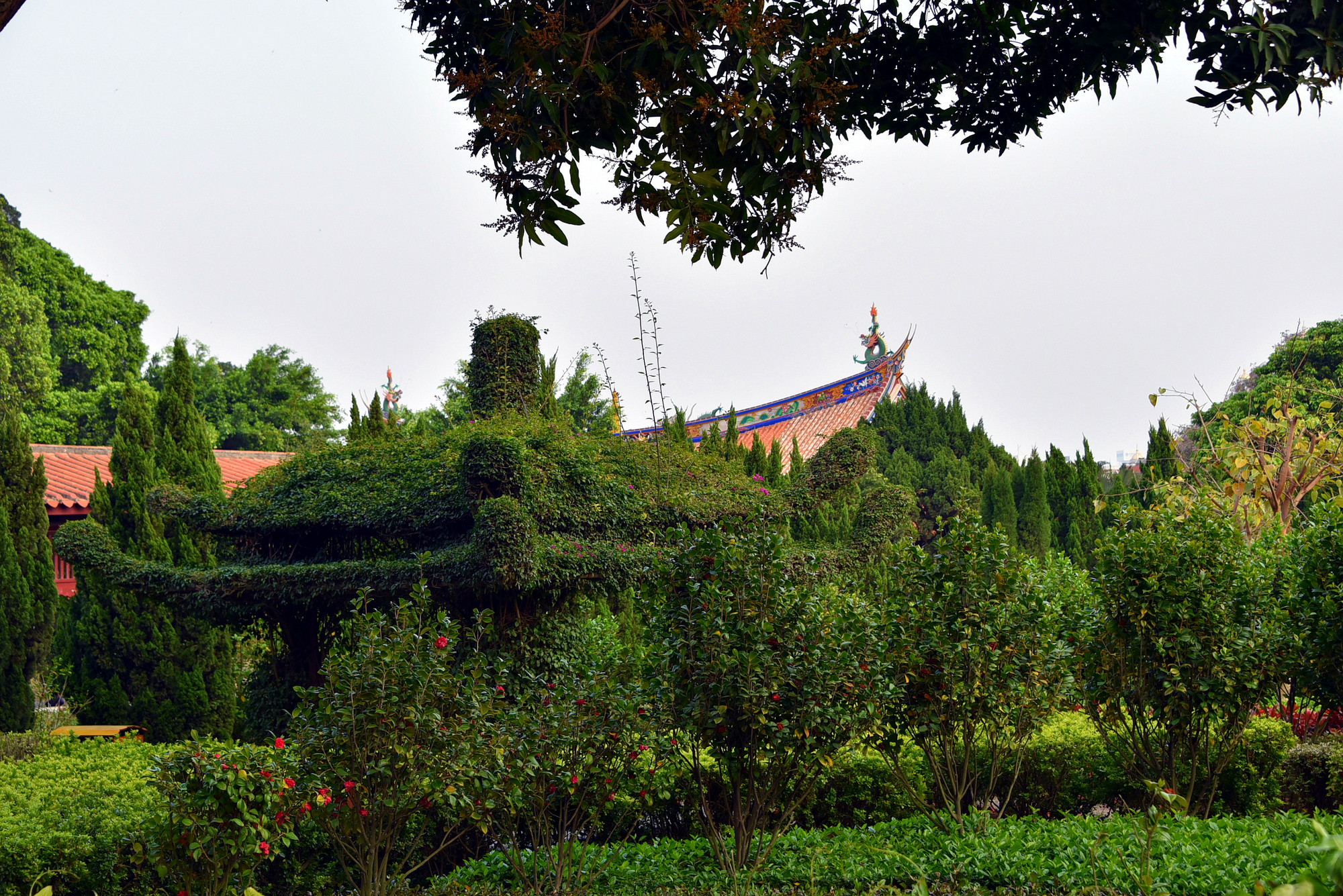
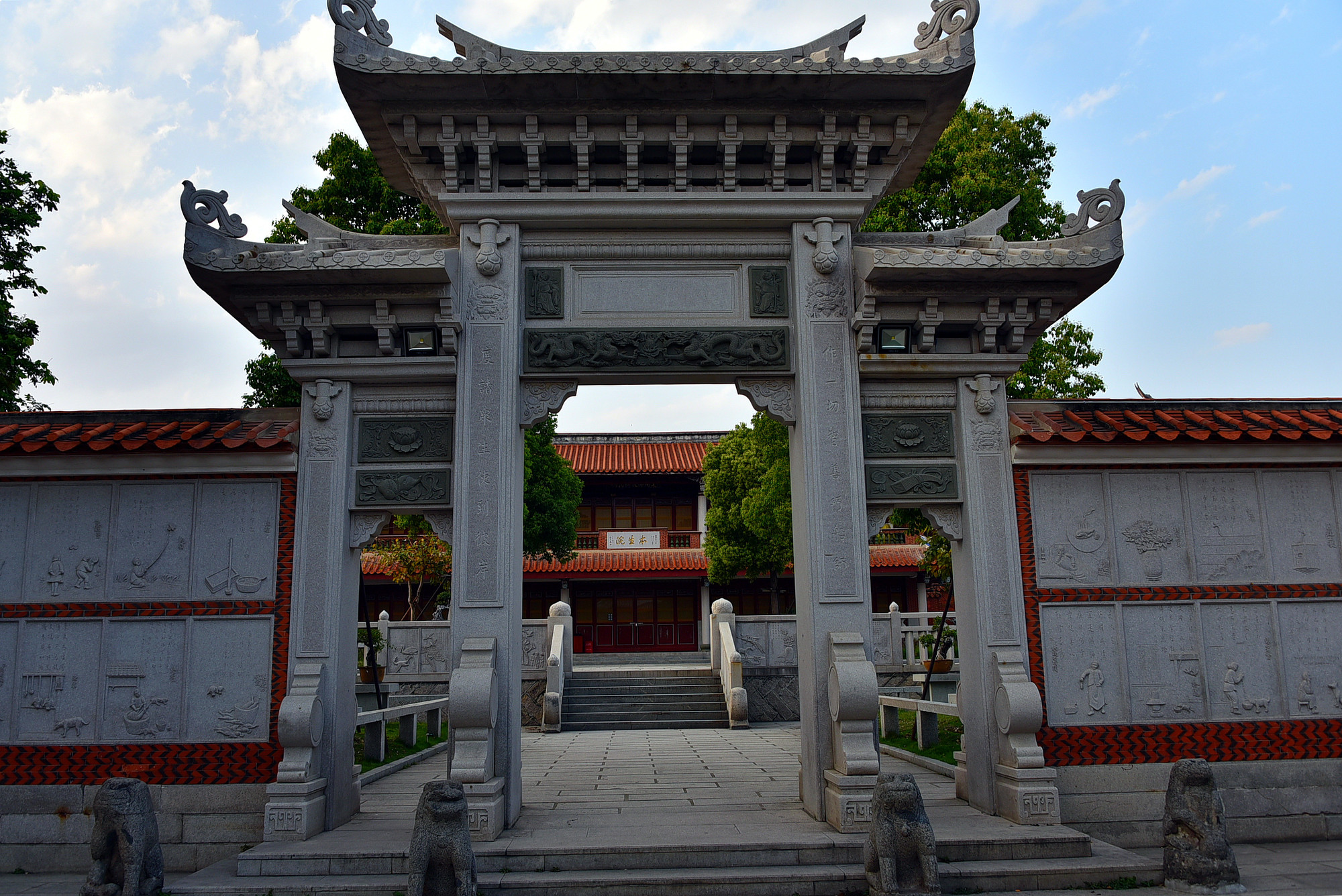
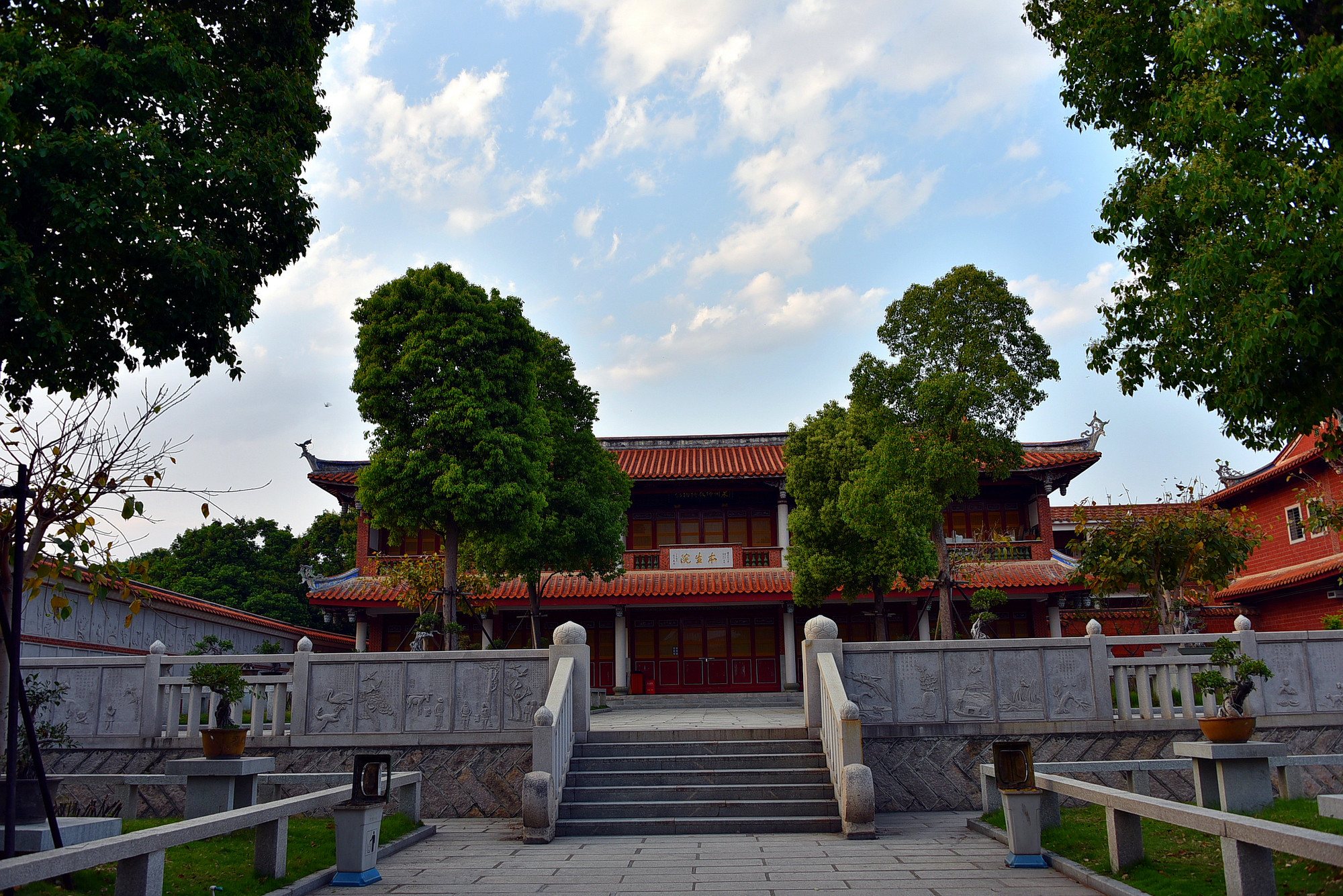
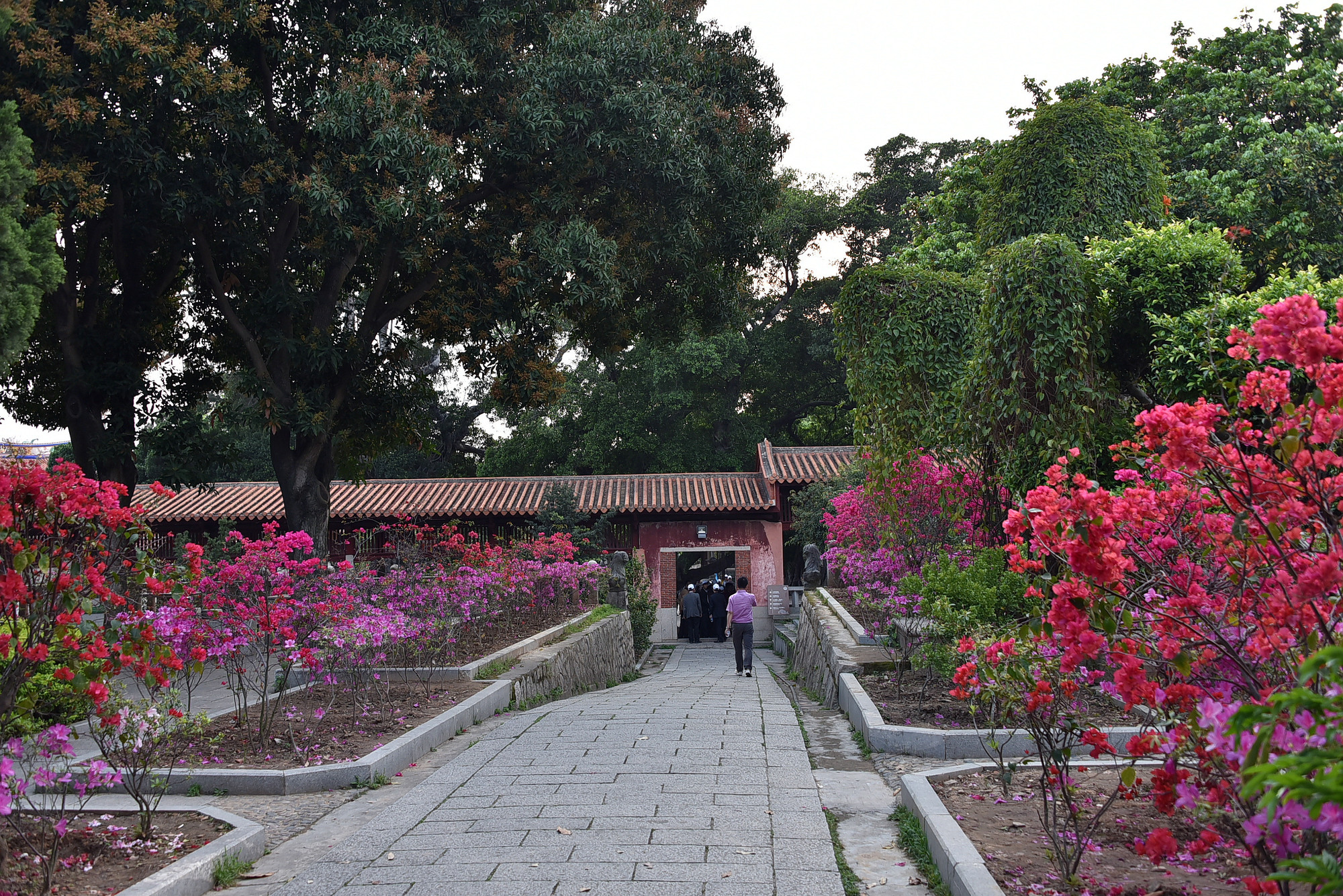
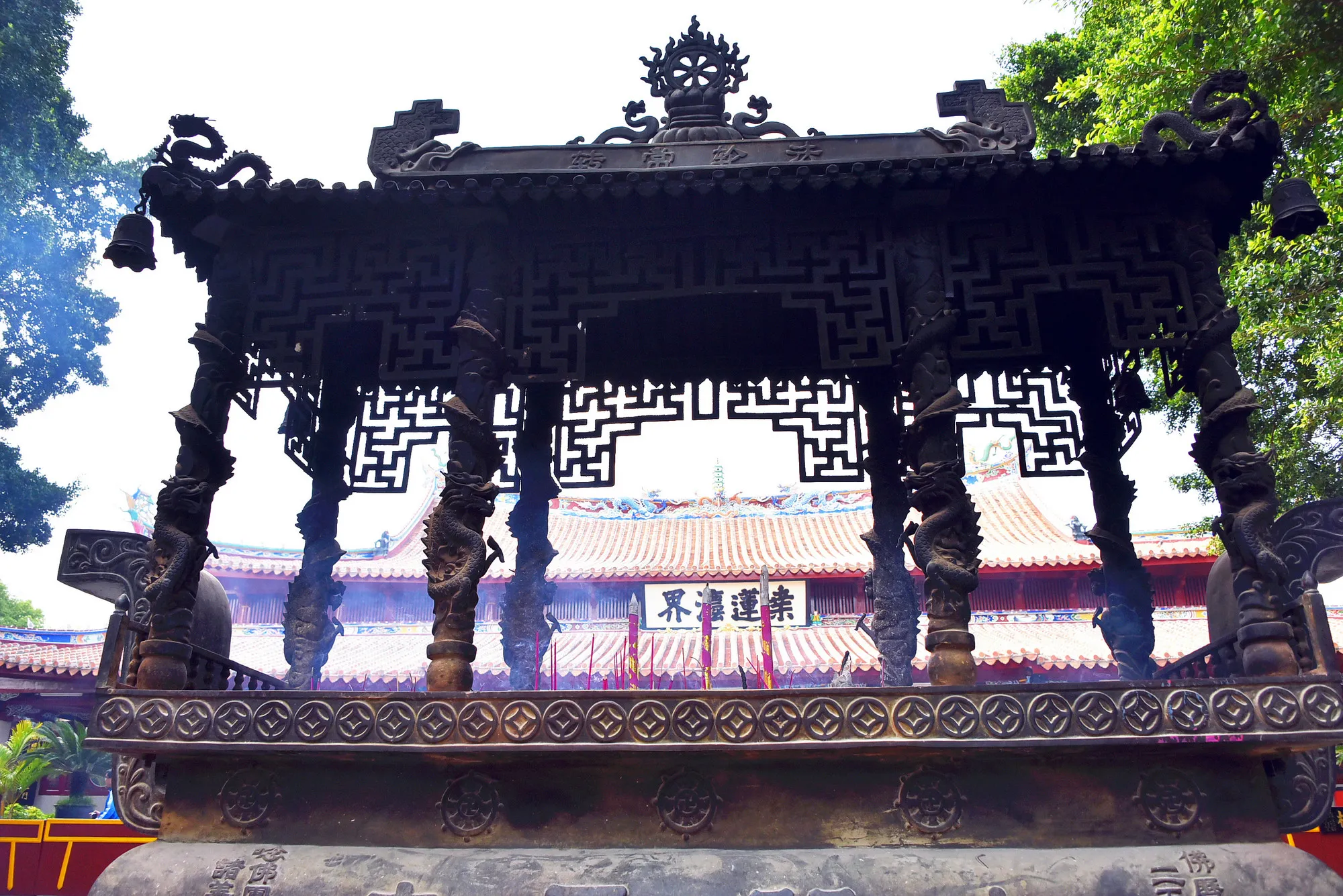
In the heart of Quanzhou’s ancient West Street, where the skyline is deliberately kept low to preserve a single, soaring silhouette, stands Kaiyuan Temple—a living testament to over 1,300 years of faith, trade, and cultural fusion. Founded in 686 AD during the Tang Dynasty and named after the reign title of Emperor Xuanzong, this sprawling 7.8-hectare complex is not only the largest Buddhist temple in Fujian Province but also a UNESCO World Heritage site candidate that encapsulates Quanzhou’s golden age as the starting point of the Maritime Silk Road.
What makes Kaiyuan Temple truly extraordinary is its role as a crossroads of civilizations. Unlike many Chinese temples that evolved in relative isolation, Kaiyuan Temple absorbed influences from Indian Hinduism, Southeast Asian Buddhism, and even ancient Greek art, all filtered through the port city’s cosmopolitan spirit. The temple’s resilience is equally remarkable: its iconic twin pagodas have withstood eight-magnitude earthquakes, and the complex itself—though now only a tenth of its original size after centuries of fires and rebuilds—remains the spiritual and architectural anchor of Quanzhou.
Highlights & Activities
The Twin Pagodas (East and West Pagodas)
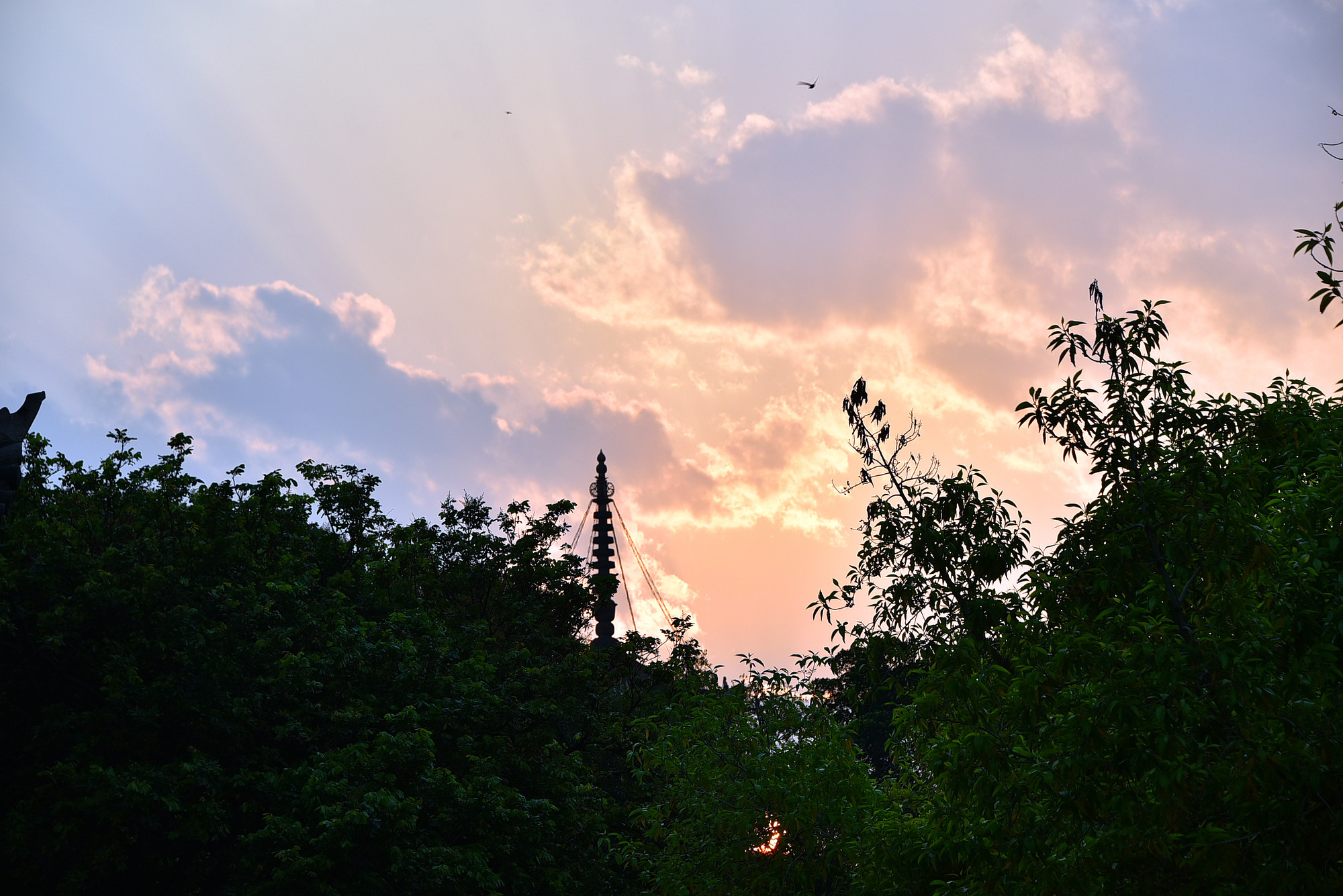
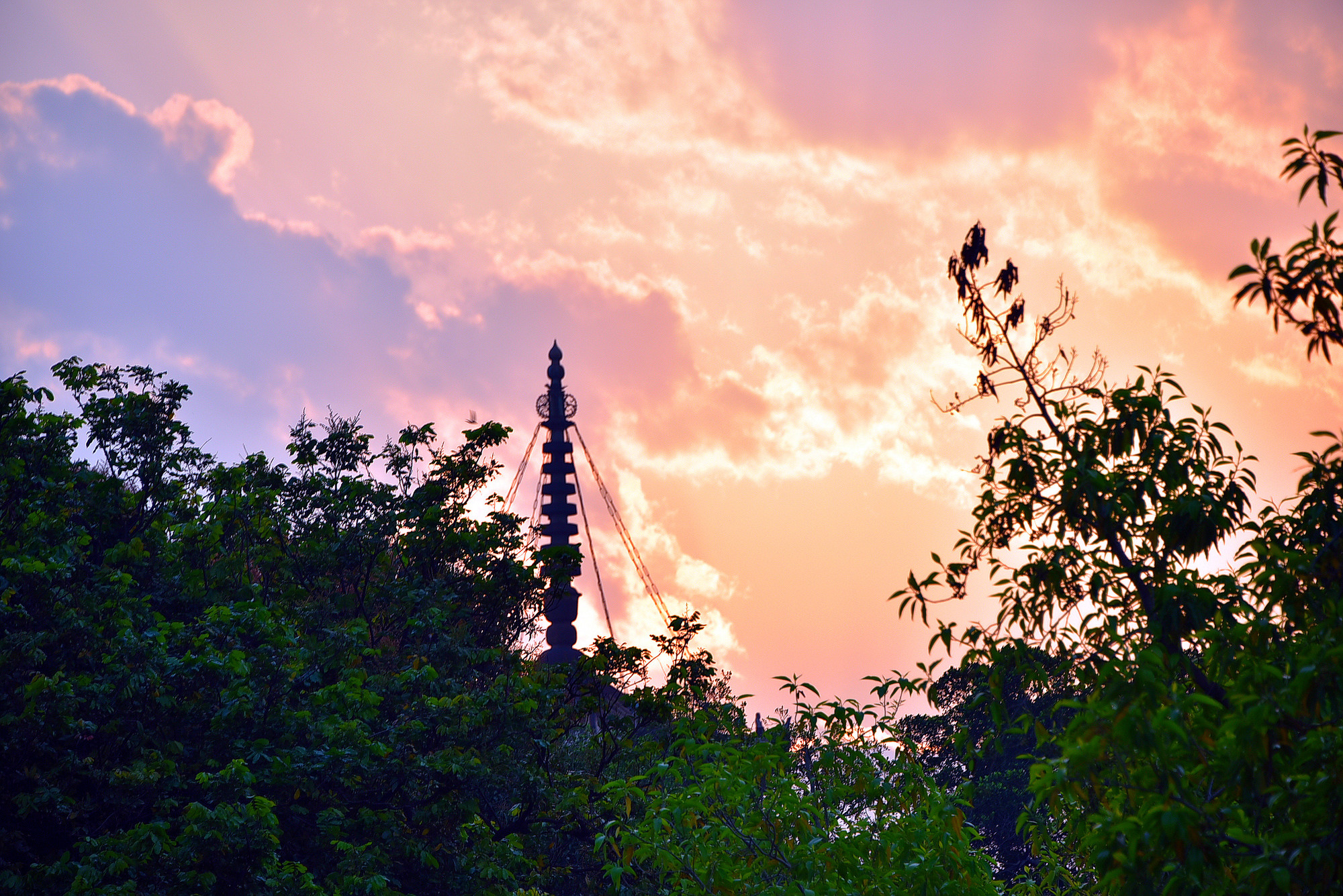
The first thing you’ll notice—and the reason Quanzhou’s old town has no building taller than them—are the East Pagoda (Zhenguo Pagoda) and West Pagoda (Renshou Pagoda). Originally built in the Tang Dynasty and rebuilt in stone during the Song Dynasty, these 48-meter-tall structures are masterpieces of medieval engineering. Each pagoda is adorned with intricate stone carvings that blend ancient Yue culture, Central Plains aesthetics, and overseas motifs. Look closely at the fourth level of the West Pagoda: you’ll find a carving of a monkey-like figure wielding a ring-headed staff—widely considered a prototype of the legendary Sun Wukong from Journey to the West.
The Hundred Pillar Hall (Main Hall)
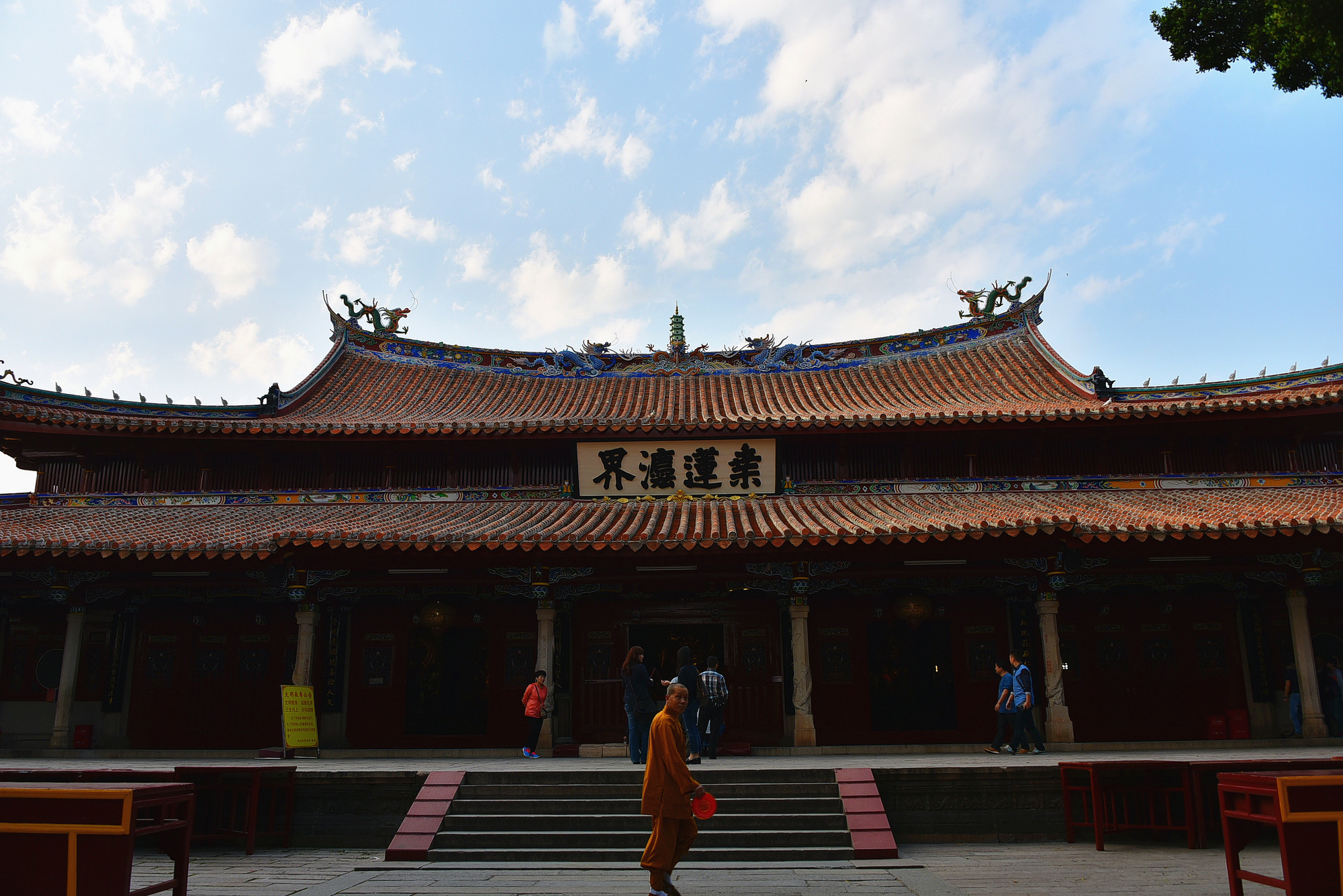
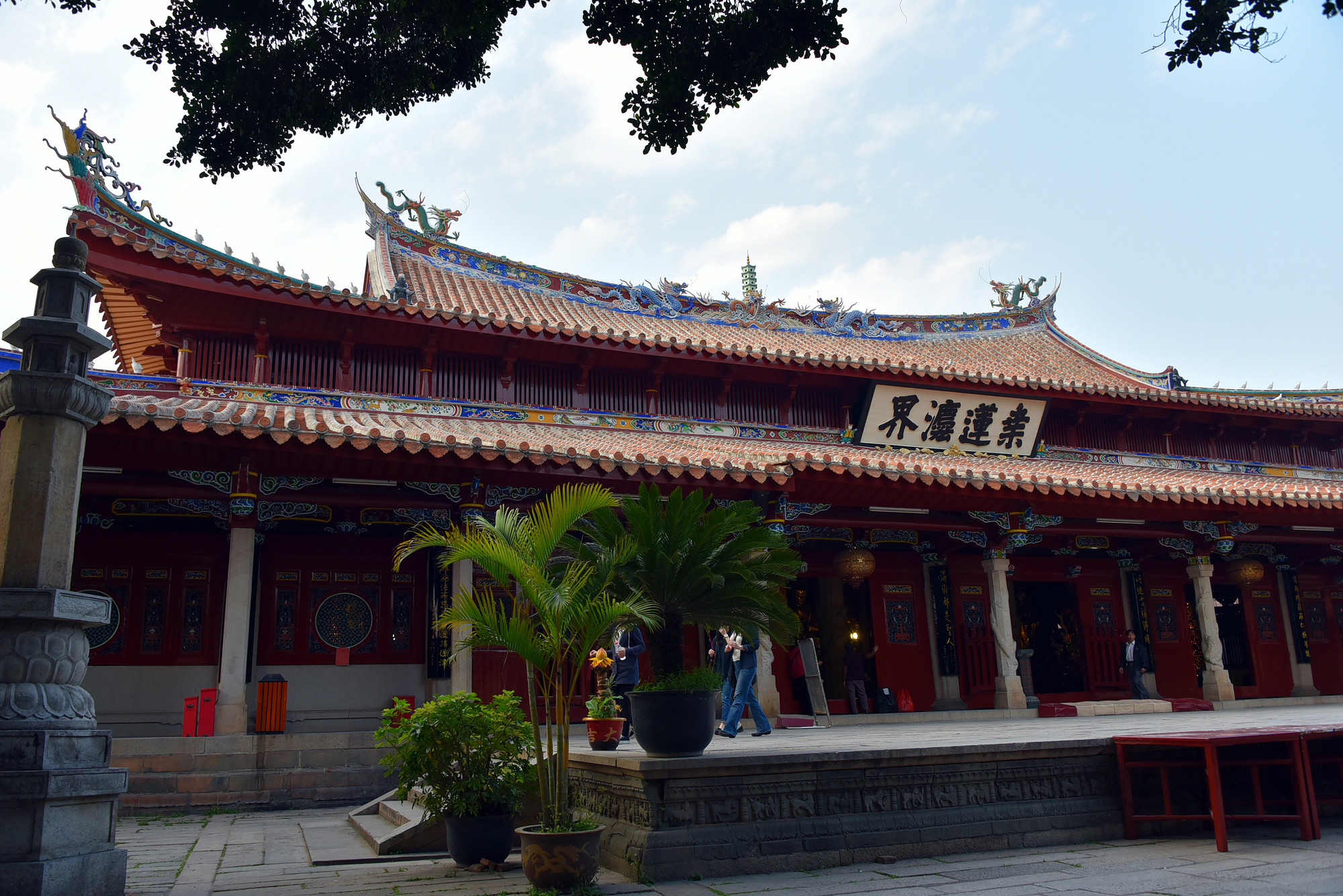
Step inside the main hall, a rare Tang-era structure with 96 pillars (hence “hundred pillars”), soaring 20 meters high with nine bays and six depths. The ceiling’s dougong brackets are adorned with 24 “Flying Celestial Musicians” (Miaoyin Niao)—bird-bodied, human-headed angels that fuse Indian Buddhist apsaras, Western angel imagery, and ancient Chinese ritual dance. These exquisite figures are a microcosm of Quanzhou’s multicultural heritage.
The Sphinx Carvings & Shiva Relief
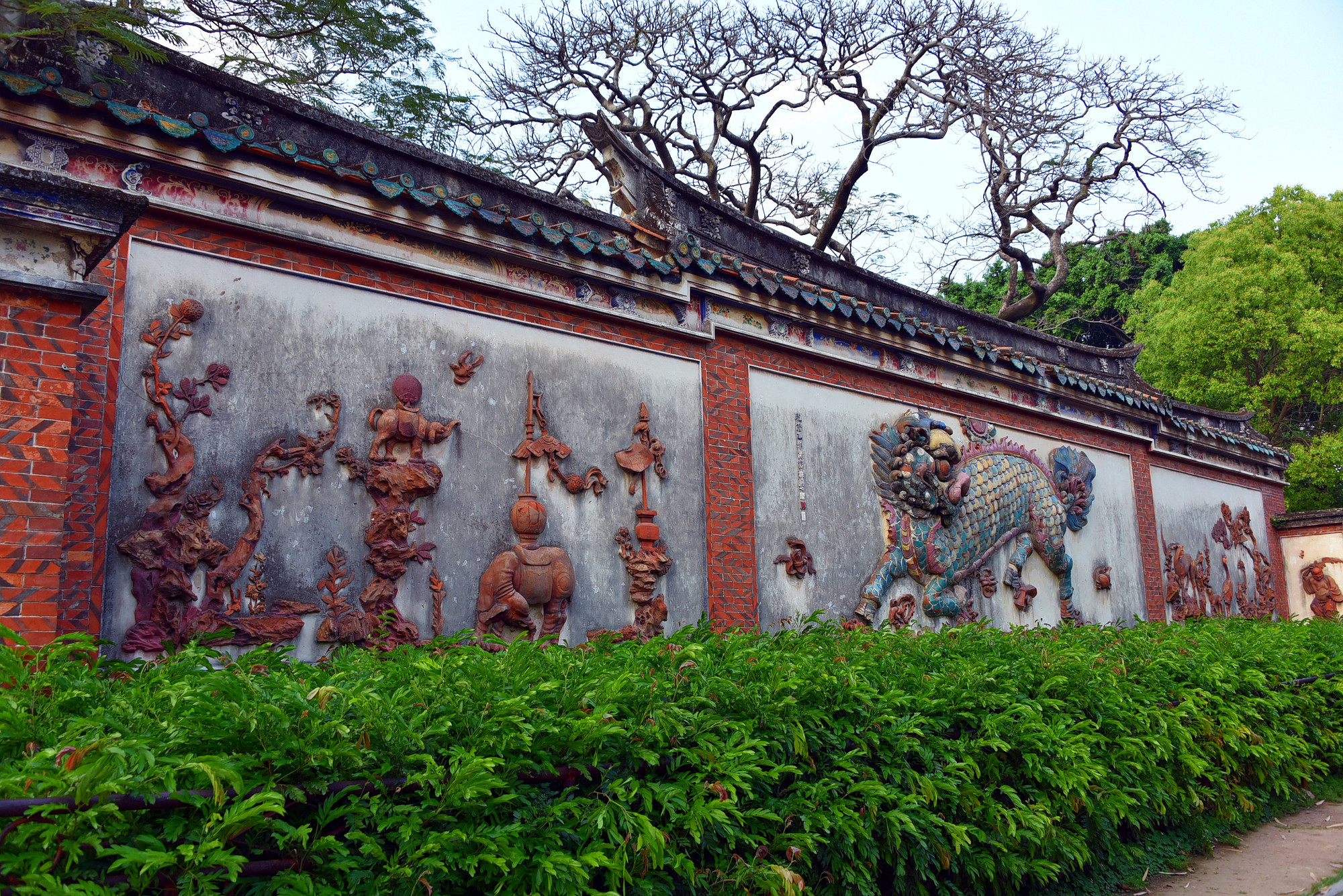
On the stone platform in front of the main hall, don’t miss the 72 sphinx-like bas-reliefs—rare in Chinese Buddhist temples. They were originally part of a Hindu temple that was destroyed during Ming Dynasty purges; the fragments were repurposed here as a poignant reminder of religious tolerance. Behind the hall, a small Shiva figure carved into a pillar further underscores this legacy.
Master Hongyi Memorial Hall
A five-room gallery dedicated to the legendary monk, artist, and calligrapher Master Hongyi (Li Shutong). See his handwritten sutras, personal seals, and even a photograph of him performing in Camille as a young man. The hall also displays works by Xu Beihong and Feng Zikai, offering a rare glimpse into the life of one of modern China’s most revered spiritual figures.
The Ancient Mulberry Tree & Ordination Platform
In the rear courtyard, a 1,300-year-old mulberry tree—said to be the oldest in China—still stands. Legend says it once bloomed white lotuses, a miracle that led to the temple’s founding. Nearby, the Sweet Dew Ordination Platform (Ganlu Jietan) is one of China’s three great ordination platforms, shaded by ancient bodhi trees.
The Ancient Ship Museum
At the rear of the temple, a small museum houses a remarkable 13th-century Song Dynasty ship, discovered in 1974 in the mud of Houzhu Port. It is the oldest and largest ancient Chinese ship ever found, a testament to Quanzhou’s maritime prowess.
Key Attractions Nearby
Quanzhou Museum (free, closed Mondays) – Located on the north side of West Lake Park, this comprehensive museum features exhibits on Quanzhou history, Nanyin opera, and a fascinating Southern Architecture Museum with salvaged components from Ming and Qing archways.
Quanzhou Overseas Chinese History Museum (free, closed Mondays) – At 732 Donghu Street, this museum chronicles the diaspora stories of the Southern Fujian people, who funded schools, hospitals, and even the reconstruction of the Quanzhou Shaolin Temple.
Quanzhou Shaolin Temple – About 1.1 km uphill from the city, this martial arts temple offers a serene, imposing atmosphere. Visit at 10 AM to see monks training, and check their Weibo for martial arts class schedules.
Where to Dine
Kaiyuan Temple itself offers a vegetarian meal service at the Five Contemplations Hall (Wuguan Tang), which must be reserved in advance. For local flavors, West Street is lined with restaurants serving Quanzhou classics like oyster omelets, peanut soup, and mianxian hu (thin rice noodles in broth). Nearby, try Laoji Si’s Oyster Omelet or Zhuang Yuan Street’s braised pork rice. The temple’s own vegetarian dishes are light, fragrant, and a perfect palate cleanser after exploring.
Weather & Best Time to Visit
Quanzhou has a subtropical monsoon climate, with mild winters (10–15°C) and hot, humid summers (28–35°C). The best time to visit is October to December or March to May, when temperatures are pleasant and rainfall is lower. Avoid the rainy season (June–August) and the peak tourist periods of Chinese New Year and National Day (October 1–7).
Festival tip: The 26th day of each lunar month is the temple’s busiest day—the Buddha’s birthday celebration draws crowds from dawn to dusk, with incense smoke filling West Street.
Travel Tips
- Address: 176 West Street, Licheng District, Quanzhou
- Opening hours: 8:00–17:30 daily
- Admission: Free (note: some older sources mention a 10 yuan fee, but it is currently free)
- Phone: 0595-22383285
- Website: www.qzdkys.com
- Getting there: Take buses No. 2, 14, 40, or 601 to Kaiyuan Temple Station. Taxis are also plentiful from anywhere in the city.
- What to bring: Comfortable walking shoes (the temple is large), a hat for sun protection, and a small notebook if you want to sketch the pagodas. Photography is allowed, but flash is prohibited in the main hall.
- Etiquette: Dress modestly, speak quietly, and avoid touching the carvings. The temple is an active place of worship—respect the monks and worshippers.
- Nearby: Combine your visit with a stroll along West Street, where you can sample local snacks and see traditional Minnan architecture.