Overview & History
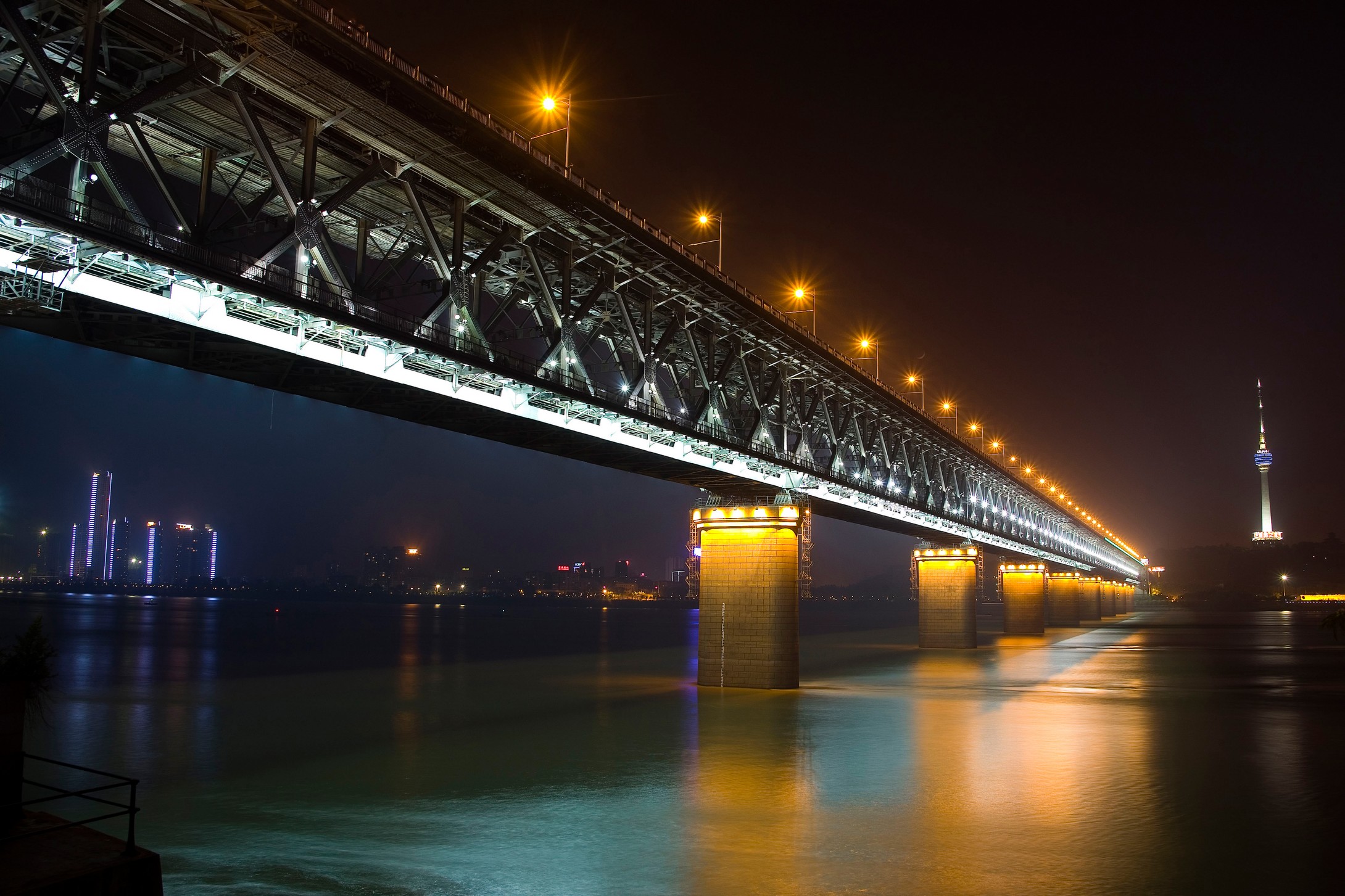
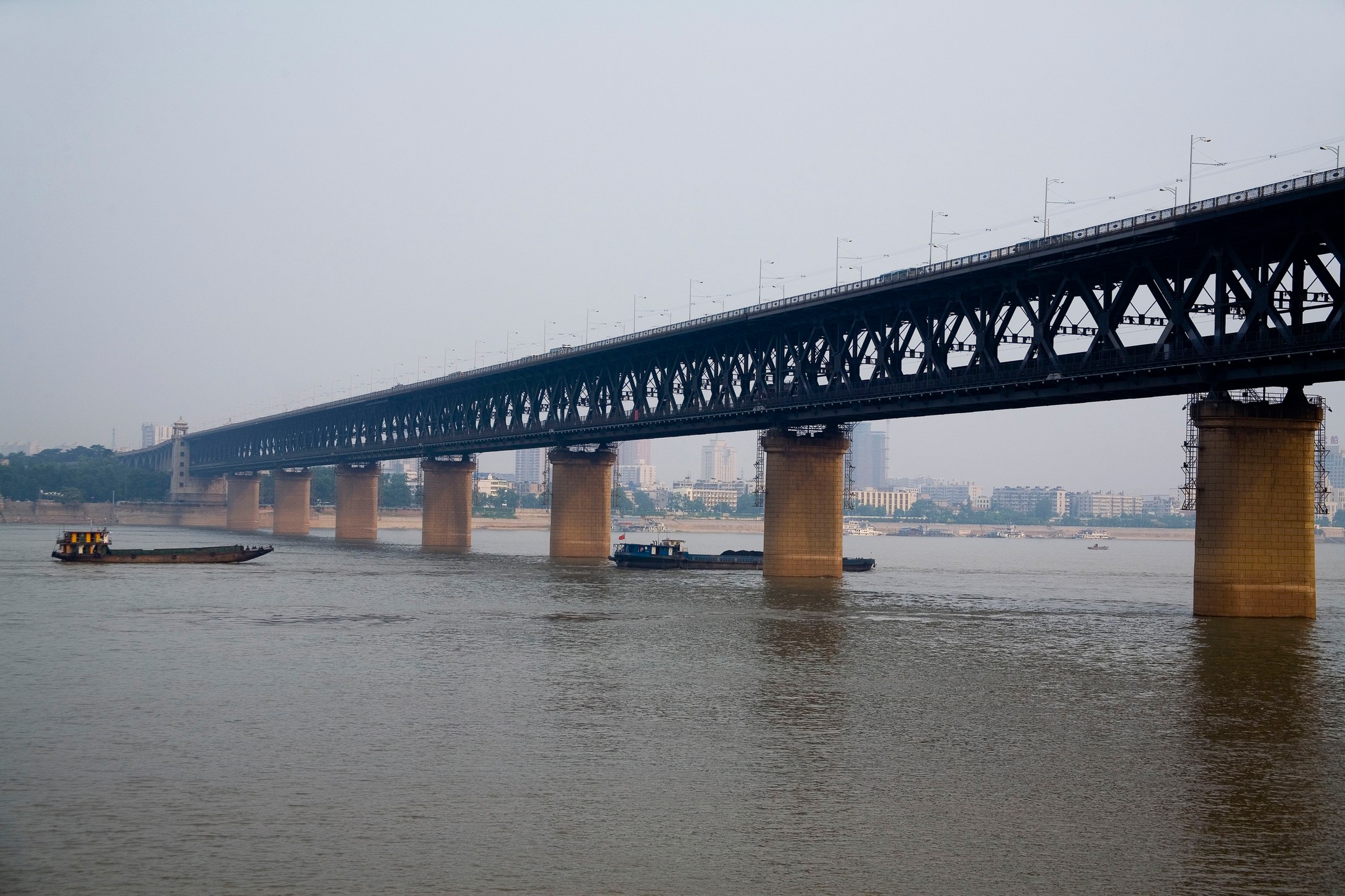
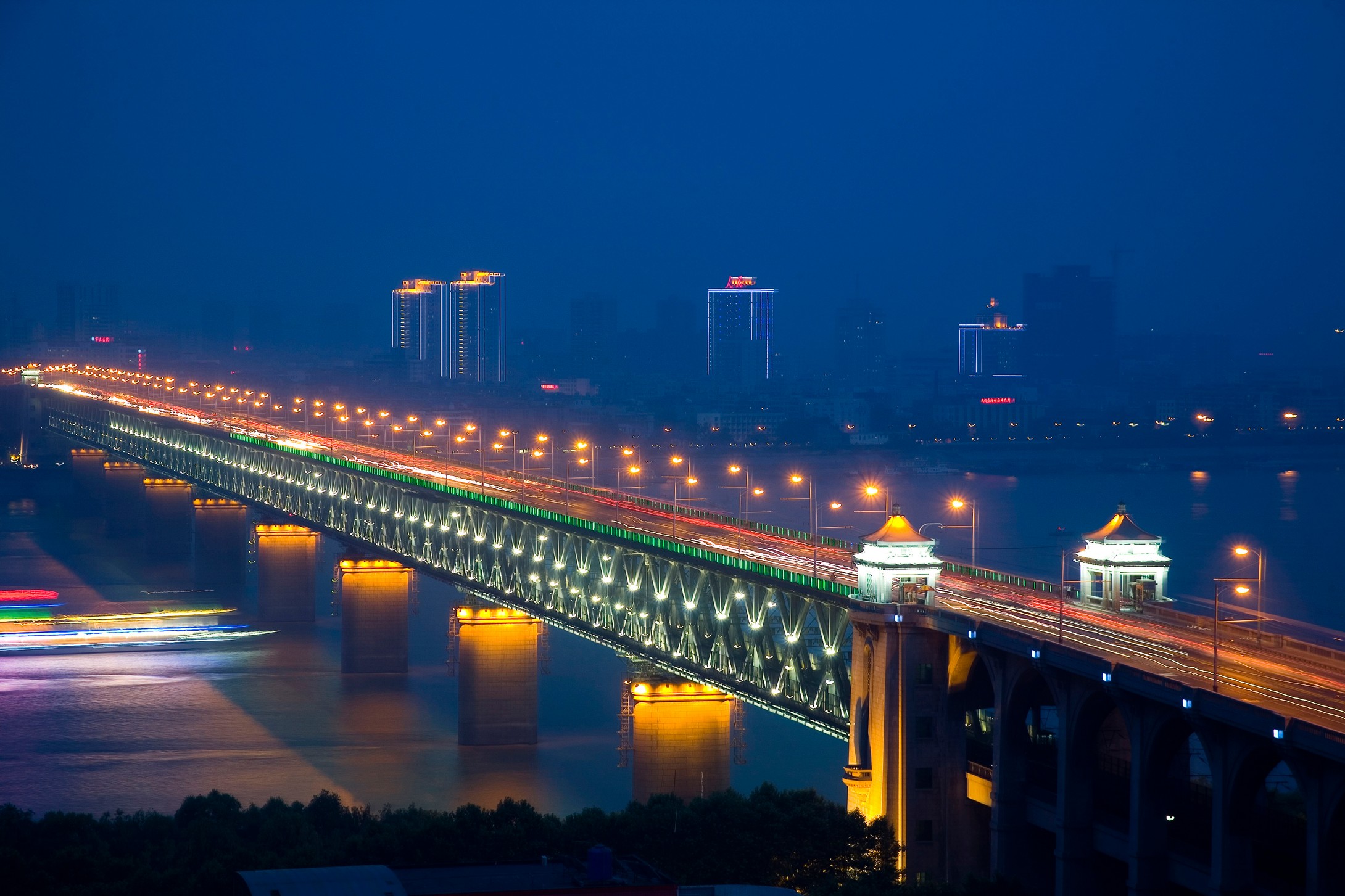
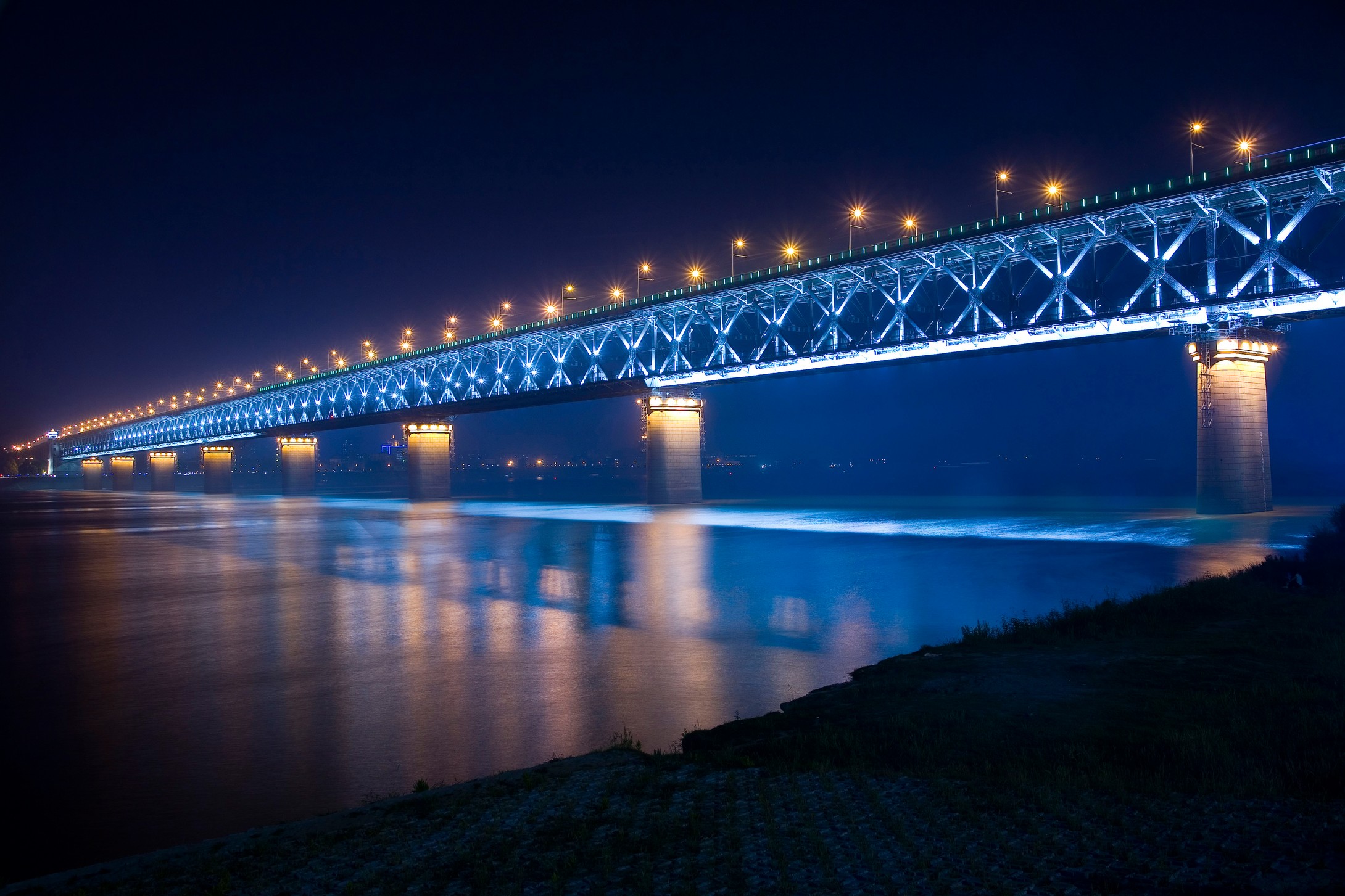
The Wuhan Yangtze River Bridge, often hailed as the "First Bridge over the Ten-Thousand-Li Yangtze River," is more than just a crossing—it is a living monument to China's engineering ambition and historical resilience. Stretching across the mighty Yangtze, this double-decker bridge connects Snake Hill in Wuchang with Tortoise Hill in Hanyang, creating a scene immortalized in poetry as "Tortoise and Snake locking the Great River." Construction began on September 1, 1955, as a key project of Soviet aid to China, with Soviet experts providing extensive guidance. However, when Sino-Soviet relations soured, the Soviet government withdrew its experts. Under the leadership of Chinese engineer Mao Yisheng, the nation completed the final bridge construction work, and the bridge opened to traffic on October 15, 1957. It remains China's first combined railway and highway bridge across the Yangtze, a symbol of national pride and a favorite subject of Chairman Mao's famous poem "Prelude to Water Melody · Swimming," written after he swam near the bridge in 1956. Today, the Wuhan Yangtze River Bridge is celebrated not only for its historical significance but also for its exceptional engineering quality—among the many bridges over the Yangtze, few dare to compete with its durability and craftsmanship.
Highlights & Activities
Walking across the Wuhan Yangtze River Bridge is an experience that blends history, architecture, and breathtaking scenery. Here are the top things to do:
- Stroll or Cycle Across the Bridge: The pedestrian walkways on both sides offer panoramic views of the Yangtze River, the bustling Hankou and Wuchang riverbanks, and the iconic Yellow Crane Tower in the distance. Cyclists and pedestrians share the lower deck, making it a leisurely activity for all.
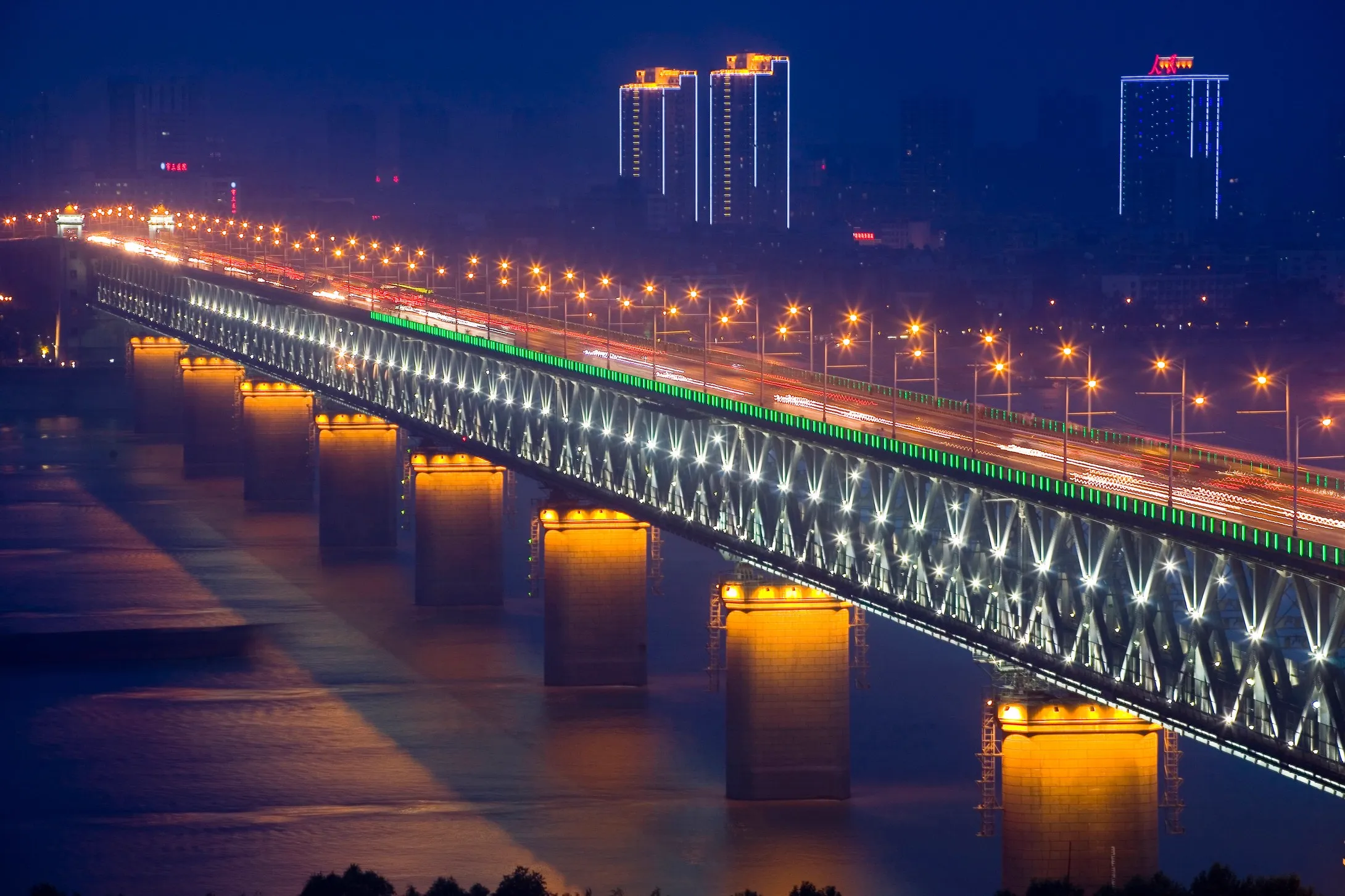
- Night Tour of the Yangtze: Board a cruise from either Hankou Yueman Wharf or Wuchang Hongxiang Wharf for the Wuhan Two Rivers Cruise · Night Tour of the Yangtze River. The bridge is stunningly illuminated at night, and the cruise offers a unique vantage point to see it, along with Hankou River Beach and the Yellow Crane Tower. Some boats serve Chinese, Western, and buffet meals, allowing you to dine while enjoying the lights.
- Photography at Sunrise and Sunset: The bridge is a photographer's dream. Capture the golden hues of sunrise or sunset as they reflect on the river, with the bridge's steel arches and the distant hills creating a dramatic silhouette.
- Learn the History: Informational plaques along the bridge detail its construction, the Soviet involvement, and its role in China's development. It's a self-guided history lesson that adds depth to your visit.
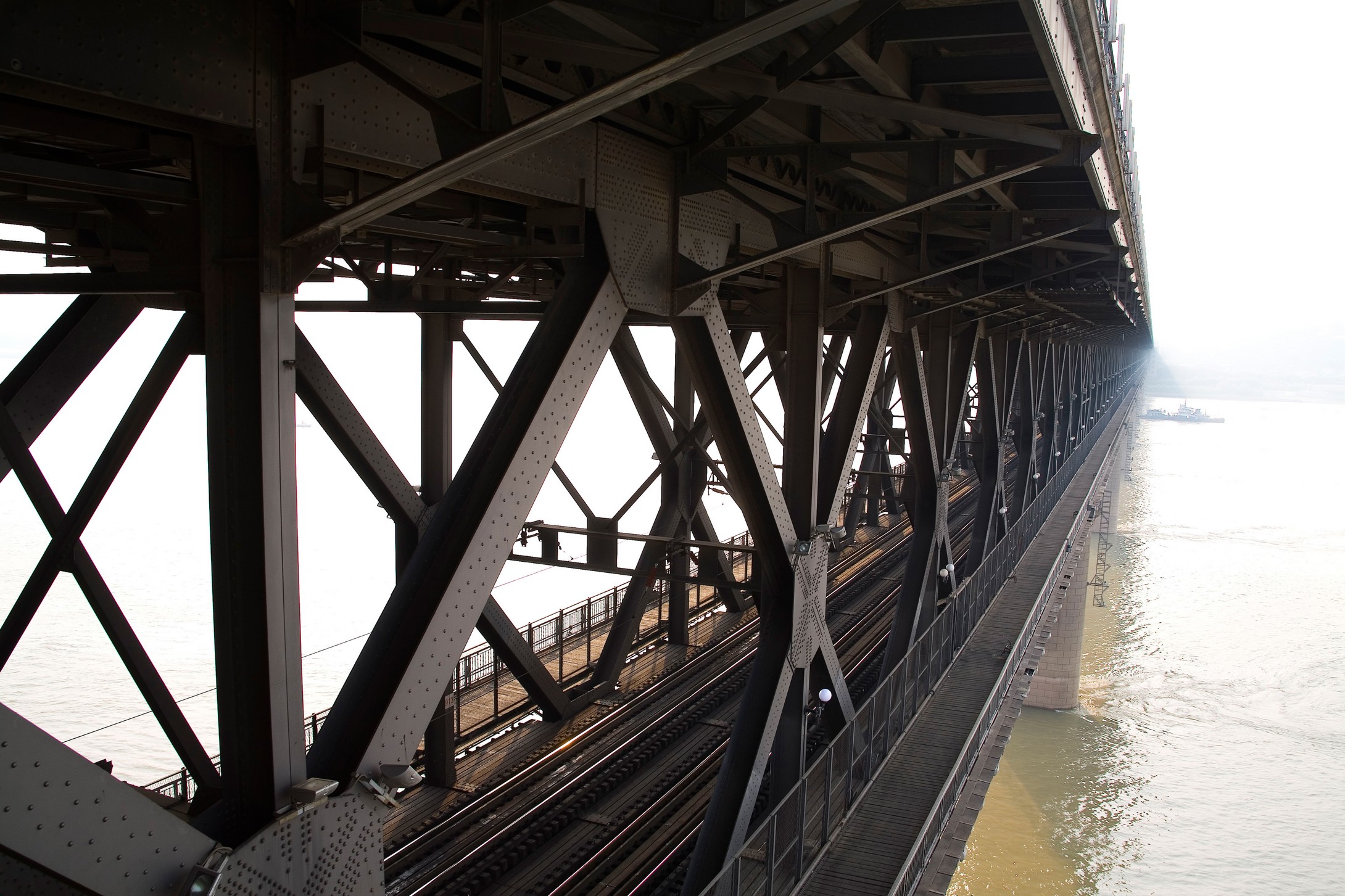
- Watch Trains Pass: The lower deck carries railway traffic, and watching trains rumble across the bridge while standing above is a thrilling reminder of its dual purpose.
Key Attractions Nearby
The bridge sits at the heart of Wuhan, surrounded by cultural and natural landmarks. Here are must-see spots within easy reach:
- Yellow Crane Tower: Located on Snake Hill near the Wuchang end of the bridge, this ancient tower is a symbol of Wuhan. Climb to the top for sweeping views of the Yangtze and the bridge itself.
- Guiyuan Temple: On the Hanyang side, this Buddhist temple is known for its serene gardens and intricate statues. It's a peaceful contrast to the bridge's industrial grandeur.
- Wuhan University: A short drive away on the shores of East Lake, this campus is one of China's most beautiful, with cherry blossom avenues and blend of Chinese and Western architecture. Famous alumni include Zhang Zhidong and Yi Zhongtian.
- Zhongjiacun and Hanyang Old Town: Walk down Hanyang North City Alley to reach Zhongjiacun, a historic commercial area. Explore the graffiti of Hanyang Art District, the Guqin Tai (Ancient Lute Platform), and the lively food streets that pulse with local life.
- Hankou River Beach: Across the bridge on the Hankou side, this riverside park offers walking paths, green spaces, and a view of the bridge from below. It's perfect for a relaxing afternoon.
Where to Dine
Wuhan's food scene is legendary, and the area around the bridge offers plenty of options. For authentic local flavors, head to Zhongjiacun's underground food street near the metro station. Here, you'll find stalls selling:
- Hot Dry Noodles (Re Gan Mian): A Wuhan staple, these sesame-paste noodles are a must-try breakfast or snack.
- Steamed Dumplings and Soup Buns: Freshly made and bursting with broth, they're perfect for a quick bite.
- Grilled Fish and Spicy Crayfish: Local specialties that pair well with an evening beer. The night market near Zhongjiacun is buzzing with vendors offering these.
- Osmanthus Cake and Sweet Rice Balls: For dessert, try these fragrant, sweet treats sold at metro station stalls.
- Hankou's Fine Dining: Cross the bridge to Hankou for more upscale restaurants serving Hubei cuisine, such as steamed Wuchang fish and lotus root soup.
Weather & Best Time to Visit
Wuhan has a humid subtropical climate with four distinct seasons. The best time to visit the Wuhan Yangtze River Bridge is during spring (March to May) and autumn (September to November), when temperatures are mild and the skies are clear. Spring brings blooming flowers, including cherry blossoms at Wuhan University, while autumn offers golden ginkgo leaves and comfortable weather for walking. Summer (June to August) is hot and humid, with temperatures often exceeding 35°C (95°F), but the bridge's river breezes provide some relief. Winter (December to February) is cold, with occasional snow, but the bridge's stark beauty against a gray sky has its own charm. Avoid Chinese public holidays like National Day (October 1-7) and Labor Day (May 1-5) if you prefer fewer crowds, as the bridge and nearby attractions can become very busy.
Travel Tips
To make the most of your visit to the Wuhan Yangtze River Bridge, keep these practical tips in mind:
- Getting There: The bridge is accessible via multiple metro lines. Take Line 4 to Zhongjiacun Station or Line 5 to Sanyang Road Station, then walk to the bridge. Buses 515, 519, 552, 564, and 572 also serve the area. Taxis and ride-hailing apps are widely available.
- Fees and Hours: Walking across the bridge is free and open 24 hours. For the night cruise, tickets start at ¥8, with departures from 17:00 to 22:00 (subject to weather). Check the wharf for real-time schedules.
- What to Bring: Comfortable walking shoes are essential, as the bridge is about 1.6 kilometers long. Bring a camera for photos, water, and sunscreen in summer. In winter, a warm coat and scarf are recommended. If you plan to cycle, note that bikes are allowed on the pedestrian deck.
- Safety: The bridge is generally safe, but be cautious of traffic on the vehicle deck. Stick to designated pedestrian paths. At night, the bridge is well-lit, but stay aware of your surroundings.
- Nearby Services: Restrooms and small kiosks are available at both ends of the bridge. For a more comfortable experience, visit the nearby Zhongjiacun commercial area for cafes and shops.
- Combining Attractions: Plan a half-day itinerary: start at the Yellow Crane Tower, walk across the bridge to Hanyang, explore Guiyuan Temple and Zhongjiacun, then take a night cruise from Hankou Wharf for a full experience.