Overview & History
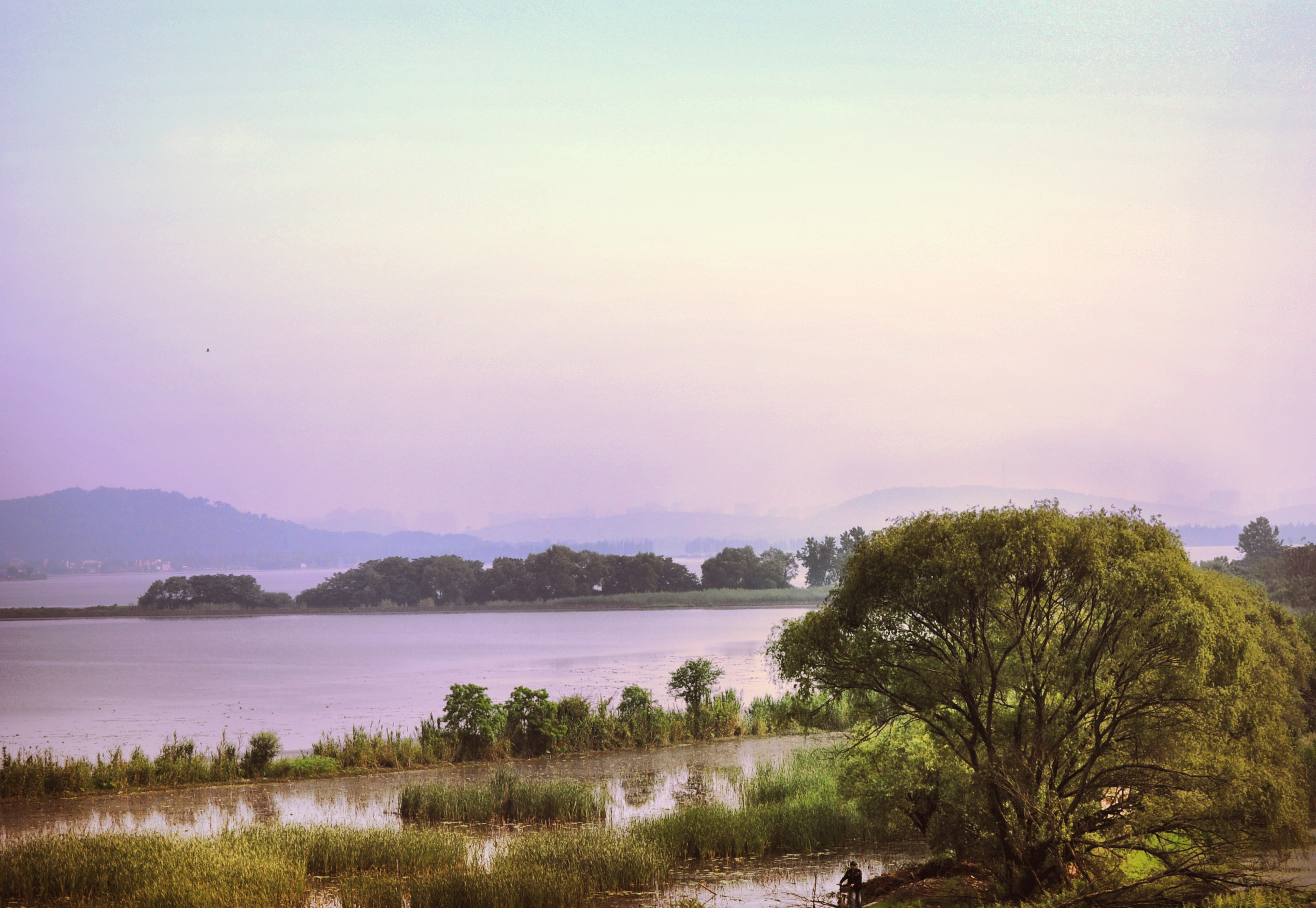
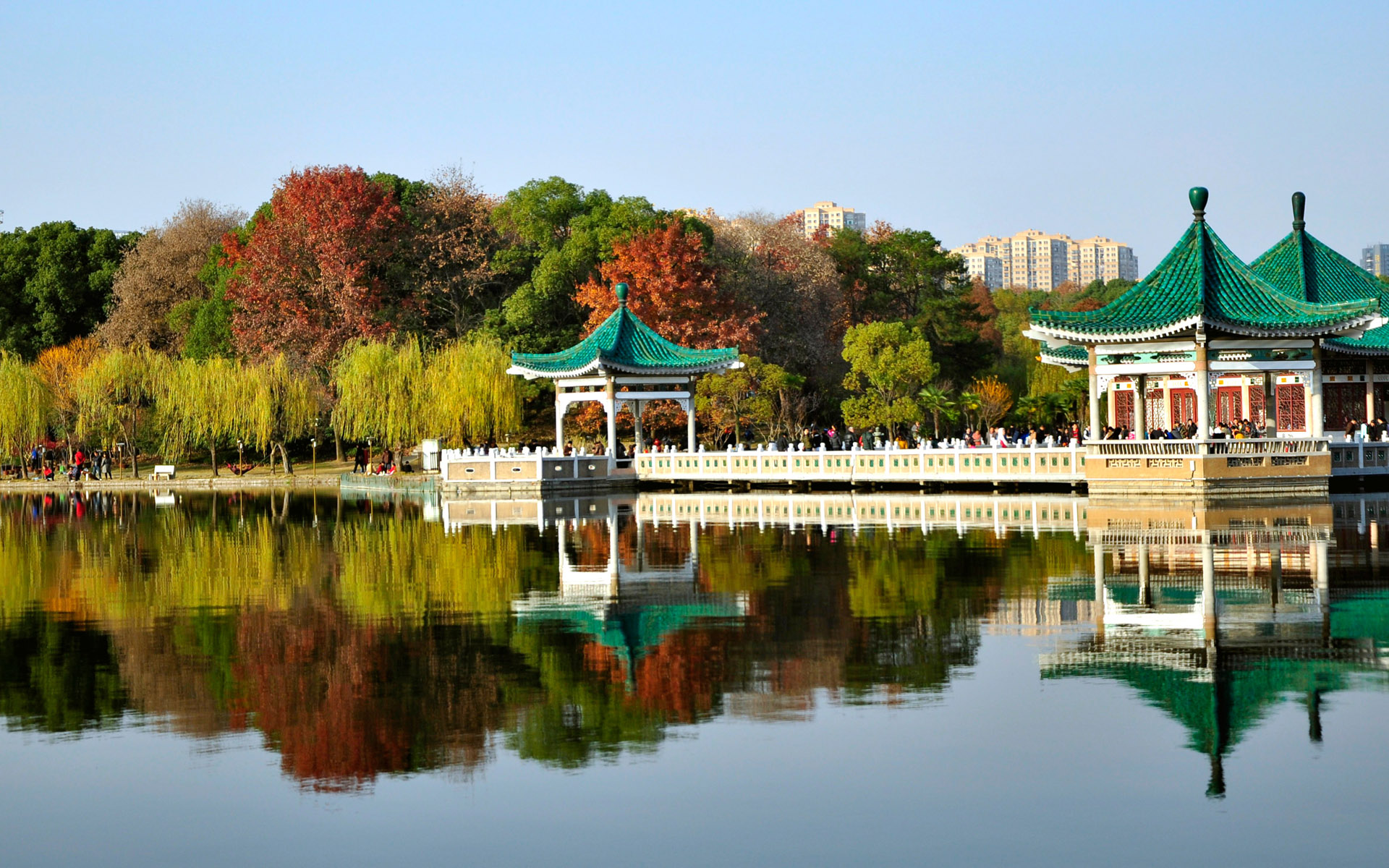
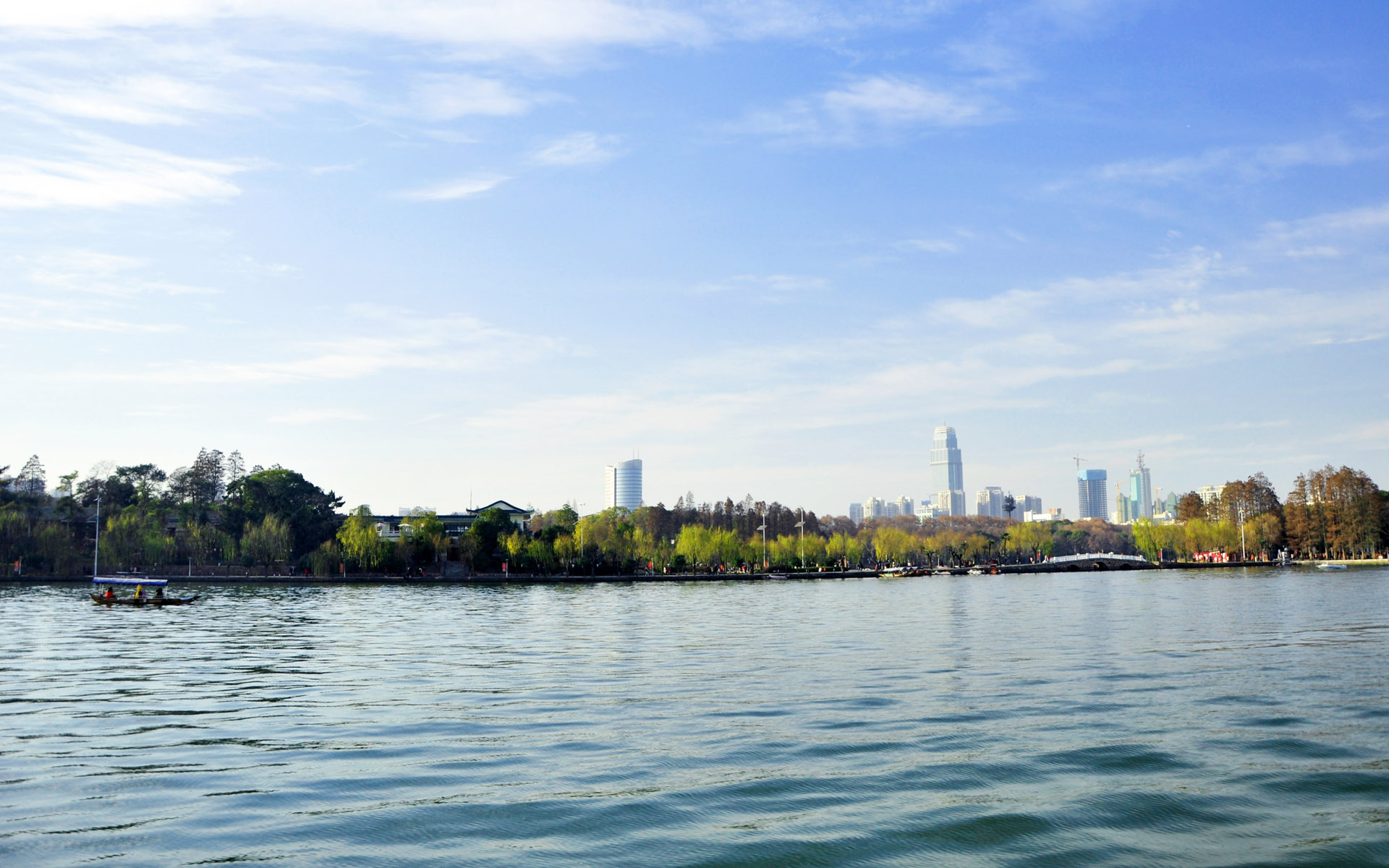
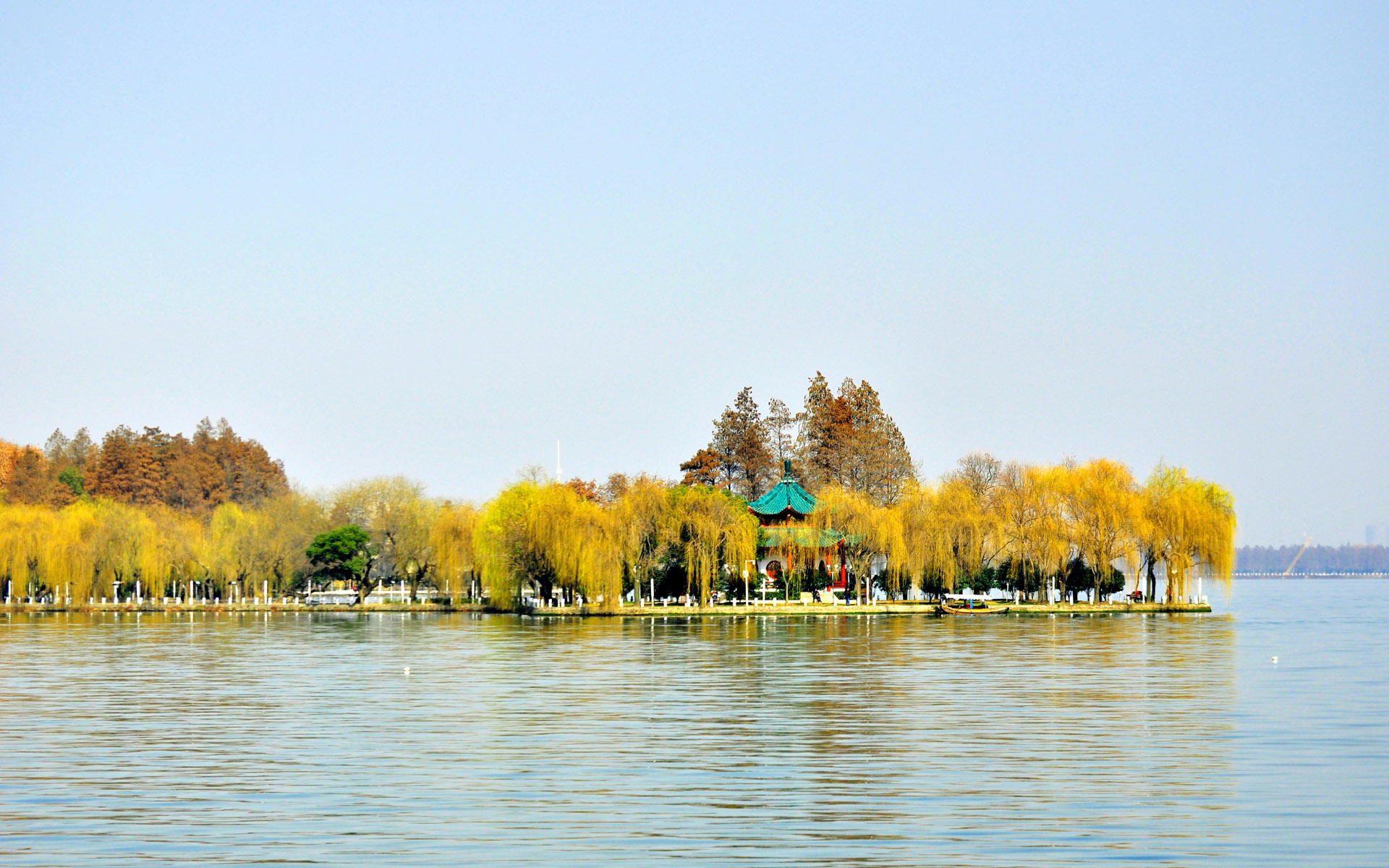
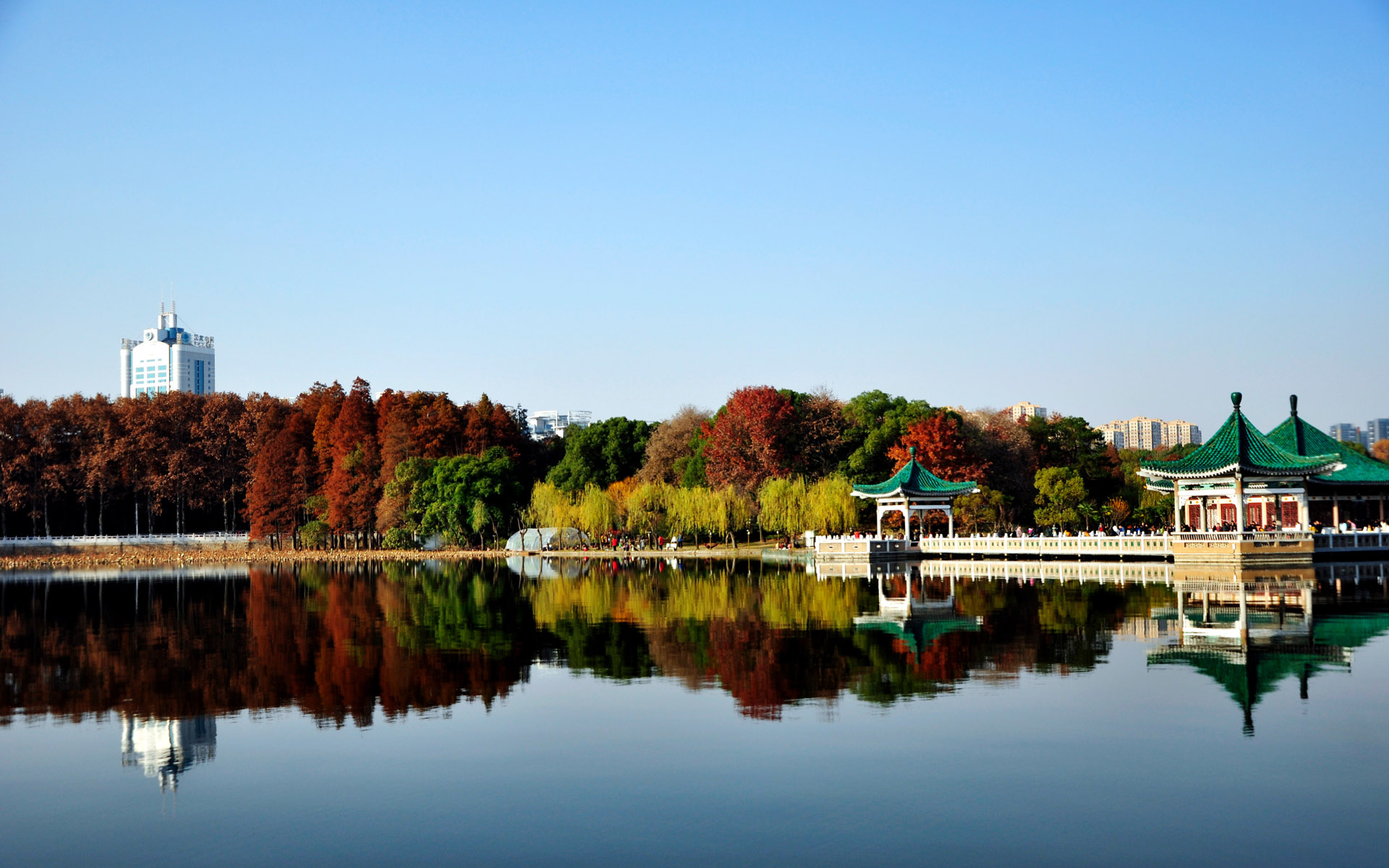
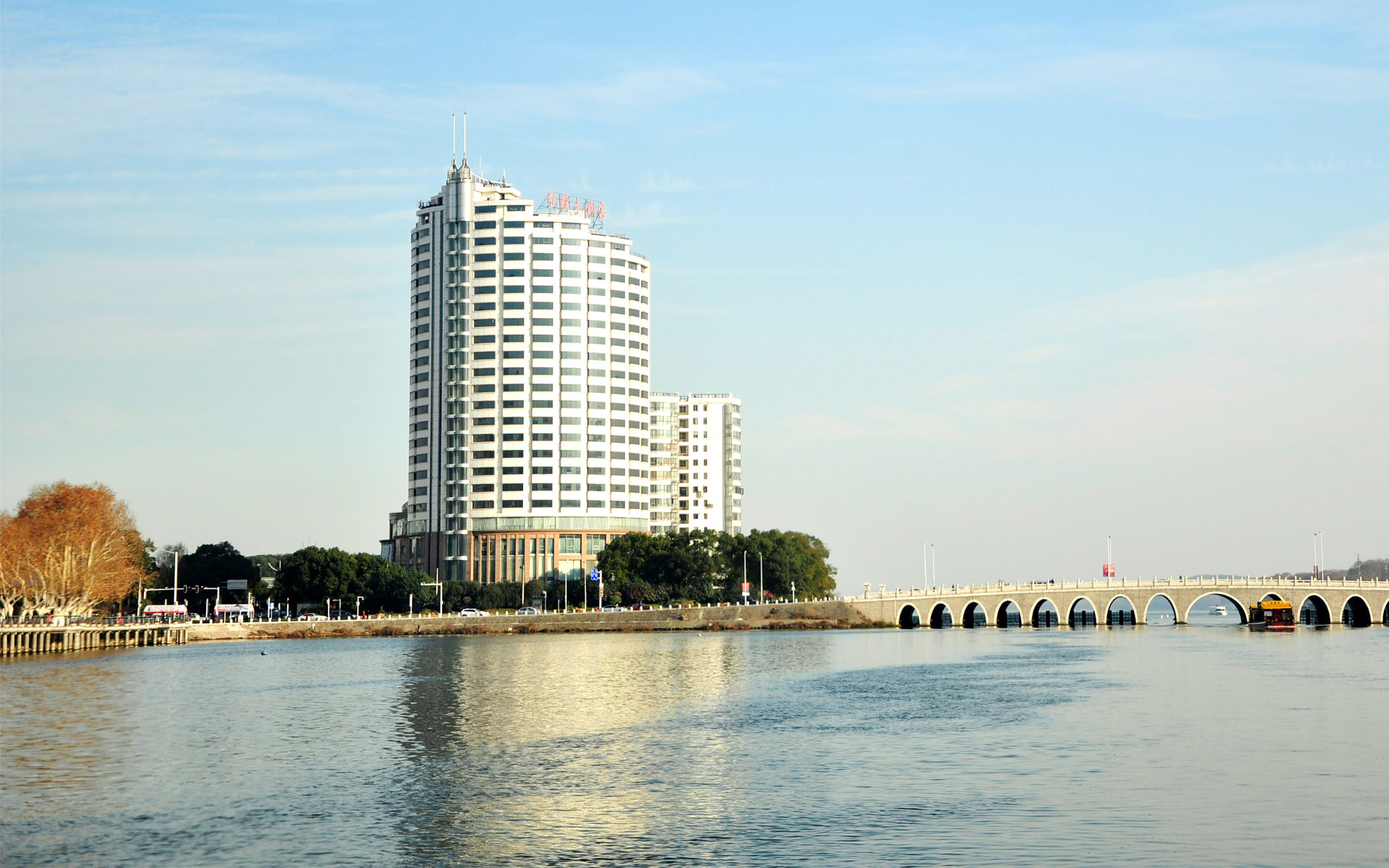
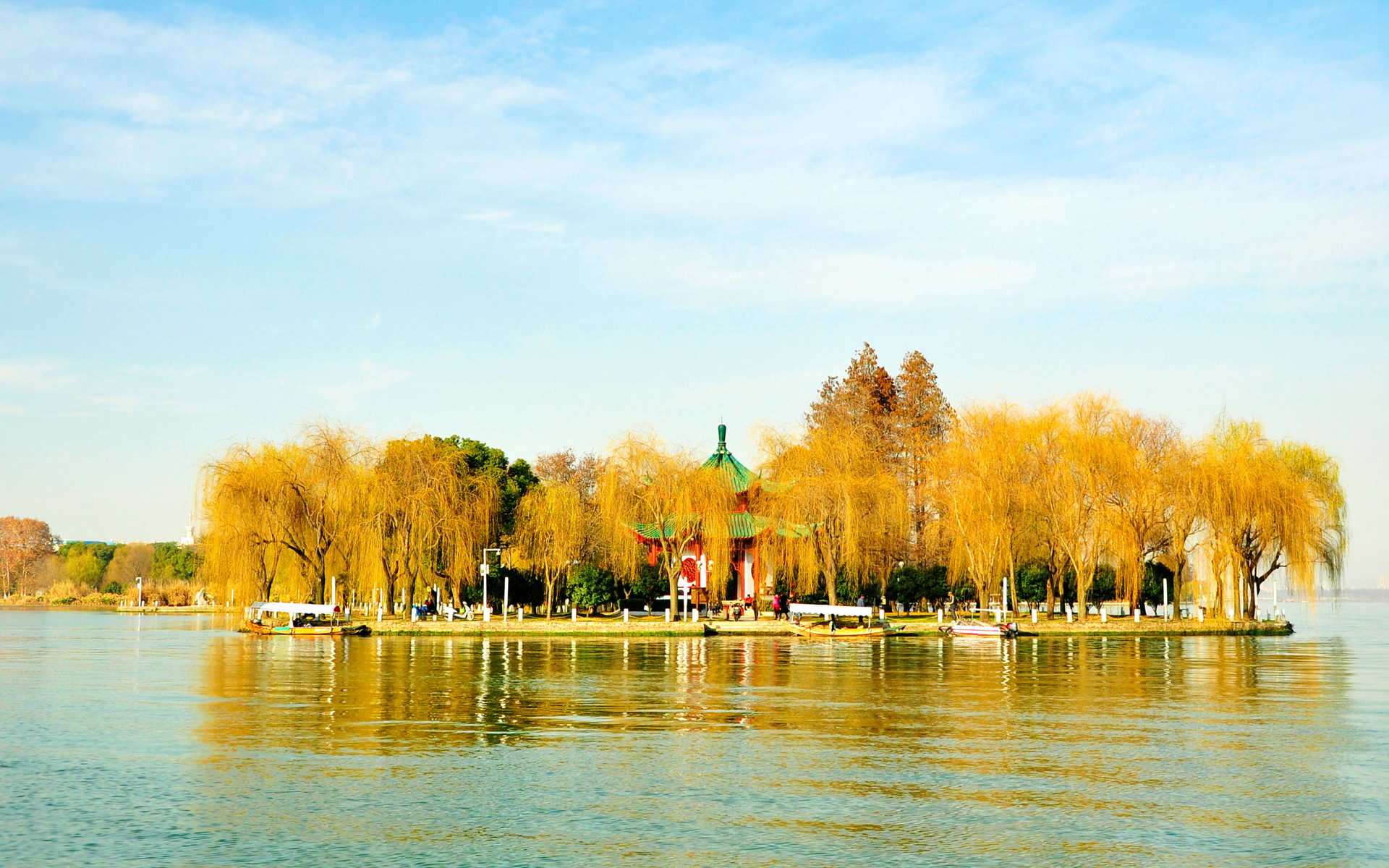
East Lake (东湖) in Wuhan, China, is a marvel of urban nature, holding the title of the largest urban lake in the country. Its vast water surface is six times larger than Hangzhou’s famed West Lake, earning it a reputation as a sprawling aquatic paradise. But East Lake is far more than just a large body of water; it is a cultural and ecological treasure that has captivated visitors for centuries. The lake is surrounded by lush vegetation and blooms continuously throughout the four seasons, famously known for "cherry blossoms in spring, lotus in summer, osmanthus in autumn, and plum blossoms in winter."
History runs deep here. Mao Zedong visited East Lake 26 times, and it was here that he penned the poetic line: "Just drank the water of Changsha, and now eat the Wuchang fish." The lake also serves as the largest Chu culture tourism center in Wuhan, with rich Chu-style relics scattered across its scenic areas. Divided into six main areas—Tingtao, Moshan, Luohong, Luoyan, Chuidi, and Baima—East Lake offers a diverse experience that blends natural beauty with historical depth. Its ten iconic scenic spots, such as "Qu Di Ling Bo" and "Jing Chu Gu Bao," invite exploration and reflection.
Highlights & Activities
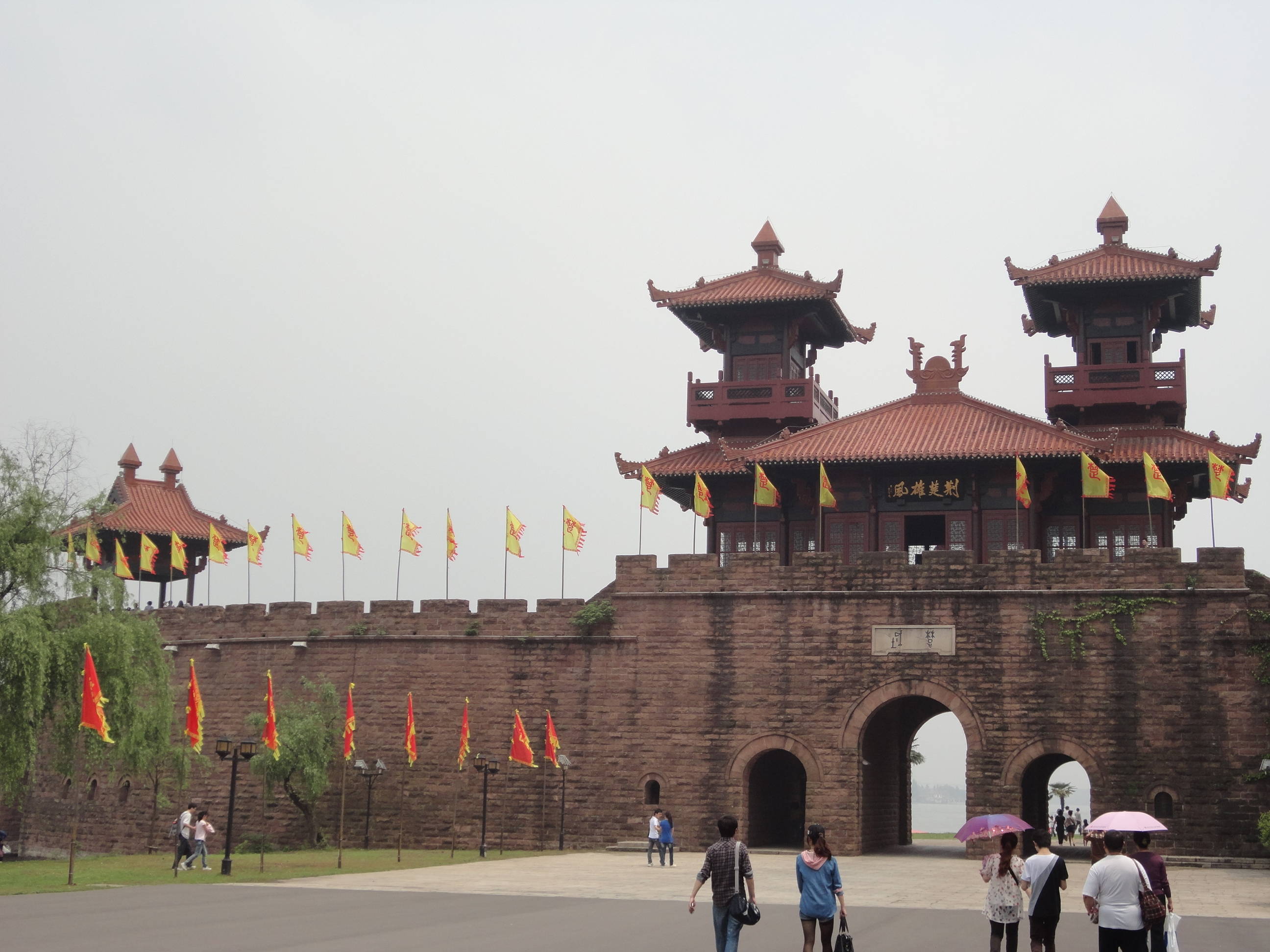
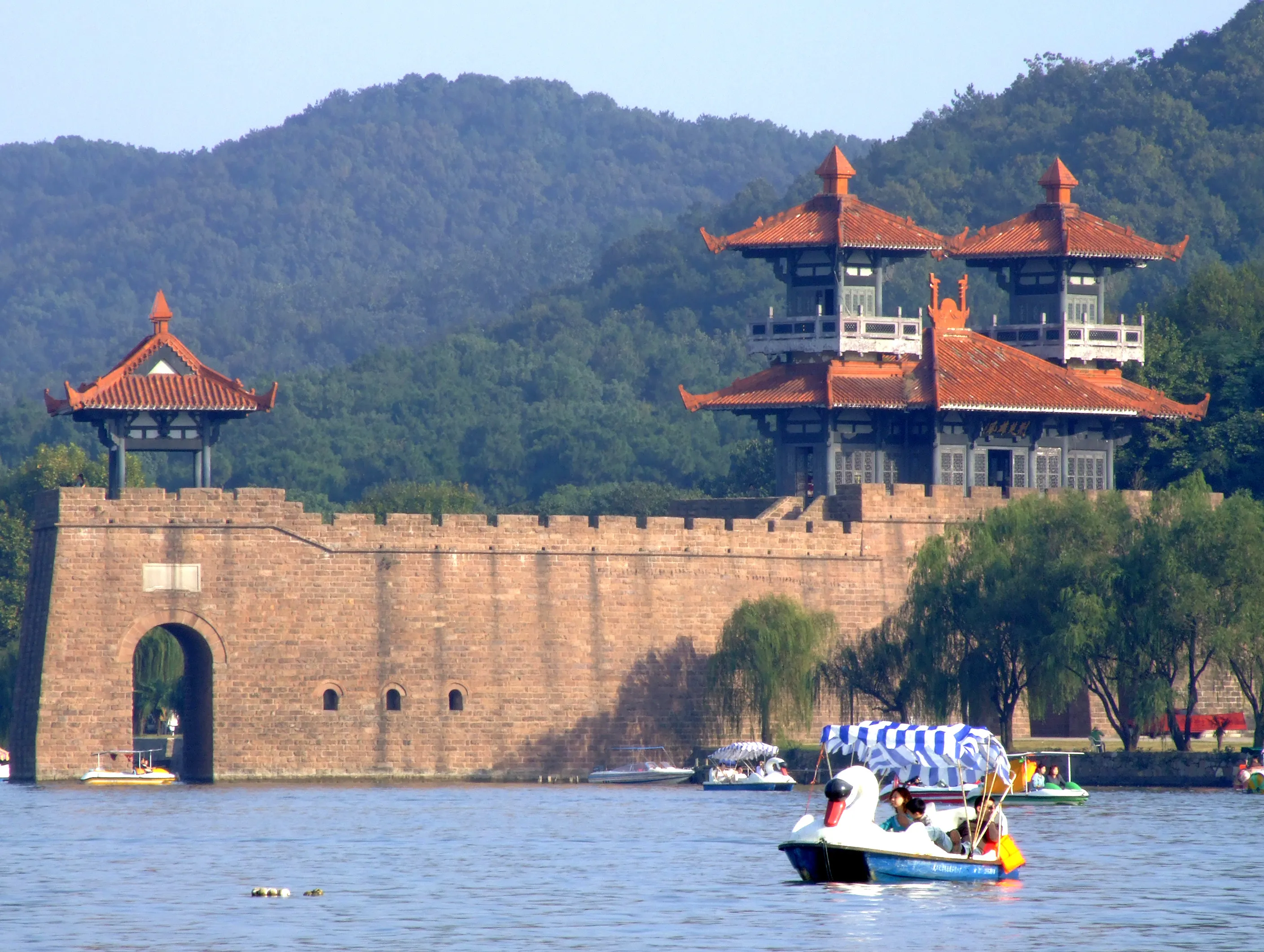
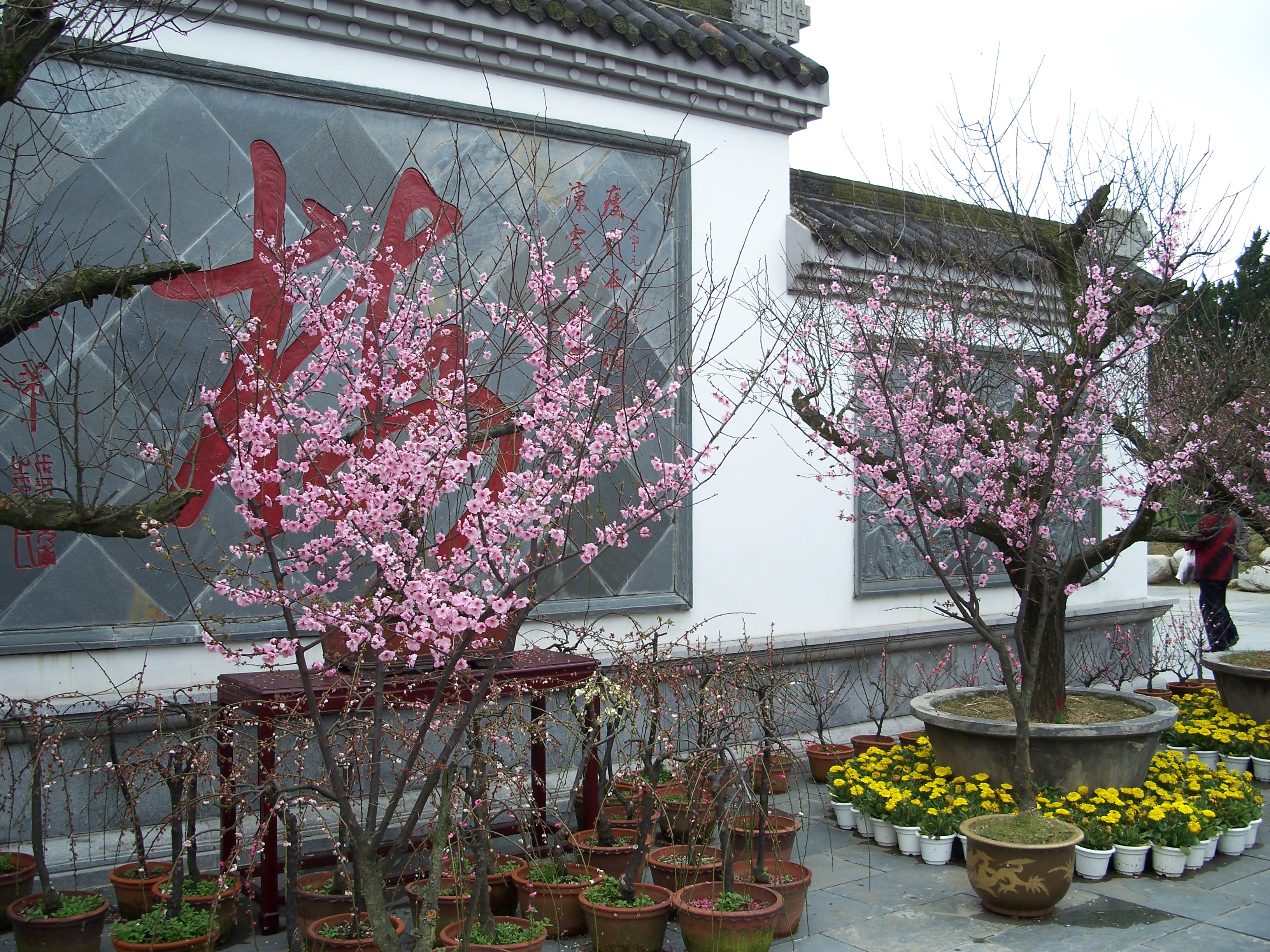
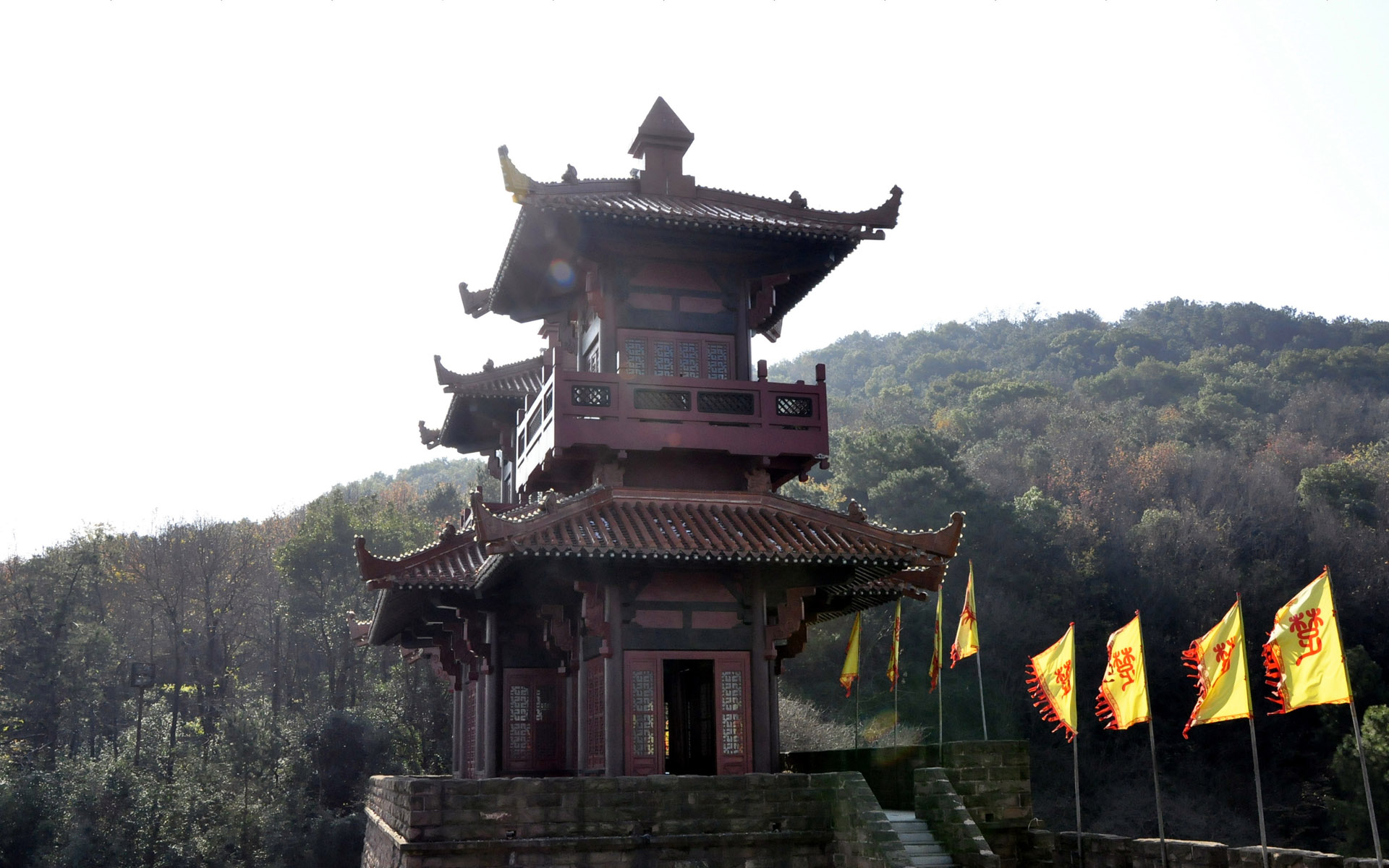
East Lake is a playground for nature lovers and culture enthusiasts alike. The Moshan Scenic Area is a highlight, a large peninsula surrounded by water on three sides with six undulating peaks. Here, you can explore a Chu culture tour area featuring a replica ancient Chu city gate, a bustling Chu market, and a statue of Zhu Rong, the ancestor of Chu. The Chu Sky Terrace offers panoramic views of the lake, though note that Wuhan’s sky is often gray. For garden lovers, the East Lake Cherry Blossom Garden is a must—it ranks among the world’s three major cherry blossom gardens, alongside Hirosaki in Japan and Washington in the USA. Visit in late March for peak blooms. The East Lake Plum Garden, one of China’s four major plum gardens, is best visited in late winter and early spring.
Other activities include boating on the lake, cycling along scenic paths, and bird-watching at the Luoyan Scenic Area. The Tingtao Scenic Area, now free to enter, is perfect for a leisurely stroll. Don’t miss the ten scenic spots, such as "Ta Xue Xun Mei" (Searching for Plum Blossoms in the Snow) and "Wei Chu You Cai" (Only Chu Has Talent), which offer poetic vistas. The lake’s ecological health has improved in recent years, making it a cleaner and more enjoyable destination.
Key Attractions Nearby
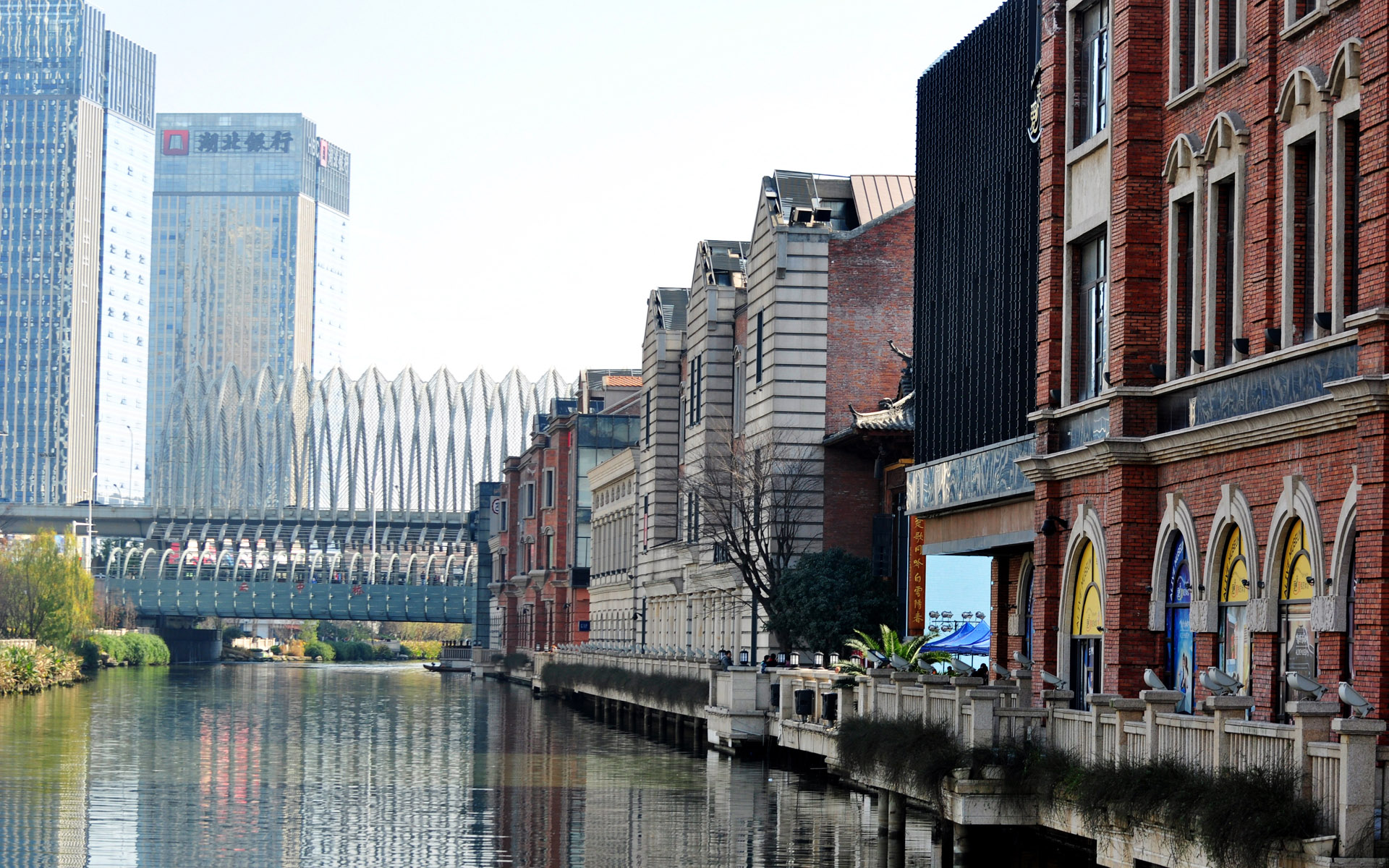
Wuhan is a city of lakes, and East Lake is surrounded by other notable sights. Within the scenic area, the Ma'anshan Urban Forest Reserve offers a peaceful escape with its lush greenery. Nearby, Wuhan University is famous for its cherry blossoms, but the East Lake Cherry Blossom Garden is often considered more worthwhile. For a deeper dive into Chu culture, the Hubei Provincial Museum, located a short drive away, houses artifacts from the ancient state of Chu, including the renowned chime bells. The Yellow Crane Tower, a symbol of Wuhan, is also within reach and offers stunning views of the Yangtze River. If you have time, explore other lakes like South Lake or Sha Lake, though they may not match East Lake’s grandeur.
Where to Dine
Wuhan’s culinary scene is vibrant, and dining near East Lake is a treat. For local flavors, try the famous Wuhan hot dry noodles (re gan mian) at a nearby street stall. The Moshan and Tingtao areas have restaurants serving Wuchang fish, a local delicacy that Mao Zedong praised. For a more upscale experience, seek out eateries along the lake that offer fresh fish dishes and views of the water. Don’t miss the opportunity to sample duck neck, a Wuhan specialty, or lotus root soup, which is particularly refreshing. Many restaurants near the scenic areas cater to tourists, but for authentic local fare, venture into the nearby neighborhoods of Wuchang district.
Weather & Best Time to Visit
Wuhan has a subtropical monsoon climate, with hot, humid summers and chilly winters. The best time to visit East Lake is during spring (March to May) and autumn (September to November). In spring, the weather is mild, and the cherry blossoms and plum flowers are in full bloom, drawing crowds. Autumn offers comfortable temperatures and fewer visitors, with osmanthus flowers scenting the air. Summer can be sweltering, but the lotus blooms are spectacular, and early mornings or late afternoons are pleasant. Winter is cold, but the plum blossoms in late winter and early spring are a rewarding sight. Avoid major Chinese holidays like National Day (October 1-7) to escape peak crowds. For cherry blossom viewing, late March is ideal; for plum blossoms, aim for February to early March.
Travel Tips
Getting to East Lake is easy. For Moshan Scenic Area, take buses 515, 402, 401, 413, or 643. For Tingtao Scenic Area, use buses 14, 537, 578, 605, 701, or 411. Ma'anshan Forest Park is accessible via buses 18, 25, 518, 702, or 703. Ticket prices vary: Tingtao is free, Moshan costs 40 yuan per person, Luoyan is 10 yuan, and Ma'anshan is also 10 yuan. Opening hours are 7:00 to 19:00 daily. The address is No. 1 East Lake Road, Wuchang District, Wuhan City. For inquiries, call 027-86773706.
What to bring: Comfortable walking shoes are essential, as the scenic areas are vast. In spring, pack a light jacket and umbrella for sudden showers. Sunscreen and a hat are useful in summer. Binoculars can enhance bird-watching at Luoyan. Don’t forget your camera for the stunning landscapes. Lastly, be mindful of the lake’s ecological sensitivity; avoid littering and stick to designated paths. With these tips, your visit to East Lake will be unforgettable.