Overview & History
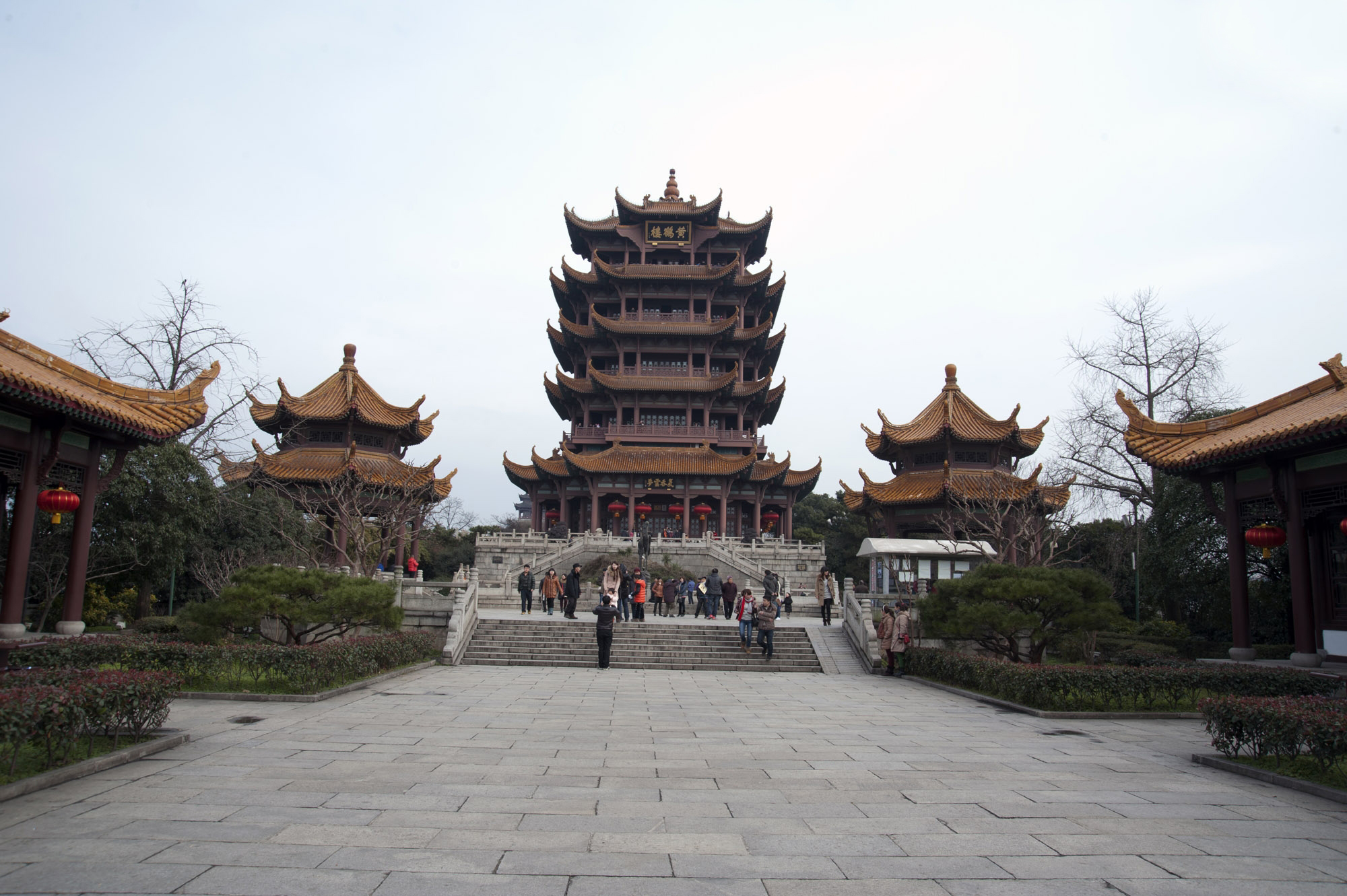
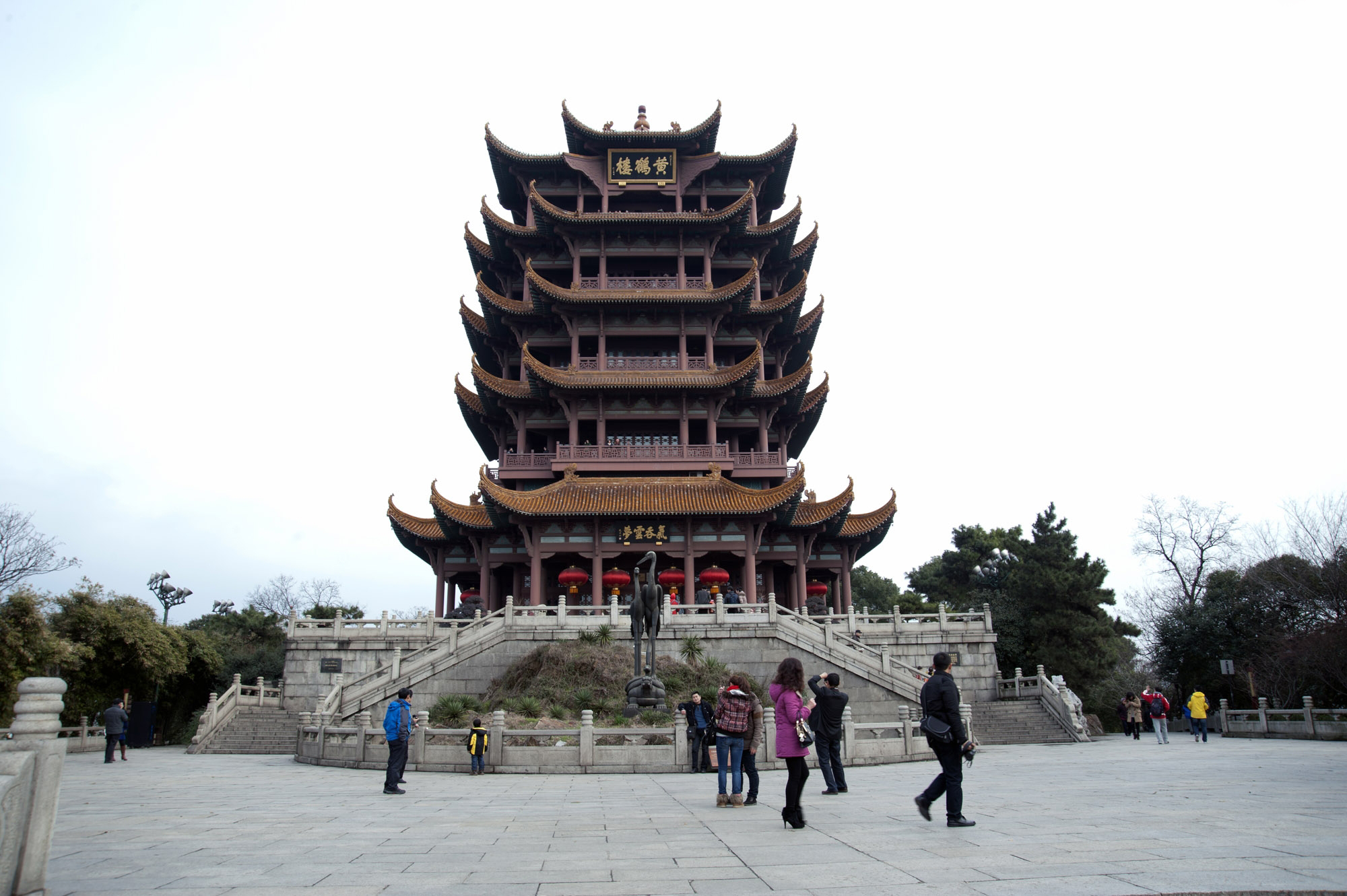
Perched on the summit of Snake Hill along the southern bank of the Yangtze River in Wuchang, Wuhan, the Yellow Crane Tower (黄鹤楼) stands as one of China's most iconic cultural landmarks. First erected in 223 AD during the Three Kingdoms period, this storied tower has been rebuilt and destroyed countless times over the centuries. The current structure, completed in 1985, is a faithful reconstruction that captures the grandeur of its predecessors. Known as "the ultimate scenic spot under heaven" and "the number one tower under heaven," it is a national 5A-level scenic spot and a proud symbol of Wuhan.
What makes Yellow Crane Tower truly special is its deep literary heritage. It gained immortal fame through the Tang Dynasty poet Cui Hao's verse: "The sage on yellow crane was gone amid clouds white. To what avail is Yellow Crane Tower left here?" Poets like Li Bai also left their mark, composing verses that have been passed down for generations. Climbing the tower, you can gaze upon the rolling Yangtze River and the panoramic views of Wuhan's three towns—Wuchang, Hankou, and Hanyang—offering a breathtaking blend of history and natural beauty.
Highlights & Activities
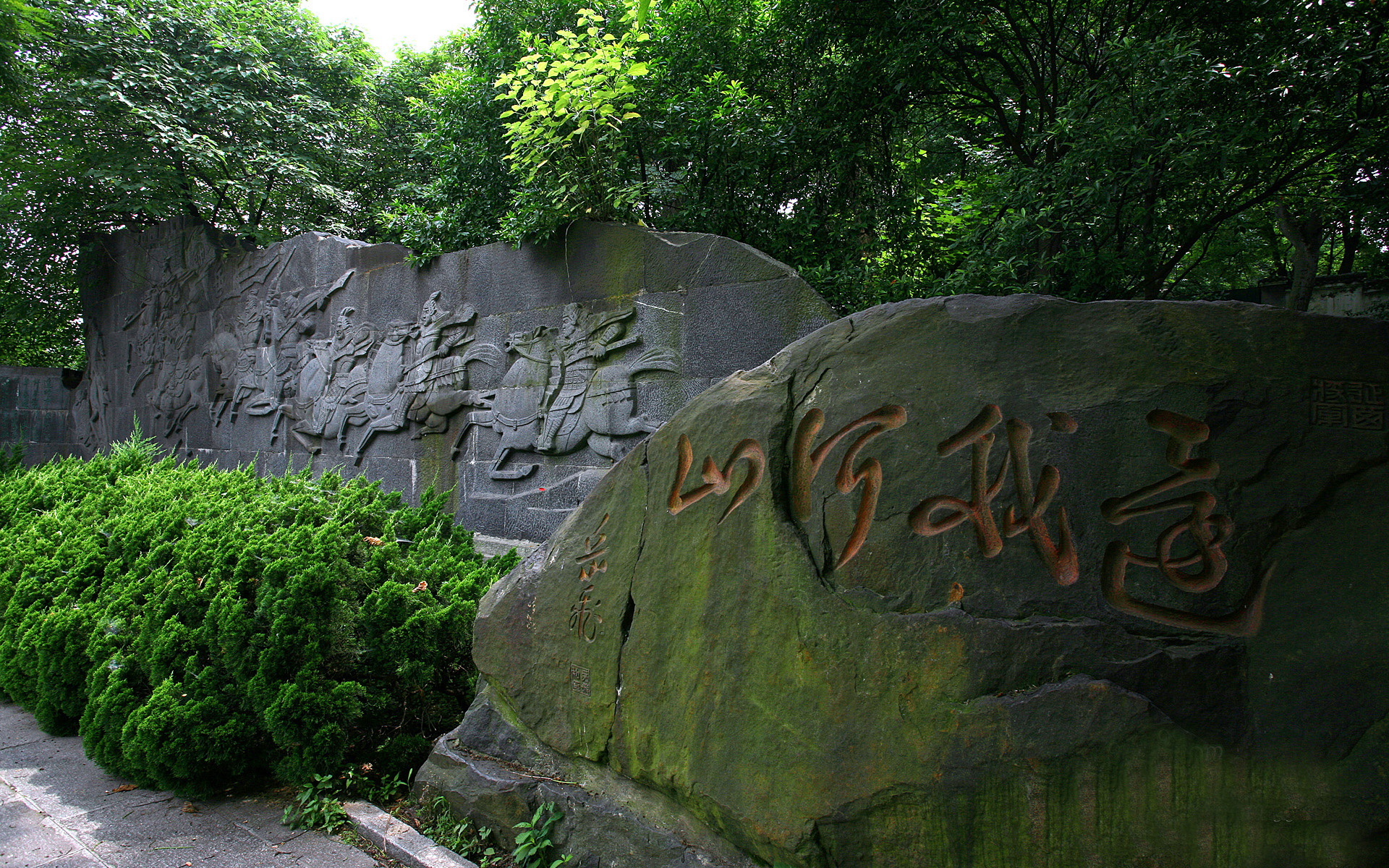
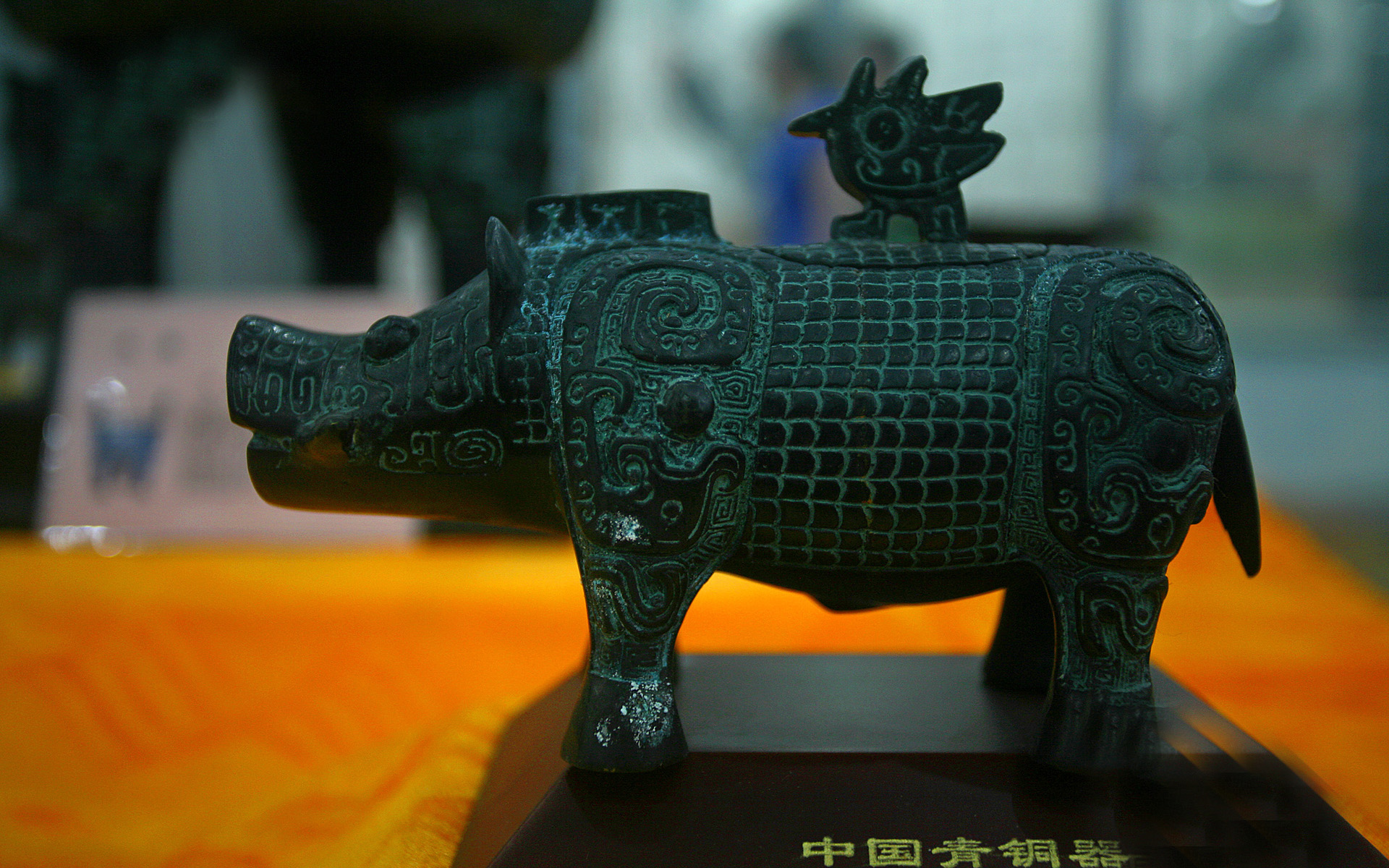
Your visit to Yellow Crane Tower is a journey through time and culture. The tower itself has five floors, rising over 50 meters high, supported by 72 cylindrical columns. Each level offers unique exhibits, including historical artifacts, poetry inscriptions, and intricate murals that tell the story of the tower's past. As you ascend, the views become increasingly spectacular—the mighty Yangtze River, the bridges spanning its waters, and the sprawling cityscape unfold before you.
- Climb the Tower: Take your time exploring each floor. The top floor provides the best photo opportunities, especially at sunrise or sunset when the light paints the river gold.
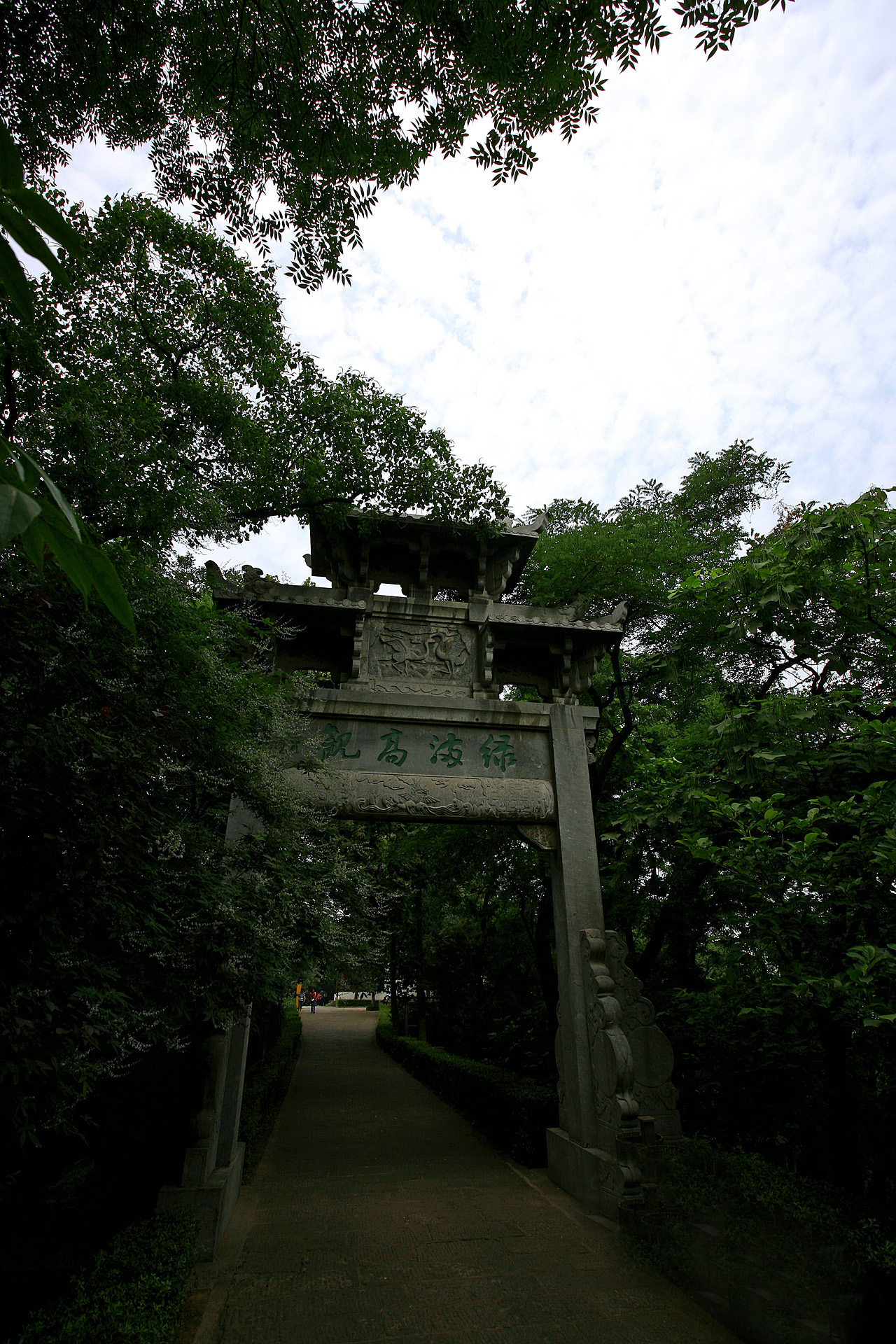
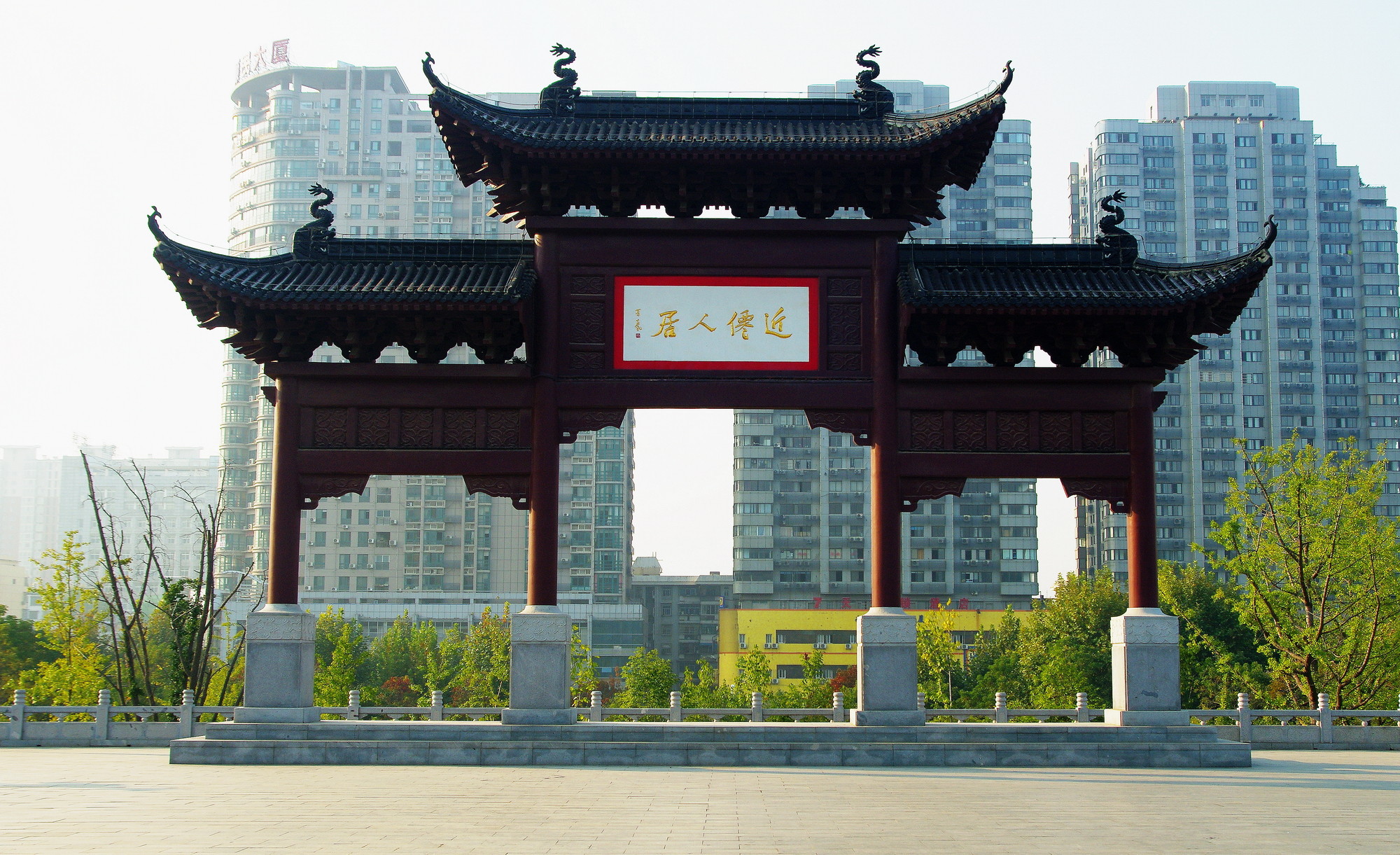
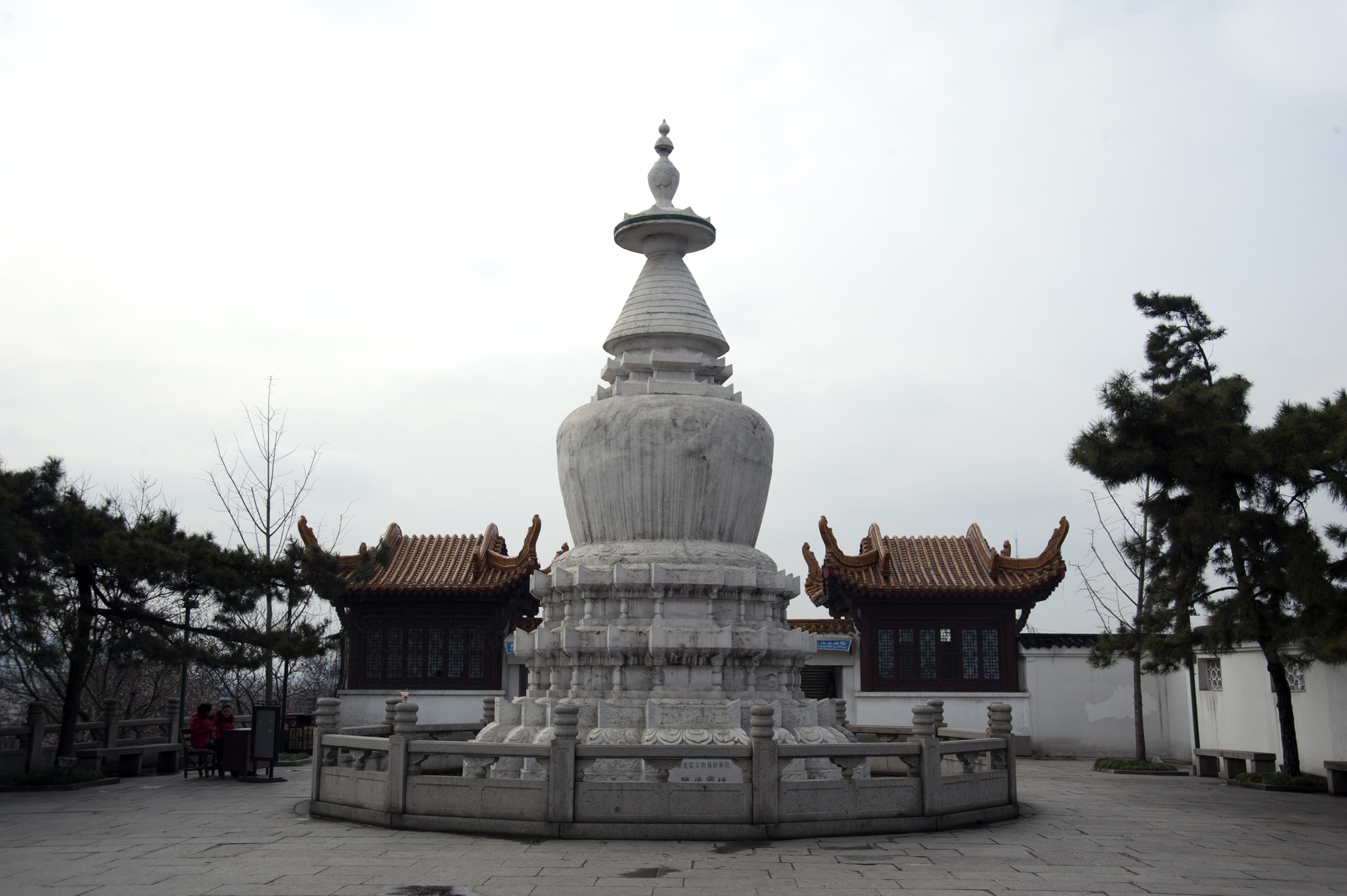
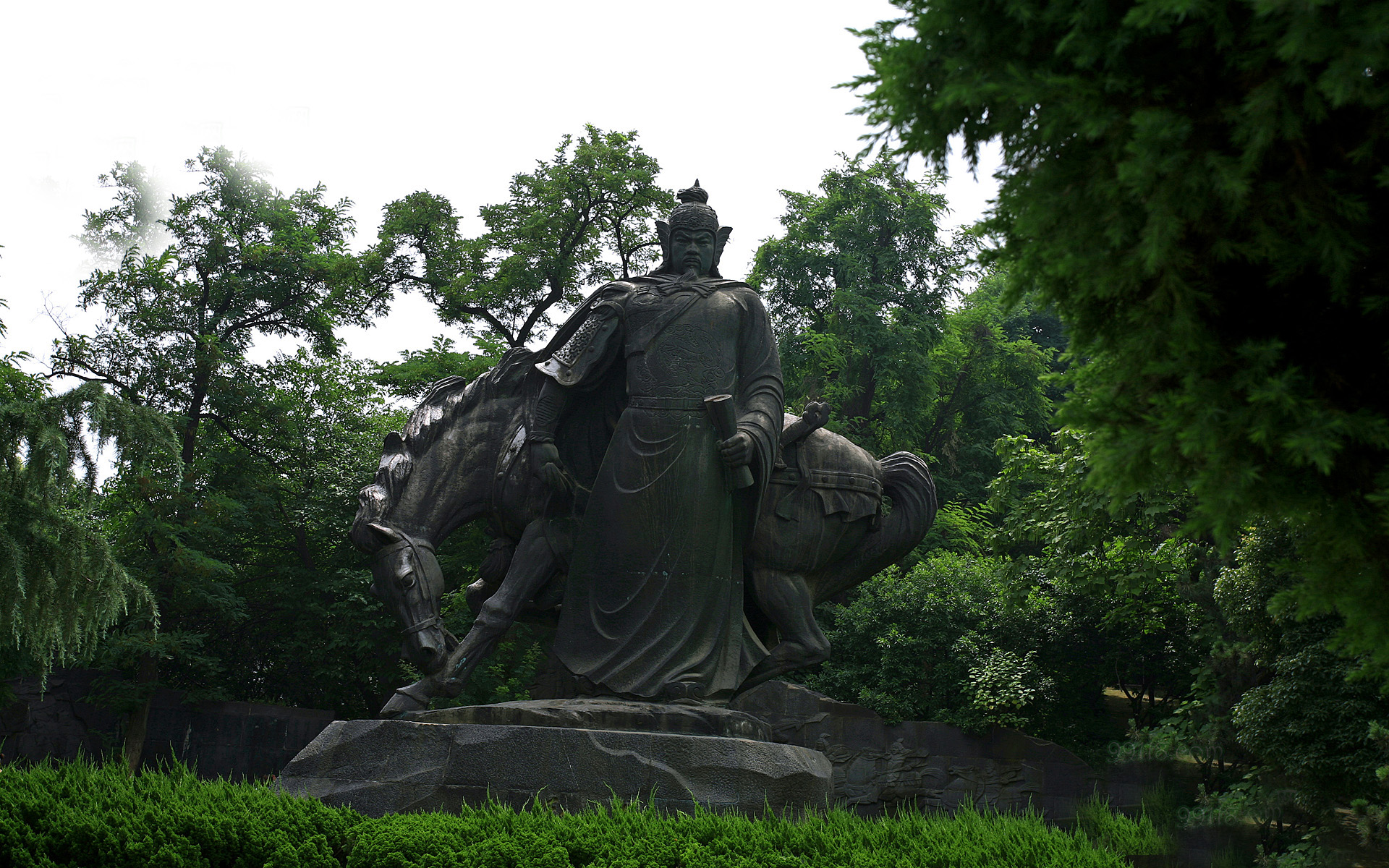
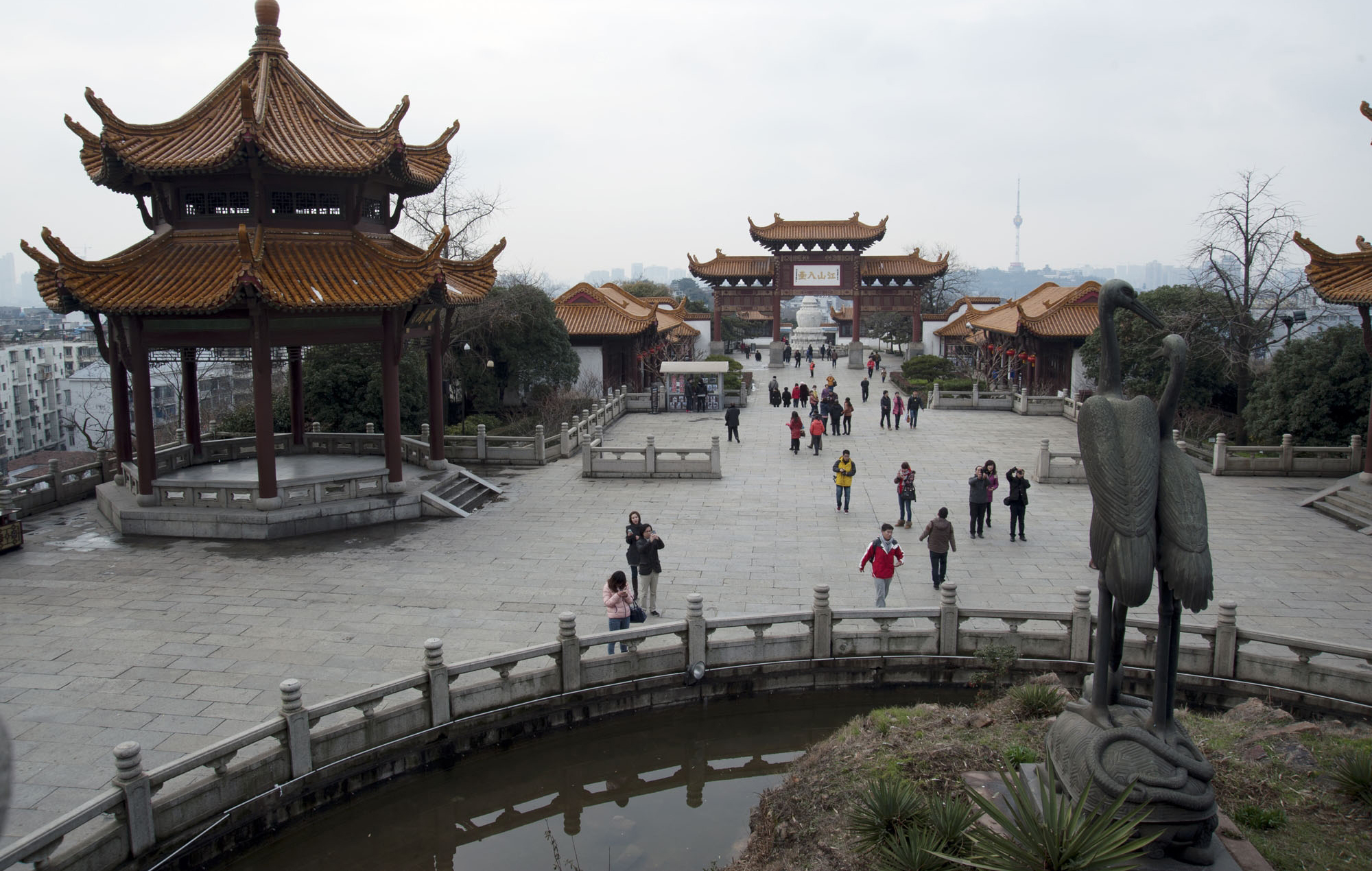
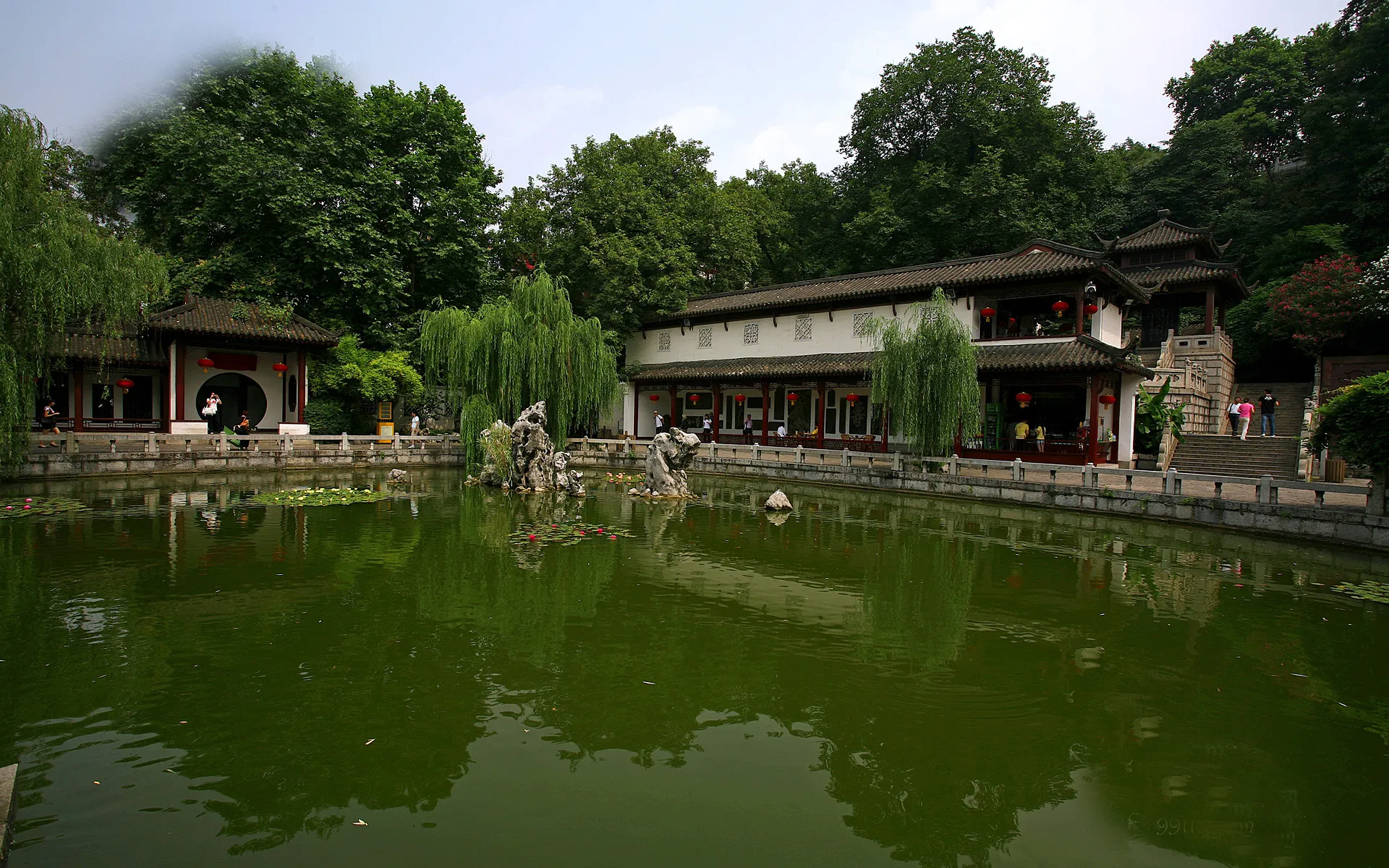
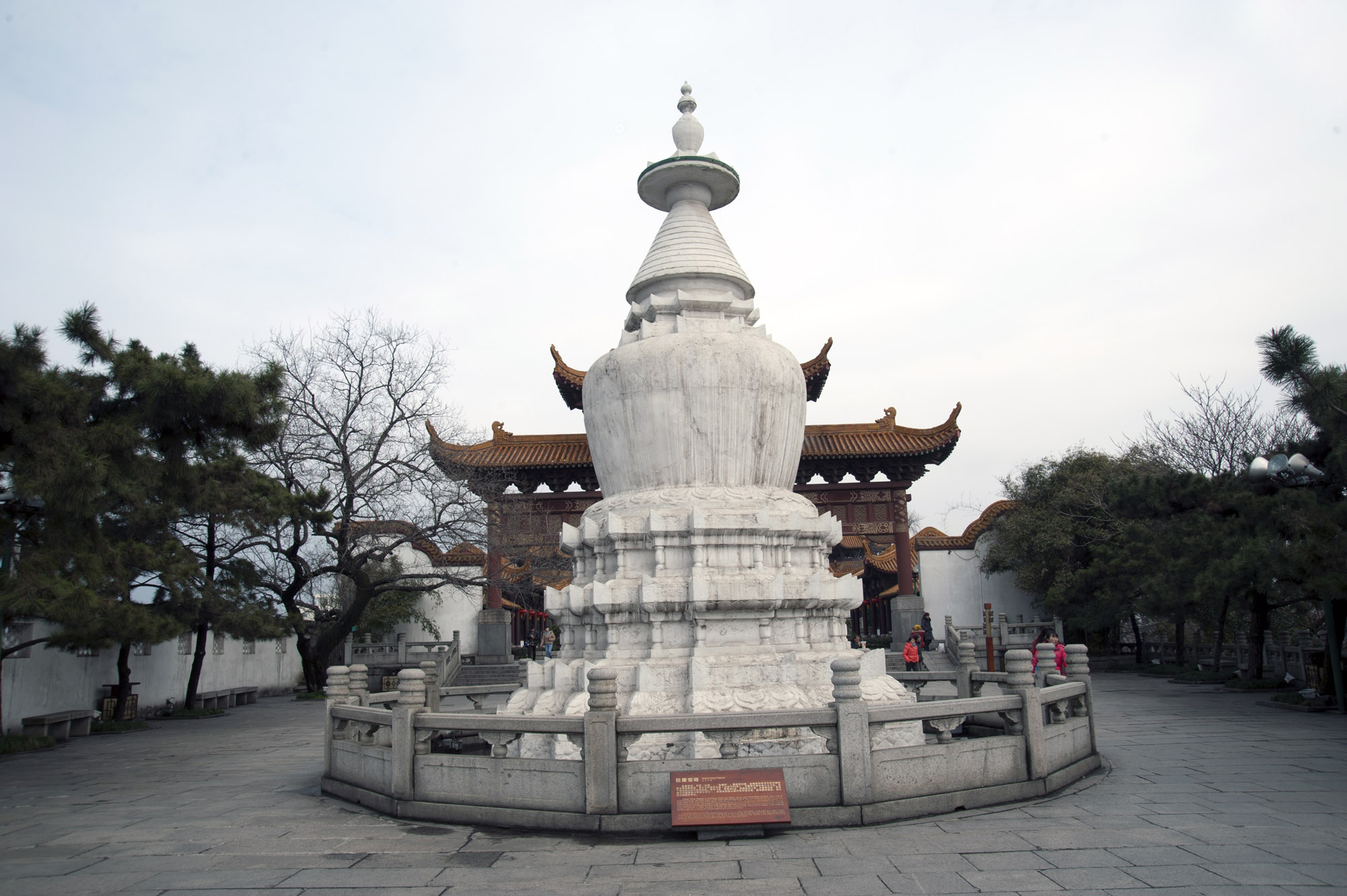
- Explore the Park: The tower sits within a large park that shares a single ticket. Stroll through landscaped gardens, pavilions, and courtyards that enhance the tranquil atmosphere.
- Cultural Performances: Depending on the season, you might catch traditional music or dance performances near the tower, celebrating its rich heritage.
- Poetry Recitals: Join local guides or audio tours that recite famous poems about the tower, bringing Cui Hao and Li Bai's words to life.
Key Attractions Nearby
Yellow Crane Tower is ideally located for exploring other highlights of Wuhan. The surrounding area is rich with historical and natural sites:
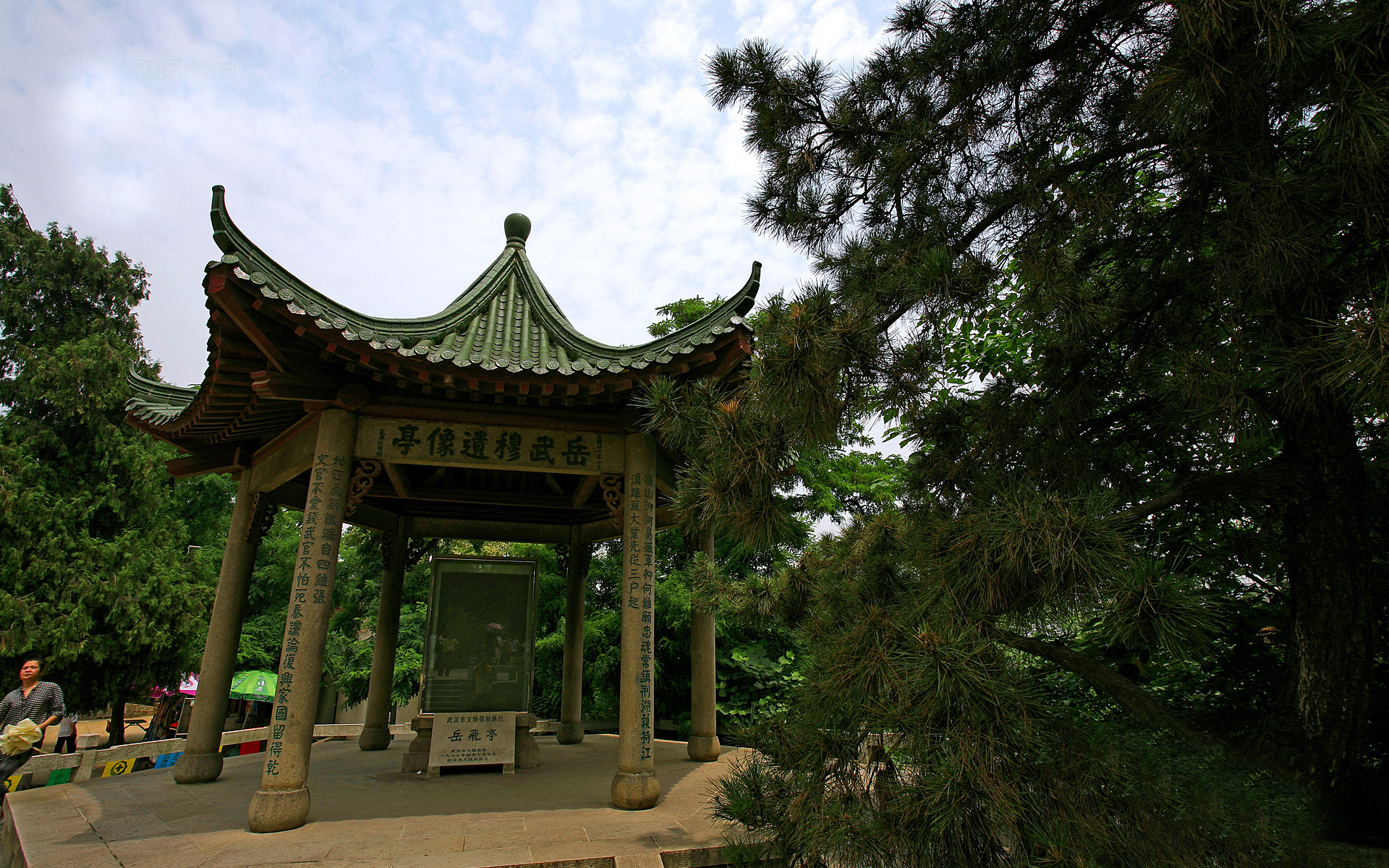
- Snake Hill (She Shan): The tower sits atop this hill, which offers walking trails and scenic overlooks of the Yangtze River.
- Wuhan Yangtze River Bridge: This iconic double-deck bridge, built in the 1950s, connects Wuchang and Hanyang. Walk across it for stunning views of the tower and river.
- Hubu Alley (户部巷): A bustling food street just a short walk from the West Gate, famous for its local snacks and street food.
- Shouyi Square (首义广场): Located near the East Gate, this historic square is home to the Wuchang Uprising Memorial and other revolutionary sites.
- East Lake (东湖): A vast scenic lake about 15 minutes by taxi, perfect for boating, cycling, and enjoying nature.
Where to Dine
Wuhan is a food lover's paradise, and Yellow Crane Tower's location puts you near some of the best local eateries. After your visit, head to Hubu Alley (West Gate) for an authentic street food experience. Must-try dishes include:
- Hot Dry Noodles (热干面): Wuhan's signature breakfast dish—sesame-paste-coated noodles topped with pickled vegetables and chili.
- Duck Neck (鸭脖): Spicy and flavorful, a popular snack from local chains like Zhou Hei Ya.
- Steamed Wuchang Fish (武昌鱼): A local freshwater fish, often steamed with ginger and scallions.
- Doupi (豆皮): A savory pancake filled with sticky rice, pork, and mushrooms, fried until crispy.
- Rice Wine (米酒): A sweet fermented drink, often served warm in winter.
For sit-down meals, try restaurants near the South Gate along the Yangtze River Bridge approach, offering views of the river while you dine.
Weather & Best Time to Visit
Wuhan experiences a subtropical monsoon climate with distinct seasons. Spring (March to May) and autumn (September to November) are the best times to visit, with mild temperatures (15–25°C) and lower humidity. Cherry blossoms bloom in March, and the autumn foliage around the tower is stunning.
Summer (June to August) is hot and humid, with temperatures often exceeding 35°C, but early mornings or late afternoons can still be comfortable. Winter (December to February) is cold and damp, with occasional snow that transforms the tower into a serene winter scene. Crowds are heaviest during Chinese holidays (e.g., National Day in October, Spring Festival in January/February), so plan accordingly for a quieter experience.
Travel Tips
Getting to Yellow Crane Tower is straightforward, with multiple access points:
- Entrances: The East Gate (near Shouyi Square) has a dedicated parking lot for drivers. The South Gate (on the Yangtze River Bridge approach) is served by a bus stop, making public transport easy. The West Gate (on the bridge) is ideal for walkers coming from Hubu Alley.
- Fees & Hours: The park and tower share a single ticket (around 80 RMB for adults). It is open daily from 8:00 AM to 6:00 PM (last entry at 5:30 PM). Check for seasonal changes.
- What to Bring: Comfortable walking shoes are essential as there are stairs and slopes. Bring water, sunscreen, and a hat in summer; a light jacket in spring/autumn; and warm layers in winter. A camera is a must for the views.
- Getting Around: Wuhan's metro (Line 2, 4, or 7) connects to nearby stations like Zhongshan Park or Xunlimen. From there, take bus 10 or 61 to the South Gate. Taxis and ride-hailing apps are also convenient.