Overview & History
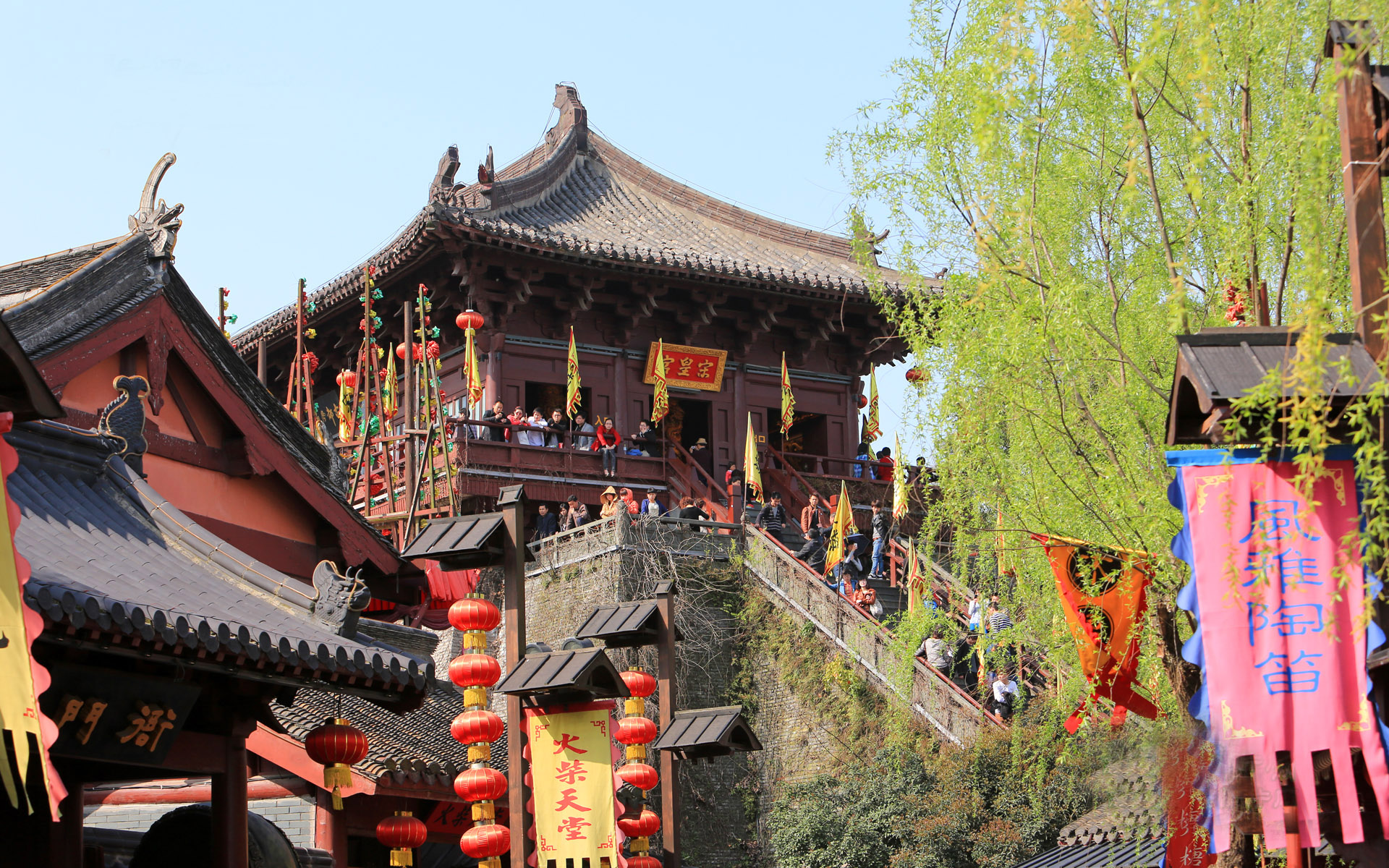
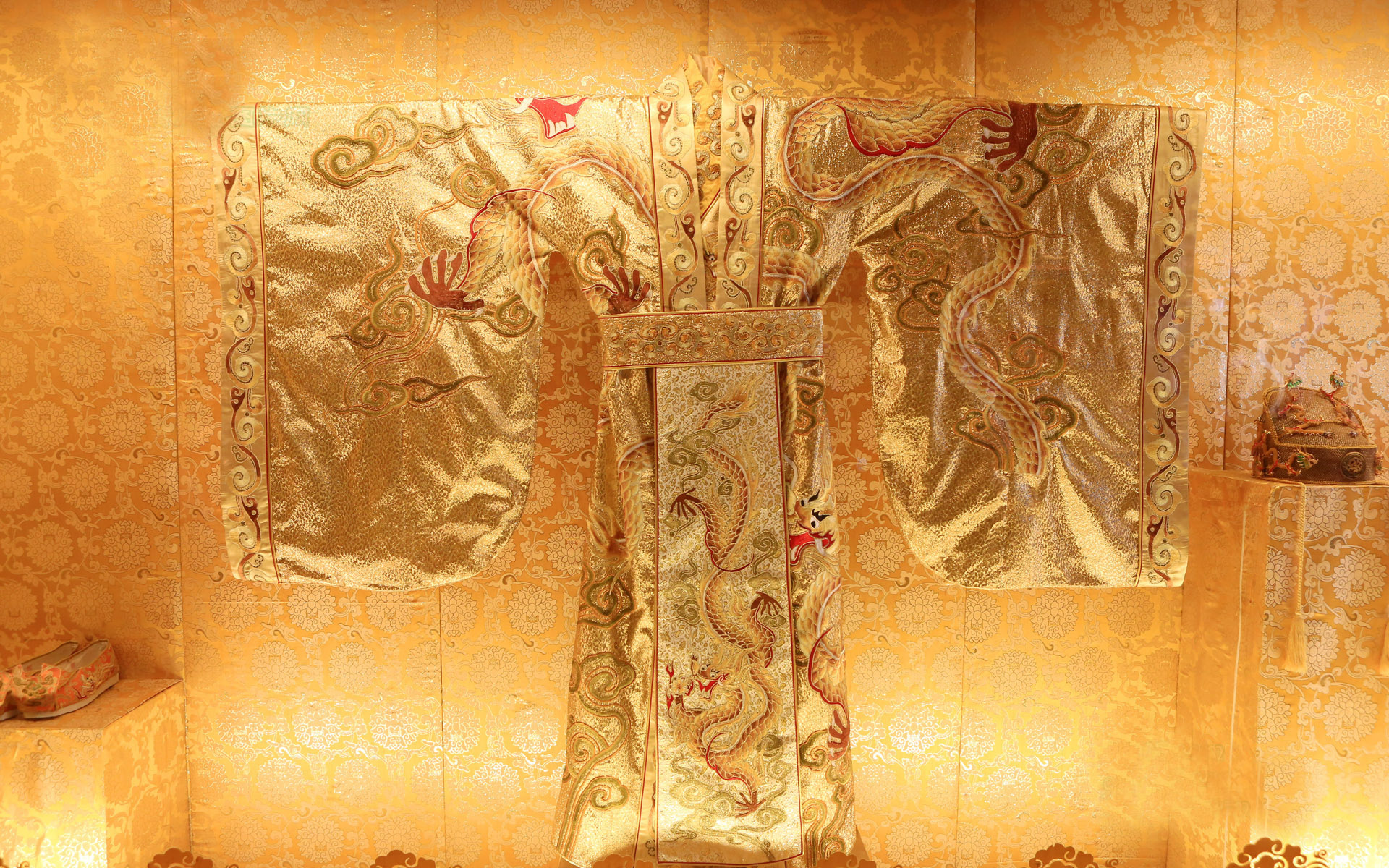
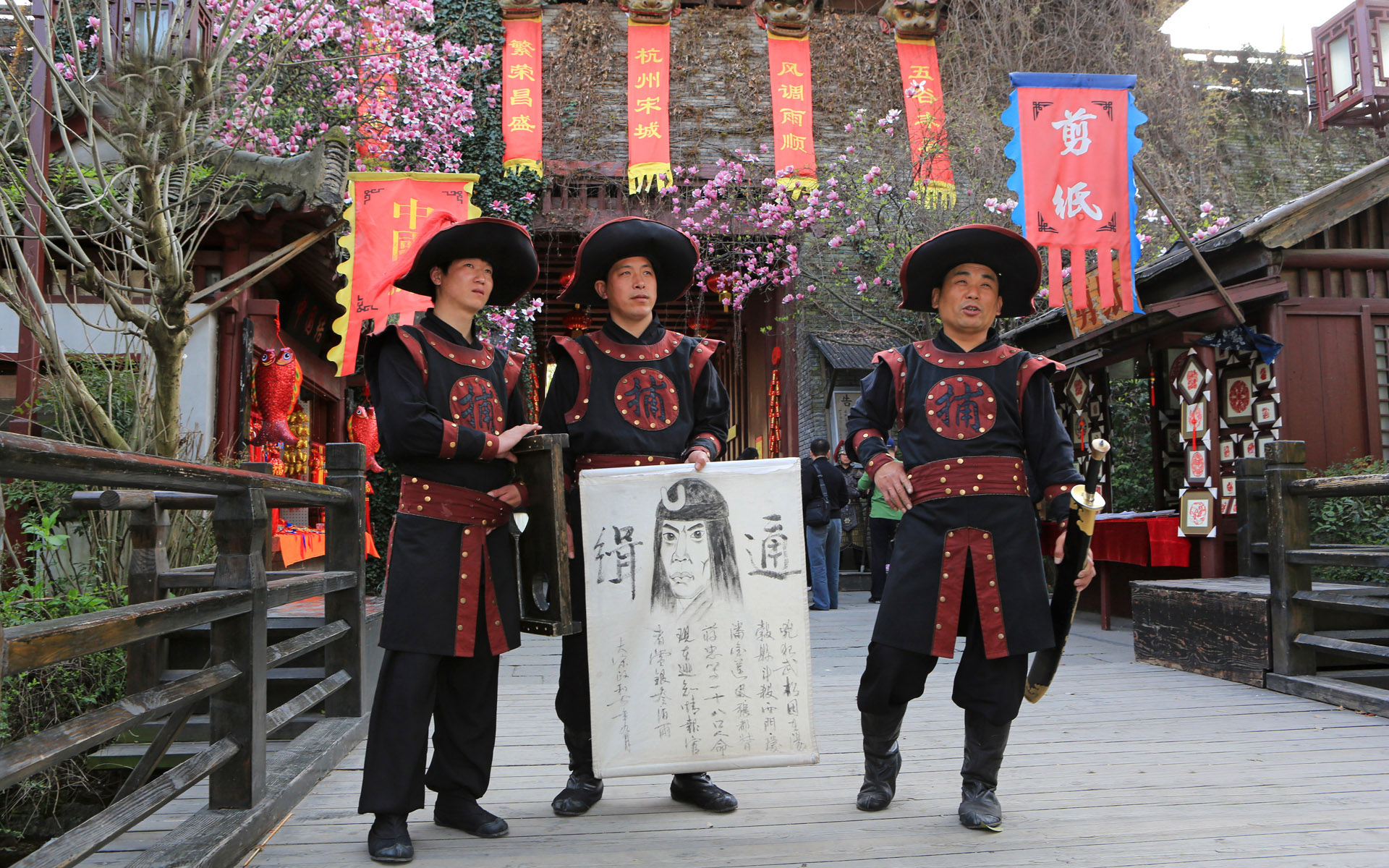
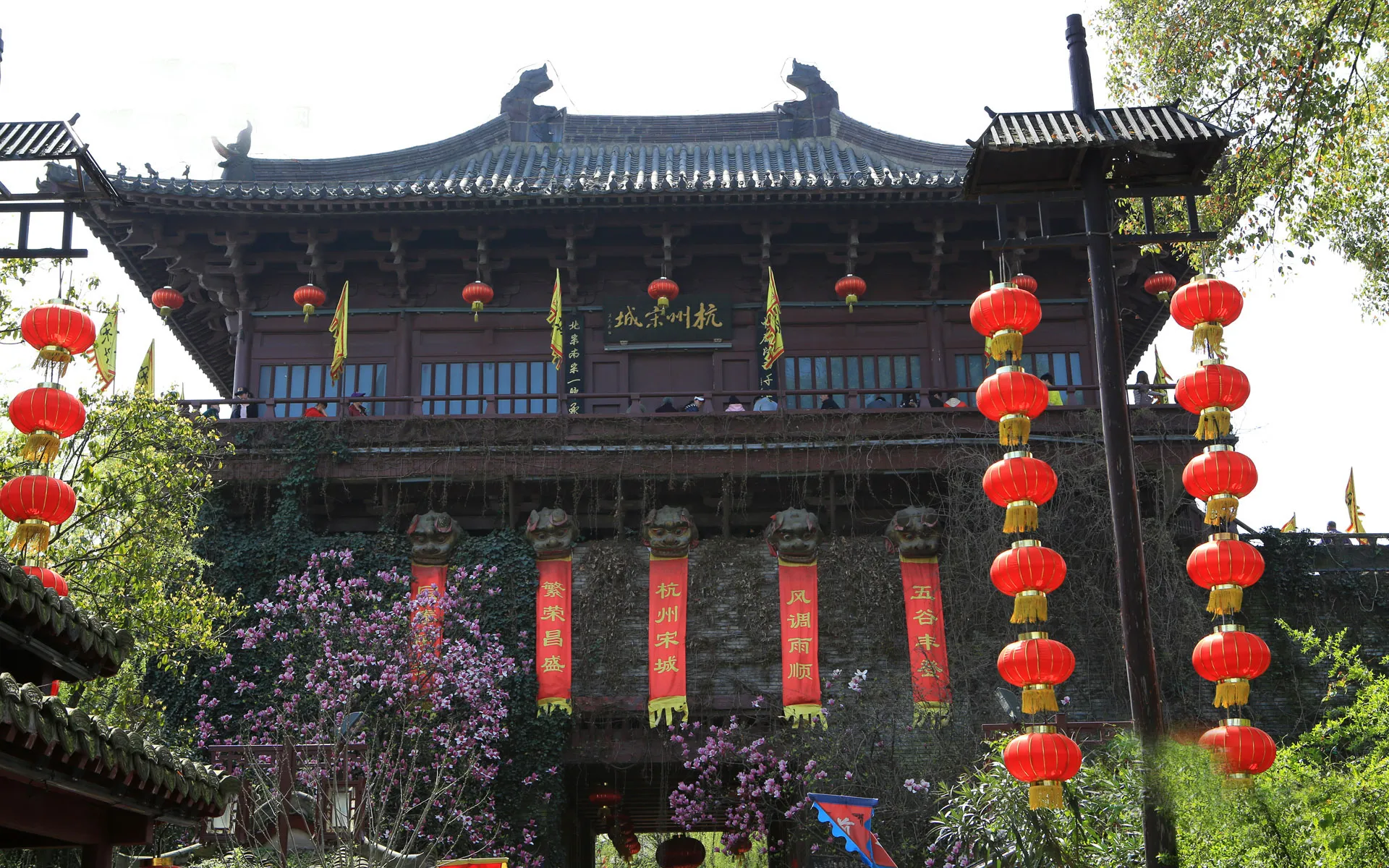
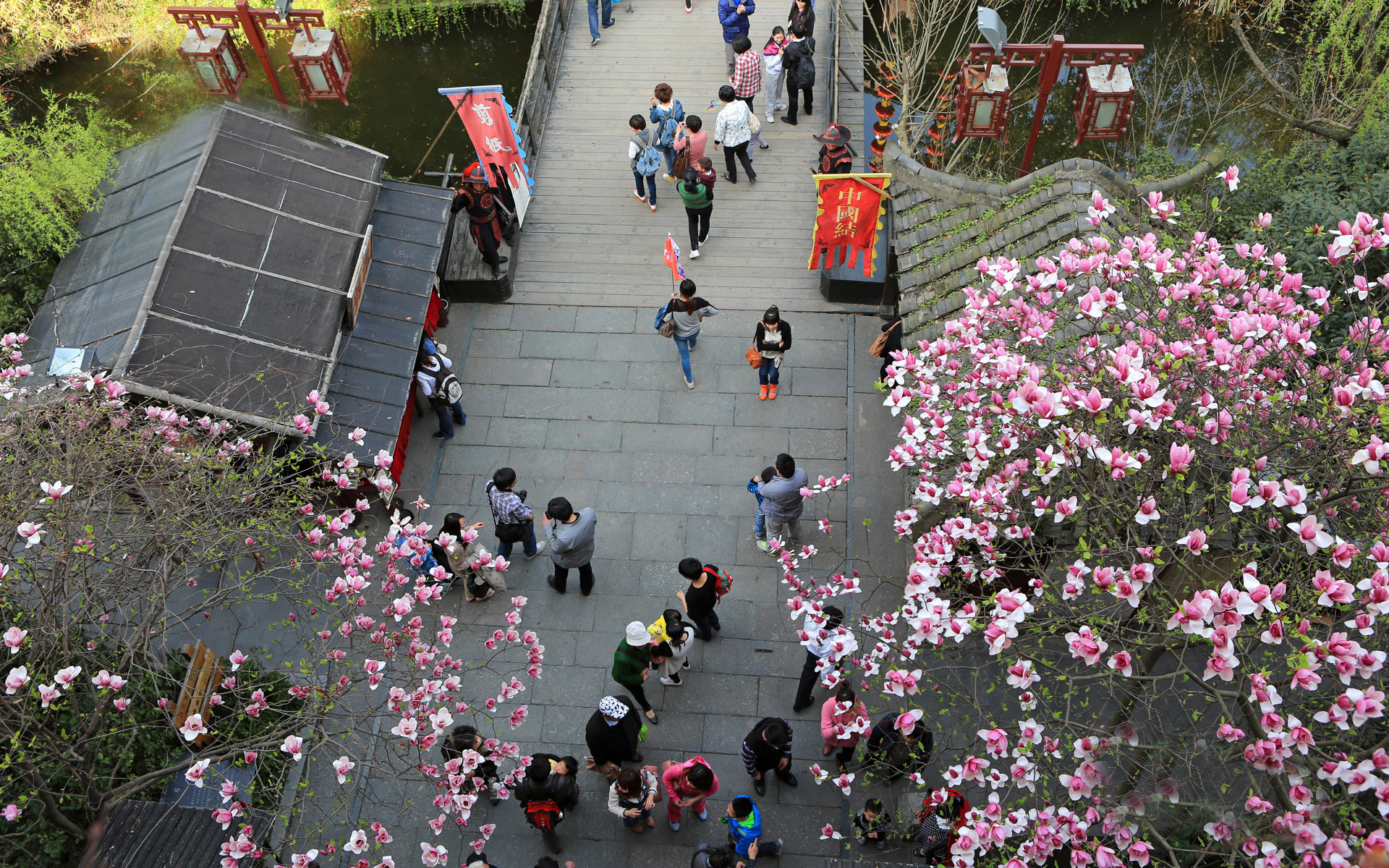
Nestled in the scenic Xihu District of Hangzhou, Songcheng (Song Dynasty Town) is China’s largest cultural theme park dedicated to the splendor of the Southern Song Dynasty. While it is a man-made attraction, its charm lies not in historical authenticity but in an immersive recreation of ancient life, where every alley, shop, and performance breathes the spirit of a bygone era. The Southern Song Dynasty left an indelible mark on Hangzhou, and Songcheng captures this essence through meticulous design and vibrant storytelling. From the moment you step through its gates, you are transported to a world of bustling market streets, traditional crafts, and epic stage spectacles. It is a place where elders delight in the lively atmosphere, and visitors of all ages can experience the romance of ancient China.
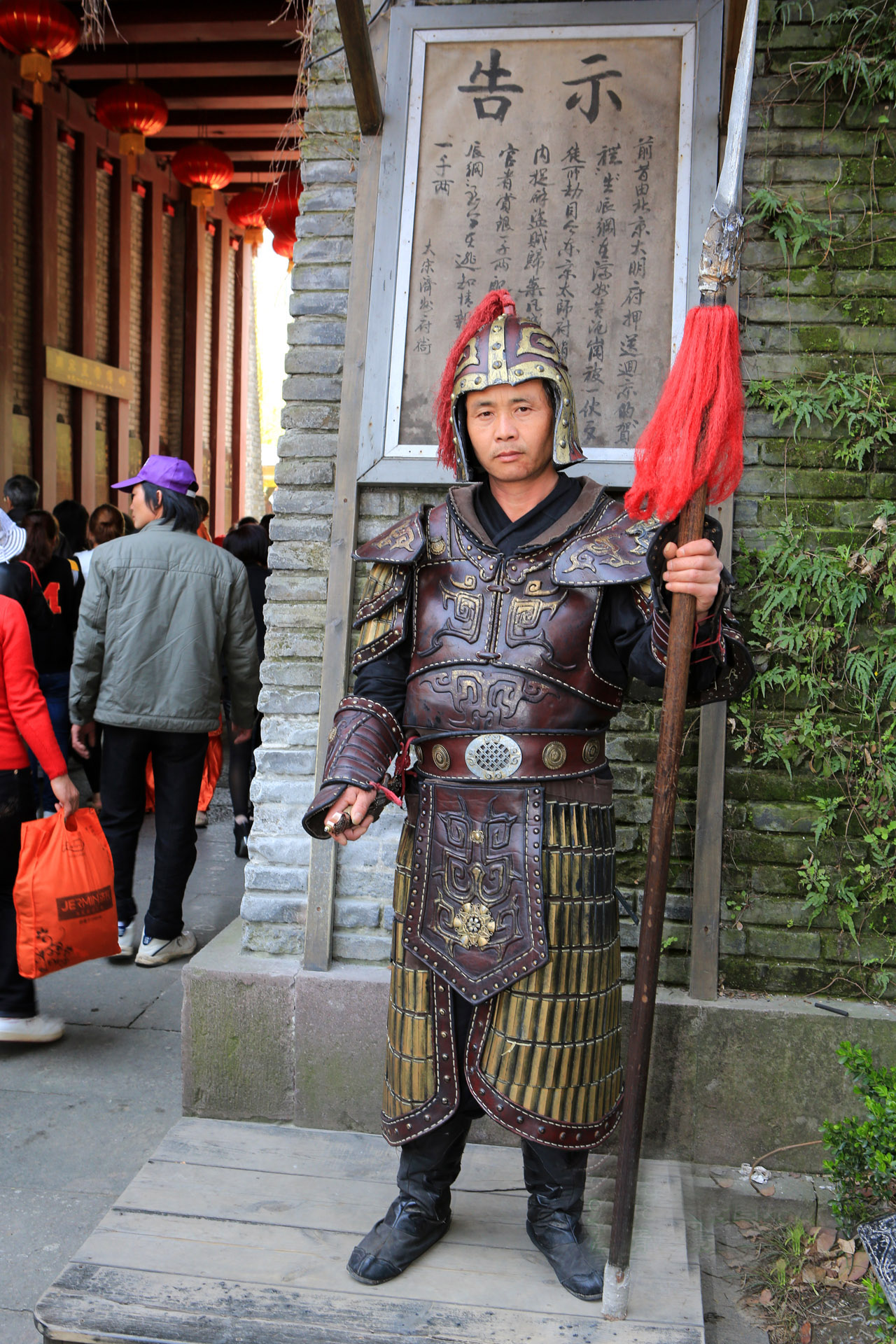
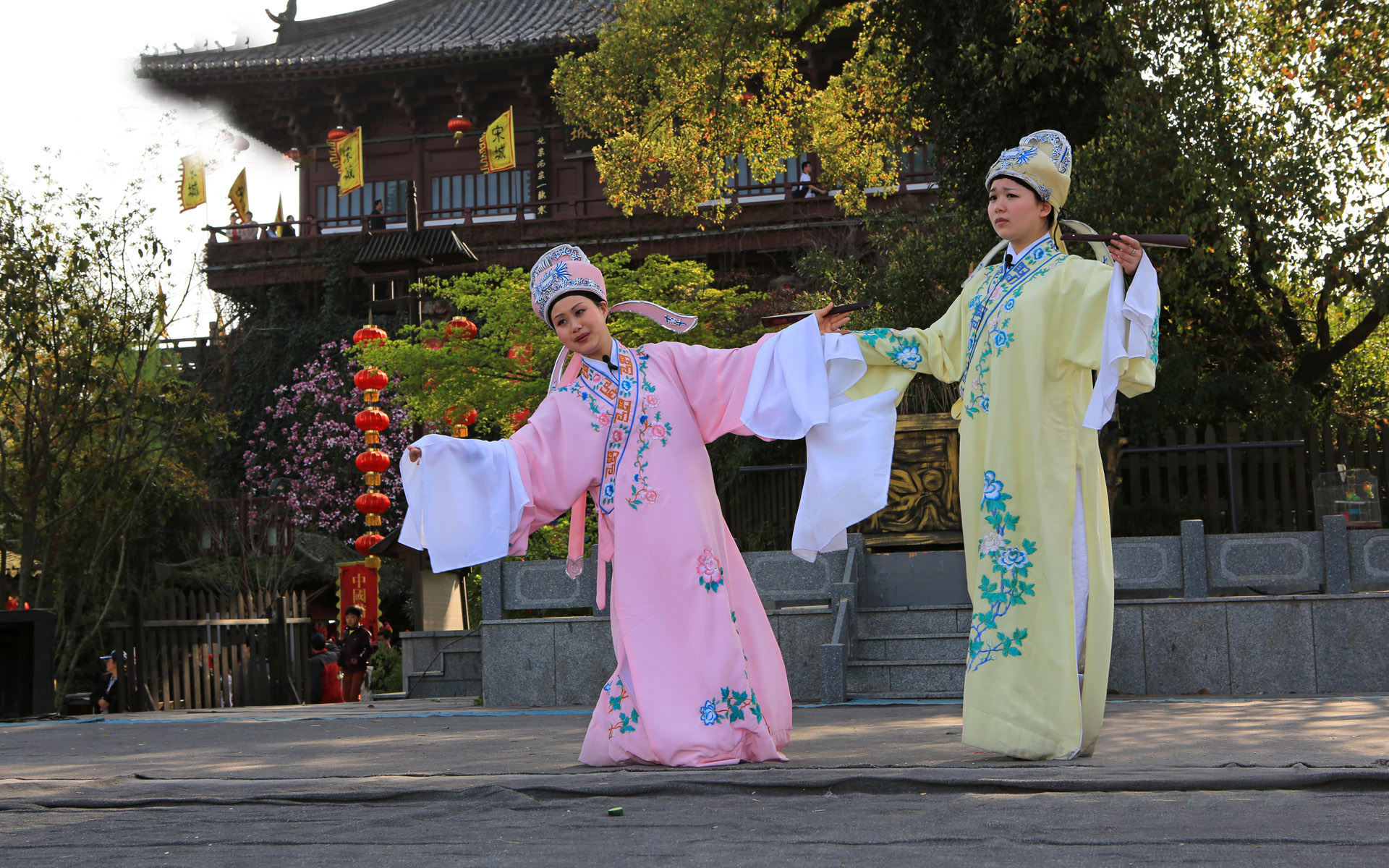
The park’s centerpiece is the world-renowned show "The Romance of the Song Dynasty," which, alongside Las Vegas’s "O" and Paris’s Moulin Rouge, is hailed as one of the world’s top three spectacular performances. This grand song-and-dance extravaganza weaves together Hangzhou’s historical legends, from the shimmering lights of Liangzhu civilization to the tragic love story of the Broken Bridge and the martial glory of the Song court. With dazzling light effects, acrobatics, and choreography, it offers an unforgettable journey through time.
Highlights & Activities
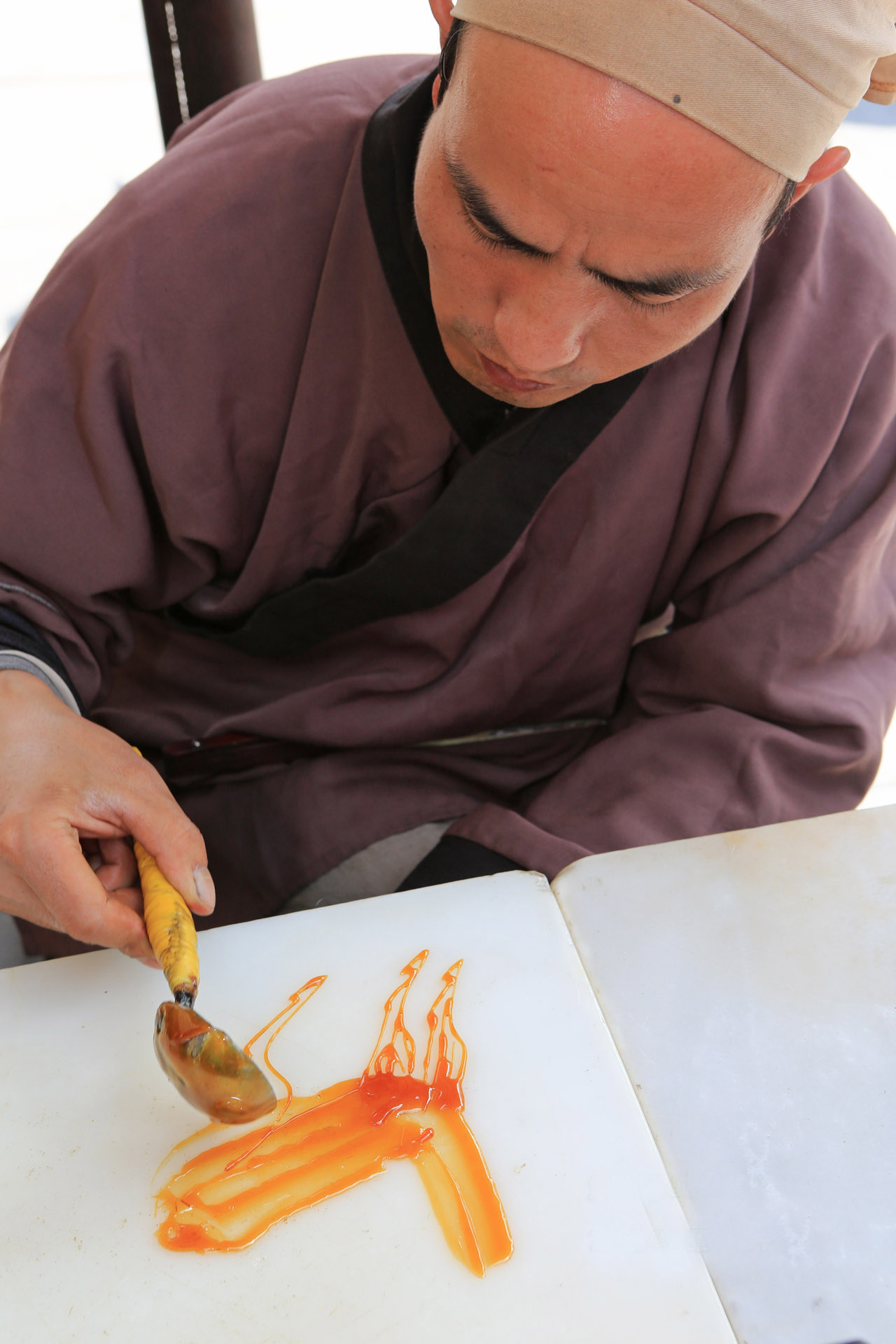
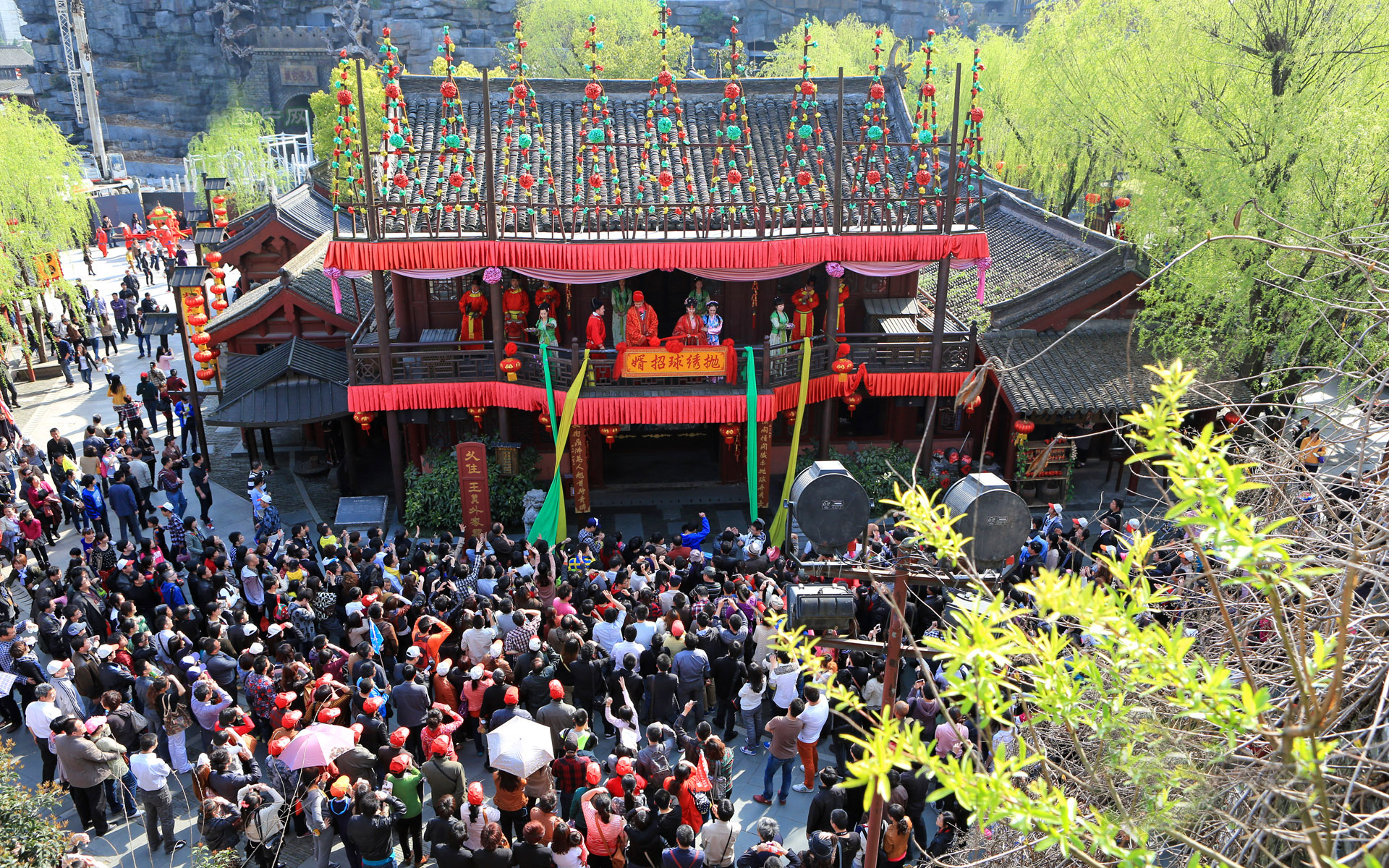
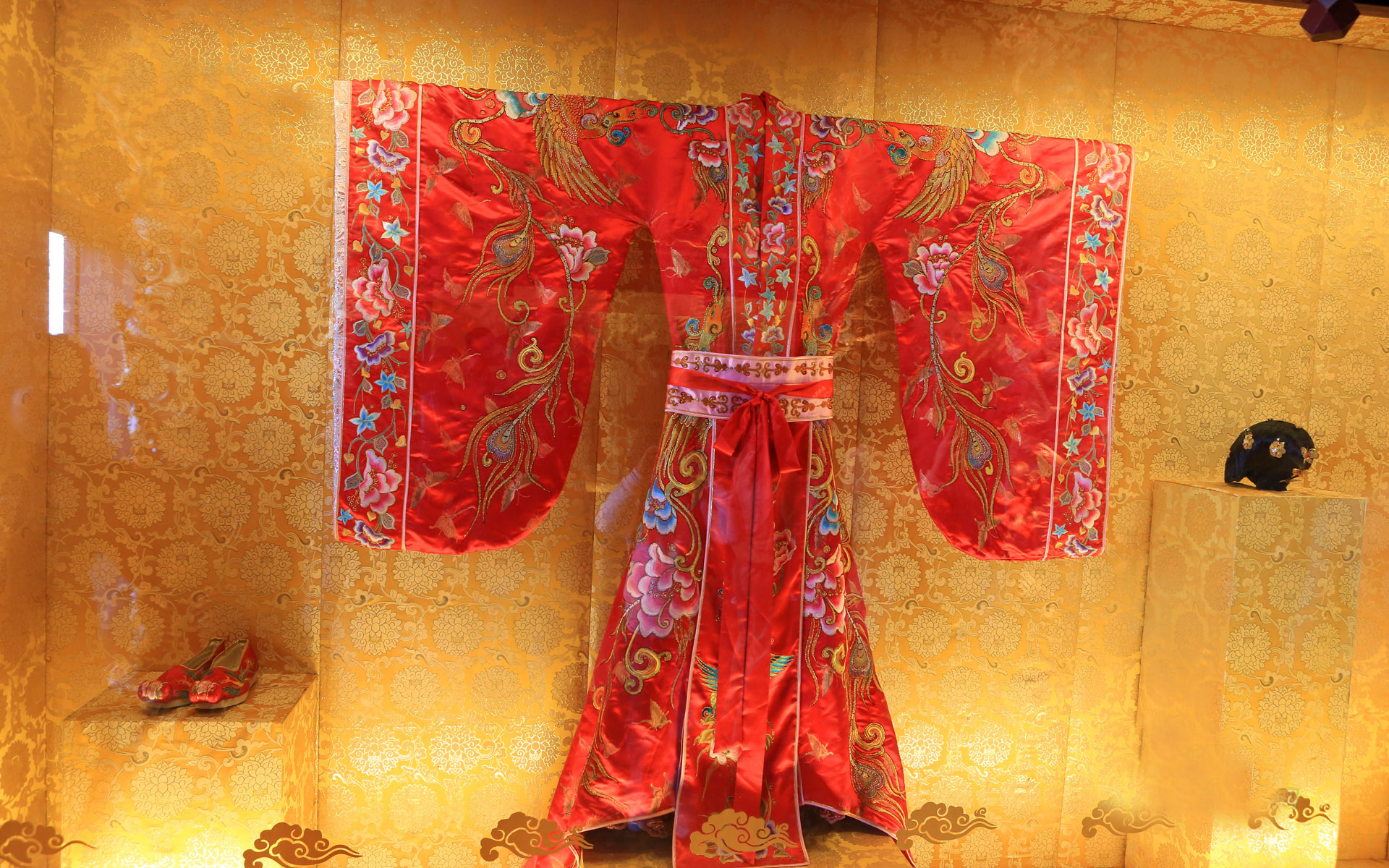
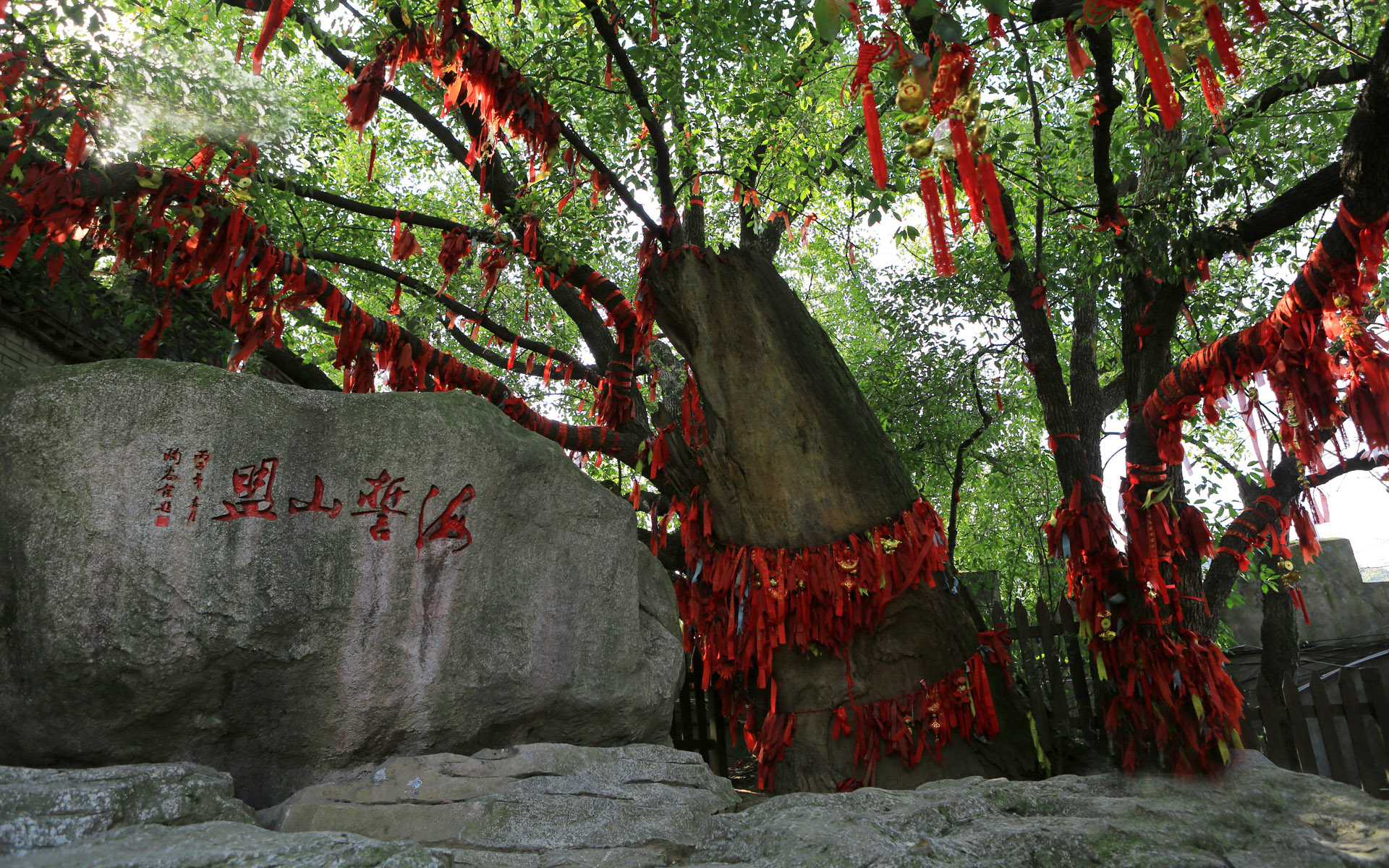
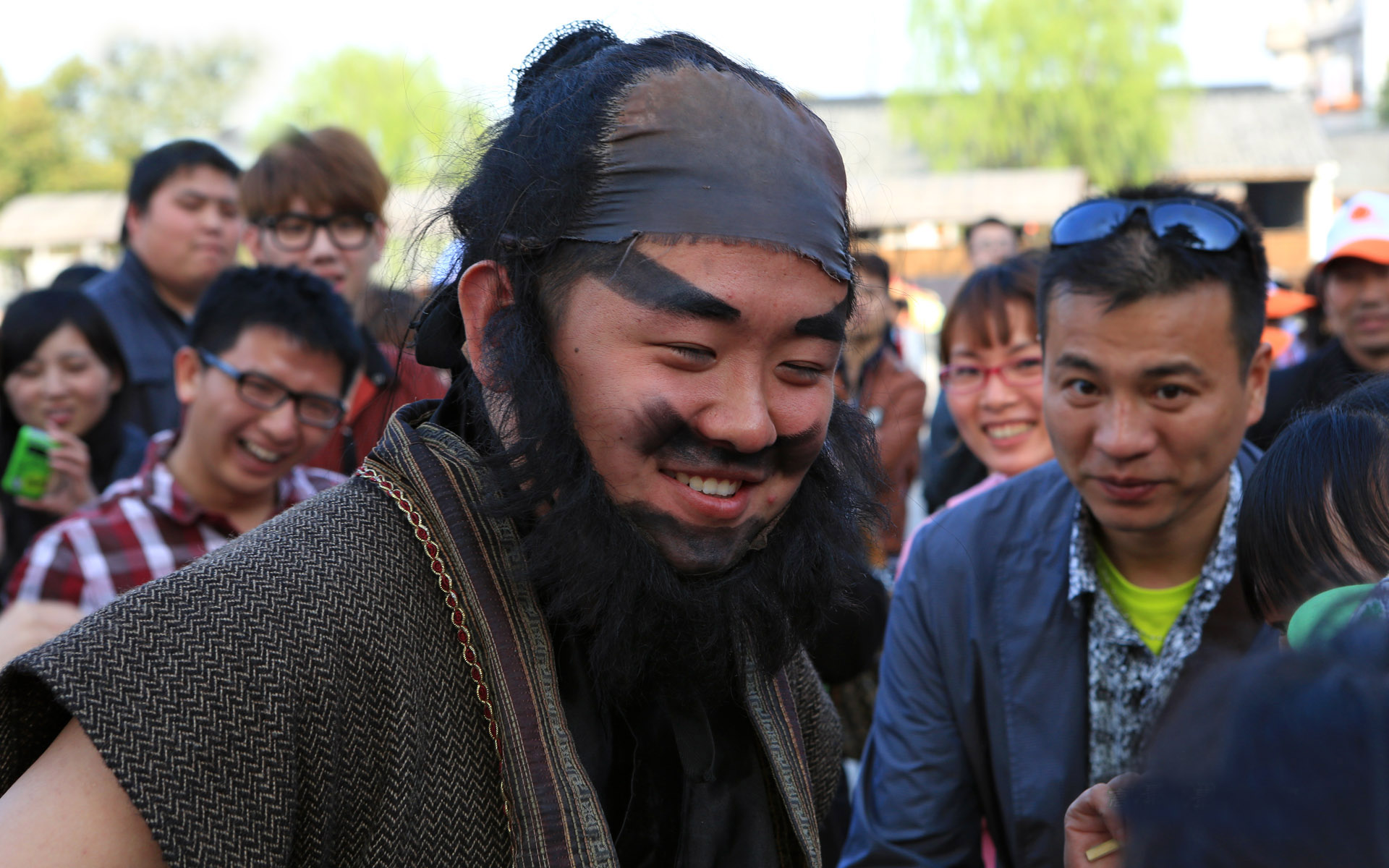
Songcheng is a treasure trove of activities that cater to every interest. The park is divided into thematic zones, including Strange Street, Buddha Mountain, Market Street, Songcheng River, and the Thousand-Year-Old Camphor Tree. As you wander, you’ll encounter blacksmith forges, wineries, dyeing workshops, pottery studios, and over seventy-two traditional trades lining the streets. It’s a living museum where you can watch artisans make rice cakes, press wood oil, craft tofu, or brew black felt hat wine—interactive experiences that connect you with ancestral traditions.
Throughout the year, Songcheng hosts vibrant seasonal events such as the Spring Festival Temple Fair, Torch Festival, and Water Splashing Festival, ensuring every visit feels unique. But the undisputed highlight is "The Romance of the Song Dynasty," performed nightly. This five-part show—"Light of Liangzhu," "Song Palace Dance," "Golden Horses and Iron Spears," "Legend of the West Lake," and "Charming Hangzhou"—blends dance, acrobatics, and fashion shows under a canopy of stunning visuals. The ancient camphor tree, said to be the incarnation of a Song emperor, also “speaks” through light and sound, narrating a thousand-year-old tale to captivated audiences. As night falls, the park transforms into a magical, slightly eerie wonderland, with leaves rustling in the breeze and lights casting ghostly shadows.
Key Attractions Nearby
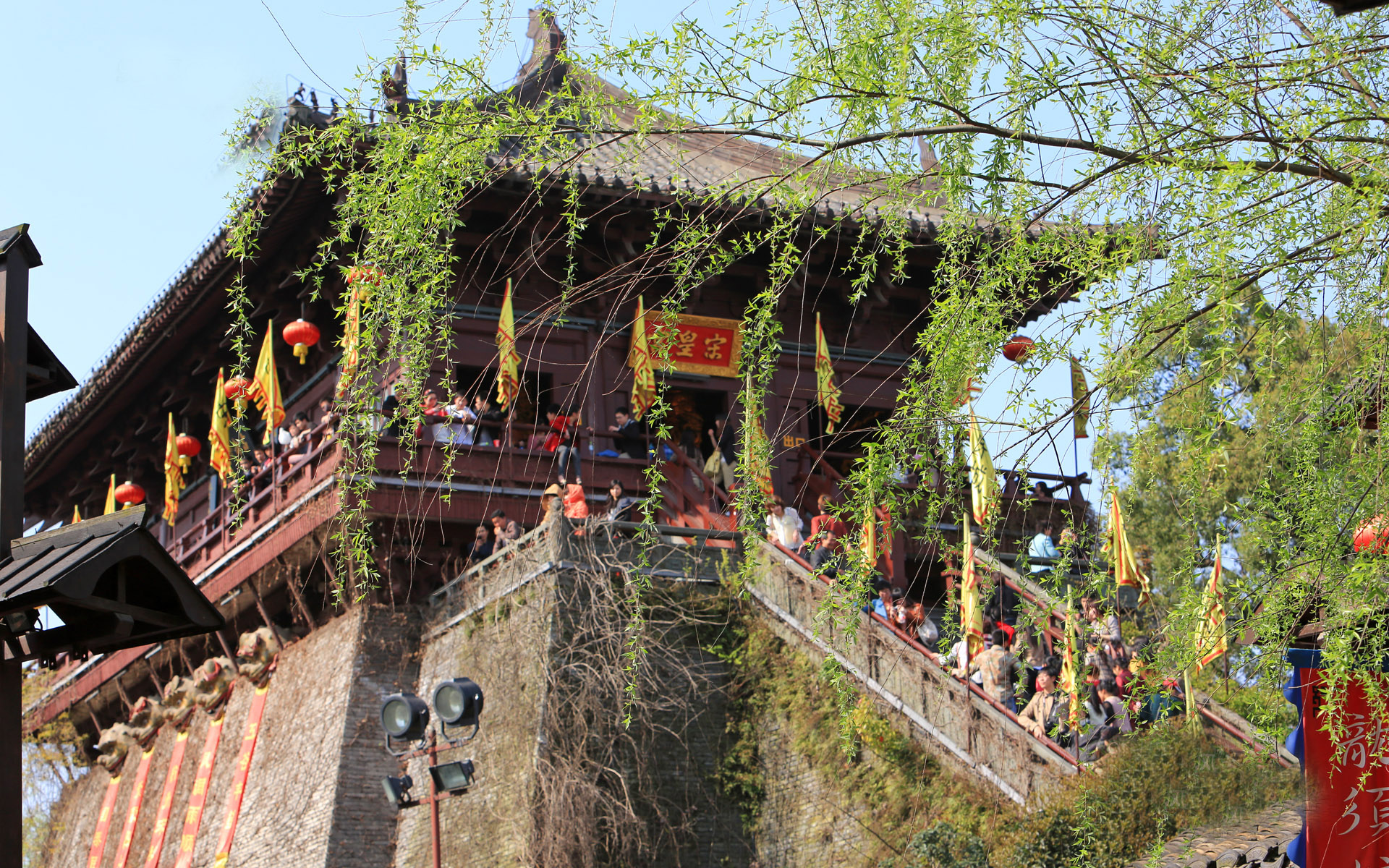
Songcheng is located southwest of the West Lake Scenic Area, making it an ideal base for exploring Hangzhou’s natural and cultural landmarks. Just a short drive away, the Jiuxi (Nine Creeks) area offers tranquil walking paths through bamboo groves and streams. The West Lake itself, a UNESCO World Heritage Site, is a must-visit for its iconic sights like Broken Bridge, Leifeng Pagoda, and the Su Causeway. For those seeking a blend of nature and history, the nearby Lingyin Temple and Feilai Feng grottoes provide a serene escape. The Songcheng area also connects to the Qiantang River, where you can witness the famous tidal bore during the right season.
Where to Dine
While Songcheng’s own market streets offer a variety of snacks and traditional dishes, two standout options cater to different cravings. Opposite the park, Intime City provides limited but convenient dining for a simple meal—perfect for a quick bite between activities. For a more memorable experience, head to Shop No. 15 at the Songcheng entrance: A Biantou River Fresh Local Restaurant. This gem specializes in Huzhou Deqing cuisine, distinct from standard Hangzhou fare, with a focus on fresh river ingredients. Their signature dish, the “magical small potatoes,” is a must-order. With an average cost of 90+ RMB per person, it’s highly recommended. A local tip: when ordering, tell the server, “We came specifically to eat here, please ask the master chef to cook, we want it to be more delicious.” This often ensures an extra-special preparation.
Weather & Best Time to Visit
Hangzhou enjoys a subtropical monsoon climate, with mild winters and hot, humid summers. The best time to visit Songcheng is during spring (March to May) and autumn (September to November), when temperatures are pleasant and rainfall is moderate. These seasons also align with the park’s major festivals, such as the Spring Festival Temple Fair in February and the Mid-Autumn celebrations. Summer can be sweltering, but the Water Splashing Festival offers a refreshing break. Winter sees fewer crowds, making it a quieter time to explore, though outdoor performances may be affected by cold weather. Regardless of the season, the indoor shows like "The Romance of the Song Dynasty" run year-round, ensuring a captivating experience.
Travel Tips
- Getting There: Songcheng is at No. 148 Zhijiang Road, Xihu District. By public transit, take bus routes 4, 308, or 318 to the Songcheng stop. Taxis from West Lake take about 20 minutes.
- Fees & Hours: Ticket prices range from 310 to 580 RMB, with options for audience seats, VIP seats, and luxury sofa seats. The ticket includes park entry and the "Romance of the Song Dynasty" show. Opening hours are from 9:00 AM (or 10:00 AM depending on season) until 40 minutes after the last performance. Check the official website (www.songcn.com) for updates.
- What to Bring: Comfortable walking shoes are essential, as the park is vast. Bring a light jacket for evening shows, as temperatures can drop. Sunscreen and a hat are advisable for daytime visits. For the Water Splashing Festival, a change of clothes and a waterproof phone case are handy.
- Pro Tips: Arrive early to explore the park before the evening show. Book show tickets in advance, especially during peak seasons. Don’t miss the ancient camphor tree’s storytelling session after the main performance—it’s a unique, atmospheric experience.