Overview & History
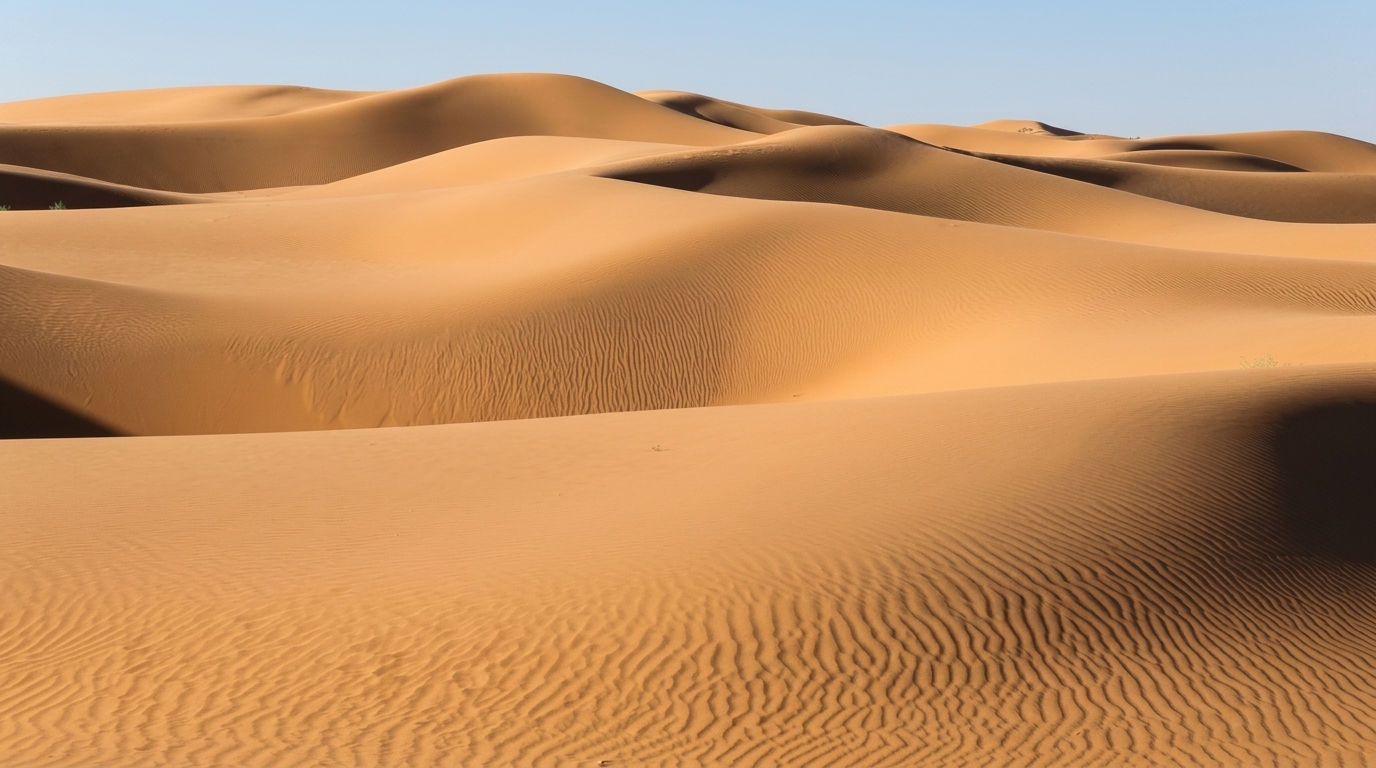
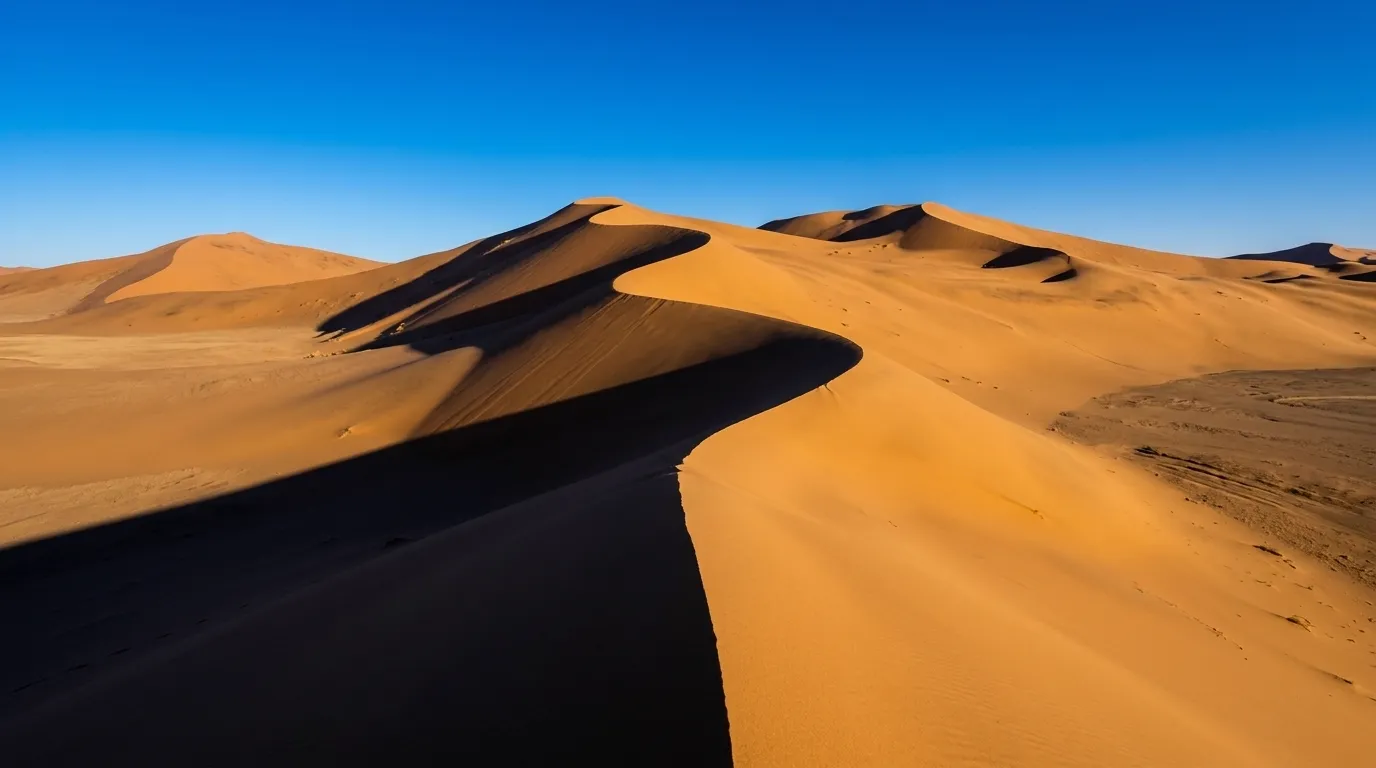
In the vast Gobi Desert of northwestern China, a natural wonder defies logic and time: the Crescent Moon Spring (Yueyaquan), nestled at the foot of the echoing Mingsha Mountain (Singing Sand Mountain) near Dunhuang. This oasis, shaped exactly like a crescent moon, has survived for millennia in the heart of the shifting sands, a phenomenon that has earned it the title "one of the most unique sights beyond the Great Wall." The name "Mingsha" comes from the rumbling sound the sand makes when disturbed—like drums or thunder—as wind moves across the dunes. Together, the mountain and spring create a landscape of extraordinary harmony: sand and water coexisting, a paradox that has captivated travelers, poets, and monks along the ancient Silk Road for over a thousand years.
Legend holds that the spring was formed by a celestial tear, while geological studies reveal that its unique position in a basin prevents sand from burying it—strong winds carry sand uphill, not down. Yet this fragile ecosystem is under threat. Over-extraction of groundwater in recent decades has caused the water level to drop dramatically, and the spring has shrunk significantly. Conservation efforts, including artificial water replenishment, are now underway to save this "desert eye" from vanishing entirely. Visiting today is not just a journey into a scenic wonder; it is a witness to a delicate balance between nature and human impact.
Highlights & Activities
The best way to experience the site is by entering in the late afternoon, around 5:00 PM, to avoid the intense midday heat and to catch the sunset. Start with a camel ride, a signature Silk Road experience. Camels plod gently across the dunes for about an hour, swaying as they carry you toward the spring. The ride costs around 100–150 RMB per person and operates from 6:00 AM to 7:00 PM in summer. Sunrise or sunset rides are especially magical, when the sand glows gold and the shadows lengthen.
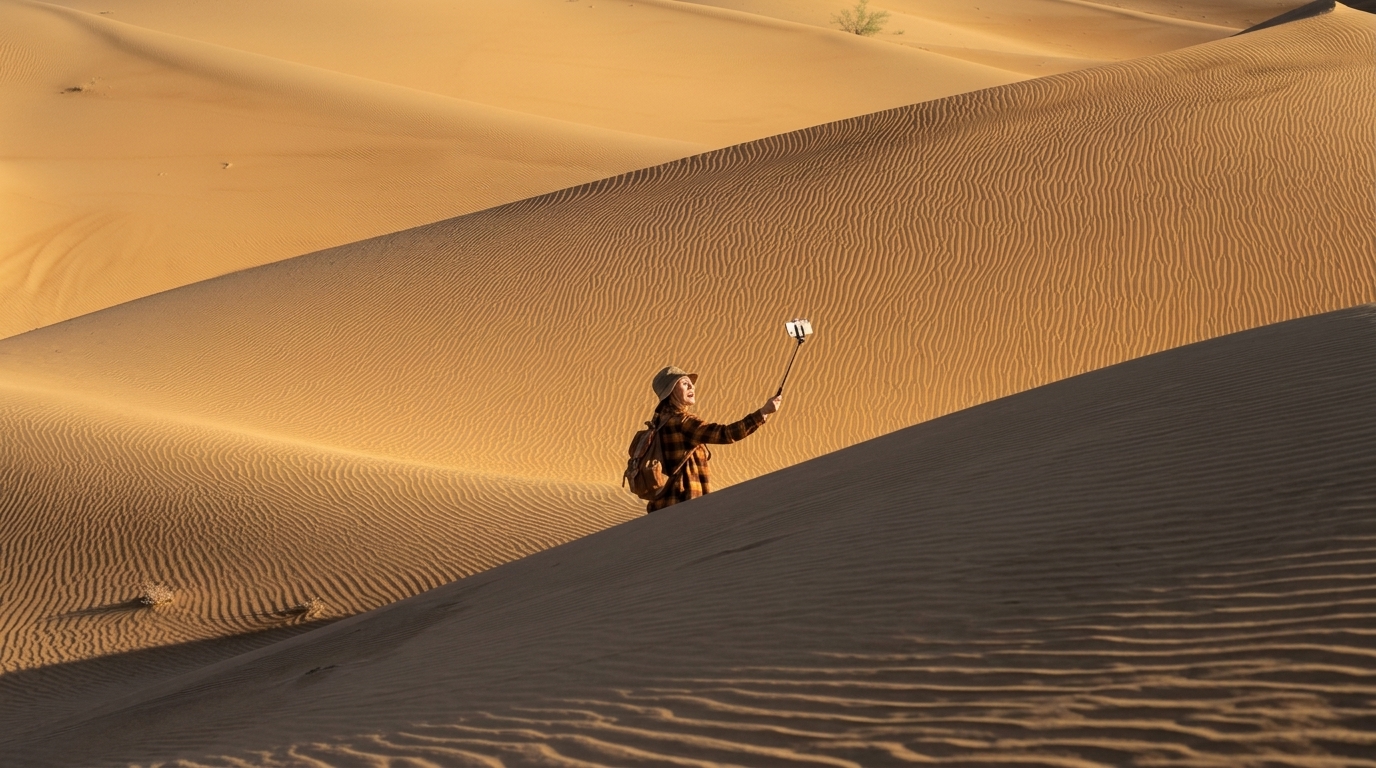
After dismounting, climb the soft, shifting slopes of Mingsha Mountain. It's a strenuous but rewarding hike—each step sinks into the sand, but the view from the top is unforgettable. Below, the crescent-shaped spring shimmers like a blue jewel in a sea of amber. As the sun dips low, the desert sky turns fiery orange and purple, and the silence is broken only by the wind and the distant call of camels. For thrill-seekers, sand sliding down the dunes is a must: you'll hear the "singing" of the sand as you descend, a low, vibrating hum that gives the mountain its name. Other activities include gliders (from 280 RMB), desert motorcycles, and archery.
Don't forget to protect yourself from sand. Rent sand-proof shoe covers at the entrance (15 RMB per pair, unlimited time), and bring sunglasses and a scarf. The scenic area is open daily from 5:00 AM to 8:30 PM, with ticket sales ending at 7:30 PM.
Key Attractions Nearby
Dunhuang itself is a treasure trove of history. Just 25 kilometers southeast lies the Mogao Caves, a UNESCO World Heritage site featuring hundreds of Buddhist cave temples adorned with exquisite murals and statues dating from the 4th to the 14th centuries. A visit here is essential for understanding the region's role as a crossroads of civilizations. Also nearby is the Dunhuang Ancient City, a replica of a Tang Dynasty town used as a film set, and the Yumen Pass (Jade Gate), a strategic outpost on the Silk Road. For a deeper desert experience, consider the Yardang National Geopark, with its wind-carved rock formations that resemble a ghostly city.
Where to Dine
Dunhuang's food scene reflects its multicultural heritage. Within the scenic area, you'll find basic snacks and drinks, but for a proper meal, head to the city's Shazhou Night Market. Here, try local specialties like lǜpí (cold noodle salad), yángròu chuàn (lamb skewers), and dùnhuáng huángmiàn (yellow noodles). For a sit-down restaurant, Dunhuang Renjia on Mingshan Road serves hearty northwestern dishes such as braised lamb and hand-pulled noodles. Another popular spot is Fengyi Restaurant, known for its dàpánjī (big plate chicken) and niúròu miàn (beef noodles). Don't miss the local apricot peel tea, a refreshing drink after a day in the desert.
Weather & Best Time to Visit
Dunhuang has a continental desert climate with extreme temperatures. Summers (June to August) are scorching, with daytime highs often exceeding 35°C (95°F), but evenings are cool. Winters (December to February) are cold, with temperatures dropping below freezing at night. The best time to visit is spring (April to May) and autumn (September to October), when temperatures are mild, skies are clear, and crowds are smaller. The peak tourist season is July and August, when the site can be busy, but sunrise and sunset remain spectacular. For a unique experience, come during the Dunhuang Silk Road International Cultural Expo in September, which features performances and exhibitions.
Crowds are heaviest around midday, so plan your visit for early morning (around 5:00 AM for sunrise) or late afternoon (around 5:00 PM for sunset). The spring is most photogenic in the soft light of dawn and dusk.
Travel Tips
- Getting there: Mingsha Mountain and Crescent Moon Spring are located 5 kilometers south of Dunhuang city center. Take Bus No. 3 from the roundabout intersection (near the Pipa-playing Flying Apsaras statue) or the Traditional Chinese Medicine Hospital stop on Shazhou South Road. The fare is 1 RMB, and the journey takes about 20 minutes. Buses run from 7:30 AM to 9:00 PM in summer, and 8:00 AM to 7:30 PM in winter. Taxis from the city cost around 20–30 RMB.
- Fees: The regular ticket is 120 RMB and is valid for two consecutive days. Students with ID pay half price (60 RMB). Children under 1.2 meters are free; those between 1.2 and 1.4 meters pay half price. Seniors over 70, active military, and other eligible groups enter free (check official site for details). Camel riding costs 100–150 RMB, and sand sliding is around 30 RMB.
- Hours: Open daily from 5:00 AM to 8:30 PM (summer) and 7:00 AM to 7:00 PM (winter). Last ticket sale is 30 minutes before closing.
- What to bring: Sunscreen, a hat, sunglasses, a scarf or face mask, and closed-toe shoes. A reusable water bottle is essential—stay hydrated. A camera with a good zoom is recommended for capturing the spring and dunes.
- Etiquette: Do not climb on the fragile edges of the spring. Respect the environment by not littering. If riding a camel, follow the guide's instructions for safety.
Visiting Mingsha Mountain and Crescent Moon Spring is more than a sightseeing trip—it's a pilgrimage to one of the planet's most surreal landscapes. As you stand on the dunes, watching the sun set over the crescent-shaped water, you'll understand why this place has inspired legends for centuries. But remember: this wonder is fragile. Tread lightly, and help preserve it for future generations.