Overview & History
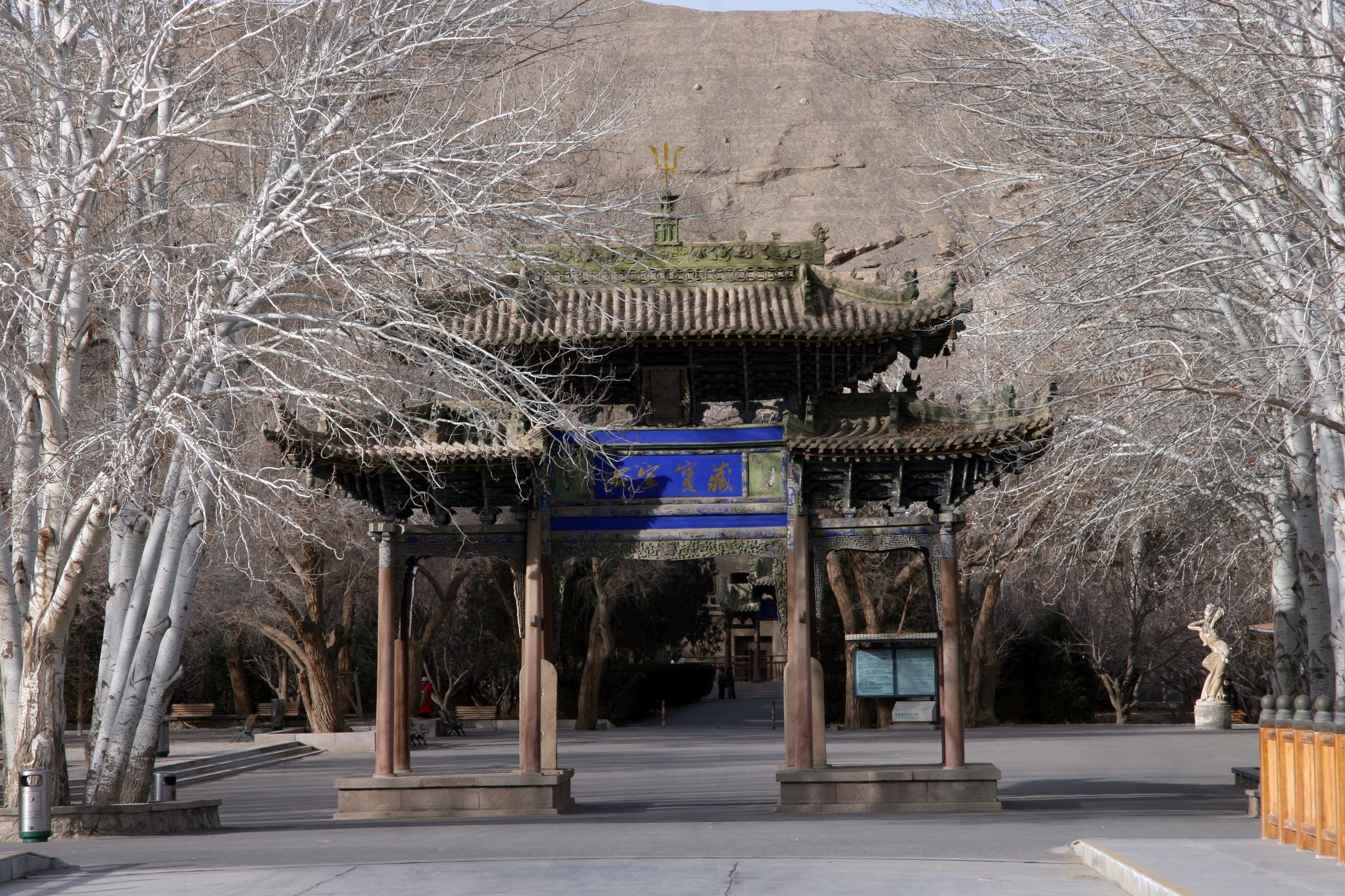
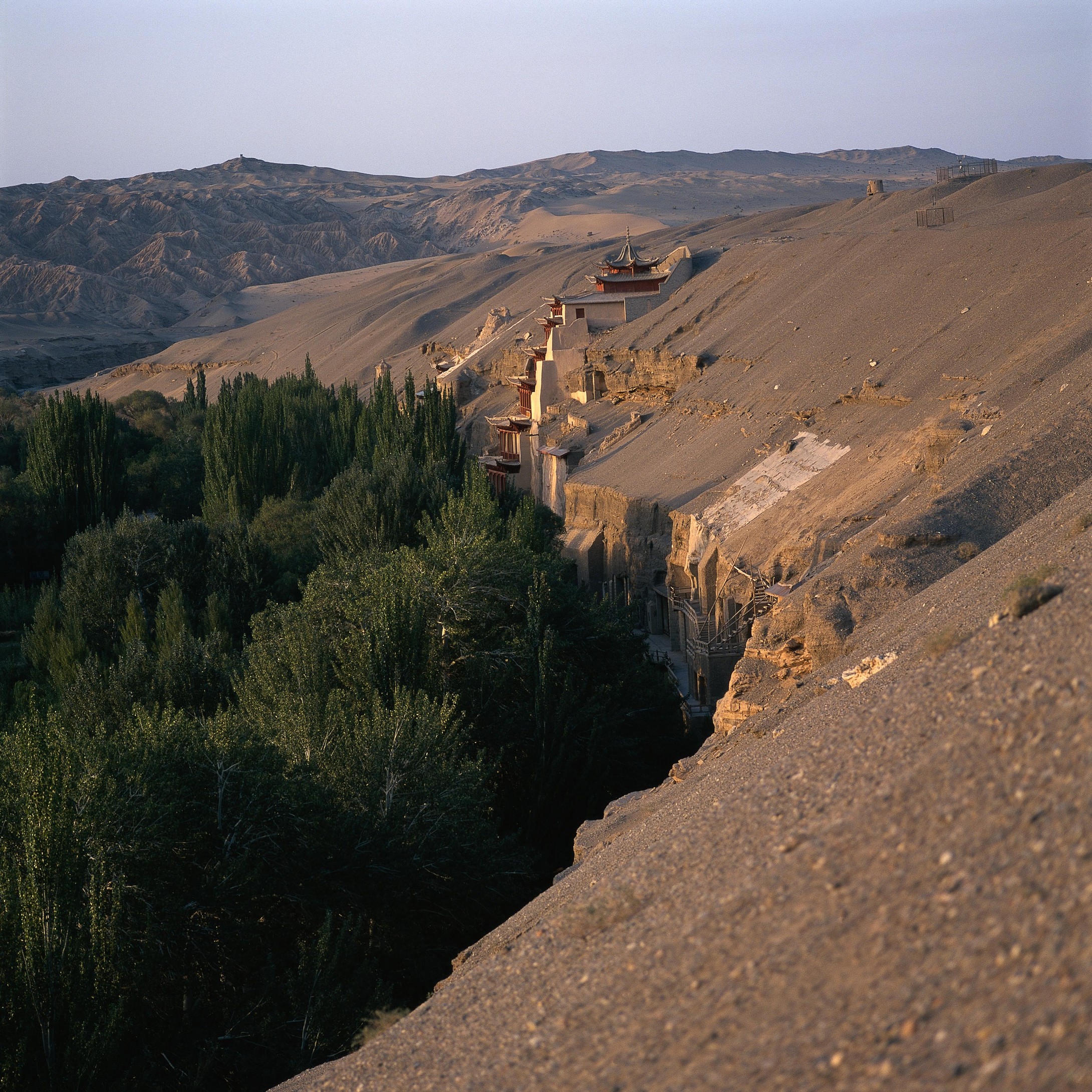
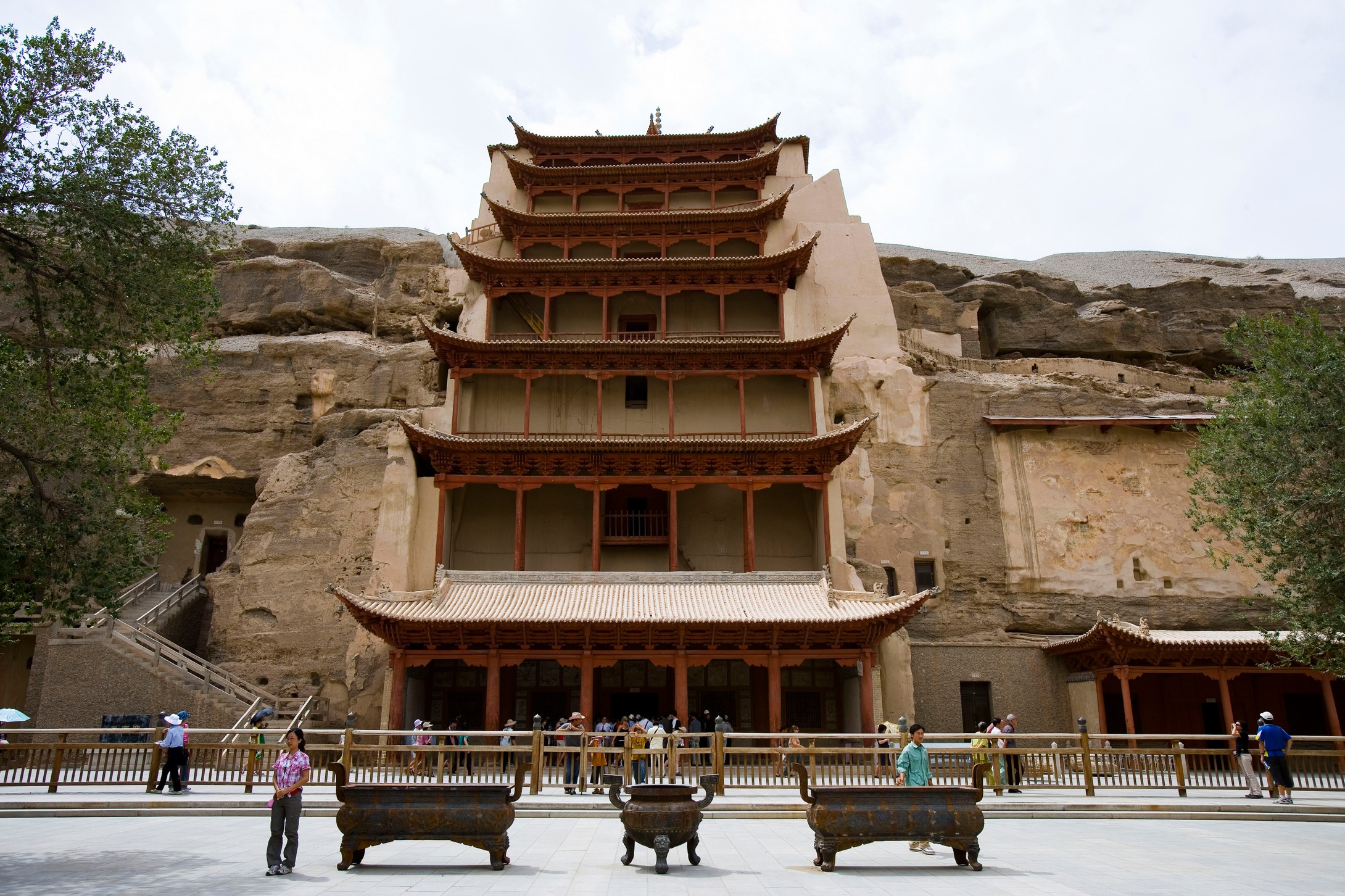
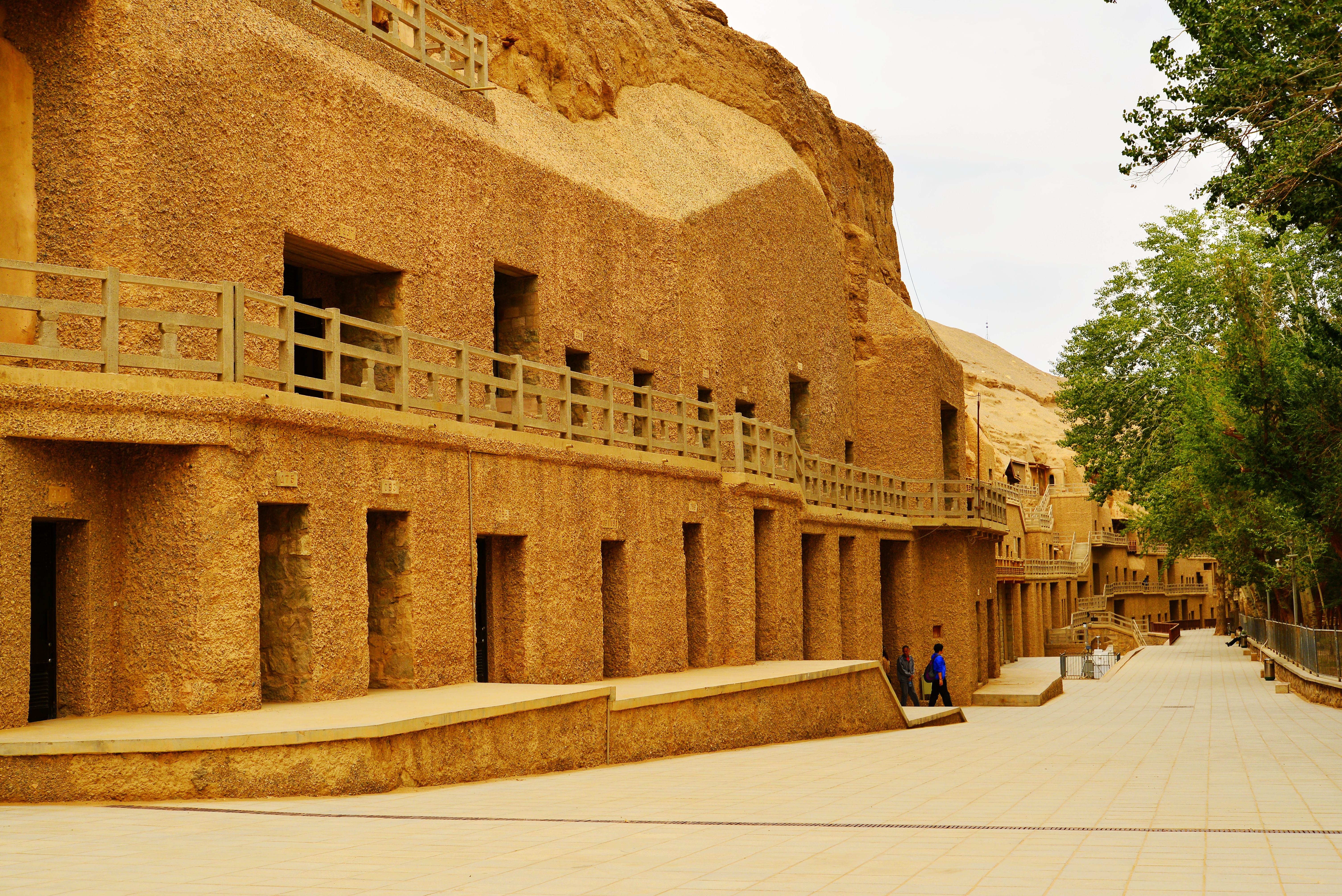
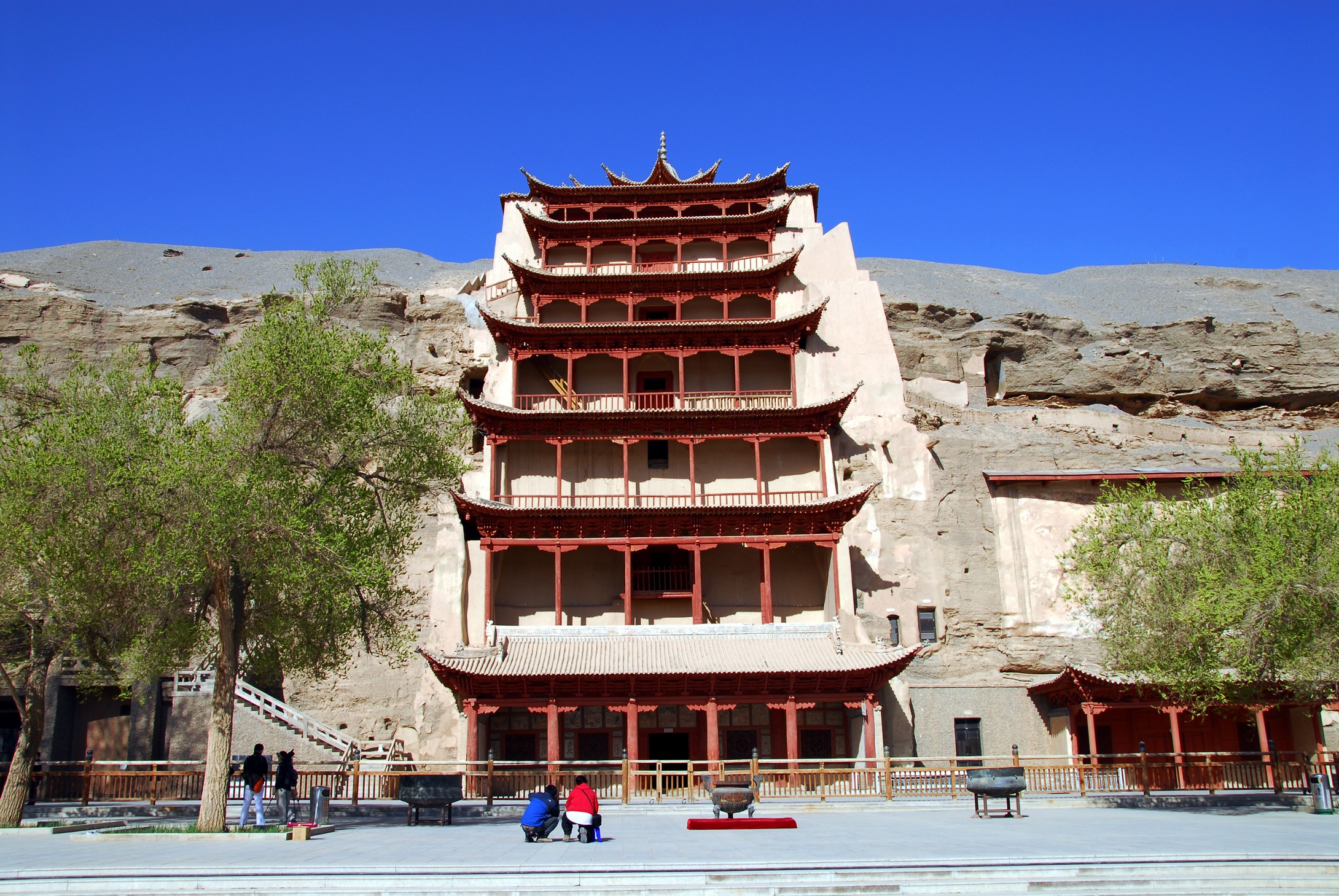
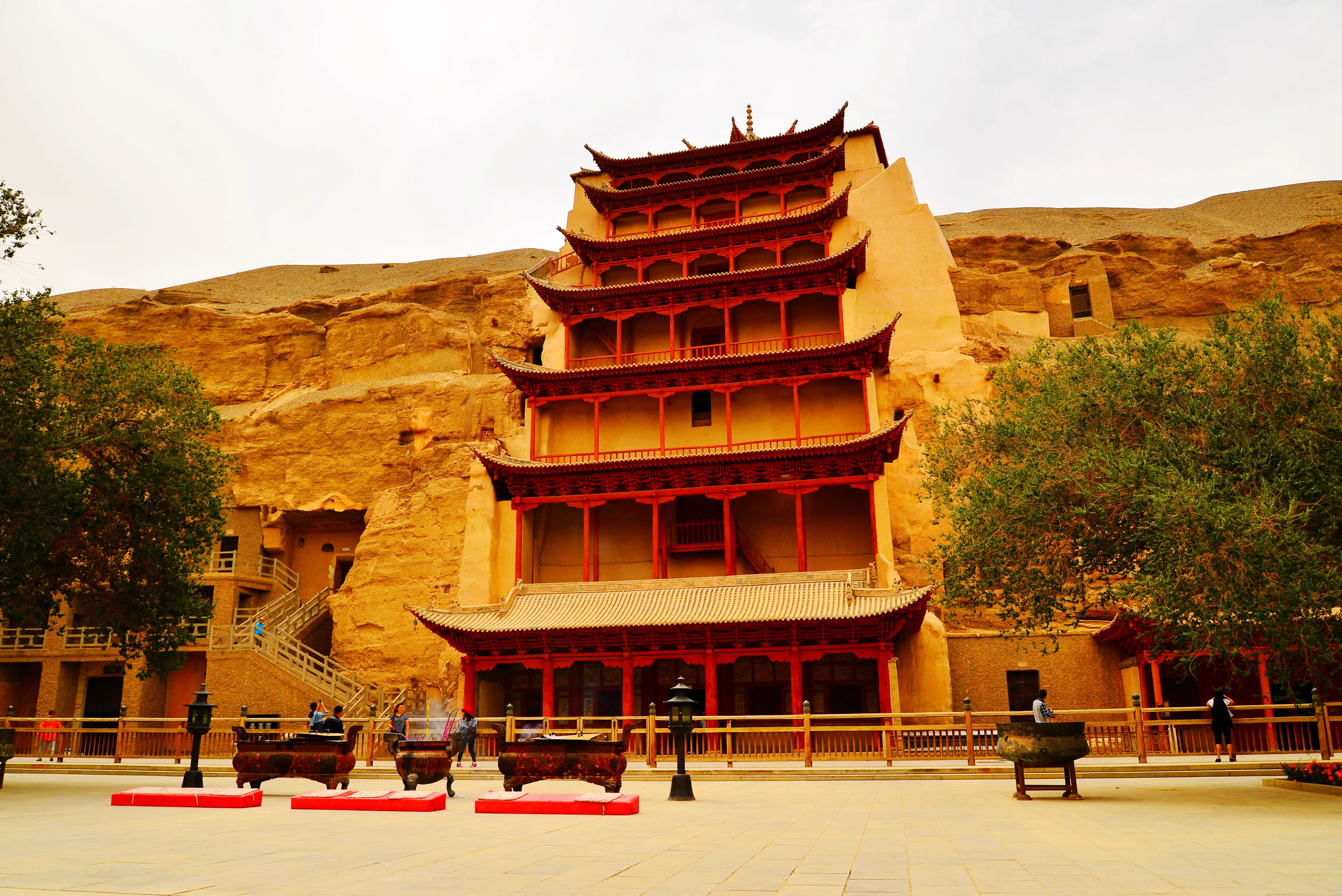
Nestled at the southeastern edge of Dunhuang city in Gansu Province, the Mogao Caves, also known as the Thousand Buddha Grottoes, stand as one of humanity’s greatest artistic and spiritual treasures. Carved into a cliff face along the ancient Silk Road, this UNESCO World Heritage site began its life in the 4th century during the Sixteen Kingdoms period and continued to be expanded for over a thousand years, until the Yuan dynasty. The result is a breathtaking complex of 492 caves, adorned with exquisite murals, painted sculptures, and countless relics that chronicle the evolution of Buddhist art and culture in China.
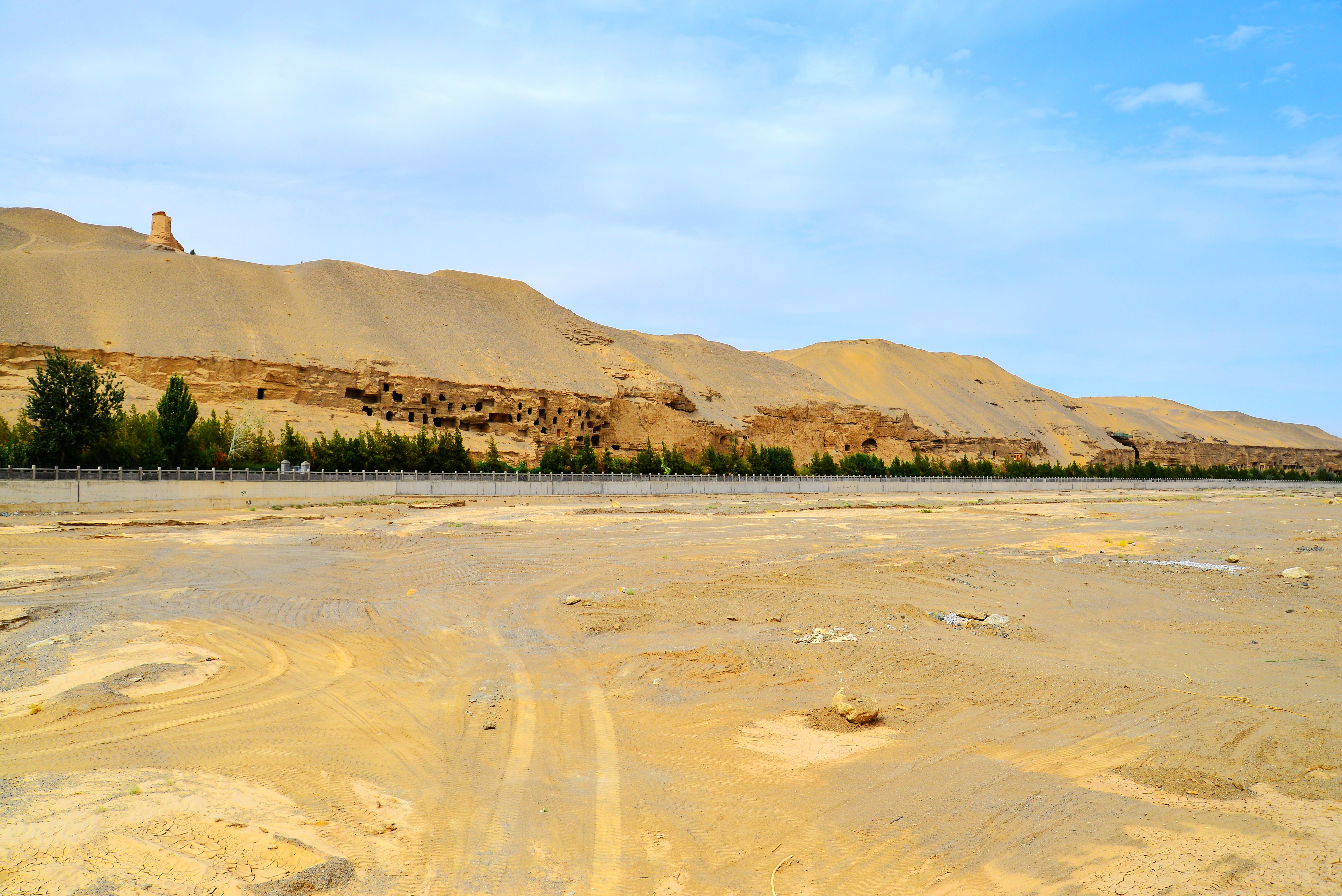
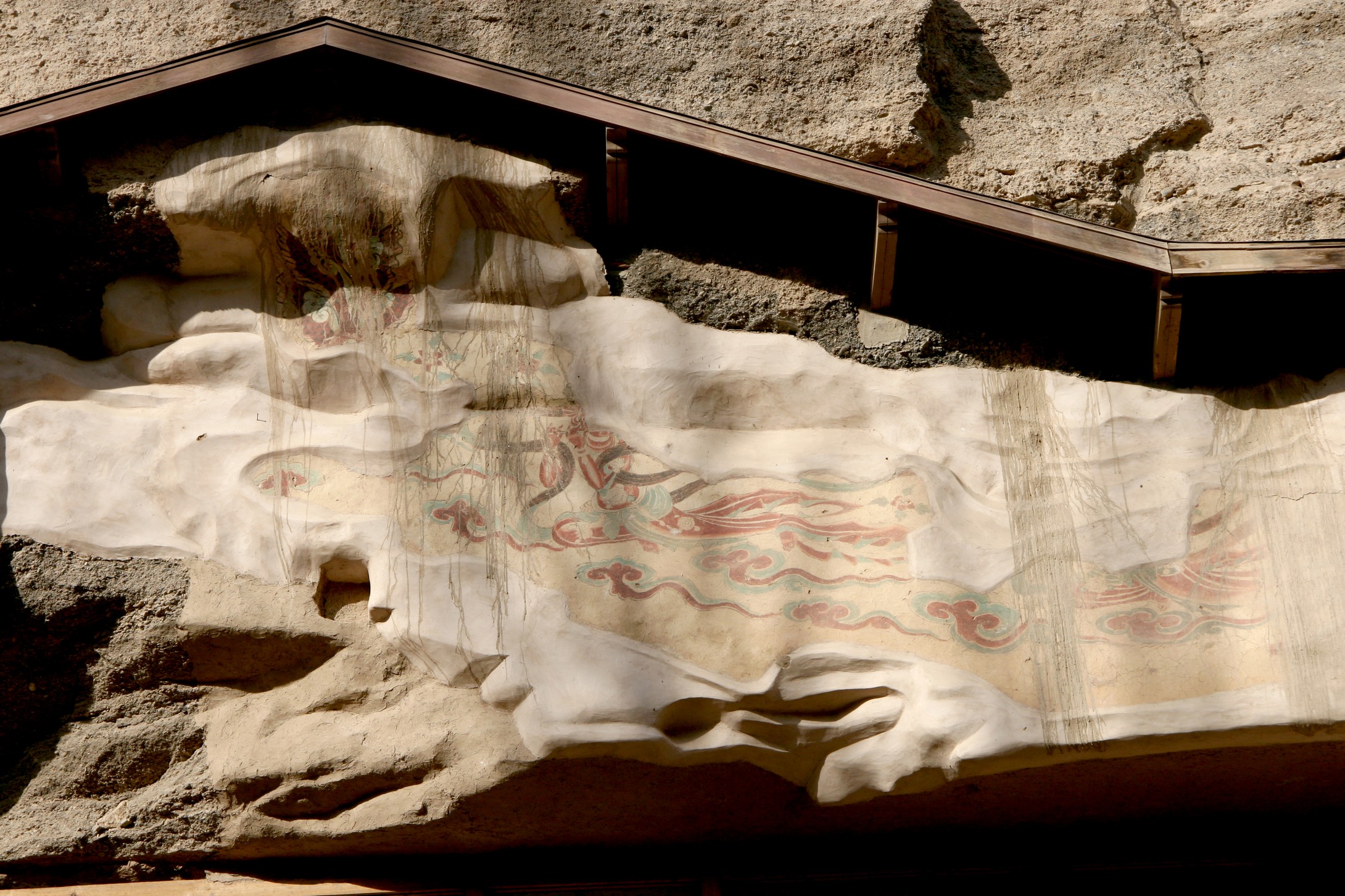
What makes Mogao truly special is its role as a living museum of cross-cultural exchange. Here, the artistic traditions of Central Asia, India, and China merge, creating a visual feast that ranges from serene Buddhas and celestial flying apsaras to lively musicians and intricate narrative scenes. The caves offer an unparalleled window into the religious devotion, daily life, and artistic mastery of ancient civilizations along the Silk Road.
Highlights & Activities
Your journey begins not at the caves themselves, but at the Mogao Caves Digital Exhibition Center, located 10 kilometers north of the site. After collecting your pre-booked tickets, you will watch two captivating films: Millennium Mogao, which provides a historical overview with stunning visuals, and Dreamy Buddhist Palace, a breathtaking dome film that reveals details of caves not normally open to the public, such as Cave 285 and Cave 130. Photography is strictly prohibited during these screenings.
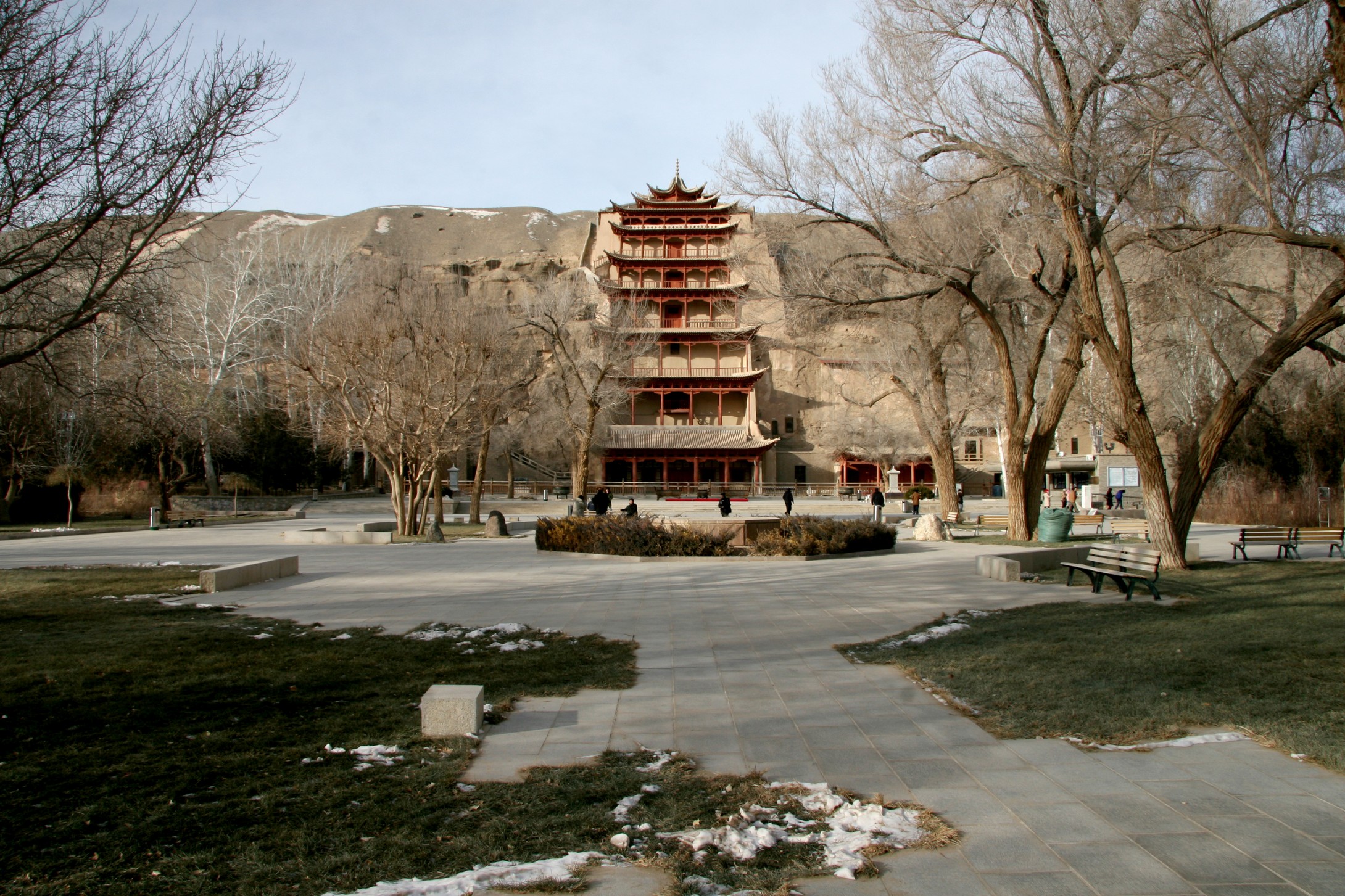
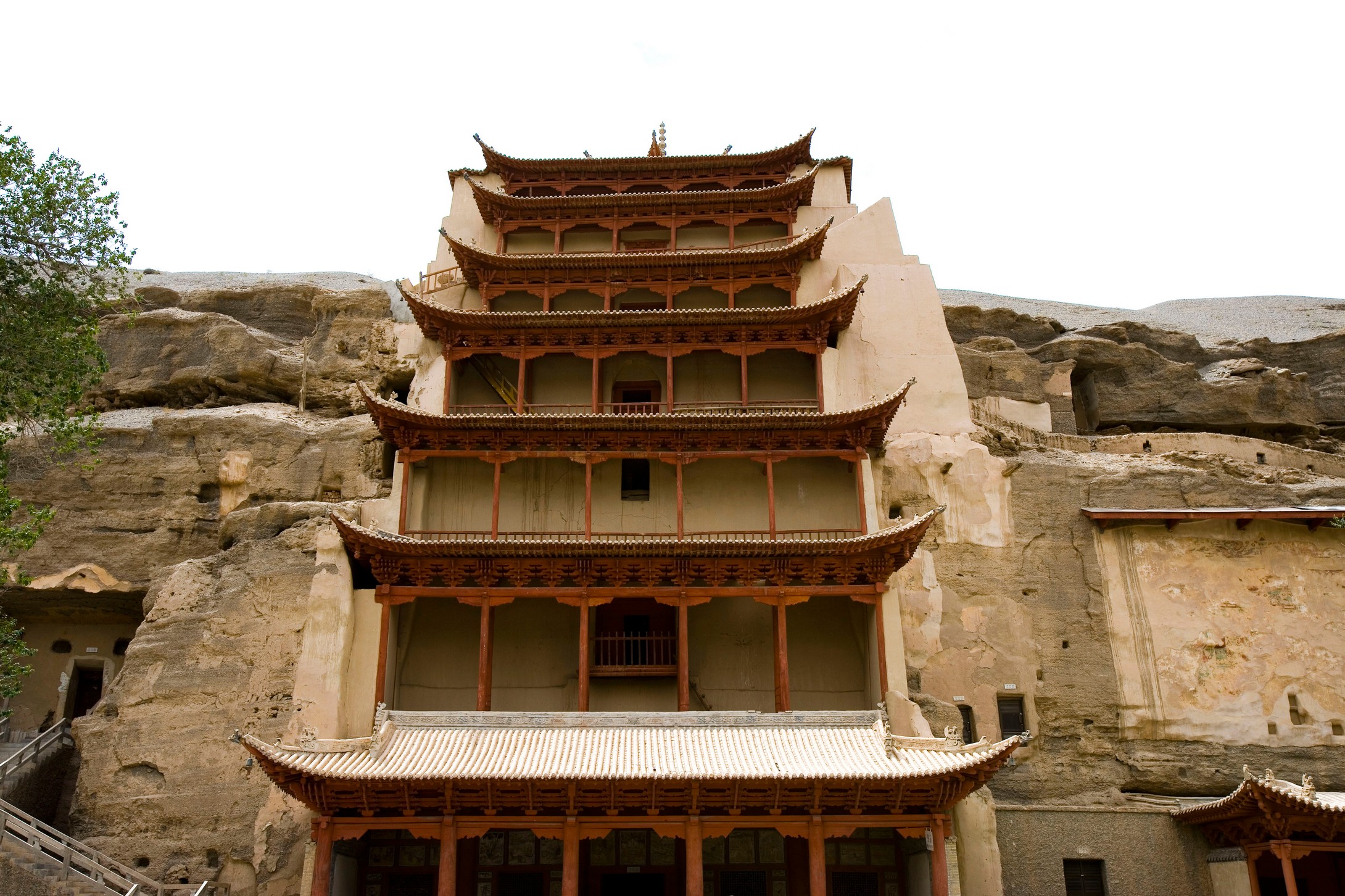
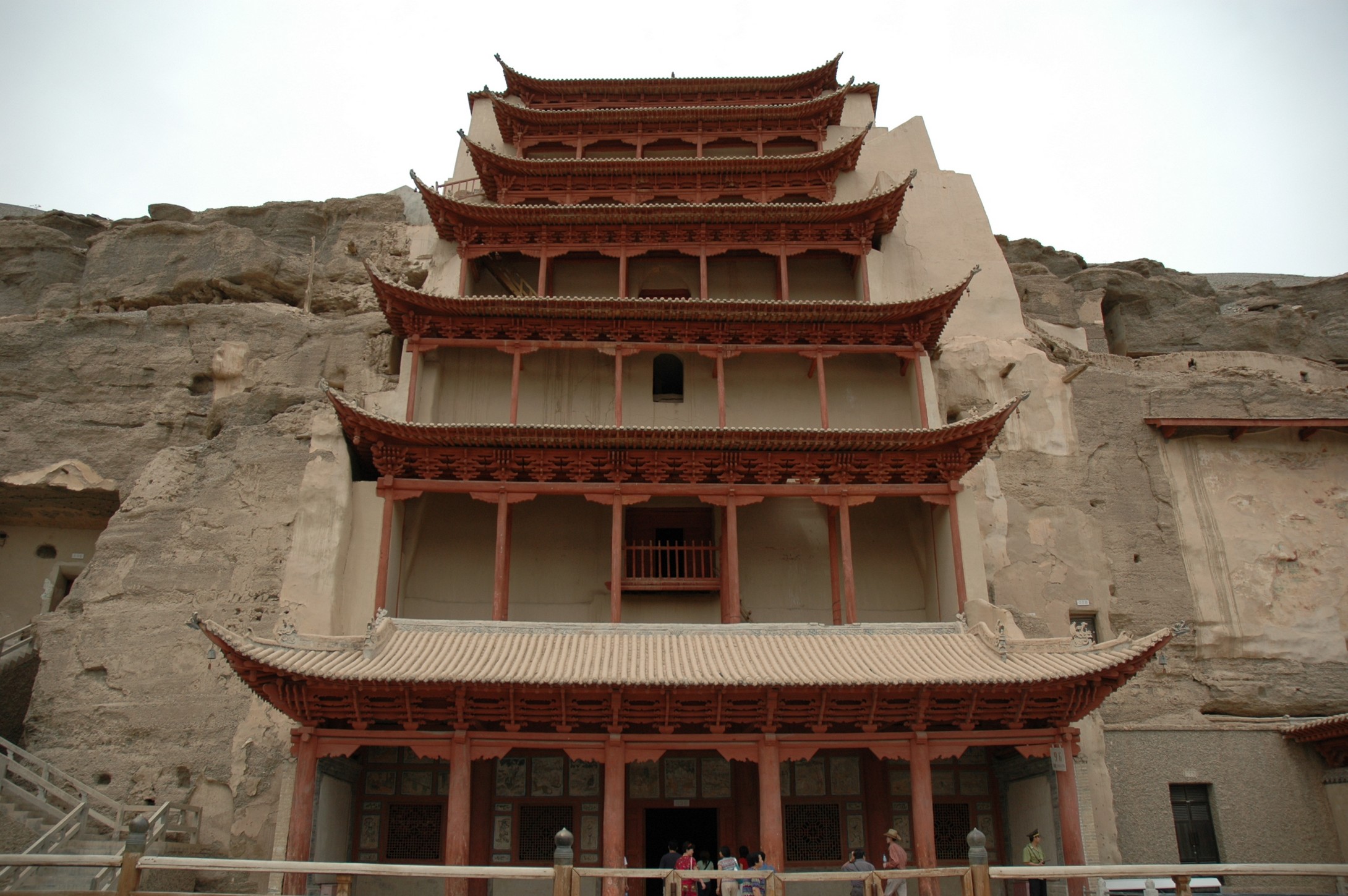
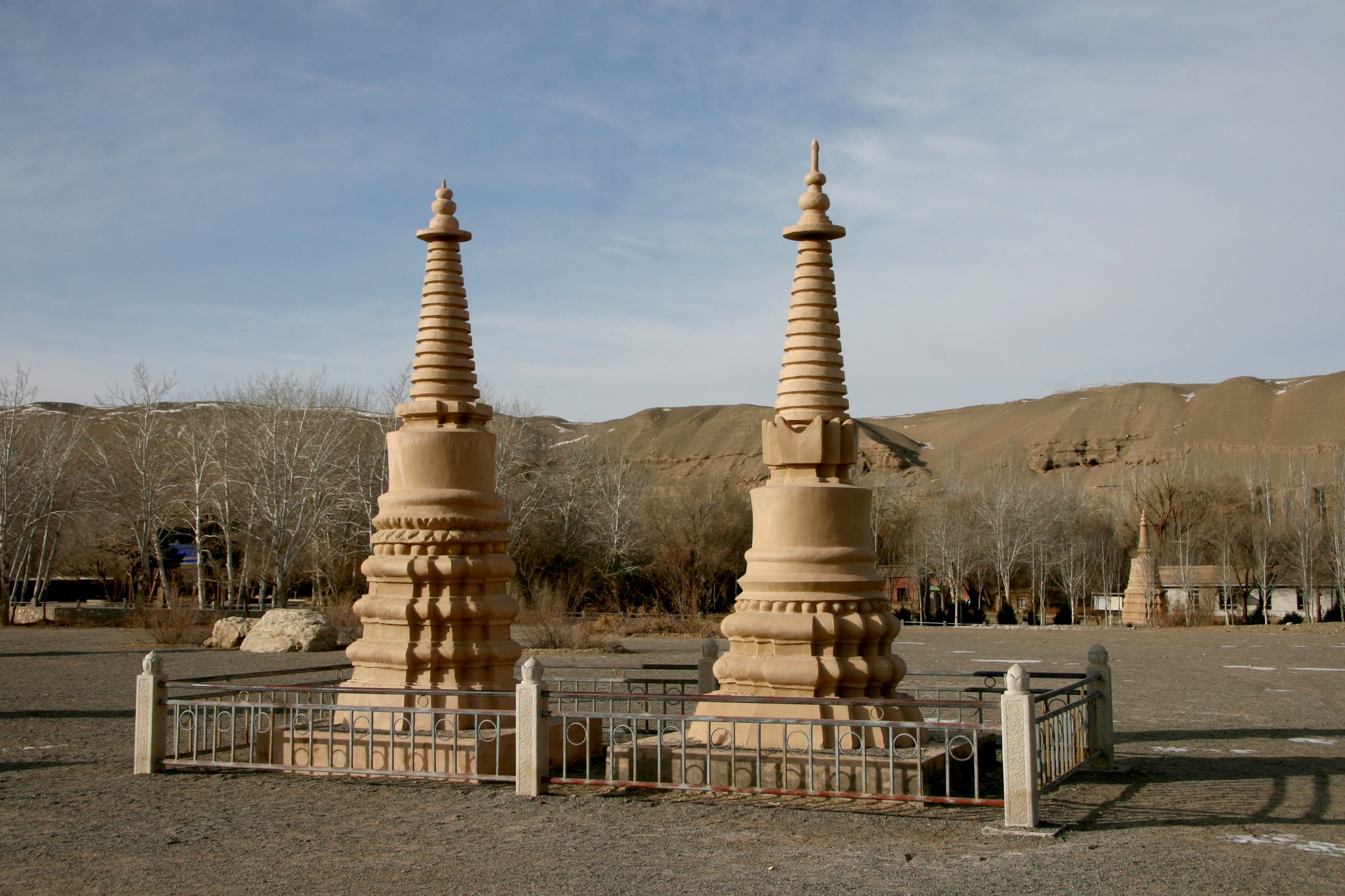
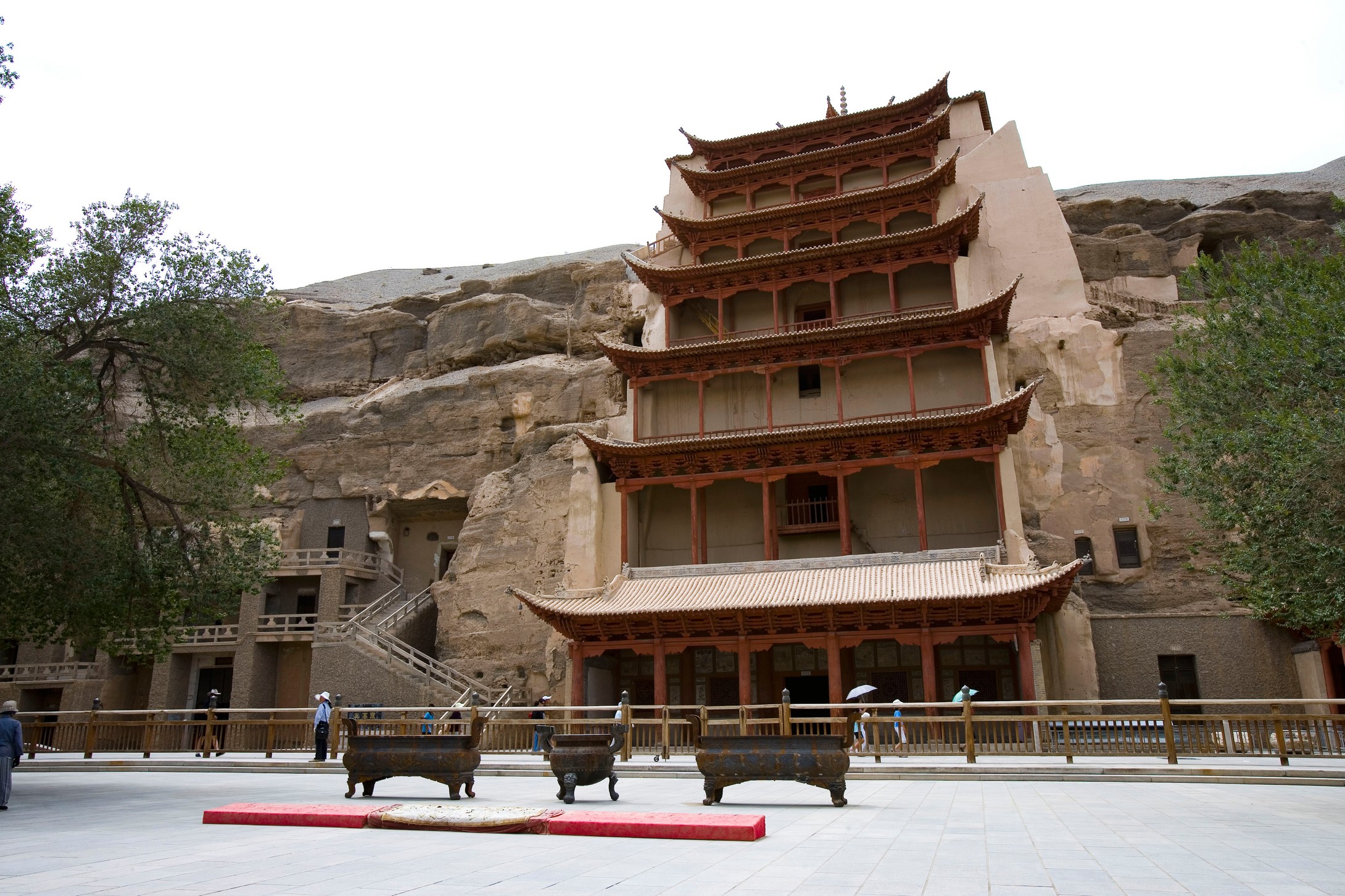
From the center, a shuttle bus takes you to the caves. A knowledgeable guide will lead your group through a selection of 8 to 10 caves (out of the dozens open, including regular caves like Cave 96, Cave 148, and Cave 428, and occasionally special caves like Cave 45 or Cave 220). Inside, you’ll marvel at the vibrant murals depicting Buddhist stories, towering statues—including the famous 35-meter-tall Maitreya Buddha in the Nine-Story Building—and delicate miniature figures. The experience is immersive and reverent; no photography is allowed inside, which encourages deeper contemplation. Allow about one hour for the cave tour, plus an additional 30 minutes or more to explore the exhibition hall and the pagoda forest on the eastern slope, where you can capture a panoramic photo of the caves against the desert sky.
Key Attractions Nearby
Dunhuang offers more than just the Mogao Caves. After your visit, consider exploring the following sights:
- Mingsha Mountain and Crescent Moon Spring: A stunning desert landscape where you can ride camels, sandboard, and admire a crescent-shaped oasis lake surrounded by golden dunes.
- Dunhuang Night Market (Shazhou Market): A vibrant hub for local snacks, souvenirs, and handcrafted items, perfect for an evening stroll.
- Dunhuang Museum: Offers deeper insights into the region’s Silk Road history and archaeological finds.
- Yumen Pass and Hecang City: Ancient ruins that evoke the frontier spirit of the Han dynasty.
Where to Dine
Dunhuang’s culinary scene is a delightful blend of Chinese and Central Asian flavors. For a convenient and affordable stay, consider the Dunhuang Mogao Hotel (No. 248 Mingshan North Road, starting at 106 RMB), which is within walking distance of the pedestrian street and the Fengqingcheng (Ethnic Customs City). Local dining highlights include:
- Lanzhou Lamian (hand-pulled noodles): A classic, available at countless small eateries.
- Dunhuang Yellow Noodles: A local specialty with a chewy texture.
- Roasted Lamb Skewers (Yangrou Chuan): Perfectly spiced and grilled over charcoal.
- Apricot Peel Water (Xingpi Shui): A refreshing local drink made from dried apricots.
- Donkey Meat Yellow Noodles (Lürou Huangmian): A unique and savory dish worth trying.
Weather & Best Time to Visit
Dunhuang has an arid desert climate with hot summers and cold winters. The best time to visit Mogao Caves is from May to October, when temperatures are mild (ranging from 15°C to 30°C) and the skies are clear. July and August are peak tourist season, but also the hottest, with daytime highs often exceeding 35°C. Spring (March-April) and autumn (November) can be windy and dusty, while winter (December-February) is cold but offers fewer crowds and lower prices. Regardless of the season, the caves maintain a stable interior temperature, making them comfortable year-round.
Travel Tips
To ensure a smooth visit, keep these practical details in mind:
- Getting There: Dunhuang is accessible by flight from major Chinese cities like Beijing, Xi’an, and Lanzhou, or by train. From downtown, take a taxi or bus to the Digital Exhibition Center (not directly to the caves).
- Admission & Booking: Tickets are sold only as a combined pass for the Digital Exhibition Center and the caves. Advance reservation is mandatory—book online or by phone (400-833-3715) at least a few days ahead, as daily visitor capacity is limited to 6,000. Walk-up tickets are rarely available.
- Hours: Open daily from 08:00 to 18:00 (last ticket sales at 15:30, last entry at 16:10). Check for seasonal adjustments.
- Fees: Standard tickets (A-type) include the films, shuttle, and guided tour. Discounts are available for children (ages 4-6), students, seniors (60+), and disabled visitors—bring valid ID.
- What to Bring: Comfortable walking shoes, a hat, sunscreen, and water (especially in summer). No large bags or tripods are allowed inside the caves. Photography is forbidden in all caves and during the films.
- Etiquette: Follow your guide’s instructions, stay with your group, and avoid touching the murals or sculptures. Silence your phone to preserve the peaceful atmosphere.