Overview & History
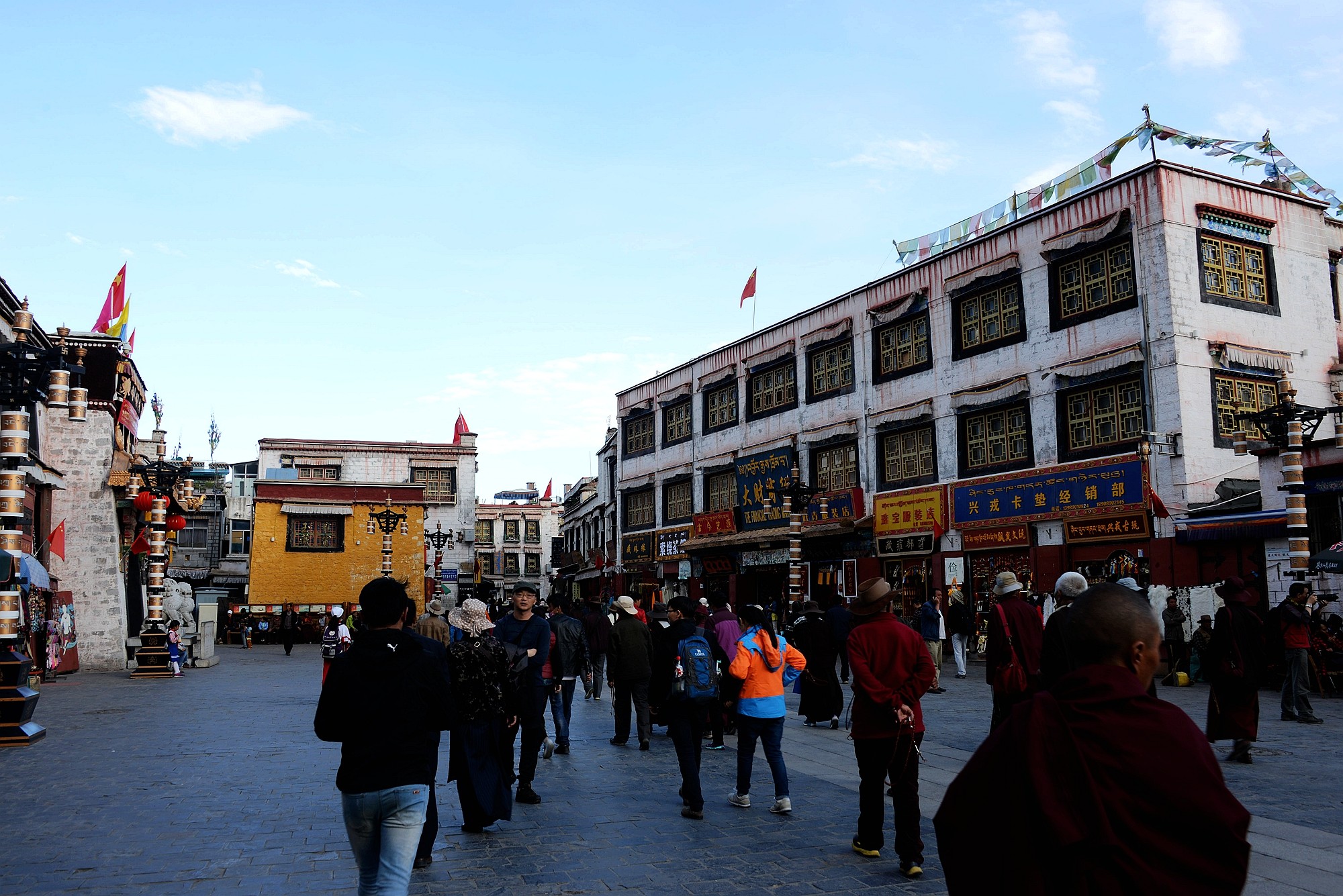
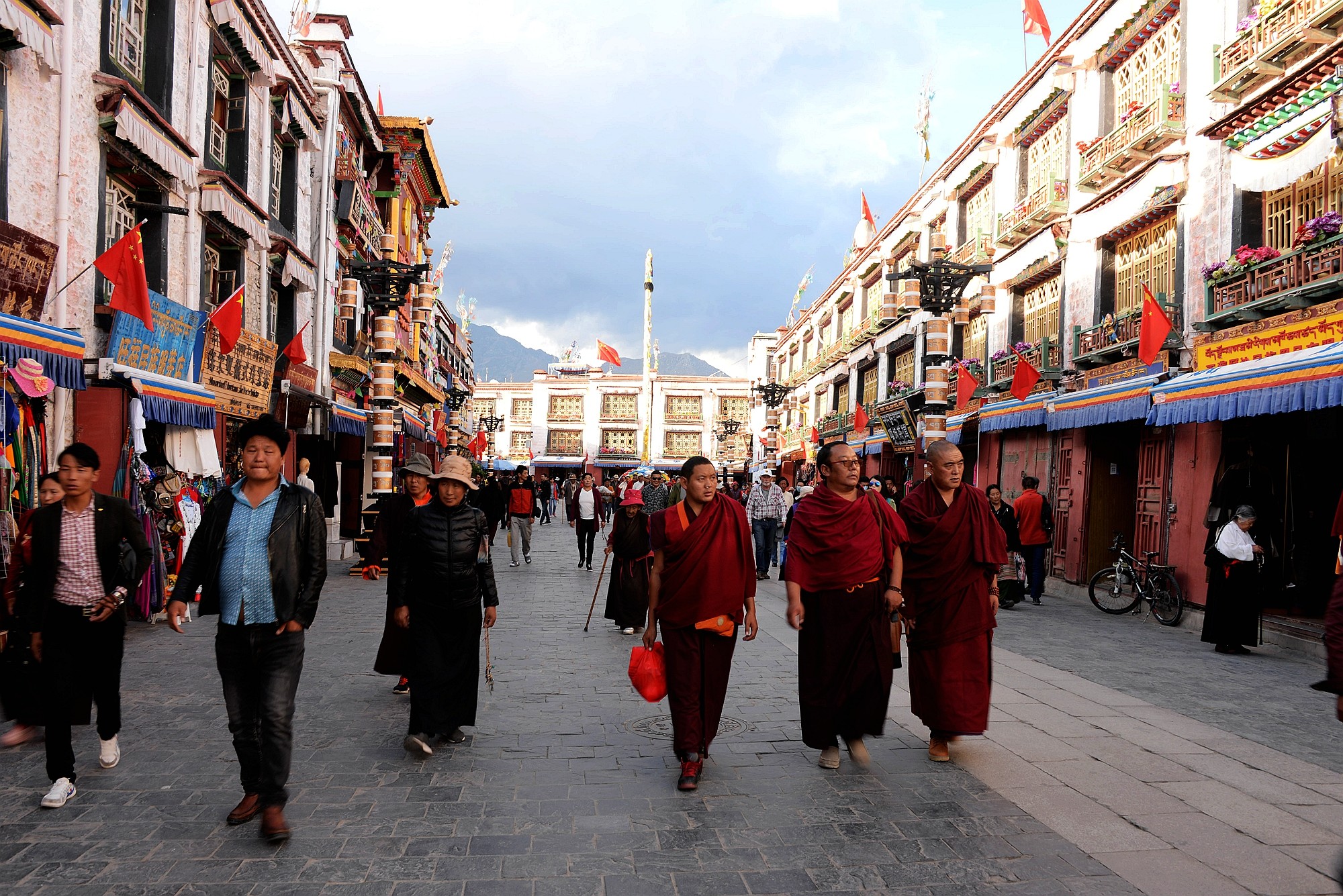
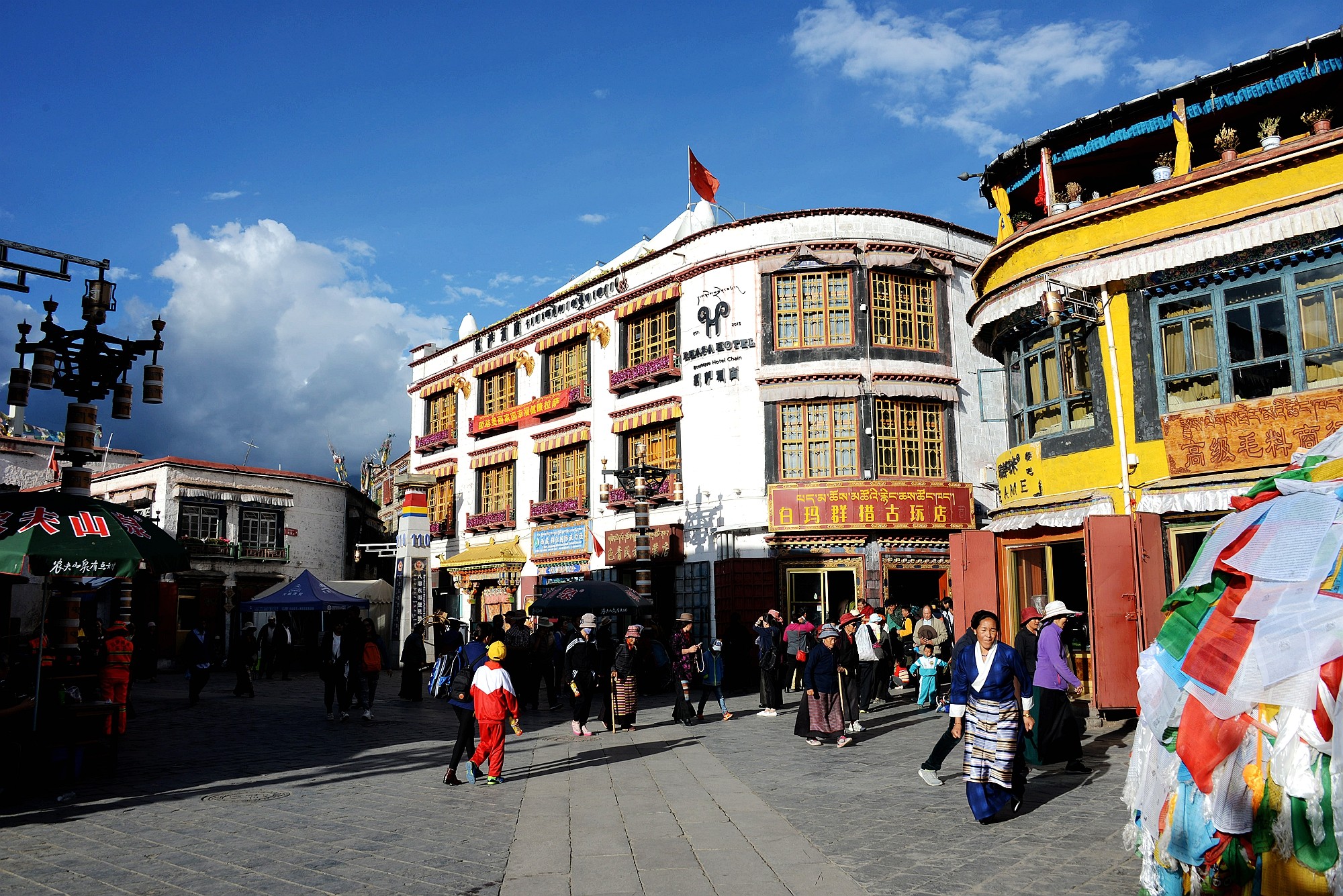
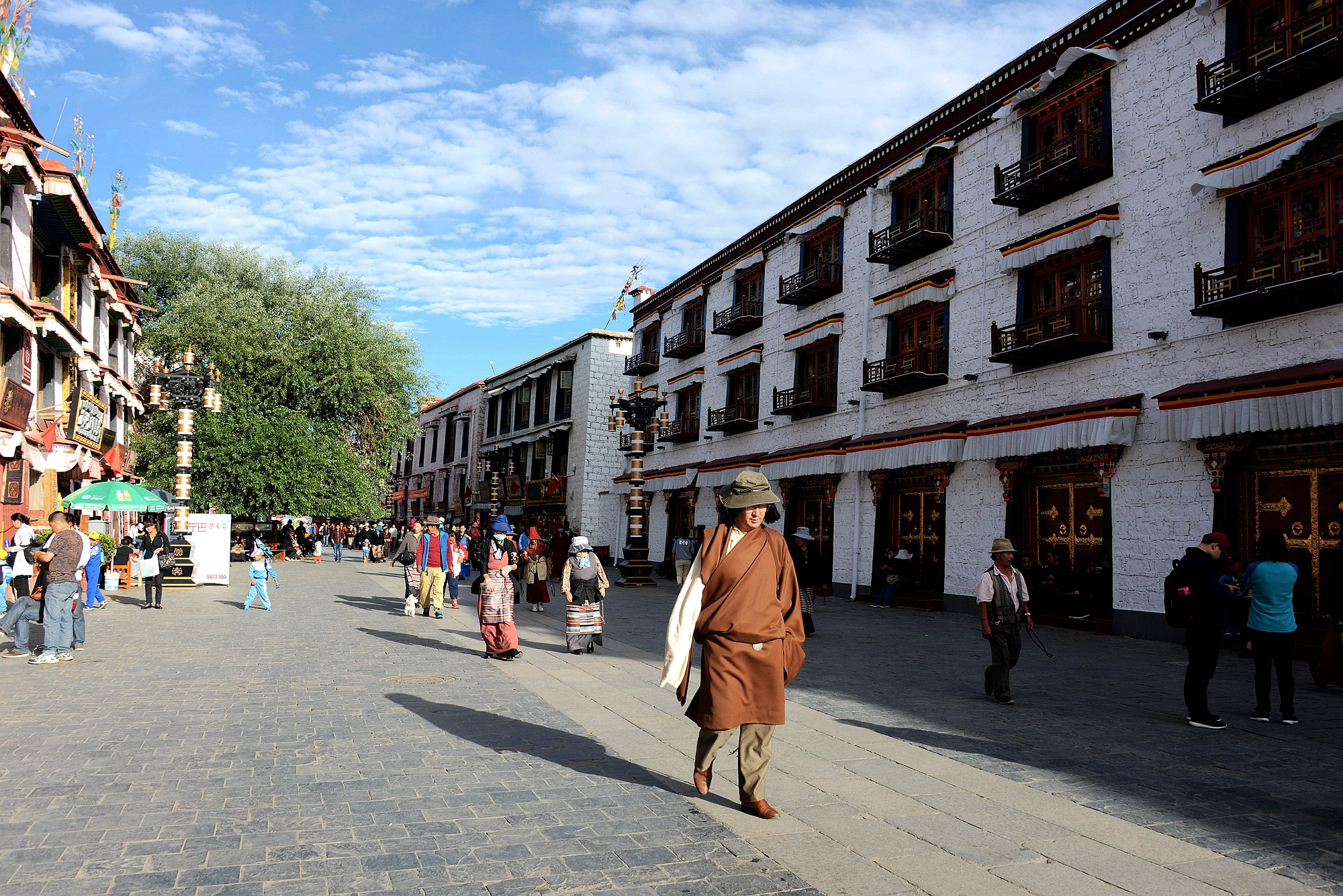
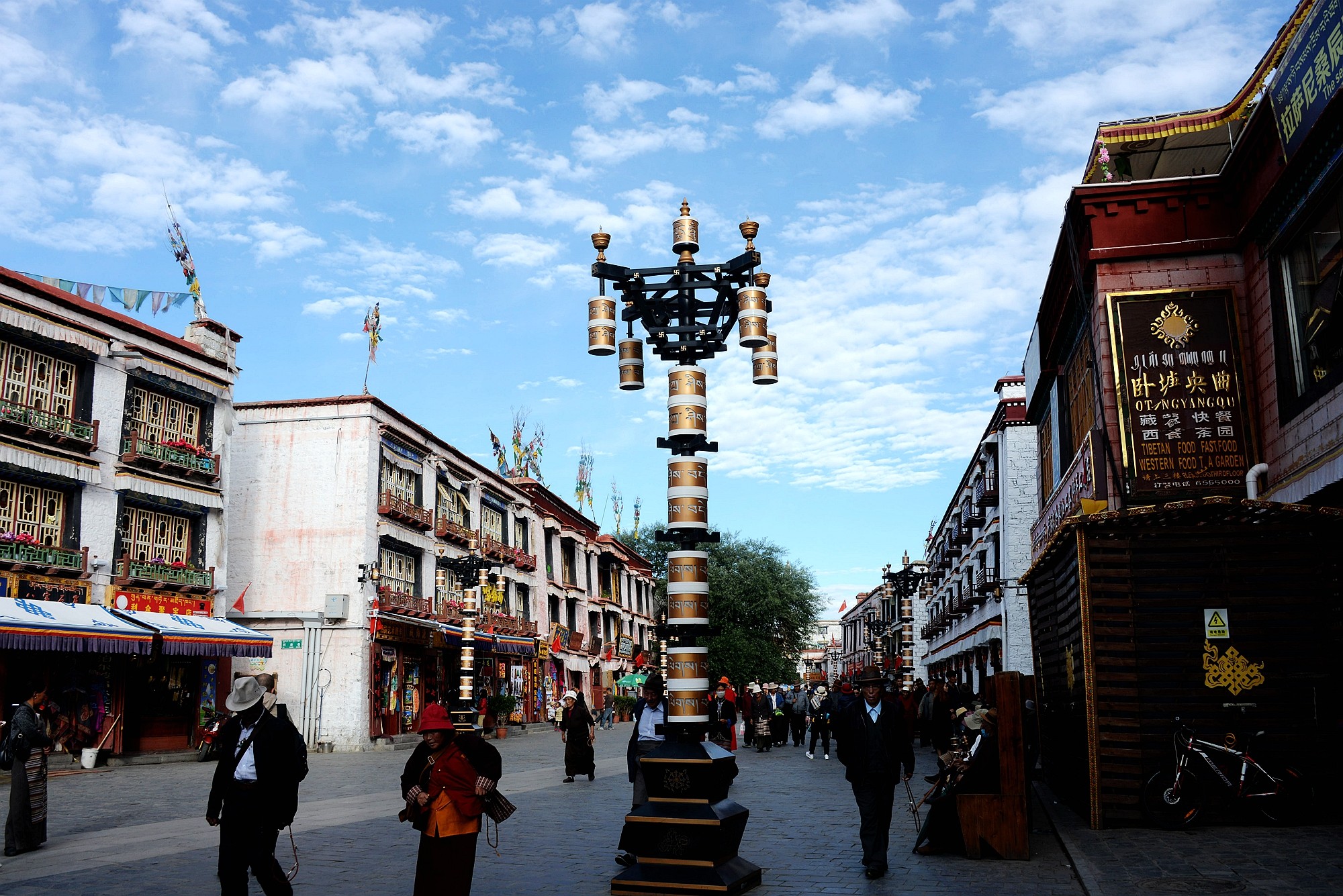
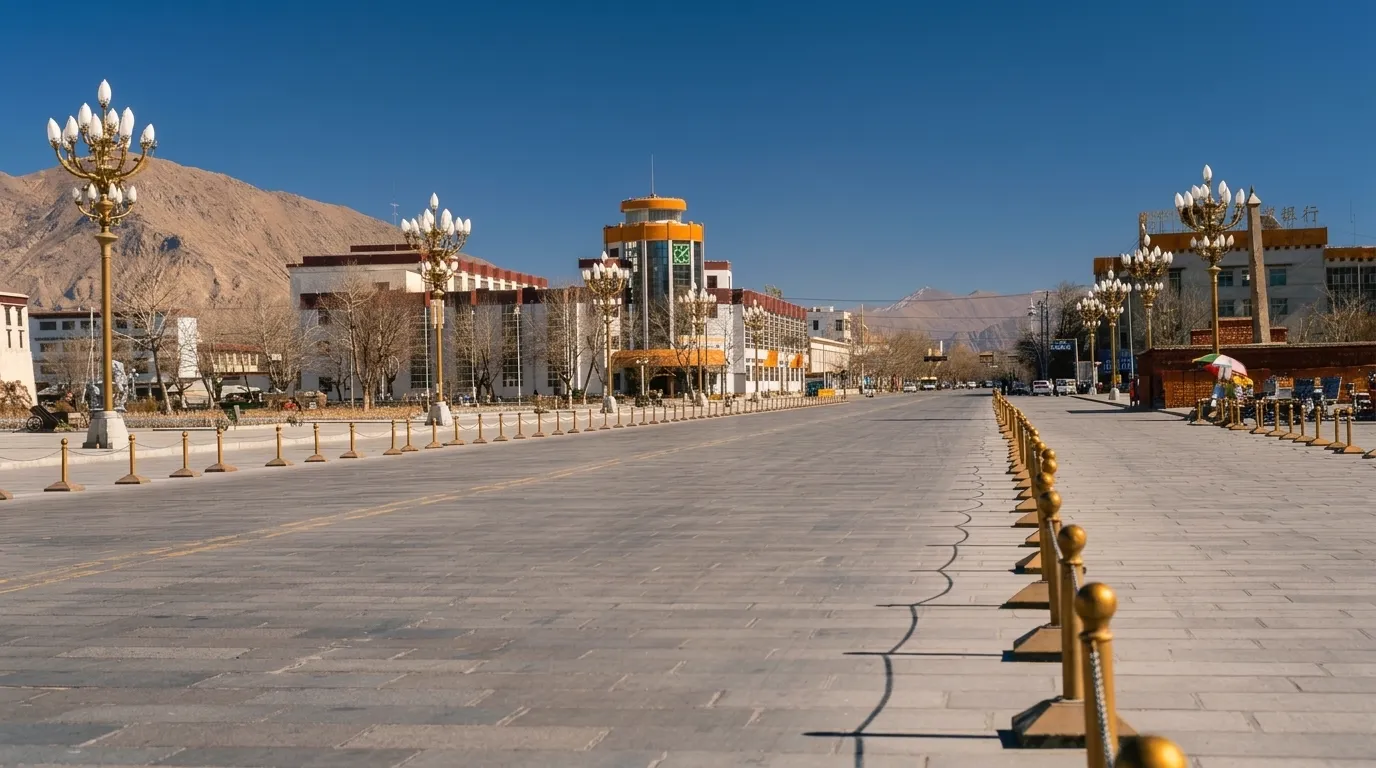
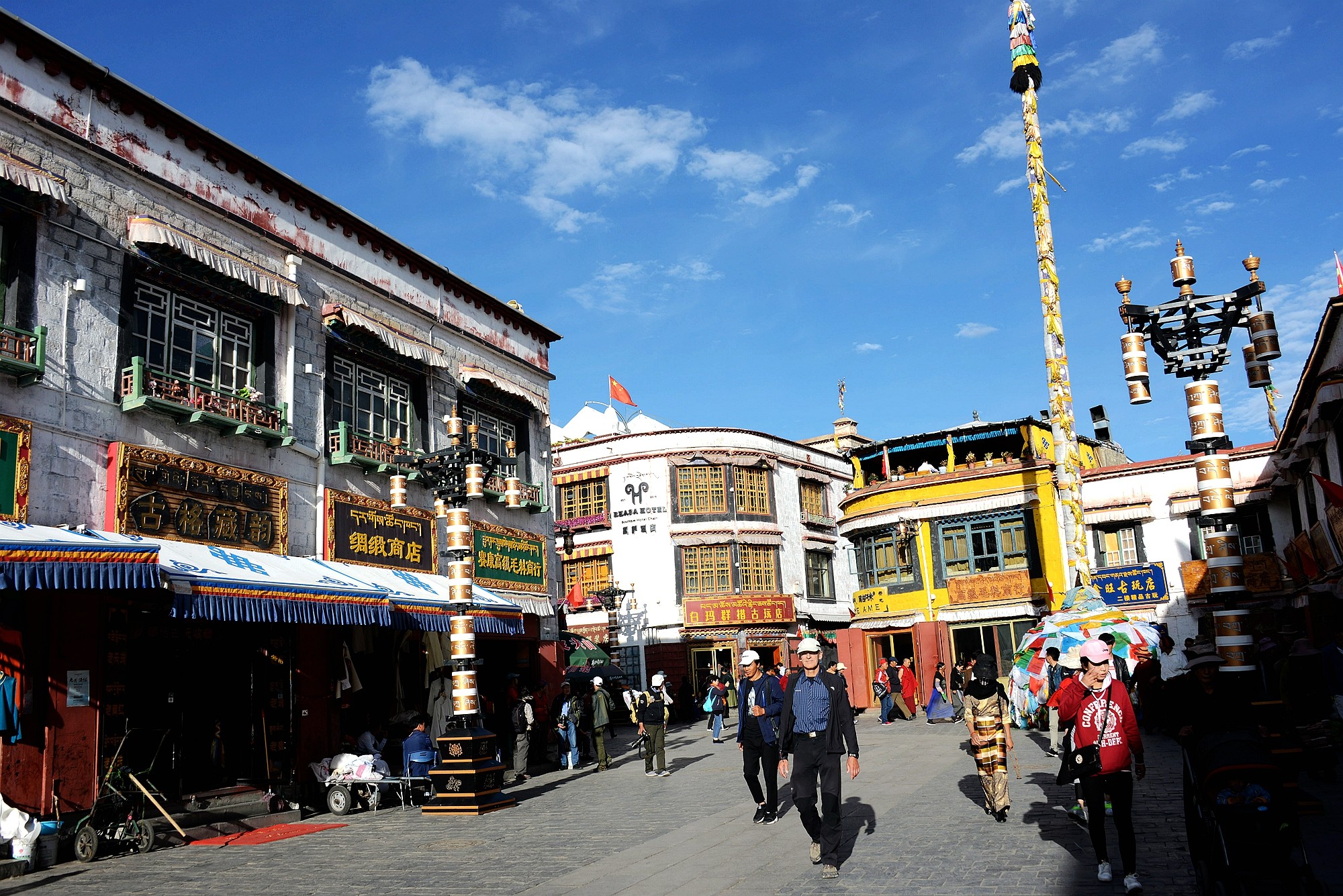
In the heart of Lhasa, where the snow-capped Himalayas frame the sky and the air hums with ancient chants, lies Barkhor Street—a living tapestry of faith, commerce, and timeless tradition. Known in Tibetan as the "Holy Path," this circular thoroughfare encircles the revered Jokhang Temple, considered the spiritual center of Tibet. For centuries, Barkhor Street has been the pulse of Lhasa, a place where pilgrims and travelers converge in a rhythmic dance of devotion and discovery.
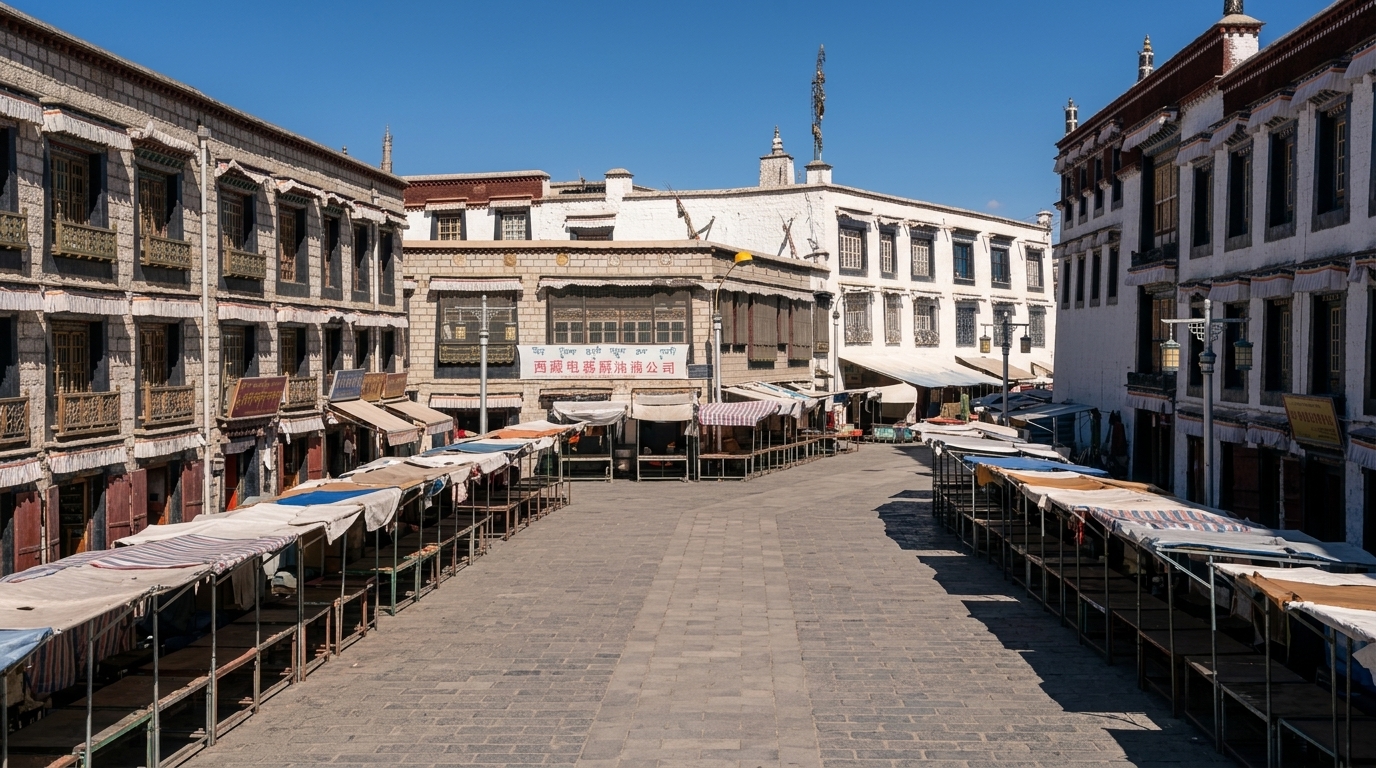
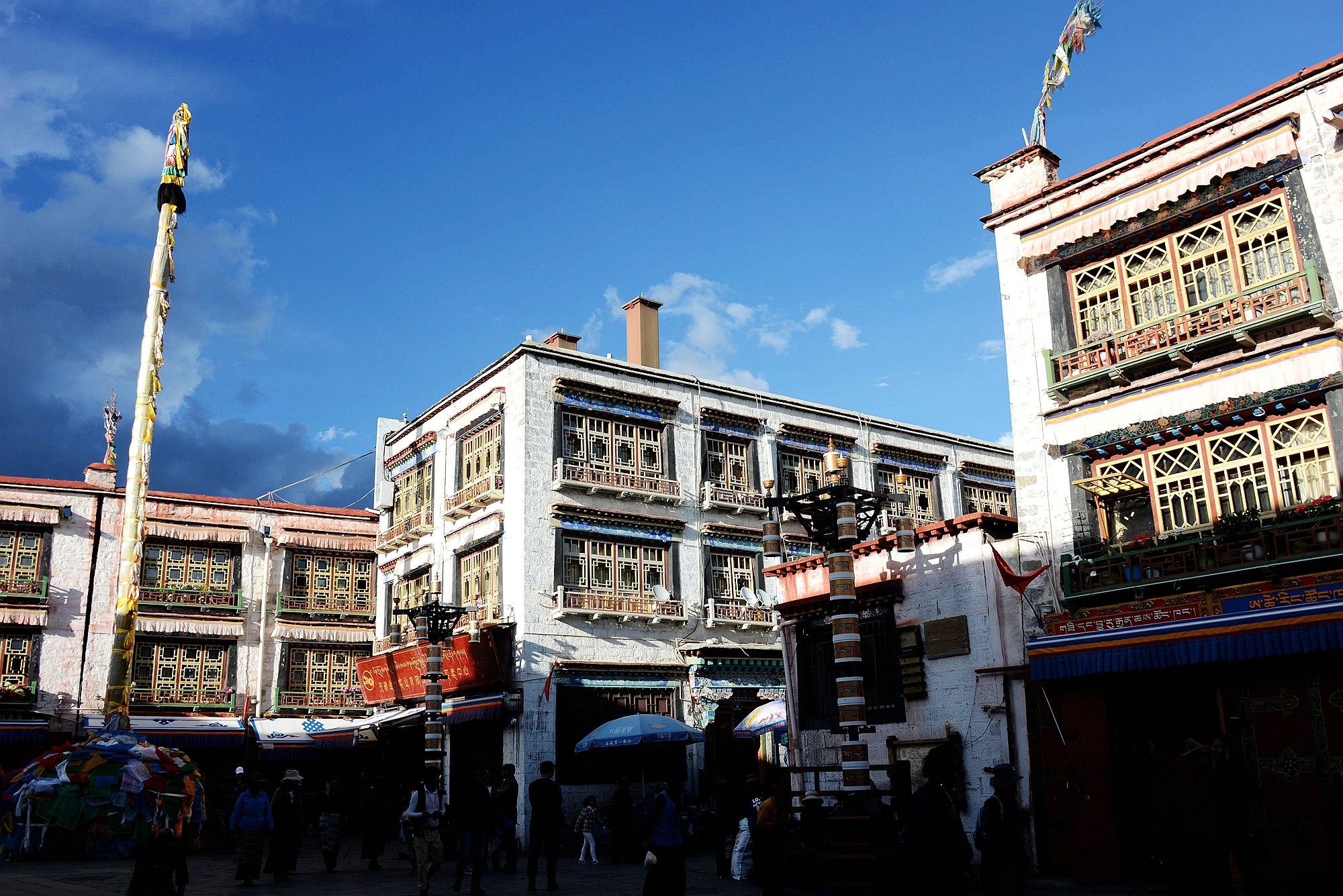
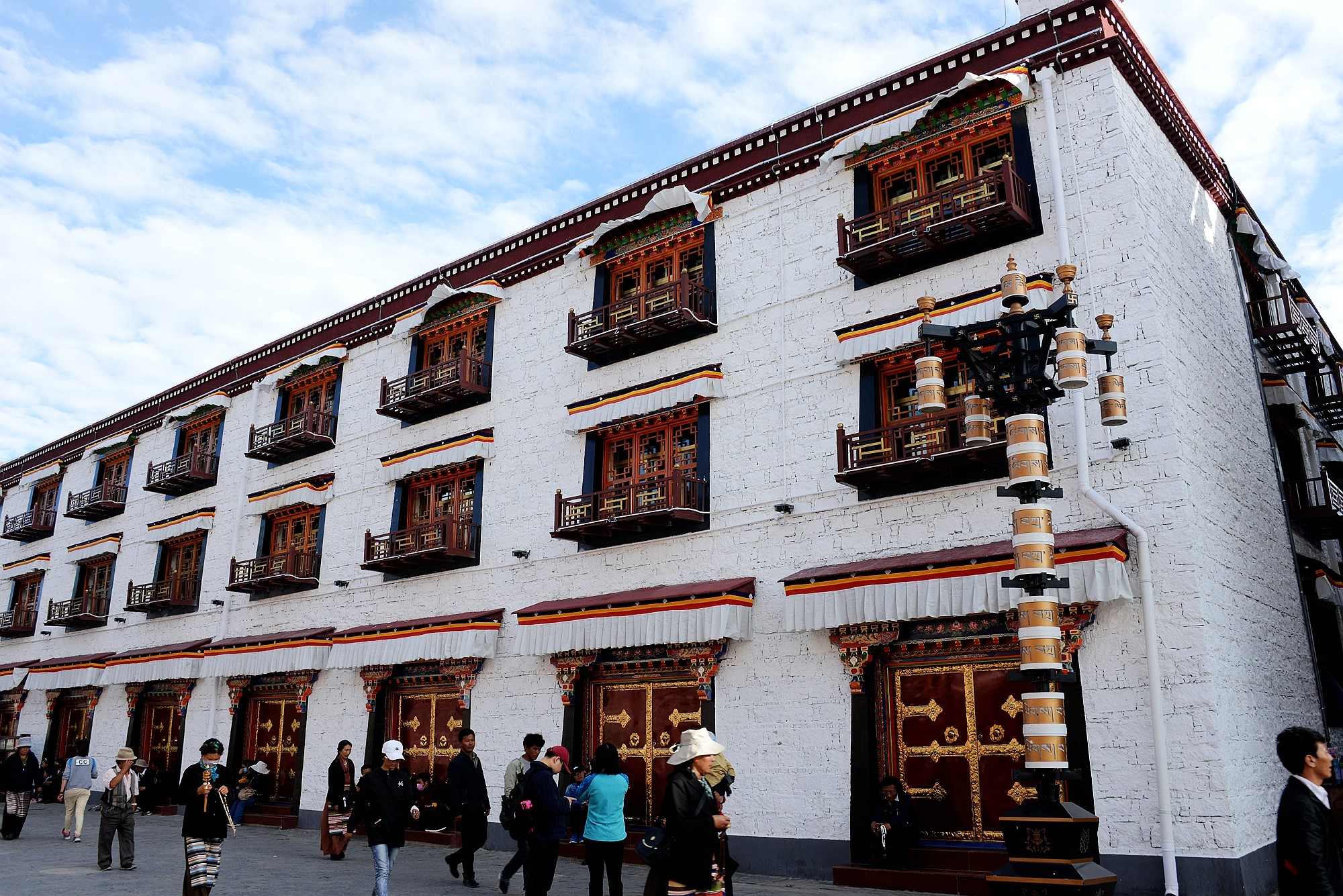
Originally a simple kora path—a route for circumambulation—Barkhor Street evolved as devout Buddhists walked clockwise around the Jokhang Temple, spinning prayer wheels and performing full-body prostrations at sunrise and sunset. The name "Barkhor" itself means "middle circuit" in Tibetan, reflecting its role as the intermediate ring among Lhasa's three sacred kora routes. Over time, this sacred path attracted settlers, merchants, and artisans, transforming into a labyrinthine neighborhood of narrow alleys and traditional Tibetan houses. By the 20th century, it had blossomed into Lhasa's most vibrant commercial district, a place where the scent of juniper incense mingles with the clatter of handicraft stalls.
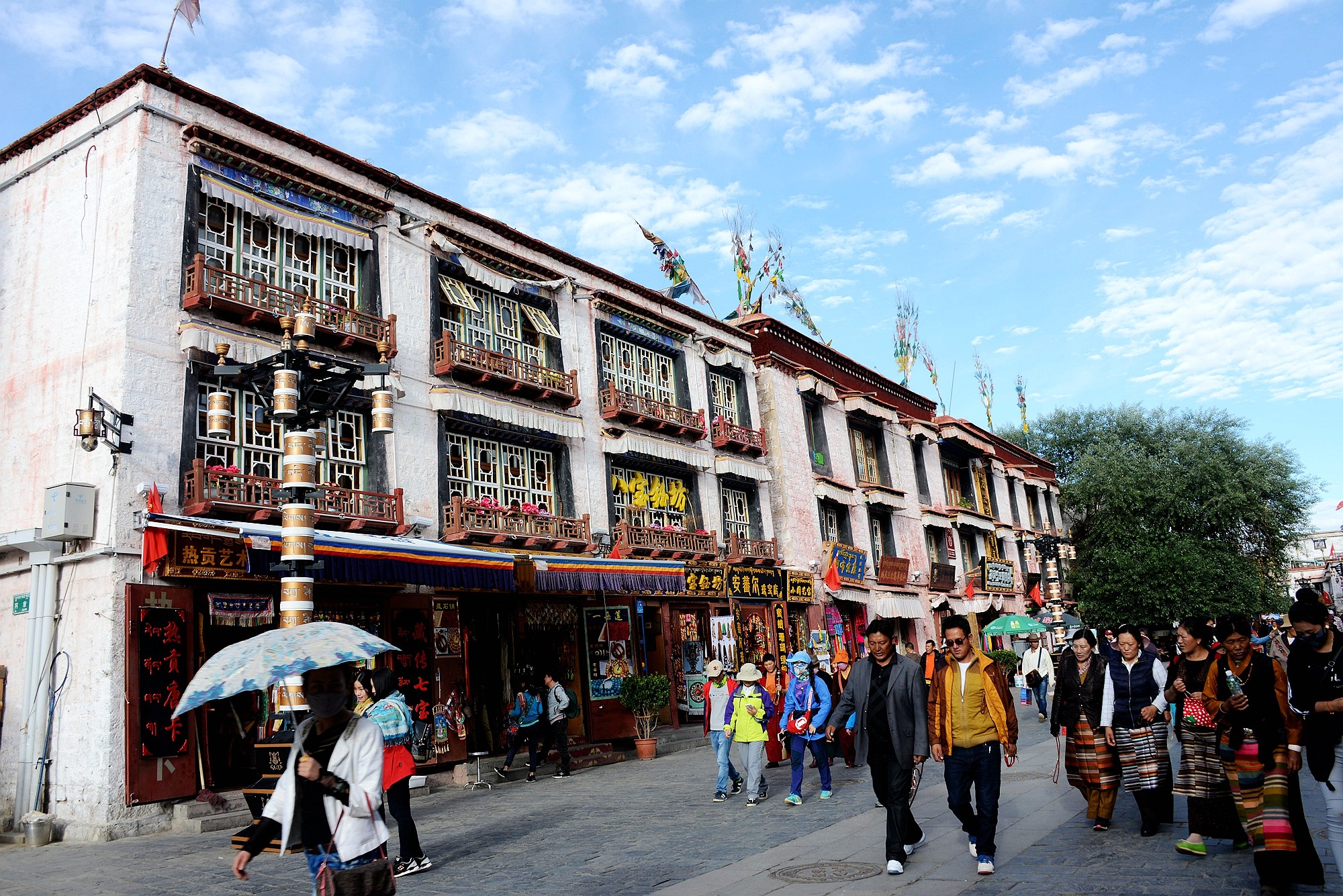
Today, Barkhor Street remains a microcosm of Tibetan culture, blending ancient rituals with modern commerce. Though the famous street-side stalls were relocated to Yuthok Road and the new Barkhor Shopping Mall after 2012, the street's soul endures. Here, the devout still trace their sacred circuit, while visitors wander through a maze of shops selling everything from turquoise jewelry to handwoven carpets. It's a place where history whispers from every stone, and the boundary between the earthly and the divine blurs with every step.
Highlights & Activities
Walking Barkhor Street is an immersion into the senses. The main activity is following the kora—join pilgrims as they circle the Jokhang Temple clockwise, spinning the brass prayer wheels embedded in the walls. The rhythm of murmured sutras and the click of prayer beads create a meditative soundtrack. For a deeper experience, observe the devoted performing prostrations, their bodies tracing the earth with unwavering faith.
Shopping here is an adventure in itself. Hundreds of shops and boutiques line the street, offering a treasure trove of Tibetan handicrafts: intricate thangka paintings, hand-knotted Tibetan rugs, silver amulets, and colorful prayer flags. Bargaining is expected—aim for about one-third of the initial price. For authentic items, seek out local artisans rather than mass-produced souvenirs. Be cautious with medicinal products like caterpillar fungus or saffron; it's best to purchase these from reputable sources like the Tibet Pharmaceutical Factory.
Don't miss the iconic Makye Ame Bar at the southeast corner. Legend says this was the secret meeting place of the Sixth Dalai Lama, Tsangyang Gyatso, and his beloved Makye Ame. Today, it's a pilgrimage site for romantics and history buffs, offering a cozy spot to sip butter tea and gaze at the passing crowd. For a quieter experience, explore the小巷 (side alleys) that branch off the main circuit—they hide ancient residences, small monasteries, and the bustling Chongsaikang Market, an 800-year-old bazaar brimming with local life.
Key Attractions Nearby
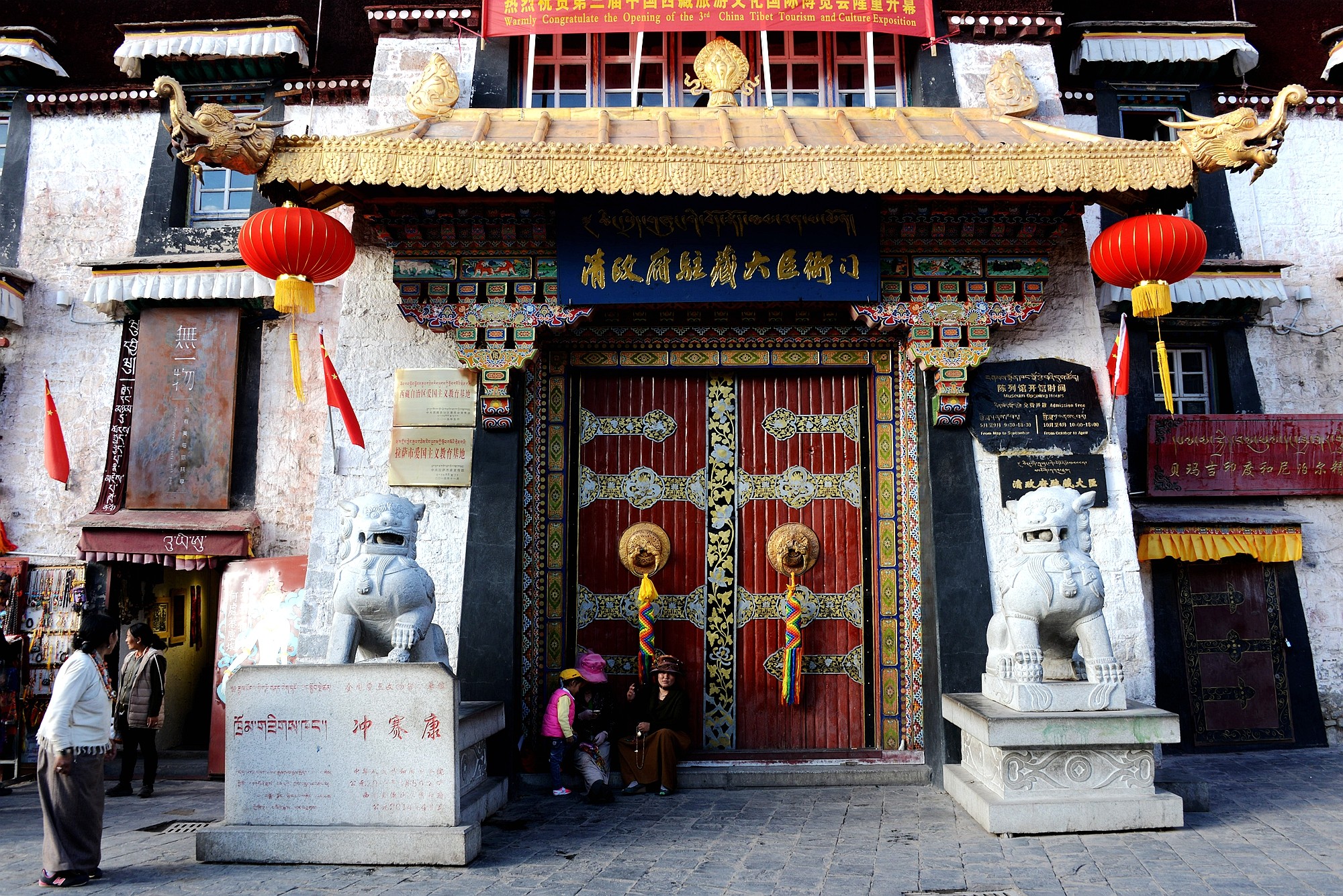
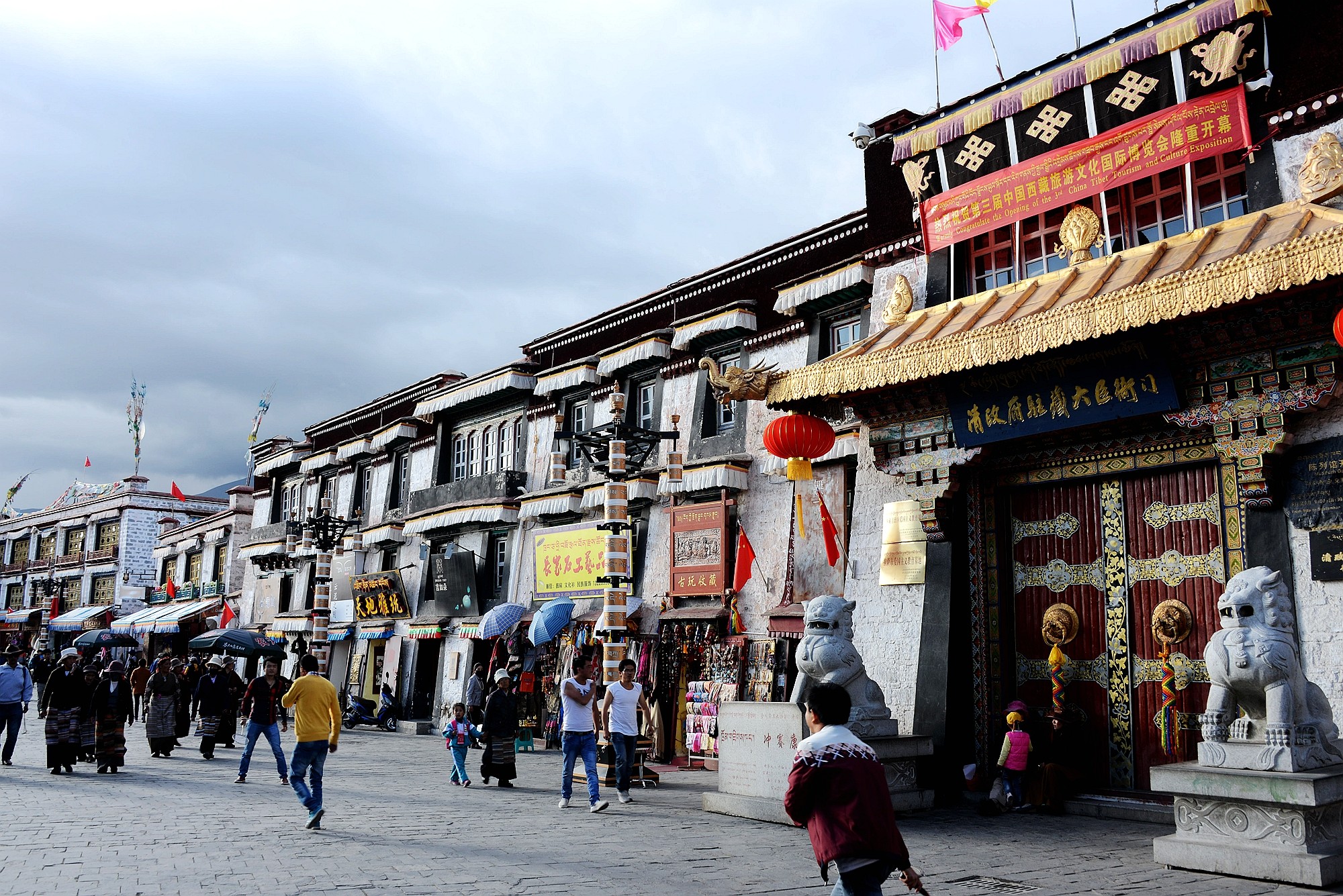
Barkhor Street is the gateway to several of Lhasa's most significant sites. At its center stands the Jokhang Temple, a UNESCO World Heritage Site and the most sacred temple in Tibetan Buddhism. Its golden roofs and intricate murals draw pilgrims from across the plateau. A short walk away is the Ramoche Temple (Small Jokhang), another important shrine with a quieter atmosphere.
Venture east into the alleyways to find the ancient Chongsaikang Market, a lively hub for local produce, textiles, and street food. Near the Makye Ame Bar, a path leads to Lhasa's largest mosque, a testament to the city's multicultural heritage. The surrounding Muslim quarter offers halal snacks and a different perspective on Lhasa's history. Further hidden in the lanes is the Gutsa (Kunga) Nunnery, famous for its sweet tea house—a perfect spot for a peaceful break. Finally, the Potala Palace, though a bit farther, is visible from many rooftops and remains an unmissable icon of Lhasa.
Where to Dine
Barkhor Street and its environs are a food lover's paradise. For an iconic experience, visit Makye Ame Bar, which serves Tibetan and Nepali dishes in a romantic, dim-lit setting. Try the momos (dumplings) or thukpa (noodle soup). For a more local vibe, head to the Gutsa Nunnery's sweet tea house, where nuns serve steaming cups of Tibetan sweet tea and simple snacks—ideal for people-watching.
The Muslim quarter near the mosque offers affordable street food: grilled lamb skewers, naan bread, and spiced chickpeas. For a sit-down meal, many small restaurants around Barkhor serve traditional dishes like yak meat stew, tsampa (roasted barley flour), and dri (female yak) butter tea. Vegetarians should try the Tibetan-style vegetable curry or "tingmo" (steamed bread). Remember to stay hydrated and eat light to adjust to the altitude.
Weather & Best Time to Visit
Lhasa enjoys a high-altitude plateau climate with strong sunshine and cool temperatures year-round. The best time to visit Barkhor Street is from April to October, when the weather is mild and the skies are clear. Summer (June to August) is the peak season, with daytime temperatures around 20–25°C (68–77°F) and frequent afternoon showers—bring a light rain jacket. This period also sees the largest crowds, especially during the Saga Dawa festival (May/June) when pilgrims flock to the city.
Spring (April to May) and autumn (September to October) offer pleasant weather and fewer tourists, making for a more serene experience. Winter (November to March) is cold, with temperatures often dropping below freezing at night, but the days are sunny and the streets are less crowded. The winter air is crisp, and the snow-capped mountains provide a stunning backdrop. Regardless of the season, the sun is intense due to the altitude, so sunscreen, sunglasses, and a hat are essential.
Travel Tips
Getting There: Barkhor Street is located in the Chengguan District of Lhasa, adjacent to the Jokhang Temple. It's easily accessible by bus (routes 5, 6, 7, 8, 10, 12, 15, 17, 18, 19, 20, 21, 22, 23) or taxi from anywhere in the city. Most visitors staying in central Lhasa can walk.
Fees & Hours: Entry to Barkhor Street is free and open 24 hours a day, year-round. However, shops generally operate from 9:00 AM to 9:00 PM. The kora is most active in the early morning and late afternoon, when locals gather for prayer. Note that the Jokhang Temple requires a separate ticket and may have specific visiting hours.
What to Bring: Comfortable walking shoes are a must, as the stone streets can be uneven. Dress in layers to adapt to temperature changes; a light jacket or sweater is useful even in summer. Always carry water, as the dry air can dehydrate you quickly. For photography, ask permission before taking pictures of people, especially pilgrims. Finally, respect local customs: walk clockwise on the kora path, avoid pointing your feet at sacred objects, and refrain from loud behavior. Embrace the pace of life here—slow down, observe, and let Barkhor's timeless spirit wash over you.