Overview & History
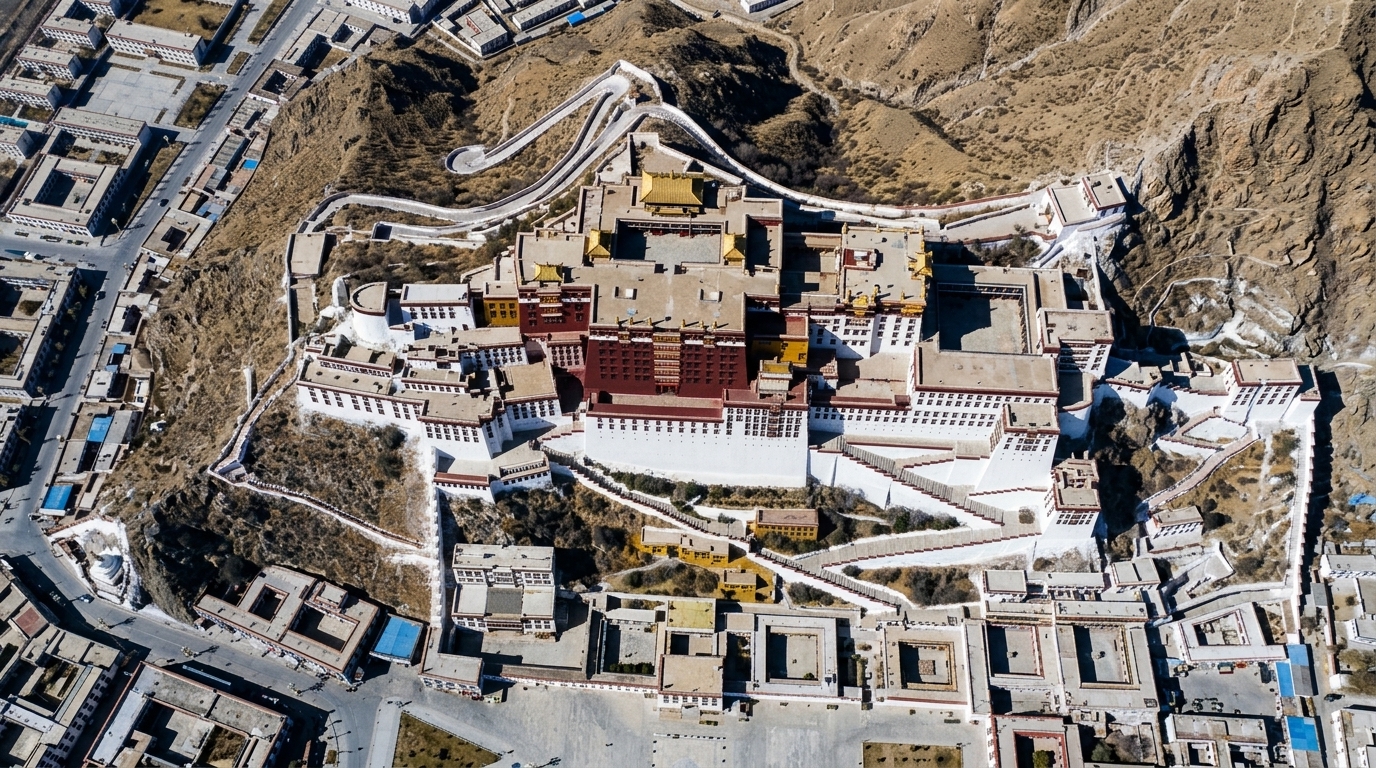
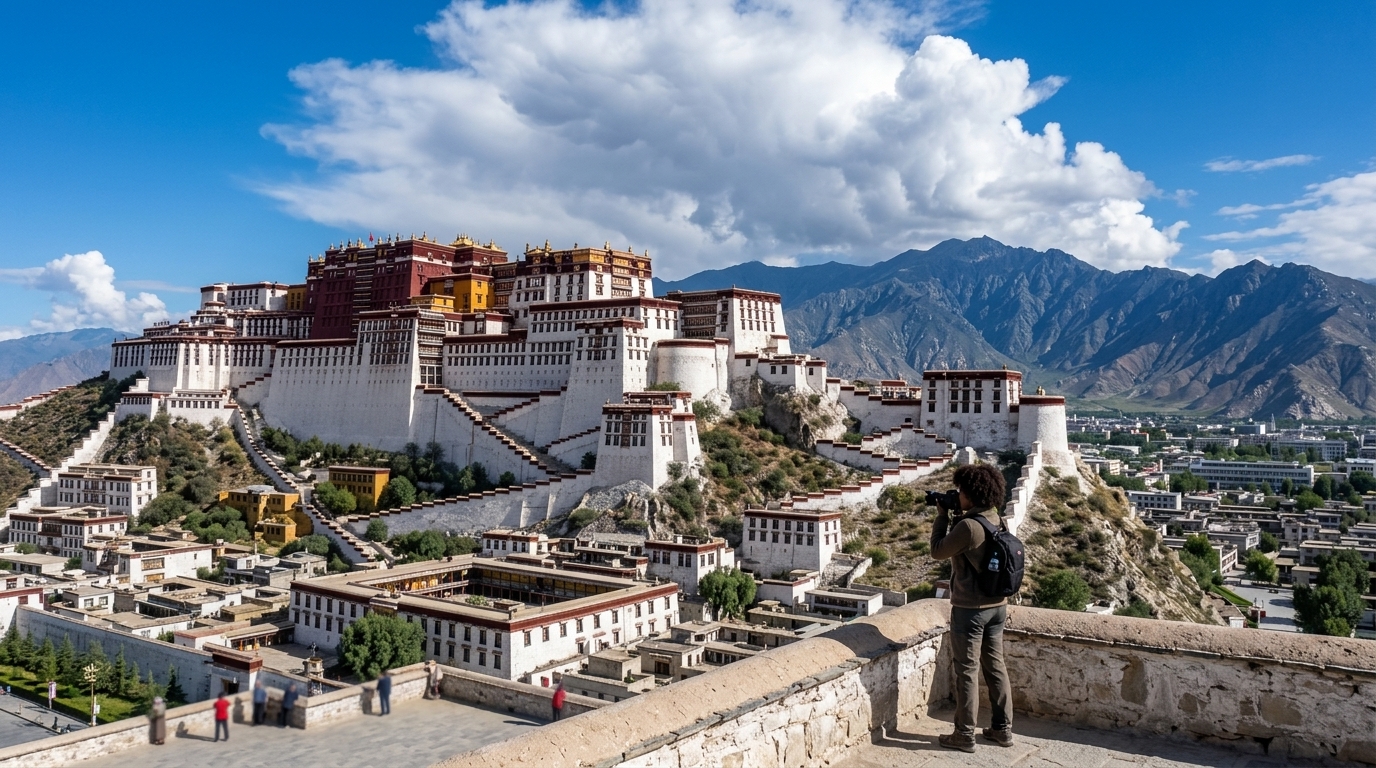
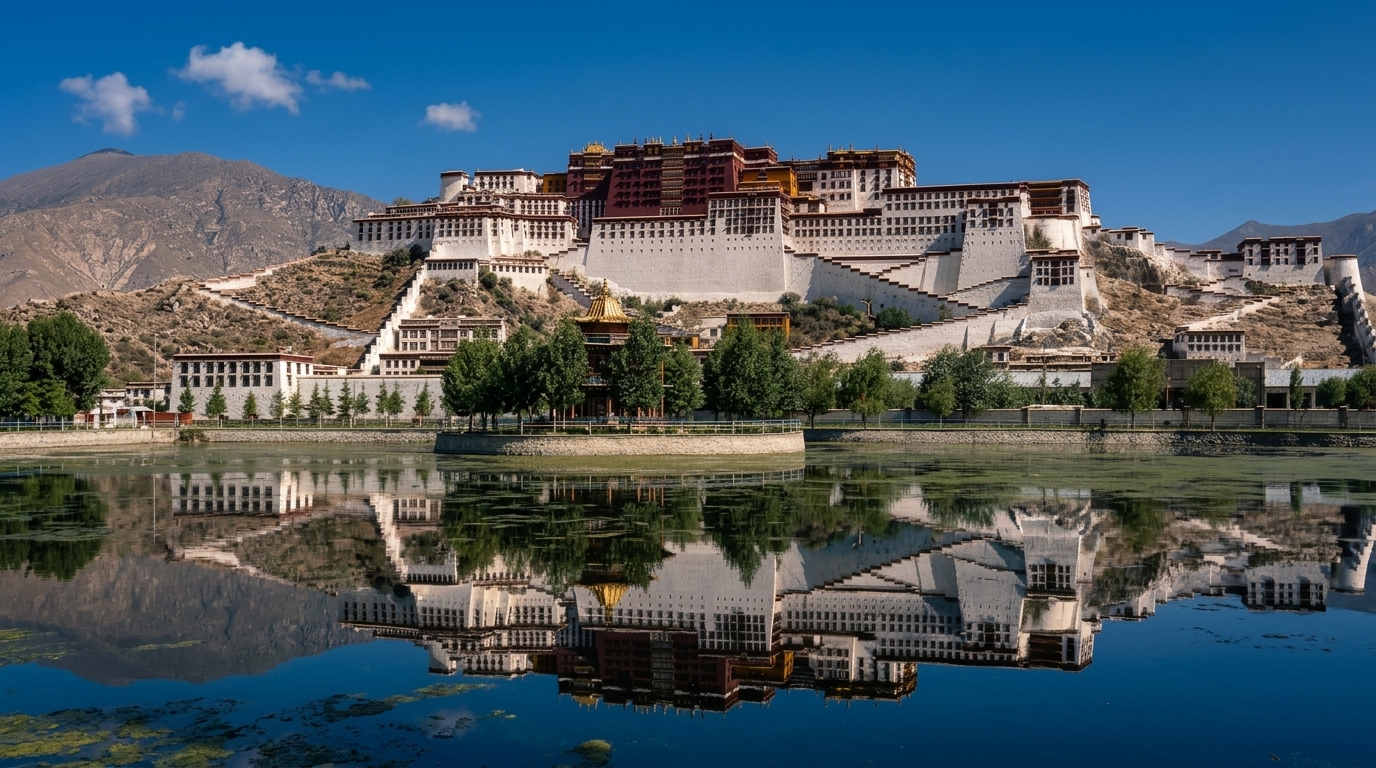
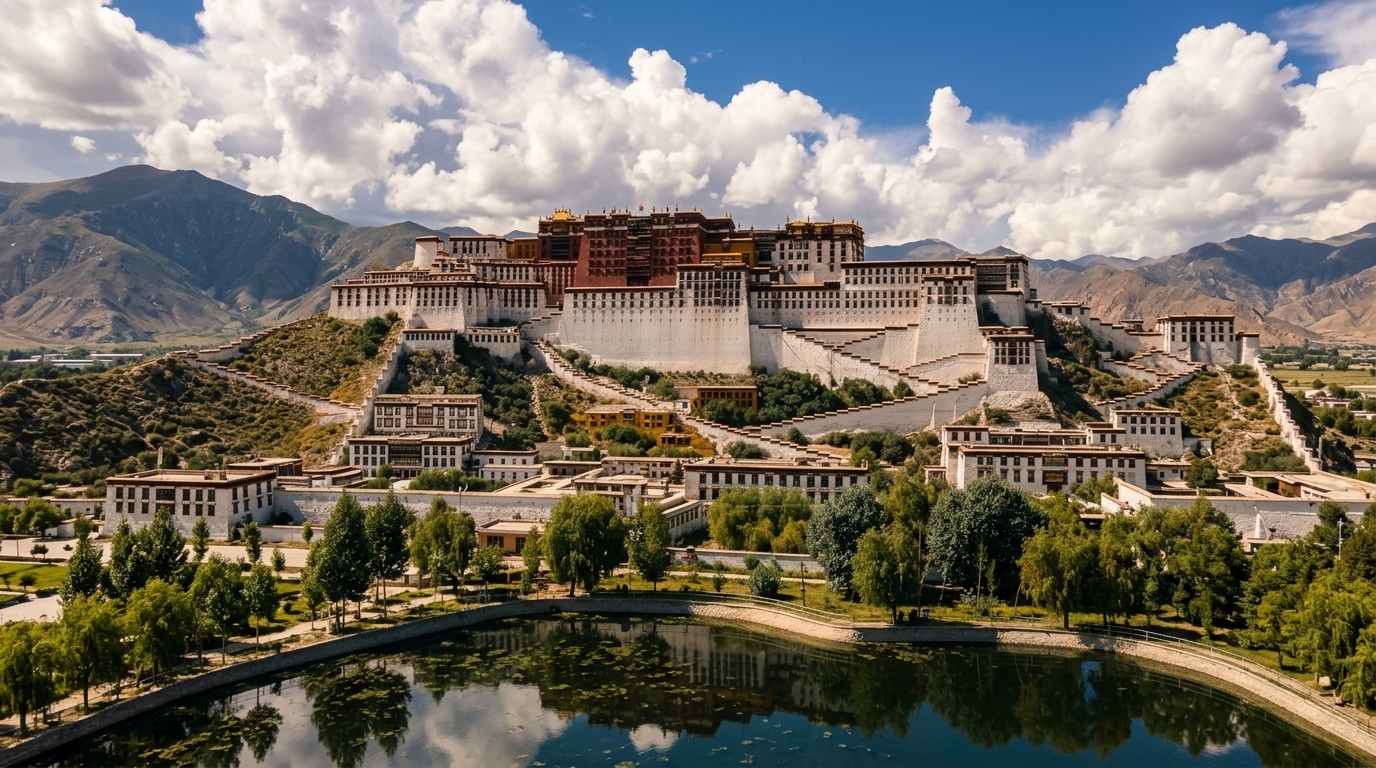
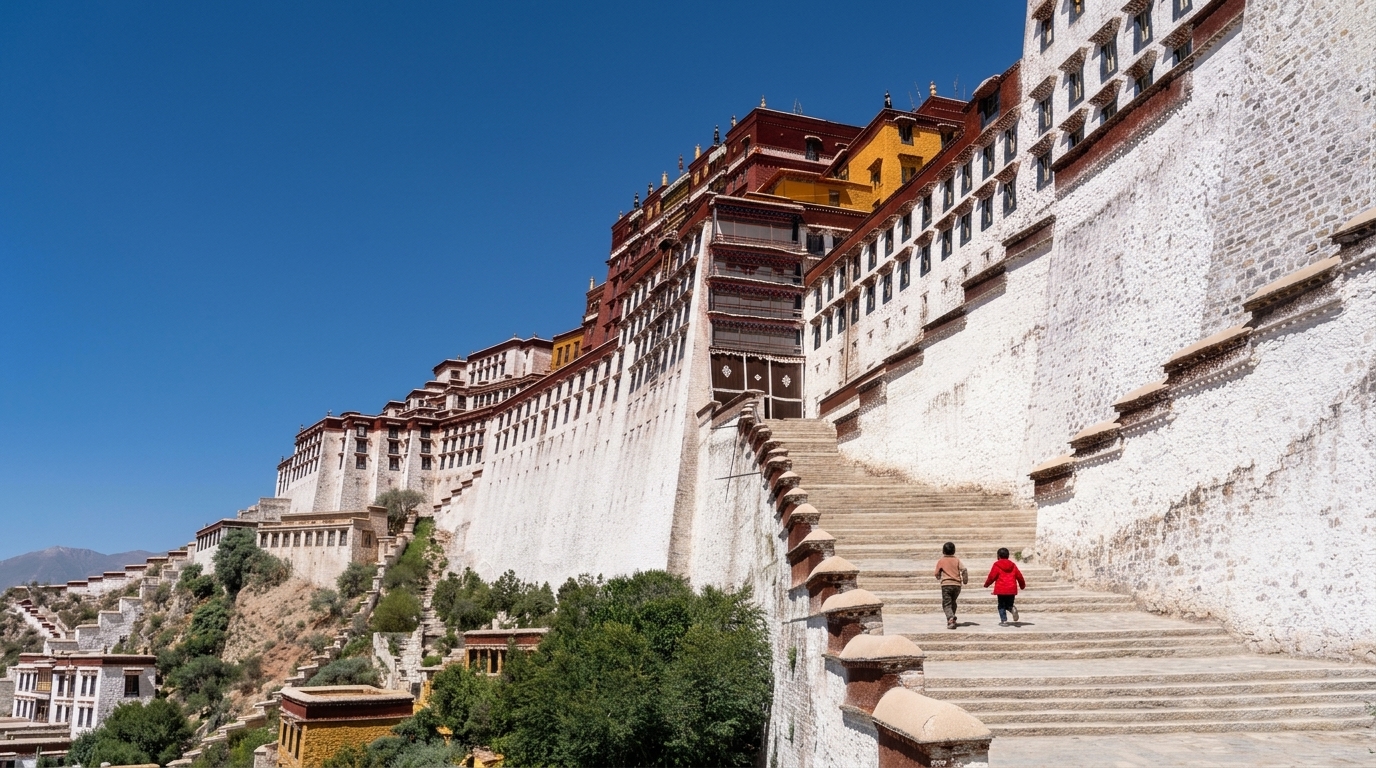
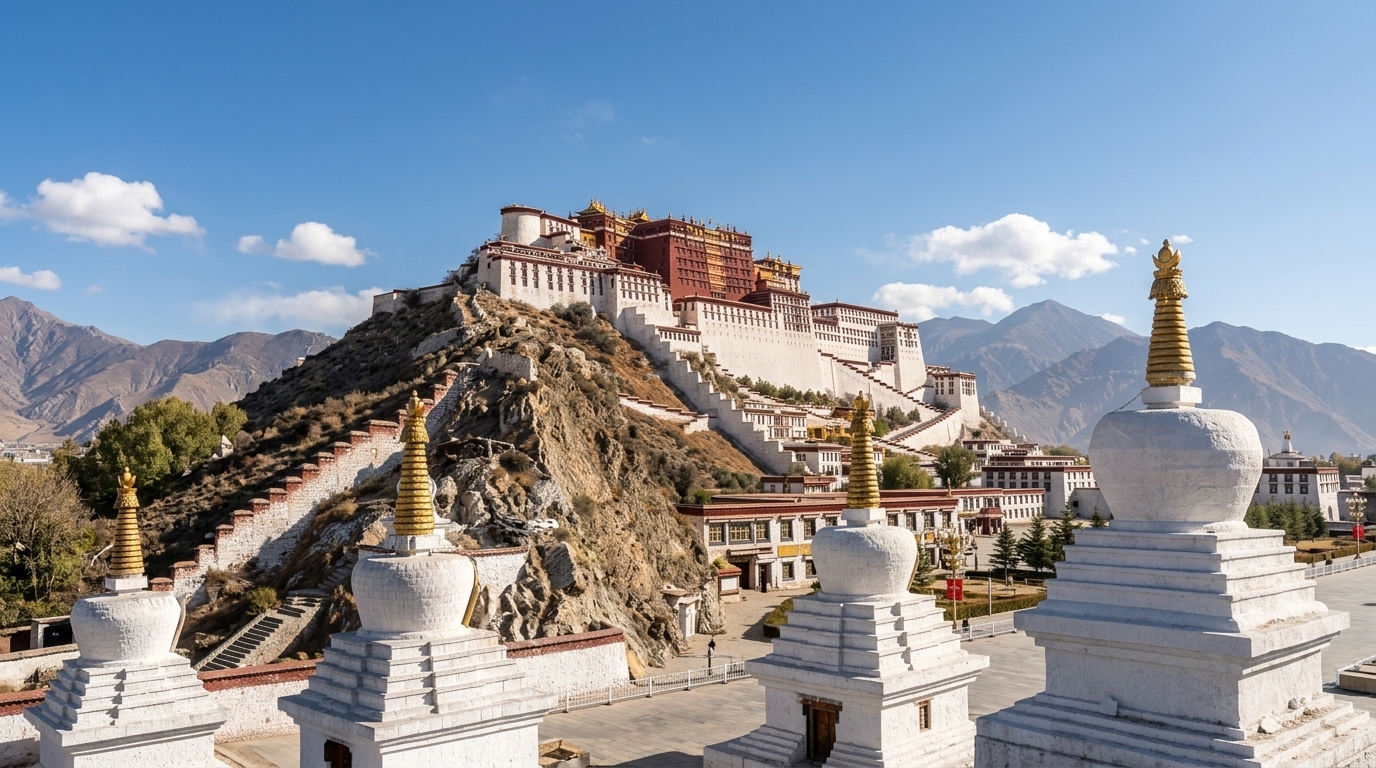
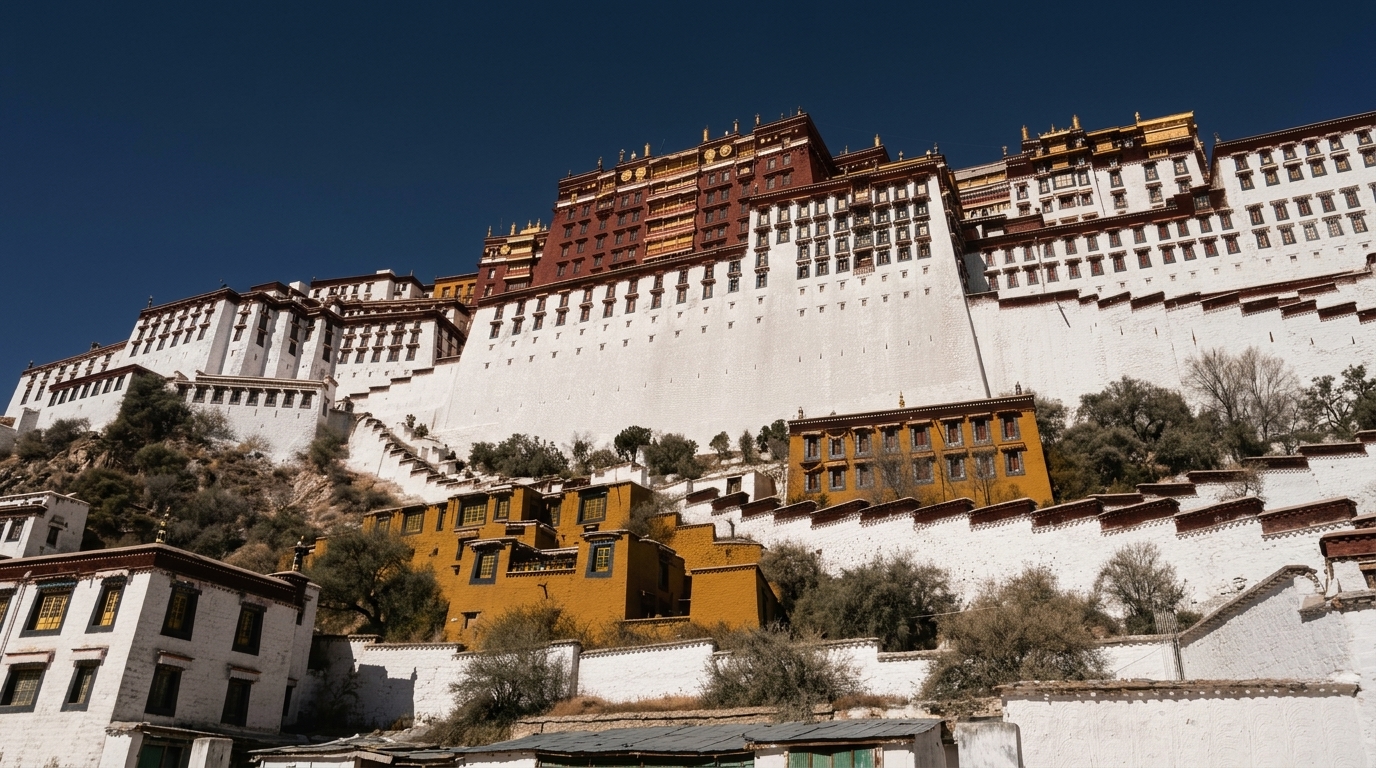
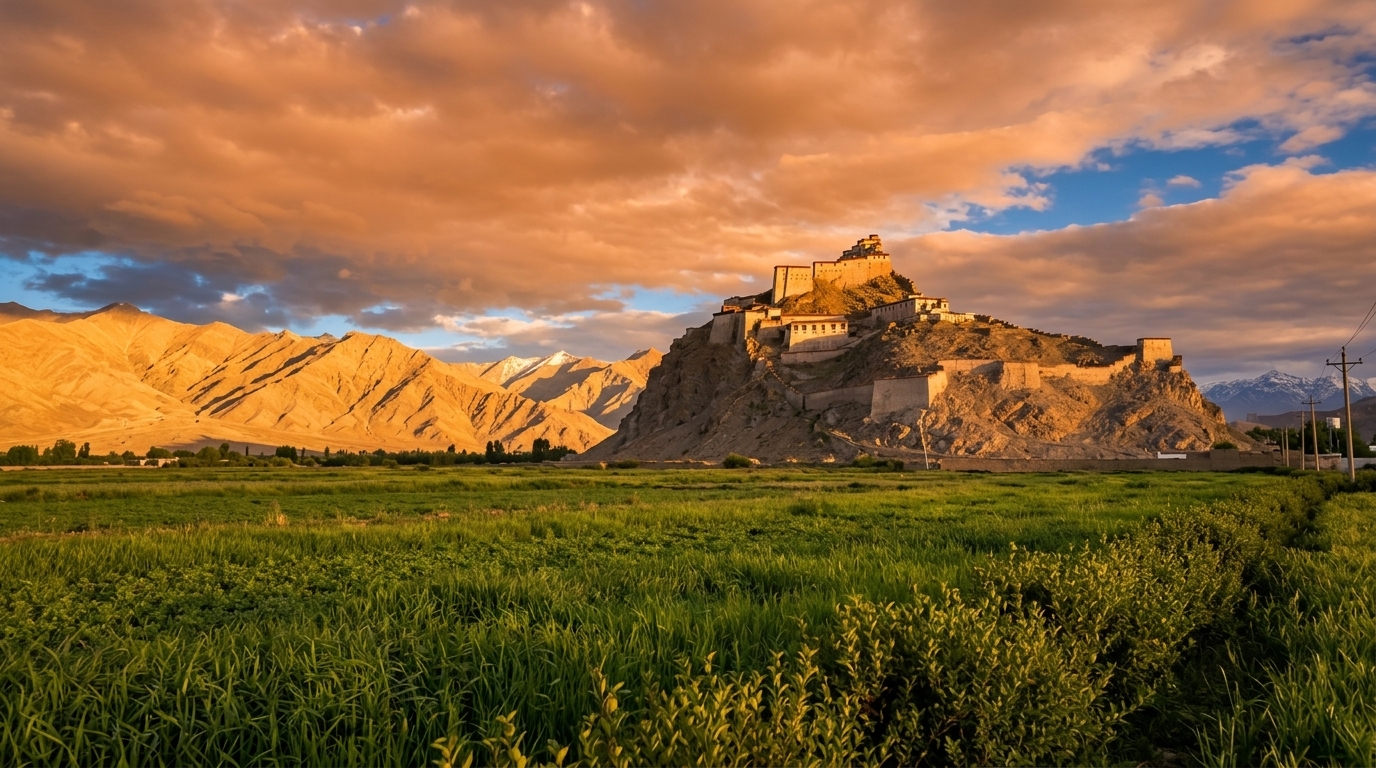
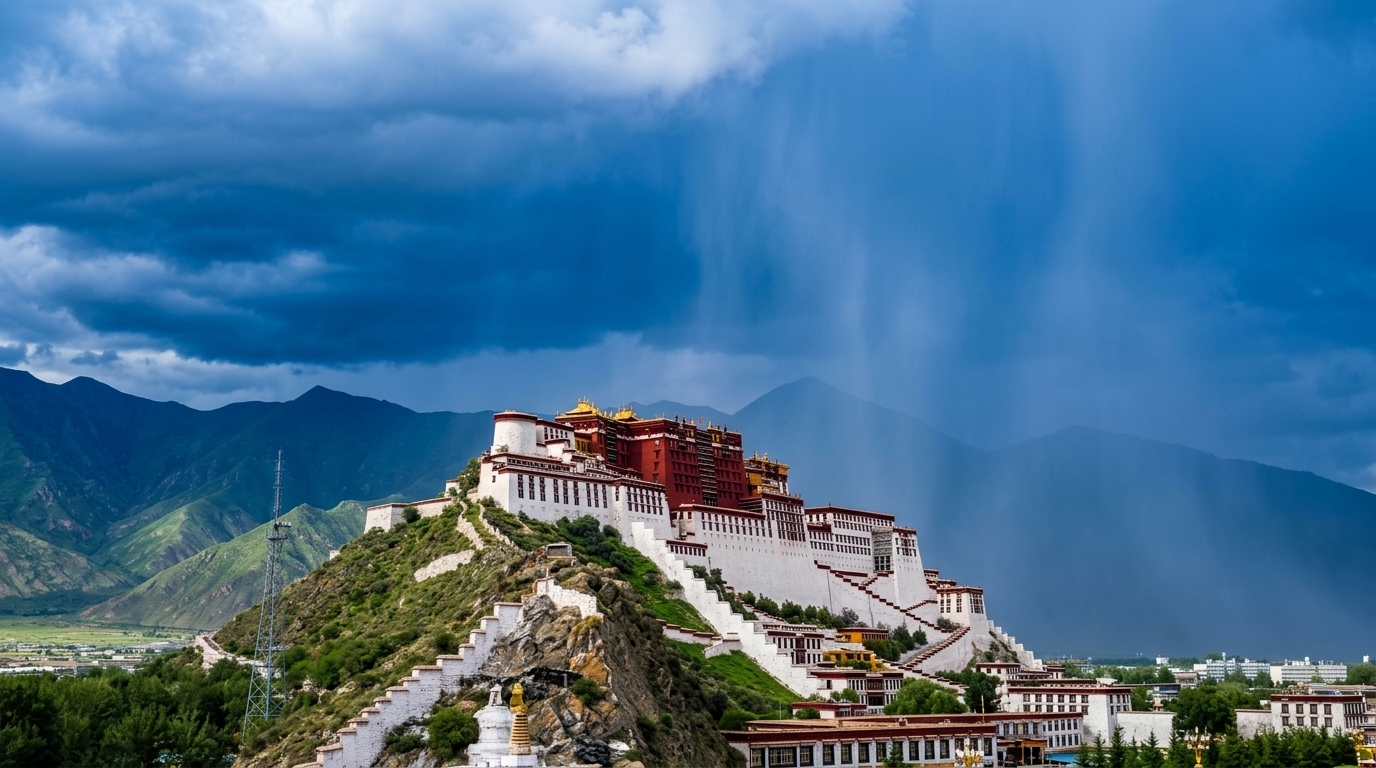
Perched atop Marpo Ri hill in the heart of Lhasa, the Potala Palace stands as the most sacred and iconic landmark on the snow-covered Tibetan Plateau. Its name, derived from the Sanskrit word "Potala," refers to the mythical abode of Avalokiteshvara, the Bodhisattva of Compassion, and the palace itself is revered as a living embodiment of Tibetan spirituality and culture. Originally constructed in 641 AD by King Songtsen Gampo of the Tubo Kingdom, the palace was built to welcome his bride, Princess Wencheng of the Tang Dynasty. What began as a modest structure has since evolved into an awe-inspiring architectural complex of palaces, Buddhist halls, and stupa tombs, culminating in its current form in 1936 with the completion of the 13th Dalai Lama's stupa. In December 1994, the Potala Palace was inscribed as a UNESCO World Heritage Site, cementing its status as a global treasure. The palace is divided into two main sections: the White Palace, which served as the winter residence and political hub of the Dalai Lama, and the Red Palace, a sacred space for enshrining Buddha statues and conducting religious ceremonies. Its majestic scale and intricate Tibetan architectural style make it one of the world's top ten earthen structures, offering visitors a profound journey into history, art, and faith.
Highlights & Activities
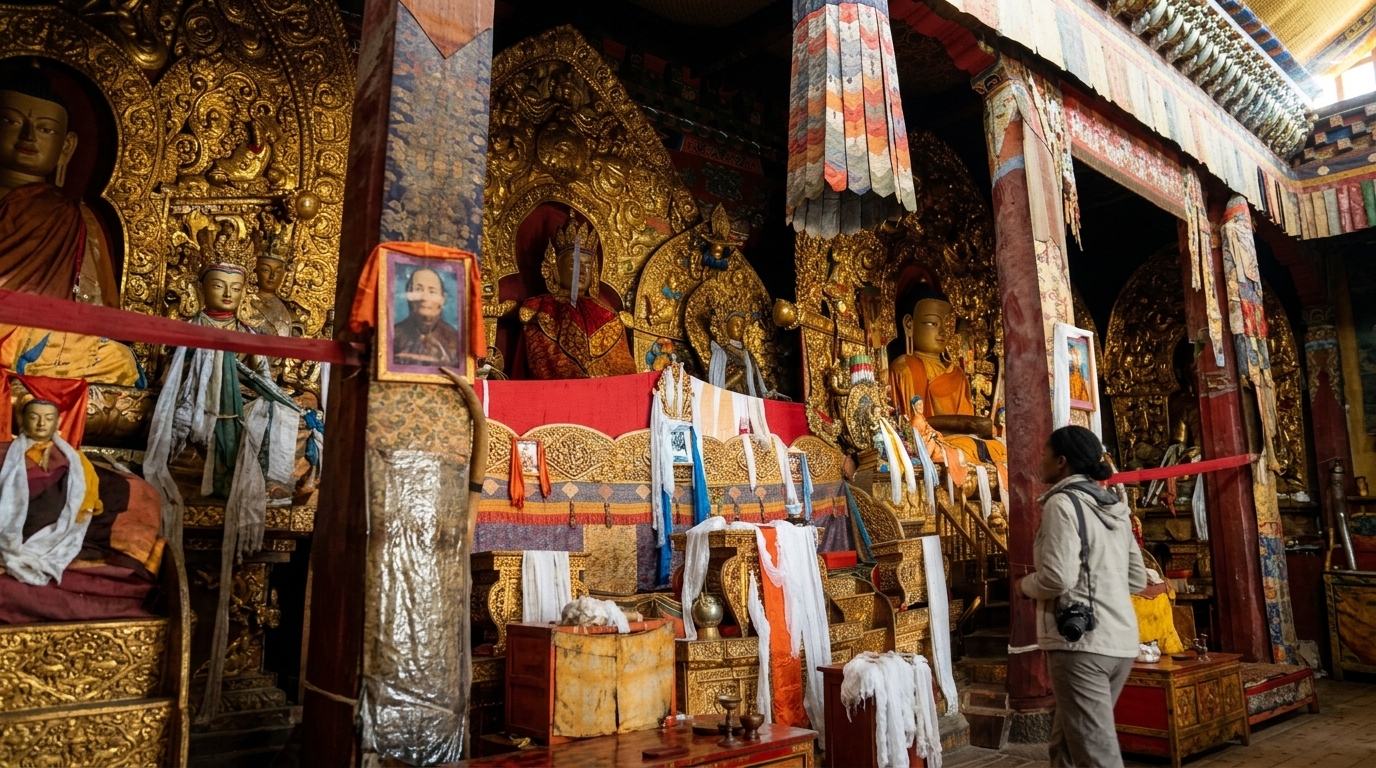
Exploring the Potala Palace is a multi-sensory experience that reveals layers of Tibetan culture and craftsmanship. Start at the White Palace, where the seven-story structure houses the Dalai Lama's winter quarters and the main hall for major religious and political activities. The East and West Sunlight Halls, bathed in natural light, offer a glimpse into the daily life of lamas. Ascend to the Red Palace, built after the death of the 5th Dalai Lama, to see the most significant stupa in Tibet—the 5th Dalai Lama's tomb, clad in gold leaf made from 110,000 taels of gold and said to contain countless precious Dharma objects. Other must-see attractions include the Saint's Hall (Pabala Kang), the Dharma King's Cave (Chogyal Drupuk), and the Western Blissful Perfect Hall (Tsogchen Nyi-shi Phodrang). Visitors can also explore the Hall of Timeless Wheels, the Hall of the Seven Buddhas, and the Hall of the Eight and Nine Dalai Lamas' Stupas. Don't miss the Tibet Cultural Relics Exhibition Hall (Treasure Hall), free with admission, which showcases priceless artifacts like gold and jade volumes, gold seals, thangkas, and imperial treasures from the Ming and Qing dynasties. For a unique architectural insight, look for "white horse grass" (a red, branch-like material) used in the palace walls—this plant from above 4,000 meters provides ventilation, insulation, and earthquake resistance, and can last for a millennium. Remember, photography is allowed outside but strictly prohibited inside the palace and on open-air terraces.
Key Attractions Nearby
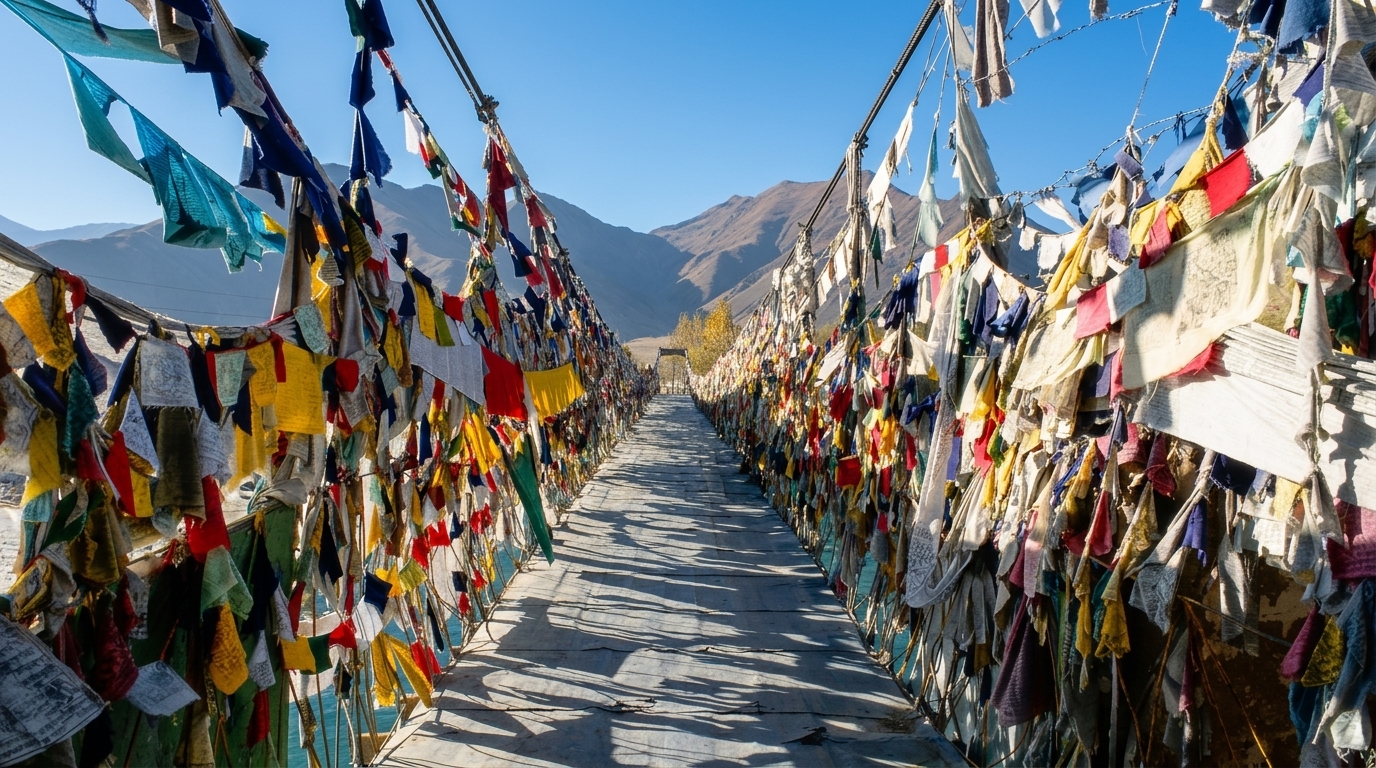
After your palace visit, explore the vibrant surroundings. Directly in front of the Potala Palace lies a large square where, in the evenings, locals gather to dance the "Guozhuang" circle dance to music and fountain shows, offering a lively cultural experience. The Barkhor Street, a bustling pilgrimage circuit, is a short walk away and features a maze of shops selling Tibetan crafts, prayer flags, and jewelry. Here, you'll see devout pilgrims spinning prayer wheels and prostrating. The Jokhang Temple, another UNESCO World Heritage Site, is the spiritual heart of Lhasa and houses a revered statue of Buddha Shakyamuni. For a panoramic view of the city and the Potala, hike to the nearby Chakpori Hill, known for its ancient medical college and stunning vistas.
Where to Dine
Lhasa offers a range of dining options that blend Tibetan and Chinese flavors. Inside the palace complex, the "Qiangcang" (a traditional Tibetan brewery) near the second checkpoint serves Tibetan barley bread, barley wine, and butter tea in a charming courtyard—perfect for a pre-climb refreshment. For a fuller meal, head to the nearby Barkhor Street area, where restaurants like "Makye Ame" offer yak meat dishes, momos (dumplings), and thukpa (noodle soup). For something lighter, try "Snowyland Restaurant" for Tibetan-style pancakes and sweet milk tea. Always stay hydrated with bottled water, as the high altitude can cause dehydration.
Weather & Best Time to Visit
Lhasa enjoys a high-altitude climate with abundant sunshine year-round. Summer (June to August) is the peak season, with warm days (15-25°C or 59-77°F) and frequent rain showers—ideal for comfortable sightseeing but crowded. Spring (April-May) and autumn (September-October) offer mild temperatures and clear skies, with fewer tourists, making them the best times to visit. Winter (November to March) is cold (0-10°C or 32-50°F) but sunny and dry, with lower hotel rates and minimal crowds. However, the palace's visiting hours may be shorter in winter. Note that during peak season (May-October), group tours are limited to one hour, while individual visitors have no time limit; in off-peak season, both groups and individuals have unlimited time.
Travel Tips
Before visiting, note that entry requires a valid passport or ID card—no exceptions. Dress modestly; shorts and short skirts are prohibited. Security is strict: no bottled water, liquids (including cosmetics, eye drops, oil, lip balm), knives, lighters, or oxygen tanks are allowed inside. You can store items at the checkpoint and retrieve them after your visit. Plan to arrive at the first gate (checkpoint) at least one hour before your scheduled time, and at the second gate (the Stele of No Words) 30 minutes early, as latecomers are denied entry. The palace has four gates: first for ID and ticket check, second for time verification, third for ticket purchase (cash or exchange), and fourth for entry. The climb involves hundreds of stone steps, so pace yourself and bring water (drink before entering). Inside, remove hats and sunglasses, avoid loud conversations, and never point at Buddha statues with your finger—use an open palm. For a unique experience, visit the legendary toilet on the White Palace platform, which, despite its 300-year history, offers a dramatic drop into the valley below. Finally, consider visiting the Tibet Cultural Relics Exhibition Hall (free) for extra time before your ascent. With these tips, you'll fully appreciate the Potala Palace's grandeur and spiritual depth.