Overview & History
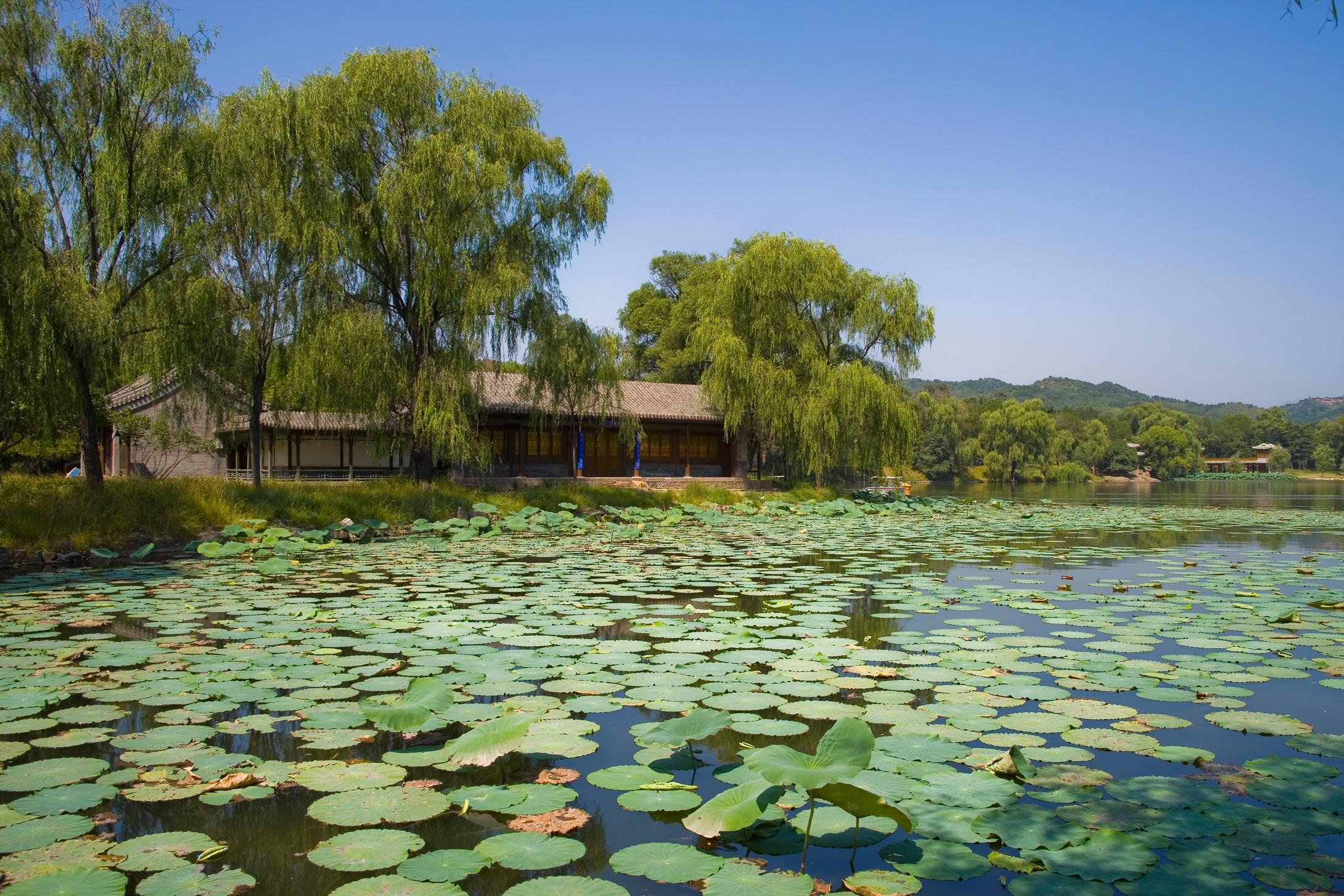
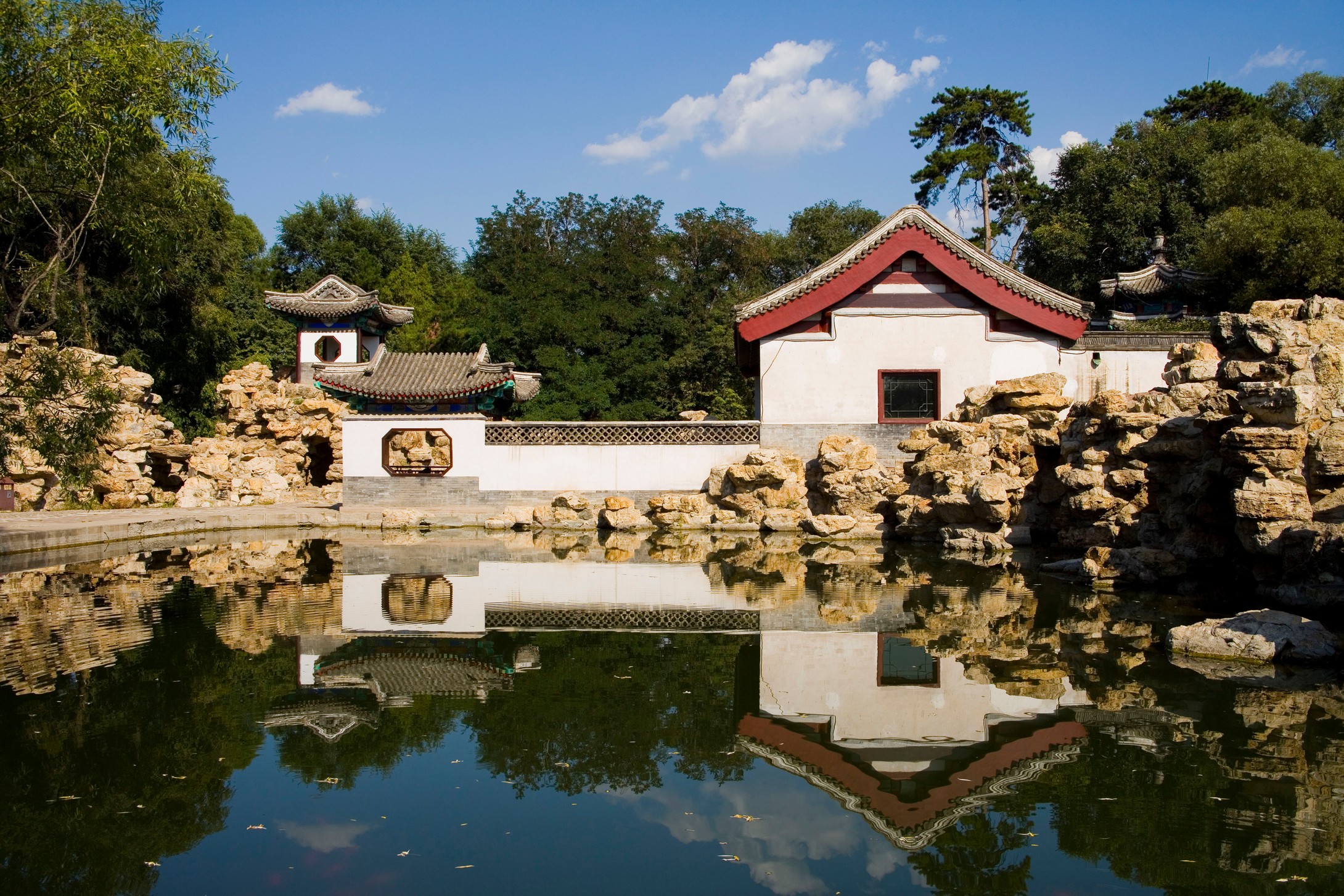
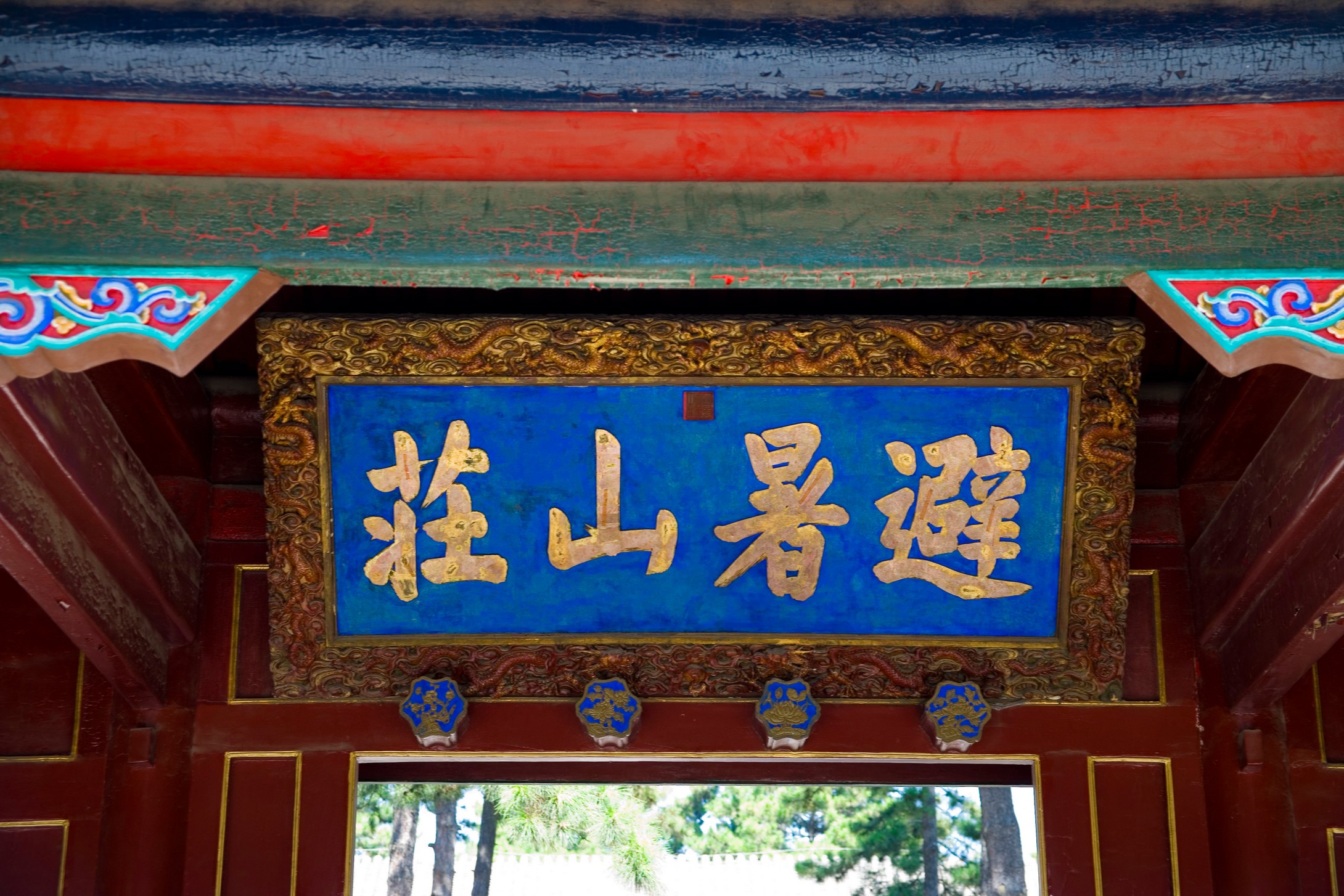
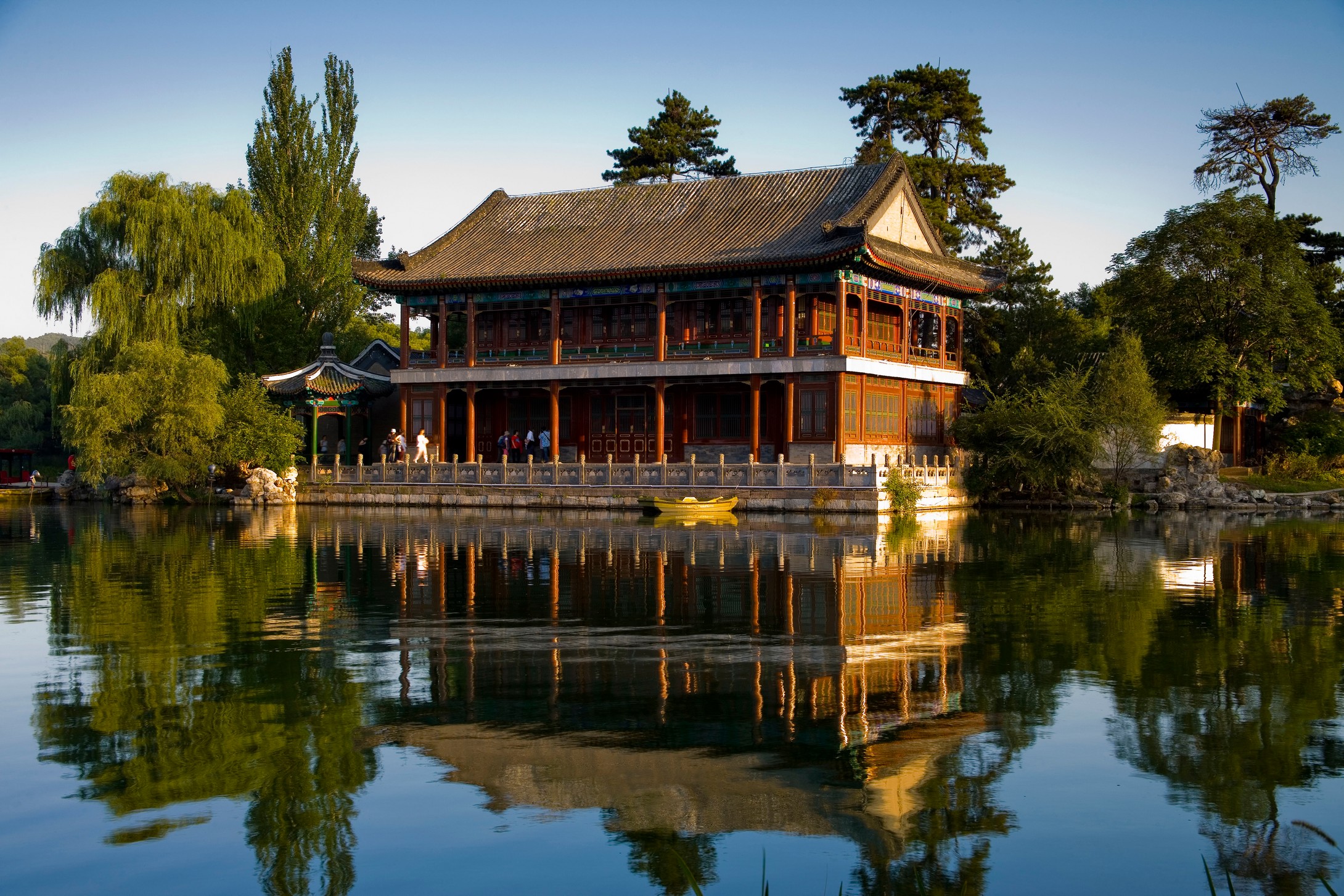
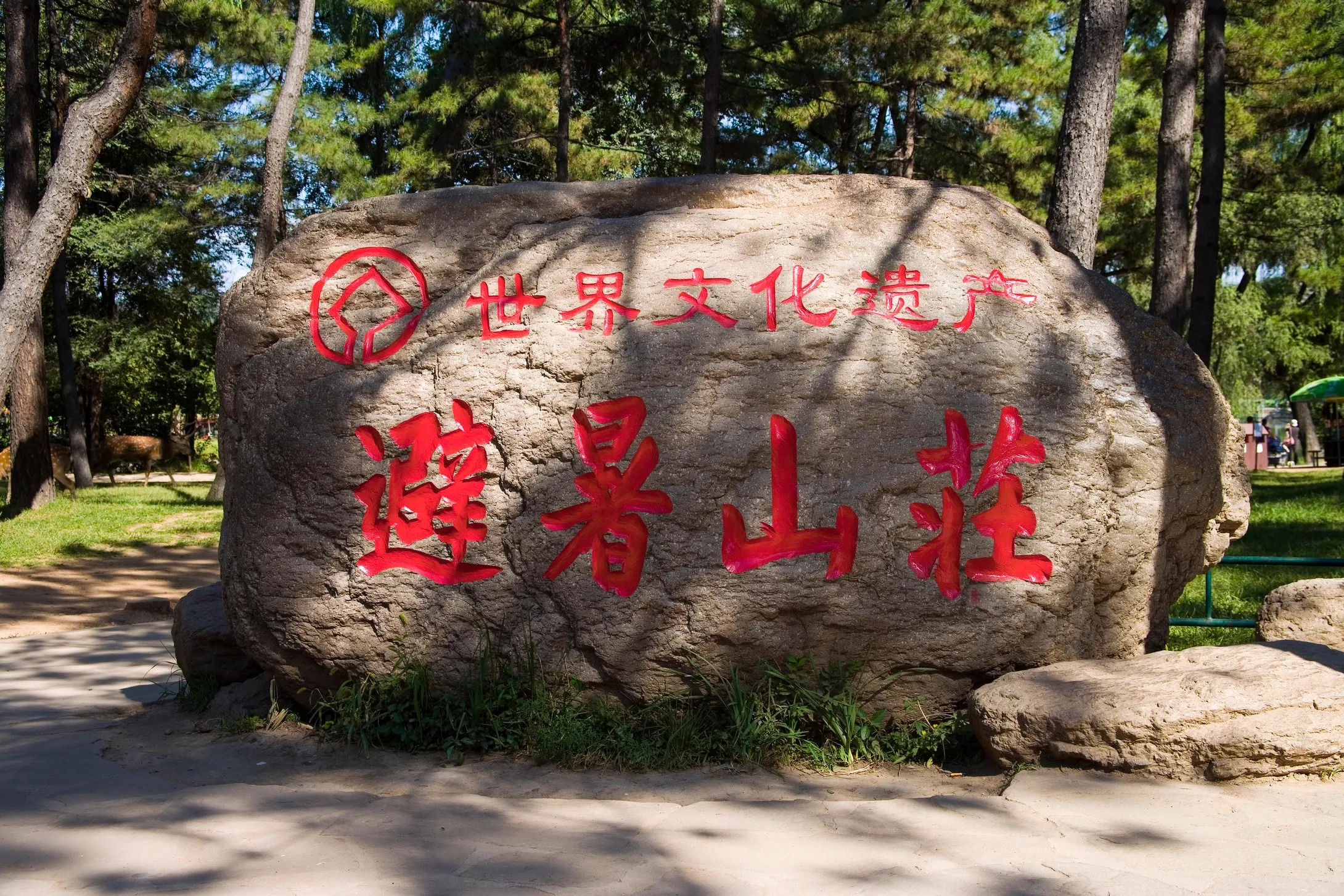
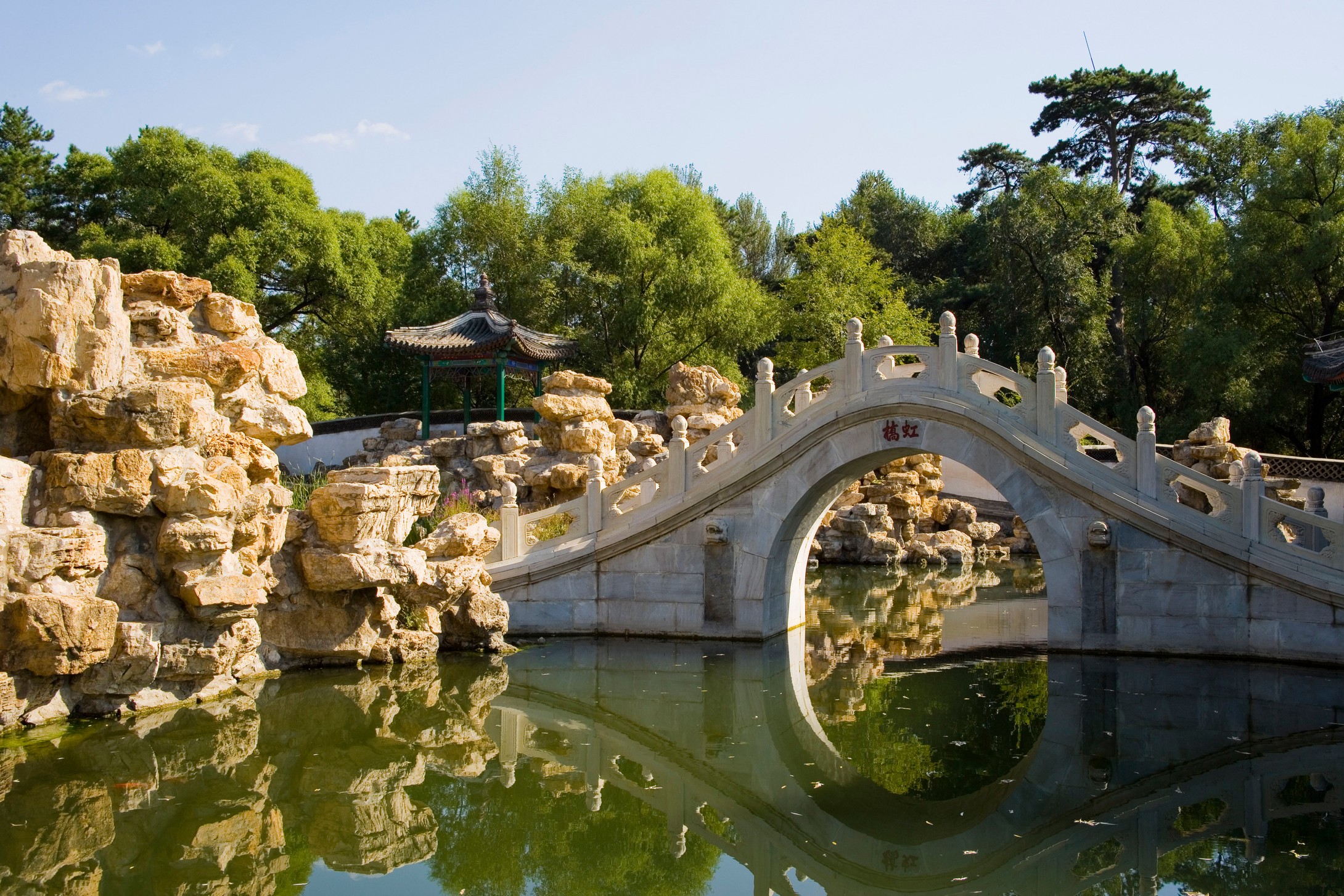
Nestled in the northern part of downtown Chengde, on the west bank of the Wulie River, the Mountain Resort (also known as the Chengde Detached Palace or Rehe Traveling Palace) stands as one of China's most magnificent imperial retreats. This UNESCO World Heritage Site and National AAAAA-level Tourist Attraction is not merely a garden—it is a masterful microcosm of the entire Qing Empire. Construction began in 1703 and spanned 89 years, through the reigns of Emperors Kangxi, Yongzheng, and Qianlong. Covering an astonishing 5.64 million square meters, it is the largest existing classical imperial garden in China, twice the size of Beijing’s Summer Palace and eight times that of Beihai Park.
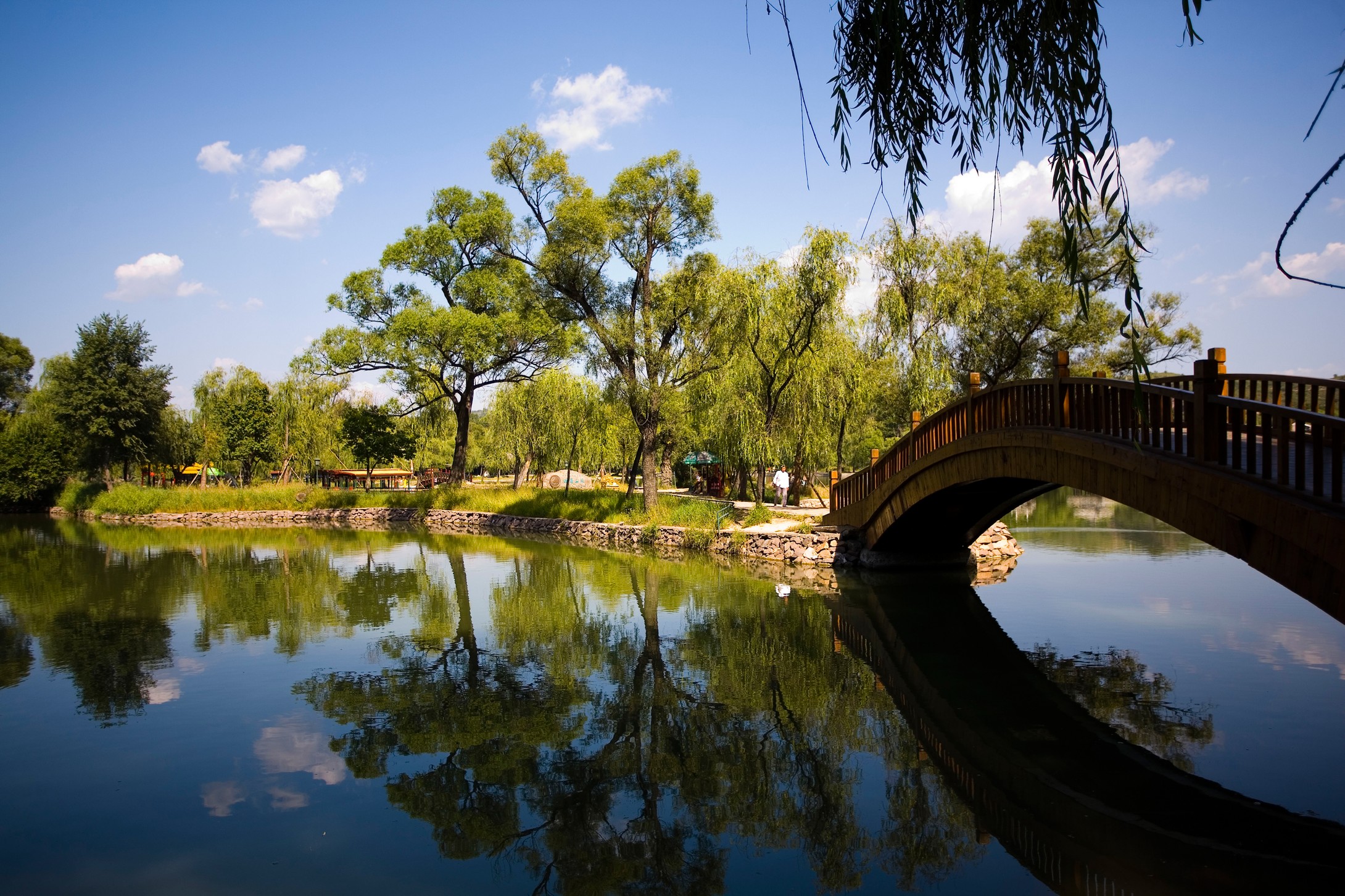
What makes the Mountain Resort truly unique is its layout, which “simulates the natural geographical features of the whole country.” The terrain rises in the northwest and dips in the southeast, mirroring the map of China itself: the mountainous northwest evokes the Northwest Plateau, the southeastern lake region recalls the Jiangnan water towns, the northern prairie suggests the Mongolian grasslands, and the eastern plain represents the fertile fields of the Central Plains. This design philosophy of “moving heaven and earth into the ruler’s embrace” transformed the resort into a living symbol of the Qing dynasty’s vast territory and diverse cultures. Unlike the imposing majesty of the Forbidden City, this retreat offers a warmer, more peaceful atmosphere—a haven where emperors could escape the summer heat, handle state affairs, and reconnect with nature.
Highlights & Activities
The resort is divided into four functional zones: the Palace Area, Lake Area, Plain Area, and Mountain Area. Each offers distinct experiences.
- Palace Area: The heart of imperial life, where the main hall, Danbojingcheng Hall, is constructed entirely from nanmu wood without any paint or decoration, exuding rustic elegance. This is where emperors conducted state business and lived during their summer stays.
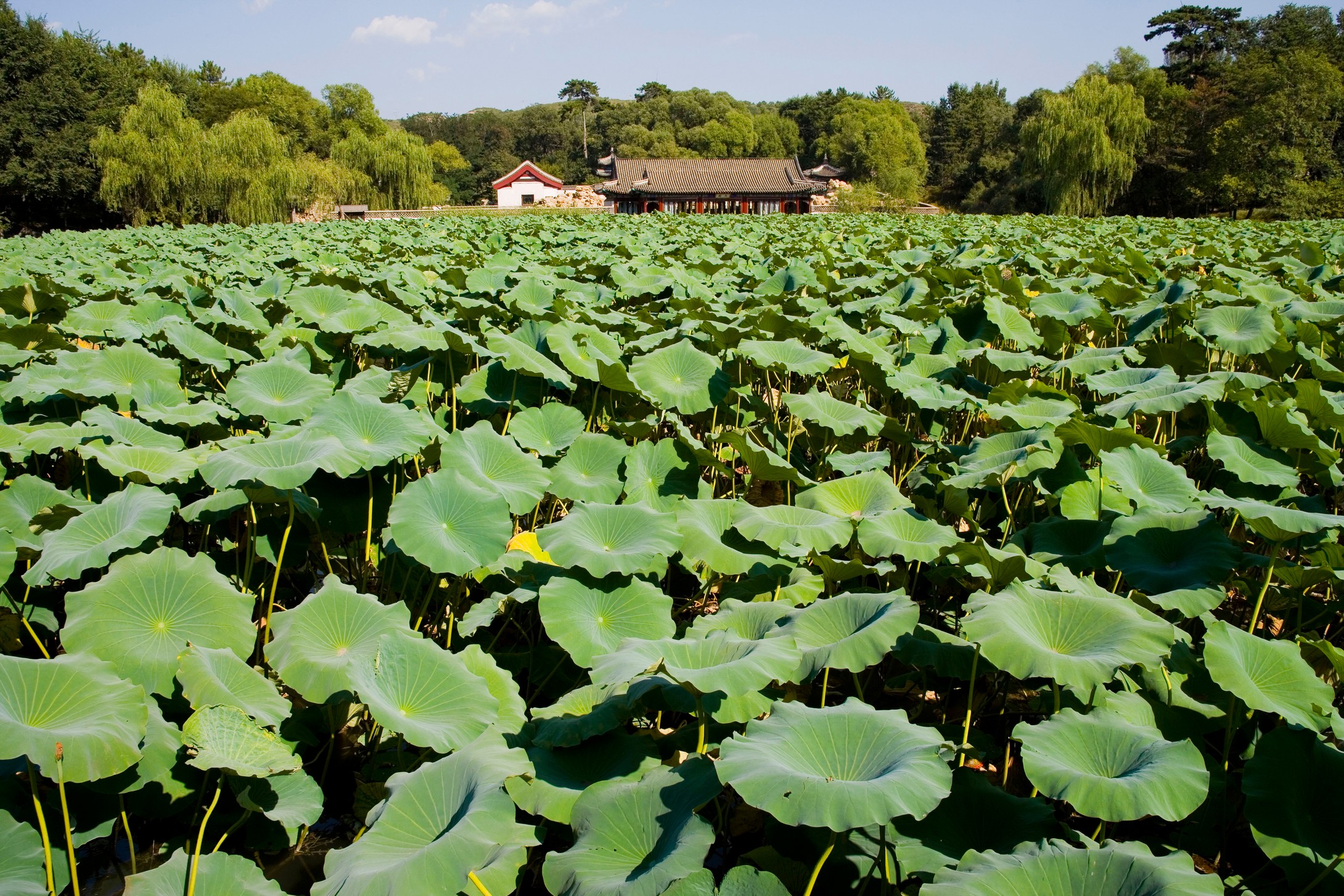
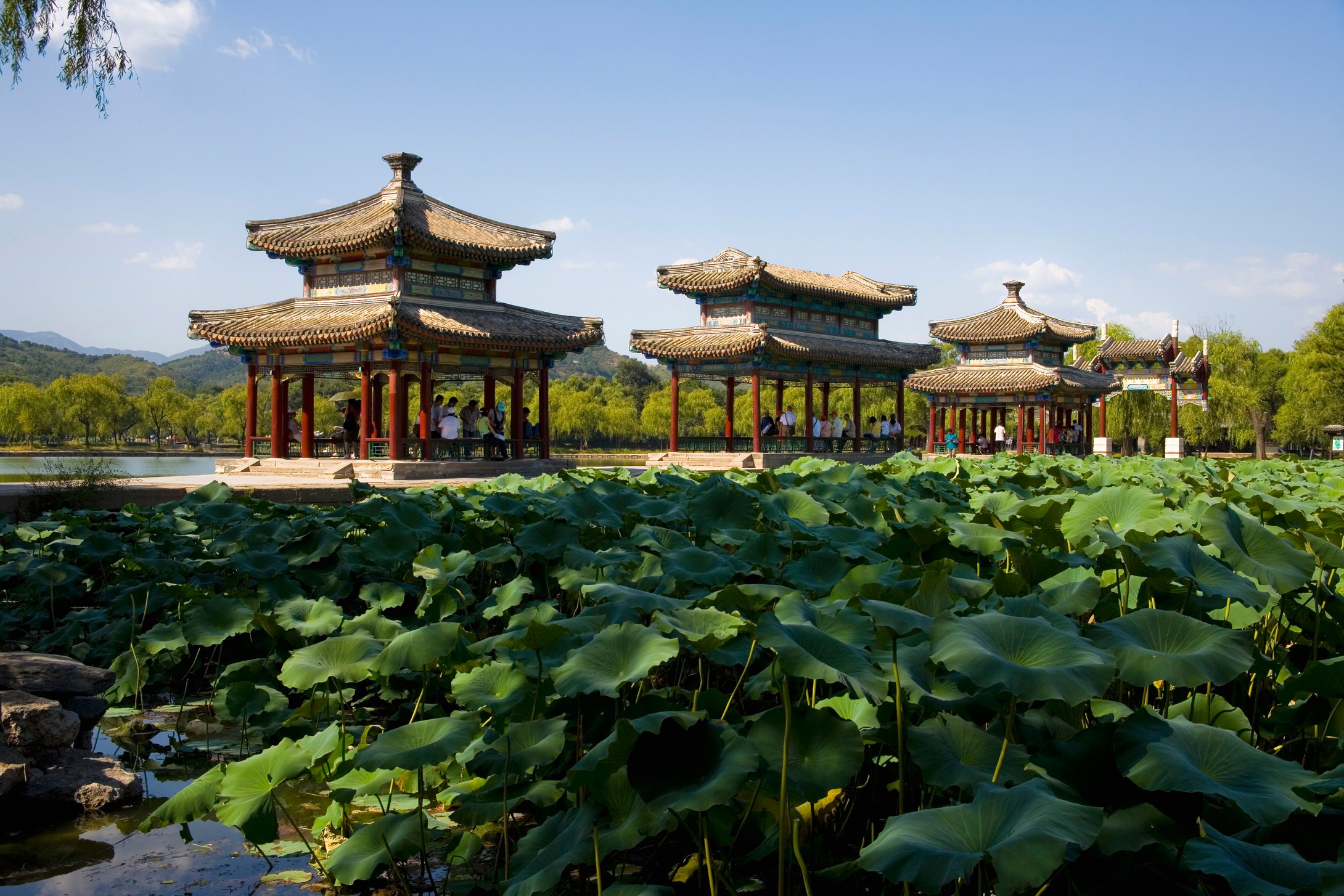
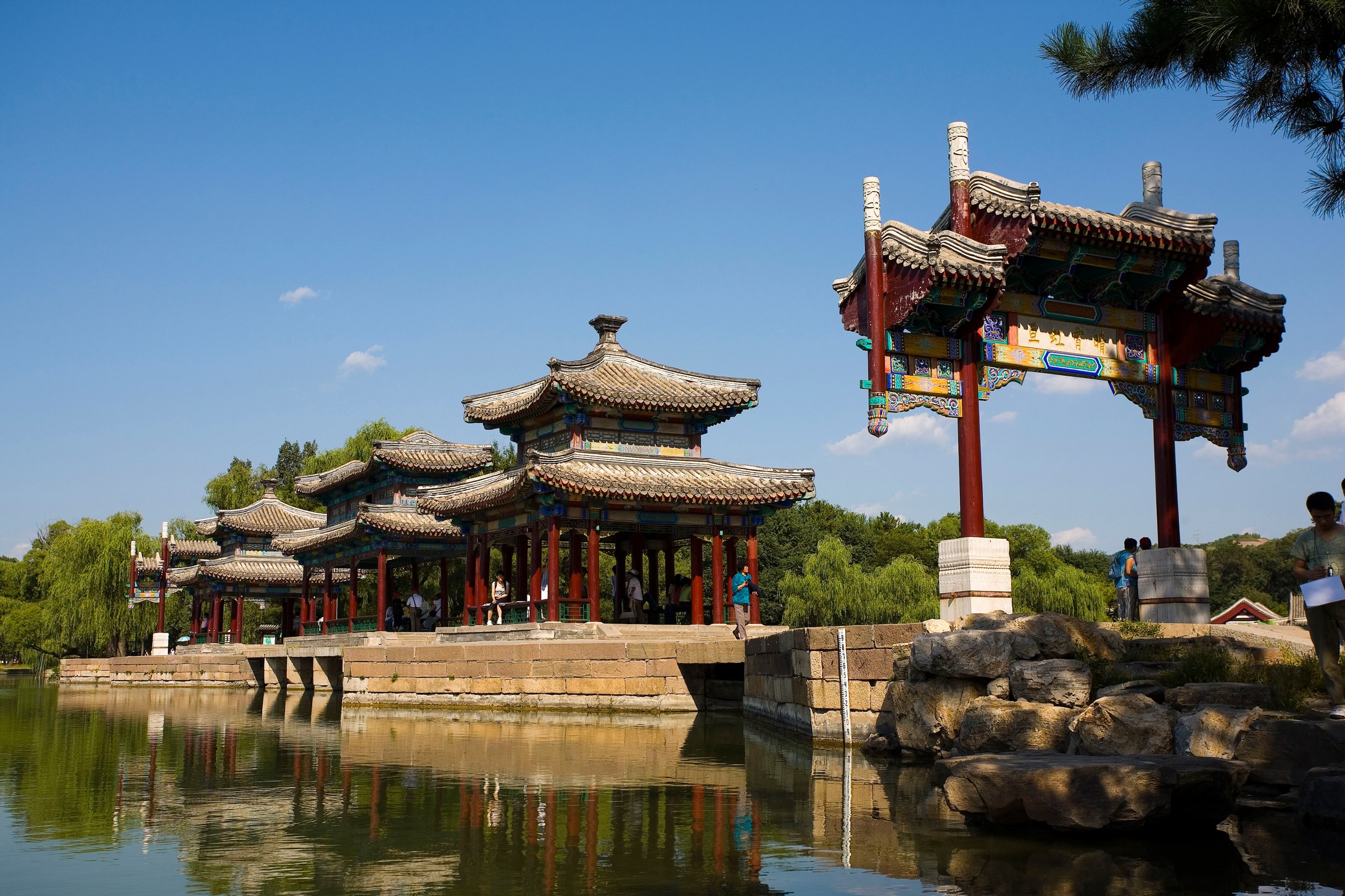
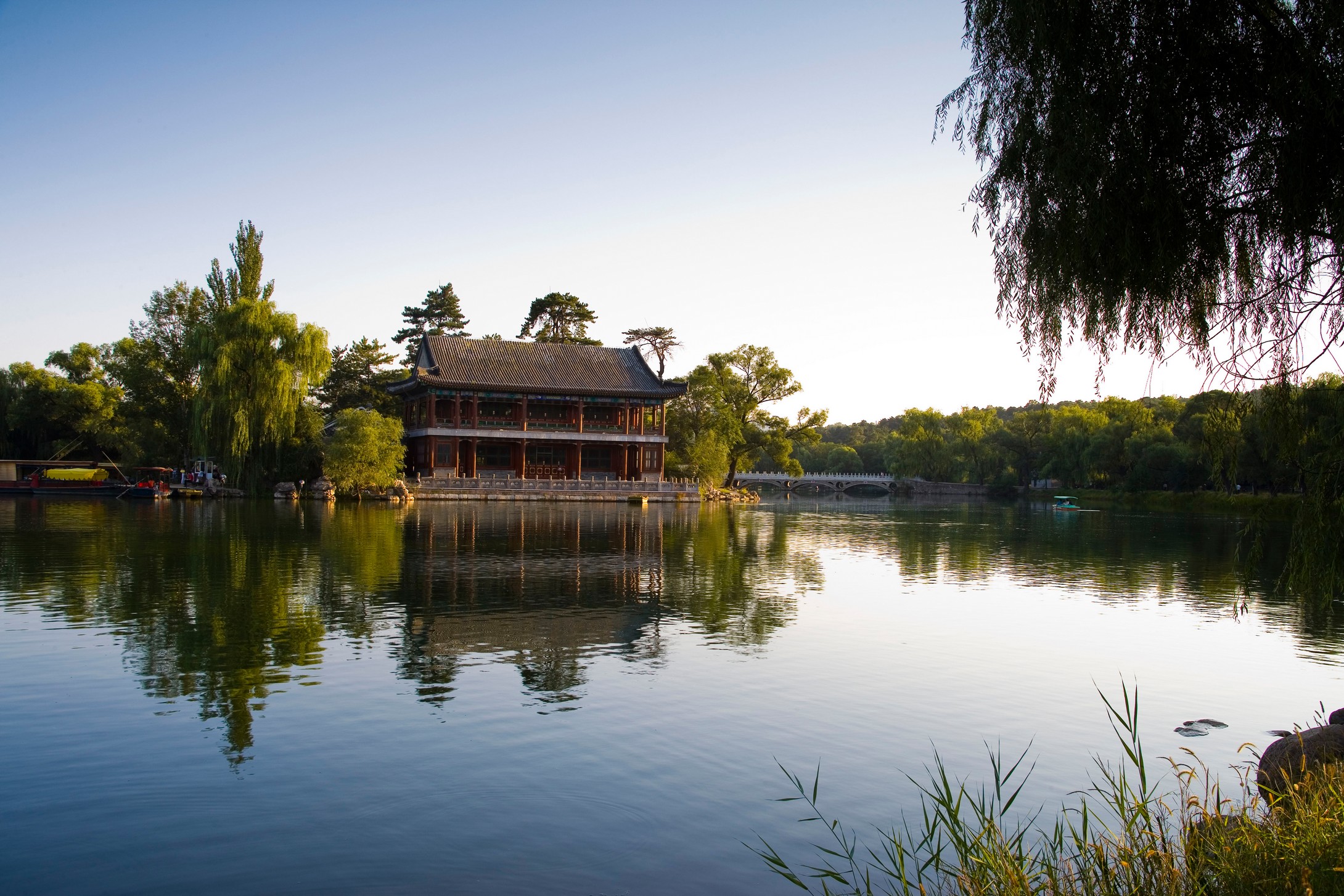
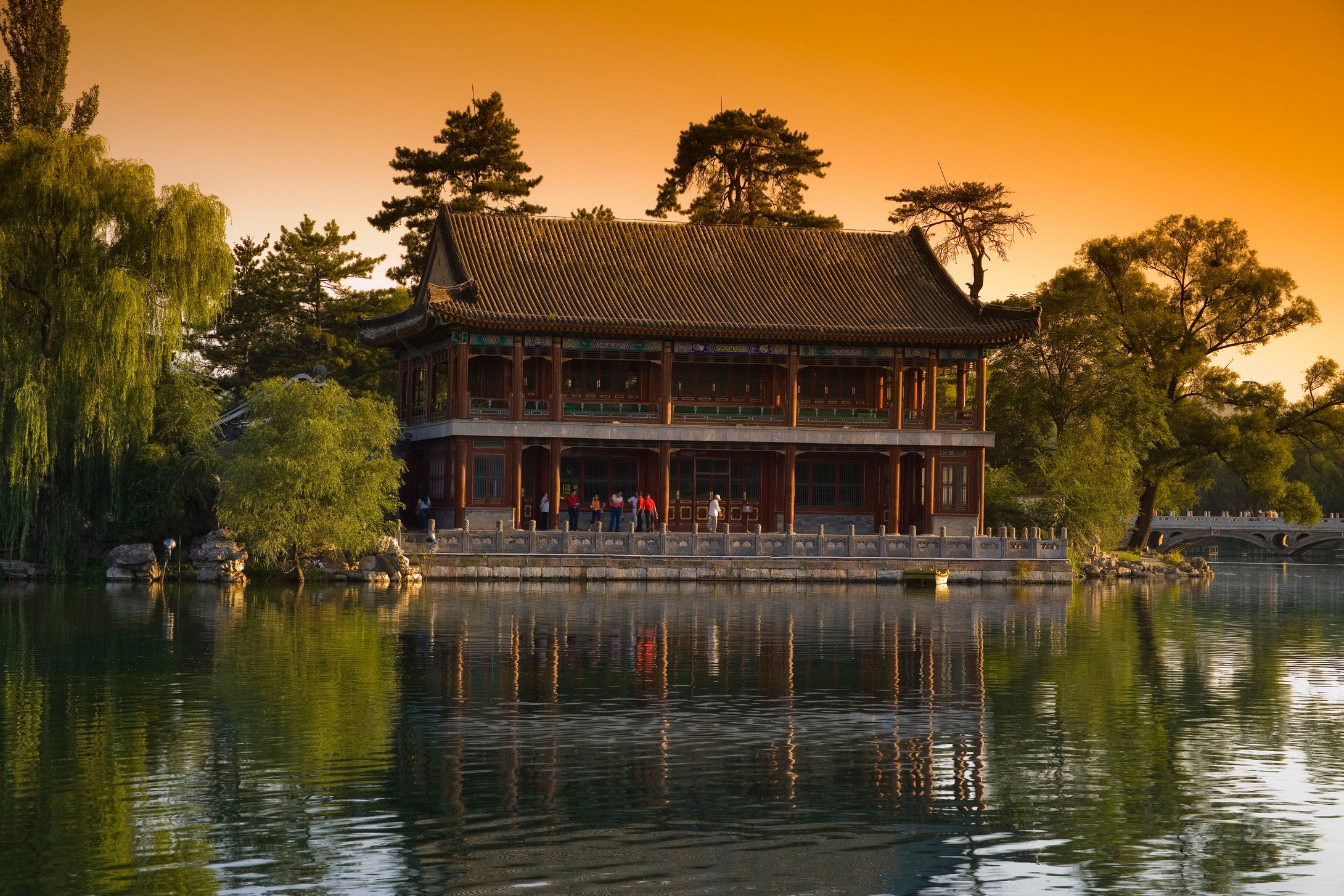
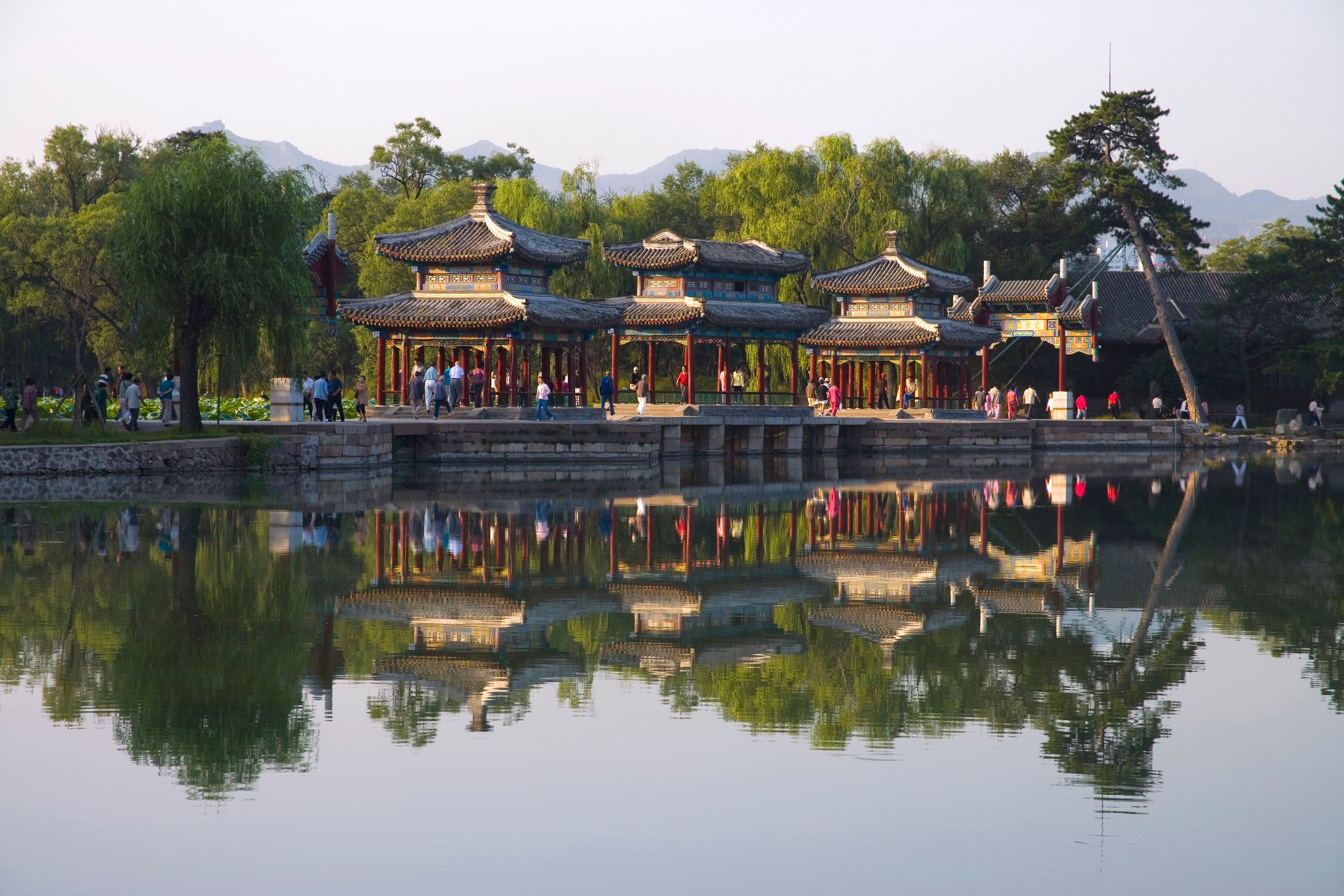
- Lake Area: The soul of the resort, this zone features a series of lakes and islands that replicate famous Jiangnan landscapes. Highlights include the Yanyu Tower (modeled after Jiaxing’s Misty Rain Tower), Jinshan Island (inspired by Zhenjiang’s Jinshan Temple), and the Wenyuan Lion Grove (a copy of Suzhou’s Lion Grove Garden). Emperor Qianlong, who made six trips to the Jiangnan region, brought these scenic wonders north for his personal enjoyment.
- Plain Area: The vast Wanshu Garden (Ten Thousand Trees Garden) served as a venue for banquets with Mongol princes and foreign envoys, reflecting the Qing dynasty’s multicultural diplomacy.
- Mountain Area: Rolling hills dotted with pavilions and towers offer panoramic views of the entire resort. A unique feature is the presence of over 800 free-roaming deer, adding a touch of wild charm to the cultivated landscape.
Activities include leisurely boat rides on the lakes, hiking through the mountain trails, and photographing the harmonious blend of elegant palaces with the natural scenery. The resort’s courtyards, pavilions, and stages evoke the charm of Jiangnan water towns, while the deer and open spaces provide a sense of serene escape.
Key Attractions Nearby
Chengde is a treasure trove of Qing-dynasty architecture. Within easy reach of the Mountain Resort:
- Putuo Zongcheng Temple: Modeled after the Potala Palace in Lhasa, this grand temple complex showcases Tibetan Buddhist architecture and is a UNESCO World Heritage Site.
- Puning Temple: Home to a massive 22-meter-tall wooden statue of the thousand-armed Guanyin, this temple is a masterpiece of Qing religious art.
- Pule Temple: Known for its unique circular hall, it blends Han and Tibetan styles and is part of the “Eight Outer Temples” surrounding the resort.
These temples, along with others, form a harmonious ensemble that reflects the Qing court’s policy of uniting diverse ethnic groups.
Where to Dine
In and around the resort, you’ll find local specialties that reflect Chengde’s imperial heritage:
- Imperial-Style Cuisine: Several restaurants near the resort’s main gate offer dishes inspired by Qing palace recipes, such as steamed lamb with herbs and delicate pastries.
- Manchu-Han Banquet: For a truly lavish experience, some upscale venues serve a simplified version of the legendary Manchu-Han Banquet, featuring over a hundred dishes.
- Street Food: Along Lizhengmen Road, vendors sell local snacks like baked chestnuts, sugar-coated hawthorn skewers, and crispy fried tofu. For a quick meal, try the hand-pulled noodles at a nearby noodle shop.
Weather & Best Time to Visit
Chengde has a temperate continental climate with four distinct seasons. The best time to visit is from May to October, when the weather is mild and the gardens are in full bloom. Summer (June–August) is peak season, with temperatures averaging 20–25°C—perfect for escaping the heat of Beijing. However, this is also the busiest time, so expect larger crowds. Spring (April–May) and autumn (September–October) offer pleasant weather and fewer tourists, making them ideal for a quieter experience. Winter (November–March) can be cold (below 0°C), but the snow-covered landscapes have a stark, serene beauty, and ticket prices drop to the low season rate.
Travel Tips
- Getting There: The resort is at No. 20 Lizhengmen Road, Chengde. From the city center, take bus route 5 (costing about 1–2 yuan) or a taxi (approximately 8 yuan). If coming from Beijing, high-speed trains run to Chengde Railway Station, followed by a short taxi ride.
- Opening Hours: Daily from 8:00 AM to 5:30 PM. Last entry is usually one hour before closing.
- Ticket Prices: Low season (November–March) costs 90 yuan; peak season (April–October) costs 120 yuan. Discounts are available for students and seniors.
- What to Bring: Comfortable walking shoes are essential, as the resort is vast. Bring water, sunscreen, and a hat in summer; a warm jacket in winter. A camera is a must for capturing the stunning vistas. If you plan to hike the mountain area, pack snacks and extra water.
- Additional Tips: Consider hiring a local guide or renting an audio guide to fully appreciate the historical and cultural significance. Avoid weekends and public holidays if possible, as crowds can be heavy. Finally, don’t miss the chance to feed the deer (with approved food) for an unforgettable experience.